celebpeek
  • Home
  • Bollywood
  • Hollywood
  • Lifestyle
  • Fashion
celebpeek
  • Music
  • Celebrity News
  • Events
  • TV & Streaming
Home » explains » Page 5
Tag:

explains

Cardiologist explains heart attacks are deadlier in women than men, highlights ‘gender gap’ in heart health
Lifestyle

Cardiologist explains heart attacks are deadlier in women than men, highlights ‘gender gap’ in heart health

by jummy84 September 22, 2025
written by jummy84

Heart disease is often perceived as a ‘man’s disease,’ but in reality, it is the leading cause of death among women. Yet, many symptoms in women are overlooked, misinterpreted, or misdiagnosed, partly because standard tests and treatments have historically been based on male patterns. From hormonal changes and stress to lifestyle and genetic factors, a wide range of elements influence women’s heart health – making awareness, early detection, and gender-specific care crucial for prevention and survival.

Heart disease is often considered as a “man’s disease” but it is much more prevalent in women.(Pexel)

Also Read | Cardiologist reveals having ‘big heart’ in medical terms is not a compliment but cause for concern: Here’s why

Dr. Dmitry Yaranov, a cardiologist and heart transplant surgeon, specialising in advanced heart failure, heart transplantation, and mechanical circulatory support, working with Baptist Memorial Health care, is raising awareness about women’s heart health, highlighting that heart disease is the leading cause of death among women – yet it remains largely overlooked and underdiagnosed. In an Instagram video shared on September 21, the cardiologist outlines eight facts about women’s heart health and emphasises that many of these risks go unnoticed due to medical ignorance, often resulting in misdiagnoses and preventable deaths. He also talks about symptoms, risk factors and ways to stay healthy.

Prevalence of heart disease fatalities

According to Dr Yaranov, “Heart disease is the leading cause of death in women – yet many still think it’s a “man’s disease.” It’s time to change that!” He also mentions that it is the biggest health concern in women, which is frequently overlooked.

Heart attack symptoms

Dr Yaranov stresses that women usually do not experience the “classic” heart attack symptoms, which are common in men and regarded as the norm. He explains, “Instead of crushing chest pain, many feel nausea, fatigue, dizziness, or shortness of breath – often leading to misdiagnosis.”

Heart attack fatalities

The cardiologist points out that heart attacks can be deadlier in women, as compared to men. He explains, “Women are more likely to die within the first year of a heart attack than men, partly because symptoms go unrecognized or untreated.”

Detecting heart disease

According to the cardiologist, “Plaque builds up differently in women’s arteries, making heart disease harder to detect.” Standard heart disease tests were designed according to the patterns of men, which can be misleading for diagnosing women.

Also Read | Cardiologist reveals 5 ancient Indian herbs to boost health naturally: ‘…turns out to be the ultimate nutritional bomb’

Emotional health

Dr Yaranov highlights the importance of the role of stress and emotional health linked to heart disease in women. He elaborates, “Conditions like anxiety and depression can increase heart risks, but they’re rarely part of heart health conversations.”

Post-menopause risks

Post-menopausal women are more prone to the risk of heart disease. The heart surgeon highlights, “The natural drop in estrogen removes a layer of protection, increasing the chances of high blood pressure, cholesterol, and heart attacks.”

Treatments

Dr Yaranov points out the appalling disparity of receiving life-saving treatments between men and women. “Whether it’s medication, stents, or even CPR, women receive them less often than men – yet they need them just as much,” the cardiologist adds.

Prevention

The doctor stresses that most heart diseases are preventable. He suggests, “A heart-healthy lifestyle, regular check-ups, and listening to your body can make all the difference.”

Note to readers: This article is for informational purposes only and not a substitute for professional advice. It is based on user-generated content from social media. HT.com has not independently verified the claims and does not endorse them.

September 22, 2025 0 comments
0 FacebookTwitterPinterestEmail
Clinical psychologist explains victim mentality in relationships: How to recognise the signs and strategies to manage
Lifestyle

Clinical psychologist explains victim mentality in relationships: How to recognise the signs and strategies to manage

by jummy84 September 19, 2025
written by jummy84

Updated on: Sept 19, 2025 12:58 pm IST

Psychologist Dr Vandana V. Prakash explains how victim mentality affects relationships, key signs to watch for and strategies to build healthier partnerships.

Ever feel like your partner constantly plays the victim and blames you for everything that goes wrong? You’re not alone. Experts say this pattern of behaviour, known as victim mentality, is becoming increasingly common in relationships and can take a serious toll on emotional intimacy. Often rooted in past trauma or unresolved experiences, it is a clinically recognised behaviour that can strain even the strongest relationships.

Victim mentality in individuals can lead to serious strain over even the strongest bonds.(Unsplash)

Also Read | Psychologist explains 9 reasons why playing with toys is essential for your child’s development

In an interview with HT Lifestyle, Dr Vandana V. Prakash – a clinical psychologist with 30 years of experience in psychotherapy and psycho-diagnostics, who is currently associated with Max Hospital, Vaishali – discusses the rising prevalence of victim mentality in relationships, particularly within marriages. She outlines the key signs to recognise this behaviour and shares strategies that can not only support a person struggling with victim mentality but also foster a healthier, more balanced relationship.

What is victim mentality?

Dr Prakash defines victim mentality as “marked by a general sense that one’s unhappiness or circumstances are completely due to the fault of others. Those who play victim deflect blame and responsibility on others.” She flags victim mentality as a serious issue in close relationships, with the potential possibility of breaking up marriages. The psychologist highlights, “Persons who have this mentality often overwhelm the partner by excessive blame, complain how nothing has worked for them, and due to others’ fault, they are powerless to change their circumstances.” This could sometimes stem from childhood experiences of trauma and is used as a coping mechanism by the person.

How to recognise victim mentality?

Dr Prakash lists the following as key signs of recognising victim mentality in your partner.

  • Great amount of worrying
  • Constant complaints
  • Rejection of advice given
  • Repeating the same problem without efforts to find a solution
  • Hearing but not listening
  • Emotionally uninvolved with life partner
  • Expectations of being looked after, but always dissatisfied that it was not enough
  • Feeling unloved and uncared for, despite the opposite being true.

Also Read | Clinical psychologist explains what drives eve-teasing and how it affects victims: ‘A power game where the perpetrator…’

How to manage victim mentality?

If you notice these signs in your partner, Dr. Prakash recommends taking proactive, healthy steps to address the issue.

  • Listen and empathise, but don’t always agree
  • Point out their thinking
  • Help them take responsibility
  • Help them love themselves
  • Help them in accepting others

However, the psychologist mentions that these strategies, despite being effective, take a fairly long time to manifest substantial changes. If all else fails, she recommends seeking help from a mental health professional.

Note to readers: This article is for informational purposes only and not a substitute for professional medical advice.

Catch every big hit, every wicket with Crick-it, a one stop destination for Live Scores, Match Stats, Quizzes, Polls & much more. Explore now!.

Catch your daily dose of Fashion, Taylor Swift, Health, Festivals, Travel, Relationship, Recipe and all the other Latest Lifestyle News on Hindustan Times Website and APPs.

Catch every big hit, every wicket with Crick-it, a one stop destination for Live Scores, Match Stats, Quizzes, Polls & much more. Explore now!.

Catch your daily dose of Fashion, Taylor Swift, Health, Festivals, Travel, Relationship, Recipe and all the other Latest Lifestyle News on Hindustan Times Website and APPs.

News / Lifestyle / Health / Clinical psychologist explains victim mentality in relationships: How to recognise the signs and strategies to manage

September 19, 2025 0 comments
0 FacebookTwitterPinterestEmail
Gynaecologist explains what your period reveals about fertility and reproductive health: ‘Irregular cycles can be…'
Lifestyle

Gynaecologist explains what your period reveals about fertility and reproductive health: ‘Irregular cycles can be…’

by jummy84 September 18, 2025
written by jummy84

Published on: Sept 18, 2025 08:13 pm IST

Your period can reveal more than you think. A gynaecologist explains how cycle patterns, flow changes, and pain may signal key aspects of fertility and health.

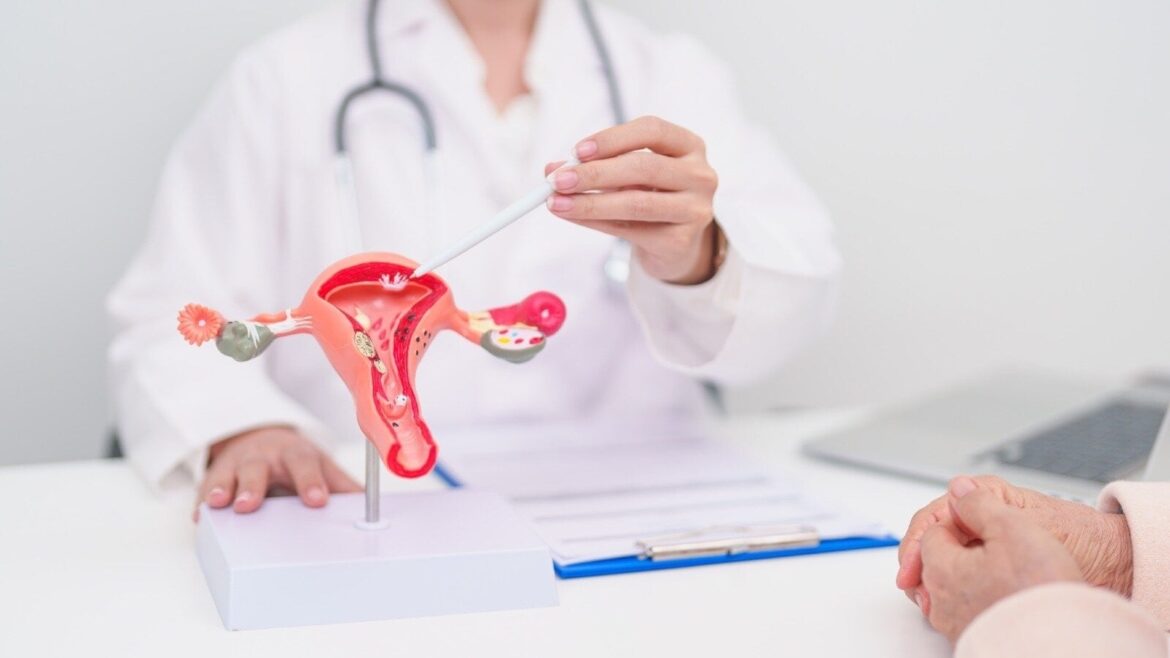
Your menstrual cycle is more than just a monthly occurrence, it can offer valuable insights into your overall fertility and health. In an interview with HT Lifestyle Dr. Irfana Shahul Hameed, obstetrician and gynaecologist at Plush, shares how paying attention to key aspects of your period can help you understand your reproductive health better. (Also read: Gynaecologist explains how maternal cardiac health is crucial during pregnancy; shares 4 tips to maintain heart health )

Understanding menstrual flow and cycle regularity is key to fertility health. (Adobe Stock)

1. Irregular cycles

One of the most important indicators is cycle regularity. Irregular cycles often suggest an absence of ovulation, although they don’t always mean ovulation is completely absent. Ovulation is the process by which an egg is released, ready to unite with sperm to form an embryo. Without ovulation, conception is not possible. Moreover, irregular cycles make it difficult to track ovulation, complicating efforts to conceive. While some women with irregular periods may still ovulate occasionally, consistent irregularity can be a red flag requiring medical attention.

Menstrual flow changes can indicate fertility health issues.(Shutterstock)

2. Flow changes

The quantity of menstrual flow is another important aspect. Some women experience reduced flow, which doesn’t necessarily indicate a problem unless they are trying to conceive. Dr Irfana explains that lighter periods may be linked to hormonal disorders such as hyperthyroidism or prolactin imbalance. It can also signal the onset of perimenopause, a transitional phase where menstrual flow may decrease or, in some cases, increase unpredictably.

3. Excessive pain (Dysmenorrhea)

Severe period pain or excessive menstrual cramps could point toward endometriosis, a condition that is becoming increasingly common. Endometriosis is characterised by the presence of cysts in the ovaries, which can cause significant pain and inflammation. These cysts, known as endometriotic cysts, may interfere with fertility by causing inflammation in the fallopian tubes and affecting the environment where egg and sperm meet.

Understanding these signs, irregular cycles, flow changes, and excessive pain can provide important clues about your fertility health. Early consultation with a gynaecologist can help identify underlying conditions and guide you toward an effective treatment option.

Note to readers: This article is for informational purposes only and not a substitute for professional medical advice. Always seek the advice of your doctor with any questions about a medical condition.

Catch every big hit, every wicket with Crick-it, a one stop destination for Live Scores, Match Stats, Quizzes, Polls & much more. Explore now!.

Catch your daily dose of Fashion, Taylor Swift, Health, Festivals, Travel, Relationship, Recipe and all the other Latest Lifestyle News on Hindustan Times Website and APPs.

Catch every big hit, every wicket with Crick-it, a one stop destination for Live Scores, Match Stats, Quizzes, Polls & much more. Explore now!.

Catch your daily dose of Fashion, Taylor Swift, Health, Festivals, Travel, Relationship, Recipe and all the other Latest Lifestyle News on Hindustan Times Website and APPs.

News / Lifestyle / Health / Gynaecologist explains what your period reveals about fertility and reproductive health: ‘Irregular cycles can be…’

September 18, 2025 0 comments
0 FacebookTwitterPinterestEmail
Paediatrician explains how parents can handle 7 common health emergencies at home: From nosebleeds to choking
Lifestyle

Paediatrician explains how parents can handle 7 common health emergencies at home: From nosebleeds to choking

by jummy84 September 13, 2025
written by jummy84

When there are young children at home, many emergencies can occur in the blink of an eye. They are energetic and sometimes land themselves in trouble, injuring themselves. You may feel confident about your first-aid knowledge, but knowing the correct steps and performing them safely makes a very big difference when it comes to immediate care during these urgent moments.

When kids are at home, health emergencies can happen out of the blue. (Freepik)

ALSO READ: Eye surgeon suggests 5 vital nutrients for children to prevent myopia: Carrots, chia seeds, pumpkin and more

Dr Amin Kaba, consultant in paediatric medicine at Narayana Health SRCC Children’s Hospital, Mumbai, told HT Lifestyle that while one may have some basic information about first aid, it is often too “fragmented” to be of practical use during emergencies, especially if learned from just seeing or reading it somewhere.

He said, “Knowing basic first aid methods is important, but it’s more crucial to perform them correctly so as not to compromise the life you’re trying to save.”

First aid is important as the quick action during emergencies may mitigate risks of complications and even be life-saving. But a line needs to be drawn as well, between first aid and professional medical care. This is particularly true for serious injury or trauma.

The paediatrician added, “In case of serious injury/ trauma, the first-aid would be to call for help and let a professional guide you through what you need to do. But for minor and more common injuries, extensive research has been conducted on first-aid methods.”

For extensive knowledge about first aid, he suggested that parents can enrol in “first-aid workshops” so that they can get hands-on training and practice real-life scenarios.

Dr Amin Kaba shared with HT Lifestyle 7 common emergencies and how parents can handle them:

1. Nosebleed

When children suffer from nosebleeds, their heads shouldn’t be tilted back due to the risk of choking.(Shutterstock)
  • Avoid: Tilting the head back can make the blood travel from the nose to the throat, which could put the child at risk of choking or swallowing blood.
  • Instead, try: Get the child to sit up and lean forward. Pinch the nose and ask the child to breathe through the mouth. Continue this for 10-15 minutes. Then place a cold compress on the bridge of the nose. Make sure the child doesn’t blow their nose immediately after bleeding stops.

2. Fainted

  • Avoid: When someone faints, our immediate course of action is to shake them and then try to get them to sit up when the shaking doesn’t help.
  • Instead, try: Start by checking the child’s breathing and pulse. Allowing them to lie down, place pillows or a small footstool under their feet and elevate both legs. Ensure good air circulation around them and loosen any tight clothing. If feet and hands are cold, rub them to warm them up.

3. Muscle strain/ bruises/ back pain

Children can get back and neck pain too, from the heavy bags they carry to schools. (Shutterstock)
  • Ice should be used for acute situations, like sudden sprain of joints such as the ankle or bruising with swelling, or muscle strain, within the first 24 hours after an injury.
  • Heat is for chronic conditions, like back pain.

4. Thorn, glass or splinter injuries

  • If the tool you use isn’t sterile or if you underestimate how deep the wound is, there is a greater risk of infection at the site of the injury.
  • Whether your child has a thorn or a piece of wood or glass lodged in, sterilise the skin where the object is lodged, your hands and the pincers you may use to remove it.
  • If you are unable to remove or are unsure of removing it yourself, it is best to take your child to a healthcare facility.

5. Burn injuries

  • In case of burns, hold the site of the burn under cool water for at least 20 minutes.
  • Dab with a clean cloth, dust antiseptic powder or rub a little natural aloe vera (if you have it) and cover with a clean gauze cloth. Never rub ice or an ice pack on burns.

6. Choking

  • The Red Cross has updated its guidelines on how to give first aid to choking victims.
  • So instead of going straight for the Heimlich manoeuvre, here’s what you need to do instead. Stand behind the child, lean them forward, and give their back five quick blows with the heel of your palm.

7. Fracture

Seek medical help instantly rather than trying to align the broken bones manually.(Shutterstock)
  • In case of fractures, avoid pressing down on the site of fracture will re-align the bone.
  • Pressing on the fracture can cause deeper injury to surrounding muscle tissue, nerves and blood vessels, or break the tender bones of children even further.

As a parent, it is common to be anxious about these childhood emergencies, but for kids, who are at the age to play, they cannot be grounded for safety measures. Instead, being aware saves the day, and this includes active intervention from the parents’ side to understand the many first-aid responses to these emergencies and how to respond calmly.

Note to readers: This article is for informational purposes only and not a substitute for professional medical advice. Always seek the advice of your doctor with any questions about a medical condition.

September 13, 2025 0 comments
0 FacebookTwitterPinterestEmail
DJ Khaled Explains Why He Stayed Out Of Drake, Rick Ross & Future Feud + Says 'Those Are My Brothers' & Vows To 'Fix It'
Celebrity News

DJ Khaled Explains Why He Stayed Out Of Drake, Rick Ross & Future Feud + Says ‘Those Are My Brothers’ & Vows To ‘Fix It’

by jummy84 September 13, 2025
written by jummy84

Screenshot

DJ Khaled Explains Why He Stayed Out Of Drake, Rick Ross & Future Feud + Says ‘Those Are My Brothers’ & Vows To ‘Fix It’

DJ Khaled is making it clear he’s not picking sides in rap beefs.

On “Joe and Jada,” Khaled explained why he chose to stay out of the drama between Rick Ross, Drake and Future.

“I didn’t get in that energy…Those are my brothers. You can’t question my friendship.” He added, “When it come down to DJ Khaled, I’m the one that’s gonna try to fix it. I do a lot of shit behind the scenes.”

“I would love to squash it,” Khaled said. “Everything’s possible with God.”

Do you think Khaled can save the rap trio?

@joeandjada


September 13, 2025 0 comments
0 FacebookTwitterPinterestEmail
Nutritionist explains why skin becomes saggy after weight loss, suggests 3 hacks to prevent it
Lifestyle

Nutritionist explains why skin becomes saggy after weight loss, suggests 3 hacks to prevent it

by jummy84 September 13, 2025
written by jummy84

Updated on: Sept 13, 2025 05:40 pm IST

After weight loss, the areas that stored excess fat, like belly or arms, can develop wrinkled skin. Nutritionist Dr Shikha Singh shares how you can prevent it. 

Reaching your desired weight goal is a major achievement, especially for those who have been working to lose weight for a long time. But weight loss, particularly for obese individuals, can come with the side effect of loose and saggy skin. The skin loses its firmness and may appear creased, wrinkled, or jiggly due to increased softness.

Weight loss causes the skin to sag. (Representative Image: Pexel)

ALSO READ: Weight loss coach suggests 4 strength training exercises for women to target back rolls, flabby arms and belly fat

But, this side effect can be minimised by following some key habits that support skin elasticity and improve firmness.

Dr Shikha Singh, a clinical nutritionist who often shares insights on fitness, revealed in an August 12 Instagram post why skin sags after weight loss and how one can avoid it.

Why does skin sag after weight loss?

Dr Singh drew an interesting analogy to explain why skin sags. She took two balloons, one in a normal deflated state, and the other that she inflated and then released all the air from. The balloon that had been inflated appeared wrinkled compared to the one that was not filled. According to Dr Singh, the same principle applies to our fat cells.

She explained in Hindi, “This is what happens with our fat cells. When we gain weight, fat fills up in our fat cells and they expand. When we lose weight, the fat leaves, and the fat cells shrink, but they don’t return to their original shape. Fat cells stay ready so that if we gain weight again, they can quickly store fat again.”

How to avoid loose skin?

To maintain skin firmness after losing weight, Dr Singh recommended adding protein to every meal. Second, she suggested drinking three litres of water throughout the day to stay well hydrated. And lastly, she advised staying active by doing 30-45 minutes of brisk walking daily and including strength training after weight loss.

Note to readers: This report is based on user-generated content from social media. HT.com has not independently verified the claims and does not endorse them. This article is for informational purposes only and not a substitute for professional medical advice.
Catch every big hit, every wicket with Crick-it, a one stop destination for Live Scores, Match Stats, Quizzes, Polls & much more. Explore now!.

Catch your daily dose of Fashion, Taylor Swift, Health, Festivals, Travel, Relationship, Recipe and all the other Latest Lifestyle News on Hindustan Times Website and APPs.

Catch every big hit, every wicket with Crick-it, a one stop destination for Live Scores, Match Stats, Quizzes, Polls & much more. Explore now!.

Catch your daily dose of Fashion, Taylor Swift, Health, Festivals, Travel, Relationship, Recipe and all the other Latest Lifestyle News on Hindustan Times Website and APPs.

News / Lifestyle / Health / Nutritionist explains why skin becomes saggy after weight loss, suggests 3 hacks to prevent it

September 13, 2025 0 comments
0 FacebookTwitterPinterestEmail
Neurosurgeon explains 4 conditions that could lead to paralysis if untreated
Lifestyle

Neurosurgeon explains 4 conditions that could lead to paralysis if untreated

by jummy84 September 13, 2025
written by jummy84

Dr Steven Spitz, a neurosurgeon, took to Instagram on May 27 to talk about ‘conditions that could lead to paralysis if untreated, as well as ‘conditions that are less likely to cause paralysis’. He titled his post: ‘Can I be paralysed if I don’t get back surgery?’ Also read | Stroke or paralysis: Causes, symptoms, treatment, stem cell therapy, tips to prevent long-term brain damage

The doctor explained that the likelihood of paralysis from not getting back surgery depends on the underlying condition. (Freepik)

What is paralysis?

According to Cleveland Clinic, paralysis occurs when nerve signals to muscles are disrupted, causing loss of voluntary movement. This can be due to strokes, spinal cord injuries, nerve disorders like multiple sclerosis, or conditions like Bell’s palsy, which causes temporary facial paralysis.

According to Dr Spitz, here are the conditions that could lead to paralysis if untreated:

1. Severe spinal cord compression

• Often from a herniated disc, tumour, fracture, or severe arthritis.

• More common in the cervical spine (neck).

• Symptoms: weakness, numbness, clumsiness, balance issues.

• This is called myelopathy — it can be progressive and irreversible if untreated.

2. Spinal instability

• Causes: trauma, cancer, infection, degeneration.

• Bones can shift dangerously, compressing nerves or the spinal cord.

3. Cauda equina syndrome

• Emergency in the lower spine.

• Symptoms: sudden loss of bladder/bowel control, severe leg weakness, saddle numbness.

• Needs urgent surgery — delays = permanent paralysis or incontinence.

4. Progressive neurological deficits

• Worsening weakness, numbness, or coordination = stressed nerves.

• Waiting too long can make damage permanent.

According to Dr Spitz, here are the conditions that are less likely to cause paralysis:

• Chronic back pain without nerve issues

• Small herniated discs without spinal cord pressure

• Stable degeneration with no severe symptoms

• Mild stenosis or nerve root irritation that isn’t worsening

‘For many cases surgery is elective’

According to the doctor, it’s essential to note that while some conditions may have a lower risk of paralysis, surgery can still be an effective option to improve pain, mobility, and quality of life. He added that if you’ve been diagnosed with spinal cord compression, cauda equina syndrome, or progressive weakness/numbness, prompt treatment could be crucial to prevent permanent damage.

Dr Spitz said, “If you’ve been told you have: spinal cord compression, cauda equina syndrome, progressive weakness/numbness… but for many cases (like mild or moderate disc issues or chronic pain), surgery is elective — it helps improve your pain, mobility, and quality of life, not necessarily to prevent paralysis.”

Note to readers: This report is based on user-generated content from social media. HT.com has not independently verified the claims and does not endorse them.

This article is for informational purposes only and not a substitute for professional medical advice.

September 13, 2025 0 comments
0 FacebookTwitterPinterestEmail
Can neck pain lead to an intense headache? Neurologist explains why it happens and how to deal with it
Lifestyle

Can neck pain lead to an intense headache? Neurologist explains why it happens and how to deal with it

by jummy84 September 11, 2025
written by jummy84

If you have ever felt a throbbing headache that starts at the base of your skull and travels up your head, your neck might be to blame. A lesser-known but significant cause of headaches is cervicogenic pain, headaches that originate from issues in the neck. Unlike migraines or tension headaches, these are secondary headaches, meaning they result from an underlying problem, often involving the spine or muscles in the neck. Long hours hunched over screens, poor posture, or even sleeping the wrong way can be enough to trigger this condition. We spoke to Dr Sheetal Goyal, consultant neurologist at Wockhardt Hospitals, who explains how neck pain and headaches can be more closely linked than you might think.

Neck pain and headaches are often connected!(Adobe Stock)

What is a cervicogenic headache?

A cervicogenic headache is a type of headache that starts in the neck and radiates to the head. Unlike primary headaches like migraines or tension headaches, cervicogenic headaches are secondary, meaning they result from another medical issue, specifically, problems in the cervical spine (neck).

“With a cervicogenic headache, the pain you feel in your head originates from the bony structures or soft tissues in your neck. It is a type of secondary headache, which is a headache caused by an underlying problem in your neck,” explains Dr Goyal to Health Shots.

In many cases, this is a form of referred pain, where the actual problem lies in one part of the body, but the discomfort is felt elsewhere. So, while the pain may feel like it is in your head, the root cause is actually your neck.

What are the symptoms of cervicogenic headache?

Cervicogenic headaches often begin with stiffness or tightness in the neck, followed by pain that spreads to the back of the head, the temples, or even behind the eyes. “This pain can be moderate to severe, but it won’t be extremely painful,” says Dr Goyal. You may also experience:

  • Dizziness
  • Blurred vision
  • Limited range of motion in the neck

The headache may worsen with certain neck movements or when pressure is applied at the base of the skull. These symptoms can be easily overlooked or mistaken for a migraine or tension headache, which makes awareness and proper diagnosis all the more important.

Chronic headache can be very uncomfortable! (Pexels)

Is poor posture the only cause of cervicogenic headache?

Poor posture is a major contributor, but not the only one. Long hours slouching over desks, laptops, or phones can strain the neck and upper spine. However, other factors include:

  • Sleeping in an unnatural position
  • Whiplash or sudden jerky neck movements
  • Cervical arthritis
  • Disc issues in the neck
  • Muscle strain

“Those who work for extended periods leaning forward over a computer or phone are particularly susceptible, as the frequent forward bend places constant stress on the cervical spine,” suggests Dr Goyal.

Neglecting these signs can lead to chronic neck issues, recurring headaches, and even reduced mobility over time. Long-term strain can also weaken neck muscles and reduce flexibility.

How to manage or treat cervicogenic headache at home?

Mild cases of cervicogenic headache can often be managed with simple, at-home remedies:

  • Warm compress: It can help loosen tight muscles.
  • Gentle stretching: It improves flexibility and reduces stiffness.
  • Proper posture: Sit upright and use a pillow that supports the neck well.
  • Frequent breaks: Avoid sitting for too long. Instead, get up and stretch regularly.
  • Over-the-counter painkillers: OTC pain relief can help, but only for short-term use. Always take a doctor’s advice before consuming any painkillers.
  • Physical therapy: A daily exercise plan from a physiotherapist can strengthen neck muscles and prevent recurrence.

Remember that persistent pain should never be ignored, and relying solely on painkillers without addressing the underlying issue may offer only temporary relief.

September 11, 2025 0 comments
0 FacebookTwitterPinterestEmail
TJ Lavin The Challenge
TV & Streaming

T.J. Finally Explains the Season 41 Points Twist

by jummy84 September 11, 2025
written by jummy84

[Warning: The following post contains spoilers for The Challenge, Season 41 Episode 7, “At Least Someone’s Getting Laid!”]

Let’s get this out of the way first: Yes, the title of this episode is reflective of the fact that The Challenge house became hookup central for a pair of players: Nany González, who was coming out of a very serious relationship, and Will Gagnon, who was the sadboy who punched a wall at the beginning of the season over Dee Valladares hooking up with Johnny Bananas. Yes, the cameras captured a copious amount of the action and shared it with audiences. And yes, everyone talked about it and made crude jokes, with the parties involved laughing as much as anyone.

It’s typical Challenge fashion to have a few sultry showmances throughout the season — some that last, and some that, like this one, apparently, are just purely physical and temporary.

Moving on! The daily challenge was the show’s first-ever grand prix-style episode, fit with go-karts and a series of puzzles that the players had to take turns trying to solve. Called “Drive Me Crazy,” the game had 13 stations with one car and four stacked puzzles. One member of the pair had to drive laps, and the other had to figure out the puzzle, and they took turns until it was done. Chris “C.T.” Tamburello initially struggled with the car because of his size — “I feel like Bowser,” he joked at his own expense — but with Aneesa Ferreira at his side, the two managed to become true contenders in the challenge. They came this close to finishing first, but that honor went to Nany and her partner, Leo Dionici. The day’s losing pair was Tay Wilcoxson and Yeremi Hykel.

Nany and Leo had to choose who to save from the jury vote for the arena — with Tay automatically going in, since it was a women’s elimination day — and she picked her newest BFF Ashley Mitchell without much incident.


The jury then had to choose who to send in against Tay, and while others like Jonna Mannion and Dee also came into the mix, the vote ultimately went to Izzy Fairthorne (who was partnered with Will).

In the arena, titled “Pick It Up Again,” Tay and Izzy had to shoot hoops and build towers while their ball went through a giant gameboard, catching the ball before it got all the way through to the ground. Izzy struggled dearly with it, thanks in part to the fact that her platform was already leaning, but Tay stuck with it and emerged victorious. With that, Izzy went home, Will became the automatic hangnail, and new teams were chosen.

In the selection, the following new teams were made: Nany and Cedric Hodges; Leo and Olivia Kaiser; Aneesa and Jake Cornish; C.T. and Michaela Bradshaw; America Lopez and Gabe Wai; Derek Chavez and Aviv Melmed; Justin Hinson and Ashley; Sydney Segal and Yeremi; Jonna and Turabi “Turbo” Çamkıran; Dee and Theo Campbell; Leroy Garrett and Tay.

Then came some real excitement: Host T.J. Lavin finally, finally revealed what the points the players have been collecting all season will be good for. Whoever has the most points will get their first pick for their teammate for the rest of the season, he revealed. The only limitation is that they’ll have the same criteria as the prior selections: “Opposite stripe, opposite gender,” he said. He still didn’t reveal when exactly this ultra-selection ceremony will occur, but at least we now know what that tallyboard has in store for the remaining contestants.

The Challenge, Wednesdays, 8/7c, MTV

September 11, 2025 0 comments
0 FacebookTwitterPinterestEmail
Hair transplant surgeon explains how pollution causes hair fall and dandruff; shares tips to protect your scalp
Lifestyle

Hair transplant surgeon explains how pollution causes hair fall and dandruff; shares tips to protect your scalp

by jummy84 September 10, 2025
written by jummy84

Urbanisation is growing rapidly, and cities are bustling with energy and high-end infrastructure like never before. However, beyond the crowded roads and endless hustle of urban life exists a hidden danger that touches us all, and it is pollution.

Exposure to pollution leads to scalp and hair damage, contributing to conditions like dandruff and hair fall. (Freepik)

In an interview with HT Lifestyle, Dr. Gajanan Jadhao, Founder and Chief Hair Transplant Surgeon, shares his expert insights on how pollution impacts hair health and what can be done to protect it. (Also read: Dermatologist reacts to Europe’s gel nail polish ban, explains how it can trigger ‘serious skin problems’ )

How pollution silently damages skin and hair

Urban air is filled with fine dust, toxic gases, and microscopic particles that not only damage the lungs and heart but also leave a lasting imprint on the skin and hair. The face and hair, being the most exposed parts of the body, take a visible toll by losing natural radiance, weakening roots, and accelerating ageing. Many people fail to notice this until the damage becomes advanced.

Chronic conditions like eczema and acne are on the rise due to constant exposure. Even people who follow regular skincare routines often find that pollution overrides their efforts, creating a persistent cycle of irritation and breakouts. The effects on hair are equally concerning. Research shows that pollutants can directly damage the proteins and lipids that make up hair strands, leading to breakage and thinning.

The scalp suffers first, as toxins clog follicles and disrupt healthy growth. When follicles are suffocated by layers of grime, sebum, and airborne chemicals, hair becomes brittle, lifeless, and prone to falling out. This link between urban exposure and weakened hair is increasingly acknowledged in both medical research and consumer awareness.

Pollution disrupts scalp health, leading to dandruff and hair fall.(Pexels)

The hidden dangers of indoor environments

Pollution also disrupts the balance of the scalp environment. Constant exposure to urban dust and toxins alters the scalp’s pH, causing dandruff, excess oil production, and sensitivity. This imbalance not only causes discomfort but also interferes with healthy hair growth. Many people experiencing unexplained hair fall or an itchy scalp are unaware that pollution is often the main underlying factor.

The sun further amplifies the damage. Ultraviolet (UV) radiation on its own accelerates skin aging, but when combined with pollutants such as ozone, it creates a more dangerous mix. UV rays intensify oxidative stress triggered by pollution, resulting in deeper wrinkles, pigmentation, and faster loss of elasticity.

For hair, the combined effect of UV exposure and airborne toxins strips away moisture and fades natural colour, leaving it dull and fragile. It is not only outdoor air that causes problems. Indoor environments can be equally harmful, though less often discussed. According to the World Health Organisation, as of 2020, nearly 3.2 million deaths annually were linked to household air pollution caused by cooking fuels and poor ventilation.

While the primary concerns are respiratory health, indoor toxins and poor air circulation also dry out the skin and scalp, making them more vulnerable to irritation and flaking. Offices with heavy air conditioning and little fresh air can produce similar effects, especially for those who spend most of their day indoors.

How to protect your skin and hair from pollution damage

In spite of these challenges, the effects can be minimised with regular protection. For the skin, daily cleansing removes dirt, dust, and toxins that settle on the surface, preventing clogged pores and keeping the skin fresh. Using antioxidant serums with vitamins C and E helps fight free radicals, which damage skin cells and accelerate ageing. Mineral sunscreens add another layer of protection against harmful UV rays and environmental toxins.

For the hair and scalp, clarifying shampoos help remove buildup from pollution and styling products. Antioxidant-rich conditioners repair and protect strands from oxidative stress, restoring shine and strength. Scalp serums strengthen follicles and protect them against damage, maintaining healthier, stronger hair.

In addition, lifestyle choices also play an important role. Diets rich in berries, leafy vegetables, nuts, and fish provide antioxidants and omega-3 fatty acids that help the body fight environmental stress. Proper hydration, both internal and external, keeps the skin resilient and the scalp healthy. Including foods such as spinach, flaxseeds, and green tea in daily meals can significantly improve how the body responds to pollution over time.

Technology and innovation are also joining the fight. Skincare brands are now releasing products marketed as “anti-pollution shields,” containing ingredients that form protective barriers against particulate matter. Haircare is evolving too, with scalp sprays and leave-in conditioners designed to block toxins. While these cannot completely prevent exposure, they reflect the growing recognition in the beauty industry that pollution is not just an environmental issue but also a personal health concern.

In the bigger picture of city living, pollution is an unavoidable reality. Yet, how we respond to it defines the outcome. With mindful care and conscious choices, we can safeguard not only our skin and hair but also our vitality in the demanding urban world.

Note to readers: This article is for informational purposes only and not a substitute for professional medical advice. Always seek the advice of your doctor with any questions about a medical condition.

September 10, 2025 0 comments
0 FacebookTwitterPinterestEmail
Newer Posts
Older Posts

Social Connect

Facebook Twitter Instagram Pinterest Youtube Snapchat

Recent Posts

  • 2009 feels like a whole other world away

  • Watch Ariana Grande and Jimmy Fallon Perform a History of Duets

  • Spotify’s Joe Hadley Talks ARIA Awards Partnership

  • Nick Offerman Announces 2026 “Big Woodchuck” Book Tour Dates

  • Snapped: Above & Beyond (A Photo Essay)

Newsletter

Subscribe my Newsletter for new blog posts, tips & new photos. Let's stay updated!

Categories

  • Bollywood (1,929)
  • Celebrity News (2,000)
  • Events (267)
  • Fashion (1,605)
  • Hollywood (1,020)
  • Lifestyle (890)
  • Music (2,002)
  • TV & Streaming (1,857)

Recent Posts

  • Shushu/Tong Shanghai Fall 2026 Collection

  • Here’s What Model Taylor Hill Is Buying Now

  • Julietta Is Hiring An Assistant Office Coordinator In Dumbo, Brooklyn, NY (In-Office)

Editors’ Picks

  • 2009 feels like a whole other world away

  • Watch Ariana Grande and Jimmy Fallon Perform a History of Duets

  • Spotify’s Joe Hadley Talks ARIA Awards Partnership

Latest Style

  • ‘Steal This Story, Please’ Review: Amy Goodman Documentary

  • Hulu Passes on La LA Anthony, Kim Kardashian Pilot ‘Group Chat’

  • Hannah Einbinder Slams AI Creators As “Losers”

  • Facebook
  • Twitter

@2020 - celebpeek. Designed and Developed by Pro


Back To Top
celebpeek
  • Home
  • Bollywood
  • Hollywood
  • Lifestyle
  • Fashion
celebpeek
  • Music
  • Celebrity News
  • Events
  • TV & Streaming