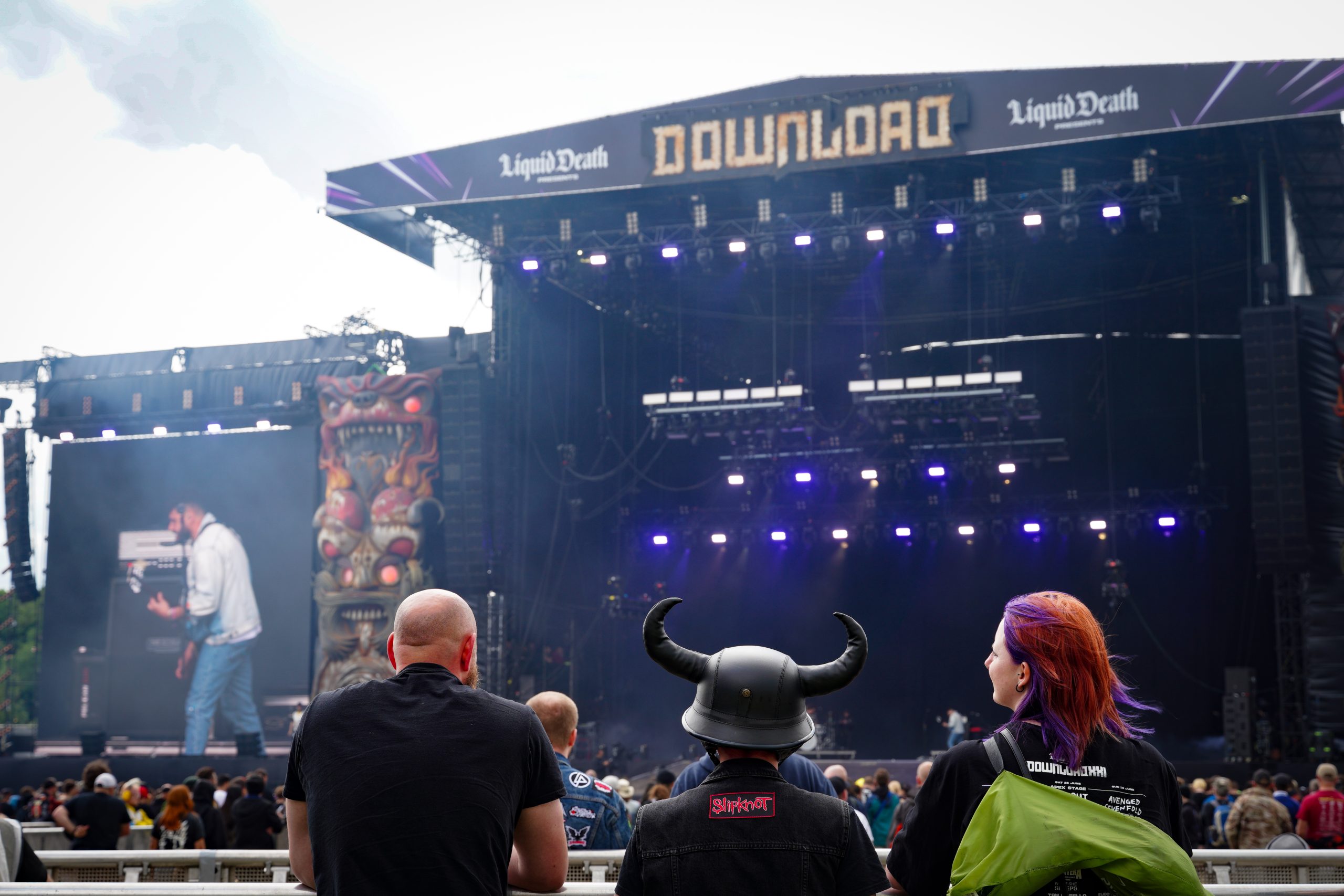

Download Festival may be famed for its massive stages, legendary acts and 70,000-strong crowds — but behind the scenes, an army of council officers are working year-round to keep it safe, compliant and connected with the local community. In this exclusive interview with Andy Cooper, Environmental Health Manager at North West Leicestershire District Council, Event Industry News uncovers the hidden work of licensing, environmental health and safety teams who make one of the UK’s biggest festivals possible.
What does the local council actually do at a festival like Download?
First of all, we’re the Licensing Authority and we issue the license for Donington Park, allowing events like Download Festival to take place on the site.
We chair the Safety Advisory Group (SAG), which brings the event organisers together experts from various agencies to guide and support event planning and safety.
Our communities and communications teams help with liaison with parish councils and local residents, and getting information out there to keep communication open and responsive.
During the festival our officers oversee food safety, water testing, and hygiene inspections, working closely with on-site teams to ensure everything meets high standards and complies with the law.
We also live-monitor sound levels and campsite conditions, with a direct link to event management to prevent and respond to any issues.
We inspect bars, work with taxi services, and ensure all licensing conditions are met during the event.
It’s a whole load of hidden work – all geared towards people having a fun and safe time at Download.
When does planning for Download start, and who’s involved?
Our work to prepare for the next Download Festival happens year-round. As soon as the festival is over, we debrief and start planning for next year, with SAG meetings, joint planning sessions and site visits. We use the learning from the event just gone to improve planning for the following year’s event alongside the event organisers.
Our monthly SAG meetings usually start in the January, with subgroups set up for noise, health and safety, water safety, traffic, police and security and so on.
The event is pretty unique in that we also have to consider aerodrome safeguarding because it’s so close to East Midlands Airport. So, alongside all the usual considerations for an event of this size we’re also looking at the impact of pyrotechnics, radio frequencies, drone mitigation, lighting and structures, in relation to the airport operations.
As part of the process, the event organisers will reach out to partners, businesses, and residents, and will host several engagement meetings. Each year we’ll run various tabletop exercises running through different scenarios to ensure we can react, deal with and manage different situations that could arise.
With the festival taking place in early June, the site build starts in May, and during the build, site visits will be held with different agencies.
The Safety Advisory Group is absolutely key to the safety of the event.
Collectively, we offer advice and guidance, and help event organisers understand their responsibilities. We make sure they have the necessary plans and procedures in place – for things like risk assessments, emergency planning, and crowd management.
Our advice is always based on relevant legislation, best practices, and the specific circumstances of the event. We bring together the various agencies – local authorities, emergency services, health and safety bodies, and other relevant organisations – which means everyone is aware of the event plans and can contribute their expertise and resources effectively.
One of the things that makes Download such a success is the way that the event organisers engage with the planning and safety process, before, during and after each festival. Delivering an event of this scale, while ensuring the safety and enjoyment of all attendees, is no small feat. It requires exceptional planning, dedication, and collaboration.
Communication and coordination between different agencies is key – in the planning and in the real time management of the event, which, ultimately means people have a good, safe time, and the festival gets a well-earned reputation as a well-run event.
As the local council for the area, we also need to have an eye on our permanent communities and any impact the festival might have on them. The SAG works to minimise any potential negative impacts of events on the local community, such as noise, traffic congestion, or disruption to local businesses.
We’ve found that, so long as local people are aware of what’s happening and they have a place to contact with any concerns, they’re generally very supportive of the festival and what it brings to the area.
How is safety and compliance managed during the festival itself?
During the live event, we’re on the ground, working side-by-side with event teams in the control centre and across the festival site to keep everything running smoothly.
Our ultimate role is to make sure the event runs successfully and safely, so all that planning, communicating and coordination really comes into its own during the festival itself.
With more than 70,000 people on site typically, our job is not just about ticking boxes. We’re constantly monitoring, checking, inspecting, communicating – working as one big team with the event organisers and other agencies.
If issues arise during the event our officers are in contact on the ground with the organisers to deal with issues swiftly. And then we have daily debriefs – each day ends with a review of any incidents or concerns, so we can continually improve safety, even as the festival is in full swing.
What are the biggest challenges from a regulatory perspective?
Large-scale festivals come with complex risks. Some of the most critical areas are food hygiene, water quality and sanitation, crowd safety and noise control.
We also keep a keen eye on how waste is managed on the site, and the access to the site, whether that’s traffic management around Donington Park or taxi license and safety checks.
Each agency brings its own expertise to the table. For example, police and SIA handle security, while the council uses industry standards like the Purple Guide to ensure best practices are followed.
What happens after the festival ends?
For us, the post-event review is just as important as planning.
Each agency sends debrief feedback to the event organisers, and then we have a joint in-person session with all partners. Each agency receives these findings and we share them with our parish councils.
Any lessons learned are used to shape planning for the following year, so we are always raising standards and making sure we avoid repeat issues.
Why is this work so important – and often overlooked?
Many people don’t realise the scale of local authority involvement in making festivals happen. It’s not just about enforcement – it’s about enabling a safe, successful event that benefits everyone.
Council teams take great pride in their work. We help create an environment where festivalgoers can have fun, while also protecting the local community from disruption.
It’s a rewarding role that deserves recognition.

What’s it like to be part of a major festival from the local authority side?
It’s an honour and a real point of pride to be part of Download Festival. Although I’ve worked on the event for many years, this year was my first time leading as the SAG Chair, and it was a fantastic experience.
I’ve received great feedback from event organisers, local councillors, and colleagues, which means a lot. It’s a real team effort, and the collaboration with partner agencies is invaluable.
We’re all working toward the same goal: a safe, successful event for everyone involved.
What makes this work meaningful for council staff?
The bulk of the work brings three council teams together – Licensing, Environmental Health and Environmental Protection. We chair the Safety Advisory Group for the event and we’re the lead for food health and safety. Our communities team also supports us with liaison between the event and the communities surrounding Donington Park.
Being involved in a large-scale event like Download offers something unique – there aren’t many licensing, environmental health and environmental protection professionals that get to work on the second largest festival in the country!
For many Environmental Health Officers (EHOs), this might be their first experience working on an event of this scale. It’s a chance to apply their skills in a dynamic, high-profile setting.
We also get to collaborate with our colleagues from across our organisation and other agencies – staff who don’t usually work in events get the opportunity to contribute, learn, and grow in new ways.
And finally, there’s a real sense of achievement in helping deliver a nationally recognised event that puts the district on the map.
Are there any personal highlights?
Absolutely – there are definitely perks to being part of the action!
Catching Green Day up close was a standout moment from this year! But more than that, it’s seeing everything come together – the planning, the teamwork, the problem-solving – and knowing you played a part in making it happen.
Why does this work matter beyond the festival itself?
I think this kind of behind-the-scenes work builds public trust and showcases the value of local government in action.
We aim to strengthen community ties through our work by working closely with residents, businesses, and partners, helping to foster a sense of shared ownership and pride.
We’re also really aware that successfully hosting a major event like Download enhances the district’s reputation as a capable, vibrant, and welcoming place.
And ultimately, we hope that promoting what we do can help to inspire future talent. By showcasing the impact of public service in such a visible way can encourage others to consider careers in local government.


