celebpeek
  • Home
  • Bollywood
  • Hollywood
  • Lifestyle
  • Fashion
celebpeek
  • Music
  • Celebrity News
  • Events
  • TV & Streaming
Home » Cardiologist » Page 2
Tag:

Cardiologist

Cardiologist warns artificial sweeteners stealing years from your brain: ‘62% faster cognitive decline with high intake’
Lifestyle

Cardiologist warns artificial sweeteners stealing years from your brain: ‘62% faster cognitive decline with high intake’

by jummy84 September 25, 2025
written by jummy84

Several health studies have linked the consumption of sugar with many diseases. A 2022 Harvard Health report states that consumption of added sugar leads to higher blood pressure, inflammation, weight gain, diabetes, and fatty liver disease, which are in turn linked to an increased risk for heart attack and stroke.

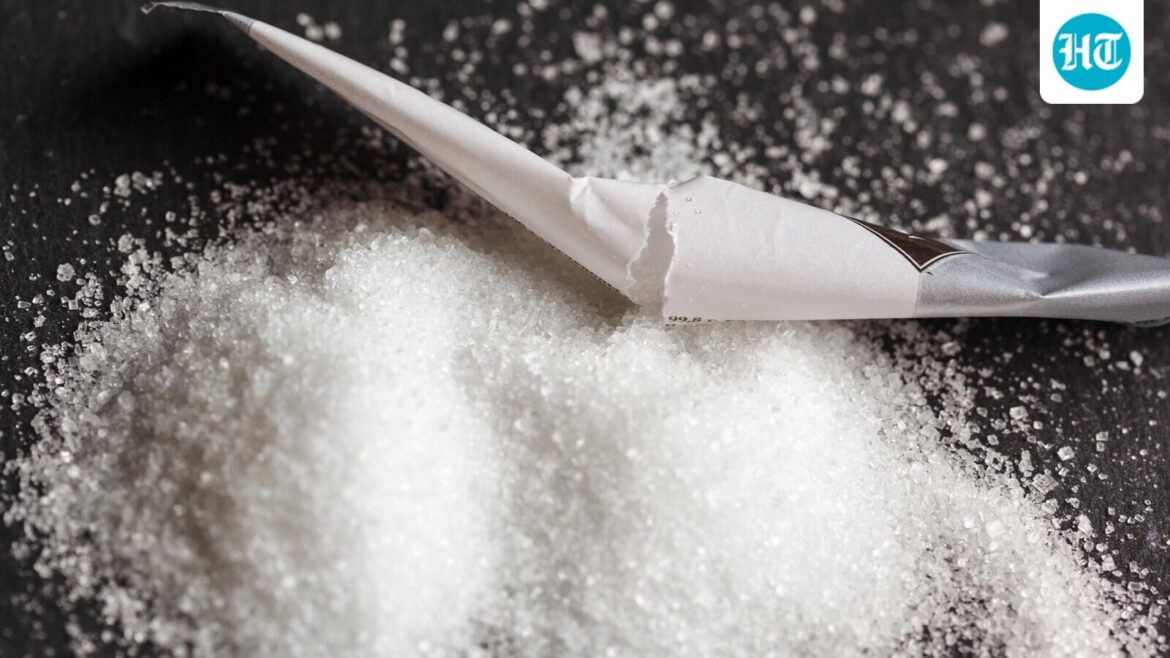
Most people swap sugar for artificial sweeteners, believing they’re the safer choice. But new research is sounding the alarm. (Freepik)

Also Read | Plastic surgeon shares 5 skin types and their skincare routines: ‘The secret to healthy skin is…’

Scared of these alarming effects of sugar consumption, many people swap it with artificial sweeteners. But are they any better? Did you know your sweet tooth could also be causing ageing in your brain?

Are sweeteners speeding up your brain’s ageing?

In an Instagram post shared on September 11, Dr Sanjay Bhojraj, MD, an interventional cardiologist and functional medicine doctor, highlighted the fact that sweeteners may be harming our brains and explained how they cause brain ageing. He wrote, “Small swaps today. Stronger brain tomorrow.”

Dr Bhojraj explained, “Most people swap sugar for artificial sweeteners, believing they’re the safer choice. But new research is sounding the alarm.”

He cited a neurology study conducted with 12,000+ adults and pointed out: “Could artificial sweeteners be stealing years from your brain? Researchers observed clear patterns in cognitive health. This isn’t just about replacing sugar. I’ve seen this story before: choices that look harmless end up silently costing health and longevity.”

Harmless choices silently cost health and longevity

The cardiologist warned, “Artificial sweeteners can disrupt metabolism, interfere with the gut-brain connection, and add long-term stress to your cardiovascular and cognitive systems. What feels like a safer choice today may quietly accelerate decline tomorrow.”

Additionally, he highlighted several facts associated with sweeteners that prove that they are harmful to the brain. Here’s what the expert said:

  • High sweetener intake was linked to a 62 percent faster cognitive decline
  • Equivalent to 1.6 years of accelerated brain ageing
  • Strongest impact on people under 60 and those with diabetes

He added, “The good news? Longevity isn’t about luck – it’s about making smarter decisions based on science, not shortcuts.”

Note to readers: This article is for informational purposes only and not a substitute for professional medical advice. Always seek the advice of your doctor with any questions about a medical condition.

This report is based on user-generated content from social media. HT.com has not independently verified the claims and does not endorse them.
September 25, 2025 0 comments
0 FacebookTwitterPinterestEmail
Cardiologist explains heart attacks are deadlier in women than men, highlights ‘gender gap’ in heart health
Lifestyle

Cardiologist explains heart attacks are deadlier in women than men, highlights ‘gender gap’ in heart health

by jummy84 September 22, 2025
written by jummy84

Heart disease is often perceived as a ‘man’s disease,’ but in reality, it is the leading cause of death among women. Yet, many symptoms in women are overlooked, misinterpreted, or misdiagnosed, partly because standard tests and treatments have historically been based on male patterns. From hormonal changes and stress to lifestyle and genetic factors, a wide range of elements influence women’s heart health – making awareness, early detection, and gender-specific care crucial for prevention and survival.

Heart disease is often considered as a “man’s disease” but it is much more prevalent in women.(Pexel)

Also Read | Cardiologist reveals having ‘big heart’ in medical terms is not a compliment but cause for concern: Here’s why

Dr. Dmitry Yaranov, a cardiologist and heart transplant surgeon, specialising in advanced heart failure, heart transplantation, and mechanical circulatory support, working with Baptist Memorial Health care, is raising awareness about women’s heart health, highlighting that heart disease is the leading cause of death among women – yet it remains largely overlooked and underdiagnosed. In an Instagram video shared on September 21, the cardiologist outlines eight facts about women’s heart health and emphasises that many of these risks go unnoticed due to medical ignorance, often resulting in misdiagnoses and preventable deaths. He also talks about symptoms, risk factors and ways to stay healthy.

Prevalence of heart disease fatalities

According to Dr Yaranov, “Heart disease is the leading cause of death in women – yet many still think it’s a “man’s disease.” It’s time to change that!” He also mentions that it is the biggest health concern in women, which is frequently overlooked.

Heart attack symptoms

Dr Yaranov stresses that women usually do not experience the “classic” heart attack symptoms, which are common in men and regarded as the norm. He explains, “Instead of crushing chest pain, many feel nausea, fatigue, dizziness, or shortness of breath – often leading to misdiagnosis.”

Heart attack fatalities

The cardiologist points out that heart attacks can be deadlier in women, as compared to men. He explains, “Women are more likely to die within the first year of a heart attack than men, partly because symptoms go unrecognized or untreated.”

Detecting heart disease

According to the cardiologist, “Plaque builds up differently in women’s arteries, making heart disease harder to detect.” Standard heart disease tests were designed according to the patterns of men, which can be misleading for diagnosing women.

Also Read | Cardiologist reveals 5 ancient Indian herbs to boost health naturally: ‘…turns out to be the ultimate nutritional bomb’

Emotional health

Dr Yaranov highlights the importance of the role of stress and emotional health linked to heart disease in women. He elaborates, “Conditions like anxiety and depression can increase heart risks, but they’re rarely part of heart health conversations.”

Post-menopause risks

Post-menopausal women are more prone to the risk of heart disease. The heart surgeon highlights, “The natural drop in estrogen removes a layer of protection, increasing the chances of high blood pressure, cholesterol, and heart attacks.”

Treatments

Dr Yaranov points out the appalling disparity of receiving life-saving treatments between men and women. “Whether it’s medication, stents, or even CPR, women receive them less often than men – yet they need them just as much,” the cardiologist adds.

Prevention

The doctor stresses that most heart diseases are preventable. He suggests, “A heart-healthy lifestyle, regular check-ups, and listening to your body can make all the difference.”

Note to readers: This article is for informational purposes only and not a substitute for professional advice. It is based on user-generated content from social media. HT.com has not independently verified the claims and does not endorse them.

September 22, 2025 0 comments
0 FacebookTwitterPinterestEmail
Waking up gasping while sleeping? Cardiologist warns sleep apnea may increase risk of ‘sudden cardiac arrest at night’
Lifestyle

Waking up gasping while sleeping? Cardiologist warns sleep apnea may increase risk of ‘sudden cardiac arrest at night’

by jummy84 September 21, 2025
written by jummy84

While you may have heard the recommendation of seven to eight hours of sleep daily for good health, did you know that the quality of sleep also matters significantly? Sleep apnea is a condition where a person experiences repeated pauses in breathing at night, causing them to jolt awake, gasping for air. This requires urgent medical attention because of the alarming heart risks sleep apnea may pose. Sleep apnea puts immense pressure on the heart and can even increases the risk of cardiac arrest.

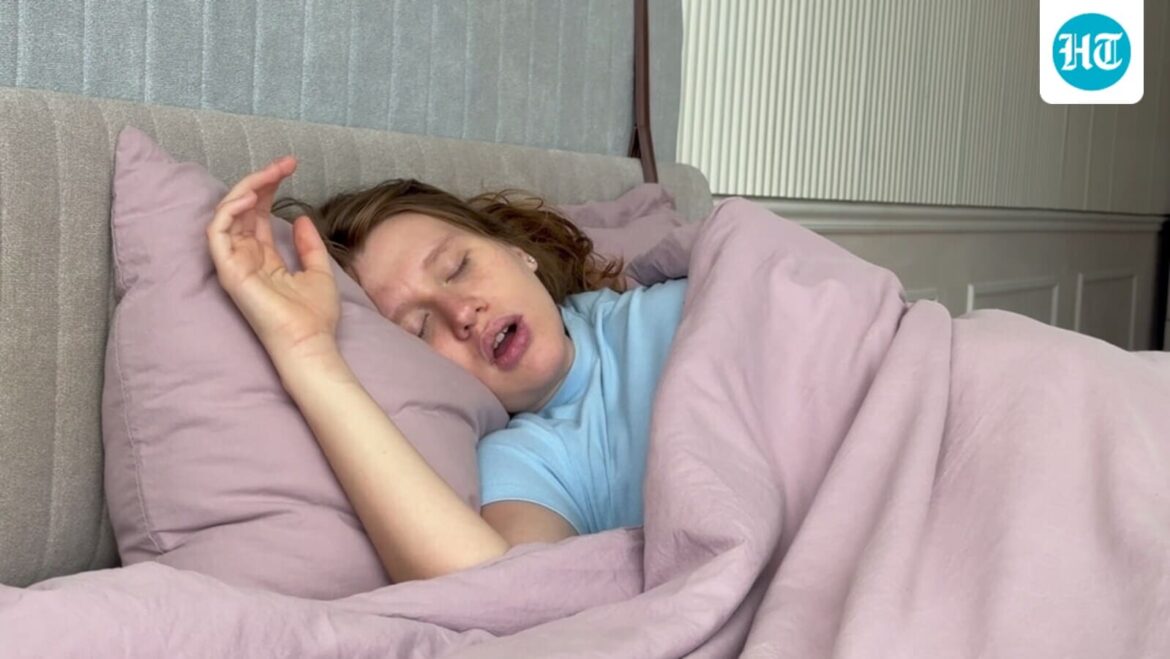
Sleep apnea is a disorder where a person stops breathing for short periods while sleeping, and they wake up with a jolt.(Shutterstock)

ALSO READ: Cardiologist warns 6 hours of sleep isn’t enough, 4 ways it puts your heart at risk: High blood pressure, arrhythmia

To understand more about the correlation between sleep apnea and cardiovascular risks, Dr Prateek Chaudhary, Senior Consultant – Interventional Cardiology at Asian Hospital, told HT Lifestyle in an interview that sleep apnea is one of the most prevalent sleep disorders. Subsequently, this increased interruption in breathing has a direct consequence on the heart, becoming one of the leading causes of cardiovascular diseases.

Why does sleep apnea pose a big risk to your heart?

So let’s first understand why sleep apnea cannot be brushed aside as just a restless night, and how it puts serious pressure on your heart’s functions.

Dr Prateek Chaudhary described what happens in sleep apnea: “Lack of respiration due to intermittent breathing is followed by a sudden decrease in oxygen levels in the body of an individual with sleep apnea. The brain is compelled to wake the body up, short-lived in each episode, to resume breathing. Such periods of low oxygen and regular awakening from sleep are highly stressful to the cardiovascular system. ”

The cardiologist alerted that when a person wakes up, blood pressure and heart rate also spike, and this chronic strain may lead to hypertension, arrhythmia, and cardiac alterations.

Now that you know why sleep apnea puts a strain on your heart, let’s look at the factor that is the strongest link between the two: high blood pressure, which can also escalate the risk of heart attacks.

The cardiologist said, “Night stress on the blood vessels hardens them and renders them unable to relax, causing permanent damage to the vessels in the long run. This leads to the danger of heart attack and stroke.”

Risk of irregular heart rhythms

One troubling condition may arise from chronic sleep apnea’s effect on the heart. The cardiologist highlighted atrial fibrillation as a concern. He said, “Sleep apnea is also linked to a high correlation of developing irregular heart rhythms, especially atrial fibrillation. The recurring bursts of adrenaline and the decreasing oxygen levels destabilise the electricity of the heart.”

Moreover, this in turn increases the risk of life-threatening conditions at night. He remarked, “The condition was associated with sudden cardiac arrest at night, which only highlights the possible severity of sleep apnea.”

Heart failure

Heart failure may also happen if sleep apnea is not treated. (Freepik)

Since sleep apnea may weaken the heart over time, one of the most serious consequences is heart failure. Dr Prateek Chaudhary said, “The broken sleep and continuous lack of oxygen as a result of sleep apnea is a debilitating factor to the heart muscle in the long run. Patients with untreated sleep apnea have worse outcomes in terms of increased hospitalisation and decreased survival despite having heart failure. In other situations, central sleep apnea, which is more prevalent in more severe heart failure cases, forms a vicious cycle between the two conditions, affecting each other.”

Note to readers: This article is for informational purposes only and not a substitute for professional medical advice. Always seek the advice of your doctor with any questions about a medical condition.

September 21, 2025 0 comments
0 FacebookTwitterPinterestEmail
Cardiologist warns 'even moderate alcohol can literally shrink your brain': Long-term use may lead to dementia
Lifestyle

Cardiologist warns ‘even moderate alcohol can literally shrink your brain’: Long-term use may lead to dementia

by jummy84 September 20, 2025
written by jummy84

Dr Alok Chopra, a cardiologist shared in a September 10 Instagram post: “Protecting your heart means protecting your brain. Alcohol quietly sabotages both.” He wrote in his caption, “Moderation isn’t protection — alcohol can still shrink your brain.” Also read | Neuroscientist warns ‘avoid these 3 drinks because they are damaging your brain’

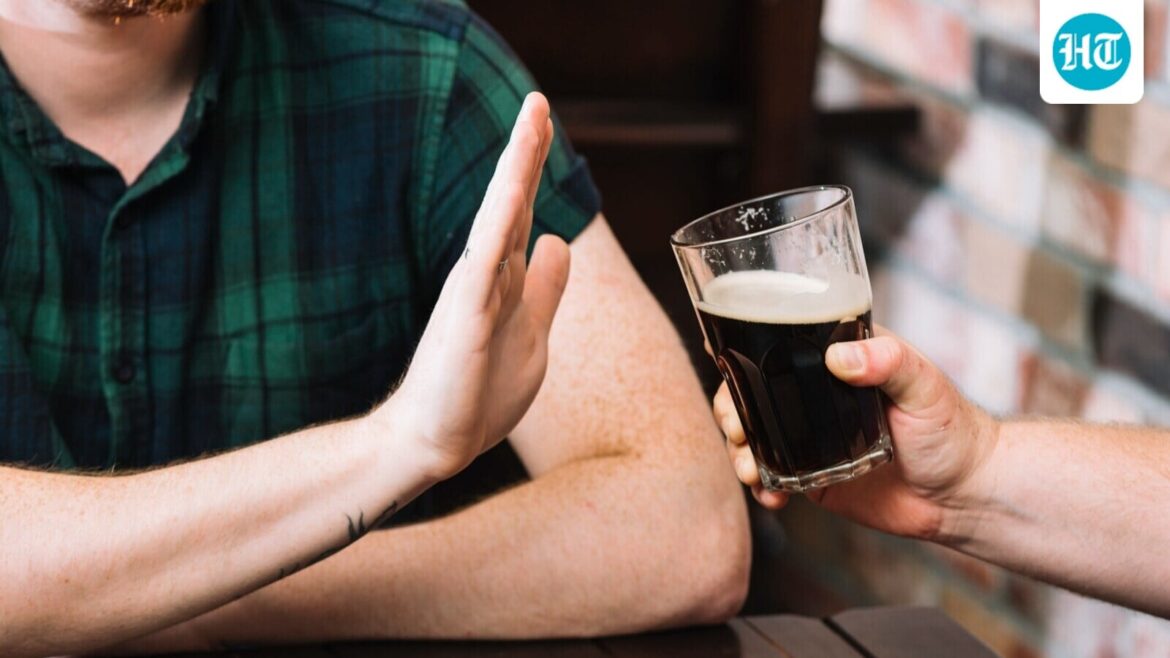
Dr Chopra has explained that even ‘moderate’ use of alcohol affects your brain. (Freepik)

Dr Chopra went on to explain how even ‘moderate’ use of alcohol can ‘literally shrink your brain’. According to him, chronic alcohol use reduces brain volume, affecting decision-making and memory. Dr Chopra shared that alcohol alters sleep cycles, and impairs memory, attention, and executive function, potentially contributing to dementia.

Moreover, alcohol increases anxiety, depression, and mood swings while reducing impulse control, he added. Dr Chopra further explained that alcohol triggers inflammation, damaging neurons and increasing the risk of neurodegenerative conditions.

He shared the five effects of alcohol on the brain:

Brain shrinkage

“Chronic alcohol use reduces overall brain volume. Frontal Lobe (decision-making) and hippocampus (memory) are most affected. Resulting in memory issues, poor focus and slower thinking,” Dr Chopra said.

Neuro-inflammation

He added, “Alcohol triggers inflammation, damaging neurons and neural pathways. It is also known to increase the risks of neurodegenerative conditions over time.”

Sleep disruption

According to Dr Chopra, “Alcohol alters sleep cycles, reducing REM ( rapid eye movement) and deep sleep. Poor sleep affects memory, mood, and the brain repair processes.”

Cognitive decline

He said, “Alcohol impairs working memory, attention span, and executive function. Long-term use may contribute to alcohol-related dementia.”

Emotional and behavioural changes

Dr Chopra said, “It increases anxiety, depression, and mood swings and reduces impulse control and heightens risk-taking behaviour.”

Note to readers: This report is based on user-generated content from social media. HT.com has not independently verified the claims and does not endorse them.
This article is for informational purposes only and not a substitute for professional medical advice.

September 20, 2025 0 comments
0 FacebookTwitterPinterestEmail
Cardiologist reveals high sodium diet may weaken heart's ability to pump blood, suggests how to reverse the damage
Lifestyle

Cardiologist reveals high sodium diet may weaken heart’s ability to pump blood, suggests how to reverse the damage

by jummy84 September 15, 2025
written by jummy84

Excess salt negatively impacts heart health. Typically, salt is associated with high blood pressure risks, but the dangers also extend to cardiovascular health. Dr Sameer Pagad, director of intervention cardiology at Nanavati Max Super Speciality Hospital, Mumbai, shared with HT Lifestyle in an interview that with excessive sodium or salt intake, there’s a higher risk of developing heart diseases.

Add spinach to diet to reverse the harmful effects of long-time sodium intake on heart. (Unsplash)

ALSO READ: Cardiologist warns 6 hours of sleep isn’t enough, 4 ways it puts your heart at risk: High blood pressure, arrhythmia

The cardiologist pointed out that a high-sodium diet targets the heart’s muscle function, disturbing the ability to pump blood. How it happens, he explained, “Sodium is found to thicken the heart walls, causing a condition known as left ventricular hypertrophy. As the condition progresses, the heart finds it difficult to pump blood efficiently. The sodium-rich diet also alters the calcium levels in the heart cells, affecting their ability to contract and relax, dramatically increasing the chances of heart failure.”

How to reverse the ill effects of a high-sodium diet?

For vegetarians, pumpkin is recommended, while for non-vegetarians, salmon is advised.(PC: Freepik)

Now that you are aware of how high salt intake strains your heart, to the extent of affecting the heart’s main function, let’s see how you can reverse the ill effects of a sodium-rich diet if you have been on one for some time.

Dr Sameer Pagad recommended eating potassium-rich foods to reverse sodium’s effects. He said, “Eat potassium-rich foods, including vegetables such as spinach, amaranth, fenugreek, bottle gourd, pumpkin, etc. Also consume fruits like banana, guava, oranges or mosambi, pomegranate and papaya. Include pulses like moong, masoor, chana, and rajma in your diet.”

Along with this, for hydration, he suggested adding a glass of tender coconut water to your routine.

Now what about non-vegetarians? For them, the cardiologist recommended eating foods that contain Omega-3 fatty acids. Elaborating more about the sources, “Non-vegetarians should consume fish rich in omega-3 fats, which are considered to be anti-arrhythmic and cardioprotective. One to two meals a week can be inclusive of sardines, bangda, Indian salmon or raavas.”

All in all, the cardiologist advised to prioritise naturally available foods over supplements, and suggested personal consultation with a cardiologist or a dietician before changing or adding anything to your diet.

What is the safe limit for salt intake?

Even if you decide to add salt to your food for the purpose of taste, make sure it is within the safe limit. According to Dr Sameer Pagad, reducing even 1g of salt intake in your diet can substantially improve the blood pressure levels. He added, “If you want to keep your heart healthy, limit your sodium intake to approximately 2 g per day and reduce the chances of developing hypertension, arrhythmias, coronary events, stroke or heart failure.”

Maintaining low-salt intake along with eating potassium-rich foods helps to protect your cardiovascular health in the long run.

Note to readers: This article is for informational purposes only and not a substitute for professional medical advice. Always seek the advice of your doctor with any questions about a medical condition.

September 15, 2025 0 comments
0 FacebookTwitterPinterestEmail
Cardiologist says 'stress is always a factor’ in heart attacks; shares 9 simple lifestyle tips to safeguard your heart
Lifestyle

Cardiologist says ‘stress is always a factor’ in heart attacks; shares 9 simple lifestyle tips to safeguard your heart

by jummy84 September 9, 2025
written by jummy84

With busy routines, poor diet, and stress becoming part of modern life, heart health is often neglected until it’s too late. Heart attacks can strike without warning, but most of them are preventable. Dr. Jack Wolfson, Cardiologist and founder of Natural Heart Doctor shares in his June 20 Instagram post 9 simple yet effective tips to reduce your risk of a heart attack. (Also read: Cardiologist says ‘exercise daily for at least 45 minutes’; shares tips to protect your heart during festivals )

Check out cardiologist’s 9 tips to reduce heart attack risks and improve health. (Pexels)

1. Get rid of plastic

“Plastic is nasty, it’s proven to be problematic. Minimise your plastic exposure the best you possibly can,” says Dr. Jack.

2. Eat more seafood

“Seafood is the healthiest food available. People with the highest levels of omega-3 have the lowest risk of everything,” he adds.

3. Get more sunshine

“The Sun reverses plaque, prevents heart attacks, and prevents strokes. Get more sunshine,” Dr. Jack advises.

4. Improve your sleep quality

“Consider mouth taping to improve sleep quality,” he suggests.

5. Move more

“Hike, bike, walk, stand up paddle board, kayak, do muscle-building activities, just move more,” he says.

6. Reduce your stress levels

“Anyone who has a cardiac event, I’ve seen hundreds of heart attacks and strokes stress was always a factor,” Dr. Jack explains.

7. Avoid water-damaged mold or bacteria

“You want to make sure you are not living in water-damaged mold or bacteria. Test your home, test yourself,” he adds.

8. Test yourself regularly

“Check for inflammation, oxidative stress, homocysteine, Lp(a), intracellular vitamins, minerals, proteins, fats, leaky gut, environmental toxins, test for those,” he says.

9. Limit EMF exposure

“Try and limit your exposure to EMF. Don’t wear your cell phone, don’t sleep next to it, maybe turn off Wi-Fi at night. Definitely don’t wear earbuds,” Dr. Jack concludes.

Note to readers: This report is based on user-generated content from social media. HT.com has not independently verified the claims and does not endorse them.

This article is for informational purposes only and not a substitute for professional medical advice.

September 9, 2025 0 comments
0 FacebookTwitterPinterestEmail
Cardiologist warns of high heart attack risks after menopause; shares 5 signs: Neck pain, irregular heartbeats and more
Lifestyle

Cardiologist warns of high heart attack risks after menopause; shares 5 signs: Neck pain, irregular heartbeats and more

by jummy84 September 9, 2025
written by jummy84

Menopause is one of the major health milestones in a woman’s life, a significant transition. It involves a lot of hormonal fluctuation as periods stop, bringing symptoms like hot flashes and mood swings that many are familiar with. But these hormonal shifts also tend to pose a more fatal risk, too: a heart attack.

Heart attack tendencies increase in women after menopause. (Shutterstock)

ALSO READ: Gynaecologist shares 5 tips to manage menopause symptoms: Eat flax seeds, exercise 150 minutes per week and more

To understand why menopausal women become vulnerable to heart attacks, HT Lifestyle spoke to Dr Anand R Shenoy, consultant- interventional cardiology, Manipal Hospital, Old Airport Road, who revealed that the sharp decrease in estrogen after menopause is one of the culprits. Estrogen is a vital hormone that helps support heart health.

Explaining more about how estrogen’s dip plays a role in surging the risks, the cardiologist said, ”Estrogen helps keep blood vessels relaxed, increases blood flow, and lowers bad cholesterol levels. As estrogen levels fall dramatically, blood pressure rises, cholesterol levels shift, and fat increases around the heart, all of which lead to a greater risk of heart attack. Menopause-related symptoms like hot flashes and night sweats have been associated with cardiac disease.”

To add to this, heart attacks in women are stealthy and tricky. According to Dr Shenoy, women have a ‘lower perception of the risks.’ This is alarming as it leads to underdiagnosis and delayed diagnosis. Primarily because the symptoms are not always traditional, they are a bit different and may even overlap with other health conditions.

The cardiologist further added how women can be more aware,
“To help avoid cardiovascular event possibilities, women should track their blood pressure weekly; participate in annual comprehensive cardiac screenings; recognise the signs and symptoms of a heart attack; and follow advice with proactive lifestyle changes. Tracking of signs and symptoms can provide early intervention and heart attack prevention during these vulnerable periods.”

So, as a menopausal woman, what should you do? Be aware of the red-flag signs and follow a healthy lifestyle.

Dr Shenoy shared a brief guide, covering 5 signs to help detect early and 5 prevention tips:

5 warning signs menopausal women should know

Dizziness is one of the symptoms of a heart attack among women. (Shutterstock)
  1. Chest pain or discomfort: Instead of the regular crushing pain, females tend to experience more of a typical chest discomfort in addition to pain in the back, neck, jaw, or arms.
  2. Shortness of breath: Breathing difficulty while engaging in light physical activity.
  3. Palpitations: Irregular heartbeats or feeling skipped heartbeats.
  4. Dizziness or light-headedness: Feeling faint and unsteady.
  5. Fatigue: Unusual tiredness or weakness.

Prevention and management tips

Ensure you are exercising at least 150 minutes every week.(Shutterstock)

1. Exercise:

  • The aim is to be at the ideal body weight, BMI

2. Diet:

  • Have a balanced diet containing fruits, vegetables, whole grains and lean protein.
  • Minimise consumption of saturated fat, sugars and sodium.

3. Stress:

  • Use stress-relieving techniques such as meditation, yoga, and deep breathing.

4. Sleep:

  • Good quality sleep will help manage stress and cardiovascular health.
  • It is essential to get good quality sleep (ideally 7-8 hours) each night.

5. Quit smoking

  • Giving up smoking will decrease your chances of heart disease and improve your overall health.

This risk factor is applicable to both peri and post-menopausal women, as the cardiologist said, “To decrease the risk of heart disease during menopause, all peri and post-menopausal women should be assessed for risk factors and educated on heart-healthy lifestyle interventions to attempt to have optimum cardiovascular health.”

For the uninformed, post-menopause means when a woman hasn’t had any periods for 12 consecutive months, while perimenopause is the stage leading up to menopause, when typical symptoms like hot flashes and irregular periods start to show up. This phase can span the last few years of a woman’s menstruating years. So, the risk factors extend not only to women who have stopped menstruating and already reached menopause but also to those who are about to reach it.

As per the Cleveland Clinic‘s report, the perimenopause stage begins 10 years prior to final menopause, narrowing down the age to around mid-forties, with the average period being from four to eight years. So for better precautions, women late 30s onwards need to embrace heart-healthy habits and also seek medical attention if they spot any worrisome signs.

Note to readers: This article is for informational purposes only and not a substitute for professional medical advice. Always seek the advice of your doctor with any questions about a medical condition.

September 9, 2025 0 comments
0 FacebookTwitterPinterestEmail
Cardiologist reveals 1 daily habit that's putting 'young, healthy people in their 20s and 30s suddenly in heart failure'
Lifestyle

Cardiologist reveals 1 daily habit that’s putting ‘young, healthy people in their 20s and 30s suddenly in heart failure’

by jummy84 September 7, 2025
written by jummy84

In a September 6 Instagram post, Dr Dmitry Yaranov asked, “Do you think energy drinks are harmless? Or have you ever felt your heart race after one?” The cardiologist, who is known on social media as ‘Heart Transplant Doc,’ titled his post ‘The one daily habit that’s putting young hearts into failure.’ Also read | Cardiologist explains 10 signs of heart disease you ignore but should not: Irregular heartbeat, swollen feet, jaw pain

Energy drink consumption has been linked to serious heart issues in young, healthy individuals due to its potential to cause cardiovascular complications.(Pexels)

Cardiologist warns about ‘energy drink heart’

Energy drink consumption has been linked to serious heart issues in young, healthy individuals. Dr Yaranov’s observation of ‘energy drink heart’ cases highlights the potential risks associated with excessive energy drink consumption.

He said, “The ‘energy drink heart’ I keep seeing in my clinic. I’m seeing this more and more — young, healthy people in their 20s and 30s suddenly in heart failure. No smoking, no family history. The common thread? 3–4 energy drinks a day.”

Energy drinks can trigger abnormal rhythms

Dr Yaranov explained that energy drinks can increase blood pressure, trigger abnormal heart rhythms, and weaken heart muscles over time. High levels of caffeine and other stimulants can push the heart into overdrive, leading to potentially life-threatening conditions.

He said, “High caffeine + stimulants push your heart into overdrive. They can trigger abnormal rhythms, raise your blood pressure, and — over time — weaken your heart muscle. Your heart isn’t designed to run at ‘max’ all day, every day.”

Dr Yaranov added it’s crucial for people to be aware of the potential dangers of excessive energy drink consumption, and said: “And here’s the scary part — many of these patients thought they were fine… right up until they weren’t.”

Energy drinks can spike heart rate, increase BP

What are the cons of consuming energy drinks? In a June 27, 2025 interview with HT Lifestyle, Dr Sanjeeva Kumar Gupta, consultant, department of cardiology, CK Birla Hospital in Delhi, had said, “Packed with high levels of caffeine and sugar, they (energy drinks) can spike heart rate, increase blood pressure and trigger anxiety or sleep disturbances. Over time, frequent consumption can strain your heart and elevate the risk of arrhythmias or other cardiac problems, even in healthy individuals.”

He had added, “The mental boost is temporary, but the physiological stress can be lasting. It’s important to read labels, stay informed, and choose healthier hydration options like water or natural juices to truly support both heart and mind health.”

Note to readers: This report is based on user-generated content from social media. HT.com has not independently verified the claims and does not endorse them.

This article is for informational purposes only and not a substitute for professional medical advice.

September 7, 2025 0 comments
0 FacebookTwitterPinterestEmail
Cardiologist says 'gut health impacts your heart health'; shares simple lifestyle habits to avoid post-meal bloating | Health
Lifestyle

Cardiologist says ‘gut health impacts your heart health’; shares simple lifestyle habits to avoid post-meal bloating | Health

by jummy84 September 2, 2025
written by jummy84

Updated on: Sept 02, 2025 08:21 am IST

Cardiologist Dr Alok Chopra emphasises the importance of gut health for heart health, sharing lifestyle tips to prevent bloating and improve overall well-being.

Your gut health is equally important to maintain your overall health. Moreover, a compromised gut impacts the functioning of your heart, too. According to a March 2017 study, changes in the composition of gut microbiota have been linked to hypertension, heart failure, chronic kidney disease, obesity, and even type 2 diabetes mellitus.

Gut health impacts overall health—including your heart. These simple lifestyle habits can help you beat post-meal bloating. (Shutterstock)

Also Read | Are you always feeling tired? Cardiologist explains how fatigue can be a symptom for many cardiovascular diseases

In an Instagram post shared on August 29, Dr Alok Chopra, a cardiologist and functional medicine expert, stressed the important role of gut in ensuring your heart stays healthy. He also shared a few simple lifestyle hacks that can ensure your gut stays in the best shape by avoiding bloating. Let’s find out what Dr Chopra said.

Simple lifestyle hacks to avoid bloating

Sharing the lifestyle hacks, Dr Chopra captioned the post, “As a cardiologist and functional medicine expert, I’ve seen how gut health impacts overall health—including your heart. These simple lifestyle habits can help you beat post-meal bloating and feel your best.” Here’s what he suggested to avoid bloating:

Having the wrong balance of bugs may mean more byproducts that raise cholesterol levels and harm blood vessels. (Shutterstock)
  • Eat slowly and mindfully: Chew thoroughly to support digestion.
  • Avoid carbonated drinks: They trap excess gas in your system.
  • Watch portion sizes: Overeating can put stress on the gut.
  • Limit gas-producing foods: Like beans, lentils, and cruciferous veggies (broccoli, cabbage).
  • Take a gentle walk after meals: It helps reduce gas buildup and aids digestion.
  • Stay hydrated: Drinking enough water keeps digestion smooth.

Can gut health impact your heart?

According to a report by the Johns Hopkins Medicine Organisation, experts have suspected a connection between gut health and heart health, and recent research adds evidence, finding that changes in certain types of gut bacteria are associated with high blood pressure, lower levels of HDL or “good” cholesterol, heart disease, heart attacks and strokes, and heart failure. Having the wrong balance of bugs may mean more byproducts that raise cholesterol levels and harm blood vessels.

Note to readers: This article is for informational purposes only and not a substitute for professional medical advice. Always seek the advice of your doctor with any questions about a medical condition.

Catch every big hit, every wicket with Crick-it, a one stop destination for Live Scores, Match Stats, Quizzes, Polls & much more. Explore now!.

Catch your daily dose of Fashion, Taylor Swift, Health, Festivals, Travel, Relationship, Recipe and all the other Latest Lifestyle News on Hindustan Times Website and APPs.

Catch every big hit, every wicket with Crick-it, a one stop destination for Live Scores, Match Stats, Quizzes, Polls & much more. Explore now!.

Catch your daily dose of Fashion, Taylor Swift, Health, Festivals, Travel, Relationship, Recipe and all the other Latest Lifestyle News on Hindustan Times Website and APPs.

News / Lifestyle / Health / Cardiologist says ‘gut health impacts your heart health’; shares simple lifestyle habits to avoid post-meal bloating

September 2, 2025 0 comments
0 FacebookTwitterPinterestEmail
Newer Posts
Older Posts

Social Connect

Facebook Twitter Instagram Pinterest Youtube Snapchat

Recent Posts

  • 2009 feels like a whole other world away

  • Watch Ariana Grande and Jimmy Fallon Perform a History of Duets

  • Spotify’s Joe Hadley Talks ARIA Awards Partnership

  • Nick Offerman Announces 2026 “Big Woodchuck” Book Tour Dates

  • Snapped: Above & Beyond (A Photo Essay)

Newsletter

Subscribe my Newsletter for new blog posts, tips & new photos. Let's stay updated!

Categories

  • Bollywood (1,929)
  • Celebrity News (2,000)
  • Events (267)
  • Fashion (1,606)
  • Hollywood (1,020)
  • Lifestyle (890)
  • Music (2,002)
  • TV & Streaming (1,858)

Recent Posts

  • The Black Beauty Club Is Turning a Block Party Into a Shopping and Discovery Experience

  • Shushu/Tong Shanghai Fall 2026 Collection

  • Here’s What Model Taylor Hill Is Buying Now

Editors’ Picks

  • 2009 feels like a whole other world away

  • Watch Ariana Grande and Jimmy Fallon Perform a History of Duets

  • Spotify’s Joe Hadley Talks ARIA Awards Partnership

Latest Style

  • ‘The Price Is Right’ Contestant Has Wild Reaction After $20,000 Win

  • ‘Steal This Story, Please’ Review: Amy Goodman Documentary

  • Hulu Passes on La LA Anthony, Kim Kardashian Pilot ‘Group Chat’

  • Facebook
  • Twitter

@2020 - celebpeek. Designed and Developed by Pro


Back To Top
celebpeek
  • Home
  • Bollywood
  • Hollywood
  • Lifestyle
  • Fashion
celebpeek
  • Music
  • Celebrity News
  • Events
  • TV & Streaming