celebpeek
  • Home
  • Bollywood
  • Hollywood
  • Lifestyle
  • Fashion
celebpeek
  • Music
  • Celebrity News
  • Events
  • TV & Streaming
Home » Cardiologist
Tag:

Cardiologist

Apollo cardiologist says pollution worsens health for children born with heart defects; suggests 5 ways to protect them
Lifestyle

Apollo cardiologist says pollution worsens health for children born with heart defects; suggests 5 ways to protect them

by jummy84 November 28, 2025
written by jummy84

The air quality is getting worse in Delhi-NCR, becoming a growing concern year after year. Toxic air is a major cause of many illnesses and affects more than just lung health. Recent reports show that it can also harm children with heart problems. Each year, as smog increases and air quality declines, children become more vulnerable to its effects. Their developing bodies may be at risk for heart defects. This concern worsens because air pollution can harm their health and make them more sensitive to harmful particles such as PM2.5, nitrogen dioxide, and ozone.

Keep kids healthy this season: Practical tips to guard them against air pollution and its effects.(Adobe Stock)

What are the side effects of pollution for children with heart defects?

When pollution increases, more young patients have trouble breathing or recovering from illnesses. Children with heart defects, whether they were born with holes in their hearts or had surgeries to fix these issues, already face challenges, Dr Vikas Kohli, Pediatric Cardiologist, Founder of the Child Heart Foundation (CHF), tells Health Shots. Their hearts need to work harder. When air quality gets worse, it puts even more pressure on these fragile systems.

Fine particulate matter (PM2.5) can enter the bloodstream and cause inflammation. This thickens the blood and irritates blood vessels, potentially reducing oxygen flow. “Healthy children can adapt to these environmental stressors, but this is not true for kids with heart problems”, shares the pediatric cardiologist. For them, the stress from PM2.5 builds up slowly and can worsen their health over time.

What causes heart problems in children?

What can we do to help keep our kids safe from this danger? Here are five strategies that can really help.

1. Monitor air quality regularly

One important step parents can take is to stay informed about the air quality in their area. “Checking the Air Quality Index (AQI) is easy, as many apps and websites provide real-time updates”, shares the doctor. If the AQI enters the red zone, children with heart defects should stay indoors.

Pollution levels are highest in the morning and evening when traffic is heaviest. To protect your child, consider changing your family’s schedule during these times. You can delay outdoor play or adjust school drop-off times to help reduce their exposure to harmful pollutants.

2. Make your home a sanctuary

Many parents mistakenly think their homes are free of pollution. But indoor air pollution can be just as harmful. Daily activities like cooking, burning incense, or even dust from carpets can make the air unhealthy. To keep your home safe, follow cardiologist’s advice: “ensure it’s well-ventilated and close it off during periods of high outdoor pollution.”

Simple habits can improve your home’s air quality. Use exhaust fans when cooking, dust and vacuum regularly, and avoid burning materials indoors to keep your space clean. “Consider installing HEPA-filtered air purifiers, especially if you live in a polluted area”, shares the expert. Reports show that children who sleep in cleaner rooms wake up with better oxygen levels, leading to healthier mornings.

3. Emphasise regular check-ups

In a world where pollution harms health, regular check-ups are important. Many families do not realise how crucial these visits are during months with high pollution levels. Even small drops in oxygen levels can put extra strain on a child’s heart, often without showing apparent symptoms.

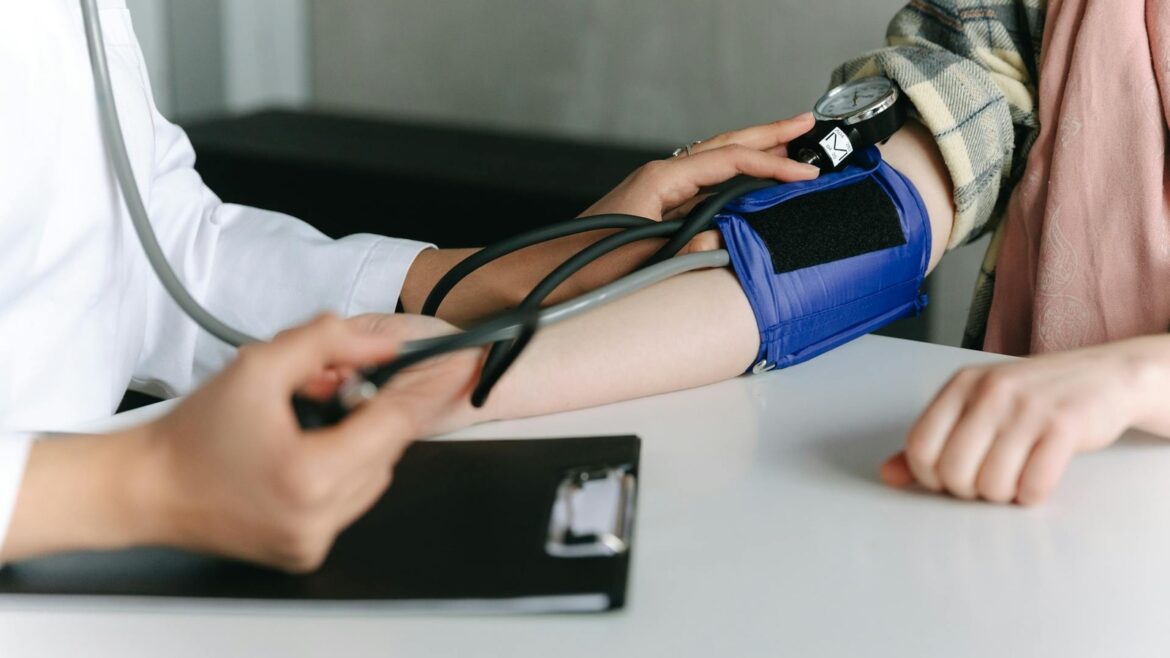
The expert recommends that “parents regularly check their child’s oxygen levels, blood pressure, and heart rhythm”. Many parents now use pulse oximeters at home to monitor oxygen levels. If the readings drop, it’s important to contact a healthcare provider quickly to prevent problems. Also, scheduling check-ups during the smog season can help doctors adjust treatment plans promptly. Remember, it’s easier to prevent issues than to recover from them.

4. Boost immunity to guard against infections

Lung health and heart function are closely connected, but this link is often ignored. Children with heart defects are at a greater risk for serious problems from respiratory infections, especially when the air quality is poor. “During periods of pollution, even a slight cough can develop into a severe chest infection, which may lead to hospitalisation”, shares the expert.

Choose warm water instead of cold drinks, eat balanced meals with plenty of vitamins, especially vitamin C, and make sure to get enough rest. These simple choices can help boost your child’s immune system and provide protection against common health challenges.

5. Advocate for cleaner communities

While people should take precautions, community efforts can improve air quality. Parents of children with heart conditions can play a key role in pushing for cleaner environments. “You can help by joining or starting neighbourhood campaigns to reduce pollution”, shares Dr Kohli. Consider initiatives like tree-planting, carpooling, and lobbying against harmful practices such as burning waste. These actions can make a big difference in your community.

Schools have an important role in helping children deal with air pollution. They can adjust schedules to keep kids indoors when the air quality is poor. Schools can also hold workshops to teach everyone about pollution and its health effects.

(Note to readers: This article is for informational purposes only and not a substitute for professional medical advice. Always seek the advice of your doctor with any questions about a medical condition.)

November 28, 2025 0 comments
0 FacebookTwitterPinterestEmail
Cardiologist explains how to recognise silent heart attack before it is too late
Lifestyle

Cardiologist explains how to recognise silent heart attack before it is too late

by jummy84 November 12, 2025
written by jummy84

Silent heart attacks can be deadly if left untreated, as they might not receive prompt medical attention. If you’re concerned about silent heart attacks, Dr Bimal Chhajer, a cardiologist specialising in non-invasive cardiology, shared a blog about it on his website, Saaol.com, on June 5. It was titled, ‘Recognising pre-heart attack symptoms: what your body is telling you’. Also read | Bengaluru cardiologist warns of early heart disease, shares warning signs and preventive measures to protect your heart

Recognising pre-heart attack symptoms can help prevent life-threatening damage. (Freepik)

According to him, heart disease is a leading cause of death worldwide, and a heart attack can be fatal if not treated promptly. Fortunately, the body often gives early warnings before a heart attack occurs.

Know your body’s warning signs

In the blog, the cardiologist wrote, “Recognising those pre-heart attack symptoms can help save lives by enabling timely medical intervention. Common heart attack symptoms include chest pain, pain radiating to the arms, neck, jaw, or back, shortness of breath, cold sweats, nausea, and lightheadedness. Never disregard symptoms like dizziness, bodily aches, exhaustion, or chest pain. Additionally, silent heart attack signs may be mild and go unnoticed, increasing the risk of future complications. Understanding these warning signs and adopting healthy lifestyle changes can help prevent heart disease and protect your heart’s health.”

As per the cardiologist, ‘a pre-heart attack’, also known as unstable angina, is a serious warning sign that the heart isn’t getting enough oxygen-rich blood: it occurs when the coronary arteries become narrowed or partially blocked due to the buildup of plaque.

Symptoms include: chest pain or pressure, shortness of breath, unusual fatigue, discomfort in the arms, neck, jaw, or back. These symptoms, as per the blog, can appear during rest or physical activity and may come and go. A pre-heart attack should never be ignored, as it can quickly lead to a full heart attack, he shared, adding that immediate medical care and lifestyle changes are crucial to prevent life-threatening damage.

The most dangerous aspect of a silent attack is that the lack of obvious symptoms prevents the person from seeking immediate medical help. (Made using Gemini AI)

Silent heart attack: the unnoticed danger

The cardiologist also said, “A silent heart attack occurs with little or no noticeable symptoms. Signs are mild or absent, which can lead to long-term heart damage. An impending heart attack shows warning signs like chest discomfort, shortness of breath, or extreme fatigue. Both are serious and require immediate attention. Early detection is crucial in preventing severe future cardiac events… being aware of pre-heart attack symptoms, impending, and silent heart attack signs is vital to prevent life-threatening events. Adopt a zero-oil diet, heamanage risk factors… listen to your body — early action today protects your heart tomorrow.”

Note to readers: This report is based on user-generated content from social media. HT.com has not independently verified the claims and does not endorse them.

This article is for informational purposes only and not a substitute for professional medical advice.

November 12, 2025 0 comments
0 FacebookTwitterPinterestEmail
Apollo Hospital cardiologist shares warning signs of sleep trouble that may harm heart health: ‘Loud snoring…'
Lifestyle

Apollo Hospital cardiologist shares warning signs of sleep trouble that may harm heart health: ‘Loud snoring…’

by jummy84 November 10, 2025
written by jummy84

Sleep is the cornerstone of good health, and cutting corners means compromising on your well-being extensively. While getting adequate sleep is an essential health habit, sometimes your rest still gets interrupted, irrespective of your efforts. These interruptions can hint at underlying conditions that require prompt medical attention.

If you are sleep is often disrupted, there may be underlying issues which require attention. (Picture credit: Shutterstock)

ALSO READ: Sleeping late every night? Study says poor sleep makes your brain age faster

To learn more about these red-flag sleep interruptions, HT Lifestyle reached out to Dr Rajesh Matta, consultant interventional cardiologist at Apollo Hospitals, Navi Mumbai. He emphasised that if someone frequently experiences sleep disruptions, it should not be taken lightly. A proper evaluation should be scheduled, as he noted that sleep is closely tied to heart health, and any unresolved sleep problems may lead to serious cardiac issues in the long run.

Signs you need to pay attention to

Dr Matta revealed that sleep-related problems can show up in various ways: some occur during sleep, some appear immediately after waking up, and others affect your health more gradually over time.

As soon as you wake up, your own body gives clues that sleep wasn’t as restorative as it should have been. Dr Matta urged that everyone should pay attention to how they feel after waking up in the morning, as some signs of poor sleep may also indicate heart-related concerns.

“Pay attention to morning symptoms. If you’re waking up with headaches, feeling unrested despite adequate time in bed, or experiencing a racing heart or palpitations, these could be red flags,” The cardiologist explained. “Excessive daytime fatigue that interferes with daily activities isn’t normal; it often indicates poor sleep quality that’s stressing your cardiovascular system.”

While post-sleep signs are usually more subtle and sometimes may be confused with tiredness, there are some sleep problems which show up as major disturbances during the night. The cardiologist shared, “Loud snoring, gasping, or choking during sleep are warning signs of sleep apnea, which dramatically increases risk for hypertension, arrhythmias, and heart failure.”

The other warning signs include difficulty controlling blood pressure despite medication, unexplained weight gain, or increased anxiety and irritability, as per Dr Matta. These are more long-term in nature, in contrast to the immediate signs mentioned earlier. But they all affect metabolic and cardiovascular health, and the cardiologist warned against ignoring them.

How to improve sleep?

Follow these habits to improve your sleep quality. (Picture credit: Made with Chat GPT )

Dr Matta recommended these 4 habits, which help to improve your sleep quality. Try adding them to your daily routine:

1. Establish a fixed wake time: This is more important than a fixed bedtime because it anchors your circadian rhythm. Within a week or two, one will naturally start to feel sleepy at an appropriate time.

2. Sunlight exposure: Get morning sunlight exposure within 30 minutes of waking; it sets your internal clock and improves sleep quality that night.

3. Do physical activity: Incorporate 30 minutes of moderate physical activity most days, but finish at least three hours before bedtime. Exercise is one of the most powerful sleep aids, and it directly benefits the heart.

4. Create wind-down routine: 15 minutes of light reading or gentle stretching.

Note to readers: This article is for informational purposes only and not a substitute for professional medical advice. Always seek the advice of your doctor with any questions about a medical condition.

November 10, 2025 0 comments
0 FacebookTwitterPinterestEmail
Pune cardiologist with 19 years of experience shares why the calf muscle is called ‘second heart’
Lifestyle

Pune cardiologist with 19 years of experience shares why the calf muscle is called ‘second heart’

by jummy84 November 6, 2025
written by jummy84

Your legs are more than just for walking. It also regulates vital functions related to cardiovascular health. It is also often called the ‘second heart.’ To understand why the calf muscle is called the second heart, HT Lifestyle reached out to Dr Priya Palimkar, senior consultant – cardiologist at Sahyadri Hospitals, Pune, who has over 19 years of experience.

Calf muscle is also known as the second heart. (Picture credit: Freepik)

ALSO READ: Cardiologist warns of this heart issue in Gen Z, an early sign of heart attack, other premature cardiovascular diseases

She confirmed that yes, commonly the calf muscles, especially the gastrocnemius and soleus, are usually called as ‘second heart.’ The cardiologist revealed that it supports circulation and prevents venous problems. “The name ‘second heart’ indicates the importance of leg muscles in the blood recirculation from the legs to the heart. This is because pumping blood back is the primary task of the heart, and these muscles assist in this process.”

So, in other words, it helps to keep blood moving smoothly. While the heart is responsible for pumping the blood throughout the body, the calf muscles help for the extra push the blood needs for returning from the legs, back to the heart.

How does the ‘second heart’ work?

Now, how does the calf muscle help in circulation? As per Dr Palimkar, it works as a natural pump. “When a person is standing or walking, the force of gravity causes the blood to flow downwards into the veins that are located in the legs. As a result, the calf muscles are activated and they contract to harden and compress the deep veins which are close to them. Blood is prevented from being pulled back by the one-way valves in the veins; thus every contraction, it moves blood upward to the heart,” the cardiologist elaborated.

In fact, the calf muscles are called the second heart because they take on a supporting role for the heart. They ensure that blood does not pool in the legs and that the circulation is effective. It helps to make the heart’s job easier.

“The heart is then fed with a steady flow of blood, which not only keeps the volume of blood in the heart constant but also helps maintain the cardiac output and general circulation,” she further elaborated on how the calf’s ability to support circulation makes it directly impacts cardiovascular health.

Dangers of prolonged sitting

Sitting for long hours may disrupt circulation. (Picture credit: Freepik )

What happens when this natural pump system does not work? Dr Palimkar named the risks, “Malfunctioning calf-pump system significantly increases the likelihood of people having chronic venous issues, oedema (swelling), and even a higher chance of bad circulatory consequences. As an example, patients with a weaker calf-pump function suffer from the most severe stages of venous disease.”

To ensure your second heart stays strong, the cardiologist recommended exercising the calf muscles. She also urged being active and not sitting or standing for very long periods. Describing the risk, she said, “This ‘second heart’ effect is of a mechanical nature and depends on movement; very long periods of sitting or standing still can have the opposite effect, that is, they can make venous return slower and increase the risk of blood stasis (risk of blood staying in one place) in the legs.”

This is why one should stay active, keep moving, and avoid sitting or standing for long periods so that the cardiovascular functions work efficiently.

Note to readers: This article is for informational purposes only and not a substitute for professional medical advice. Always seek the advice of your doctor with any questions about a medical condition.

November 6, 2025 0 comments
0 FacebookTwitterPinterestEmail
World Stroke Day 2025: Chennai cardiologist warns of a ‘stubborn’ hypertension type that silently raises stroke risk
Lifestyle

World Stroke Day 2025: Chennai cardiologist warns of a ‘stubborn’ hypertension type that silently raises stroke risk

by jummy84 October 28, 2025
written by jummy84

World Stroke Day 2025: October 29 is observed as World Stroke Day, aimed at raising awareness about stroke prevention, treatment and recovery. The theme for this year is ‘Every minute counts,’ highlighting the importance of timely action, which helps to save lives. As per the World Stroke Organisation‘s data, 90 per cent of all strokes are linked to modifiable factors. On this day of observance, it is crucial to take a closer look at one of the most significant ones: hypertension.

There’s a type of high blood pressure which is stubborn, leading to strokes. (Picture credit: Shutterstock)

ALSO READ: Neurologist shares the 3S that silently increase your stroke risk

Several studies have been conducted that established hypertension as one of the primary risk factors for stroke. One of the recent study published in Cardiovascular Diabetology in August 2025 further reinforced this link, that when hypertension is combined with elevated stress-related blood sugar levels, stroke risks spike significantly. Hypertension is such a dominant and well-established predictor that newer studies are now combining it with other biological markers to get an even better picture of the stroke risks.

While you are already aware of hypertension, there’s one type of hypertension that is stronger and dangerous, because it stays high even after taking multiple medications.

To understand this type of hypertension, HT Lifestyle reached out to Dr Babu Ezhumalai, senior consultant – interventional cardiology, structural and endovascular interventions cardiology at MGM Healthcare in Chennai. He drew attention to this type of hypertension as it’s ‘stubborn.’ It is called resistant hypertension (RHTN)

What is resistant hypertension?

As per the cardiologist, resistant hypertension is more than ‘regular high blood pressure.’ If high blood pressure is dangerous, then this type takes it up a notch because it usually doesn’t respond to medications as easily.

“Resistant hypertension (RHTN) is a stubborn form where blood pressure stays high even after taking three or more medications, including a diuretic. What makes it especially concerning is its strong link to stroke, a risk many people are unaware of,” Dr Ezhumalai said.

Further, the condition progresses quietly, as the cardiologist added, “By the time warning signs appear, organs like the heart, kidneys, and brain may already be under strain.”

He cited a study from 2023 which found that, compared to patients without resistant hypertension, those with the condition had a 14 per cent higher risk of stroke.

If this type of hypertension is left unchecked, Dr Ezhumalai alerted that the chances of strokes silently increase. “Patients with RHTN are more likely to experience strokes, often without any obvious warning.” Other than stroke, he added, this hypertension also raises the risk of organ damage.

“About 10% of people with high blood pressure may have RHTN. In India, millions may be at risk without realising it, because the condition often shows no symptoms until serious complications occur,” he said, adding that the lack of early warning signs makes consistent monitoring essential.

What are the warning signs?

Headaches are one of the common signs. (Picture credit: Freepik)

“RHTN is usually silent. Headaches, dizziness, or nosebleeds may occur only in severe cases. Most damage to the heart, brain, and kidneys happens quietly over time,” the cardiologist described some of the signs.

Management

Resistant Hypertension can be managed with the help of lifestyle adjustments and medical care. Here are 4 key steps Dr Ezhumalai recommended for managing resistant hypertension:

  1. Regular monitoring is essential: Check your blood pressure at home and consider 24-hour ambulatory BP monitoring (ABPM) to detect hidden spikes or nocturnal hypertension, both key risk factors for stroke.
  2. Diet: Even stubborn blood pressure can respond to lifestyle changes. Following a DASH diet, rich in fruits, vegetables, whole grains, lean proteins, and low-fat dairy, while reducing salt intake, can help lower blood pressure.
  3. Exercise: Regular physical activity, such as brisk walking, swimming, or cycling, also contributes to better control.
  4. Stress management and quality sleep: Managing stress and getting adequate sleep play an important role, as both help reduce strain on the heart and brain and support overall cardiovascular health.

Note to readers: This article is for informational purposes only and not a substitute for professional medical advice. Always seek the advice of your doctor with any questions about a medical condition.

October 28, 2025 0 comments
0 FacebookTwitterPinterestEmail
Cardiologist reveals what you should have after dinner if you are craving something before bedtime: ‘2 walnuts…’
Lifestyle

Cardiologist reveals what you should have after dinner if you are craving something before bedtime: ‘2 walnuts…’

by jummy84 October 28, 2025
written by jummy84

If your sleep is not as smooth-sailing as you would like, instead of blaming the ticking clock in your room or the inability to find the right side of pillow (the envied cold side), consider backing up a bit and evaluating the journey leading up to bedtime.

Improve sleep quality with the right daily habits.(Freepik)

Upon a closer look, it may feel like an obstacle course: doomscrolling on social media, resisting the urge to start a new series and playing devil’s advocate about whether to heat the frozen pizza or make ramen from scratch.

One of the primary sleep disturbances is the food you eat leading up to bedtime. A study published in 2020 in the International Journal of Environmental Research and Public Health revealed that meal timing is a key determinant for frequent awakenings at night and poor sleep quality. Meal timing here refers to how close your dinner is to bedtime. The researchers reiterated the value of the gap between meals and bedtime. They called it ‘a widely accepted sleep hygiene practice.’

Eating heavily before bed sets off a chain reaction. When you eat close to bedtime, you are likely to face sleep problems because of a bloated belly. You end up tossing and turning, and before you know your alarm is already ringing to ‘wake’ you up.

A more recent study from this year, in October, highlighted that if you sleep late, your brain ages faster, inviting dangers like neurodegenerative disorders, such as dementia.

So, when exactly should you eat dinner then? To find out the answer to this question, HT Lifestyle reached out to Dr Haresh Mehta, consultant, cardiology at PD Hinduja Hospital and MRC, Khar. The rough time frame, he suggested, “Try finishing your dinner at least 2 hours before bedtime.”

ALSO READ: Pumpkin seeds for better sleep: A complete guide to their nutritional value and how to add to your diet

If you are one of the few to eat dinner late at night, whether because of work pressures or simply habit, it’s worth knowing how it hurts your body, for an eye-opener moment.

“When you eat a heavy dinner late at night, your body keeps working instead of resting. It can lead to acidity, poor sleep, and higher sugar and cholesterol levels. Over time, that puts pressure on your heart,” the cardiologist shared.

Even after dinner, sometimes the cravings stay, the urge to cleanse your palate or munch on something sweet/spicy to call it a day. Instead of reaching for usuals like chips or noodles, Dr Haresh Mehta shared with us these four healthy options and highlighted the benefits for each:

1. Chamomile tea

Chamomile tea makes you sleepy. (Picture credit: Adobe Stock)
  • Swap with: Instead of tea or coffee, try a warm cup of chamomile tea.
  • Health value: It helps blood pressure stay under control and relaxes blood vessels.
  • Sleep value: People who drink it often tell me they sleep more deeply and wake up fresher.
  • How to have it: Avoid adding sugar. A few drops of honey are fine.

2. Turmeric water

Turmeric water relaxes your heart. (Picture credit: Freepik)
  • Health value: Turmeric has a natural compound called curcumin. It helps reduce swelling inside your blood vessels, controls cholesterol, and improves blood flow. It keeps arteries clean and heart relaxed.
  • Sleep value: Those who drink it feel lighter, sleep better, and wake up without that heavy feeling.
  • How to have it: Mix one teaspoon of turmeric powder in a glass of warm water. Can add a few drops of lemon juice and half a teaspoon of honey for taste. Drink it warm, not hot, about one hour after dinner.

3. Small and handful of nuts (walnuts or almonds)

Eat 2 walnuts. (Picture credit: Shutterstock)
  • Swap with: Instead of chips or biscuits, eat healthy nuts if one feels like munching.
  • Health value: They have good fats that lower bad cholesterol and keep your arteries clean.
  • Portion: Nuts are healthy, but high in calories. Eat only about five to seven soaked almonds or two walnuts

4. Lemon and ginger tea

This tea helps with bloating. (Picture credit:Freepik)
  • Health value: Great option after dinner, reduces bloating. It also improves blood flow, reduces inflammation.
  • Sleep value: Sleep quality is better if digestion is smooth. This tea helps with digestion.

Heart-healthy habits begin one step at a time. Late-night dinners take a toll on your heart functions. So when can you start seeing the results? The cardiologist revealed that within two weeks itself you start to see changes in your sleep patterns. “Small changes matter. If you replace late-night snacks with these simple drinks or foods for even two weeks, you’ll start feeling lighter, sleeping better, and your heart will thank you,” he elaborated.

Note to readers: This article is for informational purposes only and not a substitute for professional medical advice. Always seek the advice of your doctor with any questions about a medical condition.

October 28, 2025 0 comments
0 FacebookTwitterPinterestEmail
Bengaluru cardiologist explains 2 categories of heart problems in childhood all parents need to know
Lifestyle

Bengaluru cardiologist explains 2 categories of heart problems in childhood all parents need to know

by jummy84 October 22, 2025
written by jummy84

Heart diseases are rising at an unprecedented rate, especially in young adults. But heart diseases don’t spare young children either. To understand the cardiovascular dangers, HT Lifestyle spoke to Dr Chandan Saurav Mahapatro, consultant, interventional cardiology at Manipal Hospital, Hebbal, Bengaluru. While one may think that heart problems may be a middle-aged concern, Dr Mahapatro shed light on an alarming reality and said, “Heart problems are not age-related. Even children get affected by serious heart problems.”

Children also suffer from heart issues. (Picture credit: Freepik)

In children, heart issues are classified, as the cardiologist noted, into congenital heart defects and lifestyle-driven heart issues. As a parent, it is important to know about these categories and the signs to seek immediate medical care.

ALSO READ: Cardiologist warns of this heart issue in Gen Z, an early sign of heart attack, other premature cardiovascular diseases

Congenital heart defects (CHD)

The first category of heart issues children are afflicted by is congenital heart defects. Describing the causes, the cardiologist shared, “These are structural defects in the heart and are present right at birth. These conditions are not usually caused by lifestyle or parenting choices.”

Genetics play a big role in shaping congenital heart defects. “They are mostly caused due to genetic issues, or due to issues during fetal development, such as maternal illness (rubella), certain medications during pregnancy, poorly controlled diabetes, alcohol use, or family history,” Dr Mahapatro said.

The health issues or lifestyle factors a mother may experience during pregnancy can influence fetal development, leading to structural defects in the heart. Structural defect here means a physical problem in the heart’s very anatomy, how the heart is formed. When the heart’s shape or structure is not normal, blood flow or basic functions may be affected.

But the severity in early years is rare, as only 1 per cent of babies with CHD require surgery within the first year of life, as per the cardiologist. Mild cases only require medications and medical care.

Dr Mahapatro explained some of the common warning signs of CHD parents should know, “Some of the warning signs of CHDs include rapid breathing, bluish skin (cyanosis), difficulty feeding, stunted growth and poor weight gain.”

Lifestyle-driven heart issues

Eating junk food increases the risk of lifestyle-driven heart problems. (Picture credit: Freepik)

The second category is lifestyle-driven heart issues.“Lifestyle-driven heart issues develop over time, often as a result of modern living. Poor eating habits, lack of physical activity, rising childhood obesity, and even stress can contribute to high blood pressure, cholesterol problems, and early signs of heart disease in young people,” Dr Mahapatro said.

In other words, not all heart problems are inherited or present from birth; some develop because of poor lifestyle choices.

While CHD requires urgent care, lifestyle-driven heart problems pose bigger risks in adulthood. “Lifestyle-driven heart problems may not cause immediate concerns like CHDs; they build risk gradually, leading to serious complications during adulthood,” the cardiologist warned.

He emphasised that parents should encourage children to stay physically active and eat nutritionally balanced meals to protect heart health.

Note to readers: This article is for informational purposes only and not a substitute for professional medical advice. Always seek the advice of your doctor with any questions about a medical condition.

October 22, 2025 0 comments
0 FacebookTwitterPinterestEmail
Cardiologist shares which Indian sweets to skip and which to pick this Diwali 2025: ‘Market boondi laddu vs homemade…’
Lifestyle

Cardiologist shares which Indian sweets to skip and which to pick this Diwali 2025: ‘Market boondi laddu vs homemade…’

by jummy84 October 19, 2025
written by jummy84

Come Diwali, and Indian households start overflowing with sweets, snacks and chocolates during the five-day festivities, as people exchange gifts and families prepare feasts for everyone to enjoy. Some of the most common Indian sweets and desserts found in homes are laddu, chocolate boxes, soan papdi, and barfi.

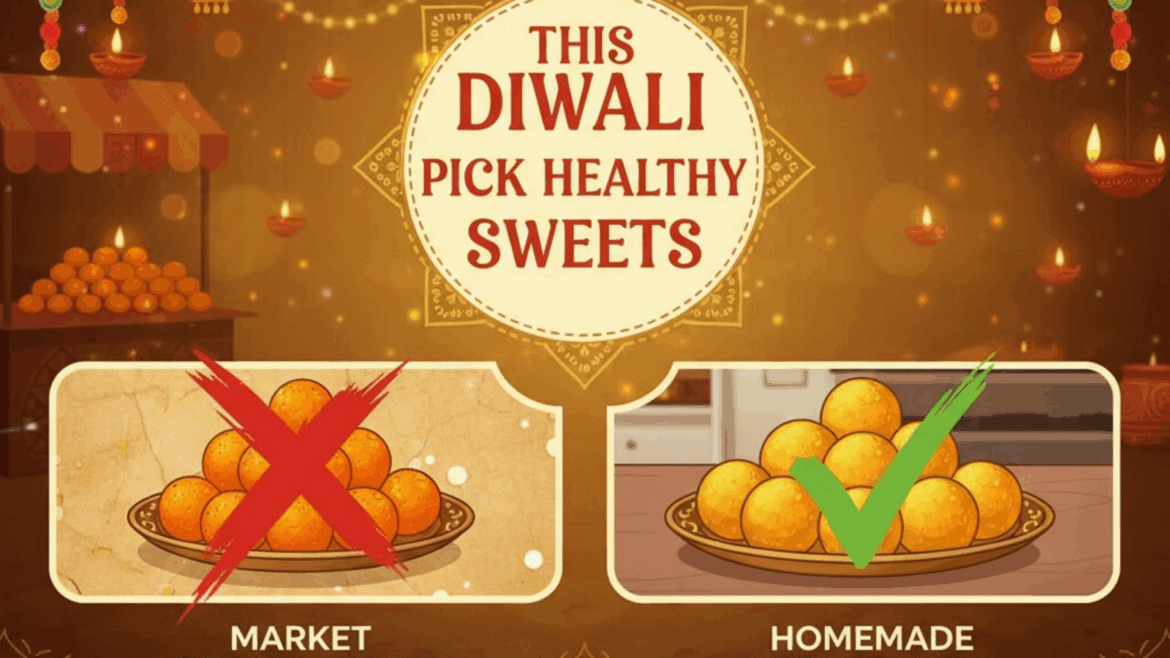
This Diwali 2025, instead of market boondi laddu, go for homemade besan laddu. (Image generated via Google Gemini)

Also Read | Happy Choti Diwali 2025 🪔✨: Top 50 wishes, images, messages, Facebook and WhatsApp status to share with loved ones

In an Instagram post shared on October 15, Dr Alok Chopra, a cardiologist and functional medicine expert, MD, MBBS, listed down some of the common Diwali sweets and desserts that you should avoid, and provided healthy alternatives to each dish. Let’s find out what the doctor suggested.

Which Indian sweet to pick and drop this Diwali?

Sharing the list of Indian sweets you should ditch and which you should pick, Dr Alok Chopra wrote, “This Diwali, redefine indulgence. Health isn’t about cutting joy — it’s about choosing better joy. From A2 ghee laddus to antioxidant hampers, let your celebrations reflect true abundance — inside and out.”

This Diwali, try these suggestions provided by a cardiologist:

1. Market boondi laddu vs homemade besan laddu

Instead of the boondi laddu available in the market, which is made with refined sugar, cheap oil, and synthetic colour (there is approximately 700 g of sugar present in a kg of laddu), choose homemade besan laddus made with A2 ghee and organic jaggery

2. Packaged soan papdi or barfi boxes vs pistachio and rose coconut bites

Every year, during Diwali, every Indian household gets at least a box of soan papdi or barfi, and these sweets are full of refined sugar. Therefore, the cardiologist suggests enjoying pistachio and rose coconut bites made with date purée instead of these Indian sweets.

3. Deep-fried namkeen vs roasted nut and seed mix

As you entertain guests at your home during Diwali festivities, you might end up serving them namkeen, which are deep-fried and full of preservatives. So, instead, try serving a roasted nut and seed mix, the cardiologist suggests.

4. Fancy gift hampers vs curated wellness baskets

For Diwali gifts, we often end up choosing fancy gift hampers which include wafers, chocolates, and packaged sweets, and they are not healthy options. Therefore, Dr Chopra suggests curating wellness baskets, instead, made with blueberries, avocado, dragon fruit, and dark chocolate (85%).

Note to readers: This article is for informational purposes only and not a substitute for professional medical advice. Always seek the advice of your doctor with any questions about a medical condition.

This report is based on user-generated content from social media. HT.com has not independently verified the claims and does not endorse them.

October 19, 2025 0 comments
0 FacebookTwitterPinterestEmail
Max Hospital cardiologist shares why that ‘just gas’ feeling could be an early sign of a silent heart attack
Lifestyle

Max Hospital cardiologist shares why that ‘just gas’ feeling could be an early sign of a silent heart attack

by jummy84 October 11, 2025
written by jummy84

Heart attacks don’t always come with classic chest pain. Many people ignore subtle signs like bloating, gas, or indigestion, thinking it’s just digestive issues. However, these could sometimes indicate early cardiac problems.

Dr. Bhamri warns that persistent symptoms like gas and bloating may indicate silent heart attacks.(Shutterstock)

Dr Naveen Bhamri, Cardiologist with 21 years of experience at Max Super Speciality Hospital, Delhi, shares in his Instagram post why these symptoms should not be overlooked and when to seek medical attention. (Also read: Max Hospital cardiology director shares what perfect Indian plate really looks like: ‘Add 1 or 2 rotis and…’ )

What symptoms distinguish gas from a heart attack

“What are the symptoms that help us differentiate between gas and a heart attack? Many people don’t know this. In India, gas symptoms are very common. People often feel bloated and assume it’s just gas, without chest pain. However, these symptoms can mimic those of a heart attack,” warns Dr Naveen.

He adds, “So, don’t ignore such signs. If you experience them regularly, you must consult a cardiologist. Often, these symptoms, like heaviness in the chest, burping, or bloating, can indicate a silent heart attack, especially in elderly women or those with high blood pressure for a long time.”

When should you consult a cardiologist

Dr Bhamri explains that while gas and indigestion are usually harmless, persistent or recurring symptoms should never be overlooked. “Silent heart attacks may not present with the classic severe chest pain. Instead, they can appear as mild discomfort, bloating, or unusual heaviness in the chest. Timely medical evaluation can be life-saving,” he adds.

He advises individuals, particularly those with risk factors like high blood pressure, diabetes, or a family history of heart disease, to stay alert. Regular check-ups and prompt consultation at the first sign of unusual digestive or chest symptoms can prevent serious complications.

Note to readers: This report is based on user-generated content from social media. HT.com has not independently verified the claims and does not endorse them.

This article is for informational purposes only and not a substitute for professional medical advice.

October 11, 2025 0 comments
0 FacebookTwitterPinterestEmail
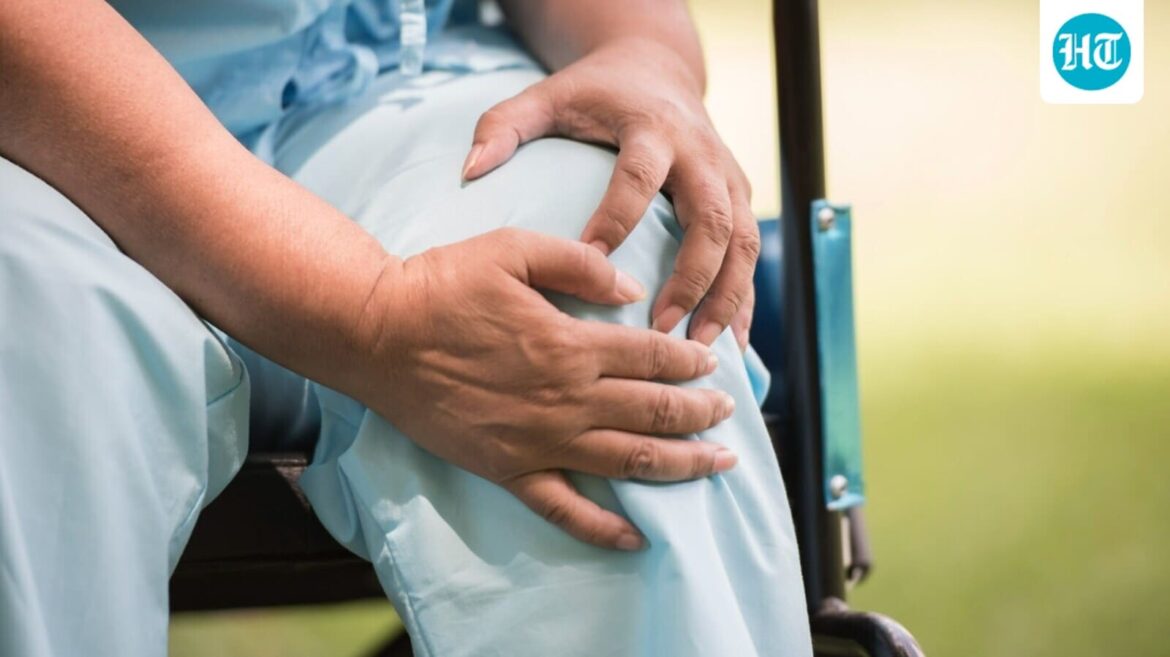
Cardiologist shares how he overcame years of knee pain with yoga, says he ‘can’t even remember which knee used to hurt'
Lifestyle

Cardiologist shares how he overcame years of knee pain with yoga, says he ‘can’t even remember which knee used to hurt’

by jummy84 September 29, 2025
written by jummy84

Whether caused by long commutes, poor posture, weight issues or sports injuries, knee pain has become an increasingly common complaint across all age groups. The discomfort can linger for years and affect quality of life. Dr Devi Prasad Shetty, cardiologist and founder of Narayana Health India, recently shared in a September 29 podcast with MyGov how yoga helped him overcome knee pain. (Also read: Cardiologist shares fastest way to burn dangerous visceral fat, reveals what happens in just 12 hours if you fast )

Dr Prasad shares how yoga alleviated his knee pain after years of discomfort. (Freepik)

How yoga helped Dr Prasad overcome knee pain

Explaining how it all began, Dr Prasad says, “I think about 55 or so I started getting knee pain and my wife kept telling me that you know I should start yoga. I’m not exaggerating. Maybe 2, 3 months of yoga, the pain completely disappeared.”

Reflecting on his recovery, he adds, “Today, if you ask me whether it was my right knee or left knee, I have forgotten. And after that, every alternative day, I do yoga. And I can tell you that today when I operate, sometimes we stand for a long time. I can see my assistants, who are my children’s age, they are taking a break, and I can continuously stand like a horse. So it’s a very, very powerful tool.”

Dr Prasad also recalls his younger days, saying, “As a young man, as a medical student, I used to be a bodybuilder, martial artist.” Despite his earlier fitness, knee pain still crept in later in life, but yoga proved to be the simple, effective solution he needed.

What research reveals

According to a 2018 study published in the journal Frontiers in Psychiatry, one-week integrated approach of yoga therapy (IAYT) significantly improved various physical and functional outcomes in individuals with knee osteoarthritis. Participants in the yoga group showed notable reductions in the Timed Up and Go (TUG) test time, improved handgrip strength, and enhanced knee flexion and extension, compared to the control group.

These findings suggest that yoga can be an effective, accessible, and cost-effective intervention for managing knee osteoarthritis symptoms.

Note to readers: This report is based on user-generated content from social media. HT.com has not independently verified the claims and does not endorse them.

This article is for informational purposes only and not a substitute for professional medical advice.

September 29, 2025 0 comments
0 FacebookTwitterPinterestEmail
Newer Posts
Older Posts

Social Connect

Facebook Twitter Instagram Pinterest Youtube Snapchat

Recent Posts

  • 2009 feels like a whole other world away

  • Watch Ariana Grande and Jimmy Fallon Perform a History of Duets

  • Spotify’s Joe Hadley Talks ARIA Awards Partnership

  • Nick Offerman Announces 2026 “Big Woodchuck” Book Tour Dates

  • Snapped: Above & Beyond (A Photo Essay)

Newsletter

Subscribe my Newsletter for new blog posts, tips & new photos. Let's stay updated!

Categories

  • Bollywood (1,929)
  • Celebrity News (2,000)
  • Events (267)
  • Fashion (1,606)
  • Hollywood (1,020)
  • Lifestyle (890)
  • Music (2,002)
  • TV & Streaming (1,858)

Recent Posts

  • The Black Beauty Club Is Turning a Block Party Into a Shopping and Discovery Experience

  • Shushu/Tong Shanghai Fall 2026 Collection

  • Here’s What Model Taylor Hill Is Buying Now

Editors’ Picks

  • 2009 feels like a whole other world away

  • Watch Ariana Grande and Jimmy Fallon Perform a History of Duets

  • Spotify’s Joe Hadley Talks ARIA Awards Partnership

Latest Style

  • ‘The Price Is Right’ Contestant Has Wild Reaction After $20,000 Win

  • ‘Steal This Story, Please’ Review: Amy Goodman Documentary

  • Hulu Passes on La LA Anthony, Kim Kardashian Pilot ‘Group Chat’

  • Facebook
  • Twitter

@2020 - celebpeek. Designed and Developed by Pro


Back To Top
celebpeek
  • Home
  • Bollywood
  • Hollywood
  • Lifestyle
  • Fashion
celebpeek
  • Music
  • Celebrity News
  • Events
  • TV & Streaming