celebpeek
  • Home
  • Bollywood
  • Hollywood
  • Lifestyle
  • Fashion
celebpeek
  • Music
  • Celebrity News
  • Events
  • TV & Streaming
Home » Tips » Page 4
Tag:

Tips

Cardiologist says 'stress is always a factor’ in heart attacks; shares 9 simple lifestyle tips to safeguard your heart
Lifestyle

Cardiologist says ‘stress is always a factor’ in heart attacks; shares 9 simple lifestyle tips to safeguard your heart

by jummy84 September 9, 2025
written by jummy84

With busy routines, poor diet, and stress becoming part of modern life, heart health is often neglected until it’s too late. Heart attacks can strike without warning, but most of them are preventable. Dr. Jack Wolfson, Cardiologist and founder of Natural Heart Doctor shares in his June 20 Instagram post 9 simple yet effective tips to reduce your risk of a heart attack. (Also read: Cardiologist says ‘exercise daily for at least 45 minutes’; shares tips to protect your heart during festivals )

Check out cardiologist’s 9 tips to reduce heart attack risks and improve health. (Pexels)

1. Get rid of plastic

“Plastic is nasty, it’s proven to be problematic. Minimise your plastic exposure the best you possibly can,” says Dr. Jack.

2. Eat more seafood

“Seafood is the healthiest food available. People with the highest levels of omega-3 have the lowest risk of everything,” he adds.

3. Get more sunshine

“The Sun reverses plaque, prevents heart attacks, and prevents strokes. Get more sunshine,” Dr. Jack advises.

4. Improve your sleep quality

“Consider mouth taping to improve sleep quality,” he suggests.

5. Move more

“Hike, bike, walk, stand up paddle board, kayak, do muscle-building activities, just move more,” he says.

6. Reduce your stress levels

“Anyone who has a cardiac event, I’ve seen hundreds of heart attacks and strokes stress was always a factor,” Dr. Jack explains.

7. Avoid water-damaged mold or bacteria

“You want to make sure you are not living in water-damaged mold or bacteria. Test your home, test yourself,” he adds.

8. Test yourself regularly

“Check for inflammation, oxidative stress, homocysteine, Lp(a), intracellular vitamins, minerals, proteins, fats, leaky gut, environmental toxins, test for those,” he says.

9. Limit EMF exposure

“Try and limit your exposure to EMF. Don’t wear your cell phone, don’t sleep next to it, maybe turn off Wi-Fi at night. Definitely don’t wear earbuds,” Dr. Jack concludes.

Note to readers: This report is based on user-generated content from social media. HT.com has not independently verified the claims and does not endorse them.

This article is for informational purposes only and not a substitute for professional medical advice.


September 9, 2025 0 comments
0 FacebookTwitterPinterestEmail
Want to personalise your rental place? 6 easy decor tips to make it feel like home
Lifestyle

Want to personalise your rental place? 6 easy decor tips to make it feel like home

by jummy84 September 7, 2025
written by jummy84

Does your rental home feel bland? While lease restrictions may make certain alterations off-limits, that doesn’t mean your interiors have to feel dull. A bare home, lacking warmth, can feel oddly empty and unwelcoming, even affecting your mood. With the right touches, your decor will even make your landlord stop and stare, in a good way, maybe even pick your brain about the creative process.

Smart decor ensures you don’t break any rules while also making your interiors stylish.(Shutterstock)

ALSO READ: Want your home to feel ‘lived-in’? Know the top design and decor tips for comfy interiors

The solution lies in finding creative but reversible ways to personalise your space without inflicting any damage. HT Lifestyle reached out to experts to understand how one can decorate their rented homes safely without permanently affecting the structure.

Ritika Rakhian, founder and principal architect at Urban Mistrii, recommended eight hacks that cover all the essentials, from wall treatments to creating signature corners:

1. Start with movable furniture and decor

  • Furniture is your best ally in adding personality without permanent changes.
  • Invest in versatile pieces that work across different spaces, like modular sofas, nesting tables, and multipurpose storage units.
  • Layer in area rugs to define spaces, add warmth, and hide less-than-ideal flooring.

2. Use temporary wall treatments

  • If painting isn’t allowed, peel-and-stick wallpapers and decals can transform a blank wall instantly and be removed without damage.
  • For renters wary of even that, large-scale art, framed prints, or fabric wall hangings can add colour and texture without touching the paint.

3. Lighting

  • Swap out harsh ceiling fixtures for stylish pendant lights or floor lamps (keeping the original fittings safe to reinstall before moving out).
  • Warm-toned LED bulbs can make your home feel cosier and more inviting.

4. Layer textiles for comfort

  • Soft furnishings like cushions, throws, and curtains are easy to update and move with you.
  • They add colour, texture, and personality, plus, they help soften echoey spaces common in rentals.
  • Opt for curtains that complement your furniture and can be adapted to different window sizes.

5. Bring in greenery

  • Indoor plants instantly make a space feel more lived-in and vibrant.
  • From low-maintenance succulents to statement fiddle leaf figs, greenery adds life and improves air quality without any permanent alterations.

6. Create a signature corner

  • Dedicate one area, whether it’s a reading nook, a home office desk, or a coffee corner, to reflect your personality.

While it is good to decorate your rented space, it’s important to also not go overboard and overstep the rules. Ritika cautioned, “Always review your lease before making changes, and choose updates you can easily reverse when moving out. This ensures you leave the property in its original state and keep your security deposit intact.”

Another expert weighed in on this from a layout perspective. Parul Agarwal, co-founder and director at Renascent Consultants, shared his insights on the spatial aspect of the layout, that is, how you arrange furniture and decor pieces to make your spaces more lively. He said, “Observe how you naturally move through the rooms, how the light enters at different times of the day, and which corners feel most inviting. Simple adjustments, like orienting your furniture to take advantage of natural light or clearing pathways to make movement more intuitive, can transform the experience of living in the space.”

Talking about how one can apply visual interest, he elaborated, “Introduce visual boundaries with rugs, open shelving, or even a folding screen can help carve out dedicated areas for work, dining, or relaxation.”

For a beautiful rental home, these clever hacks make your home feel warm and truly yours without breaching any rules.

September 7, 2025 0 comments
0 FacebookTwitterPinterestEmail
What is sustainable diet? Doctor shares 8 practical tips to stay healthy: Seasonal veggies, smart eating order and more
Lifestyle

What is sustainable diet? Doctor shares 8 practical tips to stay healthy: Seasonal veggies, smart eating order and more

by jummy84 September 6, 2025
written by jummy84

Updated on: Sept 06, 2025 09:15 pm IST

A sustainable diet is not restrictive, and instead supports long-term health by being realistic. Know how you can follow a sustainable diet. 

There are a lot of diets trending lately that people are very quick to adopt. But one of the concerns with these quick-fix diets is the lack of longevity. Many get tired or give up midway because it feels too confining. Commonly, fad diets are too ambitious, cutting a number of different food groups, but the real solution lies in balance, moderation, and mindful choices that can be sustained in the long run. The way forward is adopting a diet which is enduring and, most importantly, realistic.

Diet rich in leafy greens and veggies keep you healthy.(Shutterstock)

ALSO READ: Having dark chocolate while on diet? Dietician shares 4 tips to enjoy it without derailing your weight loss goals

Dr Aparna Santhanam, dermatologist and holistic wellness coach, told HT Lifestyle that a sustainable diet helps to keep up with dieting for years as it’s not restrictive.

She explained, “A sustainable diet is not a short-lived food plan but a way of eating that you can enjoy and maintain for years. It focuses on balance, variety, and moderation, rather than rigid restrictions. The beauty of sustainable eating is that it not only protects long-term health but also makes daily meals more enjoyable, practical, and kind to the planet.”

Further, she highlighted how in the Indian food culture, where food is respected, sustainable eating is viewed as a way of building a natural habit to nourish the body.

Dr Santhanam shared 8 tips, demonstrating how to follow a sustainable diet:

1. Prioritise non-processed foods

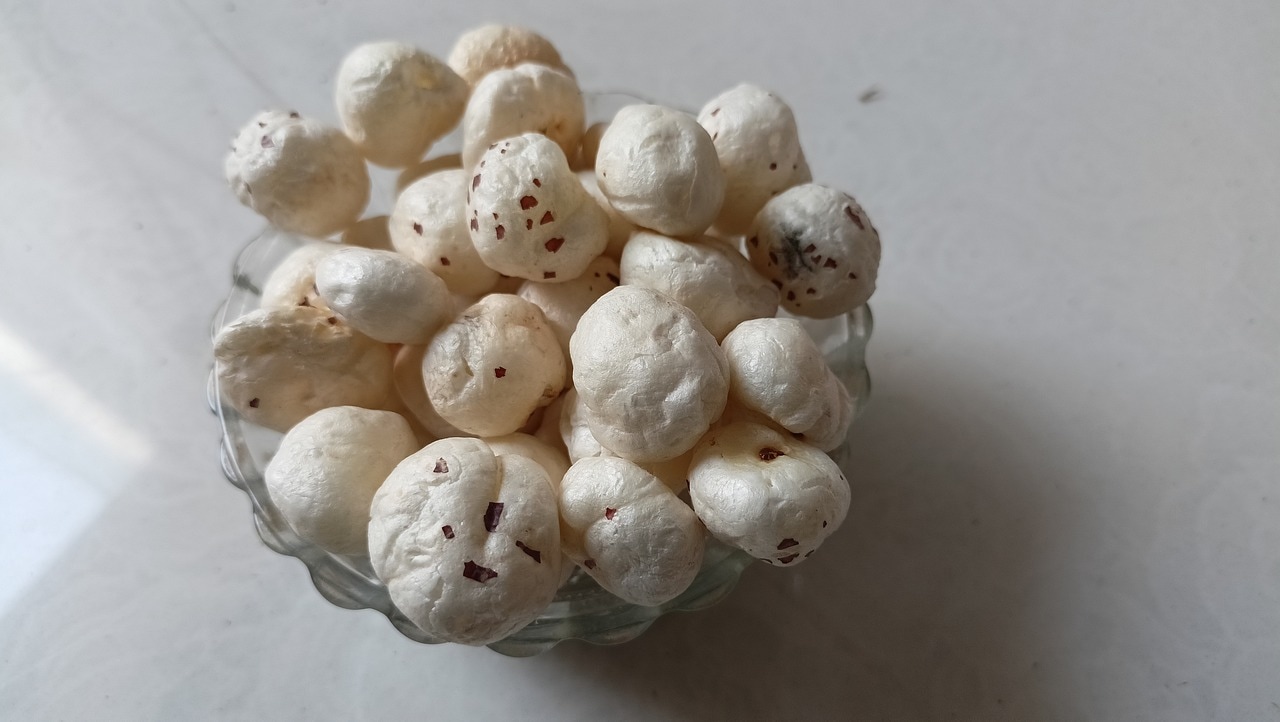
Makhana is great for weight loss.(Pixabay)
  • Prioritise whole, minimally processed foods in the form of fresh fruits, vegetables, dals, and whole grains keep you fuller for longer.
  • For example, roasted chana or Makhana makes a far better snack swap nutritionally and sustainability-wise wise than a bag of store-bought potato chips.

2. Ensure smart eating order

Add darker greens to your salads. (Shutterstock)
  • Start meals with fibre-rich foods like salads or sautéed vegetables, then move to protein (dal, paneer, fish, eggs), and finish with carbs, which are largely grain-based in the Indian context.
  • This helps control sugar spikes, improves satiety, and keeps energy levels steady.

3. Adopt portion control

Serve your food in smaller plates. (Freepik)
  • Instead of cutting out favourite foods, enjoy them in smaller servings. Sharing a dessert at dinner is both healthier and more satisfying.
  • At home, use smaller plates and bowls that visually cue abundance.

4. Add more proteins

Tofu is a veg protein source. (Pexels)

• Add more plant-based proteins.

  • Mix in dals, sprouts, beans, and tofu regularly. This balances nutrition while reducing dependence on heavy meats.

5. Eat local and seasonal produce

Carrot is a popular seasonal veggie in winter.(Adobe stock )
  • Choose what’s naturally available, like mangoes in summer and carrots in winter, for freshness, better taste, and higher nutrition.
  • It is vital to stay attuned to nature’s seasonal rhythms.

6. Reduce food waste creatively

You can make rolls out of leftover sabzi.(Adobe stock)
  • Yesterday’s dal can become dal paratha, or extra sabzi can be rolled into a whole-wheat wrap, and leftover rice can be made into cutlets with vegetables.
  • It’s fun and nourishing.

7. Stay hydrated wisely

Herbal teas like Chamomile and ginger tea have low-calorie content.(Pexels)
  • Replace sugary sodas with plain water.
  • The other option is light herbal teas for long-term metabolic health.

8. Make your plates balanced

  • An ideal Indian meal could look like this: start with a bowl of kachumber salad (fibre), followed by a serving of dal (plant protein and fibre), one dry sabzi like beans or bhindi (fibre + micronutrients), and a small portion of brown rice or jowar roti (complex carbs with additional fibre).
  • This mix ensures satiety, steady energy release, and a full spectrum of nutrients.

Note to readers: This article is for informational purposes only and not a substitute for professional medical advice. Always seek the advice of your doctor with any questions about a medical condition.
Catch every big hit, every wicket with Crick-it, a one stop destination for Live Scores, Match Stats, Quizzes, Polls & much more. Explore now!.

Catch your daily dose of Fashion, Taylor Swift, Health, Festivals, Travel, Relationship, Recipe and all the other Latest Lifestyle News on Hindustan Times Website and APPs.

Catch every big hit, every wicket with Crick-it, a one stop destination for Live Scores, Match Stats, Quizzes, Polls & much more. Explore now!.

Catch your daily dose of Fashion, Taylor Swift, Health, Festivals, Travel, Relationship, Recipe and all the other Latest Lifestyle News on Hindustan Times Website and APPs.

News / Lifestyle / Health / What is sustainable diet? Doctor shares 8 practical tips to stay healthy: Seasonal veggies, smart eating order and more

September 6, 2025 0 comments
0 FacebookTwitterPinterestEmail
Stressed over trip planning as a couple? Top 5 tips for a perfect vacation: Budgeting to dividing responsibilities | Travel
Lifestyle

Stressed over trip planning as a couple? Top 5 tips for a perfect vacation: Budgeting to dividing responsibilities | Travel

by jummy84 September 4, 2025
written by jummy84

Updated on: Sept 04, 2025 02:39 pm IST

Instead of bickering over your trip plan, here’s an easy couple’s guide to make travel stress-free and bond well. 

Trip planning should not ideally follow a one-size-fits-all approach, with generic itineraries and copy-paste schedules, sightseeing spots. The plan depends on the family size: be it a multigenerational family with kids and grandparents, a solo traveller, or parents with little children. Likewise, a couple’s trip needs to prioritise planning that includes fun, intimate time together for relaxation and bonding.

Master your trip planning as a couple to make the most out of it.(Shutterstock)

ALSO READ: Want to travel cheaper? 11 hacks to cut hidden costs on your trip

Heniel Rupaarelia, founder and managing director at ETrav Tech Ltd, shared with HT Lifestyle five tips for couples on how to plan their trips:

1. Make it experience-first

  • Select destinations that combine romance with light adventure, such as beaches, hillside retreats or cultural hubs, where mornings might mean hiking misty trails and evenings end with wine by the ocean. Replace rigid timetables with freedom.
  • Renting bicycles in safe areas offers spontaneity and shared exploration in a way private cars rarely can.
  • Keep at least one day unscheduled and plan a spontaneous visit to a local cafe, a hidden waterfall or a market unknown to guidebooks.

2. Budget smart, not tight

Make a checklist as you head to the destination.(Freepik)
  • Blend indulgence with authenticity. Splurge on a scenic fine-dining experience but balance it with street food walks or local market tastings, which often reveal the most memorable flavours and stories.
  • Keep a flexible budget with a buffer for last-minute opportunities such as a surprise couple’s spa treatment, a private sunset sail or an offbeat cultural tour.
  • Skip the expensive glamour of Paris or London in peak season and instead, enjoy Vietnam’s charming cafes, Sri Lanka’s coastal escapes or Croatia’s romantic old towns at a fraction of the price with double the charm.

3. Balance sightseeing and downtime

  • It’s tempting to load the itinerary with every ‘must-see’, but overplanning can erode the very connection you’re travelling to nurture.
  • Trips with one to two planned activities per day have turned out to be more fruitful than those with three or more.
  • Build in slow mornings, unhurried meals and unstructured afternoons. Use in-between moments to share a coffee on a balcony, to spend a lazy afternoon in a hammock or to take a romantic stroll.

4. Divide responsibilities to avoid burnout

Divide the roles, while one handles the destination spotting, another takes care of commute plans.(Freepik)
  • Planning fatigue is real, and putting the entire burden on one partner risks imbalance.
  • The most efficient travel pairs adopt a split-and-conquer model. One handles flights, visas and core bookings, while the other shortlists hotels based on location, safety and ambience.
  • Assigning roles such as food scout or map master not only divides the workload but turns planning into a joint adventure.

5. Choose destinations that strengthen the bond

Ubud in Bali offers activities like couple spa.(Freepik)
  • Tourist-friendly hubs like Bali, Portugal or Japan offer the right mix of beauty, culture and ease of movement, all extremely crucial for a stress-free bonding. Avoid regions with safety concerns unless both are seasoned travellers.
  • Travel season matters, too. Shoulder seasons like April in Greece or September in Japan offer lower prices, fewer crowds and more space for intimacy. For couples travelling from India, short-haul destinations like the Maldives, Bhutan or Thailand provide seamless escapes without long layovers.
  • Design the trip to match your shared energy. Ubud in Bali offers couples’ spas and jungle views, Lake Bled in Slovenia delivers fairy-tale tranquillity and Hoi An in Vietnam charms with lantern-lit evenings.

Experience is paramount on a couple’s trip, slow, intimate moments which outshine the otherwise packed itineraries. From spontaneous detours to leisurely beginning the day with breakfast in bed, travelling for a couple is a good way to connect, especially for the new ones.

Catch every big hit, every wicket with Crick-it, a one stop destination for Live Scores, Match Stats, Quizzes, Polls & much more. Explore now!.

Catch your daily dose of Fashion, Taylor Swift, Health, Festivals, Travel, Relationship, Recipe and all the other Latest Lifestyle News on Hindustan Times Website and APPs.

Catch every big hit, every wicket with Crick-it, a one stop destination for Live Scores, Match Stats, Quizzes, Polls & much more. Explore now!.

Catch your daily dose of Fashion, Taylor Swift, Health, Festivals, Travel, Relationship, Recipe and all the other Latest Lifestyle News on Hindustan Times Website and APPs.

News / Lifestyle / Travel / Stressed over trip planning as a couple? Top 5 tips for a perfect vacation: Budgeting to dividing responsibilities

September 4, 2025 0 comments
0 FacebookTwitterPinterestEmail
Eye surgeon says ‘signs of poor eyesight in children are often overlooked’; shares tips for early detection and care | Health
Lifestyle

Eye surgeon says ‘signs of poor eyesight in children are often overlooked’; shares tips for early detection and care | Health

by jummy84 September 4, 2025
written by jummy84

Children often can’t voice when their vision isn’t right, making it tricky for parents to spot early eye problems. Dr. Jay Goyal, Eye Surgeon, LASIK specialist, retina specialist and Director at Surya Eye Hospital, Mumbai, shares with HT Lifestyle the warning signs to watch for and simple steps parents can take to protect their child’s eyesight. (Also read: Eye surgeon warns ‘kids under 5 are spending twice the recommended screen time’; shares tips to protect their vision )

Dr. Jay Goyal highlights warning signs of vision problems in children for parents and teachers. (Freepik)

“Every day, nearly 34 lakh children in India go to school with uncorrected vision. Many of them have refractive problems such as nearsightedness, farsightedness, or astigmatism, which makes it hard for them to see clearly in class. As a result, they often end up learning less than their peers,” says Dr. Jay.

He adds, “The real challenge, however, is that signs of poor eyesight in children are often overlooked. When vision problems go undetected, they can affect not just academic performance but also daily activities. This is why parents and teachers need to be aware of children’s eye health and watch for signs that a child may need glasses.”

Signs your child is struggling with vision problems

Dr. Jay further lists a few signs that indicate your child may be experiencing vision problems and needs glasses:

1. Lack of concentration

Children with visual impairments soon become disinterested in long-term activities such as games or projects. They find these tasks difficult since they are unable to perceive things clearly. Moreover, kids with visual impairments refrain from reading, painting, playing games, or working on tasks requiring close attention. Your child can find it hard to see where they are on the page while they read, whether they are reading aloud or quietly. Kids may be discreet about their problems and choose not to tell you about them.

Holding handheld electronics too close can strain children’s eyes and affect their vision over time. (Unsplash)

2. Holding handheld electronics too close to the eyes

Poor vision may be indicated by sitting too near the television or holding handheld electronics too close to the eyes. Myopia, often known as nearsightedness, causes people to see well up close but poorly at a distance. An image becomes larger and more lucid when an object is brought near.

3. Excessive eyerubbing

Your child may be experiencing eye strain or fatigue if they rub their eyes excessively. This could be an indication of various eye disorders, such as allergic conjunctivitis.

4. Eye pain or headaches

Your child may be overexerting their eyes to improve their blurred vision if they complain of headaches or eye pain at the end of the day.

5. Squinting

Squinting could indicate that your child has refractive error, a condition that impairs eye focus. Your toddler might be able to momentarily increase an object’s focus and clarity by squinting.

6. Covering one eye or cocking the head

For better clarity, the child may tilt their head or cover one eye to change the angle of vision. This could mean that your child has amblyopia, commonly referred to as lazy eye, one of the most prevalent eye conditions in kids, or that their eyes are misaligned.

Routine eye exams in schools are essential for identifying visual issues in children. (Freepik)

What to do if your child has vision problems

Dr Jay explains, “Routine eye exams must be performed in schools to identify visual issues in youngsters. The parents must also take their children for regular eye exams. Seeing an eye care professional for a thorough eye exam is crucial if your child fails a vision screening. A comprehensive eye examination will also check the clarity and sharpness of vision.”

“It may also look for myopia, signs of more serious eye problems like depth perception, strabismus (crossed eyes), and eye alignment. Treatment by an ophthalmologist must begin as soon as possible if any of these issues are discovered,” he says.

“Optimal vision plays a vital role in a child’s learning and overall development. Poor eyesight can silently limit a child’s ability to perform well in school, participate in activities, and build confidence. It is therefore important that parents and teachers pay attention to early signs and ensure timely eye check-ups to help children reach their full potential. Protecting a child’s eye health today is an investment in their brighter, more successful tomorrow,” Dr Jay concludes.

Note to readers: This article is for informational purposes only and not a substitute for professional medical advice. Always seek the advice of your doctor with any questions about a medical condition.

September 4, 2025 0 comments
0 FacebookTwitterPinterestEmail
Gynaecologist shares 8 safe monsoon travel tips for pregnant women: Wear cotton clothes, carry reports and more | Health
Lifestyle

Gynaecologist shares 8 safe monsoon travel tips for pregnant women: Wear cotton clothes, carry reports and more | Health

by jummy84 September 1, 2025
written by jummy84

Updated on: Sept 01, 2025 09:25 pm IST

While a trip during the rainy season is calming, there are a lot of health challenges, particularly for pregnant women. Know how to stay safe with these tips. 

Monsoon unveils a new side to familiar sceneries, whether it’s making nature look greener or giving the cityscape a fresh look. So, people feel tempted to go on trips during the rainy season to see these beautiful sights, including pregnant women. But monsoon also brings several challenges that demand extra caution for expectant mothers. From slippery roads to a higher risk of illnesses, pregnant women need to take due precautions to ensure a safe journey.

Be better prepared by taking all the precautions.(Shutterstock)

ALSO READ: Gynaecologist explains why pregnancy mood swings worsen during monsoon and suggests 5 tips to improve mental wellbeing

Dr Ritu Choudhary, Lead Consultant, Obs and Gyn, Robotic and Laparoscopic Surgeon at Apollo Cradle and Children’s Hospital, Bangalore-Electronic City, told HT Lifestyle that safety is essential, from maintaining hydration to eating clean foods. She said, “With some pro-activeness in choosing the right mode of transport, keeping oneself hydrated, eating clean food, and prioritising safety, expectant mothers can ensure a safe and pleasant journey in monsoons. ” Further, she cautioned that if the conditions worsen, then visit a doctor.

Dr Ritu Choudhary shared eight tips, including essentials ranging from what types of clothes to wear to the preferred seat type on transport:

1. Ask a doctor first

  • Always consult the gynaecologist before arranging any travel, especially during the first or third trimester of pregnancy.
  • Travel may be prohibited during high-risk pregnancy or at certain stages, depending on individual health conditions.
  • Always carry reports and documents of medical history and emergency contact numbers.

2. Selecting proper transportation

  • Trains and private vehicles are usually more comfortable and safer than buses or two-wheelers during the monsoon; thus, always prefer those if possible.
  • When travelling via flight, always check the airline policies for pregnant women and avoid air travel after 36 weeks of pregnancy.

3. Check the weather and road conditions

  • Always check the weather before and look at a weather app or website to get a clearer view of whether to venture out.
  • Avoid going out when it is pouring rain, or there are storms or other warnings.
  • Long road trips should be further considered by the prospect of wet roads, water pooling, and poor visibility.
  • All of these situations drastically increase slipping and falling or getting into a car accident.

4. Prioritise comfort and safety

Wear comfortable clothes while you are travelling.(Shutterstock)
  • Wear loose, cotton clothes and keep a spare set of clothes nearby. Carry waterproof jackets and strong umbrellas.
  • Wear anti-slip, comfortable shoes to minimise the risk of slipping on wet surfaces.

5. Maintain hygiene

  • The risk of infections like UTIs and gastroenteritis is greater during the monsoon.
  • Keep hand sanitisers, wipes, tissues, and a toilet seat disinfectant spray handy.
  • Minimise the use of public toilets. Drink clean potable water.

6. Follow a balanced diet

  • Pregnancy cravings are normal, but it’s advisable to avoid street food during the monsoon.
  • Eating fruits, salads, that are already cut and food that is left uncovered can be risky.
  • Oily, spicy, or very salty foods could also trigger heartburn or indigestion.
  • Consume freshly cooked food only prepared under hygienic conditions.

7. Ensure protection from mosquitoes

  • Dengue and malaria peak during the monsoon season so dress in long-sleeved shirts and apply pregnancy-safe insect repellents.
  • Stay away from stagnant water and sleep under a mosquito net on your travels

8. Take breaks during travel

  • Extended travel can cause leg cramps, back pain, or fatigue. Remember to take regular breaks from your travels to move and stretch.
  • If you are travelling by car, be sure to stop every 1.5–2 hours.
  • When booking a train ticket, it is best to book a lower berth for the convenience and safety of getting on and off the train.

Note to readers: This article is for informational purposes only and not a substitute for professional medical advice. Always seek the advice of your doctor with any questions about a medical condition.

Catch every big hit, every wicket with Crick-it, a one stop destination for Live Scores, Match Stats, Quizzes, Polls & much more. Explore now!.

Catch your daily dose of Fashion, Taylor Swift, Health, Festivals, Travel, Relationship, Recipe and all the other Latest Lifestyle News on Hindustan Times Website and APPs.

Catch every big hit, every wicket with Crick-it, a one stop destination for Live Scores, Match Stats, Quizzes, Polls & much more. Explore now!.

Catch your daily dose of Fashion, Taylor Swift, Health, Festivals, Travel, Relationship, Recipe and all the other Latest Lifestyle News on Hindustan Times Website and APPs.

News / Lifestyle / Health / Gynaecologist shares 8 safe monsoon travel tips for pregnant women: Wear cotton clothes, carry reports and more

September 1, 2025 0 comments
0 FacebookTwitterPinterestEmail
Dermatologist shares 10 tips to protect skin from sweat, pollution and pimples: ‘Sunscreen 365 days a year’ | Health
Lifestyle

Dermatologist shares 10 tips to protect skin from sweat, pollution and pimples: ‘Sunscreen 365 days a year’ | Health

by jummy84 September 1, 2025
written by jummy84

Weather changes and pollution can take a serious toll on your skin, triggering pimples, acne, and flare-ups. The good news? With the right protection strategies, you can shield your skin from pollutants, sweat, and breakouts effectively. In an interview with HT Lifestyle, Dr Ameesha Mahajan, cosmetic dermatologist and founder, Eden Skin Clinic shared a few tips to protect your skin daily. Also read | Repeating your morning skincare at night? Dermatologist explains why it is not a good idea

Cloudy or sunny days, sunscreen is a must.(Shutterstock)

1. Face cleansing twice a day

Cleanser used should be gentle and have a balanced pH. Use it twice a day and if you sweat profusely, such as after workouts. After sweating or exposure to environmental pollutants, cleansing must remove the bacteria.

2. Regular and gentle skin exfoliation

Skin exfoliation should be practiced with gentle exfoliants once or twice a week to unclog the skin pores. Harsh scrubs are a big no as they damage the skin’s protective barrier and cause more acne flare ups.

3. Anti-pollution care

Use an antioxidant loaded serum on your face as it helps to fight free radicals such as vitamin C and niacinamide. These ingredients are helpful to fight premature aging and dull skin.

4. Daily skin moisturisation, irrespective of skin type

Even oily skin needs hydration. Choose a lightweight, non-comedogenic moisturiser. Moisturisers protect the skin barrier, keeping dirt and pollutants from penetrating.

5. Sunscreen 365 days a year

Use a broad-spectrum SPF 30 or higher every day, even indoors. Pollution can worsen sun damage, so sunscreen acts as your first line of defense. Also read | Can’t quit screen time? Here’s the skincare routine you need to protect your skin against blue light damage

Tips to protect your skin.(Freepik)

6. Managing stress

Pat sweat off instead of rubbing to prevent irritation and clogged pores. Use breathable fabrics and avoid heavy creams that trap sweat.

7. Refrain from touching face with dirty hands

Hands carry bacteria and pollutants. Touching your face increases the risk of pimples. Keep phones, masks, and glasses clean to prevent skin transfer.

8. Lifestyle modifications

Stay hydrated to flush out toxins. Include a diet rich in antioxidants, fruits, and vegetables to support skin health. Get 7–8 hours of sleep to allow skin repair overnight.

9. Acne management

On the acne spots, consider applying salicylic acid, benzoyl peroxide or niacinamide based serums or other skincare products. Don’t pick or touch acne as it worsens inflammation and may even lead to scarring. Also read | What is ‘skin zoning’ and does it really work? Skincare experts reveal trend that treats every zone right

10. Regular skin check-ins

See the changes your skin shows with changing weather or after sweating. Shift your skincare products as per the season and consult a dermatologist in case of repeated acne flare-ups.

Note to readers: This article is for informational purposes only and not a substitute for professional medical advice. Always seek the advice of your doctor with any questions about a medical condition.

September 1, 2025 0 comments
0 FacebookTwitterPinterestEmail
Postpartum priorities every new mother needs to know: From breastfeeding tips to nutritional guide | Health
Lifestyle

Postpartum priorities every new mother needs to know: From breastfeeding tips to nutritional guide | Health

by jummy84 August 29, 2025
written by jummy84

One of the challenging aspects of postpartum for a mother is meeting the new needs that arise. After childbirth, a mother’s body undergoes many hormonal, physical, and emotional changes. There are several immediate aspects she needs to pay attention to. Among the first ones are breastfeeding practices and what to eat to replenish energy. HT Lifestyle reached out to health experts to collect tips and a nutritional guide that can help mothers.

Mothers need a special nutritional guide as new needs rise postpartum.(Shutterstock)

ALSO READ: Does breastfeeding delay periods? Doctor explains the truth about fertility during lactation

Breastfeeding tips for mothers

The first step is breastfeeding, right from the hospital itself. Mothers need to be aware of the right techniques, timing beforehand.

Dr Shweta Mendiratta, Associate Clinical Director and Head of Obstetrics & Gynaecology at Marengo Asia Hospitals, Faridabad, listed out 5 breastfeeding tips:

1. Start immediately after birth

  • New mothers need to initiate breastfeeding within the first hour of birth, called the golden hour.
  • This helps the baby receive colostrum, which is rich in antibodies and nutrients and helps protect the newborn from various infections.

2. Ensure the right latch

  • A good latch by the baby is key to successful breastfeeding. The baby’s mouth should cover not just the nipple but also a good part of the areola, the circular area of pigmented skin surrounding the nipple.
  • You should not feel pain during feeding. If you do, gently break the suction with your finger and try again.

3. Feed on demand, not by the clock

  • Newborn babies typically breastfeed every 2 to 3 hours. Moms should watch out for baby hunger signs like sucking on fists, turning their head, or making sucking noises.
  • Don’t wait for the baby to cry to breastfeed. Crying occurs when the baby has already been feeling hungry for some time.

4. Drink enough water and eat Healthy

  • Nutrition directly impacts the quality and quantity of breast milk.
  • Nutrient-rich foods, with adequate intake of proteins, calcium, iron, and healthy fats, replenish the mother’s energy levels, aid her recovery post-delivery, and supply essential nutrients to the baby.

5. Pumping or hand-expressing milk

  • Pumping or hand-expressing milk can help relieve breast engorgement, a condition where the breasts become overfilled with milk, making them feel swollen, hard, and painful.
  • Expressing milk allows others to feed the baby when you need some rest. Make sure to store and handle breast milk hygienically.

Dr Shweta Mendiratta, however, shed light on some of the potential conditions mothers may face while breastfeeding. “If you are experiencing conditions like sore nipples, engorgement, low milk supply, or if the baby is not gaining weight adequately, speak to your doctor without delay,” She shared the symptoms, assuring that these are common after childbirth and manageable.

What to eat

Ragi roti gives energy instead of atta roti.(Shutterstock)

Eating for two is what mothers hear after birth. But Dr Arti Bhalerao, Chief Dietitian and Clinical Nutritionist at Sahyadri Hospitals MomStory, Hadapsar, Pune, told us that this may not always be the case, so it does not give a free pass to snacking all day long. The difference is to eat smart, maybe with a little more meal frequency, but ultimately focusing on getting the right nutrients. As per Dr Bhalerao, the goal should be to support the body without overexerting it.

First up is giving mothers traditional food in Indian homes, as these are easier to digest, warm, and rich in nutrients.

Elaborating more about the meals, she added, “Fresh rotis or rice with soft dals, ghee, and seasonal vegetables are often the base of such meals. Grains like ragi and bajra are commonly used. They give you steady energy and may contain important nutrients such as iron, calcium, zinc and fibre. Plant-based sources like dals and lentils are gentle on the stomach and give your body the protein it needs to heal.”

She further listed green veggies like spinach, fenugreek, which are recommended because they are good sources of high iron, calcium and folic acid, which are required in breastfeeding.

Further, nuts are also recommended by the dietician as they are healthy fats. She said, “Soaked almonds or lightly roasted ones can be eaten daily. They provide healthy fats that keep your energy levels stable.” Seeds are also advised to be eaten. Dr Bhalerao recommended flax or garden cress.

Lastly, for fluids, which are very essential because of breastfeeding, the dietician confirmed that, indeed, the belief that breastfeeding makes you thirstier is actually true. Other than water, she encouraged having coconut water or buttermilk during the day.

However, she did warn, “Stay away from sugary drinks and soft drinks. They do not provide any real nourishment. Tea and coffee can be enjoyed in small amounts. One or two cups a day is fine for most mothers.”

Among other foods to be avoided by the mother, as recommended by Dr Bhalerao, include spicy, oily food, foods like raw onion, too much garlic, or heavy pulses such as chickpeas or kidney beans, which might cause gas or make your baby fussy. Likewise, it goes without saying, Dr Bhalerao cautioned about alcohol and smoking, asking to eliminate them completely when breastfeeding, as they can pass into the milk and affect it. Similarly, she advised steering clear of large fish as they may contain harmful substances and instead choose smaller fish, cooked for grilled or curry recipes.

Note to readers: This article is for informational purposes only and not a substitute for professional medical advice. Always seek the advice of your doctor with any questions about a medical condition.

August 29, 2025 0 comments
0 FacebookTwitterPinterestEmail
Ganesh Chaturthi 2025: Fashion tips to be ready for puja and pandal-hopping | Fashion Trends
Lifestyle

Ganesh Chaturthi 2025: Fashion tips to be ready for puja and pandal-hopping | Fashion Trends

by jummy84 August 28, 2025
written by jummy84

Ganesh Chaturthi is the perfect time to show off your festive fashion game. With homes decorated with colourful rangolis and streets glowing with lights, your outfit deserves just as much attention. After all, if you’re welcoming Bappa at home, attending a pooja, or hopping pandals, your style should strike the balance between tradition, comfort, and Insta-worthy glamour.

Ganesh Chaturthi 2025: Fashion tips to be ready for puja and pandal-hopping(Pexels)

Today’s Ganesh Chaturthi fashion is about comfort laced with tradition, sprinkled with modern touches. Think easy silhouettes, breathable fabrics, jewellery that adds just the right sparkle, and styling tricks that keep you festive-ready from aarti to evening celebrations.

Here are eight fashion tips to make sure you’re pooja-perfect this Ganesh Chaturthi:

1. Bright colours are your best friend

Ganesh Chaturthi is a celebration of positivity and new beginnings, so let your outfit reflect that. Choose bright hues like saffron, yellow, pink, and green. They’re festive, photogenic, and bring in the right energy for the occasion.

2. Go easy with fabrics

Nobody wants to sweat through a silk saree while hosting guests. Opt for breathable fabrics like cotton, linen, or light silk blends. They look festive without weighing you down, keeping you comfortable through the day.

3. Modern Sarees, Festive Twist

Don’t want to drape for hours? Go for pre-stitched sarees or ready-to-wear versions with stylish blouses. Pair them with a belt for a modern touch and easy movement during pooja rituals.

4. Kurtas for the win

For men and women alike, kurtas are the easiest way to look festive without the fuss. Women can style embroidered kurtas with palazzos or skirts, while men can pair chikankari or silk kurtas with churidars or even denim for a smart-casual vibe.

5. Jewellery that speaks festive

Think temple jewellery, jhumkas, chandbalis, or layered gold chains. But don’t overdo it, pick one statement piece (like heavy earrings or a choker) and keep the rest minimal.

6. Comfortable footwear matters

You’ll likely be on your feet a lot, be it for performing rituals or hopping pandals. Ditch the stilettos and opt for festive juttis, mojaris, or kolhapuris that complement ethnic wear while keeping you comfortable.

7. Hairstyles with a traditional touch

Fresh flowers like gajras add instant festive flair. For a lighter vibe, messy buns or braids decorated with hair accessories keep you looking chic and practical for long celebrations.

8. Let’s not forget men’s fashion

Men can skip the basic white kurta and go for bright tones, printed Nehru jackets, or draped dhotis for extra festive points. Add a brooch or pocket square to level up the look without trying too hard.

Ganesh Chaturthi fashion is all about balancing tradition with comfort. This includes breathable fabrics, festive colours, and one or two statement accessories that tie the look together. So if you’re hosting pooja at home, attending aarti, or pandal-hopping with friends, being pooja-ready doesn’t have to be complicated.

Similar stories for you:

Mary Jane Shoes are back: How to wear this retro classic like a pro in 2025

Shy about short skirts? Try these 8 stylish ways to make them work for you

Loved Taylor Swift’s engagement dress? Here’s how to style stripes from head to toe

Disclaimer: At Hindustan Times, we help you stay up-to-date with the latest trends and products. Hindustan Times has an affiliate partnership, so we may get a part of the revenue when you make a purchase. We shall not be liable for any claim under applicable laws, including but not limited to the Consumer Protection Act, 2019, with respect to the products. The products listed in this article are in no particular order of priority.

August 28, 2025 0 comments
0 FacebookTwitterPinterestEmail
Oncologist says ‘don’t ignore mouth sores or patches’ as oral cancer rises in young adults; shares key prevention tips | Health
Lifestyle

Oncologist says ‘don’t ignore mouth sores or patches’ as oral cancer rises in young adults; shares key prevention tips | Health

by jummy84 August 26, 2025
written by jummy84

Oral cancer is emerging as a significant public health concern in India, with thousands of new cases diagnosed each year. Factors like tobacco chewing, smoking, alcohol consumption, and certain lifestyle habits contribute heavily to its rising prevalence.

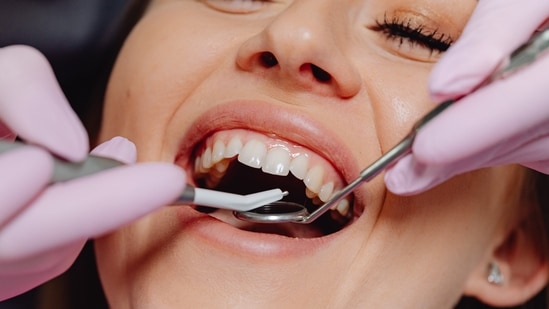
Early detection of oral cancer can boost survival rates to 90% amid rising incidence. (Jerussa Paredes)

“Head and Neck Squamous Cell Carcinoma (HNSCC) is a major health concern in India, accounting for 26% of cancers in men and 8% in women. Among these, oral cancer is the most common type, with a particularly high incidence in the northeastern regions, where cases reach 31.8 per 100,000 males. Population-based cancer registry data further suggest that the nationwide incidence can be as high as 20 per 100,000 population,” says Dr. Minish Jain, Director of Medical Oncology at Ruby Hall Clinic. (Also read: 25 year old with stage 4 cancer shares why he never eats 3 hours before sleep: ‘Your body needs rest, not digestion’ )

Dr. Minish further shared with HT Lifestyle key symptoms to watch for, emerging trends in oral cancer, and the importance of early detection to improve survival rates and outcomes.

Changing trends in oral cancer

Traditionally, oral cancer in India has been strongly linked to tobacco and alcohol use. However, a recent study in Kochi revealed that 57% of oral cancer cases were diagnosed in individuals with no history of tobacco or alcohol use, indicating an alarming shift in disease patterns.

The age-adjusted incidence of oral cancer is highly variable across India, depending on study design, population groups, and geographic locations. Incidence rates increase with age but tend to decline after the age of 70, a trend consistent across multiple studies.

Advanced-stage diagnosis remains the norm

A major challenge in oral cancer management is late detection. Data reveal that 48% of oral cancer cases present in stages III and IV, by which time treatment outcomes are poor. When diagnosed early, oral cancer has a 5-year survival rate of above 80%. However, this drops drastically to 20–30% in advanced stages, despite multimodal therapy.

Oral cancer in India is rising, with tobacco as the main cause.(Karolina Grabowska)

Symptoms to watch for

Common signs of oral cancer include:

  • Red or white patches inside the mouth
  • Ulcers or sores persisting beyond 14 days
  • A lump in the neck
  • Pain or bleeding in the mouth
  • Difficulty swallowing
  • Persistent throat or ear pain
  • Speech problems

Awareness of these early symptoms is crucial for timely intervention.

Key risk factors

Tobacco remains the leading cause, accounting for nearly 80% of oral cancers, especially in men over 40. Worryingly, the incidence among women and younger adults has been rising, driven by smokeless tobacco products such as betel quid, khaini, gutka, zarda, mawa, and kharra. These mixtures, often commercially sold in sachets, are socially accepted and widely consumed, sometimes even kept overnight in the mouth. Alcohol use in combination with tobacco further increases the risk. National surveys estimate that 57% of men and 11% of women (15–49 years) consume some form of tobacco, making this a public health crisis.

The emerging role of HPV

In recent years, Human Papilloma Virus (HPV-16) has emerged as a significant risk factor for oral and oropharyngeal cancers, particularly among individuals without tobacco exposure. Two decades ago, fewer than 10% of oral cancers were HPV-related; today, this number is steadily rising. Interestingly, HPV-positive oral cancers tend to respond better to treatment than tobacco-related cancers.

Challenges unique to India

The biology of oral cancer in Indian patients tends to be more aggressive compared to Western populations. Additional challenges include:

  • Nutritional deficiencies
  • Delayed diagnosis due to low awareness
  • Poor oral hygiene
  • Low socioeconomic status

Why early detection matters

Early detection not only increases survival chances from 50% to 90%, but also reduces the cost of treatment significantly. Unfortunately, most patients in India seek medical attention only at advanced stages due to a lack of awareness and sociocultural acceptance of tobacco chewing.

“Oral cancer continues to be a preventable yet deadly disease in India. Stronger public awareness campaigns, stricter regulation of smokeless tobacco, HPV vaccination programs, and improved access to screening can dramatically reduce the burden. With lifestyle changes and timely medical attention, this disease can be caught early, transforming outcomes for thousands of patients each year,” concludes Dr. Minish.

Note to readers: This article is for informational purposes only and not a substitute for professional medical advice. Always seek the advice of your doctor with any questions about a medical condition.

August 26, 2025 0 comments
0 FacebookTwitterPinterestEmail
Newer Posts
Older Posts

Social Connect

Facebook Twitter Instagram Pinterest Youtube Snapchat

Recent Posts

  • 2009 feels like a whole other world away

  • Watch Ariana Grande and Jimmy Fallon Perform a History of Duets

  • Spotify’s Joe Hadley Talks ARIA Awards Partnership

  • Nick Offerman Announces 2026 “Big Woodchuck” Book Tour Dates

  • Snapped: Above & Beyond (A Photo Essay)

Newsletter

Subscribe my Newsletter for new blog posts, tips & new photos. Let's stay updated!

Categories

  • Bollywood (1,929)
  • Celebrity News (2,000)
  • Events (267)
  • Fashion (1,605)
  • Hollywood (1,020)
  • Lifestyle (890)
  • Music (2,002)
  • TV & Streaming (1,857)

Recent Posts

  • Shushu/Tong Shanghai Fall 2026 Collection

  • Here’s What Model Taylor Hill Is Buying Now

  • Julietta Is Hiring An Assistant Office Coordinator In Dumbo, Brooklyn, NY (In-Office)

Editors’ Picks

  • 2009 feels like a whole other world away

  • Watch Ariana Grande and Jimmy Fallon Perform a History of Duets

  • Spotify’s Joe Hadley Talks ARIA Awards Partnership

Latest Style

  • ‘Steal This Story, Please’ Review: Amy Goodman Documentary

  • Hulu Passes on La LA Anthony, Kim Kardashian Pilot ‘Group Chat’

  • Hannah Einbinder Slams AI Creators As “Losers”

  • Facebook
  • Twitter

@2020 - celebpeek. Designed and Developed by Pro


Back To Top
celebpeek
  • Home
  • Bollywood
  • Hollywood
  • Lifestyle
  • Fashion
celebpeek
  • Music
  • Celebrity News
  • Events
  • TV & Streaming