celebpeek
  • Home
  • Bollywood
  • Hollywood
  • Lifestyle
  • Fashion
celebpeek
  • Music
  • Celebrity News
  • Events
  • TV & Streaming
Home » Tips » Page 3
Tag:

Tips

'Love Island' Star Ekin-Su Cülcüloğlu Reveals Her Tips for Thriving on Reality TV
Hollywood

‘Love Island’ Star Ekin-Su Cülcüloğlu Reveals Her Tips for Thriving on Reality TV

by jummy84 September 25, 2025
written by jummy84

A little competition never hurt anyone! Ekin-Su Cülcüloğlu first rose to fame after winning Love Island in 2022 and has since become a familiar face on reality television with stints on Dancing on Ice, The Wheel, The Traitors US, Celebrity Big Brother, and Love Island: All Stars.

Now, the British-Turkish actress is taking her talents to Netflix’s new high-stakes series, Inside: USA, and she’s sharing her advice for surviving (and thriving) on TV.

Ekin-Su Cülcüloğlu/Instagram

“I’ve always had that fire in me. … I’d describe my competitive spirit as strategic and observant. I love to have fun, but I also want to win,” she tells ET. 

Offscreen, the 30-year-old is just as fierce, but her opponents are different. 

“I’m competitive with myself more than anything. I’m always pushing to be better, whether that’s in my career or personal life. I love to set big goals and challenge myself. I don’t like to settle until I’ve reached them,” she says.

Ekin-Su Cülcüloğlu/Instagram

Since adopting that strong mindset, it’s been easy for Cülcüloğlu to ignore any haters. 

“Once you know your worth, the outside chatter doesn’t matter as much. When the comments come in, I try to focus on the positives and the love people send rather than the negativity,” the model notes. 

“I’ve learned that you can’t please everyone, and that’s okay. I remind myself that most negativity says more about the person writing it than about me,” she adds.

Ekin-Su Cülcüloğlu/Instagram

Above all, the television star embraces her journey on and off camera.

“People have literally watched me fall in love, make mistakes, and reinvent myself. I’m not afraid to change and grow. I want to keep surprising people and show different sides of who I am.”

RELATED CONTENT:

 

September 25, 2025 0 comments
0 FacebookTwitterPinterestEmail
Boys vs girls: Who is more at risk of childhood cancer? Oncologist reveals prevention tips
Lifestyle

Boys vs girls: Who is more at risk of childhood cancer? Oncologist reveals prevention tips

by jummy84 September 22, 2025
written by jummy84

Updated on: Sept 22, 2025 06:41 pm IST

Dr. Sudha Sinha shared that boys are more at risk of childhood cancer than girls. Know the tips to prevent childhood cancer.

Cancer is mostly associated with adults, but there is a type of cancer that can affect children as well. Childhood cancer, although rare, is on a steep rise all over the world. In an interview with HT Lifestyle, Dr. Sudha Sinha, Clinical director and HOD, Medical Oncology, Yashoda Hospitals, Hyderabad said, “While these illnesses are rare, they can be devastating for families. Boys are slightly more at risk than girls for developing certain types of childhood cancers.” Also read | Oncologist debunks 5 myths about childhood cancer: Is it always fatal?

Boys are slightly more at risk of childhood cancer than girls.(Image by Pixabay)

Boys vs. girls: Who is more vulnerable?

“Cancers such as leukaemia, lymphoma, brain tumours, and neuroblastoma are diagnosed more frequently in boys. One exception is Wilms’ tumour (a type of kidney cancer), which is seen a little more often in girls,” the oncologist said.

Why this difference? The reasons are still being studied, but several factors may play a role:

  • Biological: Variations in immune system function and hormone regulation between boys and girls.
  • Environmental exposures: Boys may be more vulnerable to pollutants, toxins, or prenatal exposures.
  • Genetic influences: Subtle genetic variants might predispose boys to certain cancers, though evidence remains incomplete.

Can childhood cancer be prevented?

The doctor said that unlike adults, children usually don’t have lifestyle-related risk factors such as smoking or alcohol use. “However, environmental exposures, maternal health during pregnancy, and certain infections or conditions can influence risk. While not every cancer is preventable, families can take meaningful steps to lower risks,” Dr. Sudha Sinha said. Also read | Oncologist lists 5 childhood cancer red flags: Fever, fatigue, lumps and more

Know tips to prevent childhood cancer.

Tips to prevent childhood cancer:

During pregnancy:

  • Avoid more than two cups of coffee daily (linked to higher risk of childhood leukaemia).
  • Eat a rainbow of fruits and vegetables daily; at least two servings of fresh fruits a day provide antioxidant protection for the baby.
  • Avoid frequent intake of grilled, barbecued, smoked, or deep-fried foods.
  • Take prenatal vitamins with folic acid as they can reduce the risk of leukaemia and brain tumours in children.
  • Avoid excess fatty meats and seafood, and refined vegetable oils (sunflower, soy).
  • Maintain a healthy weight and active lifestyle. Fitter mothers are more likely to have healthier babies.
  • Avoid alcohol and smoking (including passive exposure from family members).
  • Breastfeed if possible. Breastfeeding lowers the risk of childhood leukaemia by about 10%, and by nearly 20% when continued for six months or longer.
  • Choose clean, balanced nutrition with whole grains, lentils, nuts, and fresh home-cooked meals are safer than highly processed or oily foods.

For young children:

  • Encourage outdoor play and physical activity; limit screen time.
  • Guard against pesticide and chemical exposure at home and workplace.
  • Protect from air pollution (dense traffic zones linked with higher leukaemia risk).
  • Avoid unnecessary X-rays and CT scans.
  • Use sunscreen for outdoor activities.
  • Ensure early screening for siblings of children with hereditary cancers like retinoblastoma.
  • Monitor children with infections or genetic conditions (HIV, Down syndrome, Epstein-Barr virus) more closely.

For teenagers:

Note to readers: This article is for informational purposes only and not a substitute for professional medical advice. Always seek the advice of your doctor with any questions about a medical condition.

Catch every big hit, every wicket with Crick-it, a one stop destination for Live Scores, Match Stats, Quizzes, Polls & much more. Explore now!.

Catch your daily dose of Fashion, Taylor Swift, Health, Festivals, Travel, Relationship, Recipe and all the other Latest Lifestyle News on Hindustan Times Website and APPs.

Catch every big hit, every wicket with Crick-it, a one stop destination for Live Scores, Match Stats, Quizzes, Polls & much more. Explore now!.

Catch your daily dose of Fashion, Taylor Swift, Health, Festivals, Travel, Relationship, Recipe and all the other Latest Lifestyle News on Hindustan Times Website and APPs.

News / Lifestyle / Health / Boys vs girls: Who is more at risk of childhood cancer? Oncologist reveals prevention tips

September 22, 2025 0 comments
0 FacebookTwitterPinterestEmail
Relationship coach shares 3 simple tips to keep the excitement and spark alive with your partner: ‘When you talk 24x7…’
Lifestyle

Relationship coach shares 3 simple tips to keep the excitement and spark alive with your partner: ‘When you talk 24×7…’

by jummy84 September 22, 2025
written by jummy84

Published on: Sept 22, 2025 10:47 am IST

Boredom and irritation often creep into long-term relationships – but relationship coach Javal Bhatt reveals 3 super easy ways to keep the spark alive.

Being in a long-term relationship isn’t always as effortless as the honeymoon phase makes it seem. Over time, many couples find themselves feeling bored, irritable, or even disconnected from their partners – small issues that, if left unchecked, can snowball into bigger relationship problems.

Relationship coach Javal Bhatt has shared 3 simple tips you can follow to prevent boredom in a relationship.(Unsplash)

Also Read | Couple therapist shares the biggest sign of healthy relationship: ‘It’s not about how much you love your partner’

Javal Bhatt, a relationship coach, motivator, and writer, shared three simple tips to keep the spark alive in your relationship. In an Instagram video posted on November 26, 2022, he explained how to prevent boredom from creeping in, even after you’re fully committed. His advice focuses on building small but meaningful habits that keep love, curiosity, and excitement intact over time.

Don’t stop flirting

According to Javal, it’s important to keep the spark of flirting alive, not just in the early stages of dating, but even after committing to a relationship or marriage. He explains, “Flirting keeps the romantic relationship alive and helps you prevent taking your partner or relationship for granted.”

Avoid talking all day

Javal points out that talking to your partner 24×7 means you are always updated about each other. This takes away the curiosity and excitement of sharing things when you finally meet or talk at the end of the day. Jawal’s advice? “Decide the mutual timings of the day when you both are available and fully free to invest the quality time.”

Also Read | Woman says her alcohol abstinence is making her husband feel so ‘lonely, rejected’ that he threatened her with divorce

Laugh together

The relationship coach recommends sharing memes, watching comedy movies together, and teasing each other in a playful way. He further elaborates, “I’m not saying you laugh all the time but research shows that a couple who often laughs together is a couple who stays together in a long lasting relationship.”

Note to readers: This article is for informational purposes only and not a substitute for professional advice. It is based on user-generated content from social media. HT.com has not independently verified the claims and does not endorse them.

Catch every big hit, every wicket with Crick-it, a one stop destination for Live Scores, Match Stats, Quizzes, Polls & much more. Explore now!.

Catch your daily dose of Fashion, Taylor Swift, Health, Festivals, Travel, Relationship, Recipe and all the other Latest Lifestyle News on Hindustan Times Website and APPs.

Catch every big hit, every wicket with Crick-it, a one stop destination for Live Scores, Match Stats, Quizzes, Polls & much more. Explore now!.

Catch your daily dose of Fashion, Taylor Swift, Health, Festivals, Travel, Relationship, Recipe and all the other Latest Lifestyle News on Hindustan Times Website and APPs.

News / Lifestyle / Relationships / Relationship coach shares 3 simple tips to keep the excitement and spark alive with your partner: ‘When you talk 24×7…’

September 22, 2025 0 comments
0 FacebookTwitterPinterestEmail
World Alzheimer's Day 2025: Psychiatrist shares 6 tips for families taking care of their loved ones with Alzheimer's
Lifestyle

World Alzheimer’s Day 2025: Psychiatrist shares 6 tips for families taking care of their loved ones with Alzheimer’s

by jummy84 September 21, 2025
written by jummy84

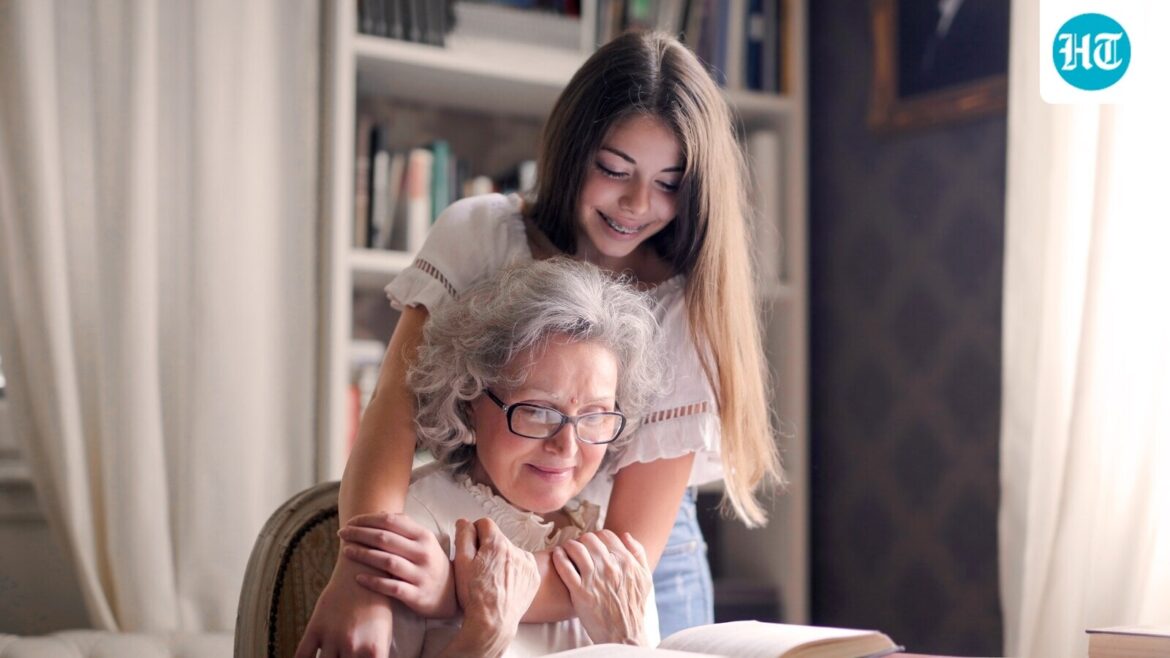
World Alzheimer’s Day 2025: While 21 September is observed as an awareness day for the progressive neurodegenerative disease, the day also serves to support caregivers. Often, family members and friends act as caregivers as their loved ones struggle with the symptoms of Alzheimer’s, like memory loss, confusion, and eventually a loss of independence, completely relying on the caregivers.

Family and friends who are caregivers may also need support.

ALSO READ: World Alzheimer’s Day 2025: Neurologist shares what to do in your 30s, 40s, and 50s to reduce risks of Alzheimer’s

As family and friends step into the role of caregivers, their mental health too takes a toll, from the physical exhaustion of constant responsibilities to the emotional heartbreak of seeing their loved one lose memory and fail to recognise them. Moreover, with the weakening cognitive functions of the patients, caregivers also may struggle to communicate at times.

Dr Paramvir Singh, Psychiatrist at Antara Memory Care Home, a dementia care facility, shared with HT Lifestyle that Alzheimer’s disease affects caregivers as much as it affects patients

He said, “For patients, in addition to memory loss, the disease progresses, resulting in confusion, disorientation, and a gradual loss of independence in everyday tasks. As communication becomes difficult, the inability to clearly express needs or understand others results in frustration, withdrawal, and isolation. Sleep disturbances like ‘sundowning’ and physical decline increase risks of falls, infections, and difficulties with eating or mobility.”

Families caring for people with Alzheimer’s often face stress, fatigue, and emotional overload. The issues which may arise, as noted by the psychiatrist, include burnout, chronic fatigue, social isolation, disrupted sleep patterns and even hypertension. To cope with the stress, many caregivers indulge in unhealthy habits like smoking.

Here are some of the suggestions Dr Paramvir Singh revealed that help to improve communication, ease distress and support both the patient and caregiver:

1. Simplify communication with the patient

  • Alzheimer’s impairs attention span, working memory, and the ability to process complex speech.
  • Short, clear sentences, repetition of key points, and giving time for responses can reduce confusion and agitation, making daily interactions smoother.

2. Validate emotions before correcting facts

  • When memory fails, arguments over “what’s real” often provoke distress. Validating what the person is feeling, even if their recall is inaccurate, helps maintain mood stability.
  • Emotional validation reduces anxiety and behavioural outbursts by anchoring communication in feelings rather than facts.
As their memories fail, make sure you validate what they are feeling.(Pexels)

3. Establish a consistent routine and structure

  • Because procedural memory (habits and routines) often lasts longer than memory for facts and events, regular schedules for waking, meals, bathing, and sleeping help orient the person and lower anxiety.
  • Predictability reduces cognitive load and builds comfort.

4. Use non-verbal communication channels

  • As verbal skills decline, tone of voice, eye contact, touch, and facial expressions remain powerful.
  • These non-verbal cues rely on preserved neural pathways and can convey safety, reassurance, and connection even when words fail.

5. Understand and address care navigation stressors

  • For caregivers of patients with Alzheimer’s disease, managing appointments, coordinating across multiple doctors, and finding the right specialists are some of the most reported stressors. Many also struggle to secure timely help or take much-needed breaks.
  • Creating structured care plans, using shared calendars, or having access to a dedicated care coordinator can ease the associated overwhelm.

6. Prioritise caregiver support and self-care

  • Many caregivers report difficulty accessing respite care or support systems that allow them to rest. Without breaks, the risk of burnout intensifies, leading to worse outcomes for both caregiver and patient.
  • Structure can help caregivers, too; add short daily walks to your routine and set reminders for 15-minute relaxation breaks.
  • Proactively seeking respite services, support groups, or counselling is not indulgence; it is essential for sustaining care over the long term.

Note to readers: This article is for informational purposes only and not a substitute for professional medical advice. Always seek the advice of your doctor with any questions about a medical condition.

September 21, 2025 0 comments
0 FacebookTwitterPinterestEmail
Woman who lost 18 kg says ‘I started losing weight much faster when I changed this 1 thing in my diet’; shares her tips
Lifestyle

Woman who lost 18 kg says ‘I started losing weight much faster when I changed this 1 thing in my diet’; shares her tips

by jummy84 September 18, 2025
written by jummy84

Published on: Sept 18, 2025 06:25 pm IST

A woman lost 18 kg by changing just one thing in her diet. She shares how this simple tweak made weight loss easier and more sustainable.

Weight loss journeys often feel overwhelming, but sometimes the simplest changes can lead to the biggest results. One woman named Reet Kaur managed to shed 18 kg after switching just 1 thing in her diet, and her transformation proves that consistency and small tweaks can truly pay off. (Also read: Woman who lost 72 kg with eating disorder and ADHD opens up about her weight loss secrets: ‘I stopped labelling food…’ )

Woman reveals the 1 simple diet change that helped her shed 18 kg. (Shutterstock)

How woman lost 18 kg by changing 1 thing in her diet

Reet shared in her September 17 Instagram post, “To lose weight, you need to be in a calorie deficit (you consume fewer calories than your body burns). But sticking to that deficit can be tough, especially when hunger strikes. Here’s the single change I made in my diet to make it easier, I started volume eating!”

She explained that volume eating is a strategy where you fill your plate with larger portions of low-calorie, high-volume foods, so you stay full without overshooting your calorie intake. This method, she says, helps with weight loss, fat loss, and overall satiety, without leaving you feeling deprived.

Instead of reaching for small portions of calorie-dense snacks like chips or chocolate, Reet suggests focusing on foods that are:

  • High in water content (fruits, veggies, soups)
  • Rich in fibre (whole grains, legumes)
  • Low in calories per gram (leafy greens, lean proteins)

“This allows you to eat more food for fewer calories, helping with hunger control and portion satisfaction,” Reet added.

Examples of volume-eating foods

1. Vegetables (High in fibre and water)

  • Leafy greens (spinach, lettuce, kale)
  • Cucumbers, zucchini, bell peppers
  • Cauliflower, broccoli, carrots
  • Mushrooms, tomatoes, eggplant

2. Fruits (Naturally sweet and hydrating)

  • Berries (strawberries, blueberries, raspberries)
  • Watermelon, oranges, apples
  • Pineapple, papaya, pomegranate

3. Lean proteins (Keeps you full longer)

  • Chicken breast, turkey, egg whites
  • Tofu, tempeh, cottage cheese
  • Shrimp, white fish, Greek yoghurt

4. Whole grains (Fibre-rich and satisfying)

  • Oatmeal, quinoa, brown rice
  • Whole wheat pasta, barley, bulgur
  • Popcorn (air-popped, without butter)

5. Low-calorie liquids and broths

  • Clear soups (vegetable, bone broth)
  • Herbal teas, infused water
  • Sparkling water with lemon

Note to readers: This report is based on user-generated content from social media. HT.com has not independently verified the claims and does not endorse them.

This article is for informational purposes only and not a substitute for professional medical advice.

Catch every big hit, every wicket with Crick-it, a one stop destination for Live Scores, Match Stats, Quizzes, Polls & much more. Explore now!.

Catch your daily dose of Fashion, Taylor Swift, Health, Festivals, Travel, Relationship, Recipe and all the other Latest Lifestyle News on Hindustan Times Website and APPs.

Catch every big hit, every wicket with Crick-it, a one stop destination for Live Scores, Match Stats, Quizzes, Polls & much more. Explore now!.

Catch your daily dose of Fashion, Taylor Swift, Health, Festivals, Travel, Relationship, Recipe and all the other Latest Lifestyle News on Hindustan Times Website and APPs.

News / Lifestyle / Health / Woman who lost 18 kg says ‘I started losing weight much faster when I changed this 1 thing in my diet’; shares her tips

September 18, 2025 0 comments
0 FacebookTwitterPinterestEmail
Gynaecologist lists 3 red flags of PCOS in teens; shares tips to manage naturally
Lifestyle

Gynaecologist lists 3 red flags of PCOS in teens; shares tips to manage naturally

by jummy84 September 16, 2025
written by jummy84

Polycystic Ovary Syndrome (PCOS) is increasingly affecting girls as young as 13 or 14, but its early signs often resemble normal puberty changes, leading to delayed diagnosis. In an interview with HT Lifestyle, Dr. Yashica Gudesar, director and unit head, obstetrician and gynaecology, Max Super Speciality Hospital, Dwarka said, “Early detection and timely management can prevent long-term health consequences and help young girls lead healthy, balanced lives.” Also read | Gynaecologist shares 7 lesser-known symptoms of PCOS: Fertility problems to hair thinning

Early signs of PCOS often mimic the symptoms of puberty.(Pixabay)

Dr. Yashica Gudesar further listed the early warning signs of PCOS in young girls that parents should be aware of:

1. Watch for irregular periods

One of the first warning signs of PCOS in teens is irregular or missed periods. While some fluctuation is normal during the first couple of years after menarche, consistently skipped cycles, very heavy bleeding, or fewer than eight periods a year may signal hormonal and inflammatory imbalances that require medical attention.

2. Notice physical changes

High levels of male hormones (androgens) in PCOS frequently lead to overt physical signs like excess face or body hair, severe acne (especially along the jawline), oily skin, dandruff, and dark patches of skin on the neck or underarms. Sudden weight gain, particularly excess belly fat, without an apparent cause is another frequent sign. Also read | Doctor reveals 6 PCOS supplements that actually work and how they benefit hormonal health: Cinnamon, omega 3 and more

3. Emotional and mental health matters

PCOS doesn’t just affect the body, it can impact emotional well-being too. Symptoms might include mood swings, fatigue, anxiety, and poor sleep. Since many PCOS symptoms mimic normal teen stress, they might be downplayed and go unnoticed, unless parents and caregivers are observant.

An estimated 70% of women with PCOS remain undiagnosed, worldwide(Shutterstock)

Why early diagnosis is important?

“Identifying PCOS early allows for better management and helps avoid complications down the road. Importantly, PCOS is treated according to symptoms, not every girl needs medication. Proper evaluation with a gynaecologist or endocrinologist, along with blood tests and ultrasounds (if required), ensures that treatment or lifestyle guidance is tailored to individual needs,” said the doctor.

Tips to manage PCOS naturally:

He gynaecologist said, “Making lifestyle modifications is critical for teenagers with PCOS. Eating a balanced diet, engaging in regular exercise, maintaining a healthy weight, managing stress, and tracking menstrual cycles can all help reduce inflammation, balance hormones, and improve overall health. Establishing these habits early builds a strong foundation for the future.” Also read | Gynaecologist lists 5 PCOS symptoms in teens that parents often overlook: Rapid weight gain, severe acne

Note to readers: This article is for informational purposes only and not a substitute for professional medical advice. Always seek the advice of your doctor with any questions about a medical condition.

September 16, 2025 0 comments
0 FacebookTwitterPinterestEmail
Dermatologist says monsoon clouds don't save you from UV damage, shares tips to choose the right sunscreen
Lifestyle

Dermatologist says monsoon clouds don’t save you from UV damage, shares tips to choose the right sunscreen

by jummy84 September 14, 2025
written by jummy84

Do you think if the sun hides behind grey clouds, your skin is safe from sun rays? A senior dermatologists warns that skipping sunscreen during the monsoon can be one of the biggest skincare mistakes you can make. Ultraviolet rays penetrate clouds and even bounce off rain-soaked surfaces, which can silently damaging your skin. These may lead to skincare risks.

Dermatologist says sunscreen should be a part of your monsoon skincare routine.(Freepik)

Dr Rishi Parashar, Senior Consultant Dermatologist, Sir Ganga Ram Hospital, tells Health Shots: “One of the often most ignored area of monsoon skin care is optimal sun protection. That is because many people think that the rain and cloud cover during this season saves our skin. But the truth is that the clouds don’t block UV rays, and if we don’t protect ourselves, it may harm our skin in the long run. Even on cloudy days, up to 80 percent of UV radiation is still transmitted to the Earth’s surface.”

According to the expert, UVA rays penetrate deeply, breaking down collagen and elastin. This may contribute to 80-90 percent of visible skin ageing, per dermatological research. UVB rays, on the other hand, affect the surface of the skin. This may cause sunburn and increase skin cancer risk.

“Heat and humidity can also dehydrate the skin, disrupting its moisture barrier and resulting in a dull or flaky appearance. These changes require a tailored approach to protect skin and maintain its health,” adds Dr Parashar.

How to choose sunscreen for monsoon?

Sunscreen is critical for shielding skin from UV damage even in monsoon season. The dermatologist suggests you should go for a broad-spectrum sunscreen with a Sun Protection Factor (SPF) 50 or higher to protect against both UVA and UVB rays.

“Apply approximately one teaspoon to the face and two tablespoons to the body 15-20 minutes before sun exposure, reapplying every two hours or after swimming or sweating. Reapply every two hours because the humidity and moisture in the air can make the sunscreen wear off. Mineral-based sunscreens containing zinc oxide or titanium dioxide are effective for sensitive skin, as they physically reflect UV rays,” shares Dr Parashar.

Stabilized broad-spectrum protection

Some sunscreens incorporate advanced formulations to enhance UVA protection stability. For example, certain technologies stabilize ingredients like avobenzone, which can degrade under UV exposure, ensuring consistent broad-spectrum coverage. Look for products with proven, stable ingredients to maximize efficacy.

Not all SPF are the same

SPF measures UVB protection, but not all sunscreens offer adequate UVA coverage. Broad-spectrum labelling indicates protection against both ray types, which is essential for comprehensive defense. Higher SPF (50 vs 30, for example), provides slightly better UVB protection but doesn’t inherently ensure UVA efficacy.

When it comes to choosing between mineral sunscreen and chemical sunscreen, here’s how to make the choice. “Mineral sunscreens reflect UV rays. Chemical ones absorb them. So, it is best to choose based on skin needs (mineral for sensitive skin, chemical for oily). Water-resistant options are useful for prolonged outdoor activities, but still require reapplication. Understanding these differences helps in selecting effective products, asserts the expert.

Choose lighter products

In monsoon, go for lightweight gel-based products. Using heavy products may increase oiliness and lead to clogged pores in monsoon.

Gel-based, lightweight non-comedogenic products, such as cleansers and moisturizers, are better suited for monsoon. The expert says gel cleansers with ingredients like salicylic acid help manage oil and prevent breakouts. Gel moisturizers with hyaluronic acid hydrate skin without leaving it greasy.

Additionally, products with added electrolytes will enable better ingredient absorption into the skin. These lightweight options absorb quickly, supporting skin balance for oily, combination, or acne-prone types,” explains the doctor.

September 14, 2025 0 comments
0 FacebookTwitterPinterestEmail
AIIMS gastroenterologist warns ‘don't spend more than 10 minutes on toilet'; shares 8 simple tips for healthy gut
Lifestyle

AIIMS gastroenterologist warns ‘don’t spend more than 10 minutes on toilet’; shares 8 simple tips for healthy gut

by jummy84 September 11, 2025
written by jummy84

Good gut health is more than just smooth digestion, it influences immunity, mood, energy levels, and overall wellness. With so many lifestyle and dietary factors at play, it’s easy for our digestive system to fall out of balance.

Dr. Saurabh Sethi shares tips for maintaining a balanced digestive system.(Freepik)

Dr Saurabh Sethi, a gastroenterologist trained at AIIMS, Harvard, and Stanford Universities, shares in his September 10 Instagram post 7 practical tips to improve gut health and keep your system functioning at its best. (Also read: AIIMS gastroenterologist shares top 10 gut friendly snacks you can have daily: Makhana, sprouted moong chaat, buttermilk )

1. Don’t strain or linger on toilet

Spending more than 10 minutes sitting and pushing can increase the risk of hemorrhoids. About 1 in 20 U.S. adults develops them. If fibre isn’t enough, pelvic floor therapy may help.

2. Know what’s “normal” for you

Healthy bowel habits can range from three times a week to three times a day (Rome IV criteria). The key is comfort, not strict frequency.

3. Go easy on painkillers

Frequent use of NSAIDs like ibuprofen, naproxen, or aspirin can increase the risk of GI bleeding up to fourfold and damage the gut lining. If you need them often, ask your doctor about safer alternatives.

4. Cut back on sugary drinks and ultra-processed meats

Diets high in processed foods are linked to higher colorectal cancer risk. Switching to a Mediterranean-style diet can lower this risk by about 18%, according to large meta-analyses.

5. Try a bidet

Bidets reduce irritation and are more hygienic than wiping alone, especially helpful for hemorrhoids, fissures, postpartum recovery, or loose stools. Basic attachments start around $50.

6. Eat a bibre-rich, varied diet

The average American consumes roughly 15g of fibre per day, far below the recommended 25–38g. Fibre feeds gut microbes, and once certain species are lost, they may not return.

7. For smelly gas, pepto can help

Bismuth subsalicylate can neutralise over 95% of the sulfide gases that cause odour and also help prevent traveller’s diarrhoea. Use only for short-term relief.

8. Seeds are gut superfoods

Just 1–2 tablespoons of chia, flax, or basil seeds provide soluble fibre and prebiotics that support healthy gut bacteria, reduce bloating, and smooth digestion.

Note to readers: This report is based on user-generated content from social media. HT.com has not independently verified the claims and does not endorse them.

This article is for informational purposes only and not a substitute for professional medical advice.

September 11, 2025 0 comments
0 FacebookTwitterPinterestEmail
I Tried 7 Traditional Beauty Tips from Latina Creators
Fashion

I Tried 7 Traditional Beauty Tips from Latina Creators

by jummy84 September 10, 2025
written by jummy84

To me, my mom has always been the most beautiful woman in the world. When I was little, I’d rummage through her makeup (and come out clown-faced), waddle around in her high heels, and put on runway shows with my little sister, styled entirely from her closet. I was obsessed with her soft mint silks and the ‘90s maternity tops that fit me like maxi dresses. I’d watch her pop vitamin E pills and spread the oil across her face, pour paraffin wax over her arms, play meditative music, and brush her hair 100 times before bed. When I’d ask why she was so beautiful, she’d always say, “porque mi mami es bella y ella me enseño.”
September 10, 2025 0 comments
0 FacebookTwitterPinterestEmail
Hair transplant surgeon explains how pollution causes hair fall and dandruff; shares tips to protect your scalp
Lifestyle

Hair transplant surgeon explains how pollution causes hair fall and dandruff; shares tips to protect your scalp

by jummy84 September 10, 2025
written by jummy84

Urbanisation is growing rapidly, and cities are bustling with energy and high-end infrastructure like never before. However, beyond the crowded roads and endless hustle of urban life exists a hidden danger that touches us all, and it is pollution.

Exposure to pollution leads to scalp and hair damage, contributing to conditions like dandruff and hair fall. (Freepik)

In an interview with HT Lifestyle, Dr. Gajanan Jadhao, Founder and Chief Hair Transplant Surgeon, shares his expert insights on how pollution impacts hair health and what can be done to protect it. (Also read: Dermatologist reacts to Europe’s gel nail polish ban, explains how it can trigger ‘serious skin problems’ )

How pollution silently damages skin and hair

Urban air is filled with fine dust, toxic gases, and microscopic particles that not only damage the lungs and heart but also leave a lasting imprint on the skin and hair. The face and hair, being the most exposed parts of the body, take a visible toll by losing natural radiance, weakening roots, and accelerating ageing. Many people fail to notice this until the damage becomes advanced.

Chronic conditions like eczema and acne are on the rise due to constant exposure. Even people who follow regular skincare routines often find that pollution overrides their efforts, creating a persistent cycle of irritation and breakouts. The effects on hair are equally concerning. Research shows that pollutants can directly damage the proteins and lipids that make up hair strands, leading to breakage and thinning.

The scalp suffers first, as toxins clog follicles and disrupt healthy growth. When follicles are suffocated by layers of grime, sebum, and airborne chemicals, hair becomes brittle, lifeless, and prone to falling out. This link between urban exposure and weakened hair is increasingly acknowledged in both medical research and consumer awareness.

Pollution disrupts scalp health, leading to dandruff and hair fall.(Pexels)

The hidden dangers of indoor environments

Pollution also disrupts the balance of the scalp environment. Constant exposure to urban dust and toxins alters the scalp’s pH, causing dandruff, excess oil production, and sensitivity. This imbalance not only causes discomfort but also interferes with healthy hair growth. Many people experiencing unexplained hair fall or an itchy scalp are unaware that pollution is often the main underlying factor.

The sun further amplifies the damage. Ultraviolet (UV) radiation on its own accelerates skin aging, but when combined with pollutants such as ozone, it creates a more dangerous mix. UV rays intensify oxidative stress triggered by pollution, resulting in deeper wrinkles, pigmentation, and faster loss of elasticity.

For hair, the combined effect of UV exposure and airborne toxins strips away moisture and fades natural colour, leaving it dull and fragile. It is not only outdoor air that causes problems. Indoor environments can be equally harmful, though less often discussed. According to the World Health Organisation, as of 2020, nearly 3.2 million deaths annually were linked to household air pollution caused by cooking fuels and poor ventilation.

While the primary concerns are respiratory health, indoor toxins and poor air circulation also dry out the skin and scalp, making them more vulnerable to irritation and flaking. Offices with heavy air conditioning and little fresh air can produce similar effects, especially for those who spend most of their day indoors.

How to protect your skin and hair from pollution damage

In spite of these challenges, the effects can be minimised with regular protection. For the skin, daily cleansing removes dirt, dust, and toxins that settle on the surface, preventing clogged pores and keeping the skin fresh. Using antioxidant serums with vitamins C and E helps fight free radicals, which damage skin cells and accelerate ageing. Mineral sunscreens add another layer of protection against harmful UV rays and environmental toxins.

For the hair and scalp, clarifying shampoos help remove buildup from pollution and styling products. Antioxidant-rich conditioners repair and protect strands from oxidative stress, restoring shine and strength. Scalp serums strengthen follicles and protect them against damage, maintaining healthier, stronger hair.

In addition, lifestyle choices also play an important role. Diets rich in berries, leafy vegetables, nuts, and fish provide antioxidants and omega-3 fatty acids that help the body fight environmental stress. Proper hydration, both internal and external, keeps the skin resilient and the scalp healthy. Including foods such as spinach, flaxseeds, and green tea in daily meals can significantly improve how the body responds to pollution over time.

Technology and innovation are also joining the fight. Skincare brands are now releasing products marketed as “anti-pollution shields,” containing ingredients that form protective barriers against particulate matter. Haircare is evolving too, with scalp sprays and leave-in conditioners designed to block toxins. While these cannot completely prevent exposure, they reflect the growing recognition in the beauty industry that pollution is not just an environmental issue but also a personal health concern.

In the bigger picture of city living, pollution is an unavoidable reality. Yet, how we respond to it defines the outcome. With mindful care and conscious choices, we can safeguard not only our skin and hair but also our vitality in the demanding urban world.

Note to readers: This article is for informational purposes only and not a substitute for professional medical advice. Always seek the advice of your doctor with any questions about a medical condition.

September 10, 2025 0 comments
0 FacebookTwitterPinterestEmail
Newer Posts
Older Posts

Social Connect

Facebook Twitter Instagram Pinterest Youtube Snapchat

Recent Posts

  • 2009 feels like a whole other world away

  • Watch Ariana Grande and Jimmy Fallon Perform a History of Duets

  • Spotify’s Joe Hadley Talks ARIA Awards Partnership

  • Nick Offerman Announces 2026 “Big Woodchuck” Book Tour Dates

  • Snapped: Above & Beyond (A Photo Essay)

Newsletter

Subscribe my Newsletter for new blog posts, tips & new photos. Let's stay updated!

Categories

  • Bollywood (1,929)
  • Celebrity News (2,000)
  • Events (267)
  • Fashion (1,605)
  • Hollywood (1,020)
  • Lifestyle (890)
  • Music (2,002)
  • TV & Streaming (1,857)

Recent Posts

  • Shushu/Tong Shanghai Fall 2026 Collection

  • Here’s What Model Taylor Hill Is Buying Now

  • Julietta Is Hiring An Assistant Office Coordinator In Dumbo, Brooklyn, NY (In-Office)

Editors’ Picks

  • 2009 feels like a whole other world away

  • Watch Ariana Grande and Jimmy Fallon Perform a History of Duets

  • Spotify’s Joe Hadley Talks ARIA Awards Partnership

Latest Style

  • ‘Steal This Story, Please’ Review: Amy Goodman Documentary

  • Hulu Passes on La LA Anthony, Kim Kardashian Pilot ‘Group Chat’

  • Hannah Einbinder Slams AI Creators As “Losers”

  • Facebook
  • Twitter

@2020 - celebpeek. Designed and Developed by Pro


Back To Top
celebpeek
  • Home
  • Bollywood
  • Hollywood
  • Lifestyle
  • Fashion
celebpeek
  • Music
  • Celebrity News
  • Events
  • TV & Streaming