celebpeek
  • Home
  • Bollywood
  • Hollywood
  • Lifestyle
  • Fashion
celebpeek
  • Music
  • Celebrity News
  • Events
  • TV & Streaming
Home » Talks » Page 7
Tag:

Talks

Charm La’Donna Talks Emmy Nominations And Choreography Career
Music

Charm La’Donna Talks Emmy Nominations And Choreography Career

by jummy84 September 17, 2025
written by jummy84

When Charm La’Donna was only a child, she knew her footsteps would leave marks on some of the world’s biggest stages. That reality manifested as a career as a professional dancer, which was launched when she landed a spot in the ensemble for Madonna’s Confessions Tour in 2006 while in high school. Born Charmaine La’Donna Jordan, the 37-year-old brings her Compton-bred spirit to every studio. Guided by mentorship from the legendary choreographer Fatima Robinson, La’Donna’s career continues to expand into new territories. 

At the 2025 Emmy Awards, the California native was literally her own competition. Despite being up against herself in the Outstanding Choreography For Variety or Reality Programming category, for her work in the Netflix Beyoncé Bowl special and Kendrick Lamar’s Super Bowl LIX halftime show, history was made. With the two nominations, she became the fourth Black woman to be recognized in the category, joining the ranks of Robinson, Debbie Allen, and Chloé Arnold. 

“To be one of four, well, first of all, I am beyond blessed and grateful,” she told VIBE last month as she prepared to host a dance class during the Red Bull Dance Your Style U.S. National Championship weekend in San Francisco. 

“When I found out, I did the whole shock face. Just being nominated once for something, but being nominated twice, I really couldn’t believe it. I know it probably sounds crazy, but I couldn’t believe it,” she said. “Again, I am honored and I’m proud to continue on opening the doors and showing and being an inspiration, hopefully, for other young girls who look like me and who want to do what I’m doing, to say, ‘Hey, yo, it’s possible.’ Yeah. I’m just thinking about it, I’m still on a high.”

As the host of Red Bull Dance Your Style, alongside Sway Calloway, Charm La’Donna was tasked with empowering the morale at the competitive event. As later explained by the VMA winner, the space created by the tournament, social media, and digital spaces has opened doors for dancers worldwide. 

“I’m grateful for them,” she elaborated. “I’m not necessarily a freestyler, I don’t battle, but just seeing dancers being put on a platform where they can truly, truly shine, and we truly allow the world to see why we work eight hours a day, and in the mirror and in the street. It’s super awesome, and this is why I’m grateful to be a part of something like Red Bull Dance Your Style and be able to host, because I’m truly inspired by a lot of the videos I’ve seen, even before hosting this. It’s definitely special, and I think it’s allowing dance to be seen and respected in such a great way.”

Although she excels at orchestrating dance routines, La’Donna’s creativity is not limited to rhythmic eight counts. As an all-around creative, many chapters for the acclaimed choreographer are still being written. 

Charm La’Donna at Apple Original Films And A24’s “Highest 2 Lowest” Los Angeles Premiere held at The Academy Museum on August 13, 2025 in Los Angeles, California.

Gilbert Flores/Variety via Getty Images

VIBE: What do you think is the biggest misconception about choreographers, especially when it comes to more entertainment spaces?

Charm La Donna: I just think sometimes people think or could think that choreographers are just simply people who create dance steps, and we are so much more. We’re directors, we’re innovators, we’re creative. We’re, nine times out of 10, so involved in more than just the dance, even though the title doesn’t say that. Give us our props. 

What would you say is the hardest part of your job, and how do you overcome it?

The hardest part about being a choreographer? Those three-hour phone calls, those pre-calls about what… No, I’m just kidding. That’s a good question…Maybe this is not the hardest. For me, personally, [but] there are times where I’m exhausted, physically exhausted or tired, because I’m doing multiple jobs and sometimes you’re on a plane, you’re off a plane straight to a rehearsal. Maybe being tired in the body. 

What are some self-care things that you do to keep yourself together?

I could tell you that right now. [The] gym is a must. I know people think that, ‘You’re dancing all day, you don’t have to work out.’ Guys, yes, we do. We work out. We have to keep the stamina up, keep our bodies healthy. I try, this is a strong try, to eat my best and [go to the] sauna when I can. Massages are key when I can. Having days off when I can. Those are my maintenance things.

How does being from Compton inspire your movement?

It’s so interesting, because when you want to explain stuff like this, I just want to be like, ‘Look, this is where I’m from.’ I don’t know, it’s just how I move. But I could see why one would ask that. I just think that the experiences in dance as an expressive art form, the things that we intake, and the things that I see in the music that I listened to growing up, are all a part of that, and it’s culture. It’s my culture. You know how to brush your teeth every morning, because you do it every day. How I walk, how I talk, how I dance is my culture. It’s in me from where I’m from.

Who I am and where I’m from have inspired everything I do, just as much as the training that I’ve had growing up. Being classically trained, all these art forms, all these experiences, really are what I’m inspired by and continue to be inspired by daily.

I read that you were trained in multiple disciplines. Which one would you say would be your favorite?

There’s a technique. My teacher was the best ever, Don Martin. When I say this, people are going to be like, ‘What, Charm?’ It is the Horton Technique. I love the Horton Technique by Lester Horton. Please, look it up. I love Luigi Jazz (created by Eugene Louis Faccuito). 

Was there any style of dance that was hard for you to capture?

When I got to my teenage years, I was done with ballet. I was so done. 

Does that feel more rigid?

I don’t know. I think it was my body. My curves were starting to happen, and I was just like, ‘I don’t know,’ and then I fell in love with Horton, and I still took ballet class, because it’s just also the form, the technique. I still wanted to take it, but I pivoted my way more towards Horton and modern. It was a rough relationship with ballet for a little bit, but at my big age now, I’m so grateful that I’ve been able to train and study as much as I can with the teachers that I’ve had, because all of that, too, is a part of why my work is the way it is as well. I can’t deny that, you know what I’m saying? I can’t deny that part of me without saying all of this has cultivated Charm La’Donna.

Charm La'Donna in purple

Charm La’Donna attends the 2023 MTV Video Music Awards at Prudential Center on September 12, 2023 in Newark, New Jersey.

Noam Galai/Getty Images for MTV

What do you do differently to prepare for teaching a class versus a choreography job?

I’m about to tell you right now, and you’re going to laugh at this. I’m about to see all the dancers come in here, I’m going to fill the room, I’m going to pick a song, and I’m going to start dancing. That’s what’s going to happen, because I truly get inspired by the bodies in the room, the people in the field. I want to know, ‘How are y’all feeling? Are y’all feeling up? You’re feeling down?’  I do that, and it’s gotten me this far. Sometimes I do prepare, if I don’t have a lot of time for a job and things need to be seen beforehand. But what I’m feeling right now, we’re just going to vibe.

What would be a very specific piece of advice you would give young girls now who are looking to start professional dance and choreography careers?

This may sound vague or not enough, but I would say be yourself. Do things that feel right to you. Follow your morale. Trust your gut, and if you can, walk into every room as if God sent you there, and you’ll be booked.

How do you hope to or plan to continue extending your creative profile beyond dance?

I’ve been able to explore, and that is the most beautiful thing. That’s something else. If I could tell my younger self or anyone else coming up, be open to exploring and wanting to continue to learn. I want to direct and do dance films and shoot dance films differently. Yes, I did music before, because that was definitely a passion that I still have. Maybe one day I’ll score the music I’m directing. The video, the film I’m directing. It’s just all going to come full circle. I’m truly a fan of the arts; I love everything about it. I hope that answers the question.

September 17, 2025 0 comments
0 FacebookTwitterPinterestEmail
Zayed Khan talks about India vs Pakistan match in Asia Cup 2025: 'Jitne sambandh bante hai ban ne do'
Bollywood

Zayed Khan talks about India vs Pakistan match in Asia Cup 2025: ‘Jitne sambandh bante hai ban ne do’

by jummy84 September 14, 2025
written by jummy84

Published on: Sept 14, 2025 11:46 am IST

As the Asia Cup 2025 approaches, actor Zayed Khan backs Team India, expressing confidence in their new players. 

As the cricketing world braces for one of the most anticipated matches of the year, India vs Pakistan in the Asia Cup 2025, actor Zayed Khan has thrown his full support behind Team India. He has voiced his confidence in the new generation of players amid heightened tensions between the two countries following Operation Sindoor.

Zayed Khan supports the India Vs Pakistan match during the Asia Cup 2025 despite political tensions and believes in Suryakumar Yadav’s captaincy.

Zayed Khan backs India Vs Pak match

Talking to news agency ANI, Zayed said, “I think India will knock it out of the park. I think India is a very good team aur mujhe lagta hai ki 100 per cent India jeetne waali hai (I think India is going to win 100 per cent).”

When asked if the match should be played despite the political tensions between the two countries, he said, “Kyu nahi yar, sports to sports hai, jo bhi sambandh bante hai ban ne do (Why not? Sport is sport. Whatever relations can be made, let them be made).”

He also fully believed in Surya Kumar Yadav’s captaincy for the Asia Cup and said, “SKY is such a good batsman. He also has experience in IPL. He can be a good captain. The new generation should also take responsibility. Let them take it.”

India at the Asia Cup

India, under the leadership of Suryakumar Yadav, kicked off their Asia Cup campaign with a commanding nine-wicket victory over the United Arab Emirates in Dubai. After dismissing the UAE for a mere 57 runs in just 13.1 overs, the defending champions comfortably chased down the target.

The much-anticipated India vs Pakistan clash is set for 8 pm IST on Sunday at the Dubai International Cricket Stadium. This match marks Suryakumar Yadav’s first time captaining India against their fierce rivals. Depending on how the tournament unfolds, the two teams could face each other up to three times, including a potential final showdown.

Meanwhile, Zayed is gearing up to make his digital debut with the upcoming project, The Film That Never Was.

News / Entertainment / Bollywood / Zayed Khan talks about India vs Pakistan match in Asia Cup 2025: ‘Jitne sambandh bante hai ban ne do’

September 14, 2025 0 comments
0 FacebookTwitterPinterestEmail
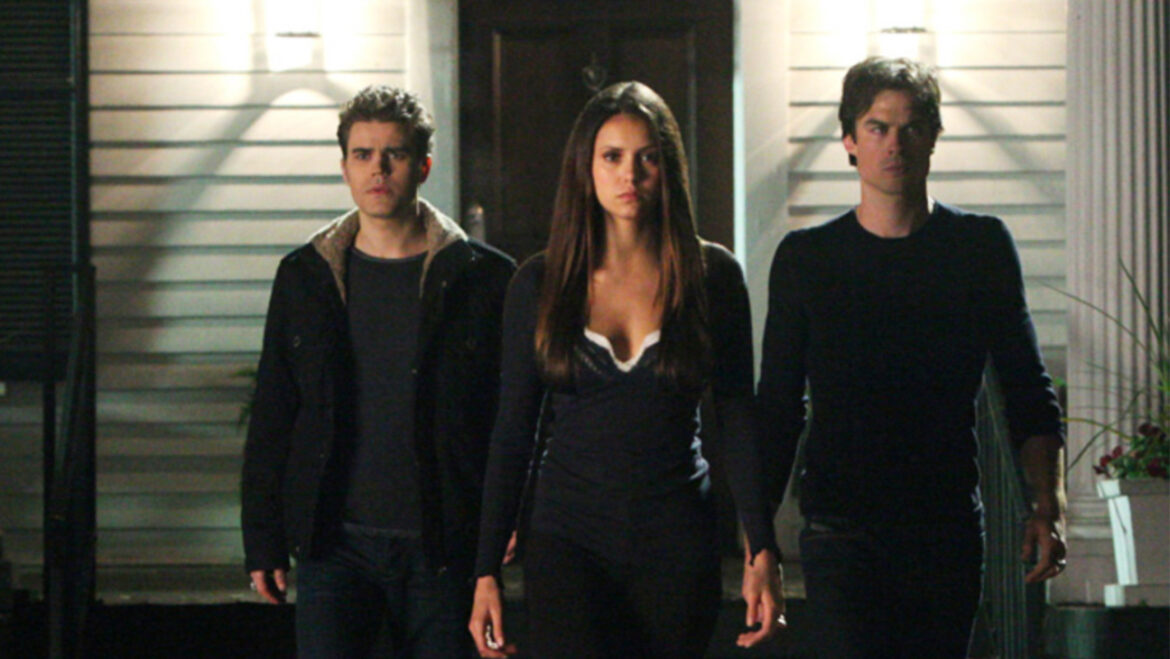
Paul Wesley, Nina Dobrev and Ian Somerhalder in 'The Vampire Diaries' season 4.
TV & Streaming

Nina Dobrev Talks Fight for Equal Pay to Vampire Diaries Male Co-Stars

by jummy84 September 10, 2025
written by jummy84

Despite being the only actor playing multiple characters during the early seasons of The Vampire Diaries, Nina Dobrev has revealed that she was paid less than her fellow male co-stars Ian Somerhalder and Paul Wesley.

The actress opened up about the behind-the-scenes equal pay battle in Entertainment Weekly editor Samantha Highfill’s new book, I Was Feeling Epic: An Oral History of The Vampire Diaries. Dobrev not only played Elena Gilbert in the hit CW series, but also her character’s evil doppelgänger, Katherine Pierce, starting in the season one finale.

“Candice [King], Kat [Graham], and I were the three lowest-paid series regulars in the first two seasons,” Dobrev said. “It was a bit of a tricky situation because my contract only said to play Elena, but I was playing multiple characters, which doubled my workload. I had to be on set for double the amount of time, I had to memorize double the amount of lines.”

In the book, Highfill wrote that actors are typically able to start negotiating their contracts in season three, which means Dobrev was making less than Somerhalder (Damon Salvatore) and Wesley (Stefan Salvatore) for the first few seasons.

“I wanted to play Katherine, but I wanted to be compensated fairly for that, and I wanted to be an equal to the boys,” Dobrev added. The actress eventually got more money, Highfill wrote, but she never received equal pay to her male co-leads.

She recalled being told that “out of principle” the studio “wouldn’t bump me up to being equal to the boys, and so that was probably the most hurtful because it felt like I was really working hard and we shot eighteen-hour days sometimes, and nights, and I was putting my absolute heart and soul, blood, sweat, and tears into it.”

“I remember feeling like the studio didn’t appreciate what I was bringing to the show, and it felt like they were saying that all the hard work I was putting into it didn’t matter to them and that I wasn’t an equal to my male counterparts, and so that was upsetting to me,” Dobrev continued.

Vampire Diaries co-creator Julie Plec also shared in the book that things “got really heated” with the studio when they told the show’s writers they couldn’t use Katherine anymore because it meant the studio would have to pay Dobrev more each time.

However, Plec said that “was not something that I felt was right or fair,” leading them to “beg the network to let us even write story for Katherine.”

Plec said that the writers were eventually allowed to write for Katherine but recalled, “I literally think we had to say, ‘We’ll kill Katherine,’ in order to get permission to use her.”

“Over time, between Nina being generous and gracious and the tension simmering down a little bit, we were granted a certain number of episodes,” the co-creator said. “[But] I literally think we had to say, ‘We’ll kill Katherine,’ in order to get permission to use her.”

Dobrev exited the show after season six, when her character Elena was put under a sleeping spell by villain Kai Parker (Chris Wood), which linked Elena’s life to that of her best friend Bonnie Bennett. But since Elena wasn’t killed off, this left the door open for her to return (which she did in the series finale, titled “I Was Feeling Epic.”)

However, her return for the eighth and final season sparked another battle over pay, as revealed in Highfill’s book. Plec and co-creator Kevin Williamson said they initially intended to have Dobrev return for the entire final season.

“I really wanted Elena and Stefan to end up together,” Williamson admitted, “that would’ve been my preference, but we didn’t have Elena to bring that relationship back around. You couldn’t bring them back together in one episode.”

But Dobrev stood her ground and was only going to return if she was paid the same as Wesley and Somerhalder, who had gotten multiple raises since her departure from the series.

“I was always open to coming back for the finale, and storyline-wise it made sense. I felt like it was important and it needed to happen for the show, it needed to happen for the fans,” the actress explained. “It was just really important to me that at the end of the show, as a woman, I wanted to make sure that I was compensated and that I was an equal to my male counterparts on the show, and so it came down to that.”

Dobrev shared that the studio’s offer for her to return for the show’s finale “was five times less” than what she made when she left at the end of season six.

“That’s the only reason why at one point I almost didn’t come back,” she added. “I needed to be paid parity to the boys. I had to put my foot down and say if it didn’t happen I wouldn’t be able to come back,” she said. “And it wasn’t about the money — I didn’t give a shit about the money at all — it was the principle.”

Plec defended Dobrev, saying in the book, “She should’ve been making what those boys made all along, and nobody should’ve blinked at that request, but at the time it was very shocking. To her credit, she advocated for herself and she stuck to her guns.”

When Dobrev declined the studio’s less-than-equal offer, she said that’s when Plec stepped in and “put her foot down and spoke to everyone.” Though the studio eventually only agreed to pay for one episode at the actress’s requested rate.

“The reason we couldn’t have her for more than the one episode is because they just wouldn’t pay,” the co-creator shared. “It took a lot of work before they finally relented, but it came back that it was one episode only that they’d say yes for.”

Dobrev added, “For the fans I felt horrible and I wanted the story to be told in the best way possible, and it was heartbreaking that the artistry had to suffer because elf this, that we didn’t get to maybe have the few episodes at the end of the show that Julie wanted. … I’m very happy that we were able to make it work and that I came back, because I wanted to be part of the goodbye.”

I Was Feeling Epic: An Oral History of The Vampire Diaries is now available for purchase.

September 10, 2025 0 comments
0 FacebookTwitterPinterestEmail
Jason Momoa Talks 'Ultimate Horror' in Horrific 'Chief of War' Episode
TV & Streaming

Jason Momoa Talks ‘Ultimate Horror’ in Horrific ‘Chief of War’ Episode

by jummy84 September 10, 2025
written by jummy84

[This story contains spoilers up to episode seven of Chief of War, “Day of Spilled Brains.”]

Jason Momoa has waited his entire life to make Chief of War, the ambitious new Apple TV+ series that dramatizes the reunification of Hawai’i in the late 18th and early 19th centuries. After making a career largely out of playing fictional action heroes — Aquaman in the DC Universe, an ill-fated nomadic warlord in Game of Thrones, a swordmaster in the Dune movies — the 46-year-old finally gets to play a real-life superhero in a passion project set in his father’s homeland.

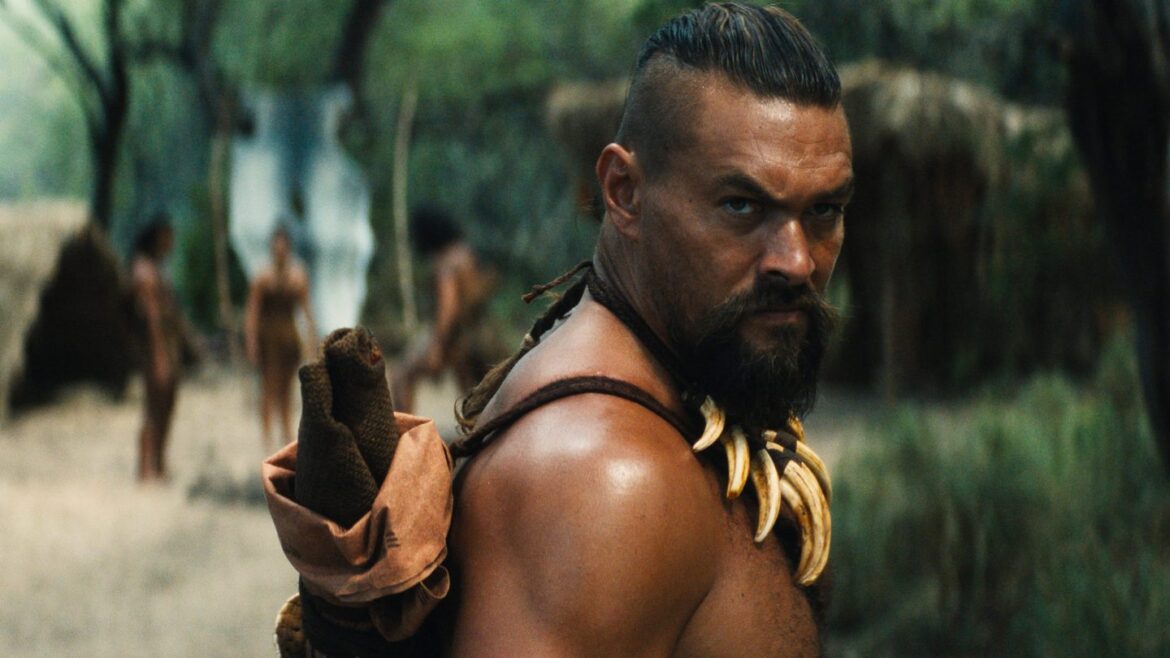
Co-created by Momoa and Thomas Pa’a Sibbett, the nine-part series — which could be renewed for more seasons — stars Momoa as Native Hawaiian warrior Ka’iana. Over the course of the first season, Ka’iana returns home from traveling overseas — where he witnessed the horrors of slavery, famine and monetary greed — with the goal of unifying the four warring kingdoms of the Hawaiian Islands to save his own people from the threat of colonization. However, he is ebuffed at every turn by his fellow chiefs, most notably Kamehameha I (Kaina Makua), who later becomes the conqueror and first ruler of the Kingdom of Hawai’i.

The series features a cast of predominantly Polynesian actors speaking in multiple languages and was filmed in Hawai’i and New Zealand as an unprecedented retelling of Hawaiian history from a distinctively native perspective.

“Everyone that has come here has these vacations and brings home these memories, but they fall in love with Hawaii. Now, they’re going to be in the comfort of their home watching the history — stuff that they didn’t even know about,” Momoa tells The Hollywood Reporter on a recent video call from Hawai’i. “But what it’s going to do for us, for Indigenous [actors], and how it resonates with our people — that’s all I care about. We are the great, great grandchildren bringing all of this back and trying to inspire the next generation.”

At a time when history is being erased in classrooms across the country, Momoa adds, “I don’t think anyone knows a part of this American history, so I think there’s a lot of things that people are going to be like, ‘Holy shit!’ And they’re going to get a big deep dive into what went on here. I think they’re going to be really interested.”

Below, executive producers and longtime collaborators Momoa and Sibbett open up about why they decided to use Ka’iana as the entry point in this retelling of Hawaiian history, how they thought about the interplay between the English and ʻŌlelo Hawai’i languages, and how the end of the seventh episode — titled after the real-life “Day of Spilled Brains,” a tragic moment in Hawaiian history — sets the tone for the life-and-death stakes of the final two episodes.

***

You two were first approached to tell the story of Kamehameha I about a decade ago, but you chose to include that historical figure in a larger series centered around Ka’iana. What do you remember from your initial conversations with each other about this project, and how did that idea evolve into the final product we see in Chief of War?

JASON MOMOA We actually had a different script.

THOMAS PA’A SIBBETT Tthe truth is that Kamehameha’s story would be a slam dunk for Hollywood. It’s got all the [elements] you need and would want. So we did talk about it. It was something we thought about, and ultimately it just wasn’t our place to tell it. There was a lot involved with that, culturally speaking.

MOMOA Also, I would never play Kamehameha. I would never have the balls, to say the least, to actually think I could play someone with that stature. So we wanted to find a story that could encompass the whole world, because there were many people like Kahekili or Kamāmalu. So Thomas did come up with an idea for the story of Ka’iana. He was actually the most famous Hawaiian at that time, because he had set sail around the world and went to so many different places that he was very well-known.

So that became very interesting, as a journeyman myself, to go, “Wow, what an interesting story to come from this world, to be a reluctant war chieftain who felt like he was done wrong and then actually betrayed again, and then he flees where he’s from — only to see slavery, sickness and just everything as he went around the world.” [He was able] to go up to Alaska and then bring back 10 war canoes filled with weapons to then help unify the islands because [he thinks they] need to get everything together because of what’s coming [to their shores].

To have that kind of perspective is a disease, in a way. He can never go back [to his old way of thinking] because of what he has seen, and then he can’t really connect to anyone in his culture, but he also wants to help them and save them because he knows what’s coming and [the importance of] being able to trade with the rest of the world. So I feel like that story is very complex. I’ve never quite played a character like that, and I don’t necessarily agree with a lot of the views that he has.

A lot of these characters — the things they have done — it’s pretty crazy to connect [the events]. We have [to go from point] A to B, but there’s so much we had to fill in that we don’t know. So it’s been an amazing partnership and the time to create worlds like this is exciting. If people love this, this show opens up — it gets even bigger. And that’s exciting, once you go down the rabbit hole of the history. We’re hitting historical moments, but also, we’re condensing time in some ways.

SIBBETT It is wonderful to be able to attack a story this way, and realistically, it’s what happens when stories can be built from the inside out. That was the other approach we had. We realized that, yes, Kamehameha is a story that would work and people would enjoy that. But if you ask us, we know our history [so well] that it’s like, “Well, look, if you shift the perspective just a little bit, you hit this guy instead of that guy.” Now we have a whole other world that audiences would’ve never known about.

Ka’iana is such a lesser well-known story. Despite his positioning in that time period, he was truly the only Hawaiian that people ever talked about. They were coming to the islands looking for him. They had heard about him or worked with him. Captains were like, “Now we know these islands exist. So where is he? Can he guide us? He can help us.” What a great fertile ground for storytelling, and the story that I don’t think anybody else would’ve found if they didn’t have that insider connection to Hawai’i itself.

Jason Momoa as Ka’iana in Chief of War.

Apple TV+

Jason, to your point, Ka’iana was the first chief to travel around the world, and he returned with a very clear understanding of the threat that colonization would pose to his people, even though the four islands were warring at the time. How did you think about creating an emotional arc for him over the course of these nine episodes? How did you want him to evolve as a leader?

SIBBETT We’re trying to be careful, because to talk about Ka’iana is to talk about his whole journey, which is a story that we still want to tell. So if we’re just keeping it within the context [of this season], it really is everything that Jason described. He’s a guy who ends up in a foreign land and his eyes are being opened. It would be the equivalent of landing on the moon and seeing aliens and how they operate, and then having to go back home and warn people the aliens are coming. It’s great for character, and that’s really what we can explore this season. Him seeing the danger, trying to ring the alarm — and how do you do that to people who have never seen the moon?

MOMOA Ka’iana is struggling because he wants to] revolt against his king, to go against Kamehameha, knowing that these guys are bad, that this white man is bad, that he’s twisted these things. And then [he has] to go, “No, this is māmalahoe. We don’t do this. These are our rules and our laws. But you know that he’s going to hurt people, and you have to go against your king” — and that’s just the human condition going, “Fuck, they’re wrong and you’re wrong. This needs to stop.” You’re in the same position going, “Oh man, we know this is what’s going to happen [to these Hawaiians],” so you’re torn as an audience member.

SIBBETT But that urgency causes them to make mistakes. What’s great about the story is that just because you know something doesn’t mean you’re making the right decisions. We are following this character, we’re trusting him — and then all of a sudden he messes up, or he’s in a situation where he is 100 percent correct, and they better listen to him. This story is as universal as anything else, and we were excited to dig into it and allow the story to be told to introduce us to this world, but really follow all of these great characters that lead us to a really great story.

I’m very fascinated by the way you balance ʻŌlelo Hawai’i with English in this show. The first two episodes are entirely in the native Hawaiian language, and the arrival of some non-Hawaiian characters — mostly white stowaways and a Black slave — gradually introduces English into the mix. At some point later in the season, some Hawaiian characters only want to speak in their native language, some only want to speak in English, and some switch seamlessly between the two languages depending on the situation or the person they’re interacting with. How did you think about the interplay and interaction of language in this show?

SIBBETT When you take a step back and look at the big picture, language is also a representation of what we give and take when cultures are mixed and start to come together. There’s some good things, there’s some bad things. Communication’s obviously key. Hawaiians actually had an edict from a king that said, “I want you all to learn to read and write English.” Within 50 years, Hawai’i’s 97 percent, almost 98 percent completely literate — the highest literacy rate of any country around the world. So it’s understanding that Hawaiians were adaptive, that they actually valued learning, and we get to show that through this course of language.

MOMOA I sometimes get extremely pissed off when you watch a movie, and you’re like, “Why am I watching this guy do it in a Native American accent? It’s a French movie.” There’s always those choices that you have to make, but there’s just no way you would ever make this without it being in the Hawaiian language — and it’s the most beautiful language in the world. Having said that, my character obviously travels outside of there. If you were going to be a war chief, the first thing you’re going to know is your enemy. You’re going to know your surroundings, you’re going to learn the [enemy’s] language. You would be an idiot, a horrible chief of war, if you did not understand the other language of everyone. So it is very essential for me to learn.

We condensed time, but he went on many journeys and then came back. Obviously, we wanted everyone else to be learning too, because Kamehameha had advisors, they had stowaway white guys who were teaching the language to them, and we wanted them to be educated and get through it quickly. But certain people like Keōua, Kahekili, Kamehameha — [the English language] makes no sense to them. They can have their advisors be [focused on] all that [English]. So it was a nice blend.

Moses Goods in “Day of Spilled Brains.”

Apple TV+

Each episode feels epic and cinematic in scope and scale, but one of the most gut-wrenching moments happens at the end of episode seven, when Captain Simon Metcalfe (Jason Hood) and his crew, after their offer of trade was kindly but firmly rejected by Chief Kamehameha, go to the nearest bay, fill their canons with nail bombs, and opens fire on hundreds of innocent Hawaiians. Jason, can you give voice to what is going through Ka’iana’s mind as he watches his worst nightmare — the senseless killing of his own people at the hands of the “paleskins” — come true from afar?

MOMOA That was the ultimate horror. It’s to come back, know what’s coming, and then voice what you’ve seen, and not be trusted and then also have to live by some laws that you necessarily don’t believe in anymore. [Ka’iana now believes] there aren’t these gods, they aren’t going to look after us, and these people are going to hurt us if we don’t get aligned. So to be muzzled and not be heard, but also be poisoned by the outside rule, I feel like he’s coming back [to Hawai’i] and carrying that [burden]. He feels inflicted when he comes back, but he can’t let that go.

The king says, “You are not allowed to do this. You can’t retaliate.” But then when [the massacre] happens, all these people were murdered for nothing because they didn’t listen. You’re in these places where they’ve never been this way before. These are the first times this [kind of outside violence] has ever happened to these people — and it’s frustrating for the audience, it’s frustrating for the characters even when we’re both wrong in many ways.

Ka’iana constantly keeps trying to do stuff, and the door keeps shutting. When you look at all the advisors, some of the main advisors are stowaways. These paleskins were probably the lowest of lows [in the social hierarchy in England], but they just happened to survive, and they’re the advisors to Kamehameha because they’ve seen the world. So imagine that: Someone who isn’t necessarily a high-ranking [official], but because they’re there and can advise and whisper in the ear of our king, they can spread rumors about everyone, really.

SIBBETT One thing to point out, because you’re talking about something really specific, is that this whole section is actually historically accurate. There was that confrontation on the ship beforehand where Ka’iana just believed that they couldn’t allow Captain Metcalfe to continue to operate in Hawai’i. Kamehameha turned it down and said, “No, man, I don’t know why you would want to kill him.” And he didn’t quite understand that. So Ka’iana did try to sneak on board with his men, and they did try to take out Captain Metcalfe, but he was stopped by Kamehameha. They argued in Hawaiian, and the crew didn’t quite understand what was going on. So for Jason, as an actor, he had to then fill in the gaps to figure out, “Well, now what kind of emotion does that evoke?” Because history wrote that story for us.

The massacre that happened [in this episode] really did take place. It’s a real thing that happened at Olowalu. It has to be something that the character goes through because we are still dealing with the trauma of that event today. When Simon Metcalfe left [Hawai’i in real life], he didn’t technically go into the next harbor; he went to the next island. But for us, it was a way for us to be able to say, “Look, this is a real story. The only difference in the writing was to make sure that Ka’iana’s character gets to experience it.” Our characters are all impacted by it, because the truth is we’re still affected by it today. The name of the episode is “Day of Spilled Brains,” because in Hawaiian we refer to that event as Kalolopahu, or “Day of Spilled Brains.”

How did you figure out the logistics of shooting that massacre scene? Did you ever consider having that attack play out in a different way?

SIBBETT It was tricky, because Hawaiians actually went out to sea to meet him [in real life], and the first version of the story was Hawaiian canoes were getting shot and people were getting hit and being dragged out of the water. It’s a lot. So to make it easier, we decided to do it where the ship is there [on the water], and they shoot onto land. Of course, that in and of itself is still impactful and traumatizing, but it’s not near as bad as it really was. But if you want to talk real logistics, that particular scene was actually shot in Aotearoa [New Zealand], and we needed to make sure that we were okay with the tribes to shoot on their land and to tell the story of this type of significance. [We asked] whether or not we should even put explosives underneath the sand — is that going to cause issues to their local marine life and all of that? So there was a lot taken into account for that scene — from the writing to the location to making sure that we were also culturally appropriate to the tribes in that area.

Jason Momoa and Luciane Buchanan in “Day of Spilled Brains.”

Apple TV+

Circling back to the start of this conversation, there are decades of history you could retell in this show, but you had to figure out what to include and not include in just nine episodes — with the hope of potentially returning to tell more of that story in subsequent seasons. How did you settle on the “Day of Spilled Brains” as a launching-pad into the final episodes of season one? Did you always know you wanted to include this horrific moment in history?

SIBBETT I think we were always planning on doing it. It is the wounded knee of Hawai’i. It’s important because it enables us to really look at this point in history and dissect what went wrong. Not everything about cultures coming together is bad, but this was one of them. History gives us the ability to look back and see what led to it, what caused it, what was the mindset, and for us to make sure we’re not making these types of mistakes again. Story-wise, it was just a matter of figuring out how we’re going to make it fit, and what parts of it needed to be dramatized in order for it to work. But a lot of the history was there.

I always thought it was fascinating from that point of view to say, “So if Ka’iana had killed Captain Simon Metcalfe, then that massacre would’ve never happened.” But on the flip side, you could argue, “Well, was [Ka’iana] one of the reasons why [Metcalfe] did it?” So it becomes this really interesting moment in history where everybody could take blame for it. Simon Metcalfe clearly takes blame for it, but everybody, depending on how you’re looking at the story, can take some blame.

***

Chief of War is now streaming on Apple TV+, with the season finale set to drop on Sept. 19.

September 10, 2025 0 comments
0 FacebookTwitterPinterestEmail
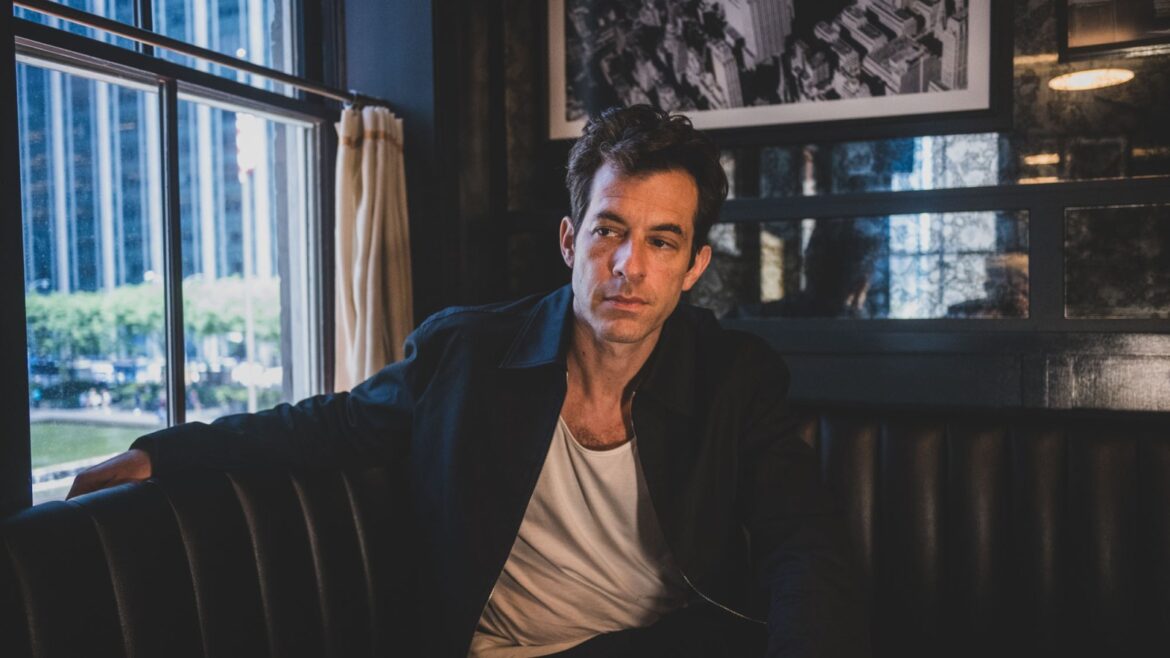
Mark Ronson
Music

Mark Ronson Talks New Memoir ‘Night People,’ Nineties New York

by jummy84 September 9, 2025
written by jummy84


G
hosts of late nights past haunt the streets of downtown New York. Mark Ronson can see them everywhere: In Tribeca, there are remnants of New Music Cafe, where Ronson made the jump to flyer-billed headlining DJ at a party called Sweet Thang in his early twenties. That same address, where Brooklyn legends Jay-Z and Notorious B.I.G. heard him play — and where he became the first DJ to drop “Hypnotize” before its official release — became an oyster restaurant a few years back. That’s gone now, too. But Ronson remembers it all. 

“I have so many memories of pulling up to the club and seeing everybody already on line, excited for the night ahead,” the DJ turned Grammy Award-winning producer recalls. Night after night, he came to understand the difference between people who enjoy a night out and night people — and he writes about it in his memoir Night People: How to Be a DJ in ’90s New York City. 

These days, Ronson is a bit of both. Now 50, a husband, and a father of two, he carries the memories in his bones quite literally: He has chronic neck problems and inflamed joints from countless nights spent hunched over turntables. It’s in the music, too. 

“I hear Busta Rhymes ‘Put Your Hands Where My Eyes Could See,’ and I’m instantly back in this club called Rebar on 16th and Eighth. I can smell the fucking stale beer on the floor,” Ronson says. “Music, even more than other forms of art, stays in your body because the bass and things like that somehow change the molecules in your body.” 

You have so many memories tied to these locations that shuttered or that don’t exist in the same capacity that they once did.
The book is about a lot of things. It’s about DJing, and it’s about going out and partying and the ups and downs of that. And then it’s all about New York in the Nineties. But it’s very much like a ghost story in some ways, because it’s a New York that doesn’t exist anymore, especially downtown New York. It was so different in those days. Some of those clubs opened and shuttered five times, even in the course of the Nineties when I was DJing. 

Editor’s picks

New Music Cafe was the first place where I DJed, and Biggie would come down. I remember the first time he brought Jay-Z down, and Jay-Z only had, like, two songs to his name. He was the prince of New York, Biggie was the king. It was all these amazing things. I was a 21-year-old kid and the people from my record sleeves are coming to life and just populating the party. Whenever I walk past that building, it’s really crazy because I have so many memories from it, no matter what’s in there now. I’ve lived in Los Angeles for a little while, I’ve lived in London. Whenever I lived in New York, I’ve never lived more than 10 blocks from this one place. It’s always in my life. The very end of the book is me walking around downtown with my two-year-old daughter strapped to me in a BabyBjorn, seeing all these shuttered places and trying to remember names. Whenever I walk past that place I get a charge. It’s like when you have that static cling and your T-shirt lifts. There’s something about it.

What’s it like when you recognize someone, but you can’t place the face or the name? Are there people you wish you kept in touch with?
For the book, I interviewed like 150 people, because I knew that there was so much exciting shit going on around me, but I was stuck in this fucking booth most of the time. Some of the clubs were just some weird ass thing where you’re in the corner and you can’t even really see past there. That] night Biggie came in the club,  I could feel the energy, because it’s almost like the whispers would just become deafening. And then I was straining my neck trying to fucking see where he is. Frank, who was at the door, [told] me this insane story that Biggie rolled up with 50 dudes  and they’re holding all sorts of stuff. He’s like [to Biggie’s crew] “Put that in the car” — guns, swords, whatever the fuck. But Biggie was just so cool. 

Related Content

He knew that he wasn’t gonna get 50 of his boys in right away, but he stood there for like an hour with a big wad of cash he’d give Frank every five minutes to let a guy in. He waited till his entire crew was in. I wanted to paint that scene as vividly as possible. That meant talking to whoever was at the club that night. So I did reconnect with a lot of people from that era while writing the book, and it was nice. But yes, there’s people that I walk past on the street and I’m like, “I remember that person, or do I even know them?  Do I just remember that they were dancing there all the time?” It’s a bit of a ghost story. 

One of the standout scenes in Night People is when you dropped “Hypnotize” for the first time in a club. What was that moment like?
It was so crazy. Part of the reason I think that I wrote the book was because kids kept coming to me like, “You were in New York in the Nineties?” This was maybe five to seven years ago, before Tyler, [the Creator] and a lot of people paid homage in their own ways. But I was just like, “Why are these kids obsessed with the Nineties?” I was in the Nineties, and we thought the Eighties sounded so cool. The Nineties didn’t even sound that great. But then I understand why it’s fascinating, why it’s important, in hindsight, because it was this era in New York of Wu Tang, Biggie, [A] Tribe [Called Quest], Lil’ Kim. Even Missy and Timbaland, who were from Virginia, Pharrell and Chad [Hugo], they were all in the clubs and they were coming to New York to make records — oh, and this guy Jay-Z. New York was the epicenter at that moment. It was a really exciting place to be.

Biggie would be in the club sometimes because I was playing. It was at that same party on Canal Street. There was a promotion guy from Bad Boy Records. Because I had the hot party on Tuesday, he came through with this acetate — which is a straight-from-the-factory piece of vinyl that could only be played 10 times and fucking self-destructs or something. He was like, “I got the new Biggie. You can’t keep it, but I can let you play it right now and then I have to take it to [Funkmaster] Flex.” I put it on, heard a tiny bit of it in the headphones, and then just dropped it. The whole club was just like it had been hit by a meteor. There was something so sacred and special about this thing. It was maybe on the radio once, but for the most part, 400 or 500 people are hearing this song all at the same time for the very first time. When it’s a fucking incredible song like that, you could feel the molecules in the room change. It was like this fucking 500-person orgasm or something.

What was the catalyst for wanting to do this book in the first place? 
I was worried that the longer I held on to these stories, the hazier they would get. Blu Jemz — my great friend who passed away four or five years ago, who the book is dedicated to — used to hang and DJ at this place called Le Bain. After he passed away, Le Bain wanted to throw a party. I was gonna DJ that night, and I remember sitting around in my room with all the records around. I’m like, “Why do I even keep these things?” There’s something that’s still meaningful to me about these old hip-hop 12-inches. They were just instantly conjuring stories.

Early in the book, there’s a moment where you mention your first club experience, which was Keith Haring sneaking you and Sean Lennon into Area.
There was this really iconic club in downtown New York called Area in the Eighties, and it was where the art world and hip-hop and everything came together. I don’t know how much they “snuck us in” — we weren’t in his coat, but obviously we’re 12 years old and not supposed to be there. Sean’s mom, Yoko, was good friends with Keith. I do remember just being in this very dark room, this ashy carpet, crawling around on the floor, running in between grown ups — just doing shit that we weren’t supposed to be doing, but feeling the fun, mischievous energy of what nightclubs do. I wasn’t sneaking cocktails and downing them or anything, but it just felt a little electric. 

You describe Sean moving away as your first heartbreak, in a really sweet way. What was the significance of being able to share these memories with him?
Because the book is really about clubs and stuff, when I was writing I was like, who cares about my fucking childhood? Like, just skip to the club shit. But I realized I had to give a little bit of context, because I grew up in this crazy house. My parents were, God bless them, kind of party animals. I remember being a kid in England and waking up in the middle of the night, and there’d just be 50 grown ups in the house. Waking up to go to school at seven in the morning, my dad is still up playing chess with fucking Darryl Hall or some shit. When we moved to New York when my parents split, my mom married a musician, my stepdad, Mick [Jones], so kind of the same thing. I realized, I didn’t just get this suddenly, this fucking draw to the night by myself. Part of the book being called Night People is exploring that. What makes us all drawn to the night? 

I used to play music with Sean, he was my best friend growing up. He went to go to this fancy boarding school in Switzerland and I was kind of like, what the fuck do I do now? I’d put together this other band, and we just played high school parties and bars on Bleecker Street. But I wanted to get us this big gig for this thing called the New Music Seminar that used to happen in New York. It was a week-long showcase where all the big bands would play. I ran up to this guy who threw this big night, he had Arrested Development and all these other people. I was like, “Yo, you should have my band play.” We had the worst band name. It was called the Whole Earth Mamas. And he was like, “What’s your band called? Mother Earth Garden Bistro or some shit? No, sorry, you can’t play our thing.” And I [said], “What if I get my friend Sean?” “Sean who?” I was like, “Sean Lennon.” So he came up, but actually the gig was a bit of a disaster. I always felt bad because I sold out my friend to get this gig and whatever else happened. I realized I never told Sean this story. He was like, “I don’t remember if you really told me, but it’s vaguely familiar, and I love you. It’s so obvious why we’re friends.” So Sean forgave me. 

When New York Magazine put you on its cover in 2000 and called you “The King of Spin,” the profile mentioned a moment where Sean is telling this story about you both hanging out with Michael Jackson. The way that he tells it is so different from the way that you tell it in Night People.  
Really? What does Sean say?

He’s like, “He was in town during the Bad tour and we got him to record this melody. We turned it into this song and we showed it to Roberta Flack.” It was this whole thing, and you’re like, “Michael Jackson wanted to throw wet tissue at the walls.” 
He did. Michael Jackson was friendly with Sean, because Sean was Sean Lennon. He was so sharp and witty. He had this magnetism. People were drawn to him and he had all these cool friends. I remember Steve Jobs would come over to the house and be like, “I have to show Sean this new computer that I designed.”

Michael Jackson was over during the Bad tour, slept over at Sean’s, and he was running up and down the hallway at the Dakota. He just wanted to throw soggies out the window. Soggies are when you take a giant mound of wet toilet paper and then just chuck. Sean lived on the seventh floor. He wasn’t chucking [them] at people, but it was hitting the street and sounding like bombs were going off. In my mind, I was like, “This is all really fun, but I just need to get a hit song out of Michael Jackson. That’s all I care about. I was already, I guess, at that age more producer-minded.” I remember me and Sean being like, “Michael, Michael, sing us a bass line!” I’ll never forget, he did the whole thing, like the hand out with the snap, and started to sing this bass line. That’s how he wrote music. He usually didn’t write stuff down. He would have somebody come and he’d sing them all the parts, at least that’s what I heard. We went back to my studio the next day — my stepdad had his home studio — and we made this song. It was pretty much just seven minutes of [Michael singing the bassline]. Thinking about it now and while I was writing the book, I was like, “Oh, he just kind of gave us some ‘Smooth Criminal’ leftover.” But whatever, it’s still a bassline from Michael Jackson. We put some horns on it, some sample Eighties horns. That night, we went to the Michael show. And because Sean also lived in the same building with Roberta Flack, she took us to the show. I know these stories sound so fucking crazy. Sean was like, “Roberta, listen to this song that we made! Michael gave us this bass line!” After the third minute, she’s just like, “I mean, it’s the same thing for a while, but James Brown did that. So you never know!” She was just trying to be friendly. And I think after like one more minute, she [hit] eject.

Photograph by Sacha Lecca

There are definitely certain moments throughout the book where it sounds like a Mad Libs, where you’re just filling in the craziest name in the most ridiculous scenario. 
I didn’t even tell anyone at school the night that we hung out with Michael, because even I knew, at 13, at some level, that kids are just gonna fucking hate me. Even the fact that when the book started, Q-Tip is this hero, and DJ Premier is his hero, and I maybe brush shoulders with them in a record store or something. But they’re just these gods. Then somehow, by the end of the Nineties in the book, Q-Tip and I are friends and DJing together. And DJ Premier, my producer hero, comes in the booth while I’m playing this song — the first record I produced, Nikka Costa — and he was like, “What is this?” I really thought he was coming in to be like, “Who made this? Who stole my whole style? What is this fucking shit?” Because he was so influential to me, in my mind, it sounded like a disciple of his. And he’s like, “This shit is hard.” For three minutes he was bobbing his head. To even have those experiences that I had, even at that age, is really, I understand it’s very lucky.

You mention feeling like the elder people within this scene thought that you hadn’t paid your dues because your rise happened so quickly. But then you get a moment where Kid Capri is DJing and they want to take him off so you can get back on. What was that dichotomy like? 
I started around 18, playing five nights a week and just being so devoted to it and ambitious. By the time I was 21 or 22, Puffy had completely changed the face of New York. There was no way not to talk about it, even with everything going on. To try and just pretend that that didn’t exist and Puffy didn’t have something to do with how New York changed at times, and even how it helped my career, would have been insincere, even though I didn’t have a lot of personal interaction with him. I was hired by his guys and as long as he was dancing, I knew I was good. [Ronson opened for Kid Capri at Sean “Diddy” Combs’ 29th birthday party at the former Manhattan’s Merchants Exchange.]

There was this moment that happened in New York, Jay-Z and Damon Dash just coming in. All these clubs downtown that were these kind of exclusive, boring, model-type hang spots just suddenly were on fire and so many hip-hop parties. I was there at that moment. The biggest DJ before my era was Stretch Armstrong, and then after me, there was this incredible DJ that a lot of people know, DJ AM. There was just this little moment in1997 to 2001 or whatever the fuck. This was my zone. It was amazing to be playing sets with Grandmaster Flash and Funkmaster Flex and DJ Enuff and Kid Capri — legends, you know. I kind of forgot all about it, really, because I’ve done a lot of other shit since then. I’ve drank a lot, and I did drugs and my brain is a cloudy mess at times. But to go back and relive that thing and be like, “Oh, that was fucking cool.”

What was the process of going back and putting yourself into that headspace of these heavier moments? There’s one scene where you’re 20 and you think you’re having a stroke.
There’s a lot of memories that I remember quite well. There’s some that are a little more hazy. Luckily, all the ones where you think you’re about to die stay in your head a little bit more. I would have this thing where I was so ambitious, I could keep all my partying under control to some extent. I never was fucked up at the gigs. I cared too much about it. But four o’clock, lights on, I was off to the after hours to fucking, — not every night — but definitely get fucked up and party. I started to have these weird, insane anxiety attacks. Especially because of family history and stuff like that, I’d do drugs but then instantly have this weird guilt and shame and anxiety around it. I remember one night, some friends had drugs, and we all did it. I thought I was, 30 seconds later, having a heart attack. I found out the next day that it was talcum powder. 

I was clearly aware that this was psychosomatic. I didn’t set out to make the book that personal. When I started, I was like, this is just a DJ book and it’s gonna be about this time. Then I was like, I can’t call this book Night People and talk about all the shit that makes us want to go out at night — not everyone was going out to get fucked up. People were going out to commune and be around other people. Some people just loved the music. They wanted to dance. But there were a lot of us who were going out because we were broken. Night gave some people an extra coat of armor, or swag, or whatever you want to call it. If your life was kind of fucked up, you could leave all your daytime shit behind and go out at night. I try to say in the book, there’s people who enjoy a night out, and then there’s night people. There’s the balance. But for the people that I knew that really became my crew and my family at that time, we were all lovingly sort of derelict and a little cracked in our own ways.

There’s a lot of grief attached to that, as well. Before you decided to put all of this in a book, how often were you sitting around and catching up with people and telling these stories? 
Because each chapter is a different era, different people, I remember being like, “Oh, I’m gonna call [this person] when I get to that chapter.” And two or three people that I was really close to in that time passed away while writing the book. The book is dedicated to AM and Blu Jemz, who was the best night person I ever knew. He had a label called Night People, and the spirit of him is in this book. Fatman Scoop, DJ Neva, there’s lesser known DJs like my friend Paul Nice, Mister Cee — all these people that come in and out of the book were alive when I started it. There’s something obviously sad about it. Hopefully, there’s a way that they’re celebrated and remembered through their music and what they did and maybe this book. 

There’s one scene in the book where you throw a track on so that you can go see Missy Elliott and Timbaland with Aaliyah for a moment and then run back. Take me back to that and thinking, “Do I risk messing up the flow of this crowd just to have this moment?”
When I met Aaliyah for the first time on a Tommy Hilfiger shoot, she had already made “One in a Million,” and it was already one of my favorite records. I remember just being like, “Holy shit, I’m not even really gonna look at her.” Even for the people that I had been around, she felt like another world. It wasn’t someone I knew from the clubs around New York that happened to be famous. She was just so sweet and just radiated this amazing [energy]. 

We started talking and a little bit later, we did the pictures. It’s that one where she’s behind the booth. We took a lunch break, and she came over and she wanted to fuck around with the turntables. They were still hooked up, so she was scratching. I think there’s a picture of it that’s an outtake. I just remember being like, “I’m gonna use this moment to ask her a thousand questions about Missy and Timbaland.” I had started to make beats and stuff. I had no idea what I was doing, but they were like heroes. She was just like, “They’re just cool,” as if she’s talking about her favorite aunt and uncle or some shit, not amazing alien geniuses. 

So one time, a year later — I got to be friends with Aaliyah, we hung out on other occasions — I was DJing this party at the Manhattan Ballroom. I was on the balcony, and I see these two towering dudes coming towards me with this little person in the middle. And I was like, “Oh my God, it’s Aaliyah.” I was like, “What are you doing here?” She’s like, “Oh, I’m going up to the studio.” The studio that Missy and Timbland worked at that time was in Manhattan Center in that building. She was like, “Come upstairs!” I was looking down at 300 people dancing on the floor at some party I’ve been paid to play, not just go take a 20-minute bathroom break to go meet some famous people. And I was like, “I’d love to, I can’t.” She walks away and she turns back and gives me this one last look like, “What are you doing?” 

So I’d put the longest record that I had on. I think it was Donna Summer, or Diana Ross. something. I was like, “Fuck it. I don’t know if it’s gonna be long enough, but I’m not missing this opportunity.” I ran up and she took me in, just really briefly. It was my first time in a really big, fancy recording studio like that, like a modern one, other than maybe being with my stepdad. Timbaland was on a StarTech and there was a beat playing super loud. Missy was on the couch, and Aaliyah just went and sat next to her. She started singing something in her ear, whatever the melody was. And then I was just like, this is fucking crazy. I hung for three minutes and ran back downstairs. I got back in time. No one knew. It is crazy to think that these people who feel so present — Aaliyah, you walk around New York and there’s no way you’re gonna make it to Fifth Avenue without seeing her on a T-shirt and her music has just never been more relevant. Of course, we all wish she was here. It’s amazing to think what she would still be doing if she was, but because of her music and how larger than life her legacy has been, it’s like she also does still feel here.

You appeared in Aaliyah’s “More Than a Woman” video. What do you remember about shooting it?
I just remember I’m wearing these really kind of cheesy tinted shades, but that I thought looked so cool at the time. I remember Aaliyah calling me and being like, “I want you to come be in the video.” I just remember being like, “I really don’t want to fly out to L.A. for the day, but it would be nice to see her. Fuck it. Why not?” I think it was maybe a week or two later that the plane crashed. I’m obviously so grateful that I did, because that was the last time that we got to hang out.

What was it like revisiting the music from that time?
Music was almost my best friend and tool creating this. Some of these things are from 30 years ago. Some of the memories are hazy, but music just does something to your body. When I was trying to was trying to remember things, I’d listen to a certain song, a Tribe song, or Busta song, and it was instantly like, “Oh, right, it was in that room, and there was this guy down there smoking a cigarette looking up at me when I dropped the record, and then he dropped his drink because he put his hands in the air.” The records were so important. I didn’t put the celebrities or the famous people stories in as a hook to draw people in. It was more just like, those are things that happened on that night. But the music was the most important thing. 

With this book, there’ll be people who will pick it up and be like, “Where’s Amy? Where’s Gaga? Where’s Bruno? What is this fucking Mark Ronson book?” It’s obviously about a time before I was really successful in some ways, or certainly before I had any celebrity — I mean, at least outside of a little circle of New York. I really wanted it to be about the music. I remember some DJ said something funny that was like,  “When I try to talk to my grandmother about DJing, all she understands is a wedding DJ or Calvin Harris.” But there’s also this thing in between of what I was back then, which was a gigging DJ, going to work playing shit because you love music, and you need the check, and you’re dealing with all the hassles and fucking cokehead club owners and lunatic drunk people making requests. But you just do it because you love it. And then some nights you go home having the best energy. Some nights you go home as lonely as you could ever feel. And just to get across that feeling of being a DJ, the music side was important to at least try and paint as well as I could. 

Trending Stories

Is there an album coming? A Late Night Feelings follow-up? 
I’ve been working, so hopefully something. 

How much were you thinking about legacy while writing, or your oldest daughter and reading these stories?
I didn’t really think about that till I was nearly done, and then I was like, “God, is this something that I would want her to read?” I’m sure for her teenage years, she’ll just be like, “My dad’s lame, I’m not gonna listen to or read anything he did.” But I don’t know. She’s just obsessed with music now. She has a little record player with her 45s that she listens to. She’s so into putting her records on, and she’s transfixed by the whole thing. But, yeah, definitely not trying to breed a whole crew of DJs.

September 9, 2025 0 comments
0 FacebookTwitterPinterestEmail
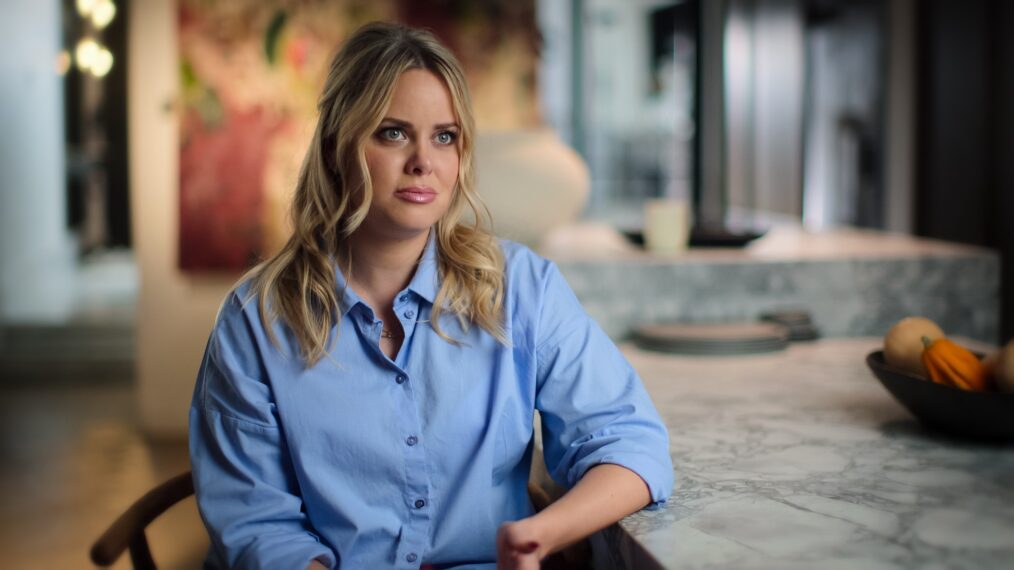
LOVE CON REVENGE. Cecilie Fjellhøy in episode 101 of LOVE CON REVENGE.
TV & Streaming

Cecilie Fjellhøy Talks Case Update and ‘Tinder Swindler’ Spinoff (Exclusive)

by jummy84 September 7, 2025
written by jummy84

Almost immediately after she appeared in The Tinder Swindler, Cecilie Fjellhøy got to work on Love Con Revenge, which almost serves as a companion piece to Netflix’s 2022 documentary.

“Because it was such a need,” she explained the quick turnaround in an interview with Swooon. “The amount of people I already have now, people reaching out to me wanting help. Can you imagine? Like, ‘I need help from you because no one else is helping.‘ So that’s what happened after The Tinder Swindler even before Love Con Revenge was born.”

September 7, 2025 0 comments
0 FacebookTwitterPinterestEmail
Blood of My Blood' Stars Talks 'Pride and Prejudice,' 'ACOTAR' and More
TV & Streaming

Blood of My Blood’ Stars Talks ‘Pride and Prejudice,’ ‘ACOTAR’ and More

by jummy84 September 6, 2025
written by jummy84

Outlander‘s prequel spinoff, Outlander: Blood of My Blood, has easily captured our hearts as it chronicles the intersecting love stories of Jamie (Sam Heughan) and Claire’s (Caitriona Balfe) parents.

While the show may have kicked off with Claire’s parents, Julia (Hermione Corfield) and Henry (Jeremy Irvine) occupying World War I England, the action quickly shifted to the 18th-century Scottish Highlands, as they were whisked away through time at the standing stones of Craigh Na Dun. Their journey may have torn them apart, but it put them in the path of Jamie’s parents, Ellen (Harriet Slater) and Brian (Jamie Roy), just as their forbidden romance was kicking off.

And despite the drama these characters may face in the series, the stars were all laughs as they played a round of Knock Your Blocks Off: Swooon Edition during which they addressed rom-coms, ACOTAR, and much more. As the quartet pulls blocks from our heart-shaped tower, Slater was first up, prompted to share the most romantic TV or movie line she could think of.

September 6, 2025 0 comments
0 FacebookTwitterPinterestEmail
Alec and Hilaria Baldwin with their kids on the beach
TV & Streaming

Hilaria Baldwin Talks Moving With Alec and Their 7 Kids for the Show (Exclusive)

by jummy84 September 4, 2025
written by jummy84

The Baldwins are going all in for Dancing With the Stars! Hilaria Baldwin has joined the cast for Season 34, and she’s going to have the support of her whole family as she dances in the ballroom with pro Gleb Savchenko.

Hilaria and husband Alec Baldwin have seven young kids, and they will all be heading to Los Angeles for the duration of Hilaria’s run on the show, the entrepreneur confirmed to TV Insider on the DWTS carpet after the Season 34 cast reveal.

“This has been a really fast, semi-like scary, but also really exciting,” Hilaria said. “It’s an adventure. It was like a last-minute thing, and I was like, ‘You know what? Let’s just do this. Let’s just go have fun and try something new and meet new people and dance a little bit.’”

The 30 Rock star has already been helping his wife prepare for the ballroom. “Alec has been teaching me dance, as you have seen on my TikToks, so he’s been keeping me practicing. And now, I’m sure he’s happy that now it’s your [Gleb’s] problem,” she laughed.

After the cast announcement, Hilaria, Alec, and Gleb posted a hilarious video where Alec asked Gleb, “What does ‘Gleb’ mean in Russian?” The pro dancer replaced, “Dancing with your wife.”

Hilaria and Alec married on June 30, 2012. Over the last decade, they’ve welcomed seven children: Carmen, Rafael, Leonardo, Romeo, Eduardo, María Lucía, and Ilaria. The couple recently let cameras inside their family life for the TLC series The Baldwins.

—Reporting by Rebecca Perlmutter

Dancing With the Stars Season 34, Live, Tuesday, September 16, 8/7c, ABC, Disney+ (next day on Hulu)

For more Dancing With the Stars, pick up a copy of TV Guide Magazine’s Dancing With the Stars: 20th Anniversary Special Collectors Issue, on stands now or available at DWTS.TVGM2025.com.

September 4, 2025 0 comments
0 FacebookTwitterPinterestEmail
Michelle Yeoh Talks Ne Zha 2, Dubbing
TV & Streaming

Michelle Yeoh Talks Ne Zha 2, Dubbing

by jummy84 September 2, 2025
written by jummy84

This story contains minor spoilers for “Ne Zha 2.”

In contrast to the likes of Pixar movies or English dubs of Studio Ghibli films, the A24 re-release of “Ne Zha 2” has a decided lack of A-listers turning to voice acting — with one huge exception. For the new English-language version of the Chinese film, which broke box office records when it released this past winter, A24 opted for a cast largely of professional voice actors whose work you can hear in video games like “Marvel Rivals” or anime like “Dan Da Dan,” but who the average moviegoer probably would be unfamiliar with. But that huge exception is in the form of Michelle Yeoh, who supplies a healthy dose of star power to play the role of the titular devil child’s loving mother, Lady Yin.

NIGHT OF THE JUGGLER, James Brolin, 1980. ©Columbia Pictures/Courtesy Everett Collection

Yeoh came into the process already a fan of the film, having caught it in Hong Kong theaters during its original run. As a child, she grew up with the myths of the impish young boy Ne Zha, a huge part of popular culture in China. A veteran of Hong Kong’s film scene who rose to fame with her work in action films, Yeoh admired the movie’s animation and particularly it’s impressive action scenes. “As a person who comes from the action world, it’s just mindblowing seeing the arm to arm combat [this movie] has,” she said in an interview with IndieWire.

Yeoh said she rarely rarely watches films dubbed. However, she felt an exception should be made for “Ne Zha 2,” in part to expose it to a wider audience of its target demographic: children.

“I felt very strongly that it should be dubbed so that we can appeal to the young audience who love animation. And I would love to expose them to our Chinese cultural mythology. And the only way they would be able to watch and understand is if they can hear it. Because I myself personally, was going like, ‘Oh my God, this is just so much to read and listen to and watch,’” Yeoh said. “So when they came to me and they said they were going to do this, I jumped at the opportunity.”

A warrior woman who defends the town of Chentang Pass with her husband, Lady Yin isn’t dissimilar to the type of roles Yeoh cut her teeth on early in her career. The character isn’t in the film long, but makes an impact when it counts, with her complicated relationship with her son proving one of the film’s key emotional touchstones.

Yeoh called the process of voicing the character “very easy,” and credited the work with her vocal coach and dub director in helping her to easily slip into the role. “All I had to do was just step in and be this beautiful mother that they had created,” Yeoh said. The one part that proved difficult for her to record was the climactic moment of the film where a dying Yin shares parting wisdom with her son. Even then, her difficulty stemmed less from acting than it did her own emotions as a fan of the film.

“To mirror that, to go into that journey with her was, as an actor, was not difficult. It really wasn’t,” Yeoh told IndieWire. “But it was really, truly heart-wrenching. I mean I was in the recording booth with a puddle of tears around me.”

Discussing why “Ne Zha 2” has proven so successful, Yeoh credits the film’s simple but deeply relatable message of ostracization and self-determination. Yeoh directly compared it to her other recent films “Wicked” and its sequel “For Good,” which has a very similar message of being judged by society and finding your own self worth, as a comparison of how “Ne Zha’s” themes can translate universally to all audiences.

“It’s a story about friendship, about family, about being accepted for who you are, a journey of self-discovery. It echoes in so many of us today,” Yeoh said. “‘Wicked’ is also similar in that way, when you are different and people judge you by who you are, and then finding your self-worth and at the end of the day it’s family, friendship that helps you stand up and be who you are.”

“Ne Zha 2” is currently playing in theaters.

September 2, 2025 0 comments
0 FacebookTwitterPinterestEmail
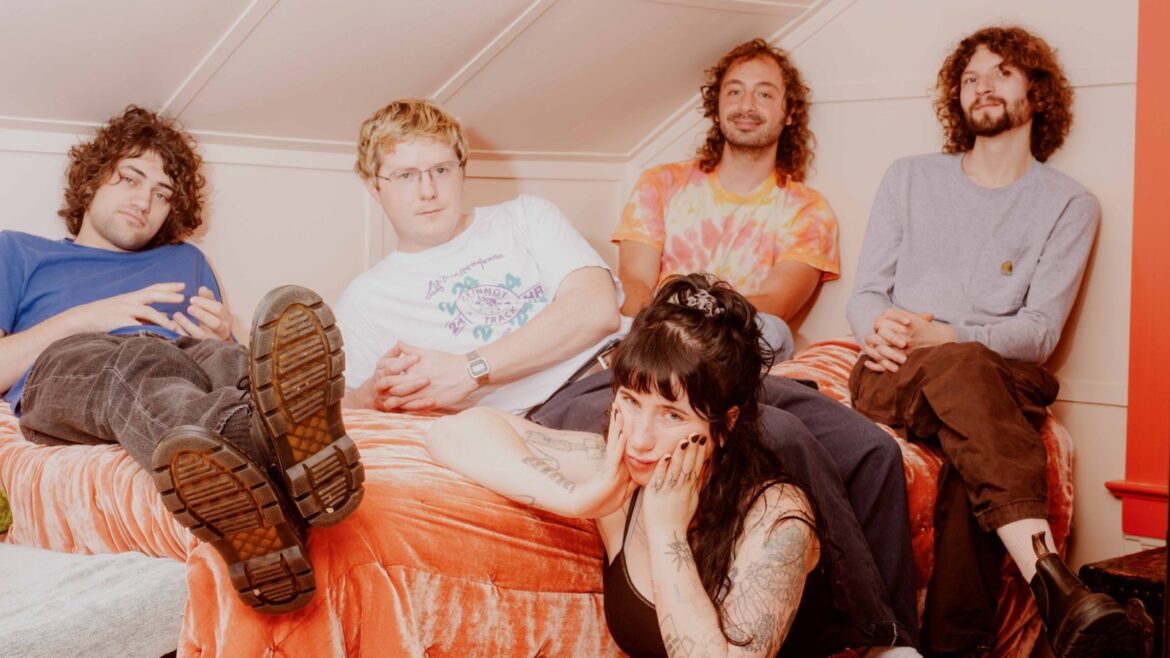
Wednesday Band Talks About New Album 'Bleeds,' Break-Ups, and More
Music

Wednesday Band Talks About New Album ‘Bleeds,’ Break-Ups, and More

by jummy84 September 2, 2025
written by jummy84

Karly Hartzman, the lead singer and songwriter for the band Wednesday, finds inspiration pretty much where she goes. “I’m always just on like a continuous writing mode. I write whenever I get even the slightest feeling. Whenever I feel inspired by something I’m experiencing or remembering or watching or reading, it’s like a million different things, so I just never stop.”

On the band’s achingly beautiful new LP Bleeds, Hartzman pulls from memories growing up in North Carolina, poetry books, and even crime podcasts. (The song “Carolina Murder Suicide” was inspired by the Murdaugh deaths and trial.) Heartbreak and the fallout of a relationship also set the tone of the album. Partway through writing the album, Hartzman split from her longtime partner MJ Lenderman, who served as the guitarist for the band. (Lenderman recorded on the album but won’t be touring with Wednesday.)

While it covers a rocky period, Hartzman says she’s proud of the record. She and Lenderman are still friends. “We recorded the album a month after breaking up and after just relentless touring off of Rat Saw God, which was great for the band dynamic, but I was really at a breaking point exhaustion wise,” she says. “But I think I’m definitely more proud of it than any other thing we’ve ever made.”

“Wound Up Here (By Holdin On)”

That’s one of my favorite songs I’ve ever written. My friend Evan gave me and Jake a draft of his poetry book to write a little blurb when we were on tour. I told him that I borrowed that line and he didn’t even remember, but he’d written, “I wound up here by holding on,” something like that. And I was just like, “Dan, that’s the chorus of a song.”. I don’t think anything will have as much emotion as “Bull Believer” just because of the subject matter of that song, but I think this comes the closest to having the amount of emotionality that that song achieves eight minutes in a shorter time. I’m practicing conveying tone and a feeling succinctly more often, and I think that was the first song where I was really like, “Okay, I did that.”

Editor’s picks

I wove in a story that my other friend told me, who was a raft guide in West Virginia and who had to go out ahead of a race on Halloween and pull out the body of a young woman who had drowned a few days before. They were just waiting for it to resurface. And he found it and he took it out of the creek. I changed the gender of the person who drowned from a young woman to a young man and kind of invented his life a like, a football star or something.  I don’t know anything about that woman who drowned and I didn’t want to take her story, but I did want to take my friend’s story when he had found the body.

“Elderberry”

I’m fascinated with the practice of country standards of that are timeless being recorded and rerecorded by other artists and that Nashville kind of process. I wanted to write something that I could maybe be considered more timeless, which I don’t know if I accomplished by mentioning an electric car. But a love song in general is going to be timeless if you do it right, and that’s what I was hoping to achieve. I think a love song done right admits some of the darker aspects of loving someone and some of the compromises you have to make and your most embarrassing wishes or hopes with it. Tying that all up was the goal with that one.

In the studio, I just come in with my guitar and my words. I would say, thematically, I have a really strong idea when I’m coming into the studio, but my bandmates help me building the sonic structure to support the words. Andy’s part of the chorus is the best example, on the pedal. And the way he uses feedback is really emotional, too. I think like feedback is an under-utilized sound for creating like emotionality in a lot of genres, especially country music.

“Carolina Murder Suicide”

That was during the pandemic. I was really obsessed with the Murdaugh murders, because it’s just an especially compelling story. If you look at a picture of them, it looks like so many of the families I grew up not knowing, like the southern signifiers of old money, even if you don’t have the money. Boat shoes, collared shirt, sunburn, tan around sunglasses, pasty, red hair. And just the fact that a family like that could be capable of all these horrific things and especially the patriarch who is, like, in charge of a local government.

Related Content

I was like, ‘Damn, if I’m going to devote 17 hours of my life listening to a podcast about this, I should at least get a song out of it.” So I wrote a kind of interpretation of that story based off of from the perspective of the girl who lived from across the street. Kind of observing them.

“Wasp”

I knew I wanted a song that had all screaming vocals. I didn’t know that that was going to be the one, but once I realized what I was writing it about, I was like, ‘Okay, that’s something I can scream about, because it’s about feeling dissociative and disconnected like from my body just from exhaustion. I feel like screaming “castrated in my mental death” is like a therapeutic thing to scream when you’re just feeling utterly unable to feel.

I started kind of feeling that way right before me and Jake broke up, so this was towards the end of the writing process, just because I think my body was kind of accepting before my mind and heart that the relationship was over. I was insulating myself with impenetrable layers. We recorded a month after breaking up and we’re cool, we’re friends, we hang out, but it was weird at first because we mostly just had to get it done. Recording an album, it has to be a lot more methodical than you would think, just because you have so much to get done in kind of a short period of time.

I was mostly trying to put my head down and just capture the songs. I love collaborating with him and my other band mates, so I think we did the best we could, given the circumstances. But I mean, the context was weird as hell and simultaneously stagnant because I was trying to bare through it, I don’t know. It was a complicated process. But I mean, I’m so proud of what we have on the other end of it. I would make a thousand more albums with Jake because he’s just good at everything he does, and we work well.

Trending Stories

“Gary’s II”

I desperately wanted to tell the story of our landlord, Gary, who had passed away a few years ago, who was just like an old Appalachian man with a lot of stories of old Asheville that does not exist anymore that I wanted to make sure was preserved. He used to go to bar downtown. This man is five feet tall; he looks like the guy from Up, but says the nastiest shit. He’s such a foul-mouthed little man. But he was like entering or leaving a bar in downtown Asheville, and a guy came after him with a baseball bat thinking he was this other dude who had slept with his wife.

Gary would roll up to where me and Jake lived and just like, post up and wait until we came out and start talking. And then we would end up in a conversation with him for like 40 minutes. And toward the end of his life, he had oxygen mask and would be like smoking a cigarette. We’d be like, “This s the scariest shit ever.” But yeah, he’s a crazy man. I’m so glad that I got to know him.

September 2, 2025 0 comments
0 FacebookTwitterPinterestEmail
Newer Posts
Older Posts

Social Connect

Facebook Twitter Instagram Pinterest Youtube Snapchat

Recent Posts

  • 2009 feels like a whole other world away

  • Watch Ariana Grande and Jimmy Fallon Perform a History of Duets

  • Spotify’s Joe Hadley Talks ARIA Awards Partnership

  • Nick Offerman Announces 2026 “Big Woodchuck” Book Tour Dates

  • Snapped: Above & Beyond (A Photo Essay)

Newsletter

Subscribe my Newsletter for new blog posts, tips & new photos. Let's stay updated!

Categories

  • Bollywood (1,929)
  • Celebrity News (2,000)
  • Events (267)
  • Fashion (1,605)
  • Hollywood (1,020)
  • Lifestyle (890)
  • Music (2,002)
  • TV & Streaming (1,857)

Recent Posts

  • Shushu/Tong Shanghai Fall 2026 Collection

  • Here’s What Model Taylor Hill Is Buying Now

  • Julietta Is Hiring An Assistant Office Coordinator In Dumbo, Brooklyn, NY (In-Office)

Editors’ Picks

  • 2009 feels like a whole other world away

  • Watch Ariana Grande and Jimmy Fallon Perform a History of Duets

  • Spotify’s Joe Hadley Talks ARIA Awards Partnership

Latest Style

  • ‘Steal This Story, Please’ Review: Amy Goodman Documentary

  • Hulu Passes on La LA Anthony, Kim Kardashian Pilot ‘Group Chat’

  • Hannah Einbinder Slams AI Creators As “Losers”

  • Facebook
  • Twitter

@2020 - celebpeek. Designed and Developed by Pro


Back To Top
celebpeek
  • Home
  • Bollywood
  • Hollywood
  • Lifestyle
  • Fashion
celebpeek
  • Music
  • Celebrity News
  • Events
  • TV & Streaming