celebpeek
  • Home
  • Bollywood
  • Hollywood
  • Lifestyle
  • Fashion
celebpeek
  • Music
  • Celebrity News
  • Events
  • TV & Streaming
Home » stress
Tag:

stress

Crowds stressing you out on trips? 5 tips for introverts to travel stress free
Lifestyle

Crowds stressing you out on trips? 5 tips for introverts to travel stress free

by jummy84 October 24, 2025
written by jummy84

Travel is one such bucket list item you will find on almost everyone’s list. It’s one of the intrinsic human instincts to explore and seek adventure. But with travel becoming a popular leisure activity, destinations are getting more crowded by the year. Social media has also accelerated travel, positioning the concept of wanderlust as something aspirational. Often, travel influencers venture off to underrated gems or the latest trending street food, giving visibility to new places.

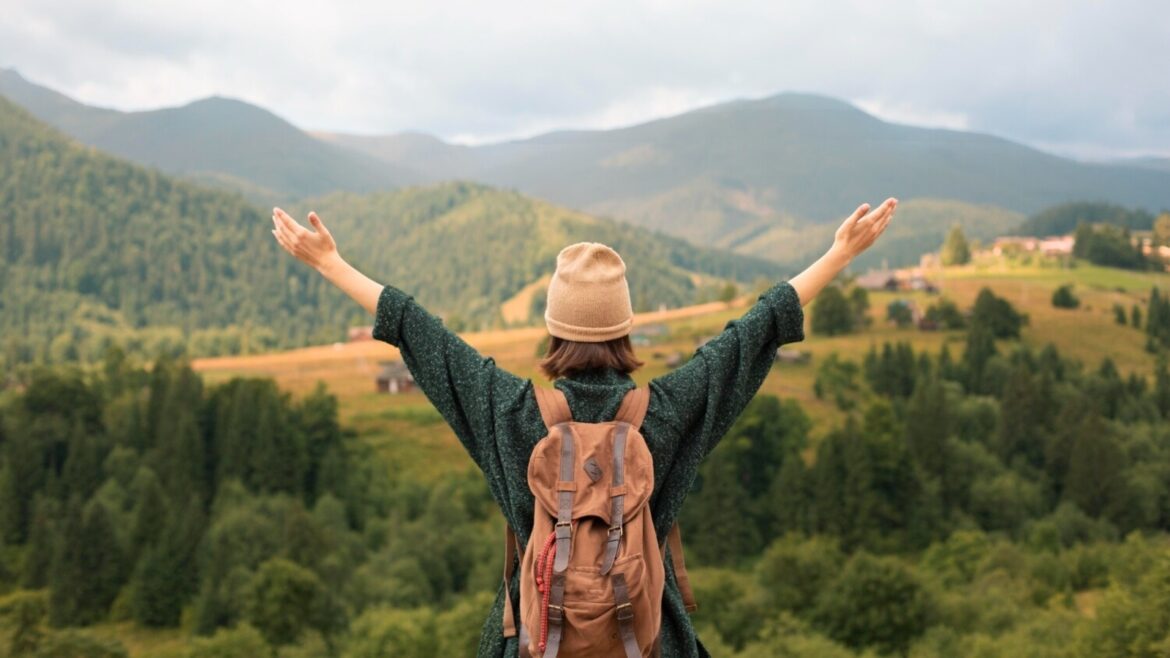
Introverts prefer calming places to visit. (Picture credit: Freepik)

ALSO READ: Last-minute trip? 13 secret light packing hacks that can save your day

But this means the footfall in tourist destinations is also overwhelming, especially for introverts who prefer quiet spaces. Long lines, sweltering crowds and loud chatter may second-guess introverts about the trip they are on as they begin to stress out.

To understand how introverts can go around with their trip planning hassle-free, HT Lifestyle reached out to travel expert, Aviral Gupta, CEO at Zo World and Zostel, who shared his insights on how an introverted person can travel easily without feeling exhausted.

Describing the motivation of travel for introverts, he said,”Introverts travel; they just do it differently. They don’t chase crowds; they chase calm. For them, travel isn’t an escape. It’s a reflection. A way to tune out the noise and tune into themselves.”

One of the biggest misconceptions about introverts is that they are anxious or shy in situations which involve people. And on trips, you encounter a lot of people. But the truth is a bit different. Introverts like to set their own pace, instead of following whatever standard must-follow itinerary everyone else seems to be chasing.

“Travelling as an introvert isn’t about hiding, it’s about handling the world in your own rhythm,” Aviral also agreed that introverts prefer to choose their own rhythm on trips.

Another misconception is that travel appears to be off-limits because an introvert is a homebody. In reality, they do love new experiences, but just go about it differently. “There are those who thrive on making instant friends, swapping stories, and filling evenings with laughter. And then there are travellers who prefer quiet corners and slow mornings; who find comfort in stillness,” the travel expert explained.

And indeed, a trip is not just about the number of people they meet, but about the meaningful experiences for introspection.

Aviral shared these 5 tips on how introverts can efficiently plan a trip without stressing out:

1. Redefine what travel means

  • Travel doesn’t have to mean constant socialising or ticking boxes off an itinerary. Try slow travel and spend more time in fewer destinations.
  • Instead of trying to ‘see everything,’ pick one neighbourhood or village.
  • Be intentional about solitude. It’s okay to eat alone, to explore without company, or to skip a crowded excursion in favour of reading by a window. The goal isn’t to isolate yourself; it’s to find peace in your own company.

2. Planning for comfort

  • For introverts, comfort is control; knowing what to expect means having the freedom to enjoy what’s unexpected.
  • Stay: Pick places that match your energy: small, quiet, and scenic.
  • Pack for comfort, not just function: Bring items that help you feel grounded, like noise-cancelling headphones, your favourite playlist, a book or Kindle, your journal, and snacks.
  • Plan downtime: Plan downtime the way others plan sightseeing. Keep breathing space between activities. If you’re out all morning, keep afternoons light, maybe a coffee shop stop or a nap.
  • Reduce decision fatigue: Save restaurants, routes, and hideaway spots on Google Maps before you go. That way, when your brain’s tired, your plan can run on autopilot.

3. Choose destinations that match your energy

  • Try these alternatives to popular, crowded destinations:

A. Ramgarh instead of Nainital

B. Kotgarh instead of Shimla

C. Bundi instead of Jaipur

D. Pedong instead of Kalimpong

  • Pro tip: When possible, travel off-season. You’ll find the same sunsets and scenery, minus the queues and chatter. And when you can, stay longer in one place.

4. Socialise, don’t overexert

  • Introverts don’t avoid people; they just prefer selective company. Connection, not crowds. When you socialise, keep it short and meaningful.
  • Join experiences that have natural time limits: a pottery class, a cooking workshop, a guided trail. You’ll meet locals and fellow travellers without committing to long, draining engagements.

If you feel overwhelmed, visit calming places like:

A. Quiet café

B. Corner bench in a park

C. Temple courtyard

D. Room’s balcony with tea and headphones

5. Managing energy and anxiety

When your energy dips, use small grounding techniques:

  • Take slow, steady breaths and focus on the air filling your lungs.
  • Listen to calming music or white noise through your headphones.
  • Notice your feet on the ground, the breeze, the sound of leaves or waves.
  • Keep your plans realistic. One major activity per day is enough. Don’t feel guilty about resting, solitude isn’t avoidance, it’s maintenance.

October 24, 2025 0 comments
0 FacebookTwitterPinterestEmail
World Mental Health Day 2025: Psychologist suggests 5 creative ways Gen Z can manage stress
Lifestyle

World Mental Health Day 2025: Psychologist suggests 5 creative ways Gen Z can manage stress

by jummy84 October 9, 2025
written by jummy84

Published on: Oct 09, 2025 09:28 pm IST

World Mental Health Day 2025: Gen Z can shake off stress with the help of creativity, from doing spontaneous activities to opening up through art. 

World Mental Health Day 2025: October 10 is observed as World Mental Health Day. On this day, awareness related to mental wellness is encouraged, aiming to promote open conversations about emotional wellbeing. In recognition of this day, let’s take a closer look at one of the vulnerable groups, Gen Z, who may be silently struggling with emotional stress.

Creating abstract art helps to uplift mood. (Picture credit: Pexels)

Shruti Padhye, senior psychologist at Mpower, Aditya Birla Education Trust, agreed that yes, Gen Z nowadays carries the weight of multiple pressures. She told HT Lifestyle that the world is more volatile with a multitude of issues like academic pressure, social media information overload, economic changes and identity development. With so much going on, Gen Z barely gets a moment of ‘time out.’

ALSO READ: Psychiatrist explains how ‘human library’ builds empathy and human connection with the power of storytelling

Amid the constant buzz of life with a whirlwind of demands and pressure, how can Gen Z carve out a moment of respite? A much-needed time out from the relentless pace of life? Shruti recommended tapping into creativity as a way to combat stress.

“As a mental health professional with over 7 years of experience, I find that youth-led initiatives can promote deep engagement and creativity with young people and their emotions. These activities can create safe corners for emotional expression, which provide connectedness with self and others, meaningful in and of themselves,” the psychologist explained.

Often, life can get isolating amid all the hustle. Particularly for Gen Z, who are right at the cusp of building their careers, may let the stress pile up and leave them feeling cut off. This is where creativity and the sense of unity can act as an outlet to release stress.

Shruti suggested these 5 creative ways Gen Z can unload stress and feel energised emotionally:

1. Drama therapy

  • Role-play and improvisation enable Gen Z to illustrate emotions; words may be tough to express.
  • “Putting down the mask” allows them to explore identity, address fears, and rehearse coping mechanisms in a safe space

2. Slam poetry

Slam poetry is an event where participants read out their poems to an audience. (Picture credit: Freepik)
  • Raw, unfiltered poetry addresses the unexpressed truths we hold.
  • Slam poetry, verbal or on paper, advocates emotional authenticity and dismantles the shame surrounding mental health concerns such as anxiety, grief, or self-worth

3. Ad film making

  • The film-making process- developing a screenplay, shooting a video, and editing nurtures creativity, while allowing Gen Z to move outside of their online persona.
  • Making a film as a group encourages co-creation, empathy, and emotional connection.

4. Abstract art

  • Exploring texture, colour, and form to display what it feels like to be trapped in the chaos of the mind can be deeply healing.
  • Abstract art gives therapy a non-verbal, emotional display before understanding what those emotions mean

5. Extempore expression

Extempore expression is any performance that is spontaneous and done in front of friends, from a singing performance to an impromptu ventriloquist act. (Picture credit: Freepik)
  • Verbal expression on a personal topic allows authenticity yet forces clarity of emotional content.
  • The experience of practising vulnerability around peers builds confidence in Gen Z voices and perspectives

Note to readers: This article is for informational purposes only and not a substitute for professional medical advice. Always seek the advice of your doctor with any questions about a medical condition.

Catch every big hit, every wicket with Crick-it, a one stop destination for Live Scores, Match Stats, Quizzes, Polls & much more. Explore now!.

Catch your daily dose of Fashion, Taylor Swift, Health, Festivals, Travel, Relationship, Recipe and all the other Latest Lifestyle News on Hindustan Times Website and APPs.

Catch every big hit, every wicket with Crick-it, a one stop destination for Live Scores, Match Stats, Quizzes, Polls & much more. Explore now!.

Catch your daily dose of Fashion, Taylor Swift, Health, Festivals, Travel, Relationship, Recipe and all the other Latest Lifestyle News on Hindustan Times Website and APPs.

News / Lifestyle / Health / World Mental Health Day 2025: Psychologist suggests 5 creative ways Gen Z can manage stress

October 9, 2025 0 comments
0 FacebookTwitterPinterestEmail
Rosemary tied to stress relief, possible role in Alzheimer’s treatments: Study
Lifestyle

Rosemary tied to stress relief, possible role in Alzheimer’s treatments: Study

by jummy84 September 24, 2025
written by jummy84

Rosemary is not just a cooking herb anymore. Scientists are paying closer attention to its role in brain health, anxiety relief and even protection against Alzheimer’s disease. Rosemary has been tied to sharper memory for centuries. According to JSTOR Daily, in ancient Greece, students placed sprigs of rosemary in their hair before exams. Roman scholars used it during study sessions. Now, researchers say that tradition may have a basis in science.

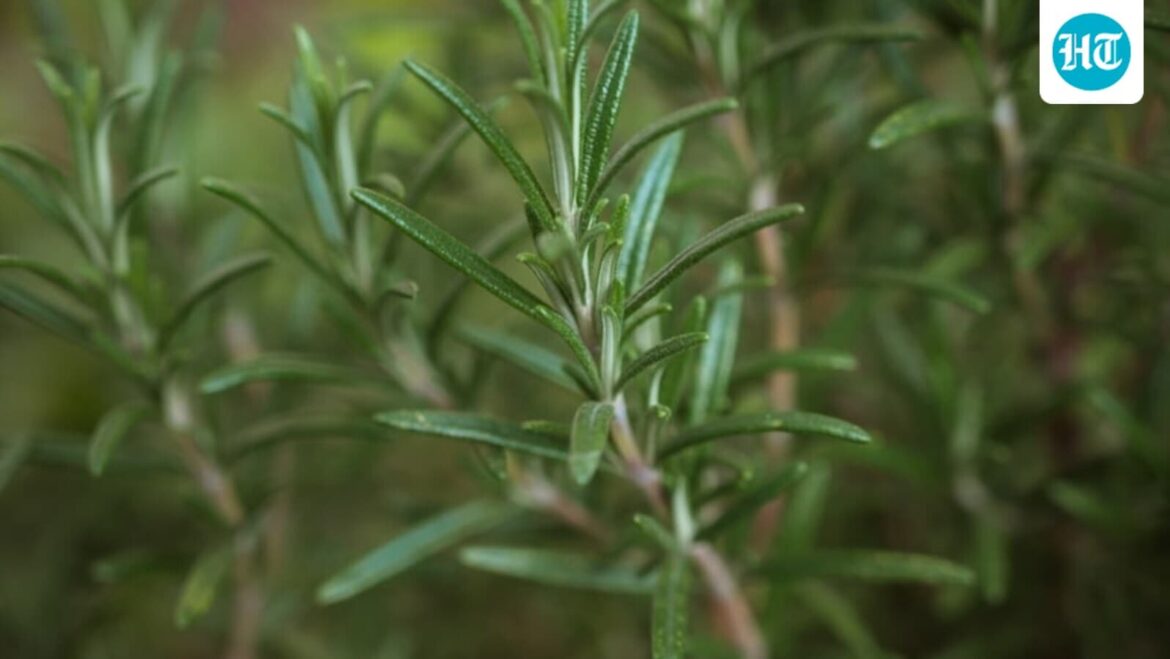
Studies have linked rosemary to memory and stress relief, even hinting at a possible role in future Alzheimer’s treatments.(Representative image/Unsplash)

A recent study found that people who inhaled rosemary aroma performed better on memory tests compared to those who did not, the Independent reported. The idea is simple: the scent stimulates blood flow, including to the brain, which may help deliver oxygen and nutrients more effectively.

Also read: Alice in Borderland Season 3: Release date, time, plot and more about Netflix show

How rosemary helps the brain

Rosemary contains 1,8-cineole, a compound that slows the breakdown of acetylcholine, a chemical the brain uses for learning and memory. By protecting acetylcholine, rosemary may support focus and cognitive function as people age.

It also offers a calming effect. Inhaling rosemary essential oil has been shown to lower stress, which in turn can boost memory retention. And because it is packed with antioxidants, rosemary helps guard brain cells from damage caused by oxidative stress, a major factor in dementia.

One of the most promising discoveries is carnosic acid, found naturally in rosemary. Scientists at the Scripps Research Institute created a synthesized version of it, called diAcCA, in early 2025. According to their study, when diAcCA was used to treat mouse models with Alzheimer’s disease, it reduced toxic Alzheimer’s proteins and improved memory.

“The compound is only active in areas of the brain undergoing inflammatory damage,” researchers explained, meaning fewer side effects are likely. Trials showed no toxicity and even growth in new synapses.

Senior author and professor Stuart Lipton, MD, PhD, the Step Family Foundation Endowed Chair at Scripps Research and a clinical neurologist in La Jolla, California, said that they “also took down other misfolded or aggregated proteins such as phosphorylated-tau and amyloid-β, which are thought to trigger Alzheimer’s disease and serve as biomarkers of the disease process.”

Also read: Ryder Cup 2025: Full schedule, timings, when and where to watch, TV channel and streaming details

Benefits beyond memory

Rosemary’s impact is not limited to the brain. According to JSTOR Daily, for centuries, it has been used to ease digestion, reduce bloating and calm inflammation. Rosmarinic acid and ursolic acid, both present in rosemary, are known for their anti-inflammatory properties.

The herb may also aid the skin. It helps with acne and eczema, while carnosic acid may protect against sun damage. Rosemary oil has shown antimicrobial activity, useful in food preservation and in fighting bacteria and fungi.

Sprinkling rosemary on food or using it in teas and oils is safe. But concentrated extracts in large doses can be dangerous, causing vomiting or, rarely, seizures. Pregnant women are advised to avoid high amounts.

Rosemary’s role in future Alzheimer’s treatments remains under study, but experts say its traditional uses for memory and stress are gaining real backing. For now, adding rosemary to meals, teas, or even just enjoying its scent may offer simple and surprising health benefits.

FAQs

What are the main health benefits of rosemary?

Rosemary may support memory, reduce stress, protect brain cells, aid digestion, and even benefit the skin.

How does rosemary affect the brain?

Compounds in rosemary protect acetylcholine, a chemical tied to learning and memory, and its scent may boost blood flow to the brain.

Can rosemary help with Alzheimer’s disease?

Early studies show compounds in rosemary, like carnosic acid, may reduce toxic brain proteins linked to Alzheimer’s, though research is ongoing.

Is rosemary safe to use daily?

Yes, rosemary in food, tea, or aromatherapy is safe. High doses of concentrated oil or extracts can cause health problems.

What are the traditional uses of rosemary?

Historically, rosemary has been used for memory, digestion, bloating relief, and ritual purposes in ancient cultures.

September 24, 2025 0 comments
0 FacebookTwitterPinterestEmail
Cardiologist says 'stress is always a factor’ in heart attacks; shares 9 simple lifestyle tips to safeguard your heart
Lifestyle

Cardiologist says ‘stress is always a factor’ in heart attacks; shares 9 simple lifestyle tips to safeguard your heart

by jummy84 September 9, 2025
written by jummy84

With busy routines, poor diet, and stress becoming part of modern life, heart health is often neglected until it’s too late. Heart attacks can strike without warning, but most of them are preventable. Dr. Jack Wolfson, Cardiologist and founder of Natural Heart Doctor shares in his June 20 Instagram post 9 simple yet effective tips to reduce your risk of a heart attack. (Also read: Cardiologist says ‘exercise daily for at least 45 minutes’; shares tips to protect your heart during festivals )

Check out cardiologist’s 9 tips to reduce heart attack risks and improve health. (Pexels)

1. Get rid of plastic

“Plastic is nasty, it’s proven to be problematic. Minimise your plastic exposure the best you possibly can,” says Dr. Jack.

2. Eat more seafood

“Seafood is the healthiest food available. People with the highest levels of omega-3 have the lowest risk of everything,” he adds.

3. Get more sunshine

“The Sun reverses plaque, prevents heart attacks, and prevents strokes. Get more sunshine,” Dr. Jack advises.

4. Improve your sleep quality

“Consider mouth taping to improve sleep quality,” he suggests.

5. Move more

“Hike, bike, walk, stand up paddle board, kayak, do muscle-building activities, just move more,” he says.

6. Reduce your stress levels

“Anyone who has a cardiac event, I’ve seen hundreds of heart attacks and strokes stress was always a factor,” Dr. Jack explains.

7. Avoid water-damaged mold or bacteria

“You want to make sure you are not living in water-damaged mold or bacteria. Test your home, test yourself,” he adds.

8. Test yourself regularly

“Check for inflammation, oxidative stress, homocysteine, Lp(a), intracellular vitamins, minerals, proteins, fats, leaky gut, environmental toxins, test for those,” he says.

9. Limit EMF exposure

“Try and limit your exposure to EMF. Don’t wear your cell phone, don’t sleep next to it, maybe turn off Wi-Fi at night. Definitely don’t wear earbuds,” Dr. Jack concludes.

Note to readers: This report is based on user-generated content from social media. HT.com has not independently verified the claims and does not endorse them.

This article is for informational purposes only and not a substitute for professional medical advice.

September 9, 2025 0 comments
0 FacebookTwitterPinterestEmail
Dermatologists share how anxiety and stress trigger breakouts, hair loss and ageing: ‘It worsens skin conditions’ | Health
Lifestyle

Dermatologists share how anxiety and stress trigger breakouts, hair loss and ageing: ‘It worsens skin conditions’ | Health

by jummy84 August 29, 2025
written by jummy84

Stress affects more than just your mind, it can manifest physically in many ways, with one of the most noticeable signs appearing on your skin. HT Lifestyle reached out to experts to understand how anxiety and tension impact skin health and what you can do about it. (Also read: Dermatologists bust common myths around anti-ageing treatments and explain what really works: ‘Balance is key’ )

Anxiety and stress can significantly impact skin health, doctors warn. (Shutterstock)

What’s the connection between face and stress

“Stress and anxiety disturb your mind so much that it can create havoc in the body, causing a number of health issues that can be both frustrating and embarrassing. Issues ranging from acne, eczema, hyperpigmentation to hair loss and skin sensitivity, the impact of stress on your skin can be significant,” says Dr Viral Desai, board-certified super specialist, cosmetic plastic and hair transplant surgeon, and Medical Director, DHI India.

Bringing his expertise to the same Dr Satish Bhatia, board-certified dermatologist at the Indian Cancer Society in Mumbai, shared, “In today’s fast-paced world, with increasing workloads and deadlines, anxiety has become a common part of our lifestyle. Anxiety is a form of stress that affects the endocrine system, leading to hormonal changes. Hormones such as cortisol, epinephrine, and adrenaline, the body’s “fight or flight” response, trigger various physical changes associated with anxiety.

How stress and anxiety show up on face

“When you’re feeling stressed or anxious, your body’s ‘fight or flight’ response is triggered, which results in the release of stress hormones like cortisol,” says Dr Desai. According to her, these hormones can disrupt your skin’s natural balance, leading to:

  • Acne breakouts: Increased oil production and inflammation that can cause pimples, blackheads and clogged pores.
  • Eczema flare-ups: Stress can also trigger eczema symptoms, leading to red, itchy, and inflamed skin.
  • Hair loss: Telogen effluvium, a condition caused by stress, can lead to excessive hair shedding which if not taken care of; can lead to decreased density gradually.
  • Skin sensitivity: Stress can make your skin more sensitive and hence the individual might overreact with redness, irritation, and reactions to products or environmental factors.
  • Hyperpigmentation: chronic stress can lead to melasma due to the hormonal imbalances caused.
  • Skin ageing: Stress can accelerate skin ageing by reducing collagen production, leading to fine lines, wrinkles, and age spots.
  • Rosacea: Chronic or severe Stress can trigger rosacea symptoms, which may cause redness, flushing, and visible blood vessels.
  • Itching and rashes: Stress can cause or worsen skin conditions like psoriasis, leading to itchy, scaly patches and rashes.
Stress and anxiety can trigger various skin issues such as acne and hair loss by disrupting hormonal balance.(Shutterstock)

“These hormonal shifts can increase oil production, cause inflammation, and lead to skin irritation. In people with uncontrolled diabetes, thyroid disorders, or Cushing’s syndrome, anxiety-related hormonal imbalance can make the skin appear dry, trigger acne, rosacea, eczema, or even cause thickening and darkening of the skin known as Acanthosis Nigricans. Patients may also experience thinning or loss of hair,” says Dr Bhatia.

He adds, “For those with underlying skin conditions like acne, eczema, or psoriasis, anxiety-related stress can worsen symptoms or trigger flare-ups. The release of cortisol during stress and anxiety causes inflammation under the skin, which may accelerate ageing by reducing collagen and elastic fibres and leading to the loss of facial fat pads, making the skin appear older and tired. Anxiety-related skin issues are often psychological as well. Emotional distress from visible skin problems can create a vicious cycle, anxiety worsens skin issues, and worsening skin issues fuel further anxiety.”

How to manage stress-related skin issues

According to Dr Desai, while stress is an inevitable part of life, you may still manage it in various ways :

  • Stress-free activities: Engage in activities that help you relax, such as meditation, yoga, or deep breathing exercises.
  • Get enough sleep: 7-8 hours of sleep per night is the key to help regulate stress hormones and support skin & overall health.
  • Use gentle skincare products: Choose products that are fragrance & carcinogenic preservative-free and hypoallergenic to minimise irritation.
  • Seek professional help: Consult a dermatologist to address underlying skin issues and get a personalised skincare and treatment plan. Treatments like chemical peels, lasers, and medicines might help reduce the visual impact.

“Breaking this cycle requires a holistic approach. There is a strong correlation between skin diseases and anxiety, with anxiety often decreasing as age increases. Along with consulting a dermatologist, psychological intervention can be crucial, especially for younger patients dealing with skin conditions,” says Dr Bhatia.

Note to readers: This article is for informational purposes only and not a substitute for professional medical advice. Always seek the advice of your doctor with any questions about a medical condition.

August 29, 2025 0 comments
0 FacebookTwitterPinterestEmail
Psychologist explains how social media drives stress and anxiety among teenagers: ‘Their self-esteem can become…’ | Health
Lifestyle

Psychologist explains how social media drives stress and anxiety among teenagers: ‘Their self-esteem can become…’ | Health

by jummy84 August 28, 2025
written by jummy84

Endless comparison, chasing likes, and curated feeds are fueling stress and self-doubt, making adolescence even more challenging. Social media has become a major source of anxiety for teenagers. While it can connect them with others, it also creates a constant sense of pressure and comparison, which deeply affects their mental health. (Also read: Therapist says these 5 everyday habits could secretly damage your mental health: ‘It destroys your attention span’ )

Social media fuels anxiety in teens, blurring lines between real and online life. (Freepik)

How social media affects teenagers’ self-esteem

In an interview with HT Lifestyle, Christie Saju, psychologist at LISSUN, shared, “Teenagers are at a crucial stage of developing their identity, and social media platforms often present a skewed version of reality. They see a highlight reel of their friends’ lives, full of academic achievements, perfect parties, and idealised appearances. This can lead to a feeling of “compare and despair,” where teens measure their own worth against these often-unrealistic images.”

Teenagers' self-esteem is increasingly tied to social media validation, causing stress and anxiety.(Shutterstock)
Teenagers’ self-esteem is increasingly tied to social media validation, causing stress and anxiety.(Shutterstock)

“Their self-esteem can become dependent on external validation, like the number of likes or shares they get. This digital world also fuels a fear of missing out (FOMO) and the pressure to be constantly available. The lines between school, home, and social life become blurred, and teens feel like they never get a break. On top of that, the threat of cyberbullying and public shaming adds a layer of constant, low-level stress that can be hard to escape,” says Christie.

How academic pressure worsen teen stress

Talking about high-pressure academic settings, Christie adds, “In high-pressure academic settings, like Kota, these issues are magnified. The intense pressure to succeed academically is combined with the need to appear successful and perfectly put-together online. Students feel forced to project an image of effortless brilliance, even when they are struggling. This double burden, managing high-stakes academics while maintaining a flawless online persona, can lead to severe anxiety and burnout.”

“We need to understand that this is not a personal failing on the part of teenagers but a natural response to a challenging environment. The solution isn’t to demonise technology but to help teens develop digital literacy and resilience. This involves teaching them to critically evaluate what they see online, set healthy boundaries for screen time, and engage in real-world activities that build self-worth from within. The goal is to help them cultivate a strong sense of self that isn’t dependent on their online presence,” concludes Christie.

Note to readers: This article is for informational purposes only and not a substitute for professional medical advice.

August 28, 2025 0 comments
0 FacebookTwitterPinterestEmail
Ashwagandha capsules in India for boosting energy, strength, immunity and stress relief, explore top 10 natural choices | Health
Lifestyle

Ashwagandha capsules in India for boosting energy, strength, immunity and stress relief, explore top 10 natural choices | Health

by jummy84 August 22, 2025
written by jummy84

Ashwagandha, the magic Ayurvedic herb, has captured our collective imagination for its many benefits. Its chief benefit is its powerful ability to reduce physical, emotional, and environmental stress. It works as an adaptogen, helping your body to naturally cope with daily life pressures. This is its key contribution to overall wellbeing. The herb can also help boost your energy levels, aid in muscle recovery, and support better sleep. It is a wonderful, natural way to support a healthier, more balanced lifestyle, which is why it has become such a favourite across the world. The good news is now you can simply pop a pill, an Ashwagandha capsule, and enjoy its benefits.

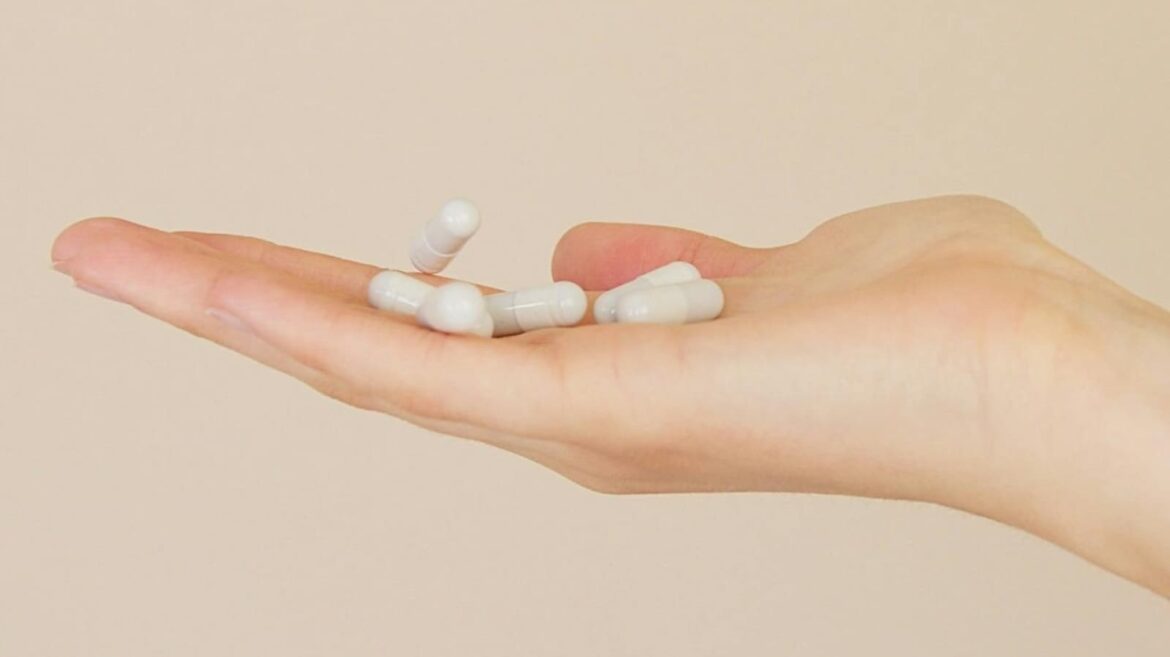
Ashwagandha capsules can help you regain your bounce, thanks to their many healing properties.(Pexels)

Like all herbs, Ashwagandha has risks. Individuals with autoimmune disorders, thyroid conditions, or diabetes should be cautious. Pregnant and breastfeeding women must also avoid it. Always consult a healthcare professional beforehand for your own safety and wellbeing.

Now that we have given you a sneak peak into the different aspects of Ashwagandha, we bring to you some of the best options in Ashwagandha capsules available on Amazon.

Dabur Ashwagandha is a 100% Ayurvedic supplement designed for your general wellbeing. These capsules work to relieve stress and increase your stamina, helping you feel more balanced and energetic. They also function as a powerful immunity booster, giving you a simple and effective way to naturally stay strong and resilient every day.

Rasayanam offers a natural and extra-strength Ashwagandha supplement for your wellbeing. This formula features premium KSM-66 extract, providing a powerful way to boost your energy and physical strength. It’s designed to support a healthier, more balanced lifestyle and help you feel more vigorous and resilient every day. A fantastic addition to your daily routine.

Koshaveda Ashwagandha AF-43 is a powerful supplement for both men and women. Designed to help you manage daily stress and support sound sleep, it promotes a calmer mind. This potent formula also aids in strength and recovery, making it an excellent choice for a healthier, more balanced lifestyle. It’s an easy way to feel your best.

Zandu Ashwagandha capsules are a great way to naturally boost your wellbeing. Made with the goodness of natural extracts, these capsules help to reduce stress and act as a powerful stress buster. They are also useful for building natural body strength and boosting your immunity. This is a simple and effective choice for daily wellness and supporting your body’s natural resilience.

Kapiva Ashwagandha Gold is a premium Ayurvedic supplement for overall wellbeing. Made with potent 183rd day Nagori Ashwagandha and a high 5% Withanolide content, it is a powerful formula. It helps manage stress and improve sleep quality for a calmer mind. This is an excellent choice for men and women looking to boost gym performance and feel more energetic.

Nveda Ashwagandha is a natural supplement designed for both men and women. It’s a great choice for managing stress and anxiety, helping you find more balance. These capsules also work to boost your vitality, strength, and energy levels. It’s an easy and effective way to support your daily wellbeing and lead a more active, energetic life.

Organic India Ashwagandha offers pure, certified organic capsules for your wellbeing. This herbal supplement is a natural way to relieve stress, boosting your vitality and energy. It works to improve your stamina and strengthens your immune system, helping you feel your best every day. A truly reliable choice for overall health.

TrueBasics Ashwagandha uses 600mg of KSM-66, a clinically researched ingredient. This high-quality supplement is designed to boost your energy levels and strengthen your immunity. It’s a scientifically backed formula that helps you feel more vigorous and resilient. A great choice for those who want a powerful and effective Ashwagandha supplement for their daily routine.

Himalayan Organics offers a powerful, plant-based Ashwagandha supplement for your vitality. With a high 1000mg per serving, these vegan capsules are formulated to boost your energy and endurance. A natural and clean choice, this supplement helps you stay active and feel your best, making it an excellent addition to your daily wellbeing programme.

Miduty Ashwagandha 3X is a powerful triple-strength formula for your wellbeing. Featuring clinically researched KSM-66 Ashwagandha, it is designed to help you manage stress and improve mood stability. It also works to enhance your focus and physical strength. This supplement offers a concentrated, effective solution for anyone looking to feel more balanced and energetic.

Similar articles for you

Top 7 whey protein powders for muscle gain and recovery: Top picks for July 2025

Best protein supplements at Amazon: Top 8 picks that fuel your muscles and strength

₹5000: Your daily dose of strength and stamina”>Top 8 Whey protein powders under ₹5000: Your daily dose of strength and stamina

Creatine to protein powders: 10 workout supplements you need

Disclaimer: At Hindustan Times, we help you stay up-to-date with the latest trends and products. Hindustan Times has an affiliate partnership, so we may get a part of the revenue when you make a purchase. We shall not be liable for any claim under applicable laws, including but not limited to the Consumer Protection Act, 2019, concerning the products. The products listed in this article are in no particular order of priority.

August 22, 2025 0 comments
0 FacebookTwitterPinterestEmail

Social Connect

Facebook Twitter Instagram Pinterest Youtube Snapchat

Recent Posts

  • 2009 feels like a whole other world away

  • Watch Ariana Grande and Jimmy Fallon Perform a History of Duets

  • Spotify’s Joe Hadley Talks ARIA Awards Partnership

  • Nick Offerman Announces 2026 “Big Woodchuck” Book Tour Dates

  • Snapped: Above & Beyond (A Photo Essay)

Newsletter

Subscribe my Newsletter for new blog posts, tips & new photos. Let's stay updated!

Categories

  • Bollywood (1,929)
  • Celebrity News (2,000)
  • Events (267)
  • Fashion (1,605)
  • Hollywood (1,020)
  • Lifestyle (890)
  • Music (2,002)
  • TV & Streaming (1,857)

Recent Posts

  • Shushu/Tong Shanghai Fall 2026 Collection

  • Here’s What Model Taylor Hill Is Buying Now

  • Julietta Is Hiring An Assistant Office Coordinator In Dumbo, Brooklyn, NY (In-Office)

Editors’ Picks

  • 2009 feels like a whole other world away

  • Watch Ariana Grande and Jimmy Fallon Perform a History of Duets

  • Spotify’s Joe Hadley Talks ARIA Awards Partnership

Latest Style

  • ‘Steal This Story, Please’ Review: Amy Goodman Documentary

  • Hulu Passes on La LA Anthony, Kim Kardashian Pilot ‘Group Chat’

  • Hannah Einbinder Slams AI Creators As “Losers”

  • Facebook
  • Twitter

@2020 - celebpeek. Designed and Developed by Pro


Back To Top
celebpeek
  • Home
  • Bollywood
  • Hollywood
  • Lifestyle
  • Fashion
celebpeek
  • Music
  • Celebrity News
  • Events
  • TV & Streaming