celebpeek
  • Home
  • Bollywood
  • Hollywood
  • Lifestyle
  • Fashion
celebpeek
  • Music
  • Celebrity News
  • Events
  • TV & Streaming
Home » people » Page 5
Tag:

people

Remembering Robert Redford: From The Great Gatsby to Ordinary People, a look at his iconic films
Bollywood

Remembering Robert Redford: From The Great Gatsby to Ordinary People, a look at his iconic films

by jummy84 September 16, 2025
written by jummy84

Robert Redford, one of Hollywood’s most recognized and enduring figures, died Tuesday at his home in the mountains outside Provo, Utah. He was 89. The New York Times confirmed the death, citing his publicist Cindi Berger, who said Redford passed away in his sleep. No cause of death was given.

Robert Redford passes away at 89, take a look at this best movies.(AFP)

Redford gained popularity in the late 1960s, breaking through as the Sundance Kid in Butch Cassidy and the Sundance Kid (1969). By the early 1970s, he had become a dependable star who could carry both box office hits and more serious fare. His role in The Sting (1973) earned him an Academy Award nomination for Best Actor.

As the years went on, Redford expanded beyond acting. He directed Ordinary People in 1980, a drama that won four Oscars, including best picture, and earned him the directing award. He later received another directing nomination for Quiz Show (1994).

Here are 10 films that define Robert Redforth’s legacy

Butch Cassidy and the Sundance Kid (1969) – Redford’s breakout as Sundance opposite Paul Newman, the role that gave him lasting recognition.

The Candidate (1972) – A sharp take on political campaigning, with Redford playing a reluctant Senate hopeful.

The Sting (1973) – Paired again with Newman, he played a grifter in one of the decade’s biggest hits, earning an Oscar nomination.

The Great Gatsby (1974) – His turn as Jay Gatsby added depth to Fitzgerald’s tragic figure.

All the President’s Men (1976) – As journalist Bob Woodward, Redford brought the Watergate investigation to the big screen.

Ordinary People (1980) – His directorial debut, which won him the Academy Award for Best Director.

Out of Africa (1985) – Starring opposite Meryl Streep, he played Denys Finch Hatton in a sweeping romantic drama.

Also read: Fans remember Robert Redford’s warm portrayal of Death in The Twilight Zone: ‘Hope his death was akin to this’

A River Runs Through It (1992) – Directed by Redford, the film was praised for its quiet storytelling and visual beauty.

Quiz Show (1994) – As director, he revisited the 1950s quiz show scandal, earning another Oscar nomination.

All Is Lost (2013) – Late in his career, Redford carried this survival film almost alone on screen, earning critical acclaim.

FAQs:

When did Robert Redford die?

He died on September 16, 2025, at his home in the mountains outside Provo, Utah.

How old was Robert Redford at the time of his death?

He was 89 years old.

What was Robert Redford’s first major film role?

His breakout came in 1969 with Butch Cassidy and the Sundance Kid.

Did Robert Redford win an Oscar?

Yes, he won the Academy Award for Best Director in 1980 for Ordinary People.

What are some of Robert Redford’s most famous films?

His notable films include The Sting, All the President’s Men, Out of Africa, and Quiz Show.

September 16, 2025 0 comments
0 FacebookTwitterPinterestEmail
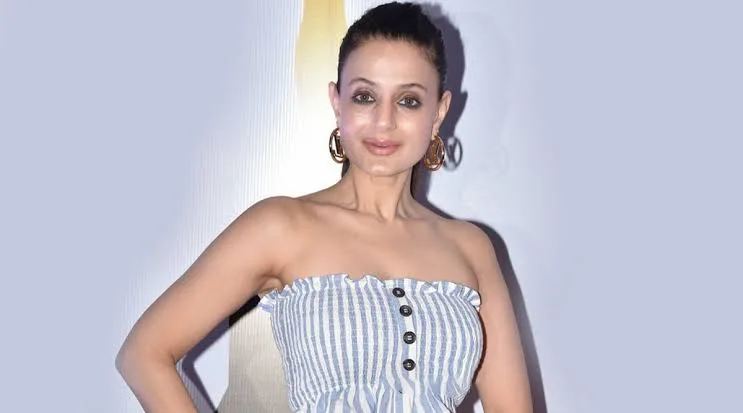
Ameesha Patel On Bollywood: 'People Do Not Like Me For That Reason'
Bollywood

Ameesha Patel On Bollywood: ‘People Do Not Like Me For That Reason’

by jummy84 September 15, 2025
written by jummy84

Despite starring in blockbusters like Kaho Naa… Pyaar Hai and Gadar: Ek Prem Katha, actress Ameesha Patel has openly admitted that not all industry insiders are fond of her. She attributes this to her “no-nonsense” attitude and her refusal to engage in sycophancy or belong to any particular Bollywood camp.

​During a chat with Zoom, Ameesha stated that her teetotaler lifestyle has also come at a cost. “At the end of the day, the audience needs to love you, no matter what camp you belong to,” she said. “Yes — because I don’t belong to certain camps, don’t drink, smoke and maska-lagao for work — I get whatever I get on my merit. People do not like me for that reason. I am not going to suck up to you.”

​Ameesha also revealed that she wasn’t the first choice for her debut film, Kaho Naa… Pyaar Hai. She landed the role only after Kareena Kapoor exited the project due to differences with director Rakesh Roshan. “Had I come from the film industry, maybe I would’ve been the first choice,” she mused.

​She further opened up about the challenges of being an independent woman in the industry, particularly without a partner from within the film fraternity. “It’s worse when you don’t end up having a boyfriend or a husband from the industry,” she explained. “When you don’t share your other ‘half’ as a power couple, it’s very hard. You don’t have people backing you. There’s no reason to back you, you are an outsider.”

September 15, 2025 0 comments
0 FacebookTwitterPinterestEmail
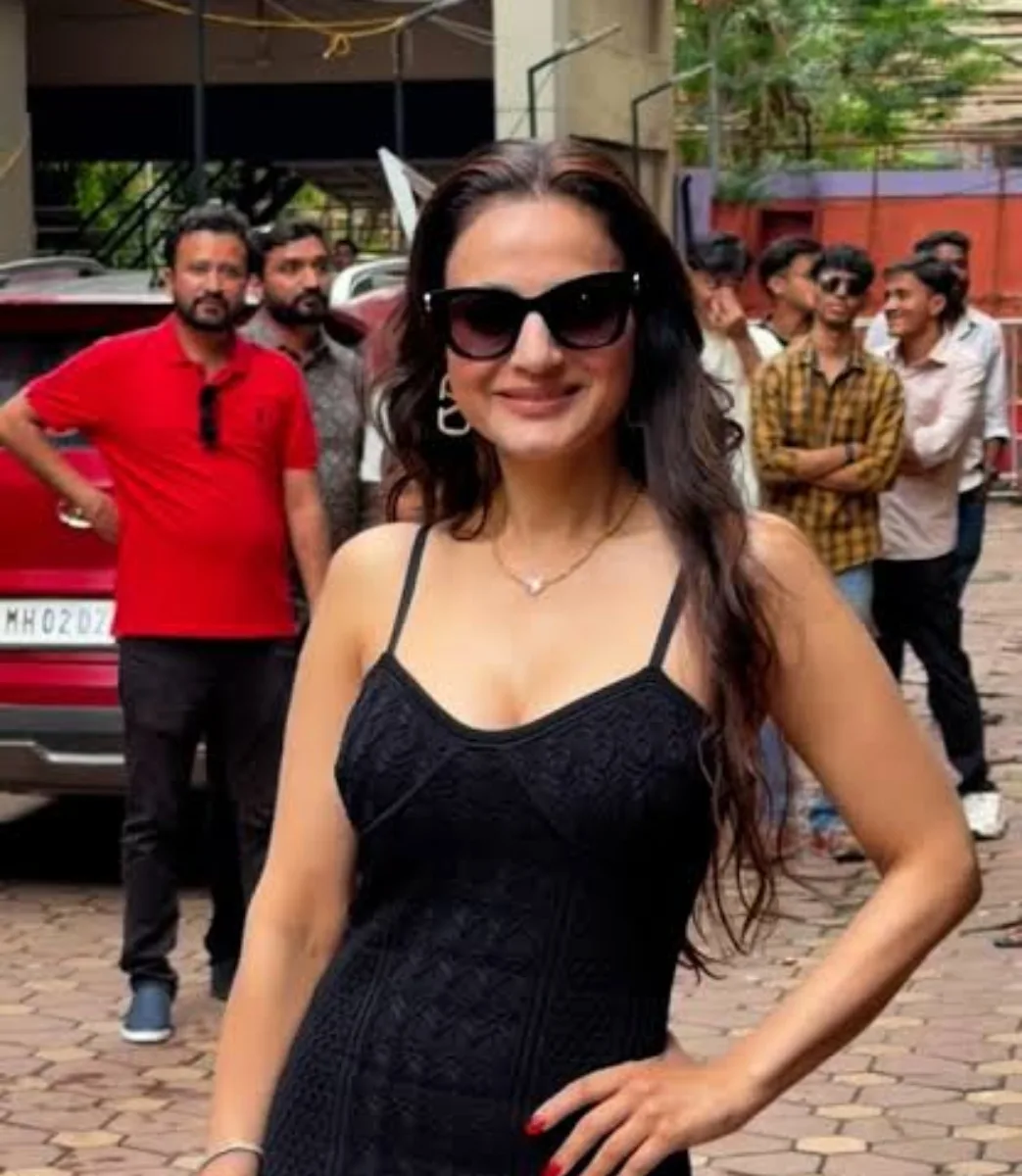
'I Don't Drink, I Don't Smoke, I Don't Flatter People To Get Work', Ameesha Patel Took A Dig At Politics In Bollywood
Bollywood

‘I Don’t Drink, I Don’t Smoke, I Don’t Flatter People To Get Work’, Ameesha Patel Took A Dig At Politics In Bollywood

by jummy84 September 15, 2025
written by jummy84

Bollywood actress Ameesha Patel is known for speaking her heart out without fear. The actress never hesitates to call out the mistakes of filmmakers and openly shares her views about the Bollywood industry. In a recent interview, she revealed that despite the blockbuster success of her debut film Kaho Naa… Pyaar Hai, she did not receive the recognition she truly deserved. Ameesha admitted that many people in the industry simply do not like her.

Ameesha Patel

Speaking to one of the media houses, Ameesha said, “For me, the love of the audience is what really matters. It doesn’t matter which camp or group you belong to. I don’t fit into any particular circle. I don’t drink, I don’t smoke, and I don’t flatter anyone to get work. Whatever I’ve achieved is purely on the strength of my talent. Because of this, some people are not fond of me. I don’t run after anyone for favors.”

Ameesha Patel

Calling herself an outsider, the actress explained how tough it is to survive without industry connections. “It becomes even harder when you don’t have a boyfriend or husband from the film fraternity. People often support those who can present themselves as a ‘power couple.’ When you are alone and an outsider, there is very little reason for others to back you,” she said. Ameesha also exposed the reality of social media in Bollywood and claimed that almost 90 percent of celebrities buy followers.

Ameesha Patel

Ameesha said, “Agencies approach stars demanding huge amounts of money and, in return, promise lakhs of followers. Many celebrities have paid for these fake followers. I’ve been approached several times, but I always refused. I value my real fans and don’t want anyone to follow me because of money.” The actress proudly added that her Instagram and Twitter accounts are completely authentic. “I never plan my posts or rely on perfect photoshoots. I upload my pictures as they are—no fancy composition, no calculated captions. I want my audience to see the real me, not a carefully crafted image,” she concluded.

September 15, 2025 0 comments
0 FacebookTwitterPinterestEmail
Split image of Bill Maher and Charlie Kirk
TV & Streaming

Bill Maher Condemns ‘People Who Mocked’ Charlie Kirk’s Death

by jummy84 September 14, 2025
written by jummy84

Bill Maher addressed Charlie Kirk’s assassination during Friday night’s episode of Real Time, where he started the episode off by noting that it had been a “very ugly week in America.”

During his opening monologue, Maher touched on the current state of politics in the United States in the wake of the shooting. He began, “It’s a very ugly week in America with violence of all kinds: political violence, regular violence, a lot of people talking about a civil war.”

“And then today in Congress, because Charlie Kirk got assassinated, [Colorado Representative] Lauren Boebert stood up and said, ‘We need to have a prayer.’ So they started to have a silent prayer. And then she started screaming, ‘No! Silent prayers get silent results.’ As if praying out loud gets big results,” Maher continued. “Then the Democrats started screaming at her that there was a school shooting in her state. I tell you, so far, the civil war is not very civil.”

Conservative activist Charlie Kirk was killed Wednesday on the campus of Utah Valley University after an assassin’s bullet struck his neck while he was hosting a student’s event. He was discussing mass shootings in the U.S. when he was struck. On Friday, Tyler Robinson was identified as the suspect in the assassination and was brought into custody.

Maher went on to address President Donald Trump’s answer to a question he was asked on Fox & Friends about how to “fix this country” and “come back together” in the wake of a major political divide.

“Today, they asked the President, ‘What are you going to do to bring the country together?’” he recited. “And he said, ‘I know this is going to get me in trouble, but I could care less.’ He’s a different kind of cat. His message is, ‘Let the healing stop.’”

Later in the episode, Maher sat down with Ben Shapiro and and Tim Alberta, where they spoke about Kirk’s death in length. There, the Real Time host condemned “the people who mocked his death or justified it.”

“I like everybody, I talk to everybody, I’m glad I took that approach. But he was shot under a banner that said, ‘Prove me wrong,’ because he was a debater, and too many people think that the way to do that — to prove you wrong — is to just eliminate you from talking altogether,” he said. “So the people who mocked his death or justified it, I think you’re gross. I have no use for you. The people who are saying now we’re at war, I’ve no use for you.”

He further addressed the widespread reaction Kirk’s assassination sparked on social media.

“The governor of the state said, ‘Social media is a cancer,’ which I think is true because when you read some of the comments from people, they really are in such a bubble that they don’t understand that it’s happening on both sides,” Maher added. “And I think the only way this starts to get better is if both sides admit, ‘OK, let’s not have this debate about who started it. Let’s not debate about who’s worse because, plainly, both sides do it now.’ And the right has done it too. A lot.”

Following Kirk’s death, Hollywood and political figures took to social media to share their reactions and tributes to the late MAGA activist. President Donald Trump announced his death on Truth Social, writing, “No one understood or had the Heart of the Youth in the United States of America better than Charlie. He was loved and admired by ALL, especially me, and now, he is no longer with us. Melania and my Sympathies go out to his beautiful wife Erika, and family. Charlie, we love you!”

Late night host Jimmy Kimmel took to Instagram, where he wrote, “Instead of the angry finger-pointing, can we just for one day agree that it is horrible and monstrous to shoot another human? On behalf of my family, we send love to the Kirks and to all the children, parents and innocents who fall victim to senseless gun violence.”

September 14, 2025 0 comments
0 FacebookTwitterPinterestEmail
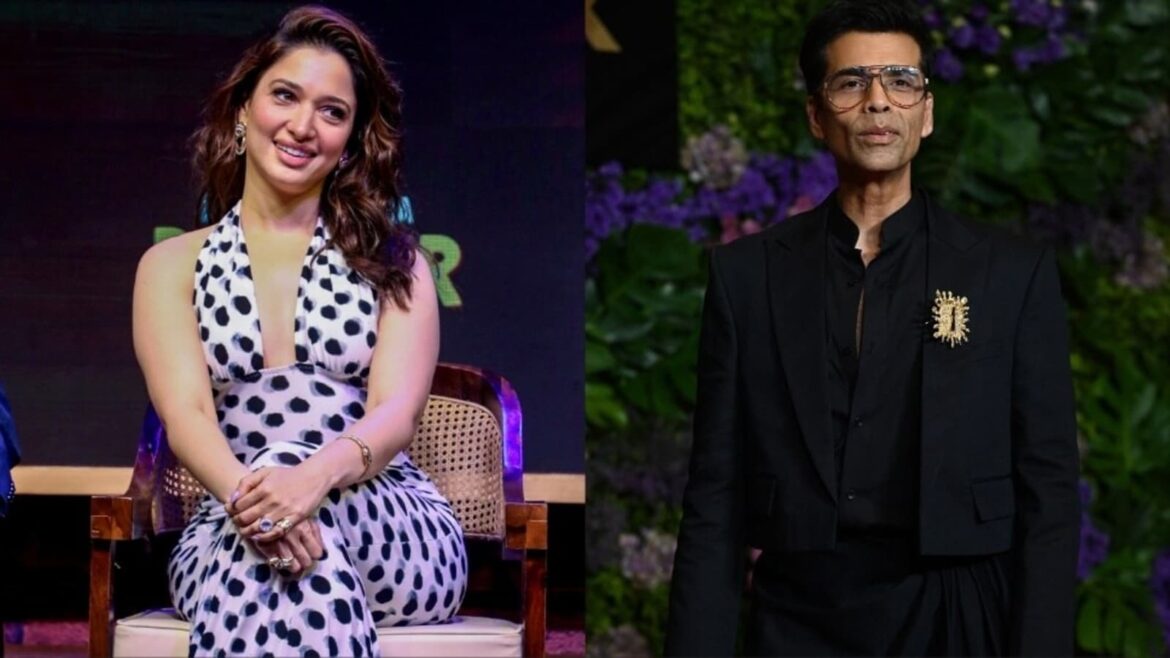
Tamannaah says Karan Johar ‘champions people’ who aren’t from Bollywood amid nepotism debate: 'He’s warm, welcoming'
Bollywood

Tamannaah says Karan Johar ‘champions people’ who aren’t from Bollywood amid nepotism debate: ‘He’s warm, welcoming’

by jummy84 September 13, 2025
written by jummy84

Actor Tamannaah has heaped praises on filmmaker Karan Johar saying that he even “champions people” who aren’t from the industry. Speaking with News18 Showsha, Tamannaah said Karan understand the “importance of making films with very strong female characters.”

Tamannaah has only good things to say about Karan Johar.

Tamannaah says Karan Johar champions outsiders

Tamannaah called Karan “extremely warm and welcoming”. “As a person, I think he’s extremely warm and welcoming, and he champions people who’re from the industry and those who aren’t from the industry,” she said.

Tamannaah says Karan has in-depth understanding of women

Tamannaah said that Karan has been consistently understanding women “for many, many years now.” “Maybe Karan has an in-depth understanding of women, but he isn’t validated enough for that. He’s a person who has consistently done that for many, many years now. Many a times, he has and continues to be the face of great causes while he enjoys being in this set-up of glamour and is his fun self. He’s a great example for how to take the responsibility of the industry that he belongs to, and he holds that very proudly.”

Karan has time and again faced criticism on social media platforms for giving opportunities to “nepo-kids.” On Koffee With Karan 5, actor Kangana Ranaut called him ‘the flag-bearer of nepotism’ and he has been facing flak since then. Recently, Karan got angry when an Instagram user called him “nepo kid ka daijaan (nanny for nepo kids).”

Karan responded, “Chup kar!!! Ghar baithe baithee negativity mat paal! Do bachon ka kaam dekh !! Aur khud kuch kaam kar (Shut up! Don’t breed negativity sitting at home! Watch the work of the two kids! And do some work yourself)!!!!”

Tamannaah and Karan’s next project

Tamannaah and Karan are collaborating on their upcoming series Do You Wanna Partner. It also stars Diana Penty, Jaaved Jaaferi, Nakuul Mehta, Shweta Tiwari, Neeraj Kabi, Sufi Motiwala, and Rannvijay Singha. It is written by Nandini Gupta, Aarsh Vora and Mithun Gangopadhyay. Do You Wanna Partner premiered on Prime Video on September 12.

Produced by Dharmatic Entertainment, with Karan Johar, Adar Poonawalla, and Apoorva Mehta backing the project, the show is directed by Collin D’Cunha and Archit Kumar.

September 13, 2025 0 comments
0 FacebookTwitterPinterestEmail
What People Get Wrong About Being The Youngest Sibling
Fashion

What People Get Wrong About Being The Youngest Sibling

by jummy84 September 12, 2025
written by jummy84

I’m a sucker for a good pop-psychology quiz. I’ll spend hours deep-diving into my Co-Star chart, justifying all my problems with “I’m a Virgo, babe!”, and subjecting all my friends to extensive Myers-Briggs testing. (Fun fact: more than half of them are INFPs.) And of course, I love guessing people’s birth order, even if I’ve only known them for 20 minutes.
September 12, 2025 0 comments
0 FacebookTwitterPinterestEmail
The Big Question at Venice 2025: Are People Understanding the Films?
Hollywood

The Big Question at Venice 2025: Are People Understanding the Films?

by jummy84 September 11, 2025
written by jummy84

The Big Question at Venice 2025: Are People Understanding the Films?

by Alex Billington
September 11, 2025

Have we lost the ability to actually comprehend and understand cinema? This was a question that came to mind often while spending 2 weeks covering the 2025 Venice Film Festival in Italy. I’ve been attending film festivals for the last 20 years, from Sundance to Cannes to Venice and back every single year; always watching new films, discussing & debating them, analyzing what is good or not, having conversations about cinema, and beyond. During Venice this year, there were a handful of movies that it seems many people did not quite understand. It is not a difference in opinion, or different feelings about the films. Nor is it a other interpretations, which happens often. It’s straight up misunderstanding – and it’s rather strange so many people were confused about what was being said in these films. Not every film is incredibly complex or hard to understand, many do have very obvious stories to follow (and that’s all good). But a few are being unfairly misinterpreted entirely and I think it’s time we talk about that. We’re in an era of anti-intellectualism where critical thinking is shunned – unfortunately this means some are missing the point of the films they watch.

One of the best aspects of the film festival experience is the way it brings many people together in one place resulting in greater in-person discussion among colleagues & friends. This means everyone gets into talking about and analyzing the films, especially critics. Festivals are very heated places for film critics – everyone seems to be hyper-critical, always questioning whether a film is even worthy of being at the festival to begin with. Everyone is waiting for different kinds of films: some critics want super artsy, experimental creations; others want profound slow cinema; others want something big and exciting; others just want to watch good films no matter what they are. There are always different reactions, different feelings about anything they’re showing. Not many expected Jim Jarmusch’s film Father Mother Brother Sister to win the Golden Lion top prize. It probably didn’t deserve to win it, though that is just my opinion. Obviously the jury at this year’s festival felt otherwise. The good thing is that Father Mother Brother Sister is not really a film someone can misunderstand. It’s literally about a father, a mother, and a brother & sister, commenting on family and the lies we tell and choices we make around other family members. Whether you enjoy that or not – up to you…

However, there is a difference between the idea of opinions & interpretations, and full-on misunderstanding & getting something wrong. Yes it’s possible. The four major films that some festival-goers seemed to have trouble with this year: Yorgos Lanthimos’ Bugonia, obviously because it is a Yorgos mindfuck with a bold third-act twist; Mona Fastvold’s The Testament of Ann Lee, mostly because it is presented as a story about a religion when it’s acting as commentary on much more than that specific topic; Kathryn Bigelow’s A House of Dynamite, which is absolutely not pro-America propaganda despite being set in America; and worst of all Luca Guadagnino’s After the Hunt, which almost everyone seems to be getting wrong. There’s a natural reluctance to use the word “wrong” in film analysis, as it can provoke a defensive reaction. But this hesitance has an unintended consequence: it can legitimize interpretations that are entirely detached from the film they claim to be analyzing. The scary truth is, some readings are simply inaccurate. When an interpretation ignores clear narrative evidence in favor of fabrication, it crosses a line from real analysis into something else entirely. There’s too much reaching in interpretations of cinema nowadays. We should feel confident in pointing this out, not to shut down debate, but to uphold the standards of thoughtful criticism.

Other films, like Olivier Assayas’ The Wizard of the Kremlin and Ildikó Enyedi’s Silent Friend, can be analyzed in a few different ways. Wizard is not just about Russia’s politics – it is also about mechanisms of propaganda & political manipulation in any country, with the lens focused sharply on Russia. In my humble opinion, the brilliant Silent Friend is about exploring sentience and how plants and trees communicate with humans; however it’s also a story about how people also need connection among each other and how human beings learn to build interpersonal relationships despite language barriers. Fastvold’s The Testament of Ann Lee tells the entirely true story of an 18th-century woman who invents her own religion. But the film is less concerned with the doctrines or cult-like aspects of her faith as it grows in America (showing the extreme pushback from others in America, too). Instead, it’s a much more profound commentary on how this woman fabricated a brand new worldview as a radical act of self-preservation, a means to escape the patriarchal hell of the era she was living in. This is evident in the way Amanda Seyfried’s character pretty much winks at the screen every time she defends her dogma, as if she knows it’s all nonsense but still abides by it anyway.

After the Hunt Film

The “most offensive” film at Venice this year seems to be After the Hunt. However, I still claim this movie is being wildly misunderstood, and even if some people were able to pick up on the point it’s making / the message behind it, being upset at what it’s saying is also misguided. The film got scathing reviews, festival attendees left notes on the review board saying it was wrong and offensive and bad, claiming it’s backwards with regards to the #MeToo movement. Alas, if you seriously dig into the film, it’s entirely supportive of the #MeToo movement (the screenplay is written by a woman). I won’t give away or spoil it now but there are complex ideas in it. One idea which is not that complex and I figured most people would pick up – it doesn’t matter who the person is, if she’s rich or privileged or might have ulterior motives, if she was assaulted then we must believe her instead of making up excuses why her accusation should be dismissed. Yet that’s exactly what I kept hearing from many people when I asked their thoughts on the film. I kept prodding further in an attempt to figure out if they were making sense of the entire film. Few were able to explain properly. It also must be stated for the record – this movie is not an ambiguous “did he or didn’t he?” If you watch closely, there are a few scenes in the final act that literally confirm everything and explain what’s going on. Maybe some viewers don’t like this revelation so they get upset and claim that’s not the whole point? I’m not sure…

One example that confirms blatant misunderstandings is within the now infamous video making the rounds on social media from the Venice press junket for After the Hunt. An Italian journalist interviewing the three lead actors asks a completely asinine question about the Black Lives Matter and #MeToo movements being “done”. The actors, in all their wonderful grace, are taken aback by the question and thoughtfully respond by reminding her that neither of these are “done” and it’s all still ongoing. If a journalist can be this extremely wrong about these two major social issues of our time, clearly they were not able to understand this film at all (and its commentary on the #MeToo movement, etc). Of course me writing this point blank is going to ruffle some feathers. Of course someone is going to respond to this article with the cliche “there is no such thing as a wrong interpretation of a film.” “Anyone can interpret a film any way they want!” That’s the usual line. Nope – that’s bullshit. It’s a convenient cover-up and cliche way to never, ever deal with the possibility of making mistakes or misunderstanding a film or simply refusing to engage with what any movie is trying to say. As long as any viewer understands the film correctly, then they can interpret it and form their own opinion. Good or bad! If you understand what After the Hunt is saying and still don’t like it – then all good.

This wave of willful misreadings and revisionist takes on cinema isn’t happening in a vacuum. It is directly linked to greater societal decay: the resurgence of fascism, rampant illiteracy, a pervasive hostility towards critical thought, and the undeniable collapse of media literacy. Another example of all this is the way that Star Wars is being endlessly rethought nowadays – it turns out the Jedi are the bad guys and the Empire was just doing big business until these Rebel bastards blew up their Star Destroyer! How many people were on there that they just killed, huh?! Only an idiot would seriously consider this. What I find most surprising is the silence around this issue of misreading. There’s a palpable fear of pointing out when a take is factually incorrect, as if it makes you a pariah. Yes, calling out a flawed analysis can be disquieting. But I’m exhausted by a culture that allows blatant misunderstandings to go unchallenged simply because we’re afraid to state the obvious. Maybe it’s time to start. Maybe everyone at Venice needs to give After the Hunt another look…

Share

Find more posts in: Discuss, Editorial, Venice 25

September 11, 2025 0 comments
0 FacebookTwitterPinterestEmail
Manoj Bajpayee calls box office obsession a 'monster' created by Bollywood's successful people: 'Soon it will eat them'
Bollywood

Manoj Bajpayee calls box office obsession a ‘monster’ created by Bollywood’s successful people: ‘Soon it will eat them’

by jummy84 September 11, 2025
written by jummy84

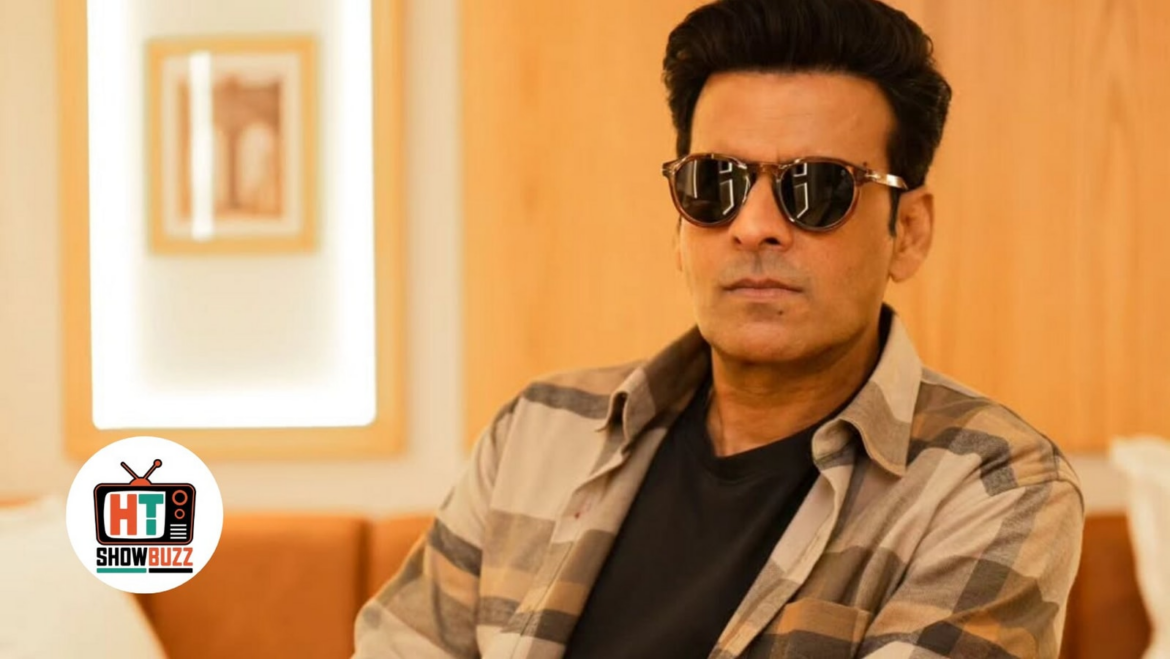
Actor Manoj Bajpayee is not a fan of film producers and studios throwing around box office numbers to promote their titles. The actor, who balances commercial and independent cinema, says this obsession with box office is a monster that will ‘eat up’ its own creators.

Manoj Bajpayee talks about independent cinema and box office.

The actor is gearing up for the release of Jugnuma, directed by Raam Reddy. The film has earned acclaim worldwide as The Fable and is finally getting a release in Indian theatres this month. Ahead of the release, the National Award winner sits down with Hindustan Times to talk about the state of independent films in the country and the newfound obsession with the box office.

On the box office monster

Over the last few years, box office numbers have turned into promotional tools to leverage buzz for films. Talking about the phenomenon, Manoj says, “It’s a monster that is created by the producers themselves, the commercial producers, for their own game. Very soon, this monster is going to eat you up. You have created Bhasmasura. Just wait for the day you are going to put your hand on your own head, and you will be ruined. This has been created by our own successful people, and one day it will eat them up.”

OTT’s change of stance

Equating box office success with quality has particularly hurt smaller, independent films, as their low collections are now considered a sign of bad quality. Manoj argues, “The small, independent films always experience struggle. Then came a very brief time when OTT had just entered the country, and they were welcoming. But very soon, they changed their stance, and all of them started focusing on mainstream subjects and faces. One feels sad, because I am of the opinion that if you finish independent movement, your cinema will become just a product and nothing more. If the art is taken out, it has no value.”

He gives the example of Amitabh Bachchan, a rare superstar who also did smaller films during the peak of his stardom. “Mr Bachchan has also done a few fabulous (small) films like Abhimaan and Mili. He has done many more. Only Don, after a point, will be boring. He is Mr Bachchan also because of the kind of films he has done earlier in his career,” says the actor.

The struggles of indie films

He mentions OTT platforms, the streaming giants that occupy a large chunk of India’s entertainment space now, and laments that even they have given in to commercial compulsions now. “Everyone who is more interested in making commercial films or buying commercial films knows it’s a gamble. It does not pay off that often. The producers and OTT platforms are more interested in putting their money into that film because the gain is huge. Agar ye tukka lag gaya toh bahut paisa aayega. But mostly lagta nahi hai, kuch hi lucky hote hain jinka lagta hai (If this gamble works, one can earn a lot of money, but it doesn’t happen mostly. It only works for a lucky few.) They are fine with it. But, we are also fine with our own struggles,” says Manoj.

Jugnuma, directed by Raam Reddy, also stars Priyanka Bose, Deepak Dobriyal, and Tillotama Shome. It is releasing in theatres on September 12.

September 11, 2025 0 comments
0 FacebookTwitterPinterestEmail
Miguel Fans Have Questions After He Pops Out w/ Surprise Baby Reveal: People Are Fathering Who Have Never Fathered Before'
Celebrity News

Miguel Fans Have Questions After He Pops Out w/ Surprise Baby Reveal: People Are Fathering Who Have Never Fathered Before’

by jummy84 September 10, 2025
written by jummy84


Miguel Fans Have Questions After He Pops Out w/ Surprise Baby Reveal: People Are Fathering Who Have Never Fathered Before’

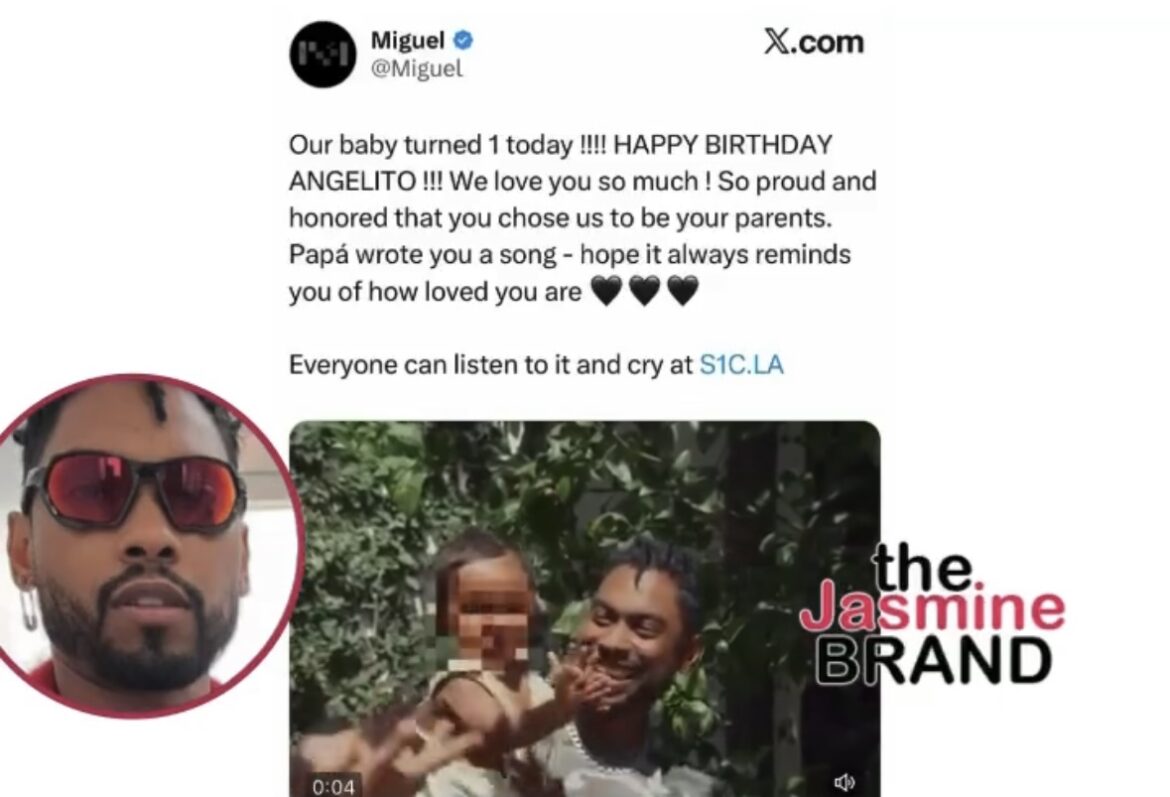
Fans were left stunned this week after Miguel revealed he quietly became a father, sharing the news with a touching Instagram post on his child’s first birthday.

“Our baby turned 1 today! HAPPY BIRTHDAY ANGELITO!” the singer wrote alongside a heartwarming video showing him gently holding his baby and guiding them to lift one finger. “We love you so much. So proud and honored that you chose us to be your parents. Papá wrote you a song—hope it always reminds you of how loved you are.”

The baby’s face was blurred, but the joy on Miguel’s face was unmistakable. Zhang, a 32-year-old filmmaker and Miguel’s partner is reportedly the child’s mother.

Fans flooded the comments in disbelief, with many expressing how shocked they were that the singer kept the news private for a full year. Some even questioned the timing of the announcement.

Nevertheless, Miguel seems overjoyed with his new role as a dad. What are your thoughts on this big reveal?


September 10, 2025 0 comments
0 FacebookTwitterPinterestEmail
Mark Ronson
Music

Mark Ronson Talks New Memoir ‘Night People,’ Nineties New York

by jummy84 September 9, 2025
written by jummy84


G
hosts of late nights past haunt the streets of downtown New York. Mark Ronson can see them everywhere: In Tribeca, there are remnants of New Music Cafe, where Ronson made the jump to flyer-billed headlining DJ at a party called Sweet Thang in his early twenties. That same address, where Brooklyn legends Jay-Z and Notorious B.I.G. heard him play — and where he became the first DJ to drop “Hypnotize” before its official release — became an oyster restaurant a few years back. That’s gone now, too. But Ronson remembers it all. 

“I have so many memories of pulling up to the club and seeing everybody already on line, excited for the night ahead,” the DJ turned Grammy Award-winning producer recalls. Night after night, he came to understand the difference between people who enjoy a night out and night people — and he writes about it in his memoir Night People: How to Be a DJ in ’90s New York City. 

These days, Ronson is a bit of both. Now 50, a husband, and a father of two, he carries the memories in his bones quite literally: He has chronic neck problems and inflamed joints from countless nights spent hunched over turntables. It’s in the music, too. 

“I hear Busta Rhymes ‘Put Your Hands Where My Eyes Could See,’ and I’m instantly back in this club called Rebar on 16th and Eighth. I can smell the fucking stale beer on the floor,” Ronson says. “Music, even more than other forms of art, stays in your body because the bass and things like that somehow change the molecules in your body.” 

You have so many memories tied to these locations that shuttered or that don’t exist in the same capacity that they once did.
The book is about a lot of things. It’s about DJing, and it’s about going out and partying and the ups and downs of that. And then it’s all about New York in the Nineties. But it’s very much like a ghost story in some ways, because it’s a New York that doesn’t exist anymore, especially downtown New York. It was so different in those days. Some of those clubs opened and shuttered five times, even in the course of the Nineties when I was DJing. 

Editor’s picks

New Music Cafe was the first place where I DJed, and Biggie would come down. I remember the first time he brought Jay-Z down, and Jay-Z only had, like, two songs to his name. He was the prince of New York, Biggie was the king. It was all these amazing things. I was a 21-year-old kid and the people from my record sleeves are coming to life and just populating the party. Whenever I walk past that building, it’s really crazy because I have so many memories from it, no matter what’s in there now. I’ve lived in Los Angeles for a little while, I’ve lived in London. Whenever I lived in New York, I’ve never lived more than 10 blocks from this one place. It’s always in my life. The very end of the book is me walking around downtown with my two-year-old daughter strapped to me in a BabyBjorn, seeing all these shuttered places and trying to remember names. Whenever I walk past that place I get a charge. It’s like when you have that static cling and your T-shirt lifts. There’s something about it.

What’s it like when you recognize someone, but you can’t place the face or the name? Are there people you wish you kept in touch with?
For the book, I interviewed like 150 people, because I knew that there was so much exciting shit going on around me, but I was stuck in this fucking booth most of the time. Some of the clubs were just some weird ass thing where you’re in the corner and you can’t even really see past there. That] night Biggie came in the club,  I could feel the energy, because it’s almost like the whispers would just become deafening. And then I was straining my neck trying to fucking see where he is. Frank, who was at the door, [told] me this insane story that Biggie rolled up with 50 dudes  and they’re holding all sorts of stuff. He’s like [to Biggie’s crew] “Put that in the car” — guns, swords, whatever the fuck. But Biggie was just so cool. 

Related Content

He knew that he wasn’t gonna get 50 of his boys in right away, but he stood there for like an hour with a big wad of cash he’d give Frank every five minutes to let a guy in. He waited till his entire crew was in. I wanted to paint that scene as vividly as possible. That meant talking to whoever was at the club that night. So I did reconnect with a lot of people from that era while writing the book, and it was nice. But yes, there’s people that I walk past on the street and I’m like, “I remember that person, or do I even know them?  Do I just remember that they were dancing there all the time?” It’s a bit of a ghost story. 

One of the standout scenes in Night People is when you dropped “Hypnotize” for the first time in a club. What was that moment like?
It was so crazy. Part of the reason I think that I wrote the book was because kids kept coming to me like, “You were in New York in the Nineties?” This was maybe five to seven years ago, before Tyler, [the Creator] and a lot of people paid homage in their own ways. But I was just like, “Why are these kids obsessed with the Nineties?” I was in the Nineties, and we thought the Eighties sounded so cool. The Nineties didn’t even sound that great. But then I understand why it’s fascinating, why it’s important, in hindsight, because it was this era in New York of Wu Tang, Biggie, [A] Tribe [Called Quest], Lil’ Kim. Even Missy and Timbaland, who were from Virginia, Pharrell and Chad [Hugo], they were all in the clubs and they were coming to New York to make records — oh, and this guy Jay-Z. New York was the epicenter at that moment. It was a really exciting place to be.

Biggie would be in the club sometimes because I was playing. It was at that same party on Canal Street. There was a promotion guy from Bad Boy Records. Because I had the hot party on Tuesday, he came through with this acetate — which is a straight-from-the-factory piece of vinyl that could only be played 10 times and fucking self-destructs or something. He was like, “I got the new Biggie. You can’t keep it, but I can let you play it right now and then I have to take it to [Funkmaster] Flex.” I put it on, heard a tiny bit of it in the headphones, and then just dropped it. The whole club was just like it had been hit by a meteor. There was something so sacred and special about this thing. It was maybe on the radio once, but for the most part, 400 or 500 people are hearing this song all at the same time for the very first time. When it’s a fucking incredible song like that, you could feel the molecules in the room change. It was like this fucking 500-person orgasm or something.

What was the catalyst for wanting to do this book in the first place? 
I was worried that the longer I held on to these stories, the hazier they would get. Blu Jemz — my great friend who passed away four or five years ago, who the book is dedicated to — used to hang and DJ at this place called Le Bain. After he passed away, Le Bain wanted to throw a party. I was gonna DJ that night, and I remember sitting around in my room with all the records around. I’m like, “Why do I even keep these things?” There’s something that’s still meaningful to me about these old hip-hop 12-inches. They were just instantly conjuring stories.

Early in the book, there’s a moment where you mention your first club experience, which was Keith Haring sneaking you and Sean Lennon into Area.
There was this really iconic club in downtown New York called Area in the Eighties, and it was where the art world and hip-hop and everything came together. I don’t know how much they “snuck us in” — we weren’t in his coat, but obviously we’re 12 years old and not supposed to be there. Sean’s mom, Yoko, was good friends with Keith. I do remember just being in this very dark room, this ashy carpet, crawling around on the floor, running in between grown ups — just doing shit that we weren’t supposed to be doing, but feeling the fun, mischievous energy of what nightclubs do. I wasn’t sneaking cocktails and downing them or anything, but it just felt a little electric. 

You describe Sean moving away as your first heartbreak, in a really sweet way. What was the significance of being able to share these memories with him?
Because the book is really about clubs and stuff, when I was writing I was like, who cares about my fucking childhood? Like, just skip to the club shit. But I realized I had to give a little bit of context, because I grew up in this crazy house. My parents were, God bless them, kind of party animals. I remember being a kid in England and waking up in the middle of the night, and there’d just be 50 grown ups in the house. Waking up to go to school at seven in the morning, my dad is still up playing chess with fucking Darryl Hall or some shit. When we moved to New York when my parents split, my mom married a musician, my stepdad, Mick [Jones], so kind of the same thing. I realized, I didn’t just get this suddenly, this fucking draw to the night by myself. Part of the book being called Night People is exploring that. What makes us all drawn to the night? 

I used to play music with Sean, he was my best friend growing up. He went to go to this fancy boarding school in Switzerland and I was kind of like, what the fuck do I do now? I’d put together this other band, and we just played high school parties and bars on Bleecker Street. But I wanted to get us this big gig for this thing called the New Music Seminar that used to happen in New York. It was a week-long showcase where all the big bands would play. I ran up to this guy who threw this big night, he had Arrested Development and all these other people. I was like, “Yo, you should have my band play.” We had the worst band name. It was called the Whole Earth Mamas. And he was like, “What’s your band called? Mother Earth Garden Bistro or some shit? No, sorry, you can’t play our thing.” And I [said], “What if I get my friend Sean?” “Sean who?” I was like, “Sean Lennon.” So he came up, but actually the gig was a bit of a disaster. I always felt bad because I sold out my friend to get this gig and whatever else happened. I realized I never told Sean this story. He was like, “I don’t remember if you really told me, but it’s vaguely familiar, and I love you. It’s so obvious why we’re friends.” So Sean forgave me. 

When New York Magazine put you on its cover in 2000 and called you “The King of Spin,” the profile mentioned a moment where Sean is telling this story about you both hanging out with Michael Jackson. The way that he tells it is so different from the way that you tell it in Night People.  
Really? What does Sean say?

He’s like, “He was in town during the Bad tour and we got him to record this melody. We turned it into this song and we showed it to Roberta Flack.” It was this whole thing, and you’re like, “Michael Jackson wanted to throw wet tissue at the walls.” 
He did. Michael Jackson was friendly with Sean, because Sean was Sean Lennon. He was so sharp and witty. He had this magnetism. People were drawn to him and he had all these cool friends. I remember Steve Jobs would come over to the house and be like, “I have to show Sean this new computer that I designed.”

Michael Jackson was over during the Bad tour, slept over at Sean’s, and he was running up and down the hallway at the Dakota. He just wanted to throw soggies out the window. Soggies are when you take a giant mound of wet toilet paper and then just chuck. Sean lived on the seventh floor. He wasn’t chucking [them] at people, but it was hitting the street and sounding like bombs were going off. In my mind, I was like, “This is all really fun, but I just need to get a hit song out of Michael Jackson. That’s all I care about. I was already, I guess, at that age more producer-minded.” I remember me and Sean being like, “Michael, Michael, sing us a bass line!” I’ll never forget, he did the whole thing, like the hand out with the snap, and started to sing this bass line. That’s how he wrote music. He usually didn’t write stuff down. He would have somebody come and he’d sing them all the parts, at least that’s what I heard. We went back to my studio the next day — my stepdad had his home studio — and we made this song. It was pretty much just seven minutes of [Michael singing the bassline]. Thinking about it now and while I was writing the book, I was like, “Oh, he just kind of gave us some ‘Smooth Criminal’ leftover.” But whatever, it’s still a bassline from Michael Jackson. We put some horns on it, some sample Eighties horns. That night, we went to the Michael show. And because Sean also lived in the same building with Roberta Flack, she took us to the show. I know these stories sound so fucking crazy. Sean was like, “Roberta, listen to this song that we made! Michael gave us this bass line!” After the third minute, she’s just like, “I mean, it’s the same thing for a while, but James Brown did that. So you never know!” She was just trying to be friendly. And I think after like one more minute, she [hit] eject.

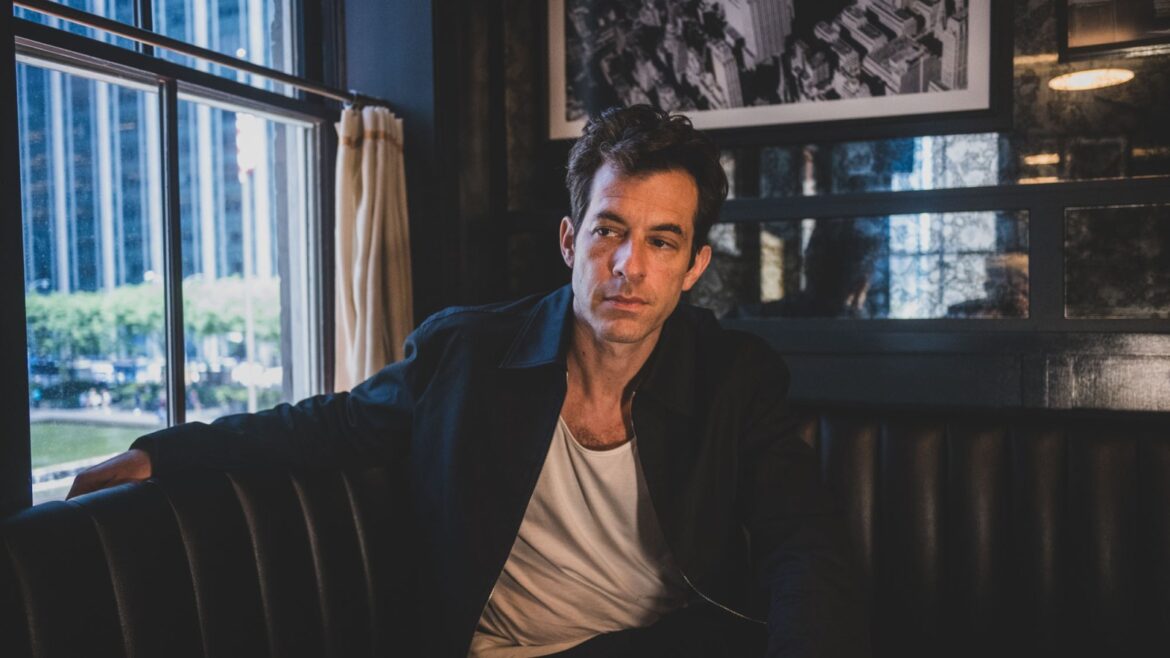
Photograph by Sacha Lecca

There are definitely certain moments throughout the book where it sounds like a Mad Libs, where you’re just filling in the craziest name in the most ridiculous scenario. 
I didn’t even tell anyone at school the night that we hung out with Michael, because even I knew, at 13, at some level, that kids are just gonna fucking hate me. Even the fact that when the book started, Q-Tip is this hero, and DJ Premier is his hero, and I maybe brush shoulders with them in a record store or something. But they’re just these gods. Then somehow, by the end of the Nineties in the book, Q-Tip and I are friends and DJing together. And DJ Premier, my producer hero, comes in the booth while I’m playing this song — the first record I produced, Nikka Costa — and he was like, “What is this?” I really thought he was coming in to be like, “Who made this? Who stole my whole style? What is this fucking shit?” Because he was so influential to me, in my mind, it sounded like a disciple of his. And he’s like, “This shit is hard.” For three minutes he was bobbing his head. To even have those experiences that I had, even at that age, is really, I understand it’s very lucky.

You mention feeling like the elder people within this scene thought that you hadn’t paid your dues because your rise happened so quickly. But then you get a moment where Kid Capri is DJing and they want to take him off so you can get back on. What was that dichotomy like? 
I started around 18, playing five nights a week and just being so devoted to it and ambitious. By the time I was 21 or 22, Puffy had completely changed the face of New York. There was no way not to talk about it, even with everything going on. To try and just pretend that that didn’t exist and Puffy didn’t have something to do with how New York changed at times, and even how it helped my career, would have been insincere, even though I didn’t have a lot of personal interaction with him. I was hired by his guys and as long as he was dancing, I knew I was good. [Ronson opened for Kid Capri at Sean “Diddy” Combs’ 29th birthday party at the former Manhattan’s Merchants Exchange.]

There was this moment that happened in New York, Jay-Z and Damon Dash just coming in. All these clubs downtown that were these kind of exclusive, boring, model-type hang spots just suddenly were on fire and so many hip-hop parties. I was there at that moment. The biggest DJ before my era was Stretch Armstrong, and then after me, there was this incredible DJ that a lot of people know, DJ AM. There was just this little moment in1997 to 2001 or whatever the fuck. This was my zone. It was amazing to be playing sets with Grandmaster Flash and Funkmaster Flex and DJ Enuff and Kid Capri — legends, you know. I kind of forgot all about it, really, because I’ve done a lot of other shit since then. I’ve drank a lot, and I did drugs and my brain is a cloudy mess at times. But to go back and relive that thing and be like, “Oh, that was fucking cool.”

What was the process of going back and putting yourself into that headspace of these heavier moments? There’s one scene where you’re 20 and you think you’re having a stroke.
There’s a lot of memories that I remember quite well. There’s some that are a little more hazy. Luckily, all the ones where you think you’re about to die stay in your head a little bit more. I would have this thing where I was so ambitious, I could keep all my partying under control to some extent. I never was fucked up at the gigs. I cared too much about it. But four o’clock, lights on, I was off to the after hours to fucking, — not every night — but definitely get fucked up and party. I started to have these weird, insane anxiety attacks. Especially because of family history and stuff like that, I’d do drugs but then instantly have this weird guilt and shame and anxiety around it. I remember one night, some friends had drugs, and we all did it. I thought I was, 30 seconds later, having a heart attack. I found out the next day that it was talcum powder. 

I was clearly aware that this was psychosomatic. I didn’t set out to make the book that personal. When I started, I was like, this is just a DJ book and it’s gonna be about this time. Then I was like, I can’t call this book Night People and talk about all the shit that makes us want to go out at night — not everyone was going out to get fucked up. People were going out to commune and be around other people. Some people just loved the music. They wanted to dance. But there were a lot of us who were going out because we were broken. Night gave some people an extra coat of armor, or swag, or whatever you want to call it. If your life was kind of fucked up, you could leave all your daytime shit behind and go out at night. I try to say in the book, there’s people who enjoy a night out, and then there’s night people. There’s the balance. But for the people that I knew that really became my crew and my family at that time, we were all lovingly sort of derelict and a little cracked in our own ways.

There’s a lot of grief attached to that, as well. Before you decided to put all of this in a book, how often were you sitting around and catching up with people and telling these stories? 
Because each chapter is a different era, different people, I remember being like, “Oh, I’m gonna call [this person] when I get to that chapter.” And two or three people that I was really close to in that time passed away while writing the book. The book is dedicated to AM and Blu Jemz, who was the best night person I ever knew. He had a label called Night People, and the spirit of him is in this book. Fatman Scoop, DJ Neva, there’s lesser known DJs like my friend Paul Nice, Mister Cee — all these people that come in and out of the book were alive when I started it. There’s something obviously sad about it. Hopefully, there’s a way that they’re celebrated and remembered through their music and what they did and maybe this book. 

There’s one scene in the book where you throw a track on so that you can go see Missy Elliott and Timbaland with Aaliyah for a moment and then run back. Take me back to that and thinking, “Do I risk messing up the flow of this crowd just to have this moment?”
When I met Aaliyah for the first time on a Tommy Hilfiger shoot, she had already made “One in a Million,” and it was already one of my favorite records. I remember just being like, “Holy shit, I’m not even really gonna look at her.” Even for the people that I had been around, she felt like another world. It wasn’t someone I knew from the clubs around New York that happened to be famous. She was just so sweet and just radiated this amazing [energy]. 

We started talking and a little bit later, we did the pictures. It’s that one where she’s behind the booth. We took a lunch break, and she came over and she wanted to fuck around with the turntables. They were still hooked up, so she was scratching. I think there’s a picture of it that’s an outtake. I just remember being like, “I’m gonna use this moment to ask her a thousand questions about Missy and Timbaland.” I had started to make beats and stuff. I had no idea what I was doing, but they were like heroes. She was just like, “They’re just cool,” as if she’s talking about her favorite aunt and uncle or some shit, not amazing alien geniuses. 

So one time, a year later — I got to be friends with Aaliyah, we hung out on other occasions — I was DJing this party at the Manhattan Ballroom. I was on the balcony, and I see these two towering dudes coming towards me with this little person in the middle. And I was like, “Oh my God, it’s Aaliyah.” I was like, “What are you doing here?” She’s like, “Oh, I’m going up to the studio.” The studio that Missy and Timbland worked at that time was in Manhattan Center in that building. She was like, “Come upstairs!” I was looking down at 300 people dancing on the floor at some party I’ve been paid to play, not just go take a 20-minute bathroom break to go meet some famous people. And I was like, “I’d love to, I can’t.” She walks away and she turns back and gives me this one last look like, “What are you doing?” 

So I’d put the longest record that I had on. I think it was Donna Summer, or Diana Ross. something. I was like, “Fuck it. I don’t know if it’s gonna be long enough, but I’m not missing this opportunity.” I ran up and she took me in, just really briefly. It was my first time in a really big, fancy recording studio like that, like a modern one, other than maybe being with my stepdad. Timbaland was on a StarTech and there was a beat playing super loud. Missy was on the couch, and Aaliyah just went and sat next to her. She started singing something in her ear, whatever the melody was. And then I was just like, this is fucking crazy. I hung for three minutes and ran back downstairs. I got back in time. No one knew. It is crazy to think that these people who feel so present — Aaliyah, you walk around New York and there’s no way you’re gonna make it to Fifth Avenue without seeing her on a T-shirt and her music has just never been more relevant. Of course, we all wish she was here. It’s amazing to think what she would still be doing if she was, but because of her music and how larger than life her legacy has been, it’s like she also does still feel here.

You appeared in Aaliyah’s “More Than a Woman” video. What do you remember about shooting it?
I just remember I’m wearing these really kind of cheesy tinted shades, but that I thought looked so cool at the time. I remember Aaliyah calling me and being like, “I want you to come be in the video.” I just remember being like, “I really don’t want to fly out to L.A. for the day, but it would be nice to see her. Fuck it. Why not?” I think it was maybe a week or two later that the plane crashed. I’m obviously so grateful that I did, because that was the last time that we got to hang out.

What was it like revisiting the music from that time?
Music was almost my best friend and tool creating this. Some of these things are from 30 years ago. Some of the memories are hazy, but music just does something to your body. When I was trying to was trying to remember things, I’d listen to a certain song, a Tribe song, or Busta song, and it was instantly like, “Oh, right, it was in that room, and there was this guy down there smoking a cigarette looking up at me when I dropped the record, and then he dropped his drink because he put his hands in the air.” The records were so important. I didn’t put the celebrities or the famous people stories in as a hook to draw people in. It was more just like, those are things that happened on that night. But the music was the most important thing. 

With this book, there’ll be people who will pick it up and be like, “Where’s Amy? Where’s Gaga? Where’s Bruno? What is this fucking Mark Ronson book?” It’s obviously about a time before I was really successful in some ways, or certainly before I had any celebrity — I mean, at least outside of a little circle of New York. I really wanted it to be about the music. I remember some DJ said something funny that was like,  “When I try to talk to my grandmother about DJing, all she understands is a wedding DJ or Calvin Harris.” But there’s also this thing in between of what I was back then, which was a gigging DJ, going to work playing shit because you love music, and you need the check, and you’re dealing with all the hassles and fucking cokehead club owners and lunatic drunk people making requests. But you just do it because you love it. And then some nights you go home having the best energy. Some nights you go home as lonely as you could ever feel. And just to get across that feeling of being a DJ, the music side was important to at least try and paint as well as I could. 

Trending Stories

Is there an album coming? A Late Night Feelings follow-up? 
I’ve been working, so hopefully something. 

How much were you thinking about legacy while writing, or your oldest daughter and reading these stories?
I didn’t really think about that till I was nearly done, and then I was like, “God, is this something that I would want her to read?” I’m sure for her teenage years, she’ll just be like, “My dad’s lame, I’m not gonna listen to or read anything he did.” But I don’t know. She’s just obsessed with music now. She has a little record player with her 45s that she listens to. She’s so into putting her records on, and she’s transfixed by the whole thing. But, yeah, definitely not trying to breed a whole crew of DJs.

September 9, 2025 0 comments
0 FacebookTwitterPinterestEmail
Newer Posts
Older Posts

Social Connect

Facebook Twitter Instagram Pinterest Youtube Snapchat

Recent Posts

  • 2009 feels like a whole other world away

  • Watch Ariana Grande and Jimmy Fallon Perform a History of Duets

  • Spotify’s Joe Hadley Talks ARIA Awards Partnership

  • Nick Offerman Announces 2026 “Big Woodchuck” Book Tour Dates

  • Snapped: Above & Beyond (A Photo Essay)

Newsletter

Subscribe my Newsletter for new blog posts, tips & new photos. Let's stay updated!

Categories

  • Bollywood (1,929)
  • Celebrity News (2,000)
  • Events (267)
  • Fashion (1,605)
  • Hollywood (1,020)
  • Lifestyle (890)
  • Music (2,002)
  • TV & Streaming (1,857)

Recent Posts

  • Shushu/Tong Shanghai Fall 2026 Collection

  • Here’s What Model Taylor Hill Is Buying Now

  • Julietta Is Hiring An Assistant Office Coordinator In Dumbo, Brooklyn, NY (In-Office)

Editors’ Picks

  • 2009 feels like a whole other world away

  • Watch Ariana Grande and Jimmy Fallon Perform a History of Duets

  • Spotify’s Joe Hadley Talks ARIA Awards Partnership

Latest Style

  • ‘Steal This Story, Please’ Review: Amy Goodman Documentary

  • Hulu Passes on La LA Anthony, Kim Kardashian Pilot ‘Group Chat’

  • Hannah Einbinder Slams AI Creators As “Losers”

  • Facebook
  • Twitter

@2020 - celebpeek. Designed and Developed by Pro


Back To Top
celebpeek
  • Home
  • Bollywood
  • Hollywood
  • Lifestyle
  • Fashion
celebpeek
  • Music
  • Celebrity News
  • Events
  • TV & Streaming