
Now Hear This is a monthly A&R column that provides you with exciting new sounds we discovered through the innovative new music platform Groover.
Each month, you can expect a varied bouillabaisse of songs from a vast spectrum of artists from all over the globe, regardless of genre or geography.
In November, we hope to introduce you to an impressive and wide-ranging array of talented acts including a band of masked marauders of modern-day trap metal (FVRIA), a Swedish blues siren with a sweet tooth for the ABBA and the Allmans (Linn Holmes), a genre-bending funk-rock group from Seattle (Furniture Girls), wizened West Coast hip-hop (Anwar Supreme), an 11-year-old rhyme prodigy (Young MP) and the lost single of a celebrated band from Athens, Georgia’s post-punk ’80s among others.
Who knows, your next favorite act could just be a read away.
FVRIA
Sounds like: A sonic end-of-the-world party where Wu-Tang Clan, Morbid Angel and Atari Teenage Riot are played at equal volume.
Interview:
Describe your approach to music and how you would explain your sound to others.
Our approach to music is about breaking boundaries and blending worlds. We fuse the raw intensity of metal, the hypnotic rhythms of trap, and the chaotic energy of electrocore to create something entirely new — something we call FVRIACORE. As we say in our biography, “FVRIA doesn’t play music, we weaponize it.”
How did you come up with the name of your act?
We create furious, intense music that channels raw energy and power. FVRIACORE is essentially a condensed form of “furiousness,” capturing that unstoppable force in just one word. But beyond the aggression, the name also evokes fury or rage. It can push you, like the rage you feel when giving birth or destroy you, like the rage you feel like are seeking revenge.
What are some artists and albums that have informed your creative direction?
Each member of FVRIA has their own references :
DON VALENTINO (Beatmaker/DJ) :
Slayer « Seasons in the Abyss » – Wu-Tang Clan « Enter the Wu-Tang » – Atari Teenage Riot « The Future of War »
5T3MVTZ (Drummer) :
Morbid Angel « Blessed are the Sick » – Body Count « self-titled » – Judgment Night « The Soundtrack »
MISS K (Singer) :
Flohio « No panic No pain » – Gesaffelstein « Aleph » – Korn « Follow the Leader »
What’s the most exciting thing happening in music right now?
Ho99o9, Slay Squad and obviously us.
Where do you see the music world heading in the next five years?
We believe AI is a real threat that could destroy the artistic world as we know it. That’s why FVRIA is like Sarah Connor facing the T-1000 — fighting back using these same technological weapons and refusing to let creativity be taken over by this tech takeover. We’re here to resist and keep the raw, human spirit alive.
How is music helping you during these uncertain times?
Times have always been uncertain, only death is not. So let’s celebrate the end of the world with our fat hard trap metal punk techno distorted beats.
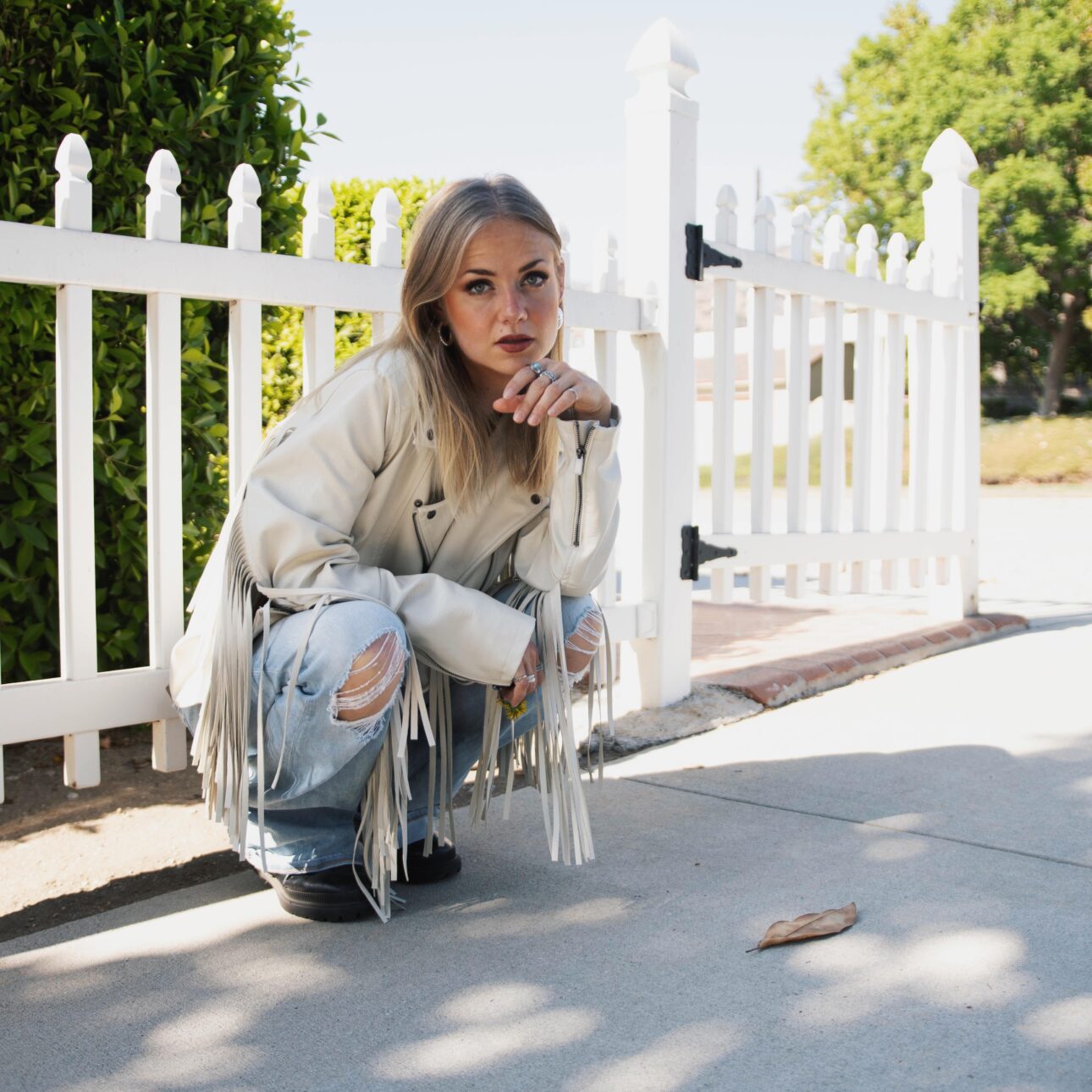
Linn Holmes
Sounds like: Searing Hendrixian blues rock from a talented belter with an equal affinity for ABBA and the Allman Brothers Band and excellent taste in collaborators.
Interview:
Describe your approach to music and how you would explain your sound to others.
Coming from a background of rock, blues, rock, gospel, classical music and lots of ABBA — I think all those influences intertwine in my writing, in one way or another. Most of the time I come into the studio with a scaled down demo I’ve written — just keys or guitar and vocal — and from there I start building the demo arrangements, alongside my producers Rev. Tom Chandler and Daniel Jakubovic. We then start tracking everything, with these amazing musicians I’ve been so grateful to have playing on my tracks.
I like the idea of taking my listeners on a little escape from reality — to take them with me in my vintage little daydream.
How did you come up with the name of your act?
My full last name is actually Holmstedt (pronounced Holmestedt). As we were getting close to the first string of releases in 2024, it was already a topic of conversation that my Swedish last name tended to get spelled wrong – my producer Rev. Tom Chandler had the idea of just cutting it in half, taking away the “stedt” and keeping the first half, but spelling it they way it’s pronounced (with an E). — hence, Holmes.
What are some artists and albums that have informed your creative direction?
I grew up with parents that were huge music fans and we always had music playing in the house. My mom sang in a gospel choir when I was growing up, we were listening lots to Mahalia Jackson, Aretha Franklin and the choir By Grace. One of my absolute earliest memories that I can recall is my mother practicing her parts in the living room, trying to teach me the parts to “Oh, Happy Day.” My dad introduced me to lots of bands that I kept on repeat for years and years, trying to learn the solos on guitar/keys and all the vocals with my friends. He gave me my first vinyls: Sweet’s Greatest Hits, The Scorpions’ Love At First Sting and Deep Purple’s Made In Japan.
Two bands that has perhaps inspired me the most throughout the years would be Fleetwood Mac and the Allman Brothers Band. I used to be such a Stevie Nicks fan — I bought all her records, cut my bangs just like hers and once went all the way to London (from Sweden) with my best friend just to see her live. Other artists that I’m hugely influenced by are Bonnie Raitt, B.B King, ABBA, Susan Tedeschi and Sheryl Crow.
If had to take three albums and put on repeat for eternity (I only know this cause I tend to ask other people that very question) it would for sure be 1) At Fillmore East by Allman Brothers, 2) The Dance by Fleetwood Mac and 3) Live at Wembley Arena by ABBA.
Yes, I am a big fan of live albums.
What’s the most exciting thing happening in music right now?
So many amazing artists releasing so many beautiful works… I’ve been playing Yola’s new EP on repeat, Samantha Fish’s new album is absolutely fantastic, Buckingham Nicks coming to streaming services…Alabama Shakes releasing new music?!?! Literally so excited.
Where do you see the music world heading in the next five years?
I’m hoping it’s to a place where music is more appreciated and celebrated. Where musicianship, songwriting and artistry will have space to grow and flourish.
How is music helping you during these uncertain times?
As for many artists, music is my outlet for my brain and my soul, whether it’s writing or listening. There is nothing that makes me feel more at peace than when writing or working on songs. It becomes my way of processing whatever life is handing me that day or week, very meditative. It’s also what makes me most excited in general, whether it’s my music or listening to someone else’s! The connection when you’re playing with people, writing with people or just singing in harmony — it’s just magic you know.
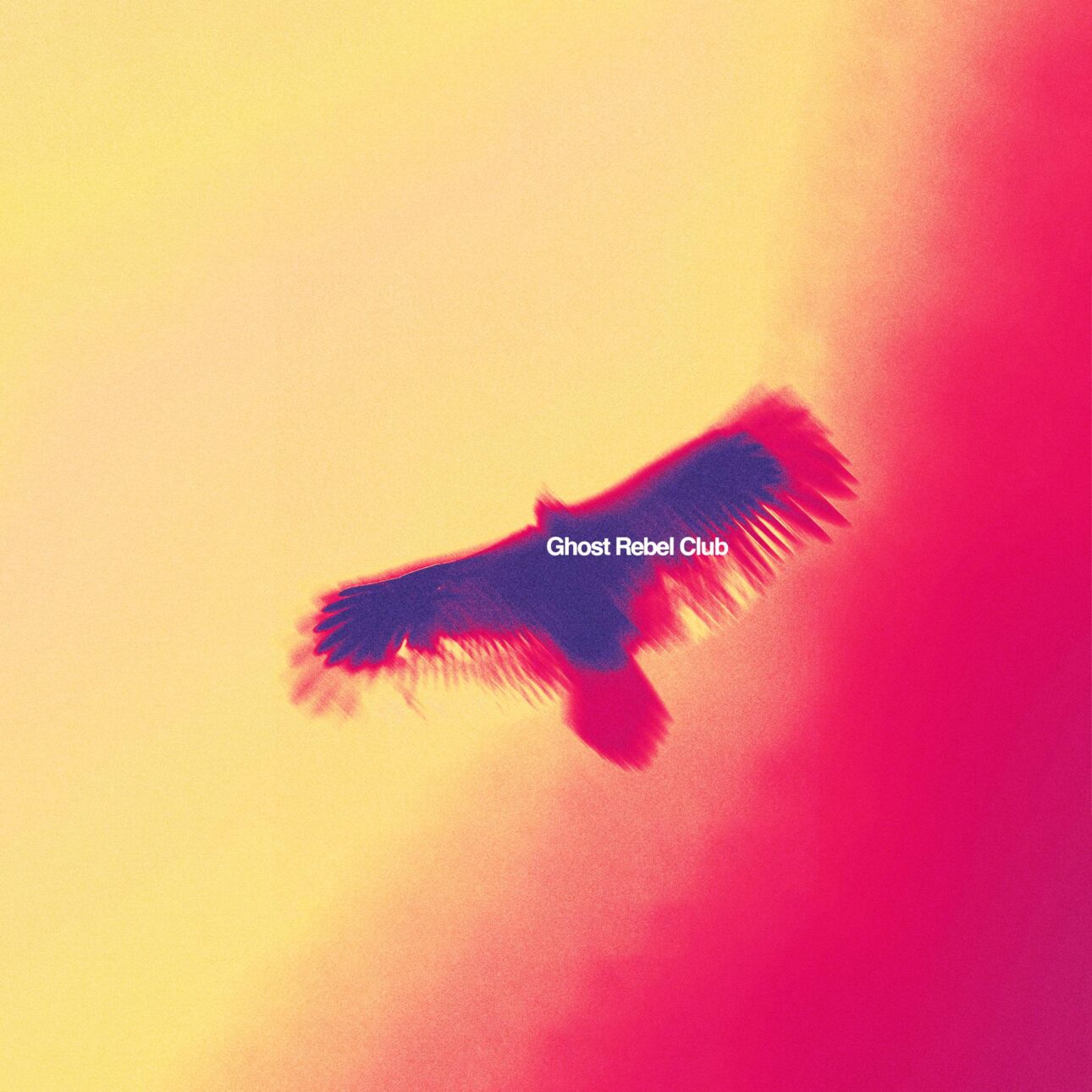
Ghost Rebel Club
Sounds like: Pulsing electronic rock manned by a single pilot engine in the spirit of Tame Impala and DNTEL.
Interview:
Describe your approach to music and how you would explain your sound to others.
My music is all about feelings, memories, and little hidden nods to things I love—like a chord progression that mends a broken heart or a sentence in a book that lifts your whole day. It’s rooted in classic rock but produced with a more modern touch — think Supertramp if Jack Antonoff was behind the desk.
How did you come up with the name of your act?
I’ve always loved stories about ghosts — not the horror kind, but the poetic kind. From the charm and wit of Ghostbusters to Mike Flanagan’s heartbreakingly beautiful haunted tales and the emotional punch of A Ghost Story. “Ghost Rebel Club” felt like the right mix of mischief, emotion, and collaboration — since it’s really a team effort with friends and musicians coming together. Also… it just sounded cool 😄.
What are some artists and albums that have informed your creative direction?
Queen’s sense of drama and playfulness, Leonard Cohen’s quiet wisdom, Nina Simone’s raw emotional truth—they’re huge for me. And I’ve got so much respect for what Taylor Swift is doing: Amazing songwriting, massive cultural impact, and she keeps pushing boundaries. It’s inspiring.
What’s the most exciting thing happening in music right now?
Chappell Roan, hands down. Her songs are spot on, and the way she brings that theatrical energy to live shows… it just feels new and exciting in all the right ways.
Where do you see the music world heading in the next five years?
AI is shaking things up for sure — sometimes in really cool ways. But if it ends up flooding us with the same recycled chord progressions forever, that’s a nightmare. I really believe people will keep craving the real thing: live music, human stories, emotions that actually resonate.
How is music helping you during these uncertain times?
Music is my well of happiness, honestly. One song you love can completely flip your mood or make you feel understood in ways nothing else can.
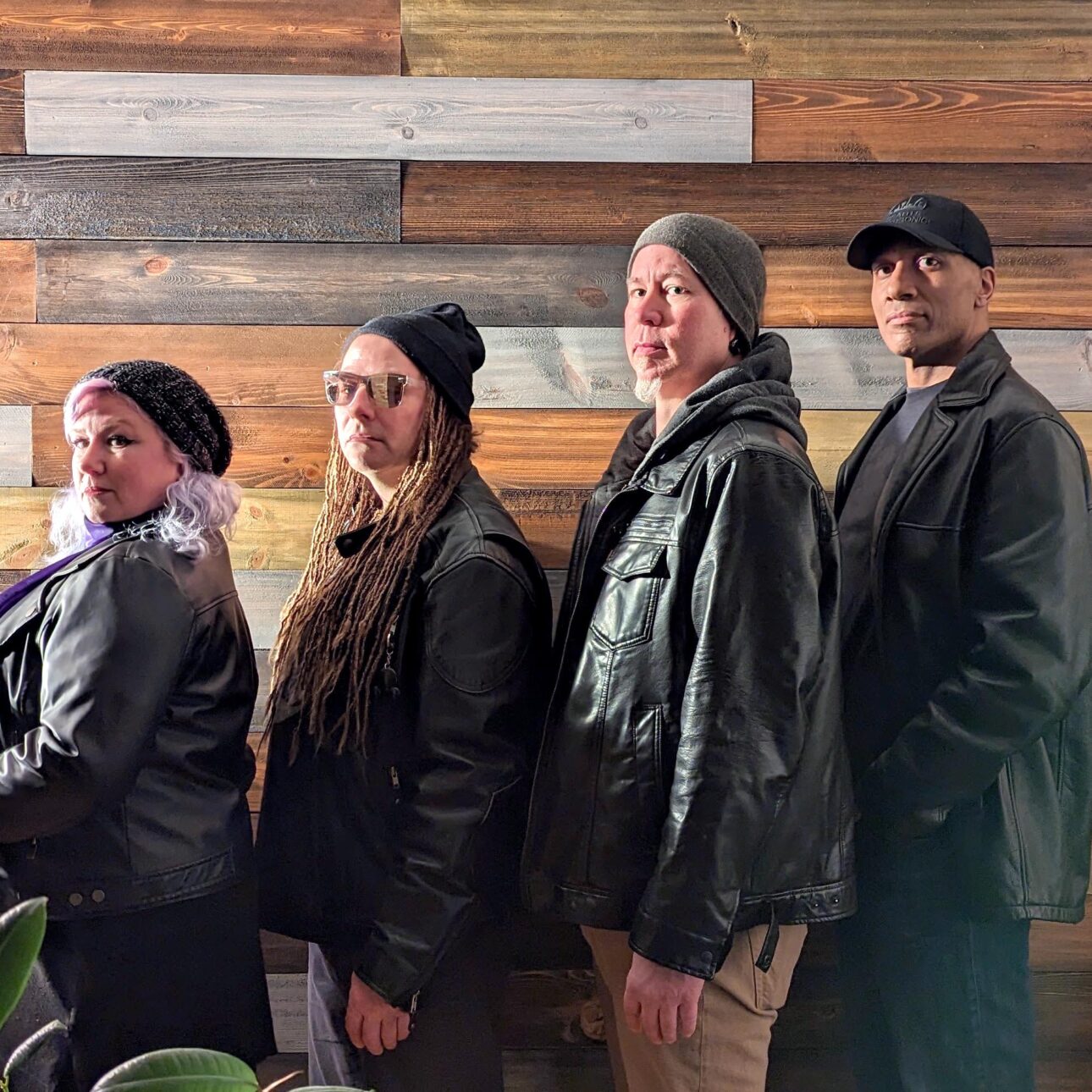
Furniture Girls
Sounds like: A genre-bending Seattle group rooted in funk and new wave but possesses the elasticity in its sound to encompass everything from hip-hop to house to hard rock.
Interview:
Describe your approach to music and how you would explain your sound to others.
Jim Watkins: In our early days, when stayC Moore and Nikki Wolgamott were the primary songwriters, our sound was pretty much defined by Nikki’s Yamaha drum machine and stayC’s Roland Groovebox. Our original guitarist/producer Bubba Jones brought in Thane Mitchell (drums) and me (bass) to add “live” instruments to our debut EP (2009) and first full-length (How I Learned to Crawl, 2010), but those drum machines gave every song an electronic/industrial flavor — and basically set the template for what a Furniture Girls song should sound like.
By the time we got to the Dreams (2014), Chaos (2015) and In Shadows (2016) era, both Bubba and Nikki had left the band and Jason Lightfoot (guitar) had joined. With stayC and Jim as the primary songwriters, our sound became much more organic, while still retaining the electronic layers that helped make us an oddball, genre-bending band in the Seattle rock scene. On our latest release, Life Among Them, everyone in the group contributed to the songwriting process, so you’ll hear each of our various influences (prog rock, hard rock, funk, blues, house, hip-hop, among others) on each song, some of which have no electronic layers at all. This new record is the most eclectic track list we’ve ever put together — it’s all new and it’s all different, but it still sounds like us. We’ve never taken ourselves or our “sound” too seriously, but we’ve always had fun making music together, so we just write songs that we’d want to listen to (even if we weren’t musicians).
How did you come up with the name of your act?
stayC: Nikki’s brother, Roderick Romero of Sky Cries Mary, was watching the 1973 movie Soylent Green one day and had an epiphany — Furniture Girls would be a great name for his little sister’s band. He shared this with Nikki and I, and we totally agreed. Even as the band evolved and members (including the number of “girls”) changed, the nerdy sci-fi appeal of the band name still stuck; more than 15 years later, we’ve never once thought about changing it.
What are some artists and albums that have informed your creative direction?
Jim: I played alto saxophone in a grade school concert band, and then picked up other instruments (that my dad kept bringing home) by learning songs from the radio and my parents’ records. Early influences were definitely Louis Johnson’s work on Off the Wall and Thriller, Anthony Jackson on Chaka Khan’s What Cha’ Gonna Do For Me, and pretty much every song James Jamerson ever touched. Once I started playing in bands, I started diving into what John Paul Jones, Chris Squire, Billy Sheehan (with David Lee Roth and Mr. Big), Flea, Geddy Lee and John Taylor were doing (or had done). All of them could use the bass to shape an arrangement and define the feel of a song without upstaging the top-line “featured” parts; choices they made when writing their lines required an unbelievable combination of dexterity AND restraint. It’s an approach that I have yet to master, but have always tried to emulate.
stayC: My tastes were eclectic, but I always leaned more into “alternative” music. When I first got into music, I was hooked on the tight harmonies and bass grooves of Duran Duran, the punk-dandy pageantry of Adam Ant, and the wild, anything-goes pop sensibility of Cyndi Lauper. As my interests grew and evolved, it was The Cure and Siouxsie & the Banshees that really shaped me early on as a songwriter. Siouxsie’s defiant, punk spirit and gifted storytelling very much influenced my writing style as a lyricist, while Robert Smith’s genre-fluid pop genius inspired the kind of music I wanted to write.
What’s the most exciting thing happening in music right now?
Jim: It makes sense that some might say it’s AI, but that’s only exciting if you love robots and hate human musicians. (I’m kidding, sort of.) The most exciting thing for me is that when it comes to music production and distribution in 2025, the walls are down – all of them. Honestly, I’ve been amazed at how much easier it’s been to record, mix, master and release a full-length album than it was the last time we did this, back in 2016. From (relatively) inexpensive-yet-pro-quality DAWs like Reaper that can make it sound like we spent weeks in a recording studio (spoiler alert: we didn’t), to sites like Groover – that help us reach a worldwide audience of potential new fans for a tiny fraction of what a publicist would charge – everything about creating and sharing music is better than it used to be. That said, it’s also a LOT harder for independent bands to get (and sustain) attention than it’s ever been before, but that’s not exciting at all. It sucks.
Where do you see the music world heading in the next five years?
Jim: With any luck, the music world will push to have copyright laws updated, so that the artists who made the music that’s being used to train all these AI models can either be compensated for their contributions, or given the option to opt out. Now that it’s here, AI music is definitely not going away, so anyone who’s ever put their music online is at risk of having their hard work co-opted (or straight-up stolen) by an AI bot. If nothing is done about that, things will get a lot harder for people who make their living making music.
Aside from that, though, we just hope that young people — younger than us, anyway — keep picking up instruments, going into shared spaces and making music — not to create “content” for their channels, not to generate likes or to go viral, but just because they want to hang out with their friends and create something new. It’s a good goal to have, and it’s one that worked out pretty well for us.
How is music helping you during these uncertain times?
Jim: It’s an escape, but it’s also the thing that helps draw me into some truly sublime moments — like when I’ve been stuck in traffic way too long, or I’m crammed into the back row of a crowded plane, or I’m alone at a pub in some unfamiliar city… and then a song that I loved back in 1998 comes on and I forget about everything else. Whether I’m creating it or listening to it, music connects (and reconnects) me to the most memorable moments of my life, more so than any other media.
stayC: I really need to lean on music more, I think. It’s a great question and reminder that music should be there for you. With so much negative in the world right now, I personally have been a bit stifled. I’m outraged and sad, but have typically shied away from social or political writings. Some of the art I create is an escape, either for myself or others, with fictional stories to get lost in. Or I will write personal, introspective pieces (masked in metaphor, of course), but I rarely try to tell others what to think or do. If anything, I tend towards cautioning tones without getting preachy. I want to be relatable as much as possible. So in the current climate, with everyone so divided, I’m struggling to find a voice in that space that can reach across lines. Music can be like a therapist, and I guess I’m overdue for an appointment.
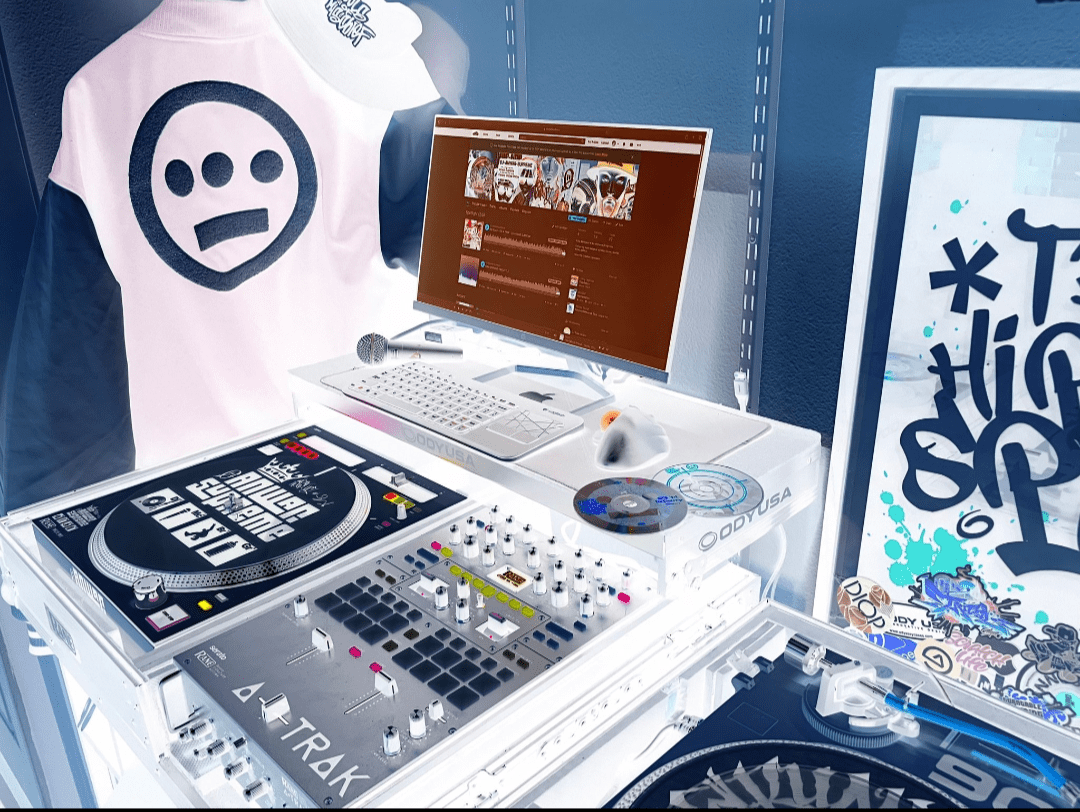
Anwar Supreme
Sounds like: Big L if he was based in California and was a member of Freestyle Fellowship.
Interview:
Describe your approach to music and how you would explain your sound to others.
My artistic approach varies. With art I try not to stick fully to format or constructs of rules. I put out what feels or sounds good and many times comes from just playing. I have many different tools and hardware machines so my music creation or structure always changes. This conglomerate of equipment and tools helps creative ideas come to form in many ways. For example, I might create a whole song by placing various sounds and loops on pads of my MPC One or My Roland Sp404sx. Once the sounds are laid out I play with them until patterns begin to form. Then I will arrange those patterns more into song structure. I also have a drum machine, the Roland Tr-8s which I can complete an entire song with, but find it more suitable for Dance or electronic music paired with a synthesizer.
When rapping I have tried writing a song first then applying it to a preferred beat, but this often leads to verse rewriting or restructuring due to writing style difference, beat tempo mismatches in writing style, or sound variation.
Often my favorite song approach when creating a complete rap song is to first have a topic, beat or beat idea. Sometimes this starts from a beat itself or a melody I might have created in my head. I often find myself beatboxing a cool melody which is the best for sometimes evolving it into songs.(example: “hip-hop Styles Flow Saucy ” was created this way). Once I have the base of the beat or melody idea I will create this and loop it. While the beat is looping and I am listening I find it superior to write or type my lyrics at this time. I am able to adjust my flow and verse structure accordingly to the beat itself and the song tempo. This approach helps for better lyrical flow to the beat you are using. Next, I break up the rap song into separate structures. For example, work on an intro, then verse 1, a hook, a chorus, verse 2, verse 3 and an outro not necessarily in this exact format. By breaking the song into sections and at times working on them as individual pieces it helps to make the task of completing songs to feel less overwhelming.
I next work on recording both vocals and back up vocals. I next create or search for breaks, sound effects, or additions to beef the overall feel of a song. I meticulously play with volumes and adjustments. Although I have various methods to music creation the above method is a good example of my approach and workflow for a Rap song.
When describing my style or sound to others I have to say “Real hip-hop” I try to keep it conscious, positive, and with a message, or something to leave the listener thinking. I like to use the Acrobatics style of rap often throwing in lyrical crafty similes and metaphors. I often accomplish my message without one curse word which seems to be rare these days.
How did you come up with the name of your act?
This is a good question. In hip-hop there is always a need for a name. Since we were kids we would make up different stage names and nicknames.
for my DJ / Producer name I started using Anwar Supreme at around 17 years old. I was making mixed tapes at the time and hanging out with DJ Friends who would DJ Weddings.
I was working at Taco Bell at the time and made the correlation to the menu that every item which was loaded with the most items was labeled “Supreme.” Burrito Supreme , Taco Supreme, Nacho Supreme etc. I thought I will use my first name and “supreme it” (Done) since then as a DJ/Producer I have used the name “Anwar Supreme” which also gives a nice Royal Transformers Robot vibe.
When I was in College, I really started to write raps and my thoughts for songs. I sometimes would write lyrics while listening to the class lectures. This gave me some confidence in my flows and began freestyling at open mics or on college campus cyphers. I then started putting out underground tracks around 1999. (Wu-Tang Clan was a huge inspiring influence at this time.)
I needed an MC name so I kept it simple. A for Anwar
A is always your best
PLAN A is always the best Choice = PLAN-A
I’m a PLAN A M.C.
PLAN-A-EMCEE
“PLAN-A-EMCEE, Always your best of Choices, you’re probably schizophrenic if you’re hearing voices.”
What are some artists and albums that have informed your creative direction?
This is a difficult question because as humans we all influence each other in some manner or other. I have been involved in hip-hop since a young boy so I grew up listening to the explosion of what we know as hip-hop from the beginning. My list would be enormous to name everyone, but I will do my best to list off who I feel were most influential in my love for rap and hip-hop.
Peace and Respect To:
RUN DMC
Beastie Boys
KRS One
Rakim
Tribe Called Quest
Gangstarr
Planet Asia
JDilla
Souls Of Mischief / Del / Hieroglyphics Crew
WU TANG CLAN
Living Legends Crew
MF DOOM
Visionaries
Mos Def
Common
Zion I
What’s the most exciting thing happening in music right now?
The most exciting thing happening in music right now is the fair playing field independent artists now have. The groundwork for independent artists is now set. There are websites, promotional tools, distribution and outlets for indie artists that were not available even 10 years ago. I think because more people are now able to create music due to technological advancements the need for independent artists to be more heard is being realized. Despite the unfair Play-to-Play algorithms everywhere around us, it is an exciting time in music for independent artists.
Where do you see the music world heading in the next five years?
Being older, I have adapted and grown over the years as music has evolved and changed with many technological advancements. New hardware, more memory, faster processors ,cool plug-ins and affordability have changed how we create music. There has been a bunch of learning over the years and we have developed skills that made us the producers we are today.
Within the last five years we have seen huge advancements in technology. For the good and bad, now anyone with a little skill can create music with the help of many new software and DAWs. The user doesn’t need to understand the process anymore. One example of this is the AI technological advancement of STEMS. Grabbing and separating musical instruments within a song and rapidly creating separate tracks of each individual instrument with the “click” of a button. The need to understand how to sample will be gone. Many of us spent hours listening to records or instrumentals just to grab a few loops which we spent hours doing and required some know how. There are now AI Tools like SPLICE making finding matching sounds to your music genre or song idea a breeze. This vast access to affordable PRO producer tools, along with AI technology, will change the game in the next five years.
How is music helping you during these uncertain times?
All the elements of hip-hop: Breaking, Graffiti Art, Mcing, and Djing serve as an outlet. hip-hop, or music, in general, is a pure form of expression. Many artists of all types will understand the need to push out creativity through some form of artistic expression. I have always been a natural artist since youth, then taking extra elective classes through high school and into college.I found art to balance the stressful load of the other courses. Hip-hop and all the elements continue to provide an outlet and serve as a tool to outlet creative expression and self-expressed energy. There is a lot of negativity in the expression seen in music today. My goal is to not only outlet my positive, creative, expression through hip-hop and being an MC, but also, to try and share a message, make others think and continue to support what I love and know as true hip-hop. Ultimately, hip-hop serves as an artistic outlet which humans definitely need during uncertain times.
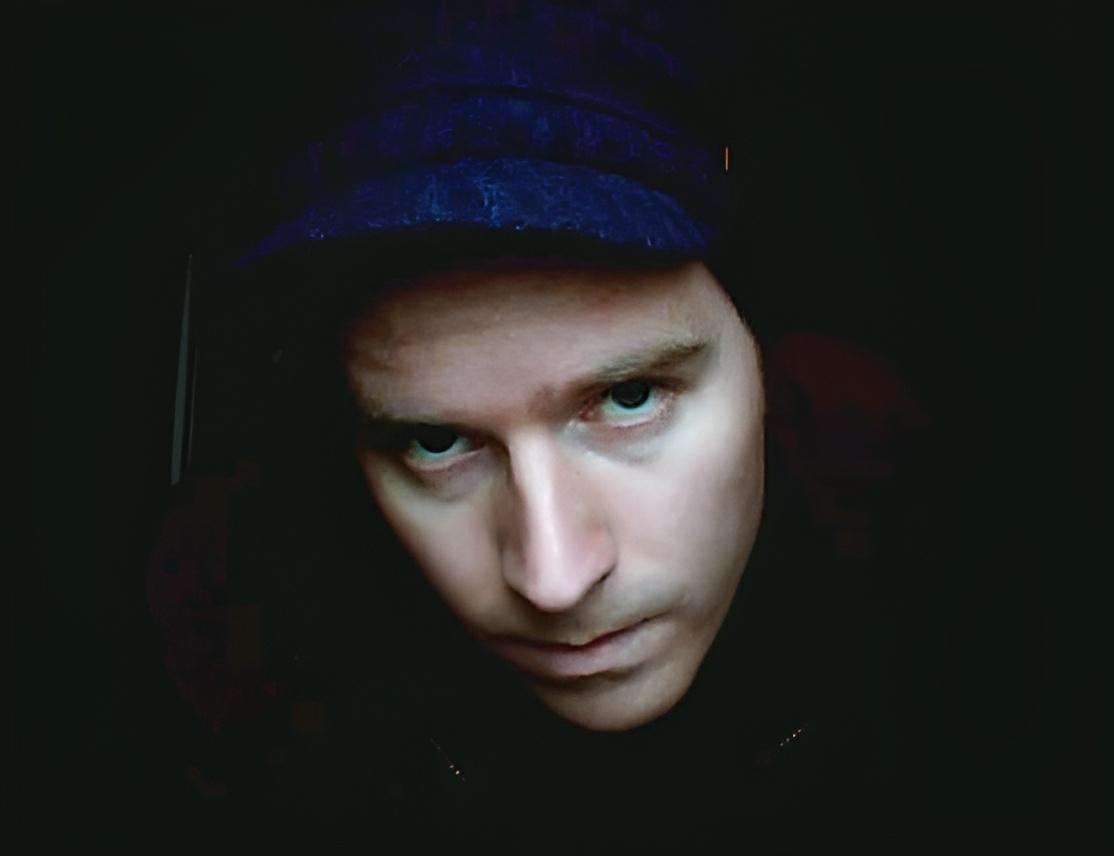
Double Yellow
Sounds like: Classic “Madchester” grooves in the spirit of such Baggy icons as Happy Mondays and the Stone Roses, albeit with more of a beat-driven vibe.
Interview:
Describe your approach to music and how you would explain your sound to others.
My musical background is pretty diverse. The first thing I wanted to do when I joined high school was start a band, so, aged 11, I got some mates together and formed Tequila, a blues band. We thought blues would be easy to pick up haha ’cause it is mostly pentatonic (made up of five key notes in the scale). How wrong we were! Wind forward a couple of decades and several bands later, living in Manchester, I decided to start my own project on my own terms, bringing people in and out. I love rhythm-dominated music and as a bass player & drummer that’s usually the starting point for me. You can hear a lot of percussion on “Life in the Slow Lane” and from the first note it sounds kind of celebratory and uplifting even though much of the subject matter is about the grubbier side of life.
I like to lean into different styles, loosely, so no two tracks will sound the same — I get so bored by bands with albums of 11 identical sounding tracks… But there’s always little things that connect the songs — it might be how I was feeling, where I was living, how my life was at that time. I think the album sounds very funky but others have said they hear indie elements and how Northern it sounds — we all hear something different in it, which I love!
How did you come up with the name of your act?
I didn’t give that much thought to it really. Bands and artists always struggle to come up with a name that doesn’t sound ridiculous, pretentious or too overthought… so I didn’t waste much time procrastinating!. In the UK two yellow lines down the side of a road means no stopping or parking. I liked the connotation of that. I also like the colour yellow.
What are some artists and albums that have informed your creative direction?
I started actively listening to music around the age of 7. I would use my parents’ old hifi to record the BBC Radio1 chart show on a Sunday night to cassette and try to hit pause during the talking — I guess I was making mixtapes..
I’ve always been drawn to rhythmic music and loved funk and blues from an early age, artists like Sly & the Family Stone, Rare Earth, Taj Mahal, Terry Reid but also really obscure deep funk by bands who maybe only made one or two records — such as Mickey & the Soul Generation or Carleen & the Groovers. Labels like Flying Dutchman, Chess, Black Jazz and more recently, BGP, Analog Africa, BBE, Jazzman, Tru Thoughts are just a few…
Also I love world music, certain types of dance music and loud guitars! I love The Black Crowes, Zeppelin, The Jim Jones Revue, Endless Boogie. This month I’ll have seen live — Level 42, Adrian Younge, Sananda Maitreya, Curtis Harding and Turin Brakes — all artists who can put on a great show! Small venues are always best!
What’s the most exciting thing happening in music right now?
There’s loads of interesting artists around — currently I’m into Makaya McCraven, MJ Lenderman, Sven Wunder, JD Beck, Binker and Moses. Take an apple from the tree and follow the branch, see where it leads…
There’s also this guy Double Yellow, who’s working on a new EP for early 2026. Can’t wait for that! 🙂
Where do you see the music world heading in the next five years?
I think it will become more polarised, especially with AI now in the mix. I guess it’ll continue to follow broader business trends where a growing proportion of the output is supplied and controlled by a smaller number of powerful institutions and leaders (often disguising themselves as independents). Even Spotify for Artists describe it as a mountain with more people than ever on the slopes and also more people at the peak – but the people low down the slopes will grow exponentially bigger than those near the top. That’s the infrastructure that has been created and fuelled by the continued boom in socials. Less music videos, more short-form clips, shorter tracks, less emphasis on albums…
If that all sounds pretty negative, the flipside is that there will always be people wanting to create and consume authentic music.
How is music helping you during these uncertain times?
As an artist, music (or any form of art for that matter) has the ability to transport you for a while and can act as a reset button, so it’s incredibly helpful for the mind and soul in the same way that using a gym can help the body.
I tend to think that all generations have had their “uncertain times” so I don’t see us as that different really, except for the pace of change, which is what I think affects people the most… worrying whether we can keep up with it.
I’m not sure whether music has the power to change society like it used to – today there are bigger things influencing change than music or “pop culture” which as we all know was a huge driver for change in the ’60s, ’70s and ’80s. Since the ’90s it seems to be technology. But on a more personal note, I think music can change us all as individuals. Like food, you have to choose carefully what to consume!
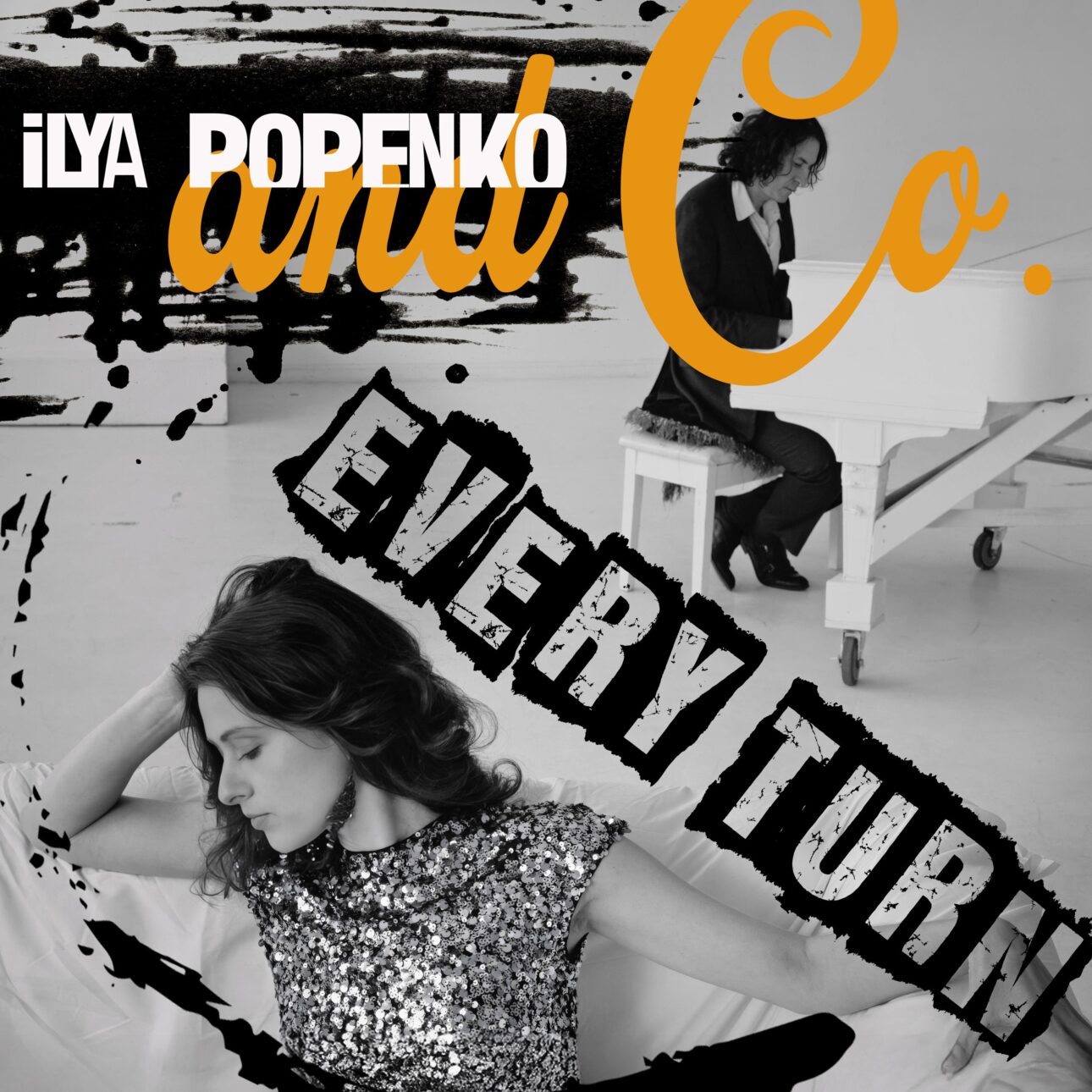
Ilya Popenko
Sounds like: Absolutely madcap solo outing from the frontman for New York rockers Mad Meg, major chord piano pop in the key of Sparks.
Interview:
Describe your approach to music and how you would explain your sound to others.
My approach to writing music heavily relies on lyrics. I look for words and phrases that sound musical or rhythmic to me and build from there. I usually start with an acoustic guitar to figure out the structure and chord progression. From that point, I have two paths to choose from.
The first is to take the bare-bones version of the song to a rehearsal with my band, Mad Meg—at which point I let go of all control and let nature take its course. Everyone in the band brings something unique to the song, and it organically grows into the version we play live.
The other path is when I arrange and record it myself, releasing it under my own name. In that case, the recording itself becomes the final product, as opposed to something meant to be performed live. I enjoy tinkering in the studio more than being onstage. Coming from a visual arts background, it’s more satisfying for me to create something lasting than something that exists only in the moment. It’s a film rather than theater.
The songs I record on my own tend to be more experimental, with fewer chord changes but a richer palette of textures. I also feature other artists on those tracks, as I did in my last two releases.
I would describe my sound as melodramatic farts.
How did you come up with the name of your act?
I read it in my birth certificate and immediately thought I should be a musical act.
What are some artists and albums that have informed your creative direction?
Here are some influential ones that popped into my head in no particular order:
Tom Waits – all albums
Johnathan Richman – I, Johnathan
Marvin Pontiac – The Greatest Hits
Squirrel Nut Zippers – Perennial Favorites
Nick Cave – Let Love In and Murder Ballads
Morphine – Cure For Pain
Johnny Cash – American Recordings
Can – Ege Bamyasi
Einstürzende Neubauten – All albums
The Streets – Original Pirate Material
Eminem – The Eminem Show
The Moldy Peaches – The Moldy Peaches
Andrew Lloyd Webber – Jesus Christ Superstar
Billie Eilish – When We All Fall Asleep…
Portishead – Portishead
Exuma – Exuma, The Obeah Man
+ A bunch of obscure and less obscure Soviet rock, folk and pop music from the 80’s and early 90’s
+ The usual package deal of classic rock acts: the Beatles, Led Zeppelin, The Doors, and so on.
What’s the most exciting thing happening in music right now?
Probably AI. Not that I like that, and not that I see it as a good thing, but it’s definitely fascinating to watch how rapidly it progresses in a way of writing music and lyrics.
Where do you see the music world heading in the next five years?
My hope is that with the rise of AI, musicians will lean into more emotional, raw, and rough around the edges material. Chat GPT, for example, made me appreciate writing that has spelling errors, grammatical mistakes, and awkward phrasing. Music is lagging slightly behind, but I think that this would be the case too. People would try to extract human imperfections from music and weaponize it — in a good way. And I don’t rule out the possibility that AI will become a tool that helps them do that
How is music helping you during these uncertain times?
To contradict myself immediately, I’d have to say that the unpredictable times pushed me towards more monotonous, computerised, repetitive and predictable music. To calm my anxiety I started listening to minimal techno which I had never ever ever ever done before. I’ll allow myself this contradiction because sometimes what you feel is not necessarily what you think.
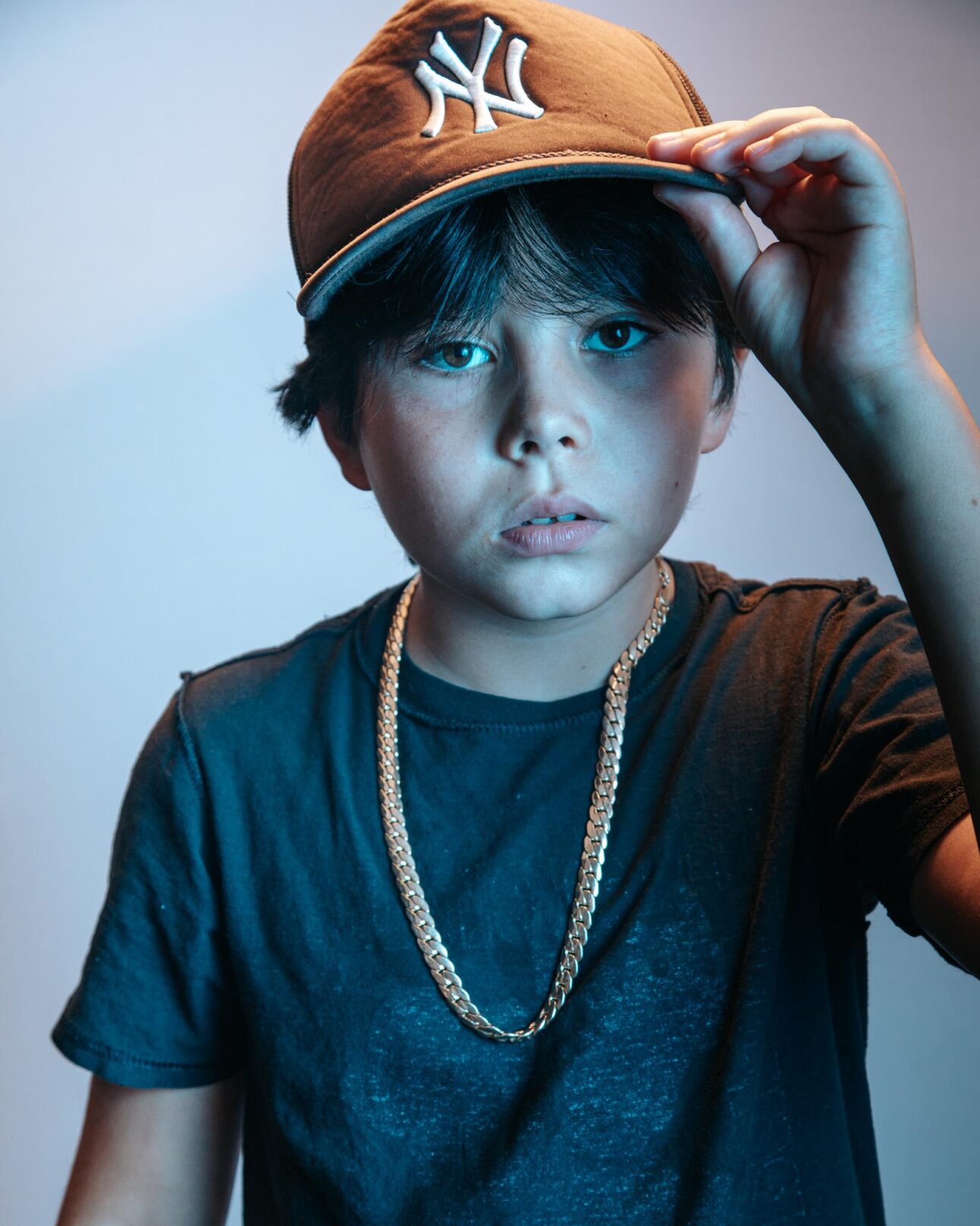
Young MP
Sounds like: A 11-year-old rhyme whiz with lyrics for days despite still being in elementary school and a feel for the rap game beyond his youth.
Interview:
Describe your approach to music and how you would explain your sound to others.
My sound is rap/hip hop. It is what I hear in my head. But my beats are more calm drum patterns. I try to have them complement each other. Producer and my godfather Ilya Popenko helped get that across in the recording.
How did you come up with the name of your act?
Young MP I thought sounded cool. My given name is Mathew Pasymansky, so I took the MP abbreviation and added Young to it since I am pretty young. I mean, I just turned 11 and started rapping when I was 9.
What are some artists and albums that have informed your creative direction?
Tyler, the Creator, Gorillaz, Kendrick Lamar and others.
What’s the most exciting thing happening in music right now?
I am kind of excited about what I created. Music started to seem different after I started writing and especially after this recording. That is what is exciting, but also new beats and the way they are made are pretty cool. I am very curious where this road will take me and the type of music that will influence me in the future.
Where do you see the music world heading in the next five years?
I see the music industry taking drastic changes in the next five years. Already since 2020 the music industry has had many new artists and types of music. DIY is where it’s at. I am thinking of starting my own label, hopefully soon. Maybe Young MP Records, after all “Young and Talented EP” I released from that label name.
How is music helping you during these uncertain times?
Music is just fun for me, I didn’t start making music cause I was sad or anything. I did it just to put my work out there for someone else. I feel rhythms of the words in my head and when I put them down on paper, the collage makes sense. That is what makes it fun and like breathing. Give me a beat, and I can come up with a rap on the fly.
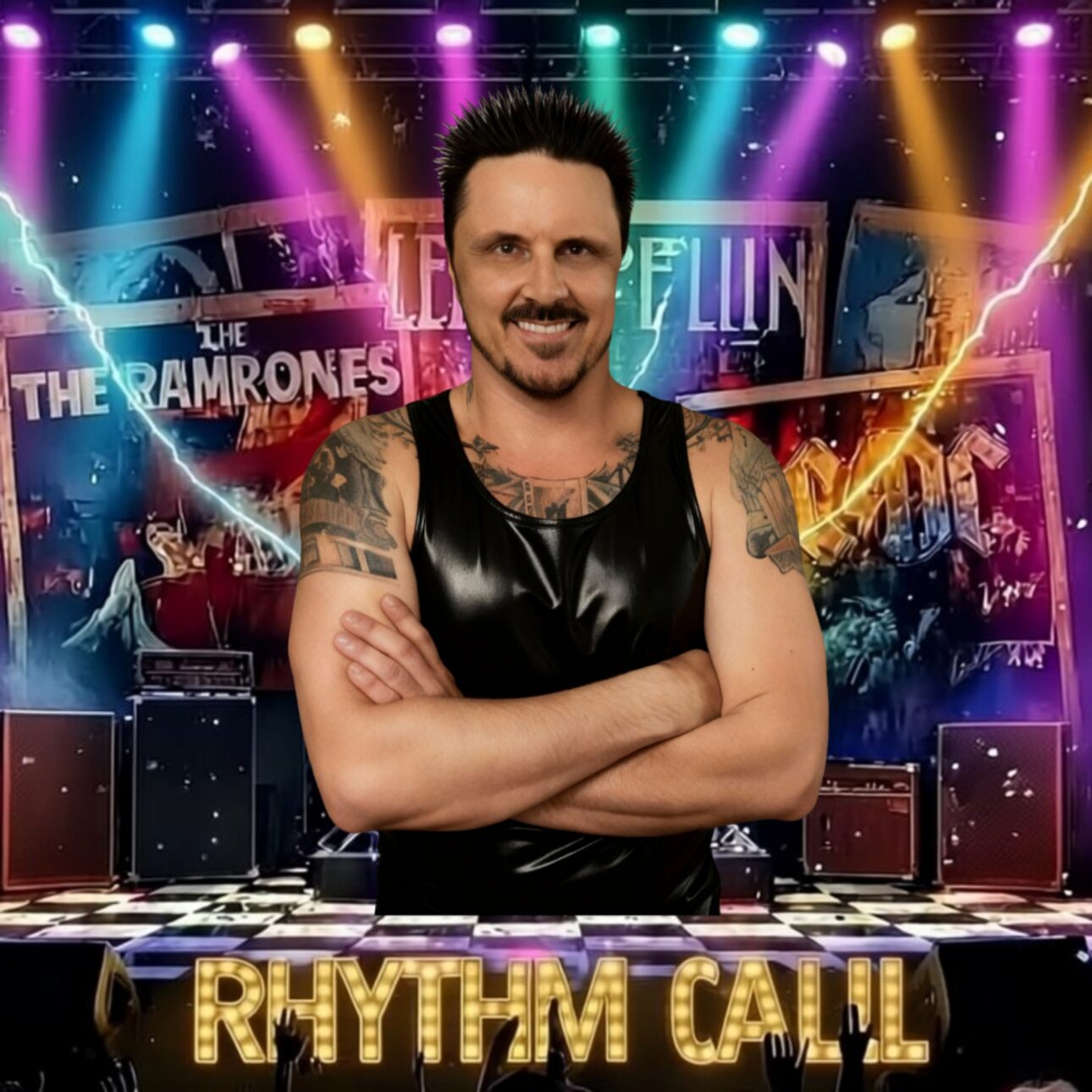
HollywoodPkr-VAMPits
Sounds like: Just as the band’s name suggests, this is some classic Sunset Strip sleaze metal with just enough industrial muscle to keep things interesting.
Interview:
Describe your approach to music and how you would describe your sound to others.
My sound blends the raw electricity of glam metal with the edge of modern rock. I pull heavily from legends like Poison, Mötley Crüe, Ratt, Whitesnake, and Quiet Riot — merging that theatrical energy with timeless, riff-driven anthems. Add in the grit of Soundgarden and the funky chaos of Red Hot Chili Peppers, and you’ve got a sound that’s equal parts retro swagger and modern rebellion.
I’ll write a song about anything — and if it rocks or rolls, I’ll make it an anthem. Whether it lands in rock or country-rock, it’s all about passion and rock power.
How did you come up with the name of your acts?
HollywoodPkr-VAMPits is a mashup of poker, pop culture, vampires, and IT — basically my entire personality in one name. Hollywood was my nickname during a World Series of Poker event over 20 years ago. A dealer gave it to me because I acted like the cameras were on me every hand. I took it as a compliment — so much so,I gota ful poker-themed tattoo on both arms, chest piece, and back piece. VAMP reflects my love of horror and comedy. I’m a sucker for vampire culture, from The IT Crowd’s Richmond to Beavis & Butt-Head reruns. I even wrote a song/video called “Stuck in the Server Room” inspired by The IT Crowd. It stands for Information Technology Services — a nod to my tech career. I use lowercase to separate it visually. I’m a lifelong tech nerd, and I bring that mindset to how I build, produce, and promote music. Aether Flux Lewis is the feature vocalist on our Country Rock hits — my longtime friend Luther Lewis, who’s now helping define this sound with me.
What are some artists and albums that have informed your creative direction
• Ratt — Out of the Cellar
• Cinderella — Night Songs
• Bon Jovi — Bon Jovi (1984)
• Winger — Winger (1988)
• Guns N’ Roses — Appetite for Destruction
• Poison — Look What the Cat Dragged In
• Mötley Crüe — Girls, Girls, Girls
• Whitesnake — Whitesnake (1987)
• AC/DC — Back in Black
• Soundgarden — Superunknown
• Linkin Park — Hybrid Theory
• Billy Idol — Rebel Yell
• Heart — Bad Animals
• Skillet — Awake
• Red Hot Chili Peppers
What’s the most exciting thing happening in music right now?
The global reach of indie music. Streaming and self-publishing have leveled the field — artists from anywhere can connect with fans everywhere. I’ve received messages from listeners across the world who say my lyrics helped them through tough times. That’s the power of music — a language we all speak.
Where do you see music heading in the next five years?
I think we’re heading toward immersive tech — hologram concerts in your living room, AI augmented live sets, real-time global livestreams that feel personal. As tech evolves, so will how we experience music. The walls between performer and fan will keep coming down.
How is music helping you during these uncertain times?
Music is therapy. Writing lyrics and producing tracks gives me space to process life — it’s my escape, my meditation, my creative outlet. No matter what’s happening in the world, I can lose myself in the studio and come out with something real.
Mercyland
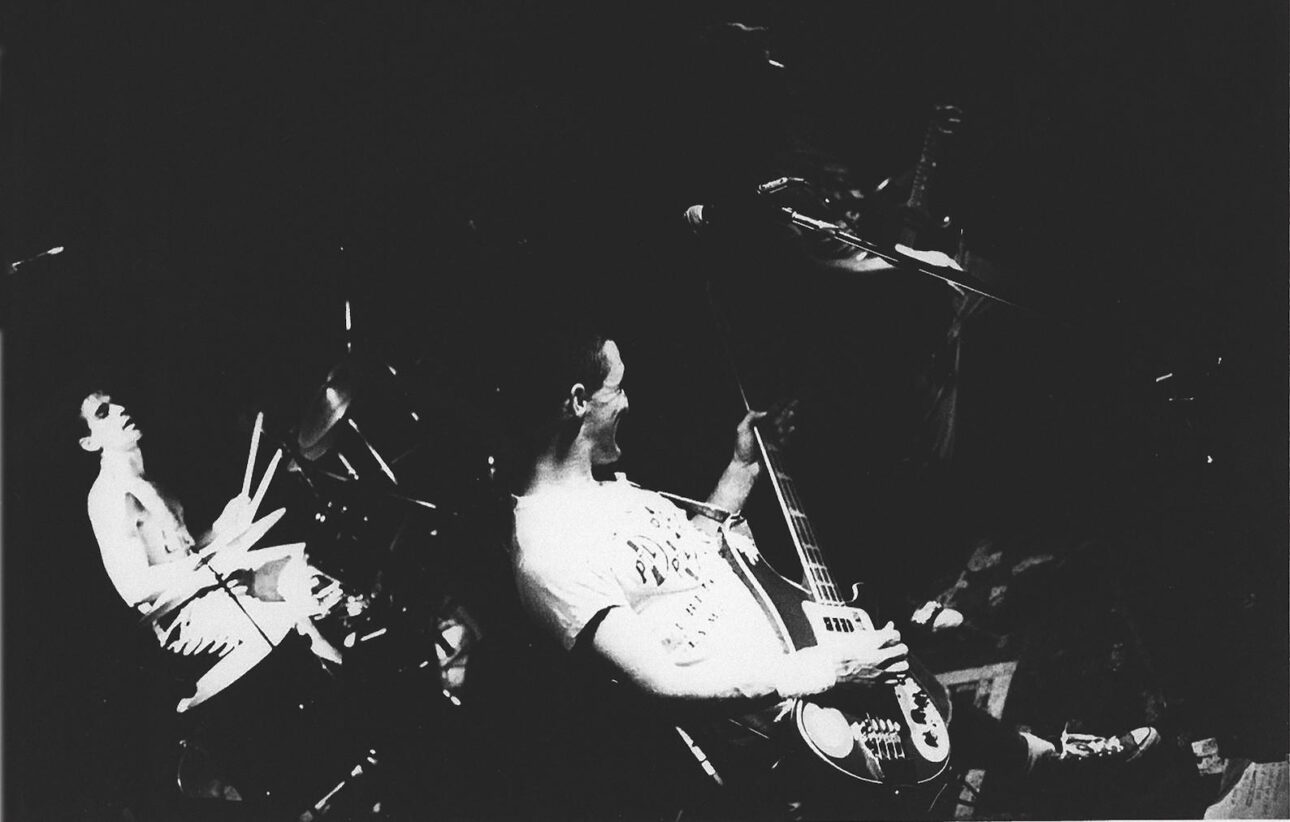
Sounds like: A slice of underground Athens, Georgia from 1987 in the form of a long, lost single from UK-inspired American post-punkers Mercyland, led by David Barbe of the recently reunited Bob Mould-led alt-rock group Sugar.
Interview (answers by David Barbe):
Describe your approach to music and how you would explain your sound to others.
My approach to music is simply, just feel it and do it. To me, creating music is like Harry Potter catching the Snitch. I try and stay tuned in and aware so when a phrase or a snippet of music pops into my brain, I can take note. I have learned to never assume I’ll remember something later on and to try and write it down or sing it into my phone in the moment. As for how I would explain my sound…..I wouldn’t. It’s just its own thing.
How did you come up with the name of your act?
When I was in college, I lived in this ramshackle old house that was so bad that a local newspaper featured a picture of it with the caption ‘filthy house.’ Due to some long-forgotten late night conversational humor thread, we started calling the house Mercyland. That became a code word for my roommates and me. Several of us were in bands, and if you said that word to the door person at a club, you got in the show for free. When I started the band, I repurposed my code word as a band name.
What are some artists and albums that have informed your creative direction?
On a subconscious level, probably every record I have ever heard. Occasionally I’ll hear something from my childhood and will recognize some little bit that I have inadvertently nicked for my own purposes. Never intentional, of course. I just don’t see how that can not happen. On a conscious level, the artists who mean the most to me are the ones who are constantly moving and avoid being too tightly defined by their past.
What’s the most exciting thing happening in music right now?
I like seeing young musicians doing their own thing, trying to find their voice, pushing in new directions. Any young person today who has grown up with on-demand music streaming has the opportunity to be exposed to an incredibly wide variety of music rather than only hearing what is on your local FM rock station, like I did when I was growing up. I feel that creates an opportunity for music that is not in any way defined by genre.
Where do you see the music world heading in the next five years?
Hopefully forward.
How is music helping you during these uncertain times?
Music is always the best thing I’ve got, celebrating the good times, and giving us hope in times of uncertainty.
The Jack Moves
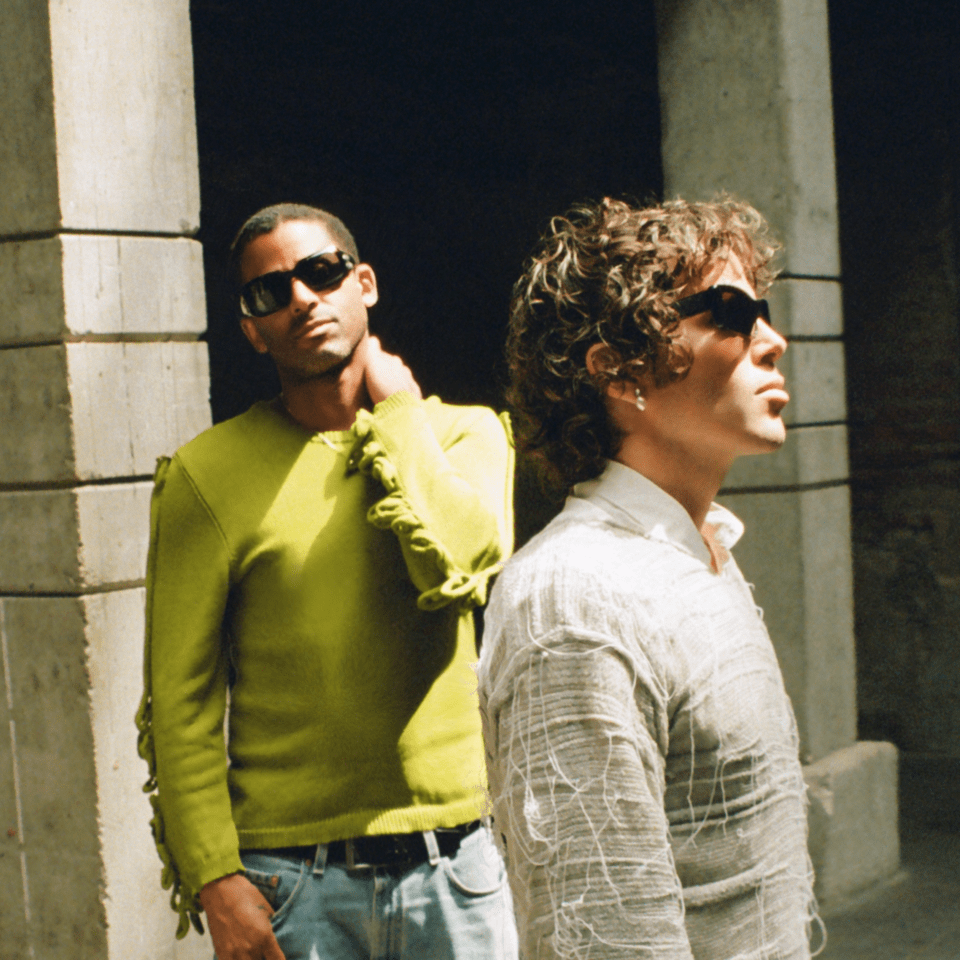
Sounds like: Super feel-good soul pop that sounds like the entire Nile Rodgers section of your local used record shop come to life in one band.
Interview:
Describe your approach to music and how you would explain your sound to others.
Zee: We started as a rare sweet soul cover band and then we started writing our own versions. Over time it’s evolved into making anything and everything that gives us a good feeling. I always like to push myself into new places.
Teddy: I like to work in bursts — to step away from music for a little, then come back and really focus on a project.
How did you come up with the name of your act?
It’s an old school rap phrase… full-time jack moves.
What are some artists and albums that have informed your creative direction?
Zee: The moments — on top, those sweet sexy moments, the whatnauts — introducing, reaching for the stars, on the rocks, Smokey, Marvin, Dylan, Stones, Delfonics, PiL, Ye, Mobb Deep’s The Infamous.
Teddy: Miles Davis, Mobb Deep, The Manhattans and Megadeth.
What’s the most exciting thing happening in music right now?
Zee: Creatively, Carti, Ye, Dean Blunt and Mk.gee.
On the business side: Labeless, independent artists making a career.
Teddy: The decline of the male artist.
Where do you see the music world heading in the next five years?
Zee: Deeper into the AI shit hole, and thus people needing more and more humanity and creativity as a result. An affirmation of the human spirit.
Teddy: A lot of rock ‘n’ roll and rap duets.
How is music helping you during these uncertain times?
Zee: Music has always been a lifejacket from my adolescence on. the trials of life would be insurmountable without music.
Teddy: I’m uncertain that it’s even helping me, but I’ll keep on listening.
Groover connects independent artists with music industry professionals to accelerate their careers. Their goal is to empower independent artists by providing a platform that connects them with the best curators, radio, media, labels and other music pros to receive guaranteed feedback and exposure.
Over 700,000 artists use Groover to connect with 3,000+ professionals across the globe. Artists have received over 7MM+ pieces of feedback, 1M+ shares (e.g. playlists, reviews) and 1,500+ label contracts — all thanks to Groover!


