celebpeek
  • Home
  • Bollywood
  • Hollywood
  • Lifestyle
  • Fashion
celebpeek
  • Music
  • Celebrity News
  • Events
  • TV & Streaming
Home » Midnight
Tag:

Midnight

Snapped: Midnight Lovers Reimagines DTLA’s Bar Franca (A Photo Essay)
Music

Snapped: Midnight Lovers Reimagines DTLA’s Bar Franca (A Photo Essay)

by jummy84 November 14, 2025
written by jummy84

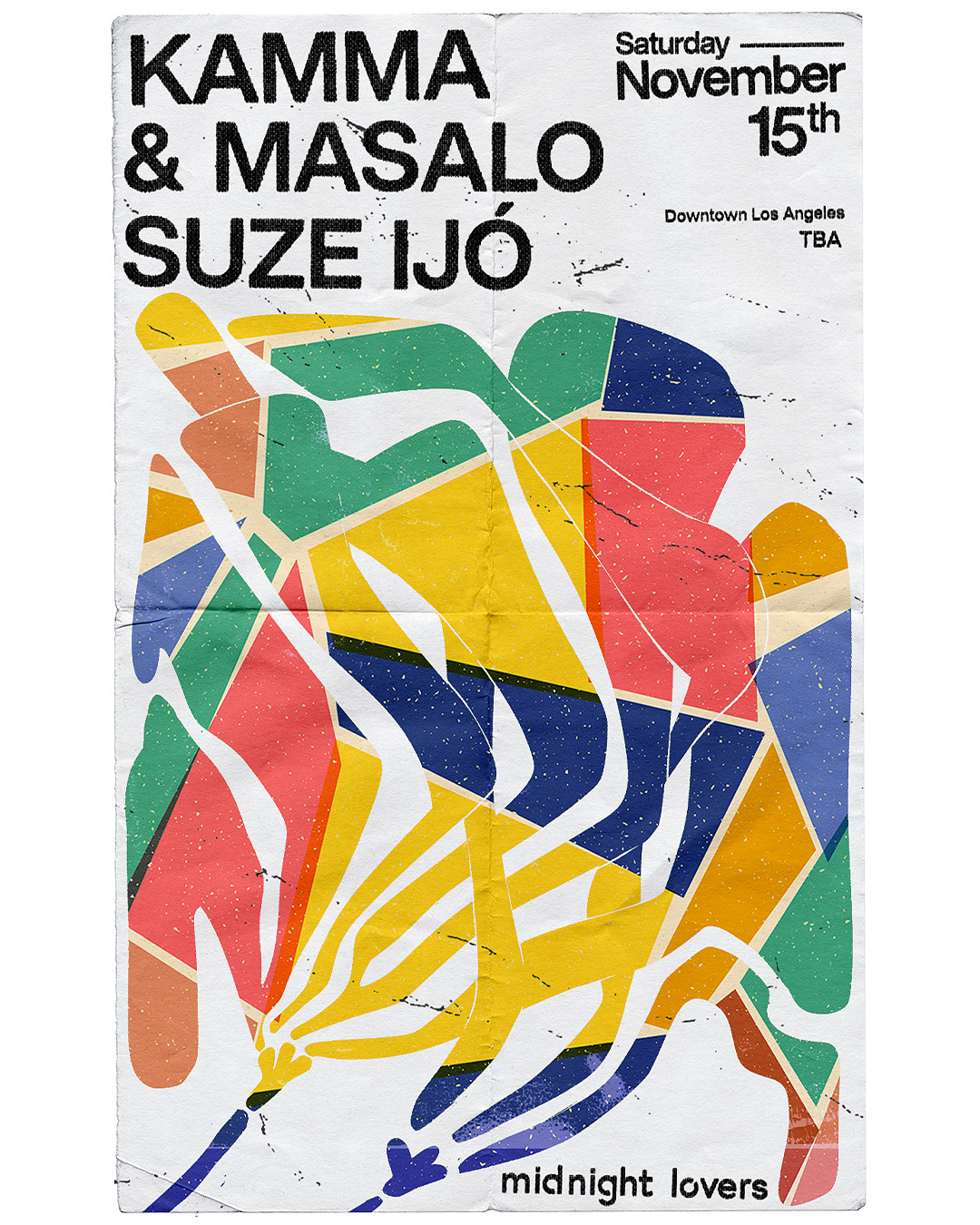
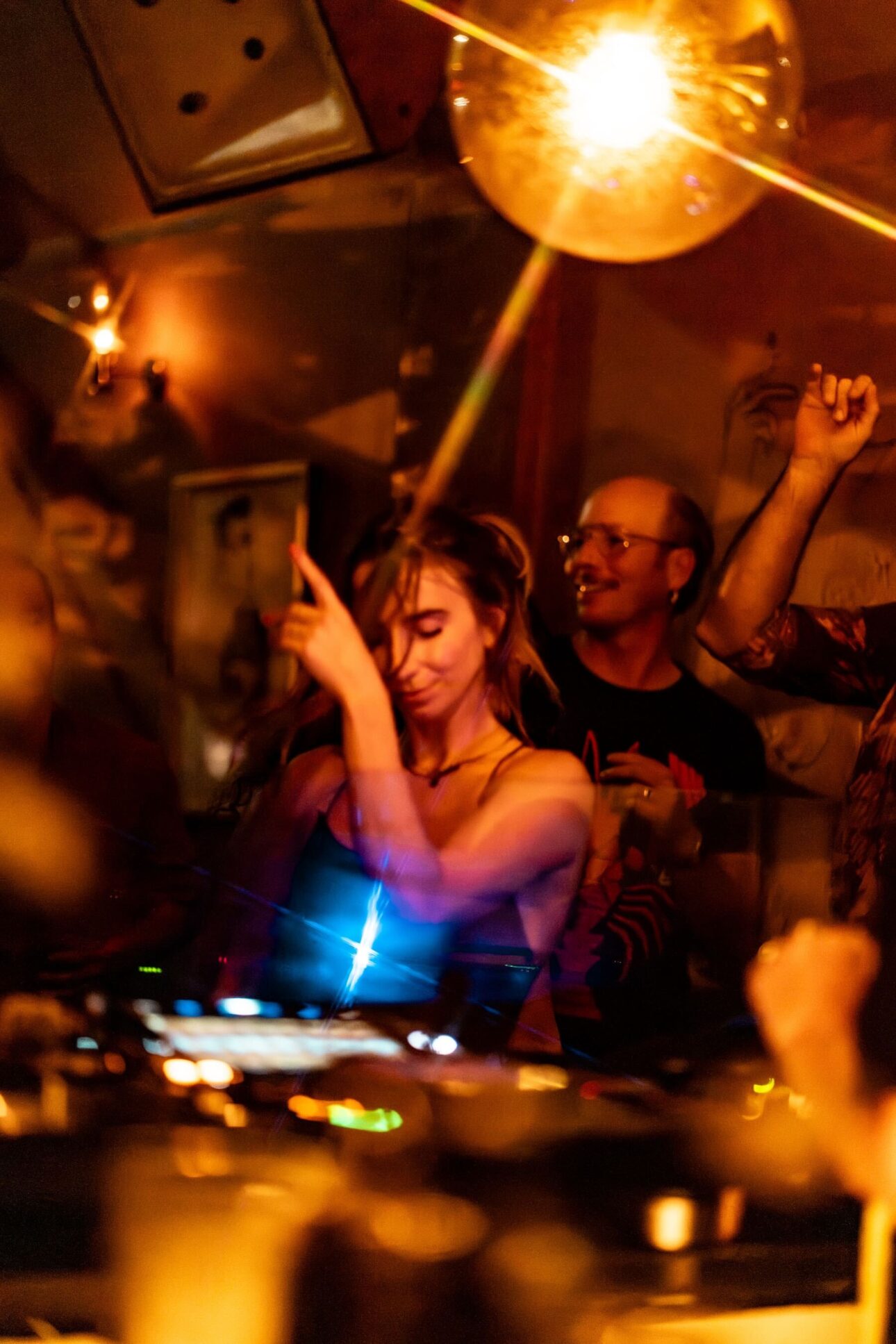
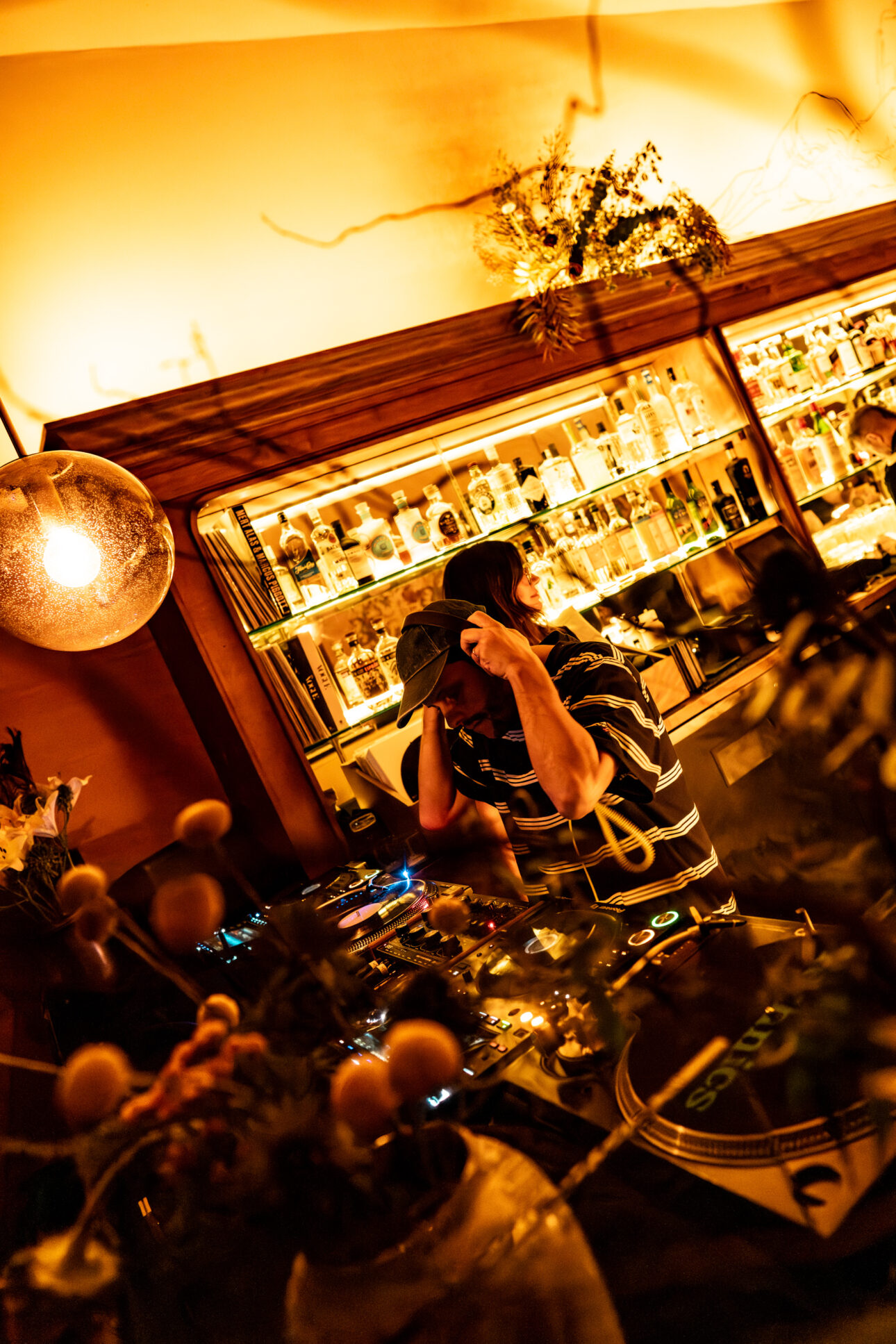
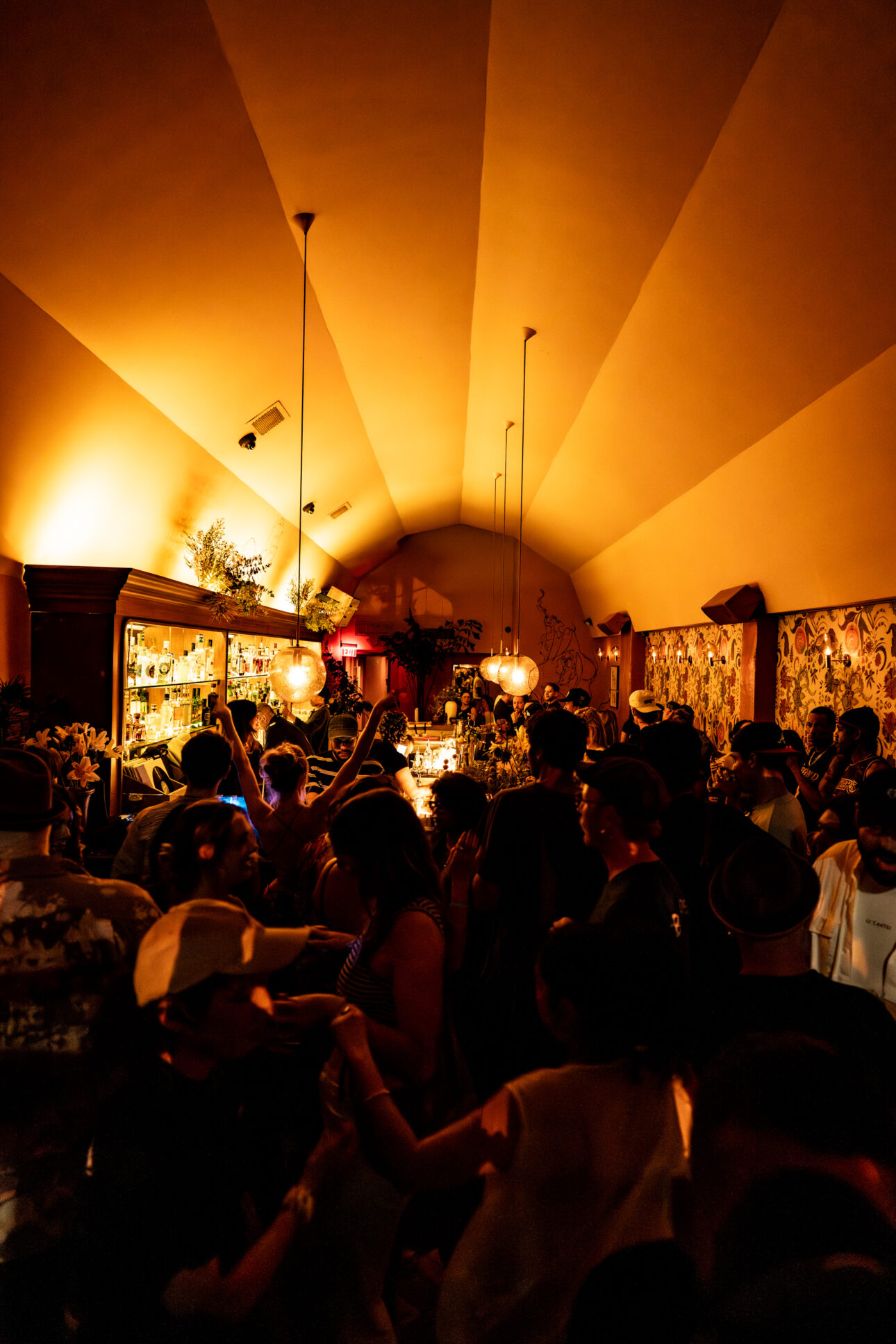
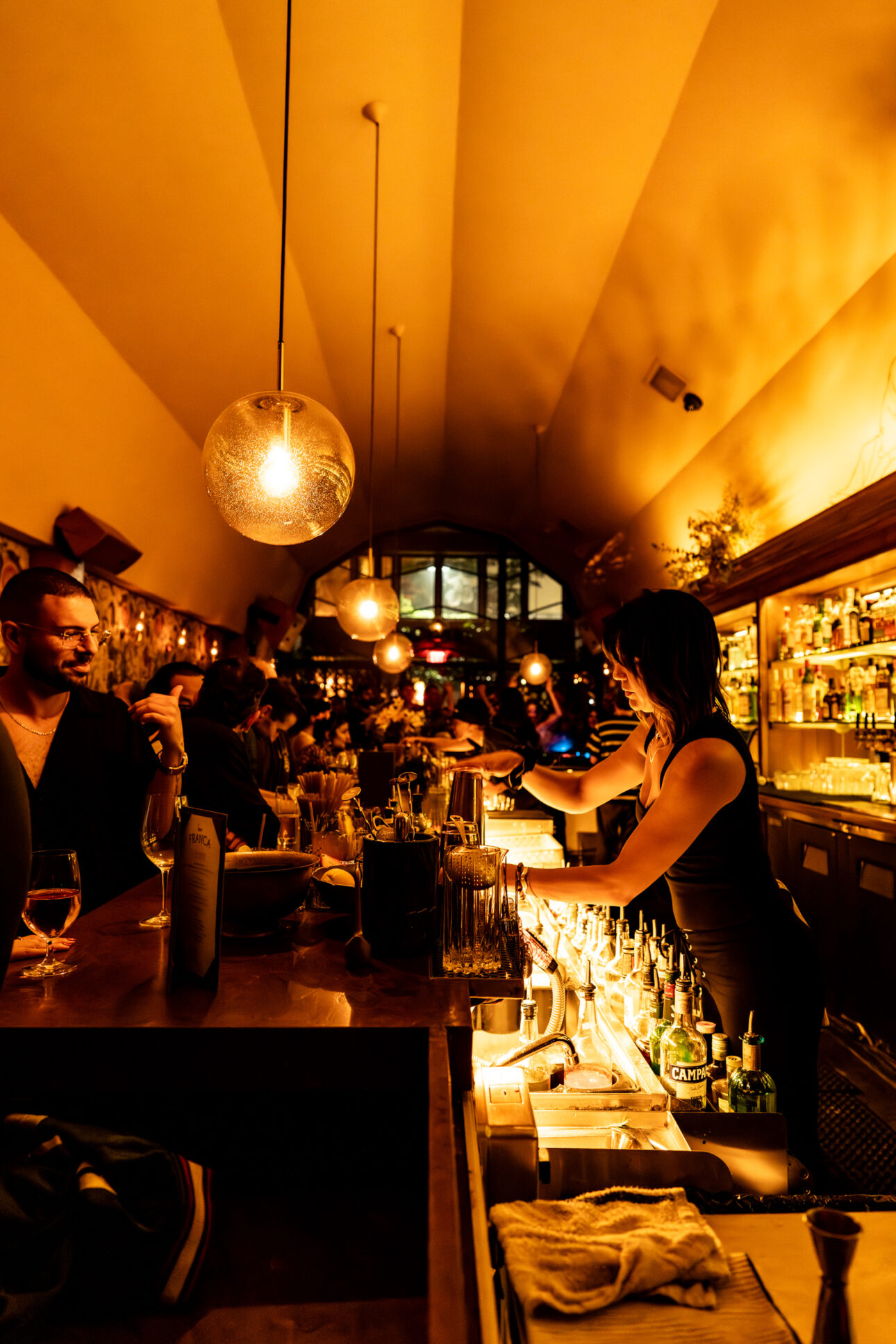
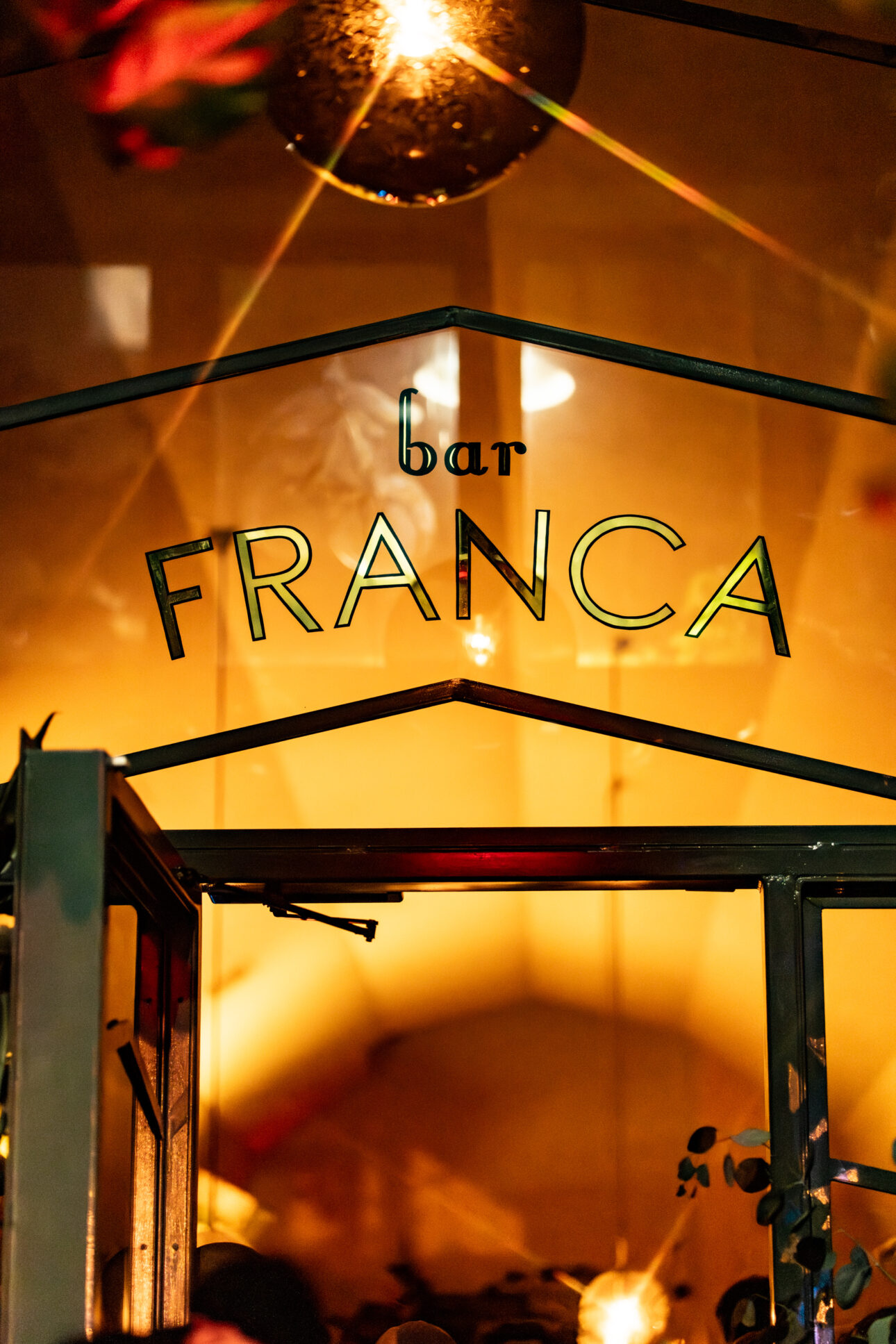
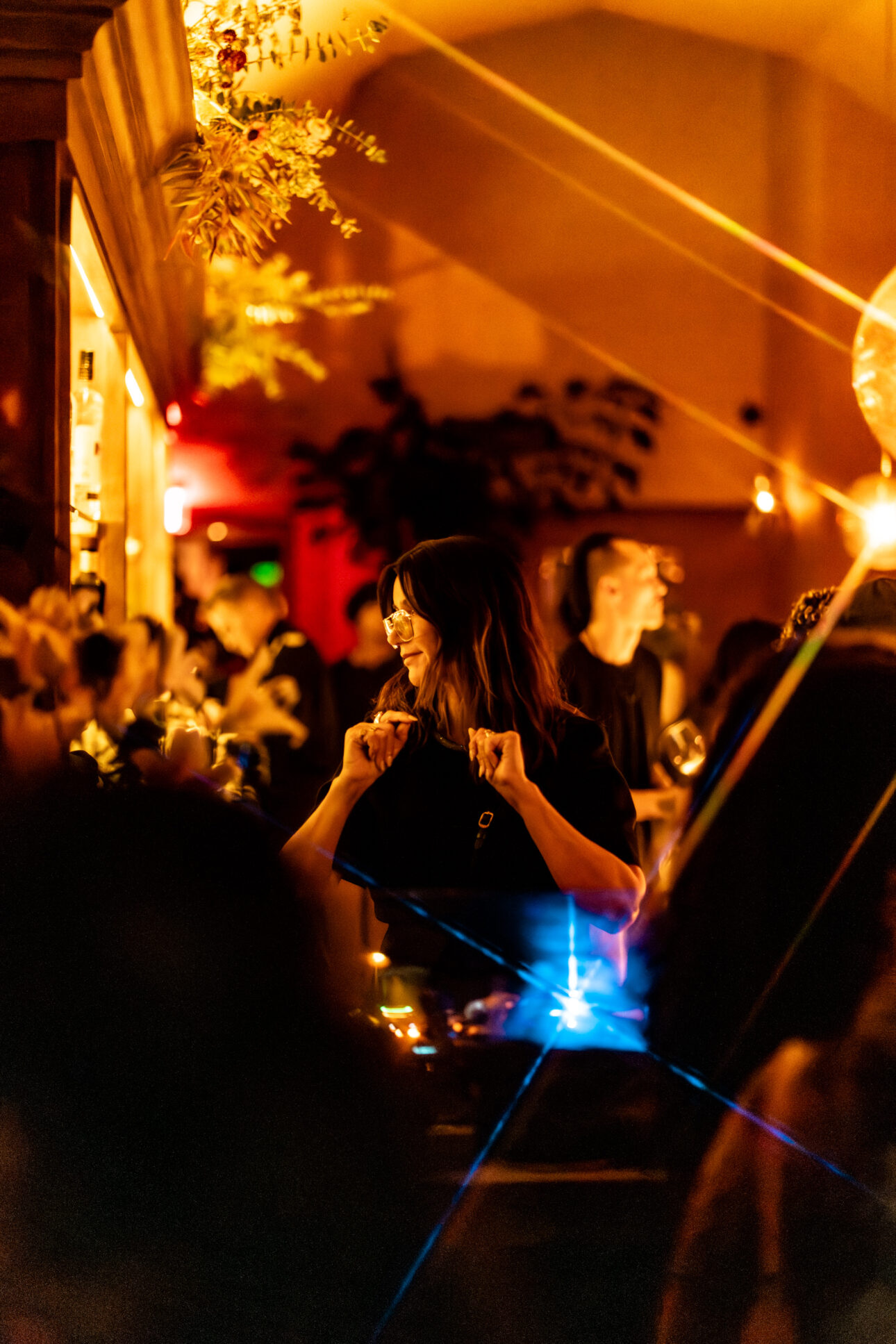
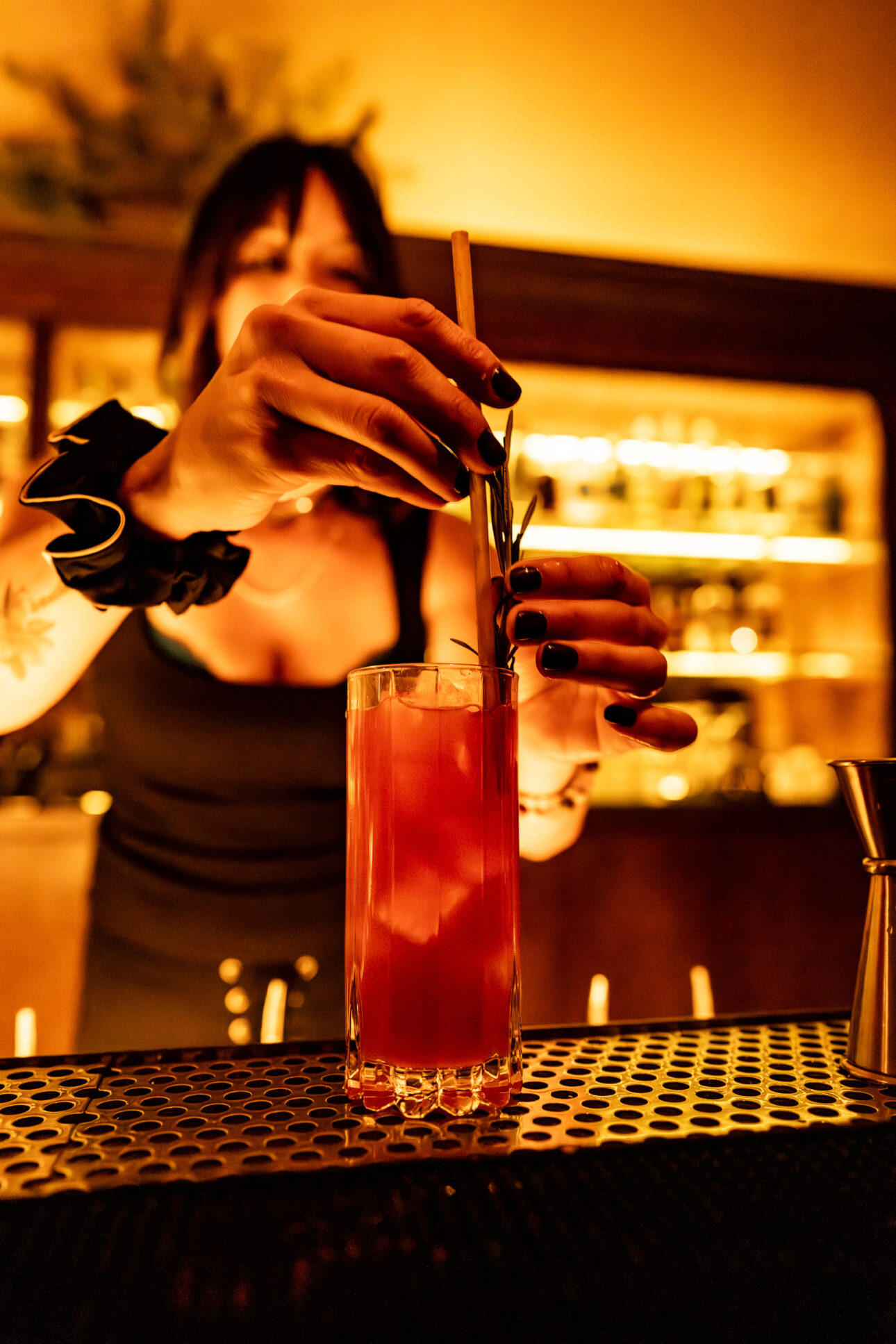
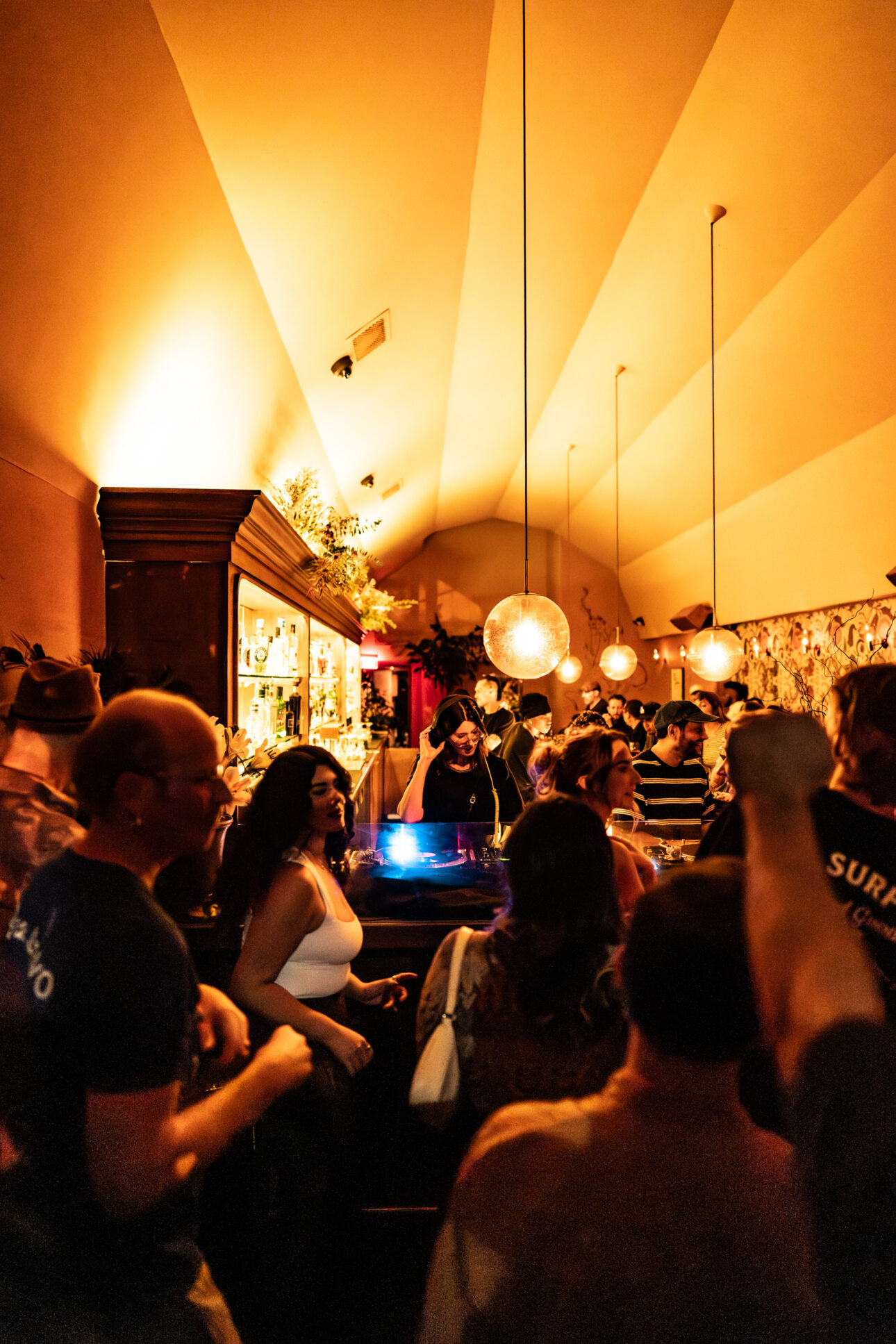
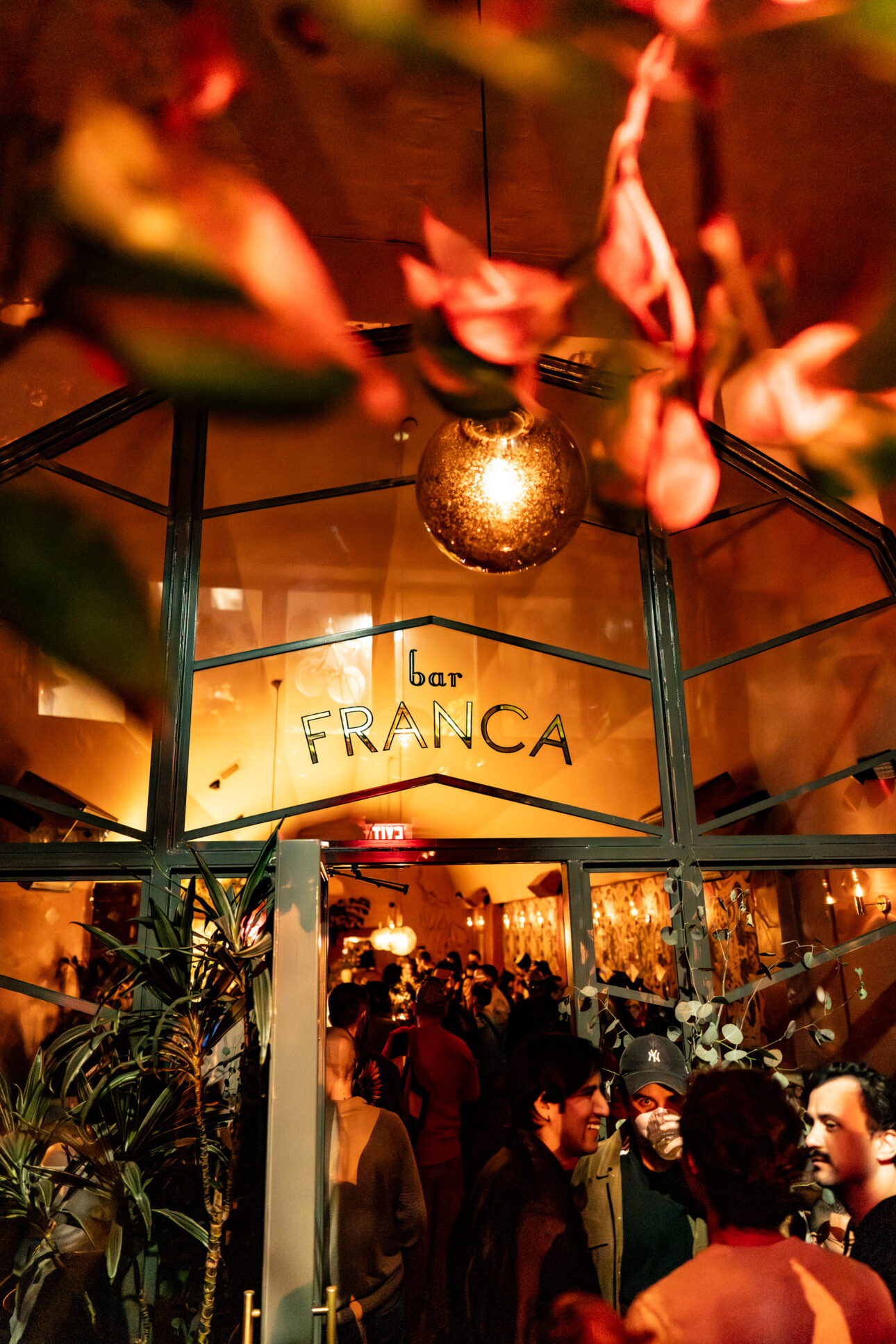
Purveyors of “high energy sublime dance-floor euphoria” Midnight Lovers have relaunched Downtown LA’s Bar Franca with a new vision that’s already bringing fresh life to the heart of downtown. A Danley sound system adds warmth to the “sultry blend of jazz, funk, disco, house, and Balearic beats curated by Midnight Lovers,” as gold lighting sets the tone for the bar – a collaboration between Gabriel Orta of Broken Shaker and Bar Lab Collective and Jonny Child, Assistant Bar Manager of Bathtub Gin LA.

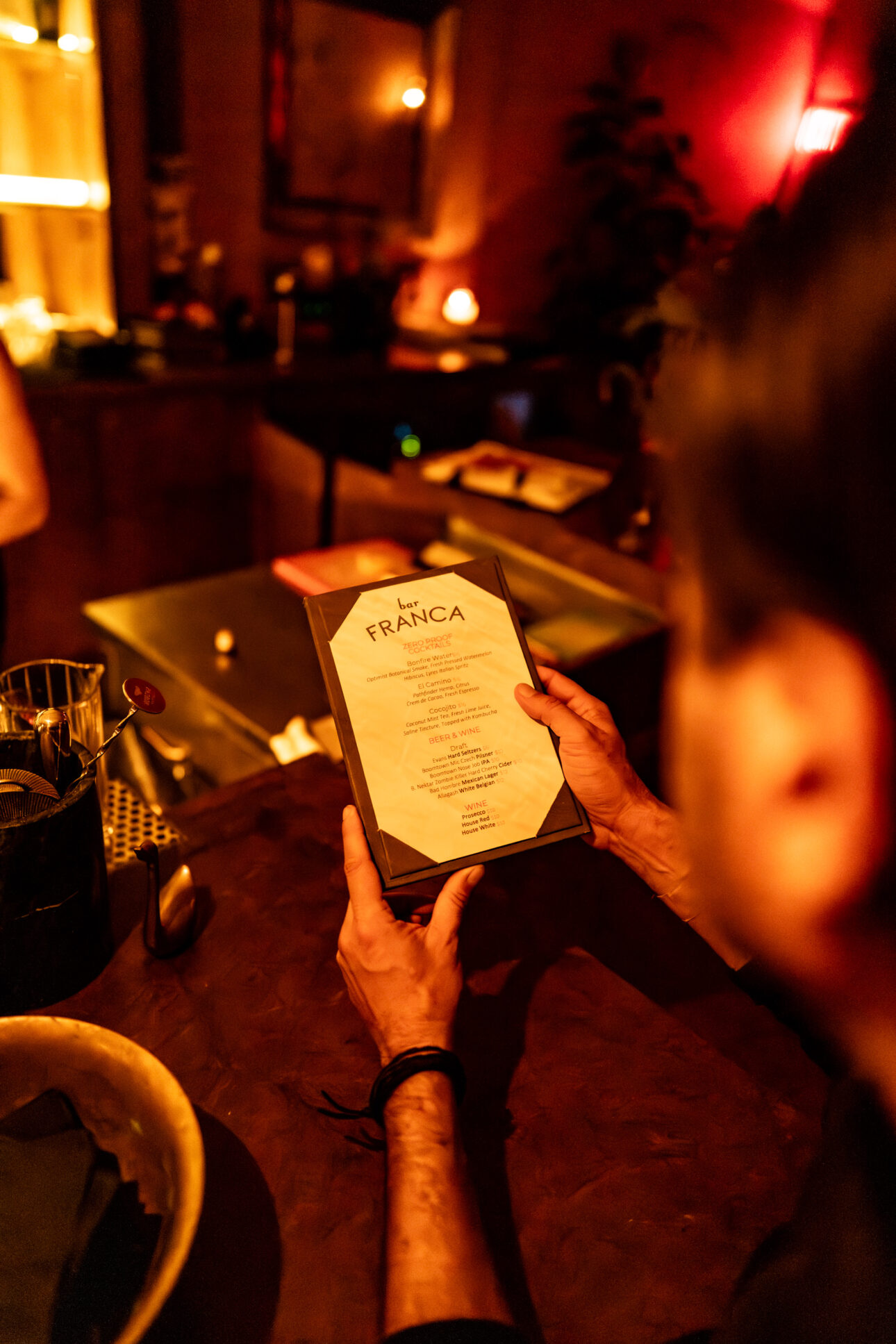
“Highlights include The Lover, a mezcal-based mix of watermelon, hibiscus, and citrus cordial, and the Al Pastor Margarita, a tequila cocktail kissed with pineapple and chorizo spice in tribute to DTLA’s late-night taquerias. Zero-proof creations like the Bonfire Water, blending Optimist Smokey Botanical and Lyre’s orange, mirror the same craft and depth.”

If you’re in LA this weekend, join Kamma & Masalo and Suze Ijó as they make their LA debut Saturday night, November 15.

Special thanks to @highaboveproductions for the images.
November 14, 2025 0 comments
0 FacebookTwitterPinterestEmail
Annu Kapoor Opened Up On Javed Akhtar & Shabana Azmi’s Wedding
Bollywood

When Annu Kapoor Played Cupid In Javed Akhtar & Shabana Azmi’s Hasty Midnight Wedding – “I Rushed To Bandra Mosque”

by jummy84 October 11, 2025
written by jummy84

Annu Kapoor Opened Up On Javed Akhtar & Shabana Azmi’s Wedding(Photo Credit –Wikimedia/Instagram)

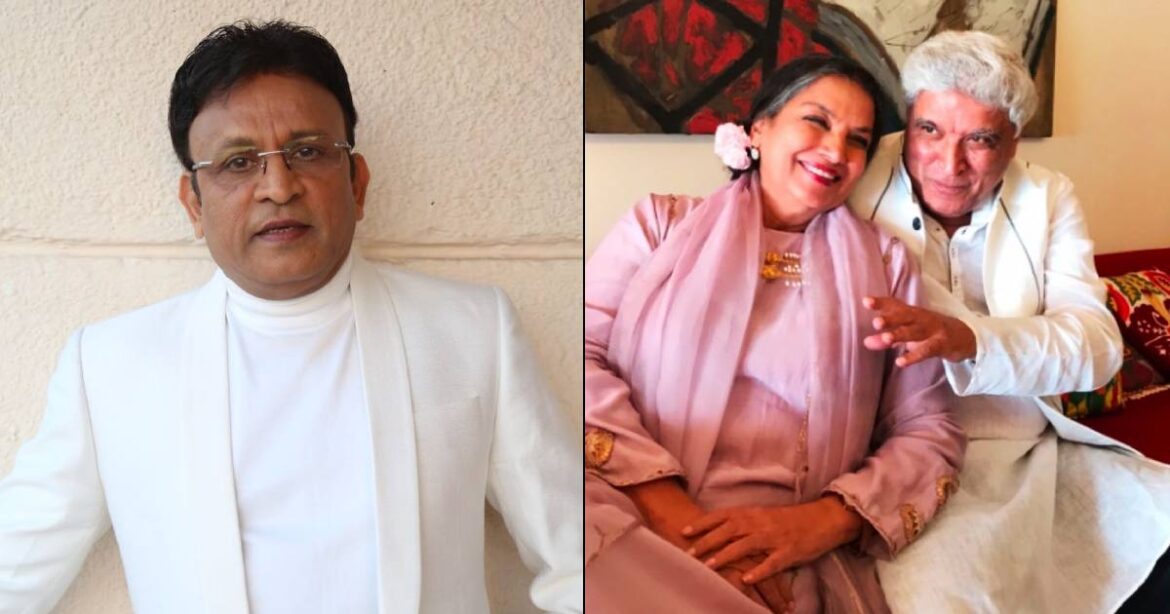
Veteran actor Annu Kapoor is well-known for his notable films, including Vicky Donor, Dream Girl, and Mr. India, among others. Beyond films, he is also a television personality. Let’s look back at the time when he shared an interesting anecdote about legendary couple Javed Akhtar and Shabana Azmi’s wedding day. For the unaware, Javed and Shabana tied the knot in an intimate ceremony on December 9, 1984, at midnight in Mumbai. Read on to know more.

Annu Kapoor’s Close Bond With Shabana Azmi’s Family

In a conversation with ANI, Annu Kapoor reflected on their wedding night and explained how he played cupid in Javed Akhtar and Shabana Azmi’s marriage. He shared, “Let me admit and acknowledge that I’ve only been close to three families. The first was the Azmi family – Shabana Azmi, her late mother, her late father, Kaifi Saab, and her brother, Baba Azmi. These four people gave me immense love, affection, and respect. They helped me move ahead in life, and later Javed Akhtar also became part of that connection.”

Annu Kapoor Explains The Reason Behind Their Hasty Wedding

He further revealed how he actually planned the hasty wedding and convinced the couple to get married. Annu said, “I was the one who arranged Javed Akhtar and Shabana Azmi’s
wedding on the night of December 9, 1984, at midnight. Javed was sitting there and drunk, while Shabana was inside reading a book. So, I arrived that night, and since she considered me her brother, I told her to make a decision. He (Javed) said, ‘What decision? She’s not ready.’ So, I went to her and asked, ‘Are you ready?’ She said, ‘Yes, I am.’ Then I told him, ‘Okay, I’m going.’ She said, ‘Yes, go ahead.’”

Annu Kapoor Rushed To Bring Maulvi

“Their driver was named Michel. I told him, ‘Let’s go, Michel.’ I rushed to invite a Maulvi (priest) from Bandra Mosque. Shabana’s mother pulled out a traditional red wedding dress. Then I called Boney Kapoor and Anil Kapoor. Everyone came, and there was dancing and celebration until around 4 or 5 in the morning, after which they finally got married,” Annu concluded.

More About Javed Akhtar

Legendary lyricist Javed Akhtar was earlier married to Honey Irani and had two children – Farhan and Zoya Akhtar. They tied the knot in March 1972 and parted ways after 13 years in December 1985. Javed Akhtar fell in love with actress Shabana Azmi while being married to Honey Irani.

For more such stories, check out Bollywood Features

Must Read: When Dev Anand Was Reportedly Banned From Wearing This Particular Garment For This Surprising Reason!

Follow Us: Facebook | Instagram | Twitter | YouTube | Google News

October 11, 2025 0 comments
0 FacebookTwitterPinterestEmail
The 7 Most Famous Midnight Movies Ever Made
TV & Streaming

The 7 Most Famous Midnight Movies Ever Made

by jummy84 October 4, 2025
written by jummy84

There’s probably a classier metaphor I could use to describe the feeling you get when you realize you’re watching a real midnight movie and not some cheap imitation. And yet, like the famous censorship decision passed down by the 1964 U.S. Supreme Court — a notoriously feckless group that was somehow still more fun than our current justice system — I must say, “I know it when I see it.” 

You can’t really tell someone they’re in a cult unless they’re ready to leave one, and you can’t really claim to have made a cult film until your movie behaves like that. From the ever-growing list of “genre” and “midnight” shorts competitions on the festival circuit, to the awe-inspiring grassroots campaigns that have followed feature indie triumphs like Mike Cheslik’s “Hundreds of Beavers,” bawdy counterculture has managed to stay explosive and hopeful even over the toughest times this year.

ANEMONE, from left: Daniel Day-Lewis, Sean Bean, 2025. © Focus Features / courtesy Everett Collection
Alejandro González Iñárritu at the 2025 Cannes Film Festival

More entertainers are pushing the envelope to match the extreme feel of daily life, and Hollywood’s top decision-makers are taking note of a trend IndieWire’s Dana Harris-Bridson is already reporting. In some cases, where and when filmmakers find their niche audiences is as important as how and why studios decide to distribute their art. Did you come with a party, or did you ask Hollywood to throw you one?

Think of it like an amateur open mic night, where novice comedians are required to sell tickets or buy a certain number of drinks if they want to perform. Some indie creatives say you’ve got a better shot at convincing the industry to give you multiple seats at the table for films with social scenes already attached — than they are inviting backers to dream up a culture with them on still-emerging IP. That’s easier said than done, of course, and playing a movie at midnight does not a midnight movie make. 

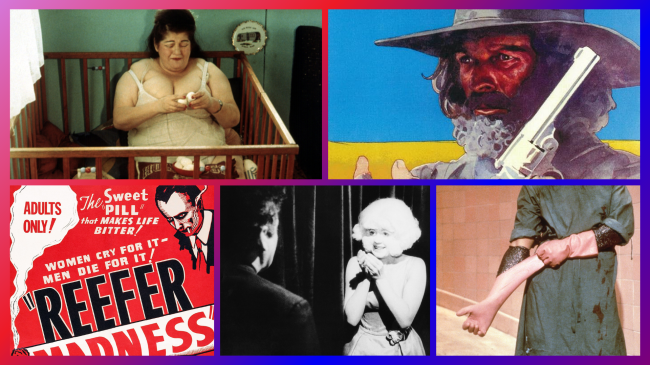
Listed in chronological order, these essential cult classics will guide you through the history of the format and teach you some of the most important lessons in theatrical buzz-building the art world has ever known. From the Pope of Trash and all that Divine goodness in 1972’s “Pink Flamingos” — to Tommy Wiseau’s melodramatic “The Room,” a so-bad-it’s-good gem that’s been tearing us apart since 2003, these are the timeless midnight masterpieces you’ve got to study if you want your film to hit after dark.

1. “Reefer Madness” (1936)

What a movie actually is  and how people experience it are two very different things. Released in 1936, this morality tale against marijuana was financed by a long-defunct church group called the Motion Picture Guild. Something like the cinematic Sinclair Broadcasting of its day, the footage from this public service announcement, originally titled “Tell Your Children,” was recut and redistributed under a slew of different names throughout the 1930s and 1940s. 

Weed wasn’t the brick-and-mortar phenomenon it is in some U.S. states today, and the drug’s popularity wouldn’t seriously grow among Americans until the 1960s. Thanks to producer Dwain Esper, the black-and-white exploitation flick was also known as “Love Madness,” “Dope Addict,” “The Burning Question,” and more self-righteous monikers that made it easy to mock during that dormant period. When versions of the film started appearing on roadside attractions and college campuses, word-of-mouth spread and the promise of seeing the footage out of context helped the eventized version of the project soar even higher. This isn’t really the first midnight movie in earnest — that’s up next — but the sideways journey it took laid essential groundwork.

REEFER MADNESS, 1936
“Reefer Madness” (1936)Courtesy Everett Collection

Legalization activist Keith Stroup eventually co-opted the public domain film and used it to rebelliously bolster his own movement. Directed by Louis J. Gasnier, “Tell Your Children” gained more popularity at charity screenings where flecks of the call-back comedy culture that would later define “The Rocky Horror Picture Show” widened the “Reefer Madness” appeal. It would come to be widely known by that name in part thanks to the musical stage adaptation from 1988. That was made into a Showtime special starring Alan Cumming and Kristen Bell in 2005, and “The Good Place” actress appeared in the live show in Los Angeles for the 25th anniversary last year.

2. “Night of the Living Dead” (1968)

George A. Romero’s “Night of the Living Dead” almost didn’t make this list. Still, there’s no denying that horror is integral to the midnight movie, and the late Father of Zombies is widely credited with giving both genres their progressive political reputations. (Plus, this thing whips in every way a movie can whip. It isn’t even a scary scene, but the line, “They’re coming to get you Barbara!” lives in my head rent free. Gimme an edit where the bass drops!) 

An unrated effort from 1968, Romero’s very first feature was a true-blue indie with a weak distro plan that he financed and shot himself. At first, it was marketed like a normal horror release. But after reports of some disastrous screenings, including one Chicago matinee attended by critic Roger Ebert and a pack of hysterical children, “Night of the Living Dead” was increasingly considered “too scary” to show during the day. That PR gold helped launch Romero as a beloved cult film director, although he rarely shared in the profits of the revolutionary works he made. Not yet bested today, the most exquisite zombie movie ever created demanded to be seen by more audiences, and using late-night slots at drive-in theaters and rep cinemas as a cheap way to build out its reputation was brilliant. 

NIGHT OF THE LIVING DEAD, Duane Jones, 1968
“Night of the Living Dead” (1968) Everett Collection / Everett Collection

Released against the backdrop of the Vietnam War, the terrifying existential statement Romero was making properly snaps into focus through the performance of Duane Jones. The Black actor was a revolutionary casting choice for Romero’s final guy, and the cutting indictment of racism in America blanketed the country only after nightfall. “Night of the Living Dead” served as a jangly prelude for the existential dread David Lynch would stir up in movie-goers with his debut, “Eraserhead,” less than a decade later.

3. “El Topo” (1970)

In light of “Reefer Madness,” it’s fun to imagine what the prudish Motion Picture Group might have said about the violent psychosexual odyssey that is “El Topo.” Maybe… “Oh, holy fuck!” 

Alejandro Jodorowsky was a Chilean-French filmmaker and the patron saint of acid cinema whose shoestring Western — shot over six harsh months in Mexico’s Chihuahuan Desert — brought unprecedented surrealism to cinema. He insisted on doing everything practically, dragging his team to remote locations and killing real animals for a “more truthful” effect on screen.  Commingling incendiary psychedelic imagery with the extreme conditions that impacted the “El Topo” cast and crew, the final viewing experience is transformative anywhere you see it. 

The poster for “El Topo” (1970)

You can almost feel the extreme heat and cold radiating off the screen as Jodorowsky, who also stars as the titular El Topo (translated to mean The Mole in English), wanders the white-hot landscape contending with the infinite paradoxes of personal philosophy. As he pursues enlightenment, the repeated clashes El Topo has with various enemies along his winding journey mount an existential lesson that caught the attention of John Lennon among others. 

Jodorowsky is frequently credited as the “father of the midnight movie,” and while he indeed made an extraordinary film, if anyone deserves that title for their work on “El Topo” it’s Ben Barenholtz. The owner of New York City’s Elgin Cinema made the historic decision to screen it when he did — establishing the very notion of midnight as a ritual worth having at the movies.

4. “Pink Flamingos” (1972)

Not only did John Waters and drag queen Divine help make midnight movies more queer, but they also bravely tested the limits of shock cinema and passed with flying, pastel, and dog shit-stained colors. Before Ben Barenholtz left the Elgin and began the next phase of his career as a producer (he’s credited on “Miller’s Crossing,” “Requiem for a Dream,” and more all-time releases throughout the years), he programmed “Pink Flamingos” and catapulted Waters’ reputation from challenging underground artist to internationally renowned provocateur. 

The best movies extract emotions from us, and watching the most objectionable material in Waters’ masterpiece from 1972 can feel like trying to hold puke back behind your eyeballs. But advertised as a transgressive “exercise in bad taste,” that’s what the Elgin was selling, and even despite themselves, audiences ate it up. If “El Topo” established the midnight format as assaulting and transformative, then “Pink Flamingos” anointed it a place of spectacle. The midnight screen became a no-holds-barred arena for freedom of expression through Waters — one that could turn trash into treasure and make filth feel at once frightening and fun. 

PINK FLAMINGOS, Divine, 1972
“Pink Flamingos” (1972) Courtesy Everett Collection

Also known as Harris Glenn Milstead, Divine should have monuments in every city. Fans could start by showing the late legend even more love in Baltimore, Maryland, where “Pink Flamingos” was made guerilla style and the notorious production gained its earliest reputation filming on the public street. The legendary porn movie “Deep Throat” came out that year too, but people loved Divine because she turned their judgment of her depravity into a source of joy. That megawatt charisma steered midnight movies deeper into the drag world. It also laid an essential foundation for the fearless Club Kids that would emerge around the time Divine died in 1988. 

In the film, the eventual “Hairspray!” star plays Babs Johnson, the “filthiest person alive.” That’s a more coveted title than you’d think living in her candy-colored trailer park, and Waters escalates the battle of depravity that follows through a list of gross-out gags including incest, cannibalism, and that oh-so-whimsical canine feces eating. “Pink Flamingos” never gained the popularity of the next major midnight movie to sweep the nation, “Rocky Horror,” but it put Divine in the running for mainstream cinema’s most impactful drag performer. That’s an accolade she’d no doubt hate, and to quote the queen herself, “The world of the heterosexual is a sick and boring life.” But the stunts got her and Waters talked about constantly — a trick that’s harder to pull off than it looks and cheap copycats fail at all the time.

5. “The Rocky Horror Picture Show” (1975)

A group of batshit musical theater kids hit Hollywood in 1975, and midnight was never the same. Having opened “The Rocky Horror Show” on the West End two years earlier, director Jim Sharman and writer Richard O’Brien dreamed a new version of their glam-rock musical — about a conservative couple with a flat tire, who ask for help from a sexy mad scientist in a castle down the road — that would dominate the silver screen for the next 50 years. Eventually. 

Up against “Jaws” and more obsession-worthy movies at the box office that summer, “The Rocky Horror Picture Show” had a hard time getting out of the gate. The story had been a smash hit on stage in London, and the cast and crew had delivered the fiendish nightmare they’d promised their backers. But finally unleashed on the mainstream American public, “The Rocky Horror Picture Show” took about a year to find its sea legs. Fox had already lost about $500,000 on the adaptation when executive Tim Deegan had the brilliant idea to “take the movie midnight,” a move that not only recouped the studio’s money but also made “Rocky Horror” the single longest-running theatrical release ever made.

ROCKY HORROR PICTURE SHOW, Tim Curry, Barry Bostwick, Susan Sarandon, 1975. TM and Copyright © 20th Century Fox Film Corp. All rights reserved. Courtesy: Everett Collection.
“The Rocky Horror Picture Show” (1975) ©20thCentFox/Courtesy Everett Collection

Known for its callbacks, prop comedy, shadow casts, and more, the result is a powerful pop culture institution that’s created a mighty network of midnight movie fans. Thousands of people have actively participated in interactive “Rocky Horror” screenings, and millions more have attended — finding solace and safety in the margins of a truly weird and wonderful community that’s still celebrated by Tim Curry, Susan Sarandon, Barry Bostwick, Nell Campbell, Patricia Quinn, and many more. The result has been called “the only good cult in the world,” and its legacy is the subject of several documentaries, including 2016’s “Rocky Horror Saved My Life” and the newly released “Strange Journey: The Story of Rocky Horror” directed by Linus O’Brien, the son of Richard who also played Riff-Raff. 

6. “Eraserhead” (1977)

Even in the warm embrace of an existentially challenged audience, “Eraserhead” was the haunting directorial debut that effectively demanded a hug from the entire midnight-loving world. Developed when he was still a student at AFI, David Lynch’s unconventional approach to filmmaking marked him an artistic talent to watch early but he had trouble distributing his soul-shaking first film.

ERASERHEAD, Jack Nance, 1976
The poster for “Eraserhead” (1977)Courtesy Everett Collection

The affection the arthouse creator had for the midnight format proved invaluable to his success. Boxed out of several locations by “The Rocky Horror Picture Show,” Lynch steadily pushed “Eraserhead” at select locations until it broke through thanks to key offerings at Cinema Village in New York City and the Landmark’s Nuart Theater in Los Angeles. As it grew, the buzz surrounding Lynch became a benchmark few could meet and midnights felt longer when he was alive with them.

Too much has been written about the late Lynch and the countless talents he had as a sensitive filmmaker and human. So, in lieu of any more serious criticism, I’ll take this time to remember him for his handsome ears. What fine lobes that man had! Bravo.

7. “The Room” (2003)

When “Reefer Madness” stopped circulating in the 1940s and 1950s, the early subculture that started to form around it went mostly dormant. The pearl-clutching folks over at the Motion Picture Guild never had a response to their film being used so brazenly, and that was true even as the footage was explicitly recontextualized for the opposite purpose it was intended.

Tommy Wiseau was not so quiet when it came to “The Room.” 

So-bad-it’s-good movies have been a thing for a long, long time. But that kind of rhetoric started to cause more of a stir among passionate genre fanbases when more of them felt empowered to argue both the outrageous art and the community experience they worshipped were extraordinary. Those debates rage on for some of the most vexing combinations of craft and camp — think “Showgirls,” “Striptease,” “Cats.” But “The Room” is a sincere and glorious work of dumb-assery that’s genius by mistake with a mystery at its center that’s still intoxicating today.  

The poster for “The Room” (2003)

How much Wiseau paid to cast himself in a bizarre melodrama about a love triangle has been debated for years, but half the fun when it came out was following the movie’s rise and witnessing the filmmaker’s strange evasiveness whenever he was asked about his background. Larger than life but fabulously incapable of acting, the leading man and self-flagellating auteur behind “The Room” became a kind of walking meme in the 2000s.

Peddling a highly quotable movie and rubbing shoulders with many of the top comedians in Los Angeles at the time, Wiseau went to significant lengths to make sure his movie was Oscars eligible before it was infamously labeled “The Citizen Kane of Bad Movies.” That’s an achievement in its own right, and the legacy of “The Room” lives on in a best-selling memoir about the production and that book’s film adaptation, each titled “The Disaster Artist.”

October 4, 2025 0 comments
0 FacebookTwitterPinterestEmail
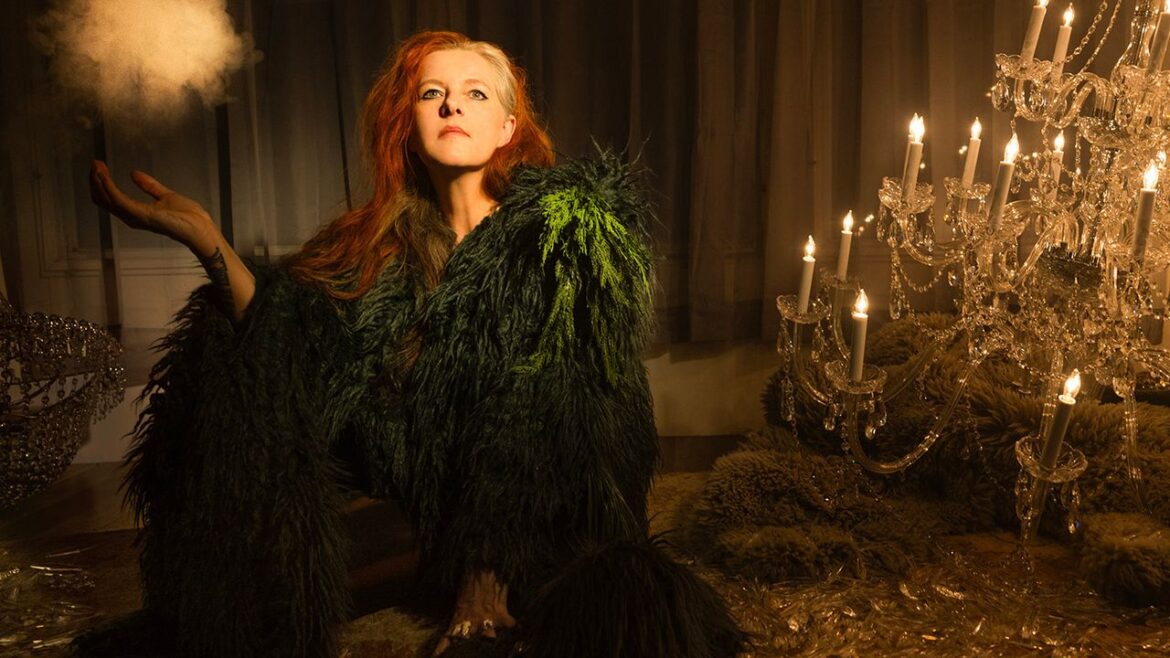
Neko Case: Neon Grey Midnight Green Album Review
Music

Neko Case: Neon Grey Midnight Green Album Review

by jummy84 September 30, 2025
written by jummy84

To kick off her recent memoir, The Harder I Fight the More I Love You, Neko Case steps into the shoes of her younger self, about to perform a dive bar gig that, as far as her nerves are concerned, might as well be the Super Bowl halftime show. “My job at that moment is to conjure a small dust devil of unreality around us, to pull it up out of a sticky, shiny carpet and flappy, beer-soaked speaker cones,” she writes. “I have to make it out of words and sounds and looks.”

So has been her ethos for the past three decades. At this point it feels wrong to call Case a country artist when her work most closely resembles a feral strain of baroque pop—Nilsson at a truck stop, Kate Bush running with raccoons as well as foxes. Her new album, Neon Grey Midnight Green, arriving right on the heels of her book, is something of a career retrospective, but it is also the 55-year-old Case at her most immediate and daring. Her last foray into autobiographical songwriting plunged into darkness and excavated the muck; Neon Grey sprouts upwards, pushing a newfound wonder for life’s mysteries up through the grass for all to see.

The album’s title, taken from the meeting of slate-colored clouds and conifer forests on the Pacific Northwest skyline, conjures up the familiar sense of vengeance and foreboding found across Case’s other releases. But its overwhelming feelings are gratitude and awestruck revelation. “I’m a meteor shattering around you/And I’m sorry/I’ve become a solar system/Since I found you,” she declares on lead single “Wreck.” Neon Grey was made in collaboration with the 20-piece PlainsSong Chamber Orchestra, conducted by Sara Parkinson and arranged by Tom Hagerman, and recorded live with the full band. The result is at once all-encompassing and strikingly intimate. In the past, Case’s crystalline voice stood alone against the foggy, widescreen neo-noir of songs like “Deep Red Bells” and “Curse of the I-5 Corridor.” Amid all the strings and woodwinds and harps, bolstered by the usual guitars and brush-tapped drums, her heartfelt lyricism manifests as one massive floodlight, daring you to gaze straight-on.

Case has spoken about losing several close friends and colleagues in the years since 2018’s Hell-On, including longtime collaborator Peter Moore and Dexter Romweber of Flat Duo Jets, her favorite band. The latter inspired the beautiful “Winchester Mansion of Sound,” retelling a day spent together walking along train tracks. Case’s emotion for him is raw and effusive, until she snaps back to the present to steer her audience away from cliché: “If you think I’m talkin’ ’bout romance/You’re not listening.” She backtracks over herself in these asides and run-ons and revisions, including in the music itself, which frequently changes tempo partway through a song to match the cadence of Case’s memories. The concept of time, via tidal waves or ticking clocks or a spider building its web, reappears across the album like an urgent spectre. That’s the double-edged sword of grief—debilitating as it may be, it can drive a person toward a more fervent truth-telling, a need to lay out exactly who or what was lost and make certain it is not forgotten. If Hell-On was Case’s plea to heed the warnings of nature and the changing planet, Neon Grey is a grand eulogy for lives she’s already said goodbye to, including versions of her own.

September 30, 2025 0 comments
0 FacebookTwitterPinterestEmail
IGK Antisocial Midnight Silk Dry Hair Mask Review
Fashion

IGK Antisocial Midnight Silk Dry Hair Mask Review

by jummy84 September 24, 2025
written by jummy84

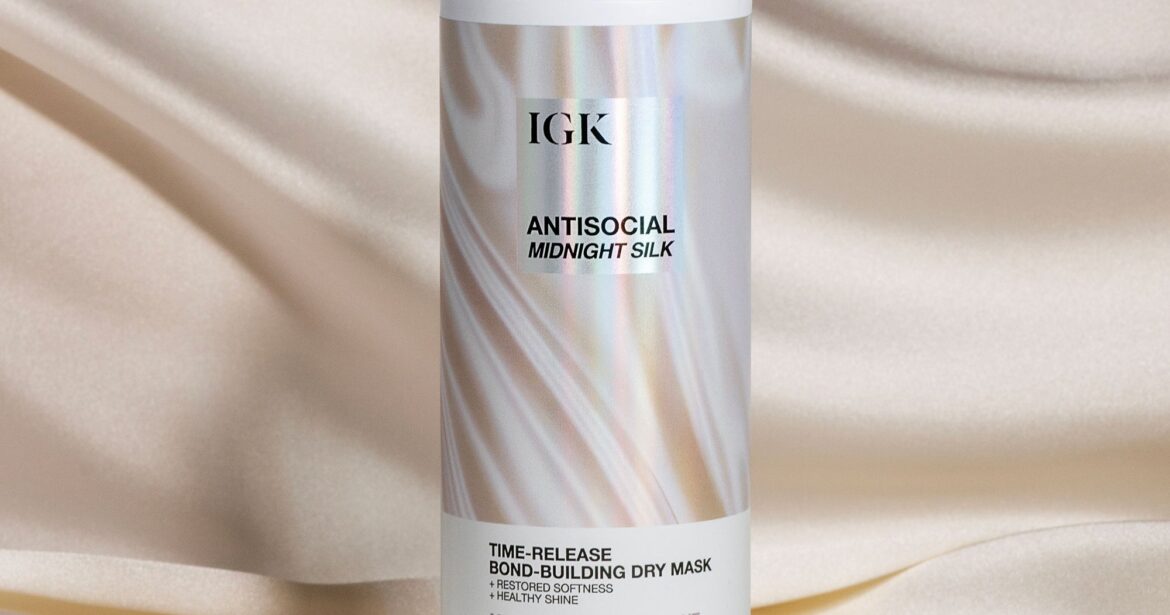
Taking inspiration from another overnight beauty sleep MVP — silk pillowcases — IGK’s Midnight Silk version of Antisocial features extra-special packaging and a light, subtly sweet scent. Per the instructions, I tried it on clean, dry hair and brushed it throughout before securing in a loose braid – my preferred bedtime hairstyle. The next morning, I woke up with loose waves and touchably soft, smooth hair. I still had some rogue flyaways at the top — nothing I couldn’t fix with a little hairspray — and my hair looked visibly shinier and my highlights brighter, somehow. And best of all, I loved not having to rinse anything out — just spray, brush, and wake up to silky, shiny hair.
September 24, 2025 0 comments
0 FacebookTwitterPinterestEmail

Social Connect

Facebook Twitter Instagram Pinterest Youtube Snapchat

Recent Posts

  • 2009 feels like a whole other world away

  • Watch Ariana Grande and Jimmy Fallon Perform a History of Duets

  • Spotify’s Joe Hadley Talks ARIA Awards Partnership

  • Nick Offerman Announces 2026 “Big Woodchuck” Book Tour Dates

  • Snapped: Above & Beyond (A Photo Essay)

Newsletter

Subscribe my Newsletter for new blog posts, tips & new photos. Let's stay updated!

Categories

  • Bollywood (1,929)
  • Celebrity News (2,000)
  • Events (267)
  • Fashion (1,605)
  • Hollywood (1,020)
  • Lifestyle (890)
  • Music (2,002)
  • TV & Streaming (1,857)

Recent Posts

  • Shushu/Tong Shanghai Fall 2026 Collection

  • Here’s What Model Taylor Hill Is Buying Now

  • Julietta Is Hiring An Assistant Office Coordinator In Dumbo, Brooklyn, NY (In-Office)

Editors’ Picks

  • 2009 feels like a whole other world away

  • Watch Ariana Grande and Jimmy Fallon Perform a History of Duets

  • Spotify’s Joe Hadley Talks ARIA Awards Partnership

Latest Style

  • ‘Steal This Story, Please’ Review: Amy Goodman Documentary

  • Hulu Passes on La LA Anthony, Kim Kardashian Pilot ‘Group Chat’

  • Hannah Einbinder Slams AI Creators As “Losers”

  • Facebook
  • Twitter

@2020 - celebpeek. Designed and Developed by Pro


Back To Top
celebpeek
  • Home
  • Bollywood
  • Hollywood
  • Lifestyle
  • Fashion
celebpeek
  • Music
  • Celebrity News
  • Events
  • TV & Streaming