celebpeek
  • Home
  • Bollywood
  • Hollywood
  • Lifestyle
  • Fashion
celebpeek
  • Music
  • Celebrity News
  • Events
  • TV & Streaming
Home » Health » Page 9
Tag:

Health

Surgeon weighs in on bariatric surgery vs weight loss drugs to beat obesity: Do GLP-1 drugs work better? | Health
Lifestyle

Surgeon weighs in on bariatric surgery vs weight loss drugs to beat obesity: Do GLP-1 drugs work better? | Health

by jummy84 September 1, 2025
written by jummy84

Do you know that worldwide, since 1990, adult obesity has more than doubled and adolescent obesity has quadrupled? These World Health Organization (WHO) figures tell a grim story of a disturbing health pattern. Being overweight can be a long-term problem that makes you more likely to get type 2 diabetes, high blood pressure, heart disease, sleep apnea, and even increase the risk of certain types of cancer. Your general lifestyle gets affected: tiredness, joint pain, and reduced mobility become a way of life. For people dealing with extreme obesity, doctors suggest that treatment needs to do more than just help people lose weight quickly. It also needs to deal with the biological and metabolic factors that cause the problem, says bariatric surgeon Dr Ashish Gautam, Senior Director, Robotic and Laparoscopic Surgery, Max Super Speciality Hospital, New Delhi.

Severe obesity needs medical intervention. (Adobe Stock)

“Bariatric surgery and GLP-1-based medications (weight loss drugs) have become two of the most significant options for treating obesity in recent years, each with its own benefits, drawbacks, and long-term effects,” Dr Gautam tells Health Shots.

How GLP-1 medications work and what you can expect

GLP-1 receptor agonists like Ozempic are injectable and oral drugs that work like glucagon-like peptide-1, a hormone that helps control appetite and blood sugar levels. They make the stomach empty more slowly, make people less hungry, and help them feel full with smaller amounts of food. Many people start to lose weight within weeks, and their blood sugar levels often get better at the same time.

But these drugs do not work all the time. The doctor explains: “They do not change the way the body stores fat or how it changes over time in terms of metabolism. If the medication is stopped, appetite and weight often come back, especially if there are no changes to diet or activity level. In practice, you need to keep using them to keep getting the benefits, which makes them more of a long-term treatment than a one-time fix.”

Side effects of GLP-1 medications

Many people who take this medicine reportedly complaint of nausea, bloating, constipation, and stomach pain as side effects. “While most people can handle them, some stop taking them because they keep having stomach problems. Pancreatitis and gallbladder problems are also rare but serious complications that need to be watched closely. People who have had these kinds of problems in the past may be told not to use these medications,” adds Dr Gautam.

The cost – approximately ₹10,000-20,000 for injectables – every month, may be another factor to consider in case long-term use of weight loss drugs is planned. “People who do not have type 2 diabetes may not always have insurance. The cost can make it hard to stick with it in the long term. Also, losing weight quickly from medication without a structured resistance-training program could cause patients to lose lean muscle, making them feel weaker instead of stronger,” says the expert.

Is bariatric surgery for severe obesity better?

In some severe obesity cases, doctors suggest a bariatric surgery for long-term benefits. Bariatric surgery has two types: sleeve gastrectomy and gastric bypass. These don’t just make your stomach smaller, but also change the hormones in your gut, the signals that tell you you’re hungry, and how your body breaks down food.

“Many patients say they feel less hungry without taking medication. The surgery changes the anatomy and hormonal environment of the gastrointestinal tract, which is why this happens. There are many more benefits than just losing weight. Surgery can help people with type 2 diabetes stay in remission, lower their blood pressure, and fix or improve sleep apnea, polycystic ovarian disease, and metabolic syndrome. The chances of getting cancers linked to being overweight, especially breast and colon cancer, are also lower,” explains Dr Ashish Gautam about the benefits of bariatric surgery.

For obese patients who deal with type 2 diabetes, blood sugar levels go down within days of surgery. The need for insulin drops a lot, and some patients go into remission for years. This is because the surgery changes how sensitive insulin is and how hormones are released in the gut, he adds.

Citing a ARMMS-T2D study, which took place over 12 years at four major US research centers, he points out how bariatric surgery patients kept off an average of 20% of their weight, while those who received medical and lifestyle interventions only lost 8% of their weight. More than half of surgical patients achieved HbA1c levels under 7%, and diabetes remission was significantly more common and persistent. Even people with a BMI of 27 to 34 saw benefits.

What are the side effects of bariatric surgery?

One of the side effects of bariatric surgery is that it may lead to nutritional deficiencies like low iron post-surgery. This can usually be avoided by taking supplements and monitoring health parameters.

“Most bariatric surgeries today are done with small incisions or robotic help, so patients often leave the hospital in two to three days. Recovery is quicker, and there are fewer complications than with older open surgeries. Following the procedure with proper nutrition and strength-focused exercise helps protect muscle, keeping strength and energy levels up while losing weight,” he says.

Bariatric surgery vs GLP-1 drugs

According to the surgeon, bariatric surgery always leads to more weight loss that lasts longer than GLP-1 drugs. Drugs can have big effects in the short term, but stopping them often means gaining weight back.

  • Metabolic effect: Surgery changes hormones right away and for a long time, which helps regulate appetite and glucose metabolism. GLP-1 drugs have similar effects, but they need to be taken all the time and stop working when you stop taking them.
  • Risks and side effects: There are risks involved with surgery, but modern methods have made complications less likely. Medicines don’t have the same risks as surgery, but they can upset the stomach and, in rare cases, cause more serious problems.
  • Cost: The cost of surgery up front can be high, but insurance will often pay for it if certain medical conditions are met. You have to keep paying for GLP-1 drugs, which can add up to more than the cost of surgery over a number of years.
  • Lifestyle commitment: Both methods require changes to your lifestyle. Surgery patients need to change how they eat and keep taking their vitamins, while medication users get the most out of their medications when they are also following a diet and exercise program.

“For those who prefer to avoid surgery, want to lose weight beforehand, or can’t undergo surgery for medical reasons, GLP-1 medications can be an option. They may also suit people who are moderately overweight or want to try appetite suppression before considering surgery,” says Dr Gautam.

He adds that surgery remains the most effective option for people with severe obesity, especially when other health conditions are also present.

“Some patients may do better with a combination of treatments. For example, they could start with GLP-1 medication to lose weight and lower the risk of surgery, and then have surgery to keep the weight off for good. When pharmacologic therapy stops working as well, some people may switch from medication to surgery,” says Dr Gautam.

A word of caution

Before you choose between bariatric surgery and GLP-1 therapy, you need to have a full medical evaluation, talk about your goals, and be honest about how long you plan to stick with it. Both can be useful, but how well they work depends on each person’s health, ability to stick to lifestyle changes, and ability to follow up with care.


September 1, 2025 0 comments
0 FacebookTwitterPinterestEmail
Ileana D'Cruz opens up about her initial breastfeeding struggles: ‘No idea it was going to be as intensely painful’ | Health
Lifestyle

Ileana D’Cruz opens up about her initial breastfeeding struggles: ‘No idea it was going to be as intensely painful’ | Health

by jummy84 September 1, 2025
written by jummy84

Ileana D’Cruz is married to Michael Dolan and is the mother of two sons. Their first child, Koa Phoenix Dolan, was born on August 1, 2023. On June 19 2025, they welcomed their second son, Keanu Rafe Dolan. They are living in Houston, Texas. With motherhood taking up centre stage for Illeana, she shared her experience.

Ileana D’Cruz opened up about her experience of breastfeeding, explaining the journey from initial confusion to trusting her instincts. (PC: IG/@ileana_official)

ALSO READ: Ileana D’Cruz explains why she and husband Michael Dolan have chosen to raise their 2 kids in Texas without a nanny

In a candid conversation about all things motherhood, on an Instagram Live on August 30 for Live for Freedom To Feed, Ileana D’Cruz shared with actor Neha Dhupia about how she is navigating parenting. She talked about one of the first essentials of early motherhood, which is breastfeeding, and how the journey was, including any initial inhibitions.

First reaction

Before stepping into motherhood, especially around the time before the delivery, many often turn to their close friends for guidance, what to expect. Illeana did the same, gathering details of what to expect so she could prepare.

She said, “She did tell me, you know, breastfeeding is really intense. It can be really painful, but she’s like, it’s the most beautiful thing as well. And she was absolutely right. She’s like, it was definitely painful initially. And then, you know, you have the other complications that come with breastfeeding… I had no idea it was going to be as intensely painful as it was.” The initial reaction was a bit overwhelming, wondering about the possible complications and how the process of breastfeeding can be painful.

But Illeana also acknowledged how breastfeeding is a privilege. She continued, “But it is such a, I don’t know, maybe privilege is the right word. It’s such a privilege to be able to feed your child, and the connection that you can have with your baby is really lovely.” Breastfeeding allows a mother to bond and connect with the child in a special way.

Illeana’s experience with breastfeeding

The actor further recalled her first experience with breastfeeding, when she was very stressed. As a new mother navigating those first moments, Ileana remembered feeling judged by a lactation consultant at the hospital.

“At the hospital, we were told, you know, ‘Would you like a lactation consultant to come and speak with you’? So I was like, ‘Yeah, of course, you know, I’d love to have an expert come and talk to me’. And I just felt so much judgment from this woman. She was like, the first question, she’s like, ‘Do you plan to breastfeed? Are you going to be formula feeding as well’? And I’m like, ‘Well, I plan to breastfeed only, but you know, you don’t know what’s going to happen’… I’m like, every woman has her own journey. Every mother has her own journey with her child, and you know, what’s best for your kid, instinctively, ” she shared.

There was a lot of contradictory information from everyone around, which confused the actor initially, as everyone had their two cents. Illeana shared another personal experience where someone at the hospital told her not to pump milk for six weeks, while her doctor recommended it earlier due to inflammation. Looking back, Illeana remembered that she was worried a lot, “I think I was so worried. It’s very, very painful. So like I had a fever and everything was really bad.” Especially for the first time around, she admitted to depending on the lactation expert, fearing that any mistake would harm the baby’s health. But as time went on, she learnt how to trust her instincts.

Note to readers: This article is for informational purposes only and not a substitute for professional medical advice. Always seek the advice of your doctor with any questions about a medical condition.

September 1, 2025 0 comments
0 FacebookTwitterPinterestEmail
Boss at work micromanaging you too much? Know how this constant scrutiny affects your health and productivity | Health
Lifestyle

Boss at work micromanaging you too much? Know how this constant scrutiny affects your health and productivity | Health

by jummy84 August 31, 2025
written by jummy84

Managers are supposed to lead and supervise, but incessantly overanalysing and nitpicking every small move can turn even simple tasks into nerve-wracking moments. When management zooms in on every decision, it turns into classic micromanaging. This can make the employees feel like they are walking on eggshells at work, spiking anxiety even over very basic assignments when you have your boss hovering over you.

Micromanagement can plummet employee motivation and productivity.(Shutterstock)

ALSO READ: Tired of toxic offices? Quiet thriving is the new trend that’s transforming workplaces for the better

Micromanaging is common in the workplace, especially when a manager is a stickler for details or a perfectionist. On the manager’s side, they are ensuring that things are in order, from ensuring deadlines are met to maintaining quality standards in work.

But controlling every step, constantly checking in, may put immense stress on employees, as small missteps may be blown out of proportion, causing the employees to second-guess everything. So much stress is bound to affect health in the long run.

HT Lifestyle reached out to experts to understand how micromanaging affects employees adversely, deteriorating their health. Along with this, let’s also see if leaders can guide effectively without constantly hovering.

How does micromanaging hurt mental health?

When employees are subjected to constant nitpicking, they may think that managers don't trust them. This lack of autonomy shows up in work performance. (Shutterstock)
When employees are subjected to constant nitpicking, they may think that managers don’t trust them. This lack of autonomy shows up in work performance. (Shutterstock)

Micromanagement may work in the beginning with the manager ‘supervising’ every last detail, but this constant scrutiny embeds fear among employees. Priyanshi Nautiyal, consultant psychologist at 1to1help, told HT Lifestyle that the atmosphere itself of the workplace changes, becoming one of mistrust.

She said, “Micromanagement doesn’t improve performance, it paralyses it. The relentless criticism can erode the self-esteem of the subordinates, fueling symptoms of anxiety and depression. This fear-based work culture, often disguised as supervision, quickly turns into tyranny, which slows down the cognitive processes of the subordinates as they are constantly stricken with the fear of making the ‘wrong’ choice.”
In addition to this, micromanagement also stifles original thinking. As per the psychologist, it ‘subdues critical thinking,’ making employees feel that putting in effort is pointless since the manager will anyway override it. Then the job starts to feel meaningless. According to Priyanshi, the job becomes ‘robotic.’ Since mental health issues like burnout rise, it eventually also gives way to physical ailments.

How can managers effectively lead and not micromanage?

Right managers help employees be more productive, showing support.(Shutterstock)

Micromanagement for leaders may feel like the best option to keep things running smoothly, but it can backfire. It decreases trust in the team, leaves no room for creativity and pushes employees towards burnout, getting demotivated.

Samira Gupta, senior executive presence and leadership communication coach, told us that so much micromanagement causes too much dependency as well. She said, “For leaders, the constant oversight steals time and energy from strategic priorities. Over time, it creates dependency, burnout, and attrition.” In other words, employees become too reliant on the manager, which also slows the workflow because of reduced independent thinking.

Here are some of the practical strategies she shared for leaders to reduce tendencies of micromanagement:

1. Lead by the lighthouse principle: Set the direction, clarify the end goal, and let your team chart the course. Clear objectives with measurable outcomes empower people to innovate while staying aligned.

2. Replace hovering with honest check-ins: Agree on milestone-based updates rather than constant interruptions. This creates space for deep work and ensures leaders step in only when needed.

3. Trust as a performance multiplier: Equip your team with the right tools, authority, and support, then step back. Trust accelerates ownership, decision-making, and problem-solving far more than constant supervision ever could.

Better designs for a calmer workplace

Workplace design influences the mood of the team. (Shutterstock)

While micromanaging is a leadership style, from a broader perspective, this controlling behaviour can also come from a poorly designed workspace. Sounds surprising? Ill-designed environments make people feel out of sync and act out. And since they can’t fix it, they end up controlling what they can, which is often the people in the team.

Aryaman Vir, founder and CEO of Morpho Dimensions, told us that the right office design, especially the colours, affects mood. He cited research from 2018, where the colour schemes in the workplace influence mood significantly.

Aryaman said, “The right palette can create energy, inspire innovation, and foster focus. The wrong one can do quite the opposite, dulling creativity, draining motivation, or even increasing stress.”

Here are some of the further colour-related design tips he shared for the workplace:

  1. Blues and greens for calming effects: Cool colours, particularly blue and green, have been historically shown to encourage productivity and a state of calm. Blue environments can increase productivity, and generally, green can improve job satisfaction and cognitive clarity, which is beneficial in high-demand jobs.
  2. Vibrant colours for high energy: Vibrant tones like yellow can infuse a space with optimism and are especially effective in environments that thrive on ideas and brainstorming. Red, used with intention, can bring urgency and drive usefulness in high-intensity zones.
  3. Avoid stark white or grey: Stark white or uninspired grey spaces, though once seen as neutral, often leave occupants feeling disengaged and uninspired.

So in conclusion, micromanagement needs to be toned down at the workplace to build trust, foster autonomy, and improve mental health. Productivity comes from supporting people, not controlling them.

Note to readers: This article is for informational purposes only and not a substitute for professional medical advice. Always seek the advice of your doctor with any questions about a medical condition.

August 31, 2025 0 comments
0 FacebookTwitterPinterestEmail
Fitness coach says he has 'seen skinny people die inside', shares 8 tests that predict your future better than waistline | Health
Lifestyle

Fitness coach says he has ‘seen skinny people die inside’, shares 8 tests that predict your future better than waistline | Health

by jummy84 August 31, 2025
written by jummy84

In an August 30 Instagram post, fitness coach Dan Go highlighted the importance of looking beyond physical appearance and focusing on internal health metrics. According to him, your weight doesn’t tell the whole story as a person’s weight or body shape may not accurately reflect their metabolic health. Also read | Cardiologist reveals ‘blood test that predicts heart attacks and could save your life’: ‘It’s not cholesterol’

Fitness coach Dan Go said Most people obsess over weight. But the real predictors of disease, ageing, and early death are hidden in your blood. (Freepik)

Get tested, know your numbers

Dan said that it is bloodwork that reveals the truth as laboratory tests can provide a more accurate picture of a person’s health, including markers for age-related diseases.

He said, “Your scale is lying to you. Your blood tells the truth. I’ve seen ‘skinny’ people dying inside. I’ve seen ‘overweight’ people metabolically perfect. My client had a six-pack at 42. His bloodwork said he was 65. 6 months later: Same weight. 20 years younger biologically. Your mirror shows your outside. Your labs show your inside. One matters way more than the other. Save this list. Get tested. Know your numbers. Because you can’t fix what you don’t measure.”

He added, “Most people obsess over weight. But the real predictors of disease, ageing, and early death are hidden in your blood.” According to Dan, here are ‘8 lab tests that predict your future better than your waistline’:

Test no. 1 – Complete Blood Count (CBC)

Dan said, “Measures red/white blood cells, platelets, haemoglobin. It uncovers anaemia, infection, immune status, and even cancer risk. Think of it as checking the fluids in your car. If they’re too high or too low, the system will break down.”

Test no. 2 – Hemoglobin A1C

“Your 2-3 month blood sugar report card. High A1C = higher odds of diabetes, heart issues, and kidney failure. This test shows how your metabolism has been performing for months, not just today,” Dan said

Test no. 3 – Comprehensive Metabolic Panel (CMP)

He added, “Measures liver, kidney, electrolytes, and blood sugar. This is a full house inspection: plumbing (kidneys), furnace (liver), wiring (electrolytes). It reveals imbalances years before symptoms show.”

Test no. 4 – High-Sensitivity C-Reactive Protein (hs-CRP)

“A key marker of inflammation. Even a small rise signals a higher risk of heart disease, diabetes, and cancer. Think of it as your body’s smoke detector,” Dan said.

Test no. 5 – Apolipoprotein B (ApoB)

“Tracks the number of artery-clogging particles (LDL, VLDL, IDL)—not just cholesterol content. Each particle = plaque risk. Better predictor than LDL. Like watching snow pile up in your gutters before they collapse,” he added.

Test no. 6 Vitamin D Levels

Dan said, “Up to 90 percent of people are deficient. Low vitamin D = weak bones, poor immunity, low mood, higher cancer risk. We’re solar-powered. Without enough, nothing works at full strength.”

Test no. 7 – Functional Hormone Panel

“Measures sex, adrenal, thyroid and sleep hormones. Imbalances drive fatigue, weight gain, mood swings, and poor recovery. This is your dashboard (fuel, oil, fluids). Miss one, and your car has got some problems,” Dan said.

Test no. 8 – Alzheimer’s Blood Test

He added, “(PrecivityAD2TM) detects early Alzheimer’s risk with 90% accuracy-years before symptoms. Like checking for rust in your engine before it seizes.”

Dan concluded, “What you measure is what you manage. The best ways to test for these are through your GP or getting lab work by a functional health clinic. If you’re in the red, get these every 6 months. If you’re healthy, get these every year.”

Note to readers: This report is based on user-generated content from social media. HT.com has not independently verified the claims and does not endorse them.

This article is for informational purposes only and not a substitute for professional medical advice.

August 31, 2025 0 comments
0 FacebookTwitterPinterestEmail
Can your hair colour trigger serious allergies? Dermatologist shares 7 symptoms: Blisters on skin, red scalp and more | Health
Lifestyle

Can your hair colour trigger serious allergies? Dermatologist shares 7 symptoms: Blisters on skin, red scalp and more | Health

by jummy84 August 30, 2025
written by jummy84

Many dye their hair colours as a way of self-expression, fashion statement, or to occasionally freshen up their look. While generally it is viewed as something youngsters may do, many older adults dye their hair to hide grey hair. But hair colours contain chemicals which come with their own risks, and sometimes may also cause severe allergic reactions. While no one is outrightly condemning hair colour or asking you to stop dying completely, knowing about the potential health threats that can happen makes it easier to take precautions and safely colour your hair.

Avoid hair colours that contain PPD or ammonia.(Shutterstock)

ALSO READ: Post-colour care: Expert haircare routines to keep your hair colour fresh and tresses healthy

Dr Jasmine Gandhi, medical advisor and consultant dermatologist at Kaya Limited, told HT Lifestyle that permanent colour dyes contain a specific ingredient which causes allergic triggers.

Highlighting the ingredient, she said, “One of the most common culprits is paraphenylenediamine (PPD), a key ingredient in many permanent dyes, known to trigger contact dermatitis in sensitive individuals. Reactions to PPD can range from minor scalp discomfort to allergic reactions that cause serious symptoms throughout the body.”

Symptoms of allergy

Itching and redness are one of the PPD allergy signs.(Shutterstock)

How do you know if your hair colour is adversely reacting? There are some signs to keep an eye out for. Dr Jasmine Gandhi listed out the allergy symptoms:

  1. Scalp irritation, redness, itching
  2. Inflammation of the scalp, neck, forehead, ears or eyes
  3. Swelling of face, lips, eyes, hands and feet
  4. Blisters on skin
  5. Burning, stinging sensations
  6. Change in skin pigmentation
  7. Dryness and skin cracking

Other than the above-listed symptoms, the allergic reaction can take an even more serious turn. Dr Gandhi called it anaphylactic shock. She added, “Anaphylaxis, often known as ‘anaphylactic shock,’ a severe allergic reaction that occurs within minutes, is a medical emergency.”

This allergic reaction is so severe that the symptoms go far beyond the scalp. She continued, “People may experience light-headedness or fainting, and swelling of the mouth, throat, or tongue, which can cause breathing and swallowing issues. Stomach pain, nausea, vomiting, wheezing or unconsciousness are some other symptoms.”

When any serious situation like this comes up, Dr Gandhi recommends visiting a medical practitioner. If the reaction is mild, then she said that it can be managed by washing off excess dye and applying a gentle anti-inflammatory cream. While antihistamine medicines, Dr Gandhi reiterated it’s best to let the healthcare professional guide the treatment. Even if the reaction was mild, Dr Gandhi warned that it should not be taken lightly as products containing PPD may cause even more severe reactions in the future, when dyed again.

How do you know if your hair colour is safe or not?

The key to safe hair colouring is doing a patch test before applying the dye to your hair. This helps to rule out PPD allergy.

Elaborating more about how to do the patch test, she revealed, “Always do a patch test 48 hours before applying hair dye, even if you have used the product before. In case of PPD allergy, you can opt for products containing PTD (para-toluenediamine) instead. PTD is a less sensitising alternative and is often tolerated by people allergic to PPD. However, patch testing is still essential before use.”

For a safer hair colouring experience, the dermatologist recommended opting for hair colours which do not have ingredients like PPD or ammonia.

Note to readers: This article is for informational purposes only and not a substitute for professional medical advice. Always seek the advice of your doctor with any questions about a medical condition.

August 30, 2025 0 comments
0 FacebookTwitterPinterestEmail
Tired of toxic offices? Quiet thriving is the new trend that's transforming workplaces for the better | Health
Lifestyle

Tired of toxic offices? Quiet thriving is the new trend that’s transforming workplaces for the better | Health

by jummy84 August 30, 2025
written by jummy84

Toxic workplaces have been the talk of the town for a very long time. Time and again, at every gathering, there’s always that frustrating rant about office drama that has everyone sitting on the edge of their seat. Typically, the plot includes a wide array of antagonists, from a micromanaging manager, unreasonable clients calling at 11 PM, snarky snitches, short-notice deadlines eating up weekends and endless office politics. It’s time to flip the script and encourage a workplace that invigorates you rather than draining energy.

Employees become more motivated in a supportive workplace environment.(Shutterstock)

ALSO READ: Being active at work is no longer just an option: New health initiatives at workplaces to promote wellness

One such trend, called ‘quiet thriving’, is silently changing the narrative of workplaces.

What are the health benefits of a supportive workplace?

An empowering workplace makes an employee feel confident.(Shutterstock)

But before we dive into decoding this empowering workplace trend, let’s first take a look at the benefits of a nurturing workplace environment. Often, employees’ health impacts are discussed in the context of a toxic environment. Since this trend is all about flipping the script, let’s begin right from the roots.

Dr Deepak Patkar, director of medical services at Nanavati Max Super Speciality Hospital in Mumbai, told us that supportive workplaces become a safe space for employees, both emotionally and physically. Organisations that respect trust and practice transparent communication, not just in words, but also in action, help employees feel valued and motivated to do their best.

He explained further how it positively influences employees, “Individuals working at these organisations develop a higher sense of self-worth and confidence as the leadership is often approachable and open to feedback. Employees also develop better mental peace and job satisfaction, contributing heavily to the turnover outcomes. Such environments also help people overcome their fears of public speaking or voicing out their opinions, becoming more professional and mindful communicators.”

What is quiet thriving?

Quiet thriving is a mindset where there's not a lot of expectation pinned on external validation and content on their own.(Shutterstock)
Quiet thriving is a mindset where there’s not a lot of expectation pinned on external validation and content on their own.(Shutterstock)

As Mahatma Gandhi rightfully said, “Be the change that you wish to see in the world.” Likewise, whether you believe it or not, you can fundamentally transform your work life. Quiet thriving is all about a mindset that is embedded in personal purpose, not external validation all the time.

Most of the time at work, even if you enjoy it, you always keep an eye out to see if your manager or colleague liked your work output and if not, it can leave you second-guessing yourself. Quiet thriving is all about what you can control, rather than wasting your energy on things beyond your influence.

Ajeet Kumar Singh, Managing Director and Co-Founder of SAVE Solutions Pvt. Ltd explained Quiet thriving, and elaborating, “Quiet Thriving is about intentionally showing up at work in a way that personally matters to you-even if your workplace does not so that the experience does not weigh you down but instead enriches your spirit: setting limits, building social bonds at work, tweaking the job to suit one’s own strengths, and finding quick bursts of joy here and there. It’s not a riot; it’s just a soft-spoken way toward change.”

He further listed specifically how it’s helping employees and how workplaces can create a supportive environment:

How is it helping employees?

  • Quiet Thriving is a mindset that is said to reduce instances of burnout, increase job satisfaction, and strengthen its practitioners’ mental functioning.
  • By focusing on the aspects within their control, Quiet Thrivers become reacquainted with considered meaning in settings that otherwise would drain them.

How can workplaces support quiet thriving?

  • Managers can support this by giving employees time and space to express their preferences -through flexible hours, regular feedback loops, or clear growth pathways.
  • Even small tweaks, such as carving time for creative expression or assembling a group of mentors, create much energy.

HR strategies to make workplace more fun

All is not dark and gloomy at work, as employees can have fun too at their workplaces. (Shutterstock)

Now, it would be unfair to put the entire onus on employees by expecting them to shift their mindset alone. Change is also a shared responsibility, so the heavy lifting of changing the workplace environment shouldn’t fall solely on them. Sure, employees need to focus on their work and avoid stressing over things beyond their control, but the workplace, too, needs to develop a nurturing environment for employee wellbeing and growth.

Shruti Swaroop, founder of Embrace Consulting and co-founder of International Inclusion Alliance, weighed in on this and said, “When we talk of ‘fun at work,’ we’re not talking about superficial parties or weekly festivities. We’re talking about an arena where employees feel psychologically safe, emotionally engaged, and intrinsically motivated. Where laughter is not ambient noise, it’s a cue for trust. And play moments aren’t distractions; they’re ignition points for collaboration and creativity. ”

She listed out 3 practical ways HRs can make work more fun:

1. Incorporate gamification into everyday performance

  • By leveraging aspects of reward, monitoring progress, and competition through challenge to learning, performance, or onboarding, HR can turn the previously mundane processes into a fun experience.
  • For example, introducing an online badge scheme for developing skills or designing an innovation-focussed, cross-functional team challenge not only delivers results but also fosters team spirit.

2. Establish deliberate micro-cultures of happiness

  • It’s not the big events but the small, regular rituals that build culture. HR can craft ‘micro-moments’ of happiness built into the workweek, whether 10-minute gratitude circles, peer shout-outs on common boards, or team storytelling circles.
  • These create spaces of humanity at work and make people feel seen beyond their job title.

3. Organise employee-owned culture committees

  • HR needs to move from being planners to being enablers by establishing employee-owned involvement or ‘culture’ committees.
  • They are cross-sections of employees from the diversity of the organisation that can co-create experiences that resonate with them, from wellness weeks and interest clubs to celebration events and community volunteerism.

All hope is not gone, and the workplace is not all dark and gloomy. With quiet thriving, employees can feel joyful and confident. Quiet thriving is slowly revolutionising the way employees work and feel in workplaces.

Note to readers: This article is for informational purposes only and not a substitute for professional medical advice. Always seek the advice of your doctor with any questions about a medical condition.

August 30, 2025 0 comments
0 FacebookTwitterPinterestEmail
Fitness coach reveals 5 ways to 'get enough protein for the rest of your life': Identify better sources to supplements | Health
Lifestyle

Fitness coach reveals 5 ways to ‘get enough protein for the rest of your life’: Identify better sources to supplements | Health

by jummy84 August 30, 2025
written by jummy84

Protein has become a cult classic among fitness enthusiasts because of its non-negotiable role in strengthening muscles, supporting bone health, and maintaining energy levels. And even otherwise, protein’s mention for maintaining good health is quite widespread. But here’s a reality check- your protein intake needs to be sustainable, it’s not just about a few months, but about building a natural dietary habit that lasts for decades, becoming a seamless part of everyday life.

Try to add protein in your every meal.(Shutterstock)

ALSO READ: Protein idli mix to cookies: Nutritionist decodes fortified foods and whether you actually need them

So how do you go about it, making it a normal instinct so that you stop treating it as a chore and instead naturally include it in your daily routine?

Fitness coach Raj Ganpath, who regularly shares fitness tips with his Instagram community, in an August 20 post, addressed this concern many people may have. To make regular protein intake sustainable across decades, he highlighted some strategies that simplify it over time.

Here are the 5 strategies Raj listed:

1. Every meal should have some form of protein

The first step is to make protein a part of your regular meals, not like an addition, but fundamentally integral to the dish you have, irrespective of what you eat and where you eat.

The coach added, “Make sure your every meal you eat contains some form of protein. What protein doesn’t matter, how much doesn’t matter- just make sure there is some form of protein in any meal that you eat.”

Protein should not be skipped, and it’s important to include it in some form at every meal, wherever you are. He said, “It could be breakfast, lunch, dinner, snack at home, outside in your city, outside your city, does not matter- make sure it is a part of your meal.”

2. Get accustomed to better protein sources

The next step is to ensure you are choosing the right sources. Raj advised identifying the right sources, depending on whether you are veg or non-veg.

He elaborated, “Identify protein sources that are actually rich in protein, based on your dietary constraints and make them a part of your day. For instance, if you are a meat eater, eggs, meat, sea food all that is great. But if you are a vegetarian, you need to eat low-fat cheeses, tofu, tempeh, soya chunks, things like that. You may not be used to it but try to identify them and include them, get used to them.”

Often vegetarians, especially Indians, struggle with low protein intake as the sources are commonly thought to be pulses, but they may not be sufficient. This is why Raj stressed the fact that you need to adjust to the protein sources as per your dietary restrictions, even if foods like tempeh, tofu are new to you.

3. Protein not as a side to your main dish

Are you the one who includes boiled eggs alongside your main plate, holding your nose, and quickly eating them just to get it over with? If so, one reason your protein intake may fall short is that protein is treated as a side dish. The fitness coach also pointed out this issue.

He said, “Make these protein-rich options a part of your meal, not just a side where you are force-fitting it into your meal. That means don’t create a protein-free meal and then have protein on the side and think okay, I just have to somehow eat the protein, then I can enjoy my protein-free meal.”

Suggesting the solution, he continued, “Instead, try and make it a part of the meal, how do you include it in the recipes, that is the only way to make a part of your life in the long term.”

So instead, try adding egg or whatever protein you have as one of the ingredients, like egg bhurji with green veggies to pair with your ragi roti.

4. Supplement when necessary

Now there are possibilities of falling behind your recommended protein intake despite diligent meal planning. Raj suggested taking a supplement to fill this gap.

He said, “If you are doing the first three steps and you are still not getting enough protein, you most definitely should supplement. This is precisely why supplements exist. So don’t fight it. Don’t overthink it. Try to get protein from real food if you are not able to supplement wisely.”

5. Track but don’t obsess

While tracking your protein makes you aware of the protein amount you are consuming every day, hyperfixating on it may backfire. The fitness coach warned that constantly counting every last protein gram. It will just make you paranoid.

Raj said,“You should know how much protein you are getting. It is important because you are not getting enough of it, so maybe once a month or once in two months, do a breakdown and understand how much protein you are getting in grams, but don’t get into the habit of counting protein grams every day.”

He instead suggested including protein in every meal, adopting a structure rather than measuring the numbers all the time. And every couple of months, the daily meals’ protein amount can be checked, not every other day.

Note to readers: This report is based on user-generated content from social media. HT.com has not independently verified the claims and does not endorse them. This article is for informational purposes only and not a substitute for professional medical advice.

August 30, 2025 0 comments
0 FacebookTwitterPinterestEmail
Chef Sanjeev Kapoor's top 6 Jain recipes without onion, garlic and potato: Delicious Jain pav bhaji, amazing seekh kebab | Health
Lifestyle

Chef Sanjeev Kapoor’s top 6 Jain recipes without onion, garlic and potato: Delicious Jain pav bhaji, amazing seekh kebab | Health

by jummy84 August 30, 2025
written by jummy84

Chef Sanjeev Kapoor shared ‘delicious Jain recipes you won’t believe are onion-and-garlic-free’ in the November 27, 2024 blog on his website. He wrote, “Say goodbye to boring food and get ready to be amazed by these vibrant Jain recipes that prove you can enjoy delicious meals while staying true to Jain culture… if you thought Jain food was boring or limited, get ready to be amazed.” Also read | Chef Sanjeev Kapoor’s 5 high protein veg recipes for fitness enthusiasts: South Indian beetroot quinoa pachadi to salad

Chef Sanjeev Kapoor shares recipes that are all onion and garlic free. (YouTube/ Sanjeev Kapoor Khazana)

Chef Sanjeev Kapoor explained that the Jain cooking style ‘intentionally excludes root and underground vegetables like potatoes, garlic, and onions to protect tiny insects and microorganisms and focuses on fresh, seasonal ingredients and a sprinkle of creativity’.

He shared recipes for Jain pakoda (crispy, golden fritters made with cabbage), street food classics like Jain pav bhaji and dabeli, as well as corn tamatar nu shaak (a vibrant and tangy curry that combines sweet corn and juicy tomatoes), Jain seekh kebab (it use a mix of veggies like carrots, beans, and peas, seasoned with traditional herbs and spices) and a rich and creamy mix vegetable makhani.

1. Jain pakoda

⦿ Ingredients

1 small cabbage, thinly shredded

1 cup gram flour (besan)

2 tbsps rice flour

2 tbsps chopped fresh coriander leaves

1 tsp sugar

¼ tsp asafoetida (hing)

1 tsp red chilli powder

½ tsp crushed black peppercorns

1 tsp lemon juice

Salt to taste

2 tsps oil + for deep frying

Jain green chutney to serve

⦿ Method

1. Take cabbage in a large bowl. Add gram flour, rice flour, coriander leaves, sugar, asafoetida, red chilli powder, crushed black peppercorns, lemon juice, salt, and oil and mix well. Add ½ cup water and mix till a thick mixture is formed.

2. Heat sufficient oil in a kadai. Gently slide in small portions of the mixture and deep fry till golden brown and crisp. Drain on an absorbent paper.

3. Arrange the pakodas on a serving plate and serve hot with Jain green chutney.

2. Jain pav bhaji

⦿ Ingredients

2 large raw bananas, boiled, peeled and mashed

1½ tbsps ghee

1 tsp cumin seeds

1 medium green capsicum, chopped

Salt to taste

1½ tbsps red chilli paste

¼ tsp turmeric powder

½ tsp red chilli powder

1 tbsp pav bhaji masala

2 small tomatoes, finely chopped

1½ tbsps butter + for garnish

2 tbsps chopped fresh coriander leaves + for garnish

¼ cup boiled green peas

Buttered pavs to serve

Salad to serve

⦿ Method

1. Heat ghee in a non-stick pan. Add cumin seeds and let them change colour. Add green capsicum and sauté for 2-3 minutes. Add salt and mix well.

2. Add red chilli paste, mix and cook for 1-2 minutes. Add the boiled raw bananas and mix till well combined.

3. Add turmeric powder, red chilli powder, pav bhaji masala and mix well. Cook for 2-3 minutes.

4. Add tomatoes, mix and cook for 3-4 minutes. Add ¾ cup water, mix and cook for 3-4 minutes.

5. Add butter, coriander leaves, green peas and adjust salt and mix well. Cook for 2-3 minutes.

6. Lightly mash the mixture with the back of a spoon. Switch the heat off.

7. Transfer the mixture into a serving bowl. Garnish with butter and coriander leaves.

8. Serve hot with buttered pavs and salad.

3. Jain dabeli

⦿ Ingredients

4 medium raw bananas, boiled, peeled and mashed

8 pavs

2 tbsps dabeli masala

2 tbsps oil

½ tsp turmeric powder

2 tsps red chilli powder

Salt to taste

2 tsps castor sugar

2 tbsps chopped fresh coriander leaves + to sprinkle

Desiccated coconut to sprinkle

Masala peanuts as required

Fresh pomegranate pearls to sprinkle + to serve

Date and tamarind chutney for applying

Butter for toasting

Sev as required

⦿ Method

1. Heat oil in a non-stick pan. Add dabeli masala, turmeric powder, red chilli powder, and mix well. Add ⅓ cup water and mix. Cook for 1-2 minutes.

2. Add mashed raw banana and mix till well combined.

3. Add salt, castor sugar and coriander leaves and mix well. Transfer the mixture in a wide shallow bowl. Spread it evenly, sprinkle desiccated coconut, masala peanuts, coriander leaves and pomegranate pearls.

4. Make slits in the pavs without cutting it through. Apply some date and tamarind chutney and stuff it generously with the dabeli mixture and spread it evenly.

5. Heat some butter in a non-stick tawa. Place the dabelis on it and toast for 2-3 minutes on low-medium heat. Flip and toast the other side for 2-3 minutes as well.

6. Press the open edges of the dabeli on to some sev. Serve hot with some masala peanuts and pomegranate pearls.

4. Jain corn tamatar nu shaak

⦿ Ingredients

1 corn on the cob

4 medium tomatoes, roughly chopped

Gravy

2-3 tbsps oil

1 inch cinnamon stick

4-5 cloves

4-5 black peppercorns

1 dried red chilli

1 tbsp melon seeds

1 tbsp roasted unsalted peanuts, peeled

¼ tsp turmeric powder

Salt to taste

Tempering

2 medium tomatoes, finely chopped

2 tbsps oil

1 tsp cumin seeds

¼ tsp asafoetida (hing)

1 medium green capsicum, finely chopped

2-3 green chillies, chopped

1 tsp coriander powder

½ tsp garam masala powder

1 tsp cumin powder

¼ tsp chaat masala

½ tsp red chilli powder

½ cup grated cottage cheese (paneer)

Salt to taste

1 tsp sugar

2 tbsps fresh cream

¼ tsp green cardamom powder

1 tsp dried fenugreek leaves (kasuri methi)

1 tsp lemon juice

1½ tbsps chopped fresh coriander leaves

Fresh coriander sprig for garnish

Paranthe to serve

⦿ Method

1. Roast the corn on the cob on direct flame till well charred from all sides.

2. Place the corn on the worktop and remove the corn kernels with the help of a knife. Put the corn kernels into a blender jar. Blend to a coarse paste.

3. Heat oil in a non-stick pan. Add cinnamon stick, cloves, black peppercorns, and dried red chilli and sauté for a few seconds.

4. Add tomatoes and mix well. Cook till soft and pulpy.

5. Add melon seeds and roasted peanuts and mix well. Cook for 1-2 minutes.

6. Add turmeric powder and salt and mix well. Add ½ cup water, mix and cook for 2-3 minutes.

7. Switch the heat off, discard the cinnamon stick and allow the mixture to cool slightly. Put the mixture into a blender jar and blend to a fine paste.

8. For the tempering, heat oil in a non-stick pan. Add cumin seeds and asafoetida and mix well.

9. Add green capsicum and mix, cook for 1-2 minutes. Add green chillies, and tomatoes and mix well. Cook for 1-2 minutes.

10. Add blended paste, mix and cook for 1 minute. Add blended corn mixture and mix well. Add 1 cup water and mix.

11. Add coriander powder, garam masala powder, cumin powder, chaat masala, and red chilli powder and mix well. Cook for 2-3 minutes.

12. Add cottage cheese and mix. Add salt, sugar and fresh cream and mix well.

13. Add green cardamom powder, dried fenugreek leaves and lemon juice and mix well. Add coriander leaves, mix and switch the heat off.

14. Transfer the mixture into a serving bowl. Garnish with coriander sprig. Serve hot with paranthe.

5. Jain seekh kebab

⦿ Ingredients

3-4 medium raw bananas, boiled, peeled and mashed

4 tbsps oil

2-3 green chillies, finely chopped

½ cup finely chopped cabbage

¼ tsp turmeric powder

1 tsp red chilli powder

¼ tsp chaat masala

Salt to taste

¼ tsp green cardamom powder

4-5 raisins (kismis)

2 tbsps chopped fresh coriander leaves

1 tbsp finely chopped fresh mint leaves

2 tbsps roasted gram flour

Cabbage salad to serve

Jain green chutney to serve

Fresh mint leaves for garnish

Lemon wedges to serve

⦿ Method

1. Heat 1 tbsp oil in a non-stick pan.

2. Add green chillies and cabbage and mix well. Add turmeric powder and mix well. Cook for 1 minute. Take the pan off the heat and allow to cool slightly.

3. Take boiled raw banana in a large bowl, add the cabbage mixture, red chilli powder, chaat masala, salt, green cardamom powder, raisins, coriander leaves, mint leaves, and roasted gram flour and mix till well combined.

4. Dip your fingers in some water and take a portion of the mixture and spread it on to a satay stick and shape it like a seekh.

5. Heat remaining oil in a non-stick pan. Place the seekh on it and cook for 3-4 minutes, rotating the seekh in between till golden brown on all sides.

6. Arrange the seekhs on a serving plate, garnish with mint leaves and serve hot with salad, Jain green chutney, and lemon wedges.

6. Jain mix vegetable makhani

⦿ Ingredients

10-12 small cauliflower florets, boiled and drained

6-8 French beans, cut into 1 inch pieces, blanched and drained

¼ cup boiled green peas

1 medium raw banana, boiled, peeled and cut into1 inch cubes

2 tbsps oil

5-6 black peppercorns

1 inch cinnamon stick

2-3 cloves

3 green cardamoms

1 tbsp red chilli paste

2 cups fresh tomato puree

Salt to taste

¼ tsp turmeric powder

¼ cup coconut cream

1 tsp sugar

1 tbsp butter

¼ tsp dried fenugreek leaves powder

Fresh coriander leaves for garnish

⦿ Method

1. Heat oil in a non-stick pan. Add black peppercorns, cinnamon stick, cloves, green cardamoms, and mix well. Cook till fragrant.

2. Add red chilli paste, mix and cook for 1-2 minutes. Add tomato puree, mix and cook till the oil separates.

3. Add salt, turmeric powder and mix well. Cook for 1-2 minutes.

4. Stir in the coconut cream and cook for 1-2 minutes.

5. Add sugar and mix, cook till it melts. Add cauliflower, French beans, green peas, and raw bananas and mix well. Cook for 2-3 minutes.

6. Add butter and mix well. Cook for 1-2 minutes.

7. Add dried fenugreek leaves powder and mix well. Transfer into a serving bowl.

8. Garnish with fresh coriander leaves. Serve hot.

Note to readers: This report is based on user-generated content from social media. HT.com has not independently verified the claims and does not endorse them.

This article is for informational purposes only and not a substitute for professional medical advice.

August 30, 2025 0 comments
0 FacebookTwitterPinterestEmail
AIIMS gastroenterologist explains best time to take Ashwagandha: 'Watch this before you take your next supplement' | Health
Lifestyle

AIIMS gastroenterologist explains best time to take Ashwagandha: ‘Watch this before you take your next supplement’ | Health

by jummy84 August 30, 2025
written by jummy84

In an August 29 Instagram post, Dr Saurabh Sethi, a gastroenterologist trained at AIIMS, as well as Harvard and Stanford Universities, focused on optimal timing for various supplements to maximise their intended effects. Also read | What is ashwagandha and what does it do? Here’s all you need to know about the Ayurvedic superfood

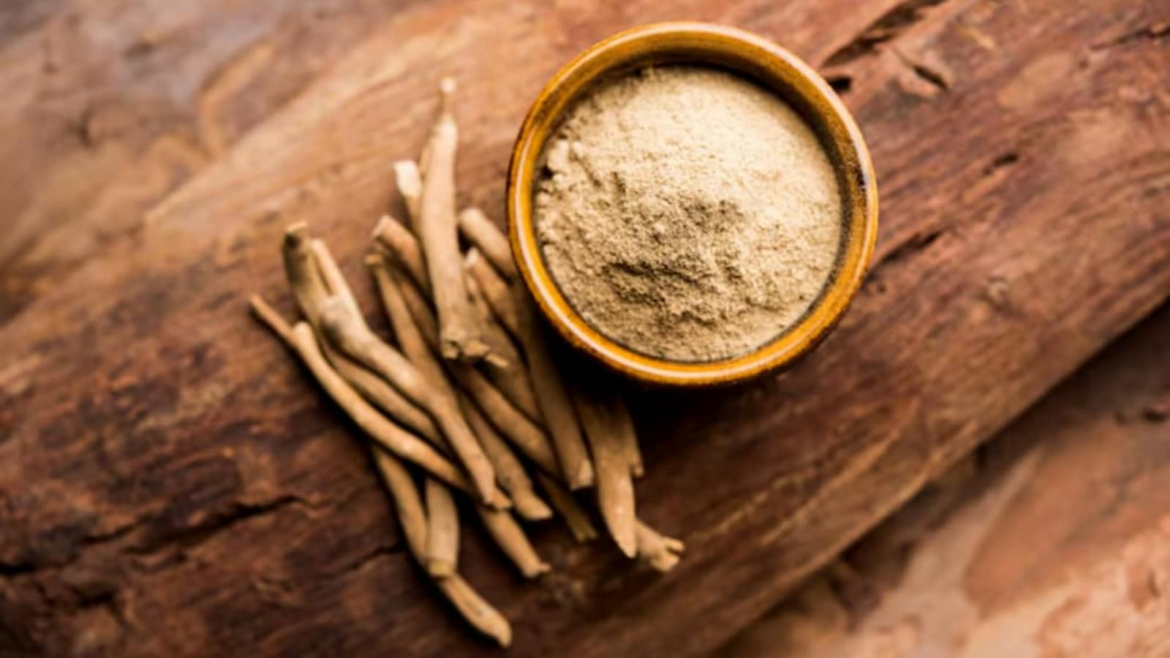
Ashwagandha is a powerful Ayurvedic herb that offers numerous benefits for overall health and wellness. (Freepik)

Dr Sethi suggested taking ashwagandha in the evening to aid relaxation and reduce cortisol, while melatonin is best consumed 30-60 minutes before bed to support sleep initiation.

For creatine, Dr Sethi explained consistent daily intake is key, whether post-workout or at another time. Lastly, psyllium husk is recommended in the morning before breakfast with water to enhance digestive regularity and feelings of fullness.

He wrote in his caption, “Stop wasting your supplements… (know) the best time to take popular supplements like ashwagandha, creatine, and melatonin so you get the maximum absorption and benefits. Don’t let your routine go to waste. Watch this before you take your next supplement.”

What is the best time to take ashwagandha?

Dr Sethi said, “The best time to take ashwagandha is evening because it can help lower cortisol levels and promote calm.”

What is the best time to take creatine?

He added, “The best time to take creatine is post-workout or actually any time of the day as long as you maintain consistency.”

What is the best time to take melatonin?

According to Dr Sethi, “The best time to take melatonin is around 30 to 60 minutes before bedtime because that supports sleep onset.”

What is the best time to take psyllium husk?

He said, “And the best time to take psyllium husk is in the morning before breakfast with water. This improves stool regularity and promotes satiety.”

Dr Saurabh Sethi, MD, MPH is a board-certified gastroenterologist, hepatologist, and interventional endoscopist. He trained at AIIMS (India), earned his MPH from the University of Texas, and completed fellowships in gastroenterology and hepatology at Harvard and advanced endoscopy at Stanford.

Note to readers: This report is based on user-generated content from social media. HT.com has not independently verified the claims and does not endorse them.

This article is for informational purposes only and not a substitute for professional medical advice.

August 30, 2025 0 comments
0 FacebookTwitterPinterestEmail
Dermatologists share how anxiety and stress trigger breakouts, hair loss and ageing: ‘It worsens skin conditions’ | Health
Lifestyle

Dermatologists share how anxiety and stress trigger breakouts, hair loss and ageing: ‘It worsens skin conditions’ | Health

by jummy84 August 29, 2025
written by jummy84

Stress affects more than just your mind, it can manifest physically in many ways, with one of the most noticeable signs appearing on your skin. HT Lifestyle reached out to experts to understand how anxiety and tension impact skin health and what you can do about it. (Also read: Dermatologists bust common myths around anti-ageing treatments and explain what really works: ‘Balance is key’ )

Anxiety and stress can significantly impact skin health, doctors warn. (Shutterstock)

What’s the connection between face and stress

“Stress and anxiety disturb your mind so much that it can create havoc in the body, causing a number of health issues that can be both frustrating and embarrassing. Issues ranging from acne, eczema, hyperpigmentation to hair loss and skin sensitivity, the impact of stress on your skin can be significant,” says Dr Viral Desai, board-certified super specialist, cosmetic plastic and hair transplant surgeon, and Medical Director, DHI India.

Bringing his expertise to the same Dr Satish Bhatia, board-certified dermatologist at the Indian Cancer Society in Mumbai, shared, “In today’s fast-paced world, with increasing workloads and deadlines, anxiety has become a common part of our lifestyle. Anxiety is a form of stress that affects the endocrine system, leading to hormonal changes. Hormones such as cortisol, epinephrine, and adrenaline, the body’s “fight or flight” response, trigger various physical changes associated with anxiety.

How stress and anxiety show up on face

“When you’re feeling stressed or anxious, your body’s ‘fight or flight’ response is triggered, which results in the release of stress hormones like cortisol,” says Dr Desai. According to her, these hormones can disrupt your skin’s natural balance, leading to:

  • Acne breakouts: Increased oil production and inflammation that can cause pimples, blackheads and clogged pores.
  • Eczema flare-ups: Stress can also trigger eczema symptoms, leading to red, itchy, and inflamed skin.
  • Hair loss: Telogen effluvium, a condition caused by stress, can lead to excessive hair shedding which if not taken care of; can lead to decreased density gradually.
  • Skin sensitivity: Stress can make your skin more sensitive and hence the individual might overreact with redness, irritation, and reactions to products or environmental factors.
  • Hyperpigmentation: chronic stress can lead to melasma due to the hormonal imbalances caused.
  • Skin ageing: Stress can accelerate skin ageing by reducing collagen production, leading to fine lines, wrinkles, and age spots.
  • Rosacea: Chronic or severe Stress can trigger rosacea symptoms, which may cause redness, flushing, and visible blood vessels.
  • Itching and rashes: Stress can cause or worsen skin conditions like psoriasis, leading to itchy, scaly patches and rashes.
Stress and anxiety can trigger various skin issues such as acne and hair loss by disrupting hormonal balance.(Shutterstock)

“These hormonal shifts can increase oil production, cause inflammation, and lead to skin irritation. In people with uncontrolled diabetes, thyroid disorders, or Cushing’s syndrome, anxiety-related hormonal imbalance can make the skin appear dry, trigger acne, rosacea, eczema, or even cause thickening and darkening of the skin known as Acanthosis Nigricans. Patients may also experience thinning or loss of hair,” says Dr Bhatia.

He adds, “For those with underlying skin conditions like acne, eczema, or psoriasis, anxiety-related stress can worsen symptoms or trigger flare-ups. The release of cortisol during stress and anxiety causes inflammation under the skin, which may accelerate ageing by reducing collagen and elastic fibres and leading to the loss of facial fat pads, making the skin appear older and tired. Anxiety-related skin issues are often psychological as well. Emotional distress from visible skin problems can create a vicious cycle, anxiety worsens skin issues, and worsening skin issues fuel further anxiety.”

How to manage stress-related skin issues

According to Dr Desai, while stress is an inevitable part of life, you may still manage it in various ways :

  • Stress-free activities: Engage in activities that help you relax, such as meditation, yoga, or deep breathing exercises.
  • Get enough sleep: 7-8 hours of sleep per night is the key to help regulate stress hormones and support skin & overall health.
  • Use gentle skincare products: Choose products that are fragrance & carcinogenic preservative-free and hypoallergenic to minimise irritation.
  • Seek professional help: Consult a dermatologist to address underlying skin issues and get a personalised skincare and treatment plan. Treatments like chemical peels, lasers, and medicines might help reduce the visual impact.

“Breaking this cycle requires a holistic approach. There is a strong correlation between skin diseases and anxiety, with anxiety often decreasing as age increases. Along with consulting a dermatologist, psychological intervention can be crucial, especially for younger patients dealing with skin conditions,” says Dr Bhatia.

Note to readers: This article is for informational purposes only and not a substitute for professional medical advice. Always seek the advice of your doctor with any questions about a medical condition.

August 29, 2025 0 comments
0 FacebookTwitterPinterestEmail
Newer Posts
Older Posts

Social Connect

Facebook Twitter Instagram Pinterest Youtube Snapchat

Recent Posts

  • 2009 feels like a whole other world away

  • Watch Ariana Grande and Jimmy Fallon Perform a History of Duets

  • Spotify’s Joe Hadley Talks ARIA Awards Partnership

  • Nick Offerman Announces 2026 “Big Woodchuck” Book Tour Dates

  • Snapped: Above & Beyond (A Photo Essay)

Newsletter

Subscribe my Newsletter for new blog posts, tips & new photos. Let's stay updated!

Categories

  • Bollywood (1,929)
  • Celebrity News (2,000)
  • Events (267)
  • Fashion (1,605)
  • Hollywood (1,020)
  • Lifestyle (890)
  • Music (2,002)
  • TV & Streaming (1,857)

Recent Posts

  • Shushu/Tong Shanghai Fall 2026 Collection

  • Here’s What Model Taylor Hill Is Buying Now

  • Julietta Is Hiring An Assistant Office Coordinator In Dumbo, Brooklyn, NY (In-Office)

Editors’ Picks

  • 2009 feels like a whole other world away

  • Watch Ariana Grande and Jimmy Fallon Perform a History of Duets

  • Spotify’s Joe Hadley Talks ARIA Awards Partnership

Latest Style

  • ‘Steal This Story, Please’ Review: Amy Goodman Documentary

  • Hulu Passes on La LA Anthony, Kim Kardashian Pilot ‘Group Chat’

  • Hannah Einbinder Slams AI Creators As “Losers”

  • Facebook
  • Twitter

@2020 - celebpeek. Designed and Developed by Pro


Back To Top
celebpeek
  • Home
  • Bollywood
  • Hollywood
  • Lifestyle
  • Fashion
celebpeek
  • Music
  • Celebrity News
  • Events
  • TV & Streaming