celebpeek
  • Home
  • Bollywood
  • Hollywood
  • Lifestyle
  • Fashion
celebpeek
  • Music
  • Celebrity News
  • Events
  • TV & Streaming
Home » Syndrome
Tag:

Syndrome

Noida psychologist shares how constant screen time is causing ‘Popcorn Brain Syndrome’ in teenagers and young adults
Lifestyle

Noida psychologist shares how constant screen time is causing ‘Popcorn Brain Syndrome’ in teenagers and young adults

by jummy84 November 2, 2025
written by jummy84

With screen time at an all-time high, many youngsters are constantly switching between apps, videos, and games. This digital overload is affecting focus, memory, and mental health. In an interview with HT Lifestyle, Dr Jaya Sukul, Clinical Psychologist and Founder of Headspace Healing, Noida, sheds light on the emerging “popcorn brain” syndrome and how it impacts young minds. (Also read: Psychiatrist shares how late-night scrolling, anxiety and stress are fueling a sleep crisis among Gen Z )

Dr Jaya Sukul explains ‘Popcorn Brain Syndrome’ and how to reclaim focus in a screen-filled world. (Freepik)

What is Popcorn Brain?

“Popcorn Brain isn’t your brain literally popping,” says Dr Sukul. “It’s the sensation of your neural circuits being overstimulated by constant digital inputs. You may find yourself jumping quickly from one thing to the next, struggling to focus, and feeling restless offline because life seems slower than your online feed.”

She explains that modern lifestyles, social media, and continuous digital exposure have reshaped brain activity. “Your brain craves novelty, and devices exploit this craving, keeping you in a state of hyper-alertness. Over time, this can drain your energy, increase stress, reduce focus, and even affect sleep,” Dr Sukul adds.

Dr Sukul highlights Popcorn Brain, a condition affecting focus and emotional well-being due to excessive screen time.(Unsplash)

Who is affected?

While Popcorn Brain is most commonly seen in teenagers and young adults, Dr Sukul warns it is also affecting people aged 30-45. “It’s not the same as internet addiction,” she clarifies. “Internet addiction is a clinical syndrome that disrupts work, relationships, and daily life. Popcorn Brain affects your quality of life, attention, and emotional well-being, but it doesn’t necessarily ruin relationships or career performance.”

Symptoms to watch for include:

  • Irritability and anxiety
  • Trouble sleeping
  • Difficulty focusing or paying attention
  • Feeling hyper-vigilant or stressed
  • Life offline feels dull or uninteresting
To address 'popcorn brain', Dr Sukul advises creating screen-free zones, taking breaks from devices, practising mindfulness, and consuming media intentionally.(Google Gemini)
To address ‘popcorn brain’, Dr Sukul advises creating screen-free zones, taking breaks from devices, practising mindfulness, and consuming media intentionally.(Google Gemini)

How to ease Popcorn Brain

Dr Sukul suggests several strategies to reclaim focus and peace of mind:

1. Create screen-free zones: Designate areas in your home where phones and devices aren’t allowed.

2. Schedule device breaks: Take intentional breaks from screens to reset your brain.

3. Practice mindfulness: Meditation, yoga, and breathing exercises can help improve focus and calm overstimulation.

4. Work in focused bursts: Short periods of concentration followed by breaks enhance productivity.

5. Be intentional with media consumption: Ask yourself, “Who is in control, me or my phone?”

6. Avoid mindless scrolling: Passive browsing actively overstimulates your brain and reinforces Popcorn Brain symptoms.

“By consciously managing digital consumption and including mindfulness practices, you can reclaim your attention, reduce stress, and improve overall well-being,” Dr Sukul concludes.

Note to readers: This article is for informational purposes only and not a substitute for professional medical advice.
November 2, 2025 0 comments
0 FacebookTwitterPinterestEmail
World Heart Day 2025: Cardiologists decode Broken Heart Syndrome, symptoms and recovery: ‘May look like a heart attack’
Lifestyle

World Heart Day 2025: Cardiologists decode Broken Heart Syndrome, symptoms and recovery: ‘May look like a heart attack’

by jummy84 September 29, 2025
written by jummy84

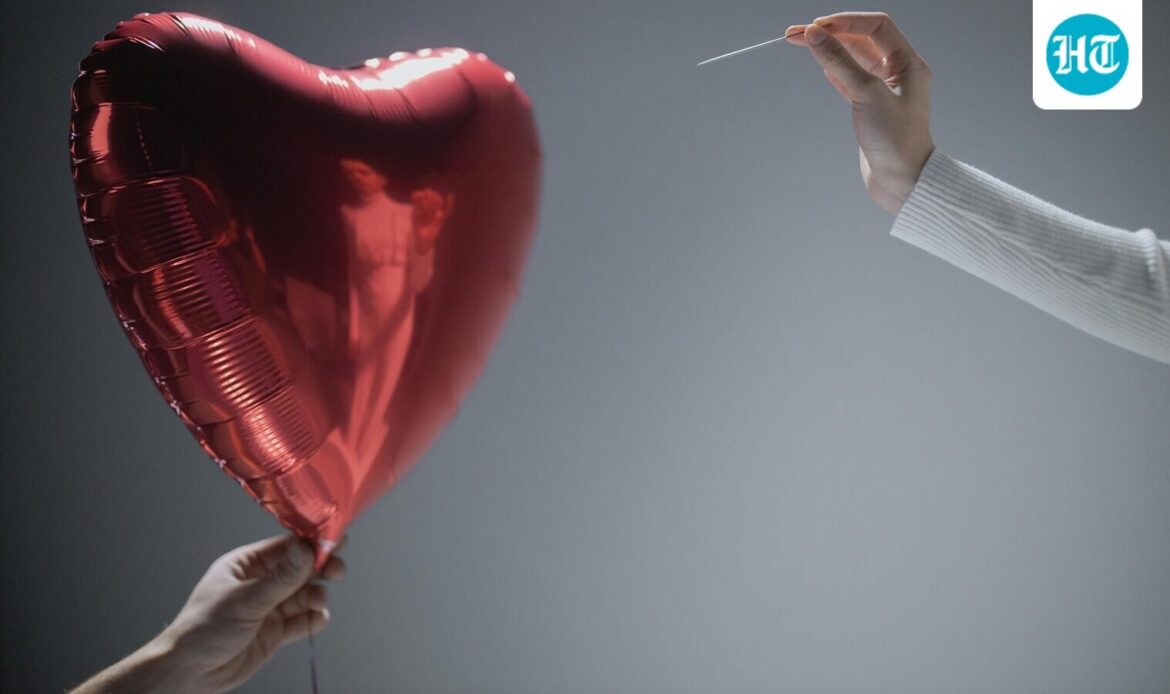
World Heart Day 2025: Every year, World Heart Day serves as a reminder to care for the organ that keeps us alive – but heart health is about more than just cholesterol, diet, or exercise. Across the world, many people experience what’s known as Broken Heart Syndrome – a condition that may sound like a romantic metaphor but is, in fact, a serious medical reality. Triggered by extreme stress, grief, or shock, it shows just how deeply our emotions are connected to our heart’s wellbeing.

Cardiologists note that intense emotional stress can cause Broken Heart Syndrome.(Pexel)

Also Read | Cardiologist warns of 6 silent signs of heart disease most people ignore

For the occasion of World Heart Day 2025, HT Lifestyle reached out to three cardiologists, Dr Aken Desai – a consultant and senior interventional cardiologist at Shrimad Rajachandra Hospital; Dr Rasheed Ahmed – the head of Interventional Cardiology at Manipal Hospital, Jaipur; and Dr Manish Sharma – the director of Pushpanjali Institute of Cardiac Sciences, Agra – for their expert comments on a medical condition known Broken Heart Syndrome. According to the experts, a broken heart is not merely a romanticised phrase, but a real heart condition caused due to extreme emotional stress. They outline the various symptoms, prevention and methods of prevention and recovery.

What is Broken Heart Syndrome?

Broken Heart Syndrome may sound like a poetic phrase, but doctors warn it is a real and serious condition. According to Dr Desai, “It’s important to know that Broken Heart Syndrome isn’t just a poetic phrase – it’s a real medical condition called Takotsubo cardiomyopathy.” He explains, “It happens when extreme emotional or physical stress like grief, shock, or sudden fear – floods the body with stress hormones that weaken the heart muscle. It may look like a heart attack, with chest pain and breathlessness, but unlike a heart attack, the arteries aren’t blocked.” He adds that with timely care most people make a full recovery, but the real challenge is recognising the condition quickly.

Cardiologists suggests that heart health is deeply connected to emotional and mental wellbeing.(Unsplash)

Symptoms to watch out for

Recognising the signs early can be lifesaving, emphasises Dr Ahmed. “Symptoms often look similar to those of a heart attack – severe chest pain, dizziness, shortness of breath, and sweating. But unlike heart attacks, these symptoms appear after overwhelming emotional stress (death of a loved one, breakup, anger, shock) or physical stress (severe illness, surgery) that floods the bloodstream with hormones temporarily weakening the heart’s ability to pump.”

While it was once thought to mainly affect postmenopausal women, Dr Ahmed points out that recent studies suggest that the condition can increasingly affect men too, often with severe effects. He stresses, “Knowing these triggers and symptoms early means you can seek care promptly and protect your heart’s health. Remember, your emotional well-being and heart health are deeply connected.”

Also Read | Psychologist says garba is one of the best workouts: ‘Dancing for an hour burns 400 to 600 calories, decreases cortisol’

Prevention and recovery

According to Dr Sharma, managing stress is just as important as managing cholesterol or blood pressure when it comes to heart health. “Prevention and recovery from Broken Heart Syndrome go beyond medication. Simple lifestyle habits like regular exercise, mindfulness, proper sleep, and emotional support can be powerful tools to protect the heart.” He further adds, “Caring for our hearts must go beyond traditional risk factors to include mental and emotional well-being. If you’re facing intense stress or grief, seek help early. Your heart is resilient, but it needs care because sometimes the most important healing begins with acknowledging what weighs on your mind.”

Note to readers: This article is for informational purposes only and not a substitute for professional medical advice. Always seek the advice of your doctor with any questions about a medical condition.

September 29, 2025 0 comments
0 FacebookTwitterPinterestEmail

Social Connect

Facebook Twitter Instagram Pinterest Youtube Snapchat

Recent Posts

  • 2009 feels like a whole other world away

  • Watch Ariana Grande and Jimmy Fallon Perform a History of Duets

  • Spotify’s Joe Hadley Talks ARIA Awards Partnership

  • Nick Offerman Announces 2026 “Big Woodchuck” Book Tour Dates

  • Snapped: Above & Beyond (A Photo Essay)

Newsletter

Subscribe my Newsletter for new blog posts, tips & new photos. Let's stay updated!

Categories

  • Bollywood (1,929)
  • Celebrity News (2,000)
  • Events (267)
  • Fashion (1,605)
  • Hollywood (1,020)
  • Lifestyle (890)
  • Music (2,002)
  • TV & Streaming (1,857)

Recent Posts

  • Shushu/Tong Shanghai Fall 2026 Collection

  • Here’s What Model Taylor Hill Is Buying Now

  • Julietta Is Hiring An Assistant Office Coordinator In Dumbo, Brooklyn, NY (In-Office)

Editors’ Picks

  • 2009 feels like a whole other world away

  • Watch Ariana Grande and Jimmy Fallon Perform a History of Duets

  • Spotify’s Joe Hadley Talks ARIA Awards Partnership

Latest Style

  • ‘Steal This Story, Please’ Review: Amy Goodman Documentary

  • Hulu Passes on La LA Anthony, Kim Kardashian Pilot ‘Group Chat’

  • Hannah Einbinder Slams AI Creators As “Losers”

  • Facebook
  • Twitter

@2020 - celebpeek. Designed and Developed by Pro


Back To Top
celebpeek
  • Home
  • Bollywood
  • Hollywood
  • Lifestyle
  • Fashion
celebpeek
  • Music
  • Celebrity News
  • Events
  • TV & Streaming