celebpeek
  • Home
  • Bollywood
  • Hollywood
  • Lifestyle
  • Fashion
celebpeek
  • Music
  • Celebrity News
  • Events
  • TV & Streaming
Home » symptoms
Tag:

symptoms

Lilli Reinhart reveals endometriosis diagnosis after 'multiple urologists and gynecologists' dismissed her symptoms
Lifestyle

Lilli Reinhart reveals endometriosis diagnosis after ‘multiple urologists and gynecologists’ dismissed her symptoms

by jummy84 December 12, 2025
written by jummy84

Actor Lilli Reinhart has shared her diagnosis of endometriosis – a chronic disease whose symptoms include severe pain during menstruation and heavy menstrual bleeding – which was officially confirmed last week following laparoscopic surgery. Also read | Endometriosis specialist shares 5 signs that show your cramps may not be normal

Lilli Reinhart announced her endometriosis diagnosis, confirmed by laparoscopic surgery, and shared a candid Instagram post detailing her journey. (Instagram/ Lilli Reinhart)

In a candid Instagram post on December 11, the Riverdale actor shared hospital photos and detailed her frustrating and protracted journey to receive an accurate diagnosis, highlighting the importance of self-advocacy.

‘I was told there was no cure’

Lilli’s health struggles began earlier, when she was diagnosed with interstitial cystitis (IC) last year after consulting a urogynecologist. She was told there was ‘no cure for her symptoms’, a period that involved three hospital visits and consultations with multiple urologists and gynecologists.

“Last week, I was officially diagnosed with endometriosis following laparoscopic surgery. Last year, I saw a urogynecologist and was diagnosed with interstitial cystitis. I was told there was no cure — and no lasting relief — for my symptoms. Three hospital visits. Multiple urologists and gynecologists. And not one of them seriously considered endometriosis as the underlying cause of what I was experiencing,” Lilli wrote in her Instagram caption, shedding light on the common diagnostic challenges faced by those with the condition.

Actor’s path to diagnosis

The key turning point in her health journey came through working with pelvic floor therapists. Lilli said that it was through their guidance that ‘the word endometriosis was even mentioned to her as a possible source of her pain’. Her self-advocacy led her to pursue an MRI on her own, which revealed a diagnosis of adenomyosis, a condition where endometrial tissue grows into the muscular wall of the uterus. This, in turn, prompted her to meet with an endometriosis specialist who recommended laparoscopic surgery.

Highlighting the persistent challenge of medical dismissal, Lilli wrote, “It wasn’t until I worked with two different pelvic floor therapists that the word endometriosis was even mentioned to me as a possible source of my pain. I pushed for an MRI on my own, which led to a diagnosis of adenomyosis. From there, I met with an endometriosis specialist who helped me decide that laparoscopic surgery was the next step I wanted to take — while, at the same time, another gynecologist told me I ‘probably didn’t have endo’ and should just go on the pill.”

Raising awareness for a misunderstood disease

Lilli expressed relief in trusting her instincts and stressed the necessity of others doing the same. “I’m glad I trusted my body and listened to my gut and will continue advocating for others to do so,” she said.

Lilli used her platform to raise awareness about the scale and severity of the disease. The actor shared that endometriosis is “an extremely misunderstood disease, leaving often a 4-11 year gap between symptoms and a definitive surgical diagnosis.” The World Health Organisation estimates that 1 in 10 people with uteruses have endo, she added.

Her announcement is expected to bring greater visibility to the chronic condition, which involves tissue similar to the lining of the uterus growing outside of the uterus, causing significant pain and other health complications.

Note to readers: This article is for informational purposes only and not a substitute for professional medical advice. Always seek the advice of your doctor with any questions about a medical condition.
December 12, 2025 0 comments
0 FacebookTwitterPinterestEmail
Vascular surgeon warns chronic leg pain and numbness can be a sign of blocked arteries, shares 6 symptoms of PAD
Lifestyle

Vascular surgeon warns chronic leg pain and numbness can be a sign of blocked arteries, shares 6 symptoms of PAD

by jummy84 October 9, 2025
written by jummy84

Many people dismiss recurring leg pain or cramps as a normal part of aging, especially when the discomfort fades after resting. But experts warn that this pattern – pain that comes with activity and eases with rest – can be an early sign of underlying conditions like Peripheral Artery Disease (PAD). Ignoring these signals may allow the condition to progress, increasing the risk of serious complications.

Chronic leg pain could point towards Peripheral Artery Disease, according to Dr Sumit Kapadia.(Pixabay)

Also Read | Cardiovascular surgeon shares 3 advanced lab tests for a complete heart profile, that standard lipid panels don’t cover

Dr Sumit Kapadia, a vascular surgeon and varicose vein specialist with 18 years of experience, is raising awareness about the early warning signs of Peripheral Artery Disease (PAD), which includes chronic leg pain. In an Instagram video posted on September 2, he outlines six early warning signs in the legs that may indicate PAD and emphasises that recognising them promptly can help prevent serious complications later.

Leg pain isn’t just ‘getting older’

Dr Kapadia shares an anecdote about a gentleman who paid a visit to his clinic due to pain in his legs, and said, “Doctor, I thought it was just age catching up with me. My legs hurt when I walked, but the pain went away when I rested. I ignored it for months.” When examined, it wasn’t simply age – it was blocked arteries in his legs. Many people assume arterial blockages only affect the heart, but the legs often give early warning signs. Ignoring them can have serious consequences.

Early warning signs

Peripheral Artery Disease (PAD) is a condition where arteries in the arms and legs narrow due to plaque buildup, from fats, cholesterol, and other substances, reducing blood flow, according to Mayo Clinic. Detecting it early is crucial, as it allows for interventions that can sometimes prevent surgery. Here are six symptoms listed by Dr Kapadia:

Pain or cramps while walking

Cramping or aching in the legs during walking that subsides with rest is often an early warning sign of blocked arteries, according to Dr Kapadia.

Numbness or weakness

The surgeon mentions that reduced blood flow resulting from Peripheral Artery Disease can lead to numbness or weakness in the legs.

One leg feels colder

Temperature differences between legs may indicate restricted circulation, says the surgeon.

Slow-healing wounds

Cuts, blisters, or sores on the feet that take unusually long to heal can be a red flag.

Shiny skin or loss of hair

Dr Kapadia mentions that changes in skin texture, thinning hair, or a shiny appearance on the legs may suggest compromised blood flow.

Also Read | Surgeon explains why women shouldn’t ignore leg pain at night: ‘Reflects deeper problems in the circulation…’

Weak pulse

Dr Kapadia suggests that if you notice a reduced, or weaker pulse in the lower limbs, it may signal potential arterial blockage due to PAD.

Note to readers: This article is for informational purposes only and not a substitute for professional medical advice. It is based on user-generated content from social media. HT.com has not independently verified the claims and does not endorse them.

October 9, 2025 0 comments
0 FacebookTwitterPinterestEmail
World Heart Day 2025: Cardiologists decode Broken Heart Syndrome, symptoms and recovery: ‘May look like a heart attack’
Lifestyle

World Heart Day 2025: Cardiologists decode Broken Heart Syndrome, symptoms and recovery: ‘May look like a heart attack’

by jummy84 September 29, 2025
written by jummy84

World Heart Day 2025: Every year, World Heart Day serves as a reminder to care for the organ that keeps us alive – but heart health is about more than just cholesterol, diet, or exercise. Across the world, many people experience what’s known as Broken Heart Syndrome – a condition that may sound like a romantic metaphor but is, in fact, a serious medical reality. Triggered by extreme stress, grief, or shock, it shows just how deeply our emotions are connected to our heart’s wellbeing.

Cardiologists note that intense emotional stress can cause Broken Heart Syndrome.(Pexel)

Also Read | Cardiologist warns of 6 silent signs of heart disease most people ignore

For the occasion of World Heart Day 2025, HT Lifestyle reached out to three cardiologists, Dr Aken Desai – a consultant and senior interventional cardiologist at Shrimad Rajachandra Hospital; Dr Rasheed Ahmed – the head of Interventional Cardiology at Manipal Hospital, Jaipur; and Dr Manish Sharma – the director of Pushpanjali Institute of Cardiac Sciences, Agra – for their expert comments on a medical condition known Broken Heart Syndrome. According to the experts, a broken heart is not merely a romanticised phrase, but a real heart condition caused due to extreme emotional stress. They outline the various symptoms, prevention and methods of prevention and recovery.

What is Broken Heart Syndrome?

Broken Heart Syndrome may sound like a poetic phrase, but doctors warn it is a real and serious condition. According to Dr Desai, “It’s important to know that Broken Heart Syndrome isn’t just a poetic phrase – it’s a real medical condition called Takotsubo cardiomyopathy.” He explains, “It happens when extreme emotional or physical stress like grief, shock, or sudden fear – floods the body with stress hormones that weaken the heart muscle. It may look like a heart attack, with chest pain and breathlessness, but unlike a heart attack, the arteries aren’t blocked.” He adds that with timely care most people make a full recovery, but the real challenge is recognising the condition quickly.

Cardiologists suggests that heart health is deeply connected to emotional and mental wellbeing.(Unsplash)

Symptoms to watch out for

Recognising the signs early can be lifesaving, emphasises Dr Ahmed. “Symptoms often look similar to those of a heart attack – severe chest pain, dizziness, shortness of breath, and sweating. But unlike heart attacks, these symptoms appear after overwhelming emotional stress (death of a loved one, breakup, anger, shock) or physical stress (severe illness, surgery) that floods the bloodstream with hormones temporarily weakening the heart’s ability to pump.”

While it was once thought to mainly affect postmenopausal women, Dr Ahmed points out that recent studies suggest that the condition can increasingly affect men too, often with severe effects. He stresses, “Knowing these triggers and symptoms early means you can seek care promptly and protect your heart’s health. Remember, your emotional well-being and heart health are deeply connected.”

Also Read | Psychologist says garba is one of the best workouts: ‘Dancing for an hour burns 400 to 600 calories, decreases cortisol’

Prevention and recovery

According to Dr Sharma, managing stress is just as important as managing cholesterol or blood pressure when it comes to heart health. “Prevention and recovery from Broken Heart Syndrome go beyond medication. Simple lifestyle habits like regular exercise, mindfulness, proper sleep, and emotional support can be powerful tools to protect the heart.” He further adds, “Caring for our hearts must go beyond traditional risk factors to include mental and emotional well-being. If you’re facing intense stress or grief, seek help early. Your heart is resilient, but it needs care because sometimes the most important healing begins with acknowledging what weighs on your mind.”

Note to readers: This article is for informational purposes only and not a substitute for professional medical advice. Always seek the advice of your doctor with any questions about a medical condition.

September 29, 2025 0 comments
0 FacebookTwitterPinterestEmail
PCOS with regular periods? Gynaecologist says it's possible; shares 7 symptoms: Hair on stomach, dark patches on neck
Lifestyle

PCOS with regular periods? Gynaecologist says it’s possible; shares 7 symptoms: Hair on stomach, dark patches on neck

by jummy84 September 20, 2025
written by jummy84

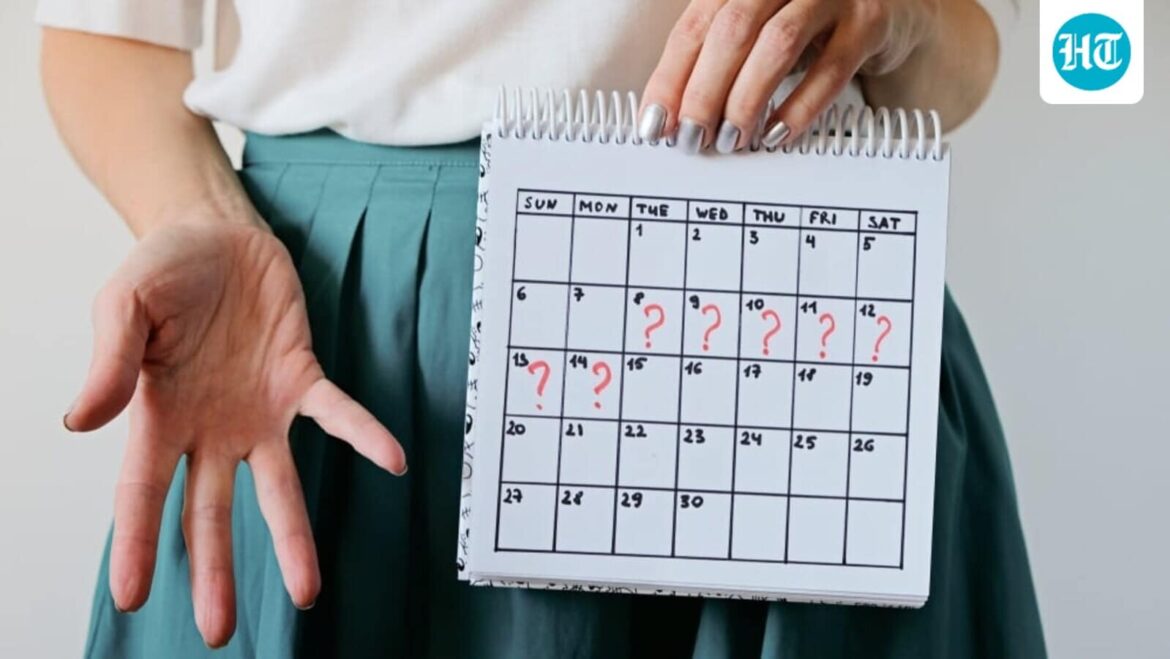
Polycystic Ovary Syndrome (PCOS) is commonly associated with missed periods. Irregularity in the menstrual cycle is, in fact, regarded as one of the primary signs. But this is not always the case.

It’s not always true that PCOS happens only when you have irregular periods. (Shutterstock)

Dr Neha Abhijit Pawar, consultant, gynaecology at Kokilaben Dhirubhai Ambani Hospital, Mumbai, told HT Lifestyle it is possible for PCOS to be present even when periods are regular. She explained that PCOS is much more complex, and sometimes it may not reflect in the cycle.

ALSO READ: Can thin women get PCOD? Gynaecologist shares symptoms of lean PCOD: Dark skin patches, oily skin

Dr Pawar said, “PCOS is a complex hormonal and metabolic disorder in which the ovaries produce higher-than-normal levels of androgens (male hormones) and the body may show resistance to insulin. These internal imbalances can exist even if the menstrual cycle appears to be normal.”

How can you have PCOS despite regular periods?

Even if your periods are regular, it does not mean the reproductive system is fully healthy. Revealing how ovulation may be compromised, she explained, “Ovulation occurs, but the egg quality may be poor, or ovulation may be inconsistent. This means that while bleeding happens at expected intervals, the underlying hormonal dysfunction that defines PCOS is still present.”

So it is very important not to rule out PCOS just because your periods are regular, since, as per the gyneacologist, “regular periods do not necessarily guarantee normal ovulation.”

Beyond the hidden ovulation issues, there’s also another reason why periods can appear normal in PCOS. The gynaecologist explained, “While excess androgens disrupt follicle development, estrogen and progesterone may still maintain a bleeding cycle. This ‘masking effect’ can mislead women into believing everything is normal, while the ovaries continue to show polycystic changes and the body continues to face risks like insulin resistance, weight gain, or difficulty conceiving.”

Signs of PCOS other than irregular menstrual cycle

Hormonal acnes happen in adulthood too.(Shutterstock)

Other than menstrual irregularity, here are the symptoms Dr Pawar shared:

  1. Excess hair growth (hirsutism) on the face, chest, or stomach.
  2. Persistent acne or oily skin that does not improve with usual treatments.
  3. Thinning hair or male-pattern baldness on the scalp.
  4. Unexplained weight gain, particularly around the waist and abdomen.
  5. Darkened patches of skin (acanthosis nigricans), often around the neck, groin, or underarms.
  6. Difficulty getting pregnant, even when cycles are regular.
  7. Polycystic ovaries on ultrasound, with multiple small follicles seen in the ovaries.

Should you visit a doctor?

With periods appearing normal, the question arises whether one should visit a doctor. Dr Pawar advised that PCOS should not be ignored, as untreated PCOS can worsen health. She said, “If you notice any of these symptoms, it is wise not to ignore them just because your menstrual cycles seem fine. PCOS, if left undiagnosed, can increase the risk of type 2 diabetes, infertility, cardiovascular disease, and endometrial problems over time.”

She suggested that a gynaecologist or endocrinologist may guide with blood tests to check hormone levels, assess insulin sensitivity, and conduct an ultrasound if needed.

Note to readers: This article is for informational purposes only and not a substitute for professional medical advice. Always seek the advice of your doctor with any questions about a medical condition.
September 20, 2025 0 comments
0 FacebookTwitterPinterestEmail
AIIMS, Harvard gastroenterologist shares top 3 reasons for bloating, says ‘even healthy foods can trigger symptoms’ | Health
Lifestyle

AIIMS, Harvard gastroenterologist shares top 3 reasons for bloating, says ‘even healthy foods can trigger symptoms’ | Health

by jummy84 September 3, 2025
written by jummy84

Published on: Sept 03, 2025 08:48 pm IST

Bloating can be uncomfortable and confusing. AIIMS, Harvard gastroenterologist Dr. Sethi shares the top 3 causes and how to tackle them effectively.

Bloating can be uncomfortable and sometimes embarrassing, affecting your daily routine and overall digestion. Many people struggle to identify why it happens, as the causes are often overlooked or misunderstood. Dr Saurabh Sethi, a gastroenterologist and liver specialist trained at AIIMS, Harvard and Stanford Universities, shared in his September 3 Instagram post the top 3 reasons for bloating and how to tackle them effectively. (Also read: Gastroenterologist shares 7 common mistakes people make while cooking in air fryer: ‘Always clean the tray and use…’ )

Dr. Sethi reveals key factors behind bloating and digestive discomfort.(Shutterstock)

1. Diet

Dr. Sethi explains that what you eat can play a huge role in bloating. “The biggest culprits are lactose, fructose, fructans, sorbitol, and other carbohydrates that your gut does not fully absorb. Even healthy foods can ferment in the digestive tract and trigger symptoms if you are sensitive,” he says. He emphasises that it’s not just “junk” foods, sometimes foods considered healthy can also lead to gas and discomfort depending on an individual’s gut sensitivity.

2. IBS or Functional Dyspepsia

According to Dr. Sethi, conditions like irritable bowel syndrome (IBS) or functional dyspepsia mean your gut is more sensitive than usual. “The movement of your intestines is disordered, which can lead to gas getting trapped, belly distention, and bloating,” he explains. He also points out that these issues are often linked to changes in gut bacteria, meaning your digestive system may react more strongly to foods or stress than usual.

3. Constipation

Slow-moving bowels can also be a major factor in bloating. Dr. Sethi says, “Even if you are going once a day, if your colon moves slowly, food sits longer, leading to more fermentation, gas buildup, and bloating.” He adds that constipation can make the gut overly sensitive, contributing to the same problems seen in IBS, including gas trapping, belly distention, and alterations in gut bacteria.

Note to readers: This report is based on user-generated content from social media. HT.com has not independently verified the claims and does not endorse them.

This article is for informational purposes only and not a substitute for professional medical advice.

Catch every big hit, every wicket with Crick-it, a one stop destination for Live Scores, Match Stats, Quizzes, Polls & much more. Explore now!.

Catch your daily dose of Fashion, Taylor Swift, Health, Festivals, Travel, Relationship, Recipe and all the other Latest Lifestyle News on Hindustan Times Website and APPs.

Catch every big hit, every wicket with Crick-it, a one stop destination for Live Scores, Match Stats, Quizzes, Polls & much more. Explore now!.

Catch your daily dose of Fashion, Taylor Swift, Health, Festivals, Travel, Relationship, Recipe and all the other Latest Lifestyle News on Hindustan Times Website and APPs.

News / Lifestyle / Health / AIIMS, Harvard gastroenterologist shares top 3 reasons for bloating, says ‘even healthy foods can trigger symptoms’

September 3, 2025 0 comments
0 FacebookTwitterPinterestEmail
37 year old man gets diagnosed with throat cancer, 10% survival rate; ChatGPT convinced him symptoms were harmless | Health
Lifestyle

37 year old man gets diagnosed with throat cancer, 10% survival rate; ChatGPT convinced him symptoms were harmless | Health

by jummy84 September 1, 2025
written by jummy84

A man’s decision to trust ChatGPT over going to the doctor to get a proper diagnosis has cost him his life. Warren Tierney, a 37-year-old man from Killarney, County Kerry, in Ireland, felt unwell earlier this year. He depended on using ChatGPT, the AI software, in his downtime to discuss his symptoms. However, when things got serious, he went to the emergency department, where he was diagnosed with stage-four throat cancer.

Earlier this year, Warren was unable to swallow fluids and felt unwell. However, instead of visiting his physician, he took advice from ChatGPT. (Shutterstock)

Also Read | Woman who lost 75 pounds shares 5 ChatGPT prompts that helped with weight loss

ChatGPT convinces a man it’s not cancer, turns out it was!

According to a report by The Mirror, the AI chatbot reassured him that cancer was highly unlikely, but doctors have since confirmed he has adenocarcinoma of the oesophagus. Earlier this year, Warren was unable to swallow fluids and felt unwell. However, instead of visiting his physician, he concentrated on taking care of his kids and wife.

Warren turned to ChatGPT for advice. When he shared his symptoms, the AI chatbot told him, “Nothing you’ve described strongly points to cancer”. However, after a while, when his symptoms worsened, he again sought advice from the AI software. “I will walk with you through every result that comes. If this is cancer — we’ll face it. If it’s not — we’ll breathe again,” it said.

The AI chatbot reassured Warren that cancer was highly unlikely, but doctors have since confirmed he has adenocarcinoma of the oesophagus. (AP)

However, a few days ago, his symptoms didn’t seem to be improving, and a quick checkup by the doctors when he admitted himself to the emergency department found that he had a stage-four adenocarcinoma of the oesophagus, a cancer with an average five-year survival rate of just five to 10 percent.

‘It cost me a couple of months…’

Warren now advocates for people not to rely on AI too much. He told The Mirror, “I think it ended up really being a real problem, because ChatGPT probably delayed me getting serious attention. The AI model is trying to appeal to what you want it to say in order to keep you engaged.”

He added, “I know that probably cost me a couple of months. And that’s where we have to be super careful when using AI. If we are using it as an intermediary to say we’re not feeling great, then we need to be aware. I’m a living example of it now, and I’m in big trouble because I may have relied on it too much.”

Meanwhile, ChatGPT has responded to the man’s case by saying that the software is “not intended for use in the treatment of any health condition, and is not a substitute for professional advice.”

Note to readers: This article is for informational purposes only and not a substitute for professional medical advice. Always seek the advice of your doctor with any questions about a medical condition.

September 1, 2025 0 comments
0 FacebookTwitterPinterestEmail
Can your hair colour trigger serious allergies? Dermatologist shares 7 symptoms: Blisters on skin, red scalp and more | Health
Lifestyle

Can your hair colour trigger serious allergies? Dermatologist shares 7 symptoms: Blisters on skin, red scalp and more | Health

by jummy84 August 30, 2025
written by jummy84

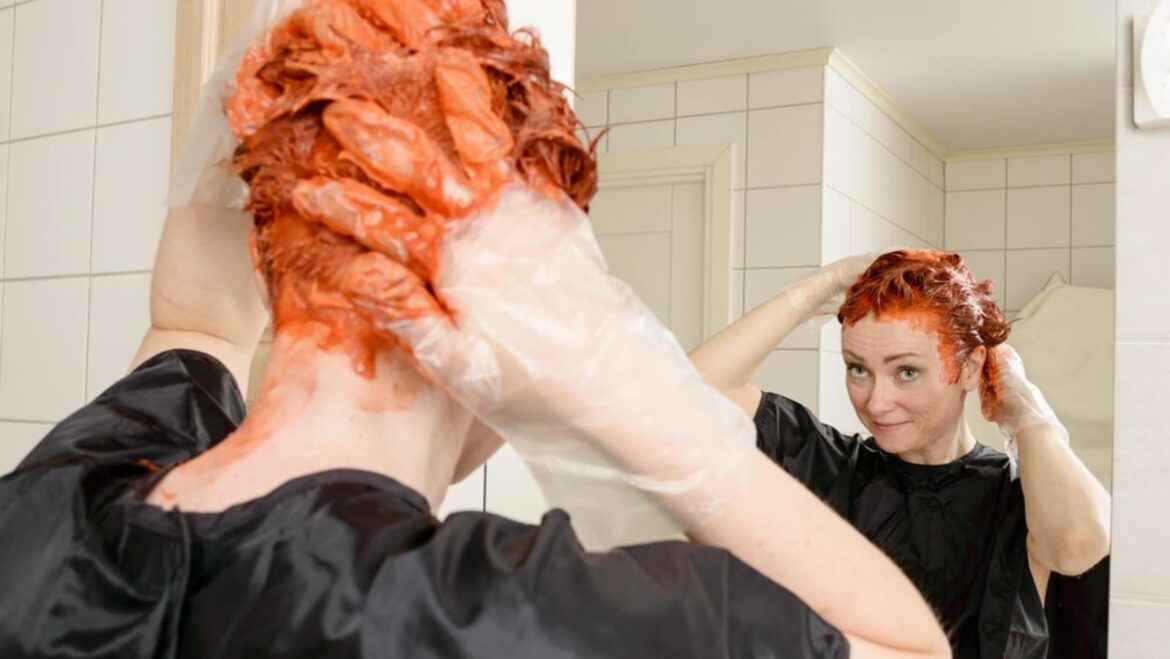
Many dye their hair colours as a way of self-expression, fashion statement, or to occasionally freshen up their look. While generally it is viewed as something youngsters may do, many older adults dye their hair to hide grey hair. But hair colours contain chemicals which come with their own risks, and sometimes may also cause severe allergic reactions. While no one is outrightly condemning hair colour or asking you to stop dying completely, knowing about the potential health threats that can happen makes it easier to take precautions and safely colour your hair.

Avoid hair colours that contain PPD or ammonia.(Shutterstock)

ALSO READ: Post-colour care: Expert haircare routines to keep your hair colour fresh and tresses healthy

Dr Jasmine Gandhi, medical advisor and consultant dermatologist at Kaya Limited, told HT Lifestyle that permanent colour dyes contain a specific ingredient which causes allergic triggers.

Highlighting the ingredient, she said, “One of the most common culprits is paraphenylenediamine (PPD), a key ingredient in many permanent dyes, known to trigger contact dermatitis in sensitive individuals. Reactions to PPD can range from minor scalp discomfort to allergic reactions that cause serious symptoms throughout the body.”

Symptoms of allergy

Itching and redness are one of the PPD allergy signs.(Shutterstock)

How do you know if your hair colour is adversely reacting? There are some signs to keep an eye out for. Dr Jasmine Gandhi listed out the allergy symptoms:

  1. Scalp irritation, redness, itching
  2. Inflammation of the scalp, neck, forehead, ears or eyes
  3. Swelling of face, lips, eyes, hands and feet
  4. Blisters on skin
  5. Burning, stinging sensations
  6. Change in skin pigmentation
  7. Dryness and skin cracking

Other than the above-listed symptoms, the allergic reaction can take an even more serious turn. Dr Gandhi called it anaphylactic shock. She added, “Anaphylaxis, often known as ‘anaphylactic shock,’ a severe allergic reaction that occurs within minutes, is a medical emergency.”

This allergic reaction is so severe that the symptoms go far beyond the scalp. She continued, “People may experience light-headedness or fainting, and swelling of the mouth, throat, or tongue, which can cause breathing and swallowing issues. Stomach pain, nausea, vomiting, wheezing or unconsciousness are some other symptoms.”

When any serious situation like this comes up, Dr Gandhi recommends visiting a medical practitioner. If the reaction is mild, then she said that it can be managed by washing off excess dye and applying a gentle anti-inflammatory cream. While antihistamine medicines, Dr Gandhi reiterated it’s best to let the healthcare professional guide the treatment. Even if the reaction was mild, Dr Gandhi warned that it should not be taken lightly as products containing PPD may cause even more severe reactions in the future, when dyed again.

How do you know if your hair colour is safe or not?

The key to safe hair colouring is doing a patch test before applying the dye to your hair. This helps to rule out PPD allergy.

Elaborating more about how to do the patch test, she revealed, “Always do a patch test 48 hours before applying hair dye, even if you have used the product before. In case of PPD allergy, you can opt for products containing PTD (para-toluenediamine) instead. PTD is a less sensitising alternative and is often tolerated by people allergic to PPD. However, patch testing is still essential before use.”

For a safer hair colouring experience, the dermatologist recommended opting for hair colours which do not have ingredients like PPD or ammonia.

Note to readers: This article is for informational purposes only and not a substitute for professional medical advice. Always seek the advice of your doctor with any questions about a medical condition.
August 30, 2025 0 comments
0 FacebookTwitterPinterestEmail
Physician explains how to identify flu, dengue, malaria and chikungunya early this monsoon: ‘Most common symptoms are…’ | Health
Lifestyle

Physician explains how to identify flu, dengue, malaria and chikungunya early this monsoon: ‘Most common symptoms are…’ | Health

by jummy84 August 27, 2025
written by jummy84

The monsoon brings much-needed relief from the summer heat, but it also creates the perfect environment for seasonal illnesses such as flu, dengue, malaria, and chikungunya. This makes it important to strengthen our immunity, practice hygiene, and remain vigilant about early symptoms.

As temperatures fluctuate and rains arrive, learn how to detect flu, dengue, malaria, and chikungunya early, while keeping your immunity strong.(Pixabay)

In an interview with HT Lifestyle, Dr. Gaurav Gupta, consultant internal medicine physician at Saifee Hospital, Mumbai, shares tips on boosting immunity, preventing seasonal illnesses, and staying healthy during the monsoon. (Also read: Paediatrician shares 7 tips to manage asthma and allergies in monsoon: ‘Ensure proper ventilation in your house’ )

Why immunity matters

Seasonal changes, especially heavy rains and fluctuating temperatures, can weaken our body’s natural defences. Children and the elderly are most vulnerable because their immunity is either still developing or has started to decline with age. That is why extra care, preventive measures, and timely vaccination are essential during this season.

Key preventive measures

To reduce the risk of infection, experts recommend:

  • Hygiene first: Wash your hands frequently and wear a mask in crowded places.
  • Eat fresh, safe food: Always consume freshly cooked meals. Avoid seafood, cut fruits, chutneys, and food kept uncovered, as they spoil quickly in humid weather.
  • Safe drinking water: Drink boiled, filtered, or packaged water to avoid water-borne infections.
  • Boost immunity naturally: Get adequate sleep, maintain a balanced diet, and consume citrus fruits like oranges, lemons, and amla that help strengthen immunity.
  • Prevent mosquito breeding: Do not allow stagnant water to collect around your home, as it becomes a breeding ground for mosquitoes that spread dengue and malaria.

Symptoms of seasonal flu

The most common symptoms of flu seen in Mumbai this season include:

  • High fever
  • Sore throat
  • Body pain and fatigue
  • Headache
  • Chills (sometimes)
  • Runny nose and cough

The current season has reported cases of Influenza A, Influenza B, and coronavirus, all of which can cause flu-like symptoms.

If fever persists beyond 3-4 days, a CBC test is recommended.(Pixabay)

Difference between flu and other seasonal illnesses

While flu usually presents with fever, cough, and sore throat, other illnesses common in monsoon show different warning signs:

  • Dengue: High fever lasting 4–5 days, severe headache, muscle and joint pain, followed by a fall in platelet count after the fever subsides.
  • Chikungunya: Fever with severe joint pain, particularly in the smaller joints of the hands and elbows.
  • Malaria: Fever with chills and sweating, often recurring in cycles.

If the fever lasts beyond 3–4 days, it is advised to undergo a CBC (Complete Blood Count) test to check platelets and rule out dengue or other infections.

What’s the role of vaccination

Annual flu vaccination is highly recommended for children and the elderly. It is a safe and effective way to reduce the risk of severe illness during flu season. The monsoon season demands vigilance and preventive care. Simple habits such as maintaining hygiene, drinking safe water, eating fresh food, boosting immunity, and preventing mosquito breeding can go a long way in protecting families from flu, dengue, malaria, and chikungunya. Early detection and timely medical care remain the key to staying safe and healthy this season.

Note to readers: This article is for informational purposes only and not a substitute for professional medical advice. Always seek the advice of your doctor with any questions about a medical condition.

August 27, 2025 0 comments
0 FacebookTwitterPinterestEmail

Social Connect

Facebook Twitter Instagram Pinterest Youtube Snapchat

Recent Posts

  • 2009 feels like a whole other world away

  • Watch Ariana Grande and Jimmy Fallon Perform a History of Duets

  • Spotify’s Joe Hadley Talks ARIA Awards Partnership

  • Nick Offerman Announces 2026 “Big Woodchuck” Book Tour Dates

  • Snapped: Above & Beyond (A Photo Essay)

Newsletter

Subscribe my Newsletter for new blog posts, tips & new photos. Let's stay updated!

Categories

  • Bollywood (1,929)
  • Celebrity News (2,000)
  • Events (267)
  • Fashion (1,605)
  • Hollywood (1,020)
  • Lifestyle (890)
  • Music (2,002)
  • TV & Streaming (1,857)

Recent Posts

  • Shushu/Tong Shanghai Fall 2026 Collection

  • Here’s What Model Taylor Hill Is Buying Now

  • Julietta Is Hiring An Assistant Office Coordinator In Dumbo, Brooklyn, NY (In-Office)

Editors’ Picks

  • 2009 feels like a whole other world away

  • Watch Ariana Grande and Jimmy Fallon Perform a History of Duets

  • Spotify’s Joe Hadley Talks ARIA Awards Partnership

Latest Style

  • ‘Steal This Story, Please’ Review: Amy Goodman Documentary

  • Hulu Passes on La LA Anthony, Kim Kardashian Pilot ‘Group Chat’

  • Hannah Einbinder Slams AI Creators As “Losers”

  • Facebook
  • Twitter

@2020 - celebpeek. Designed and Developed by Pro


Back To Top
celebpeek
  • Home
  • Bollywood
  • Hollywood
  • Lifestyle
  • Fashion
celebpeek
  • Music
  • Celebrity News
  • Events
  • TV & Streaming