celebpeek
  • Home
  • Bollywood
  • Hollywood
  • Lifestyle
  • Fashion
celebpeek
  • Music
  • Celebrity News
  • Events
  • TV & Streaming
Home » supplements
Tag:

supplements

Harvard gastroenterologist warns creatine supplements might be a waste of money if you are not doing this
Lifestyle

Harvard gastroenterologist warns creatine supplements might be a waste of money if you are not doing this

by jummy84 November 16, 2025
written by jummy84

Creatine supplements have become a staple in fitness circles, often praised as a shortcut to better strength and performance. But the reality is far more straightforward: creatine only works if you do. Without regular resistance training, the supplement offers little to no benefit – making it an unnecessary expense for anyone not committed to muscle-strengthening workouts.

Find out who creatine supplements are for and how they work!(Unsplash)

Also Read | Harvard gastroenterologist debunks the myth of organic foods: Is regular better? Find out which one’s more nutritious

Dr Trisha Pasricha, a Harvard-trained gastroenterologist and scientist, who also writes the ‘Ask a Doctor’ column for The Washington Post, is breaking down the nuances of creatine supplementation – what you should be doing, and who it’s really for. In an Instagram video shared by The Washington Post on 16 November, the gastroenterologist explains why strength training is essential when taking creatine – otherwise, she notes, it’s simply a waste of money.

Creatine combined with resistance training

According to Dr Pasricha, creatine can offer real benefits, but it’s essentially a waste of money if you’re not doing sufficient resistance training to support it. She explains, “I know that everyone online swears by it, and they’re right that there is some validity to the creatine craze, but only if, and here’s the kicker, you are also doing resistance training twice a week. Multiple randomised control trials have found that creatine can create small but real changes in upper and lower body strength, but only when combined with resistance training.”

Who is creatine for?

The gastroenterologist stresses that if you are not doing enough resistance training, her advice would be to skip creatine supplements entirely. However, she recommends, “If you’re already doing resistance training and you’re at a higher risk of losing muscle mass, like post-menopausal women, people on GLP-1 medications, older people in nursing homes, or maybe you just want a small boost, then it’s totally reasonable to talk to your physician about creatine supplements.”

According to Dr Pasricha, creatine should be combined with resistance training for it to work.(Image generated via ChatGPT)

How does creatine benefit you?

Studies indicate that creatine supplements, when paired with consistent resistance training, can help increase both upper and lower body strength. Dr Pasricha points out, “Some studies have shown that younger adults who supplement with creatine while resistance training can improve their chest and bench press strength by about four pounds. Some people might feel like four pounds isn’t life-changing, but if you’re at a higher risk group, it might be worth it.”

The gastroenterologist advises that you should be doing muscle-strengthening exercises – such as sit-ups, push-ups, or weight training – at least twice a week. If not, it’s better to skip creatine altogether. While many people begin with three to five grams a day, women may benefit from a slightly higher dose.

Note to readers: This article is for informational purposes only and not a substitute for professional medical advice. It is based on user-generated content from social media. HT.com has not independently verified the claims and does not endorse them.


November 16, 2025 0 comments
0 FacebookTwitterPinterestEmail
AIIMS-trained neurologist shares why you shouldn't self-prescribe vitamin B12 supplements if you have numbness, tingling
Lifestyle

AIIMS-trained neurologist shares why you shouldn’t self-prescribe vitamin B12 supplements if you have numbness, tingling

by jummy84 November 15, 2025
written by jummy84

In an age where supplements trend on social media and popular brands promise instant fixes, it’s easy to assume that every symptom points to a deficiency – especially vitamin B12. Many people start taking supplements simply because others are doing so, or because they seem harmless. But self-diagnosing and self-medicating can be risky, particularly when symptoms like numbness or tingling may have completely different underlying causes.

Always consult a medical professional before starting supplements.(Unsplash)

Also Read | AIIMS-trained neurologist shares warning signs of stroke you should never ignore: ‘Numbness in one hand and…’

Dr Rahul Chawla, a neurologist trained at AIIMS, New Delhi, consultant neurologist at IBS Hospital, Lajpat Nagar, and founder of HealthPil.com, is explaining why vitamin B12 supplements should never be taken without proper medical guidance. In an Instagram video posted on 15 November, the neurologist notes that numbness and tingling aren’t always signs of a vitamin B12 deficiency – they may indicate other underlying issues. For this reason, he warns against jumping to conclusions or self-medicating.

Symptoms of vitamin B12 deficiency

According to Dr Chawla, deficiency of vitamin B12 might cause “fatigue, weakness, pale skin, dizziness, numbness or tingling in hands and feet, and even memory problems. In severe cases, it can also cause mood changes or difficulty walking.” However, he stresses the importance of checking your B12 levels before drawing any conclusions or starting supplements on your own, especially without a doctor’s guidance.

Vitamin B12 supplements

Dr Chawla cautions that taking vitamin supplements without testing your levels can mask the real cause of your symptoms, interfere with other nutrients, and often provide only trace amounts of vitamin B12 – far too little to tackle a deficiency.

The neurologist points out, “Do you know what the actual level of B12 is inside that supplement? It is only 15 micrograms. However, the amount we need daily to overcome a deficiency is 500 to 1500 micrograms. While 15 micrograms is acceptable for the daily requirement, if you have a deficiency, you must take appropriate dosages. Therefore, do not take supplements on your own; you must consult a doctor. If a deficiency is identified, the supplement must be taken in appropriate dosages, and it must also be confirmed whether this deficiency is truly dietary or if there is some other underlying reason.”

Causes of vitamin B12 deficiency

The neurologist outlines the causes of B12 deficiency as follows:

  • Poor diet (especially if you’re vegetarian or vegan)
  • Long-term consumption of acidity medicines
  • Intestinal problems that affect absorption
  • Certain autoimmune conditions

However, Dr Chawla stresses that numbness and tingling sensations do not always signal a vitamin B12 deficiency – they can also be signs of nerve compression, diabetes-related nerve issues or even early symptoms of neurological problems. He recommends consulting a neurologist if you experience these symptoms, instead of self-medicating.

Note to readers: This article is for informational purposes only and not a substitute for professional medical advice. It is based on user-generated content from social media. HT.com has not independently verified the claims and does not endorse them.

November 15, 2025 0 comments
0 FacebookTwitterPinterestEmail
Gut health expert reveals 3 supplements that support his fitness routine: From prebiotics to protein powder
Lifestyle

Gut health expert reveals 3 supplements that support his fitness routine: From prebiotics to protein powder

by jummy84 October 24, 2025
written by jummy84

Maintaining good gut health is important for fitness as it affects how well we perform and recover from workouts. Recent research published in the journal Medicine in Microecology shows how a balanced gut microbiome plays a key role in our health. What we eat greatly influences our fitness results. Gut health expert Dr Arpit Bansal recommends adding prebiotics, probiotics, and protein shakes to diets to boost physical endurance and overall well-being. He says focusing on gut health can help to reach peak performance and support long-term vitality in our fitness journeys.

Which is better for gut health, prebiotics or probiotics?(Adobe Stock)

Prebiotics vs probiotics vs protein shakes

“As a gut health specialist and surgeon who lives the fitness journey every day, I often get questions about what helps with performance and longevity: prebiotics, probiotics, or protein shakes. The answer is that it’s not about choosing one over the others. It is about finding a good balance among them,” Dr Arpit Bansal, Gut Health and Longevity Specialist, tells Health Shots. He explains some common misunderstandings about these supplements:

Protein shakes

Protein shakes are made of protein powder. When you choose shakes without added sugars or preservatives, they can be a great source of amino acids. These amino acids help with muscle repair, recovery, and stamina, which is important for someone like me who works out, runs, and stays active. “I use protein shakes to help my nutrition, but they are not a substitute for whole foods”, he explains.

Prebiotics and probiotics

“Fitness is often linked to muscle health, but gut health is just as important. I like to think of the gut as a thriving internal rainforest that needs a variety of plants to stay healthy,” says Dr Bansal.

  • Probiotics are good live bacteria found in foods like yoghurt, kefir, and other fermented foods. They add helpful strains to your gut microbiome and support a healthy digestive system.
  • Prebiotics are foods that help good bacteria in your gut grow. They are found in fibre-rich foods like garlic, onions, bananas, asparagus, and oats. Eating these foods ensures that beneficial bacteria in your gut thrive.

When your gut microbiome is balanced and diverse, it helps you in many ways beyond just better digestion. A healthy microbiome improves how you absorb nutrients, speeds up recovery, reduces inflammation, and even boosts brain function. This balance distinguishes between just training hard and actually feeling energised and strong.

Doctor shares his daily habits for gut health

  • Post-workout nutrition: “After my workouts, I usually have a protein shake, sometimes adding fibre or seeds. This helps my muscles recover and gives extra nutrition to my gut,” shares Dr Bansal.
  • Fermented foods: “Every day, I make an effort to include different fermented foods in my meals. Foods like yoghurt, kimchi, and sauerkraut are important staples that add helpful probiotics to my diet”, he notes.
  • Fruits and vegetable: “I eat a variety of colourful fruits and vegetables that are high in prebiotic fibres. This variety gives my gut different types of nourishment, which helps keep my gut bacteria healthy and diverse,” he explains.

Besides this, he underlines the importance of listening to one’s body. Symptoms like bloating, fatigue, or discomfort are signs that I need to pay attention to my health. I often adjust my diet or routine based on these signals,” he adds.

Dr Bansal also does not ignore the connection between muscles, microbes, and mind. He sums up: “Protein shakes help me recover after workouts. They replace what I lose and give me the energy I need for intense exercise. Probiotics and prebiotics are important for my gut health. They help improve my overall well-being and support my mental clarity.”

Benefits of balancing prebiotics, probiotics, and protein

Let’s look at the main benefits of adding prebiotics, probiotics, and protein shakes to your daily routine:

  • Enhanced recovery: Protein shakes help repair muscles and speed up recovery after exercise. This allows you to train consistently.
  • Improved digestion: A healthy gut helps you digest food better and absorb nutrients more effectively. When you support your gut with prebiotics and probiotics, you can feel more energetic and more nutritious.
  • Decreased inflammation: Both probiotics and healthy food choices can help lower inflammation in the body. This is important for living a long and healthy life.
  • Mental clarity: A healthy gut can improve your mood and enhance your cognitive function. This helps you focus better and feel more positive about life.
  • Overall well-being: When balanced, this combination of nutrients helps your immune system stay healthy, keeps your hormones in balance, and makes it easier for you to handle stress.

(Note to readers: This article is for informational purposes only and not a substitute for professional medical advice. Always seek the advice of your doctor with any questions about a medical condition.)

October 24, 2025 0 comments
0 FacebookTwitterPinterestEmail
Vitamin D3 supplements: Vegan options for stronger immunity and active lifestyle
Lifestyle

Vitamin D3 supplements: Vegan options for stronger immunity and active lifestyle

by jummy84 September 10, 2025
written by jummy84

Choosing the right vitamin D3 supplement is especially important for vegetarians and vegans, since natural dietary sources are limited. Supplements are essential in maintaining healthy vitamin D levels for bone strength, immunity, and overall vitality. For those following plant-based lifestyles, selecting the correct form of vitamin D3 ensures both nutritional support and alignment with dietary values.

Vitamin D3 supplements deliver essential nutrition, boosting energy and supporting overall health for an active lifestyle.(Canva )

It is important to focus on options that provide the same effectiveness as traditional sources while supporting long-term wellness. With the availability of vegan-friendly vitamin D3 made from sustainable sources, meeting your daily requirements is now easier and more accessible. This guide lists some of the best options to support your health and active lifestyle goals, but the needs can vary from person to person, so it’s best to consult a healthcare professional before starting supplementation.


Best vitamin D3 supplements for vegetarians and vegans


The INLIFE vegan vitamin D3 K2 supplement provides 600 IU of vegan D3 sourced from lichen, 500 mg of Vitamin K2, and 500 mg of extra virgin coconut oil to enhance absorption. This considerate combination contributes to good bones, proper caloric use, and immunity. It is a completely vegetarian choice, and it is recommended to people who adhere to plant-based diets and are interested in such support that would have a positive impact on their well-being and activities in general.

Wellbeing Nutrition, the melting vitamin D3 + K2 is a vegan solution with additional Resveratrol and Vitamin A to aid in calcium intake, cardiovascular well-being, bone health, and immunity. Its distinctive feature is the innovative oral strip formulation, which will absorb more quickly and be consumed without water or swallowing pills. It contains 600 IU vegan D3 per strip and is a clean, convenient supplement for those who want convenience, effectiveness, and added antioxidant support in their daily routine.


TruRadix Natural Vitamin D3 Strips provide plant-based D3 derived from lichen in a faster-dissolving formulation, making it easier to absorb. Individuals with a busy lifestyle or people who do not like the idea of swallowing pills can always count on each strip to help support the body in terms of bone strength, immunity, and energy balance. Created to meet the needs of vegans and vegetarians, these conveniently packed strips will make it simple and dependable to meet daily vitamin D3 and the required nutritional requirements.

HealthyHey Nutrition Vegan Vitamin D3 contains 400 IU of D3 in the form of lichen, a vegan form of vitamin D3 that supports immunity, bone health, and energy. Its non-GMO, gluten-free, and allergen-free formula is safe, and its completely vegan composition suits vegetarians and individuals preferring plant-based lifestyles. It contains 120 conveniently sized capsules and is an excellent supplement to take orally every day to support long-term health and active living.

NATURALTEIN Vitamin D3 + K2 is vegan D3 powdered at 600 IU of lichen, combined with 55 mcg MK-7 K2 to maintain bone strength, muscle performance and calcium absorption. The calcium contained in this plant-based formula is directed to bones rather than to arteries, supporting bone and cardiovascular health. Its unflavoured, vegan tablets are a good substitute because they are a wiser option for vegans and vegetarians and those who want natural, decent daily support to promote long-term health.

Unived Plant-Based Vitamin D3 provides lichen-drawn D3 combined with medium-chain triglycerides to achieve effectiveness and increased absorption. With 180 servings, it is a great option among vegans, vegetarians, and people who do not want to consume animal-based supplements. It is a clean, sustainable choice that is ideal for helping anyone interested in long-term health and adherent to plant-based living maintain bone strength, immunity, and energy level.

Himalayan Organics Calcium Magnesium Zinc containing Vitamin D3, and B12 provides a full-fledged combination to increase bone density, muscle power, and vitality. This vegan formula is perfect to go beyond single-nutrient supplements because it integrates vital minerals and vitamins into a whole-wellness formula. Excellent for people with energetic lifestyles, it assists in keeping bones, enhancing immunity, and general energy strong, thus supporting health daily simply and effectively.

Similar articles for you


Melatonin for sleep: Our top 10 supplement picks ensuring you get a truly peaceful slumber

Probiotic supplements for gut health: Our 10 best choices for a healthier gut and overall well-being


Disclaimer: At Hindustan Times, we help you stay up-to-date with the latest trends and products. Hindustan Times has an affiliate partnership, so we may get a part of the revenue when you make a purchase. We shall not be liable for any claim under applicable laws, including but not limited to the Consumer Protection Act, 2019, concerning the products. The products listed in this article are in no particular order of priority.

September 10, 2025 0 comments
0 FacebookTwitterPinterestEmail
Fitness coach reveals 5 ways to 'get enough protein for the rest of your life': Identify better sources to supplements | Health
Lifestyle

Fitness coach reveals 5 ways to ‘get enough protein for the rest of your life’: Identify better sources to supplements | Health

by jummy84 August 30, 2025
written by jummy84

Protein has become a cult classic among fitness enthusiasts because of its non-negotiable role in strengthening muscles, supporting bone health, and maintaining energy levels. And even otherwise, protein’s mention for maintaining good health is quite widespread. But here’s a reality check- your protein intake needs to be sustainable, it’s not just about a few months, but about building a natural dietary habit that lasts for decades, becoming a seamless part of everyday life.

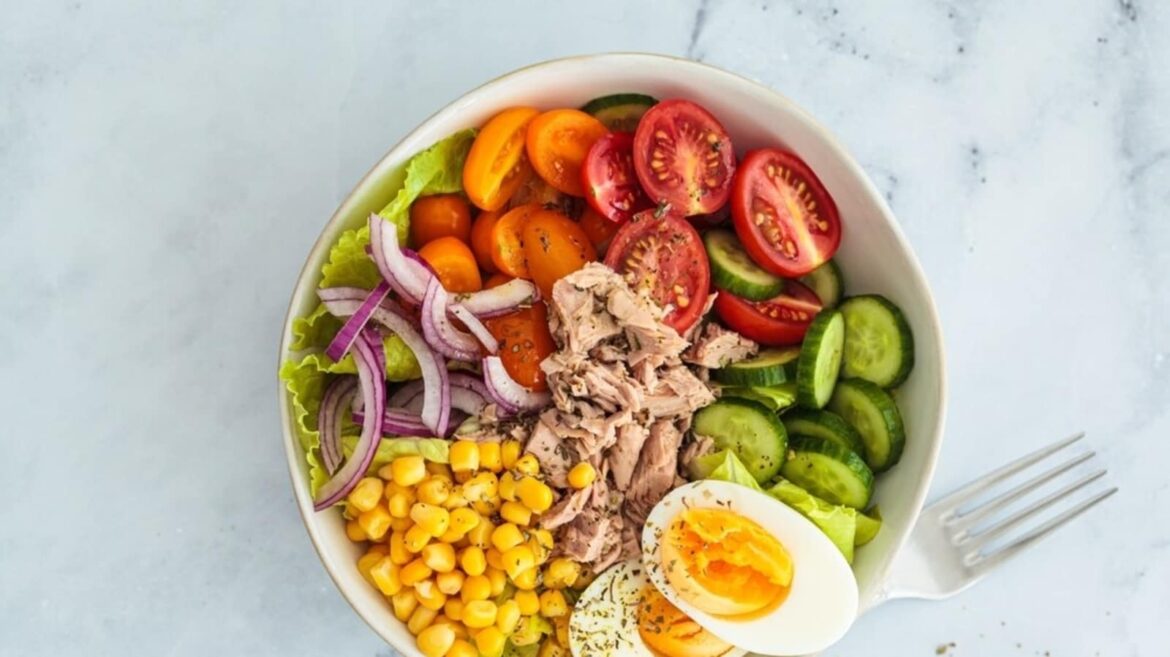
Try to add protein in your every meal.(Shutterstock)

ALSO READ: Protein idli mix to cookies: Nutritionist decodes fortified foods and whether you actually need them

So how do you go about it, making it a normal instinct so that you stop treating it as a chore and instead naturally include it in your daily routine?

Fitness coach Raj Ganpath, who regularly shares fitness tips with his Instagram community, in an August 20 post, addressed this concern many people may have. To make regular protein intake sustainable across decades, he highlighted some strategies that simplify it over time.

Here are the 5 strategies Raj listed:

1. Every meal should have some form of protein

The first step is to make protein a part of your regular meals, not like an addition, but fundamentally integral to the dish you have, irrespective of what you eat and where you eat.

The coach added, “Make sure your every meal you eat contains some form of protein. What protein doesn’t matter, how much doesn’t matter- just make sure there is some form of protein in any meal that you eat.”

Protein should not be skipped, and it’s important to include it in some form at every meal, wherever you are. He said, “It could be breakfast, lunch, dinner, snack at home, outside in your city, outside your city, does not matter- make sure it is a part of your meal.”

2. Get accustomed to better protein sources

The next step is to ensure you are choosing the right sources. Raj advised identifying the right sources, depending on whether you are veg or non-veg.

He elaborated, “Identify protein sources that are actually rich in protein, based on your dietary constraints and make them a part of your day. For instance, if you are a meat eater, eggs, meat, sea food all that is great. But if you are a vegetarian, you need to eat low-fat cheeses, tofu, tempeh, soya chunks, things like that. You may not be used to it but try to identify them and include them, get used to them.”

Often vegetarians, especially Indians, struggle with low protein intake as the sources are commonly thought to be pulses, but they may not be sufficient. This is why Raj stressed the fact that you need to adjust to the protein sources as per your dietary restrictions, even if foods like tempeh, tofu are new to you.

3. Protein not as a side to your main dish

Are you the one who includes boiled eggs alongside your main plate, holding your nose, and quickly eating them just to get it over with? If so, one reason your protein intake may fall short is that protein is treated as a side dish. The fitness coach also pointed out this issue.

He said, “Make these protein-rich options a part of your meal, not just a side where you are force-fitting it into your meal. That means don’t create a protein-free meal and then have protein on the side and think okay, I just have to somehow eat the protein, then I can enjoy my protein-free meal.”

Suggesting the solution, he continued, “Instead, try and make it a part of the meal, how do you include it in the recipes, that is the only way to make a part of your life in the long term.”

So instead, try adding egg or whatever protein you have as one of the ingredients, like egg bhurji with green veggies to pair with your ragi roti.

4. Supplement when necessary

Now there are possibilities of falling behind your recommended protein intake despite diligent meal planning. Raj suggested taking a supplement to fill this gap.

He said, “If you are doing the first three steps and you are still not getting enough protein, you most definitely should supplement. This is precisely why supplements exist. So don’t fight it. Don’t overthink it. Try to get protein from real food if you are not able to supplement wisely.”

5. Track but don’t obsess

While tracking your protein makes you aware of the protein amount you are consuming every day, hyperfixating on it may backfire. The fitness coach warned that constantly counting every last protein gram. It will just make you paranoid.

Raj said,“You should know how much protein you are getting. It is important because you are not getting enough of it, so maybe once a month or once in two months, do a breakdown and understand how much protein you are getting in grams, but don’t get into the habit of counting protein grams every day.”

He instead suggested including protein in every meal, adopting a structure rather than measuring the numbers all the time. And every couple of months, the daily meals’ protein amount can be checked, not every other day.

Note to readers: This report is based on user-generated content from social media. HT.com has not independently verified the claims and does not endorse them. This article is for informational purposes only and not a substitute for professional medical advice.
August 30, 2025 0 comments
0 FacebookTwitterPinterestEmail

Social Connect

Facebook Twitter Instagram Pinterest Youtube Snapchat

Recent Posts

  • 2009 feels like a whole other world away

  • Watch Ariana Grande and Jimmy Fallon Perform a History of Duets

  • Spotify’s Joe Hadley Talks ARIA Awards Partnership

  • Nick Offerman Announces 2026 “Big Woodchuck” Book Tour Dates

  • Snapped: Above & Beyond (A Photo Essay)

Newsletter

Subscribe my Newsletter for new blog posts, tips & new photos. Let's stay updated!

Categories

  • Bollywood (1,929)
  • Celebrity News (2,000)
  • Events (267)
  • Fashion (1,605)
  • Hollywood (1,020)
  • Lifestyle (890)
  • Music (2,002)
  • TV & Streaming (1,857)

Recent Posts

  • Shushu/Tong Shanghai Fall 2026 Collection

  • Here’s What Model Taylor Hill Is Buying Now

  • Julietta Is Hiring An Assistant Office Coordinator In Dumbo, Brooklyn, NY (In-Office)

Editors’ Picks

  • 2009 feels like a whole other world away

  • Watch Ariana Grande and Jimmy Fallon Perform a History of Duets

  • Spotify’s Joe Hadley Talks ARIA Awards Partnership

Latest Style

  • ‘Steal This Story, Please’ Review: Amy Goodman Documentary

  • Hulu Passes on La LA Anthony, Kim Kardashian Pilot ‘Group Chat’

  • Hannah Einbinder Slams AI Creators As “Losers”

  • Facebook
  • Twitter

@2020 - celebpeek. Designed and Developed by Pro


Back To Top
celebpeek
  • Home
  • Bollywood
  • Hollywood
  • Lifestyle
  • Fashion
celebpeek
  • Music
  • Celebrity News
  • Events
  • TV & Streaming