celebpeek
  • Home
  • Bollywood
  • Hollywood
  • Lifestyle
  • Fashion
celebpeek
  • Music
  • Celebrity News
  • Events
  • TV & Streaming
Home » stomach
Tag:

stomach

Drinking coffee on empty stomach? AIIMS-trained gastroenterologist shares 7 coffee mistakes wrecking your gut and liver
Lifestyle

Drinking coffee on empty stomach? AIIMS-trained gastroenterologist shares 7 coffee mistakes wrecking your gut and liver

by jummy84 November 13, 2025
written by jummy84

Love your daily cup of coffee? It can actually be great for your liver – but only if you’re not making some common mistakes. From drinking it on an empty stomach or late at night to overdoing your caffeine intake in order to fight off tiredness, certain habits can quietly harm your gut and liver health over time.

Dr Sethi recommends avoiding coffee on an empty stomach.(Unsplash)

Also Read | Hepatologist shares which foods and drinks you should restrict, completely avoid or consume to reduce fatty liver risk

Dr Saurabh Sethi, a California-based gastroenterologist trained at AIIMS, Harvard, and Stanford Universities, has revealed seven common coffee mistakes that could be harming your gut and liver health. In an Instagram video posted on November 12, the gastroenterologist explains how daily habits – such as drinking coffee on an empty stomach or consuming more than four cups a day – can negatively impact your health.

Coffee on an empty stomach

According to Dr Sethi, drinking coffee on an empty stomach increases stomach acid levels, which can lead to acid reflux, nausea, and even gastritis if done regularly.

Sugar, creamers and syrups

The gastroenterologist explains that flavoured coffees are loaded with unhealthy calories, containing around 30 to 50 grams of sugar. These empty calories fuel fatty liver disease and even diabetes.

More than 4 cups of coffee per day

Dr Sethi highlights, “Over 400 milligrams of caffeine or approximately four cups leads to cortisol spikes, gut irritation, palpitations, and anxiety.”

Late-night coffee

Caffeine’s half-life – the time it takes for half of the consumed amount to leave your system – is approximately five to six hours. Dr Sethi stresses, “An evening cup can delay sleep, impairing liver repair.”

Coffee is great for your liver but only when consumed the right way!(Image generated via ChatGPT)

Masking fatigue with coffee

We often use coffee as a way to boost energy and beat tiredness due to lack of sleep but the gastroenterologist emphasises, “Using caffeine instead of fixing sleep worsens burnout, brain fog, and gut stress over time.”

Artificial sweeteners

Artificial sweeteners like sucralose and aspartame are often touted as ‘zero calories’ but Dr Sethi warns that this does not mean they are harmless. In fact, these artificial sweeteners can disrupt your gut microbiome.

Light roast is not gentler

The gastroenterologist debunks the common belief that light roast coffee is gentler on the stomach, clarifying instead, “dark roast is actually less acidic and may be better tolerated in reflux or GERD.”

Note to readers: This article is for informational purposes only and not a substitute for professional medical advice. It is based on user-generated content from social media. HT.com has not independently verified the claims and does not endorse them.

November 13, 2025 0 comments
0 FacebookTwitterPinterestEmail
Chiropractor reveals which 2 sleeping positions harm your spine: 'If you sleep on your stomach…'
Lifestyle

Chiropractor reveals which 2 sleeping positions harm your spine: ‘If you sleep on your stomach…’

by jummy84 November 7, 2025
written by jummy84

Everyone has their go-to sleeping position, the one that instantly feels comfy. But here’s the catch: not all comfy sleeping positions are healthy for your spine. Whether it is your posture or spinal alignment, all come under major risks.

Sleeping on the stomach may be cosy but risky for spine health. (Picture credit: Made with Gemini AI)

ALSO READ: Orthopaedic surgeon shares 5 tips to protect spine if you have a desk job: Don’t sit cross-legged, get up every 45 min

To understand which sleep positions one should avoid, HT Lifestyle reached out to Dr Rajneesh Kant, chiropractor, osteopathic and spine alignment specialist at Back To Nature Spine Clinic. He advised that one should be careful of their sleeping position, otherwise the spine bears the brunt of it.

“The way you sleep determines how well your spine rests and recovers. Your body repairs muscles, ligaments, and joints while you sleep, but if your sleeping posture puts uneven pressure on the spine, it may disturb the natural alignment of your vertebrae and strain your nerves,” the chiropractor described the value of sleep and how it’s essential for your spine’s rest and recovery.

Further, if one continues to sleep in poor posture for longer periods, Dr Kant warned that it may not only cause temporary morning stiffness, but also, in the long run, result in chronic back and neck pain and even a posture imbalance.

Which sleeping positions to avoid?

Be cautious of these sleep positions. (Picture credit: Made with Gemini AI)

1. Sleeping on the stomach

The first posture that Dr Kant flagged was sleeping on the stomach. He cautioned that despite the initial comfort, it exerts a lot of strain on the neck muscles.

“One of the most common bad sleep positions is sleeping on your stomach. It might feel comfortable initially, but this makes you have to twist your neck to one side for an extended period,” he explained. “That can strain the neck muscles and compress nerves that run down the cervical spine.”

Why is this seemingly cosy position bad? As per Dr Kant, this position itself is ‘unnatural.’ Elaborating why it may not be natural, the chiropractor added, “If you sleep on your stomach, the lower back will arch in an unnatural direction, putting undue stress on the lumbar region. Many people who sleep in such a position develop stiffness in the neck and lower back, or even tingling in the arms due to irritation of nerves.”

2. Sleeping curled up

After a long day, curling up in bed feels super comfortable, but Dr Kant noted that the fetal posture may put pressure on your back, creating spine-related problems later on.

“Many tuck their knees tightly to their chest, thinking it’s cosy, but such a position rounds the spine too much,” the chiropractor said, highlighting the rounded spine to be one of the major risks.

Turns out, when you are curled up tightly, other functions and body parts are also under pressure. Dr Kant warned, “It limits deep breathing, tightens hip flexors, and over-stretches the back muscles. This may, over time, decrease flexibility and lead to chronic mid-back pain.”

What is the best sleeping position?

Lying on your back is one of the healthy sleeping positions. (Picture credit: Freepik)

So what is the best sleeping position? What is that one marker that tells you that your sleeping position is correct? According to Dr Kant, the best sleeping position is the one that maintains the spine’s natural curve, keeping it properly aligned throughout the night.

“The best sleeping posture is one that maintains the spine’s natural curve, either by lying on your back with a small pillow tucked under the knees or by lying on your side with a supportive pillow between the legs,” he described.

Now that your spine is aligned, according to the chiropractor, your body weight isn’t concentrated on one spot like the shoulders, hips or lower back; instead, it is evenly spread across. This prevents any kind of strain or compression. You are likely to get up refreshed and feeling less sore.

Dr Kant further reiterated the importance of maintaining a healthy sleeping posing. It is as important as sitting or standing posture during the day. A good sleeping position is also responsible for energy levels and overall well-being.

Note to readers: This article is for informational purposes only and not a substitute for professional medical advice. Always seek the advice of your doctor with any questions about a medical condition.

November 7, 2025 0 comments
0 FacebookTwitterPinterestEmail
World Spine Day 2025: Neurosurgeon shares 6 daily habits that damage your spine: Sleeping on stomach, soft mattress
Lifestyle

World Spine Day 2025: Neurosurgeon shares 6 daily habits that damage your spine: Sleeping on stomach, soft mattress

by jummy84 October 16, 2025
written by jummy84

World Spine Day 2025: 16 October is observed as World Spine Day to raise awareness regarding spinal health. This year’s theme is ‘invest in your spine.’ On this observance day, let’s take a closer look at some of the daily harmful habits.

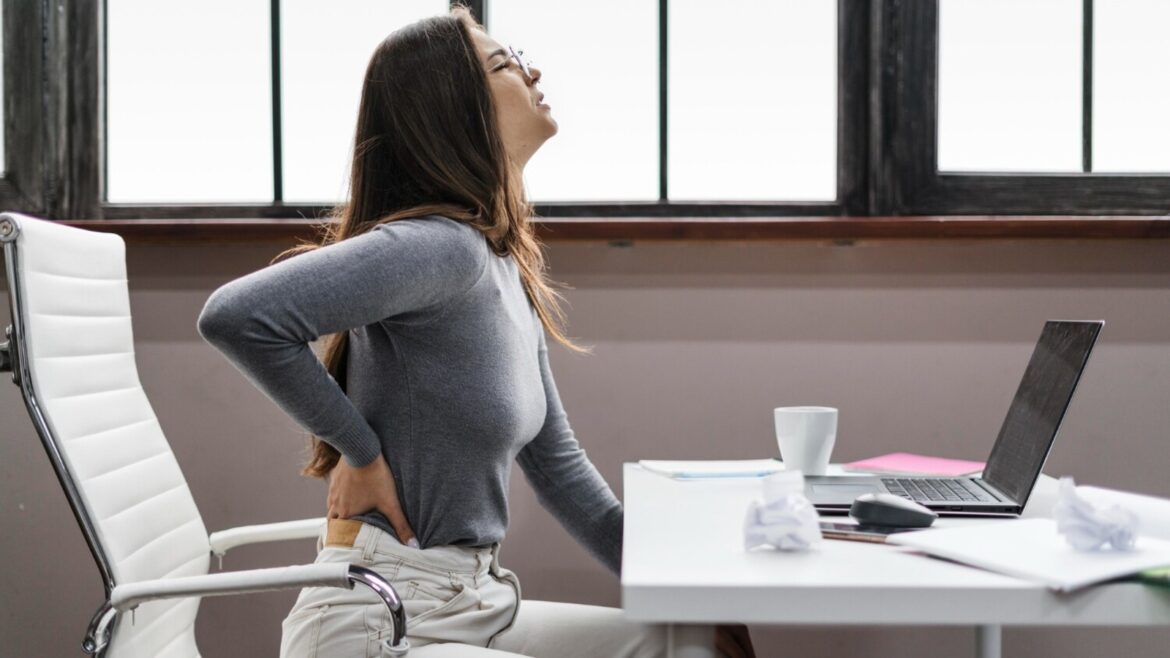
Long hours of sitting at work is hazardous to your spinal health. (Picture credit: Freepik)

ALSO READ: Spine surgeon warns Indians not to ignore back pain until it’s too late, reveals who all ‘should be extra careful’

To understand how some common habits may impact spinal health, Dr Gaurav Batra, neurosurgeon of brain and spine at Max Super Speciality Hospital at Vaishali, shared with HT Lifestyle, that one needs to take care of the spine as it is the very bedrock of the body’s architecture, responsible for the majority of movements. But nowadays, some daily habits put spinal health at risk, causing severe backache.

“Back pain will also accumulate slowly and will become increasingly worse. Most stress that is acquired from posture, ergonomics, and habit can be avoided by being aware,” he emphasised. “Minor adjustments in how we sit, move, and sleep can have a big difference in how it keeps a healthy, ache-free spine.” To fix your back pain, you need to change some habits.

Dr Batra shared these five habits that quietly destabilise your spine, along with one pro tip for each on how you can rectify them:

1. Long sitting and posture

Make sure your posture is correct when you sit at work. (Picture credit: Freepik)
  • Hours of sitting, and particularly with a curved back and bowing neck, puts the lower back under tremendous tension.
  • Gradually, the constant tension seeps into the muscles of the spine, represses disc nutrition, and hastens wear and tear. The consequence is nagging stiffness of the back, fatigue, and even disc prolapse.

Tip: Sit with support for your lower back, screen at eye level, and take hourly moving breaks.

2. Excessive smartphone use

  • Repetition of neck flexion for extended periods of time spent on a phone can multiply the cervical spine’s load hundreds of times.
  • This is commonly referred to as ‘tech neck’, which results in neck pain, shoulder stiffness, and premature cervical spondylosis.

Tip: Phone at eye level with two-handed support, and intersperse gentle neck stretches during practice.

3. Having a sedentary lifestyle

  • A sedentary lifestyle weakens the deep spinal stabilising muscles, such as the back extensors and core.
  • This loads the discs and ligaments mechanically, resulting in chronic low back pain and deteriorated posture.

Tip: Regular stretching, strengthening, and brisk walking restore spinal balance and endurance.

4. Picking up objects the incorrect way

  • Bending at the waist to lift heavy objects places extreme stress on the lower back and may result in disc injury or abrupt muscle spasm.

Tip: Always bend knees and hips, keep the object close to the body, and never turn while lifting.

5. Using defective mattresses

  • Lying on a sagging or soft mattress will most likely disturb the spine and hyper-extend the back muscles during sleep.

Tip: Lie on a medium-firm mattress.

6. Sleeping on stomach

Lying on one’s stomach will most likely hyper-extend the neck and lower back as well.

Tip: Lie on a medium-firm mattress and experiment with lying on the side with a pillow between your knees to maintain the natural spinal alignment.

Note to readers: This article is for informational purposes only and not a substitute for professional medical advice. Always seek the advice of your doctor with any questions about a medical condition.

October 16, 2025 0 comments
0 FacebookTwitterPinterestEmail
AIIMS gastroenterologist warns against ‘having coffee on empty stomach’, shares 7 worst coffee habits to avoid for gut
Lifestyle

AIIMS gastroenterologist warns against ‘having coffee on empty stomach’, shares 7 worst coffee habits to avoid for gut

by jummy84 September 28, 2025
written by jummy84

Coffee is one of the most loved beverages worldwide, with millions relying on it to kick-start their mornings or power through long days. But while that cup of coffee may feel like a saviour, certain everyday habits around it can quietly harm your health in the long run.

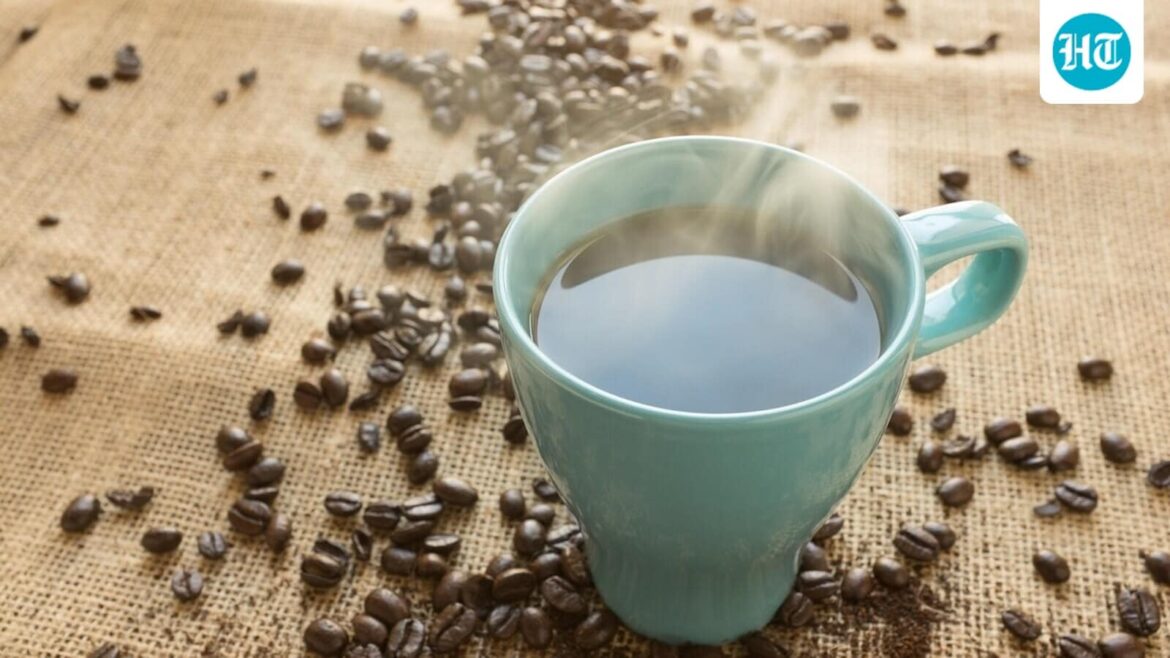
Avoid these coffee mistakes to protect your gut health and sleep quality. (Pixabay)

Dr Saurabh Sethi, a gastroenterologist trained at AIIMS, Harvard, and Stanford Universities, in his September 28 Instagram post, breaks down the 7 worst coffee habits you need to avoid. Here is what he said:

1. Coffee on an empty stomach

Starting your day with coffee instead of food can increase stomach acid production, leading to reflux, nausea, bloating, and even gastritis if it becomes a daily routine.

2. Sugar, creamers and syrups

That flavoured latte may taste indulgent, but it often carries 30–50 grams of hidden sugar. Regular intake adds excess calories, promotes fatty liver, and raises the risk of diabetes.

3. More than four cups a day

Crossing 400 mg of caffeine daily (about four cups) can spike cortisol levels, irritate the gut lining, and cause palpitations, jitteriness, and anxiety.

4. Late-night coffee

Since caffeine has a half-life of 5–6 hours, an evening cup can interfere with deep sleep cycles. Poor sleep hampers the liver’s natural detox and repair processes.

5. Using coffee to mask fatigue

Relying on caffeine to power through exhaustion instead of addressing poor sleep worsens burnout. Over time, it contributes to brain fog, hormonal imbalance, and digestive stress.

6. Artificial sweeteners

“Zero calories” doesn’t mean safe. Sweeteners like sucralose and aspartame may disturb gut microbes, disrupt digestion, and impact long-term gut health.

7. Light roast doesn’t mean gentler

It’s a common myth that lighter roasts are easier on the stomach. In reality, dark roasts tend to be less acidic and may be better tolerated by those prone to reflux or GERD.

Note to readers: This report is based on user-generated content from social media. HT.com has not independently verified the claims and does not endorse them.

This article is for informational purposes only and not a substitute for professional medical advice.

September 28, 2025 0 comments
0 FacebookTwitterPinterestEmail
PCOS with regular periods? Gynaecologist says it's possible; shares 7 symptoms: Hair on stomach, dark patches on neck
Lifestyle

PCOS with regular periods? Gynaecologist says it’s possible; shares 7 symptoms: Hair on stomach, dark patches on neck

by jummy84 September 20, 2025
written by jummy84

Polycystic Ovary Syndrome (PCOS) is commonly associated with missed periods. Irregularity in the menstrual cycle is, in fact, regarded as one of the primary signs. But this is not always the case.

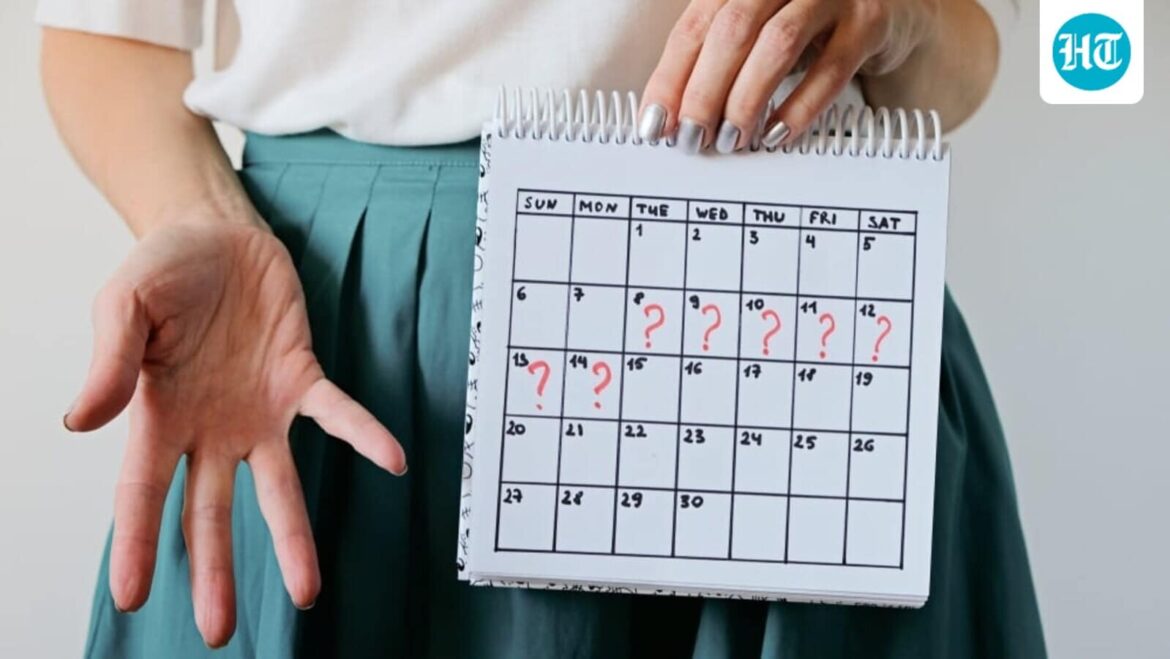
It’s not always true that PCOS happens only when you have irregular periods. (Shutterstock)

Dr Neha Abhijit Pawar, consultant, gynaecology at Kokilaben Dhirubhai Ambani Hospital, Mumbai, told HT Lifestyle it is possible for PCOS to be present even when periods are regular. She explained that PCOS is much more complex, and sometimes it may not reflect in the cycle.

ALSO READ: Can thin women get PCOD? Gynaecologist shares symptoms of lean PCOD: Dark skin patches, oily skin

Dr Pawar said, “PCOS is a complex hormonal and metabolic disorder in which the ovaries produce higher-than-normal levels of androgens (male hormones) and the body may show resistance to insulin. These internal imbalances can exist even if the menstrual cycle appears to be normal.”

How can you have PCOS despite regular periods?

Even if your periods are regular, it does not mean the reproductive system is fully healthy. Revealing how ovulation may be compromised, she explained, “Ovulation occurs, but the egg quality may be poor, or ovulation may be inconsistent. This means that while bleeding happens at expected intervals, the underlying hormonal dysfunction that defines PCOS is still present.”

So it is very important not to rule out PCOS just because your periods are regular, since, as per the gyneacologist, “regular periods do not necessarily guarantee normal ovulation.”

Beyond the hidden ovulation issues, there’s also another reason why periods can appear normal in PCOS. The gynaecologist explained, “While excess androgens disrupt follicle development, estrogen and progesterone may still maintain a bleeding cycle. This ‘masking effect’ can mislead women into believing everything is normal, while the ovaries continue to show polycystic changes and the body continues to face risks like insulin resistance, weight gain, or difficulty conceiving.”

Signs of PCOS other than irregular menstrual cycle

Hormonal acnes happen in adulthood too.(Shutterstock)

Other than menstrual irregularity, here are the symptoms Dr Pawar shared:

  1. Excess hair growth (hirsutism) on the face, chest, or stomach.
  2. Persistent acne or oily skin that does not improve with usual treatments.
  3. Thinning hair or male-pattern baldness on the scalp.
  4. Unexplained weight gain, particularly around the waist and abdomen.
  5. Darkened patches of skin (acanthosis nigricans), often around the neck, groin, or underarms.
  6. Difficulty getting pregnant, even when cycles are regular.
  7. Polycystic ovaries on ultrasound, with multiple small follicles seen in the ovaries.

Should you visit a doctor?

With periods appearing normal, the question arises whether one should visit a doctor. Dr Pawar advised that PCOS should not be ignored, as untreated PCOS can worsen health. She said, “If you notice any of these symptoms, it is wise not to ignore them just because your menstrual cycles seem fine. PCOS, if left undiagnosed, can increase the risk of type 2 diabetes, infertility, cardiovascular disease, and endometrial problems over time.”

She suggested that a gynaecologist or endocrinologist may guide with blood tests to check hormone levels, assess insulin sensitivity, and conduct an ultrasound if needed.

Note to readers: This article is for informational purposes only and not a substitute for professional medical advice. Always seek the advice of your doctor with any questions about a medical condition.

September 20, 2025 0 comments
0 FacebookTwitterPinterestEmail

Social Connect

Facebook Twitter Instagram Pinterest Youtube Snapchat

Recent Posts

  • 2009 feels like a whole other world away

  • Watch Ariana Grande and Jimmy Fallon Perform a History of Duets

  • Spotify’s Joe Hadley Talks ARIA Awards Partnership

  • Nick Offerman Announces 2026 “Big Woodchuck” Book Tour Dates

  • Snapped: Above & Beyond (A Photo Essay)

Newsletter

Subscribe my Newsletter for new blog posts, tips & new photos. Let's stay updated!

Categories

  • Bollywood (1,929)
  • Celebrity News (2,000)
  • Events (267)
  • Fashion (1,605)
  • Hollywood (1,020)
  • Lifestyle (890)
  • Music (2,002)
  • TV & Streaming (1,857)

Recent Posts

  • Shushu/Tong Shanghai Fall 2026 Collection

  • Here’s What Model Taylor Hill Is Buying Now

  • Julietta Is Hiring An Assistant Office Coordinator In Dumbo, Brooklyn, NY (In-Office)

Editors’ Picks

  • 2009 feels like a whole other world away

  • Watch Ariana Grande and Jimmy Fallon Perform a History of Duets

  • Spotify’s Joe Hadley Talks ARIA Awards Partnership

Latest Style

  • ‘Steal This Story, Please’ Review: Amy Goodman Documentary

  • Hulu Passes on La LA Anthony, Kim Kardashian Pilot ‘Group Chat’

  • Hannah Einbinder Slams AI Creators As “Losers”

  • Facebook
  • Twitter

@2020 - celebpeek. Designed and Developed by Pro


Back To Top
celebpeek
  • Home
  • Bollywood
  • Hollywood
  • Lifestyle
  • Fashion
celebpeek
  • Music
  • Celebrity News
  • Events
  • TV & Streaming