celebpeek
  • Home
  • Bollywood
  • Hollywood
  • Lifestyle
  • Fashion
celebpeek
  • Music
  • Celebrity News
  • Events
  • TV & Streaming
Home » Review » Page 8
Tag:

Review

Telusu Kada movie review
Bollywood

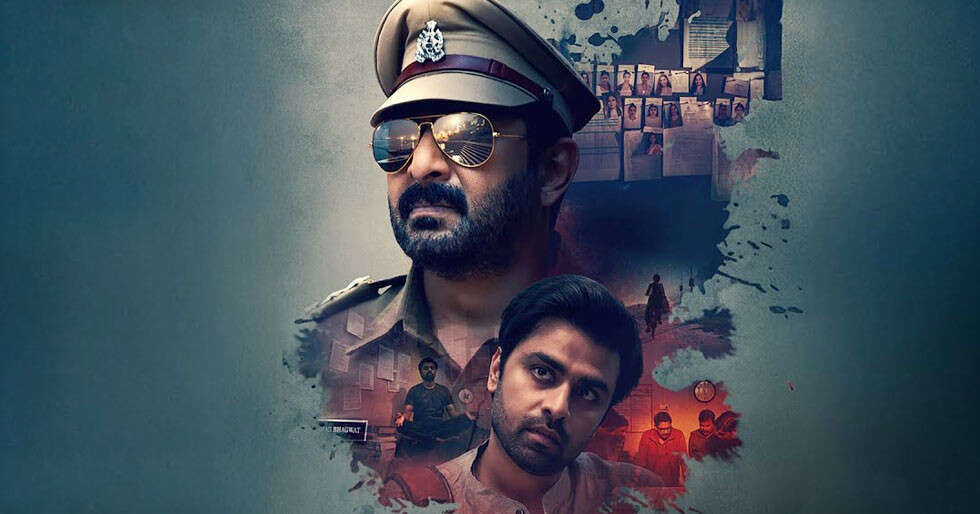
Bhagwat Chapter One: Raakshas Review: Elevated By Arshad Warsi’s and Jitendra Kumar’s Performances

by jummy84 October 20, 2025
written by jummy84

If not for Arshad Warsi and Jitendra Kumar, Bhagwat Chapter One: Raakshas, would’ve fallen flat. The film rides almost entirely on the capable shoulders of its two leads, both of whom breathe life into a script that otherwise feels derivative and overstretched. Arshad Warsi had shed his comic image to play an upright cop in Sehar (2005), a career-defining turn that showcased his serious acting chops. Now, in Bhagwat, he returns to familiar territory, and once again proves that he has the quiet intensity and gravitas to carry such roles. As Vishwas Bhagwat, an aging, angsty officer sent on a punishment posting to a restive town in Uttar Pradesh, Warsi is utterly convincing, paunch, ponderous gait, and all. His anger simmers just beneath the surface, erupting in interrogation rooms custom-built for his particular brand of justice.

Warsi looks good in khaki. It’s a mystery why Bollywood hasn’t cast him more often as a cop since Sehar. He adds nuance to a character that might otherwise have seemed stock: the tortured officer haunted by trauma, chasing justice with clenched fists and a ticking clock.

On the other side of the equation is Jitendra Kumar, who turns in a surprisingly complex performance as Samir, a backward caste schoolteacher involved in a blossoming (and taboo) romance with an upper-caste girl Meera (Ayesha Kaduskar). Known for his affable, bumbling roles in Panchayat and Kota Factory, Kumar pulls off a welcome transformation. He oscillates effortlessly between the charm of a road-side Romeo and the desperate defiance of a man accused. Even when the film starts to wobble under the weight of its borrowed ideas, Kumar holds it together with his slippery, layered portrayal.

Unfortunately, strong performances can’t entirely mask the film’s flaws. The story, clearly inspired by real-life cases, particularly the Cyanide Mohan case from Karnataka, takes more than a few narrative cues from Dahaad, the Vijay Varma-led series about a serial killer preying on vulnerable women, which was inspired by the same killer. The parallels are almost distracting, from the socio-religious tension surrounding the case to the modus operandi of the suspect, Bhagwat often feels like a rehash. Even worse, when the antagonist begins bragging about his crimes, you’re reminded of Sector 36. The deja vu is overwhelming.

Once the mystery is solved and the culprit identified, Bhagwat loses all momentum. What follows is a courtroom climax that strains believability, particularly when Jitendra Kumar’s character suddenly begins arguing his case with the confidence and flair of a seasoned prosecutor. The sequence, trying to be too clever for its own good, ends up feeling forced, dulling the emotional and narrative impact of everything that came before it.

There are important themes, caste, communalism, police brutality, but the film only glances at them before retreating into genre tropes. The supporting cast tries, but they’re never given enough room to truly register. The romantic subplot, initially refreshing in its tenderness, soon gets buried under the procedural drama. It should be said that Ayesha Kaduskar is in fine form here and shows that Bada Naam Karenge wasn’t a one-off thing.

In the end, Bhagwat is too reliant on its leads to do the heavy lifting. Warsi and Kumar deliver, no doubt, but the film around them doesn’t rise to meet their commitment. There are sparks here, a line, a look, a moment, but not enough to ignite a truly compelling fire. We’re not sure why it’s called Bhagwat Chapter One. Is it the first of the series and Bhagwat is coming back to solve more killings? As an interesting aside, please note that Arshad Warsi had also starred in a 2003 release called Waisa Bhi Hota Hai Part II, directed by Shashanka Ghosh, which had no first part. The film is currently streaming on Zee5

Watch Bhagwat Chapter One: Raakshas for Arshad Warsi and Jitendra Kumar. Endure the rest.

Also Read: The Jolly LLB Duo Akshay Kumar and Arshad Warsi Step Out to Promote Their Film
October 20, 2025 0 comments
0 FacebookTwitterPinterestEmail
Bruce Springsteen ‘Nebraska ’82: Expanded Edition' Review
Music

Bruce Springsteen ‘Nebraska ’82: Expanded Edition’ Review

by jummy84 October 19, 2025
written by jummy84

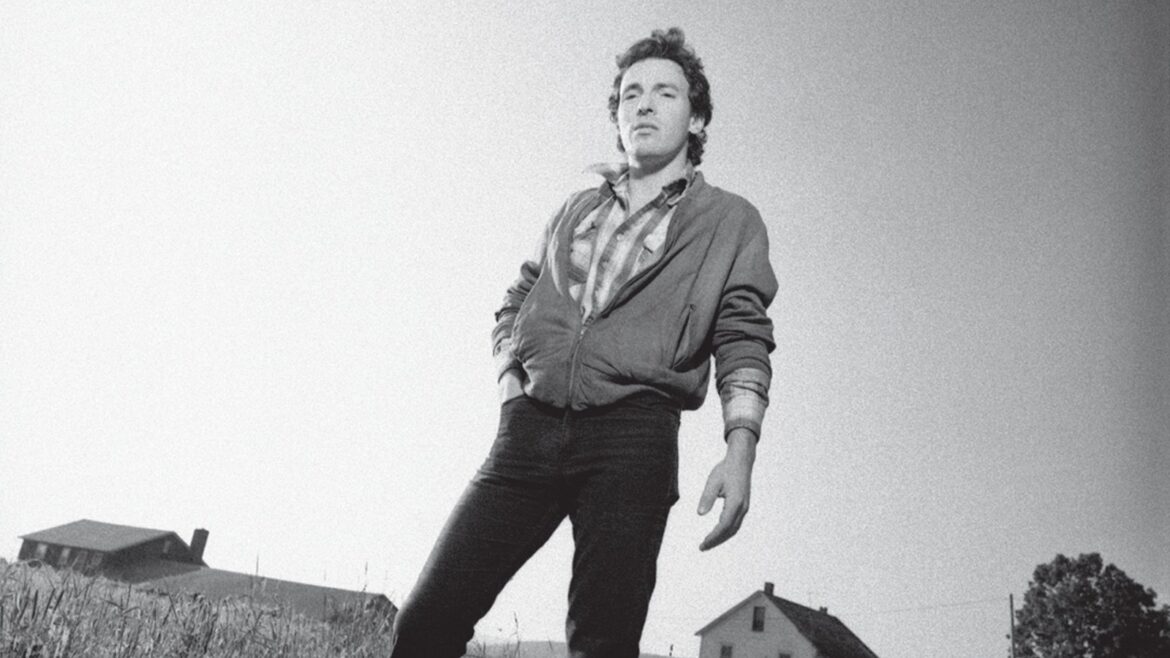
There are good albums and great albums, and then there are holy records — worlds you enter as if into a dream and emerge with spirit and neurochemistry changed. Bruce Springsteen‘s 1982 classic Nebraska is one of those. Conceived at the crest of the Reagan years when the singer was in a dark place and rethinking his purpose, it was a pause and a hard reboot, a lo-fi set of home recordings that sounded like nothing in his catalog, and a calm before the storm of Born in the U.S.A. “I was after a feeling,” he wrote of Nebraska in his memoir, “a tone that felt like the world I’d known and still carried inside me.” The result was a hauntingly unsettled piece of art that many people hold very dear. 

But people always crave more, and given that A) Nebraska is mostly an album of spruced-up demos, B) it came from same writing sessions that later produced Born in the U.S.A., and C) superfans and E Streeters alike have been fueling rumors for years about a shelved Electric Nebraska LP, it’s amazing that it’s taken this long for said mythic lost album to surface. Clearly, we have Jeremy Allen White and Deliver Me From Nowhere to thank.

Anyway, here it is. Does it support the myth? Yes and no. Yes, in that there were indeed recordings made in 1982 of some Nebraska songs in fuller arrangements with Bruce’s E Street bandmembers. And no — because strictly speaking there is no Electric Nebraska per se, notwithstanding Springsteen’s equivocations on the point (as reported in this magazine) and the fact that one disc in this five-disc set is titled Electric Nebraska.

Nevertheless: as art history, theological inquiry, and a secular deep dive into the Brucebase rabbit-hole, Nebraska ‘82 is rich material, and for serious Springsteen fans, an essential listen. The first two discs are flecked with revelations. One disc contains outtakes from the original 4-track demos, made by Springsteen in his house in Colts Head, NJ, with extras from a follow-up acoustic studio session at The Power Station that tried, and failed, to better those recordings.

Editor’s picks

The keystone is the demo of “Born in the U.S.A., which appeared on 1998’s epic loosie compilation Tracks. It opens this set and resonates differently here, showing how much of a piece it was with Nebraska’s vision and where Springsteen’s narrative songwriting was at. It also shows how wrong it would’ve been for Nebraska’s final tracklist — its anthemic chorus, yearning to be free, would’ve felt misplaced. The song’s next iteration, a raw guitar rocker on the Electric Nebraska disc, shows its evolution. Both versions showcase the song’s sharp social critique and conflicted pride more effectively than the final megahit version. But musically, neither is quite as compelling.

Similarly, at least in hindsight, you can hear the party jam in a softly insinuating draft of “Pink Cadillac,” the future Natalie Cole hit and Born in the U.S.A. b-side. It’s sexy and vaguely creepy, a weirdly intimate voice message. Elsewhere, the addition of corner-church piano and bass cloak the exquisite chill of Nebraska’s title track, while a stiff groove and overheated vocals diminish the articulate desperation “Atlantic City” (Levon Helm and The Band would pull off a more convincing band arrangement years later, as would Springsteen & Co.) Two feral punk-rockabilly versions of Born in the U.S.A.’s seething “Downbound Train” speak to Springsteen’s admiration of The Clash. 

But a pair of never-issued songs on the outtakes set are the set’s standouts. “Child Bride” is a disturbing draft of what would transform into Born in the U.S.A.’s “Working on the Highway,” which turned the narrative’s moral thicket, presumably involving an underage girl, into a sort of landlocked sea shanty that, like the album’s title track, drowns out its own narrative. (An early version of “Highway” here obfuscates the narrator’s transgression.) As America attempts to reclaim its pride by whitewashing its unflattering histories, Springsteen’s struggle to balance light and dark on these pointedly American recordings is tremendously poignant. “Gun in Every Home” is another balancing act, a striking outtake that ended up shelved. “I moved to the suburbs yeah, just me and my family/ On the block I live, you got everything that a man would need to want/ Two cars in each garage and a gun in every home,” Springsteen sings flatly. (“When I wrote it, I thought it was a little hysterical,” he admits in the liner notes. “Now of course it seems totally natural.”)

Related Content

The third and fourth discs — audio and video, respectively — document a (mostly) solo acoustic full-album performance of Nebraska, recorded this past summer sans audience at the Count Basie Theatre, Red Bank, NJ. The film, by Thom Zimny, is about what you’d expect: b&w, moody lighting, the artist striding in slo-mo onto the stage of the empty theater (trigger warning: may spur Covid lockdown flashbacks), then sitting down to play the songs straight through. There’s no attempt to hide the staging, although the accompanying musicians are mostly unseen. You can catch a fleeting glimpse of Larry Campbell in the wings offstage during “Atlantic City,” playing mandolin in the shadows; on “Used Cars,” Charlie Giordano adds glockenspiel fireflies in silhouette.

In the liner notes, Springsteen says he came to this latter-day performance fairly cold, and was struck anew by the songs, by how “their weight impressed upon me.” It’s a powerful performance, though 40-plus years on, as a dude in his 70s, he delivers them as a storyteller outside the story — a bit like Springsteen performing Springsteen on Broadway. On the original Nebraska LP, remastered for the set’s final disc, the performances felt more like method acting by a man possessed, physically inhabited by the stories he told.

Trending Stories

Springsteen has said Nebraska is his greatest work, and it’s interesting that, in surveying the original LP and the other vault recordings included here, he seems amazed at what his young self was channeling back then. He uses the word “shocked” more than once in the liner notes. He says “I don’t know where I was coming from for those arrangements,” and “I don’t know what was influencing me at the time.” He concludes: “Most of this stuff is pretty mysterious to me.”

Indeed, mystery is at the core of Nebraska’s magic — the mystery of what drives human beings toward darkness and self-destruction, the mystery of a rich country disrespecting its people, the mystery of an artist reinventing himself with a coal-hot songwriting hand, whispering in his own ear to make the mystery manifest. It did, and when you hear the final Nebraska, the set’s early takes and re-recordings, even the good ones here, are blown away like leaves in a punishing autumn wind. The falsetto howls at the end of “Atlantic City” become ghostly again, not vocal effects deployed variously across the sessions. Many of Nebraska’s songs would become American classics, and it says a lot that Levon Helm’s “Atlantic City” is one of his greatest performances, ditto Emmylou Harris’ version of “My Father’s House.” It says a lot, too, that their versions hewed close to those on the finished Nebraska album. Because Bruce got them dead right.

October 19, 2025 0 comments
0 FacebookTwitterPinterestEmail
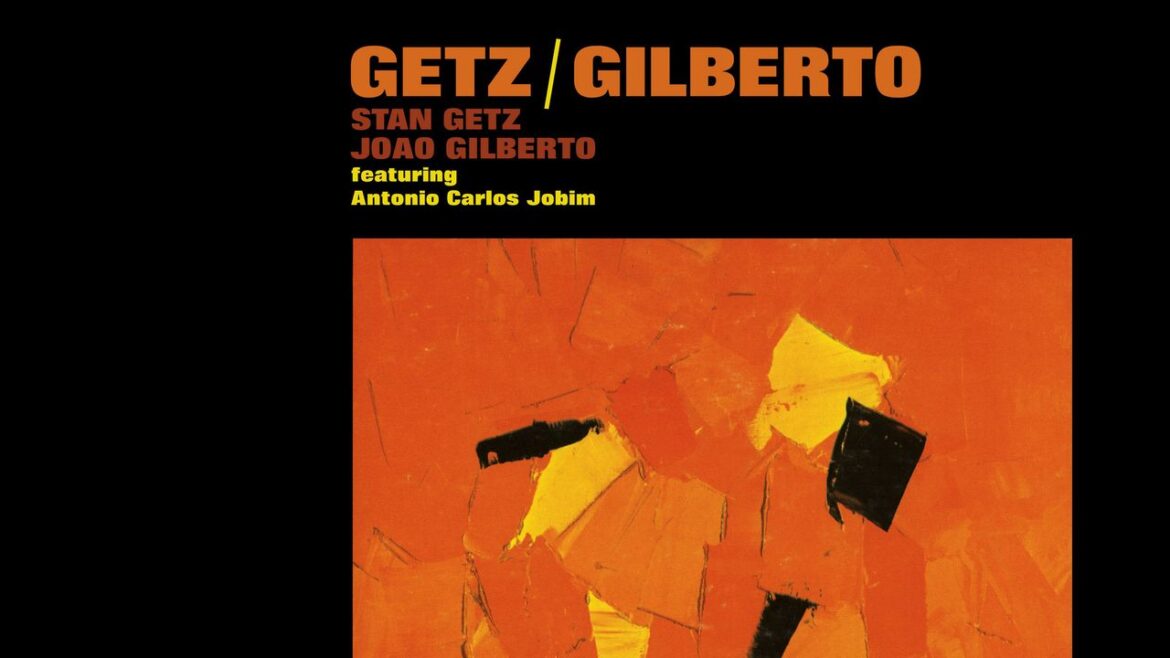
Stan Getz / João Gilberto: Getz/Gilberto Album Review
Music

Stan Getz / João Gilberto: Getz/Gilberto Album Review

by jummy84 October 19, 2025
written by jummy84

At a 1976 concert featuring American saxophone superstar Stan Getz and Brazilian singer and guitarist João Gilberto, Getz welcomed his partner to the stage in a tone of voice that reveals just how gobsmacked he remained by his genius. “The most individual singer of our time, a true originator,” he enthused. “His curious ability to sing warmly without a vibrato, his impeccable and inimitable rhythmic sense, his intimacy, all coupled to his wonderful guitar work, make him unique.” If that sounds dry, Miles Davis put it so: “Gilberto could sound seductive reading aloud from the Wall Street Journal.”

Despite being in close proximity to João Gilberto for over a decade by that point—onstage and in the studio—Getz is forever mystified by Gilberto: his voice, his attenuated pitch, his rhythmic sense, the space within the music that he birthed, bossa nova. And in a decade of increasingly louder and louder musical revolutions, Gilberto sat at the center of the most hushed one of all, now mistakenly perceived as quaint elevator music instead of the sophisticated and subtle paradigm shift that bossa nova actually was, a marriage between Afro-Brazilian rhythm and intricate Eurocentric harmonic concepts.

In 1964, Getz and Gilberto brought bossa nova to the American masses with their collaborative album Getz/Gilberto, and then the rest of the world, though everyone was well behind what had already transpired in Brazil—the modern equivalent of finding out the hottest sound in China is “Old Town Road”. When Gilberto cut his first solo record, Chega De Saudade, in Brazil in 1959, it ignited a flame in that country, a revolution in samba that completely transformed Brazilian music. “The kids could see themselves in that music,” Ruy Castro noted in his history of the music, Bossa Nova. Gilberto was an enigmatic singer, a subtle rhythmic player, and a lowkey guitar god, inspiring a new generation to sing and pick up a guitar, while gratefully also ending Brazil’s national obsession with the accordion. At home, Gilberto was an icon. “I owe João Gilberto everything I am today,” Caetano Veloso said. “Even if I were something else and not a musician, I would say that I owe him everything.”

October 19, 2025 0 comments
0 FacebookTwitterPinterestEmail
My Morning Jacket Celebrate 20 Years of Z at Brooklyn Paramount: Review
Music

My Morning Jacket Celebrate 20 Years of Z at Brooklyn Paramount: Review

by jummy84 October 18, 2025
written by jummy84

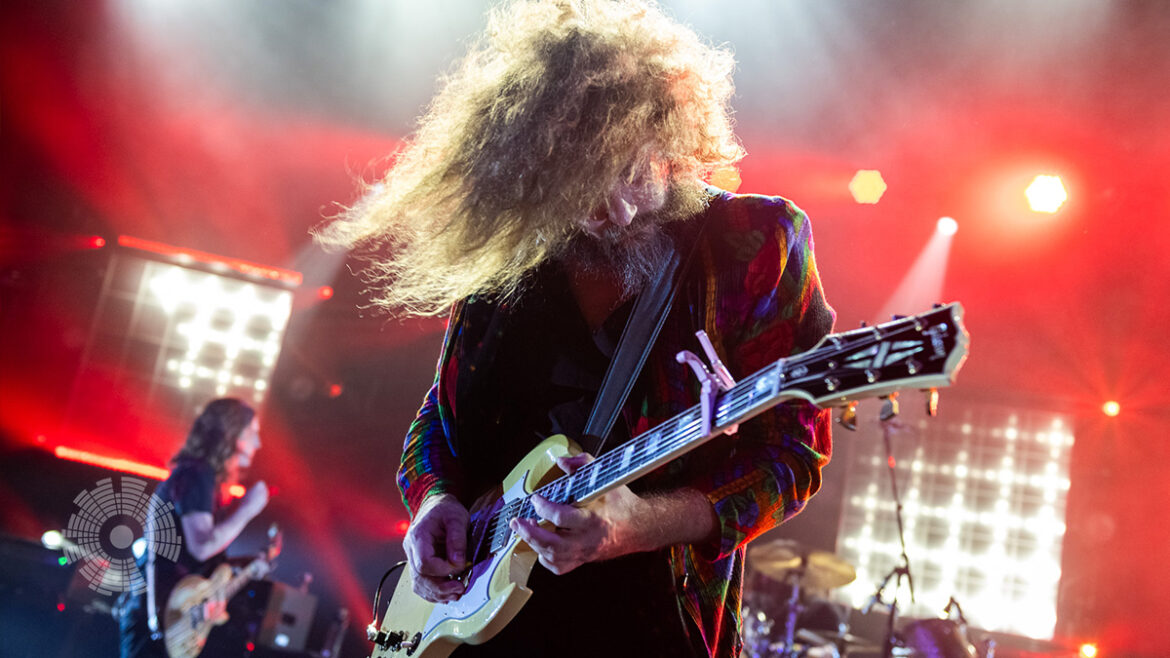
What is there left to say about My Morning Jacket as a live act? Lore and eyewitness accounts confirm that they’ve always been mighty, whether overshadowing Ben Kweller and Guided by Voices as a barnstorming opener in their early days or creating their own Mount Olympus with a career-defining set at Bonnaroo in 2008. Hell, last night’s kickoff of their three-show Brooklyn Paramount run wasn’t even the first time they had played 2005’s Z front to back in NYC.

As a (somehow) first-time eyewitness to their live show myself, I could run down the standard audiovisual reportage: Jim James toggling between wavy frontman choreography (opener “Wordless Chorus”) and elephantine shredding (“Anytime”); utility wunderkind turned elder statesman Carl Broemel calmly slipping into sax mode for an extended album finale (“Dondante”); Patrick Hallahan’s hair-raising snare hits; the backlighting of old-school LED grids that, through simple triangulation, mutated a smiley face into a constellation of the under-the-knife owl beak that graces Z’s cover art.

Get My Morning Jacket Tickets Here

But if you’re a fan or even just someone who’s casually caught one of MMJ’s concerts in the past, you’ve already seen the band’s craftsmanship and volcanic energy on display. You don’t need someone to extoll their in-the-flesh greatness, unparalleled as it may be and probably has been since their inception. This morning, head still blissfully buzzing from last night, I find myself thinking about what Z meant when it was released 20 years ago and what it means through the lens of live performance in 2025.

Related Video

It may seem quaint now in a post-social media age when genre barriers have all but disappeared for music fans, but Z felt like the hardest of pivots in the early aughts. It was an evolution from three albums of rootsy jamming (most notably, 2003’s It Still Moves) to spacey synthesizers, shorter song lengths, and lyrics that skewed more surrealistic (or maybe spiritual, depending on your own religious convictions), all of which earned MMJ the now-tired superlative of “the American Radiohead” from several publications.

The psychedelic detour proved to be prophetic not only for the band themselves (subsequent releases Evil Urges and Circuital would both be viewed as similarly and even controversially metamorphic), but several later acts who would fall under the loosely defined umbrella of “alt country” —  at least at some point during their rise. Sturgill Simpson, Big Thief, and even Kings of Leon would all come out of the gate saddled with the Americana label, only to go a little more cosmic a few albums in. And while MMJ certainly wasn’t the first country-adjacent act to drastically weirden their sound, Z (along with Wilco’s Yankee Hotel Foxtrot) feels like the modern template for doing so.

Where the band’s transformation in 2005 felt purely aesthetic, however, hearing the record’s morphing sounds in a live setting 20 years later felt contextual and thematic — a response to the chaos of modern history in the making. When James finally addressed the crowd at the album’s halfway point — between an extra dubbed-out “Off the Record” and extra-carnivalized “Into the Woods” — he spoke briefly about the album’s importance in their career and its relationship to New York (the band relocated from their native Louisville to the Catskills for recording). He then went on to proclaim that everyone in the ornate Brooklyn Paramount ballroom was on a new plane of consciousness together to celebrate peace and love.

Now, I know how those words look on paper — vague, shamanistic, perhaps even cultish. And being invited to let loose and enjoy one’s self in an environment of rising authoritarianism isn’t exactly revelatory. But it is increasingly essential amidst the fear, violence, and turbulence of 2025 and beyond, and James has always come across as sincere in his calls for harmony. The brevity of his banter also prevented it from being condescending or sermonizing.

With all of that in mind, the expansiveness of Z suddenly felt heavier, a reminder of the importance of staying flexible — artistically, socially, societally — so we can hold onto some happiness in a world that none of us can predict. And by the start of a second, non-Z set, it became clear that all the various shards of MMJ’s prismatic identity were still there and always had been — past, present, and future. Encore closer “Magheeta” took on a little bit of the cybernetic freakiness of Z (the LEDs helped), the live debut of oddity “The Devil’s Peanut Butter” off the Z 20th anniversary edition was an immediate fusion of the pre- and post-Z eras, and come to think of it, had “Off the Record” even been that dubbed out, or were the riffs extra-muscular and mountained up? Probably both. Even the three cuts from this year’s is were already seeing their accessibility give way to amorphism.

It’s also worth mentioning the giant stuffed bears that have been an onstage mainstay almost as long as My Morning Jacket have been a band. They’ve always been somewhat totemic, with one of them famously gracing the cover of It Still Moves as a kind of symbol of meaningful guidance. But the ursine imagery was especially palpable last night, a specter of a past that had never really disappeared in the first place. For a legendary live act, owl and bear are in the same menagerie, artistic pivots eventually come full circle to blur the lines of several genres, and elasticity becomes a means of fulfillment — and thus a means of survival — for band and audience alike.

Get tickets to the My Morning Jacket’s upcoming tour dates — including more full Z performances — here. See a full photo gallery and setlist from the band’s Brooklyn Paramount concert below.

My Morning Jacket Setlist:
Z:
Wordless Chorus
It Beats 4 U
Gideon
What a Wonderful Man
Off the Record
Into the Woods
Anytime
Lay Low
Knot Comes Loose
Dondante

Chills
Where to Begin
Half a Lifetime
The Devil’s Peanut Butter
Squid Ink
Wasted / En La Ceremony / Wasted

Encore:
Tropics (Erase Traces)
Smokin’ From Shootin’
Die For It
Mahgeetah

October 18, 2025 0 comments
0 FacebookTwitterPinterestEmail
Carly Rae Jepsen: E•mo•tion (10th Anniversary Edition) Album Review
Music

Carly Rae Jepsen: E•mo•tion (10th Anniversary Edition) Album Review

by jummy84 October 18, 2025
written by jummy84

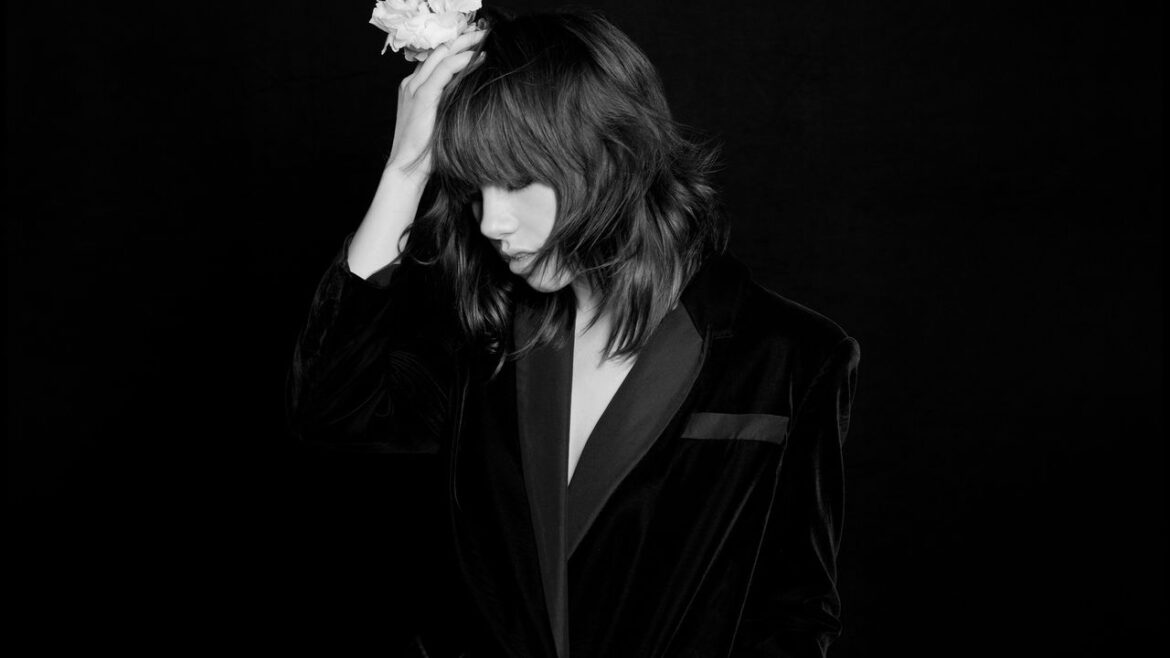
In the summer of 2015, Carly Rae Jepsen was looking to the future: “My desire now,” she told an interviewer, “is to see how far I can stretch pop.” Her latest moves had evolved from the good-enough charm of Kiss—the album that contained her unexpectedly planet-dominating hit “Call Me Maybe”—into glossier, vintage-inspired territory: gated drums, squealing synths, a couple saxophone solos. ’80s pop rehashed for the new millennium feels staid in its omnipresence today—but remember when it actually felt like a bold new idea, when embracing that moment, in all its schmaltz and sentiment, could represent a genuinely surprising artistic turn?

The first step in claiming Jepsen’s future was E•mo•tion, a record of diamond-sharp songs—now a decade old, re-released as a deluxe 10th anniversary edition. In countless interviews, she has rejected the notion that pop music—hers or anyone else’s—ought to be considered a “guilty pleasure,” and E•mo•tion is, fittingly, a record of full-on pleasure: unselfconscious, effervescent, no irony to be found. These are songs about big feelings, matched by big-budget production, evincing a shameless devotion to pure pop: uptempo, tightly structured, stuffed with singable hooks and lyrics that don’t exactly hold up perfectly under scrutiny yet nonetheless scan as immediately relatable. “Run Away With Me” is the aural equivalent of a confetti cannon, the sonic translation of the way a crush makes you feel invincible. “Boy Problems” is neon and buoyant with its groovy bassline, chorus of na na nas, and percussion stabs like the kind of text you send with 15 exclamation marks. The exceptions to the bubblegum bangers formula are equally rewarding: The brooding, breathy “Warm Blood” and the poised ballad “All That” gently widen Jepsen’s sound without becoming a distraction.

October 18, 2025 0 comments
0 FacebookTwitterPinterestEmail
Geese Bring Getting Killed Tour to Chicago: Review + Photos
Music

Geese Bring Getting Killed Tour to Chicago: Review + Photos

by jummy84 October 18, 2025
written by jummy84

Hype is a funny thing. When an artist (or any creative project) encounters a sudden rush of excitement, they can just as easily surf the wave of newfound attention with grace as they can succumb to the riptide of rising expectations, washing up on the shores of disappointment. Luckily, on a scale of midwestern tourist visiting the West Coast for the first time to Big Kahuna, Geese are much closer to the latter, as proven by the launch of their triumphant “Getting Killed Tour.”

Celebrating the release of their acclaimed third album, Getting Killed, the buzzy New York indie rockers have embarked on a sold-out jaunt, hitting various theaters and halls across the country. Last night, Cameron Winter and company wrapped up a two-show stint at Chicago’s Thalia Hall with rising art-rock act Racing Mount Pleasant. To put it crudely, it fuckin’ rocked.

Get Geese Tickets Here

Which, to check Geese’s ego just a bit, had just as much to do with the crowd’s energy as it did with the band’s impressive rock ‘n’ roll display. After Racing Mount Pleasant’s opening set, the pit, the bar, and the lines for the bathrooms were all alive with the same electrifying anticipation. “I think this night might be something really special,” I heard one attendee tell another before they joyously high-fived. Thanks to their well-crafted mystique and the excellent collection of songs that is Getting Killed, Geese had already won half of the battle before ever stepping onto the stage.

Related Video

Once they were on stage, the crew managed to match the audience’s energy. Almost exclusively backlit via lights resting on the floor, Geese ripped through every single song of Getting Killed (albeit not in order), a handful of favorites from their sophomore effort 3D Country, and even a lone deep cut from their debut Projector. Regardless of which project the cuts came from, there wasn’t a tune they launched into that wasn’t met with rapturous cheers.

That response was warranted — these kids can play. Not to say that there wasn’t the odd flubbed note or rushed section, but Geese have successfully incorporated looseness into their charm. It’s a main reason why Getting Killed is such an exciting listen, and it has been a large part of their live show for the past few years. The quartet (plus the one touring member) are all highly proficient musicians — particularly drummer Max Bassin, who was going absolutely nuts on the kit for the entire 90-minute set. They just also happen to prioritize atmosphere and fun over perfection in performance. That decision works wonders for them, especially as a band so clearly inspired by the raucous energy of classic rock and eccentric, charged indie.

Whether they were bringing the house down with rippers like “2112” and “Trinidad” or serenading us with melancholic heartbreakers like “Au Pays du Cocaine,” Geese presented themselves simultaneously as a confident band entering their prime and as a group of longtime friends who can’t believe they have made it so far. Bassist Dominic DiGesu grinned as he swapped between laying down melodic bass lines and bongo grooves, while guitarist Emily Green fittingly emulated the stylings of figures like Jonny Greenwood, letting her hair cover her face as she hunched over and delivered her wildly creative guitar parts. Winter, for his part, lived up to his reputation, showcasing his off-kilter sense of humor, signature baritone voice, and delicately devastating skills on the keys.

October 18, 2025 0 comments
0 FacebookTwitterPinterestEmail
Erykah Badu’s ‘The Return Of Automatic Slim’ Tour Opening Night Review
Music

Erykah Badu’s ‘The Return Of Automatic Slim’ Tour Opening Night Review

by jummy84 October 18, 2025
written by jummy84

Thirty-six minutes or so after Westside Gunn commanded everybody with a “clean pu**y” scream, Erykah Badu arrived on stage. 

A sold-out audience invaded the Hollywood Bowl on the first Friday of the month to bathe in a neo-soul soundscape under the enchanting moonlight. The affair kicked off The Return of Automatic Slim Tour, presented by the Dallas native to commemorate the 25th anniversary of her new-millennium release Mama’s Gun.

Although the show was opened by the Super Fly God himself, some attendees were clearly only seated for the headliner, side-eyeing the hyperbolic lyrics about cooking bricks and live wrestling stunts. Others were intrigued by the rap performance that showcased a consciousness different from the stream of knowledge layered in their favorite Badu tracks. 

After about 35 minutes on stage, the Buffalo rapper gained new fans, satisfied the Griselda enthusiasts, and wrapped his set with gratitude for Erykah Badu, who later arrived (possibly a few minutes off-schedule but right on time). 

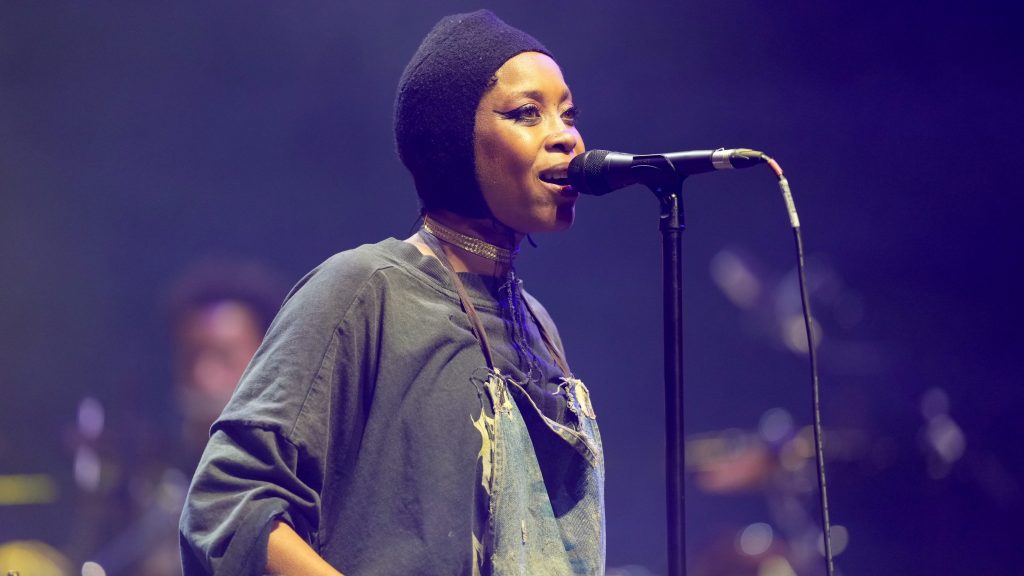
The stage at the outdoor amphitheater went dark, signaling the start of the show. A red light centered on an elevated platform, and through a haze of smoke, the 54-year-old artist took her place. Dressed in a black hat with a red scarf underneath, her look was completed with a leather top and a billowing white skirt that maintained structure around her midsection. 

A rim shot echoed, the lights turned blue, with turquoise effects that almost resembled raindrops, and the show officially began. Starting with “Penitentiary Philosophy,” the concert set out to run the entire Mama’s Gun, as the R&B singer intended the audience to listen. 

For the next few tracks, she stood proudly, singing into the microphone with her signature, powerful vocals draped in syrupy mystique. A mouth full of gold reflected the spotlight as she smiled to the crowd, locking eyes with fans who sang along in awe. 

As she moved into “Cleva,” which features the late Roy Ayers, it was clear that this opening night was a “you had to be there” kind of moment, even if she performed the same set at other tour dates. As the “alright” lyric repeated in the bridge, Badu transformed the Hollywood Bowl into a temporary sanctuary, interpolating Donald Lawrence and the Tri-City Singers’ “Encourage Yourself’ into the soulful track. 

Drum patterns that almost sounded tribal backed up Badu’s scatting, as the song moved to the next. “ Shoutout to motherfu**king” MF DOOM!” she declared, with another nod to Alchemist, who was in attendance. An on-stage change of clothes revealed the light brown fabric that peeked through her leather was actually an accentuating dress, accessorized with a red belt. 

A free verse, spoken word took fans through a different portal, where she opined on the term “black box.” With everything from sexual references to social commentary, Badu described “this black box is a crack rock” while gently caressing the area below her waist. The moment was the perfect transition to “Booty,” which had been skipped earlier. 

Ticketholders experienced live renditions of “Annie Don’t Wear No Panties” and got a taste of a track featuring Westside Gunn, which will likely (well, hopefully) be featured on her upcoming collaborative Abi & Alan album with Alchemist.

The “recovering undercover over lover” returned to the spotlight to finish unloading Mama’s Gun with “In Love With You” and “Orange Moon.” During “Bag Lady,” she gave a special moment to her “son” Durand Bernarr, her longtime backup singer and Grammy-nominated solo artist. 

Erykah Badu giving her “son” Durand Bernard (@durandbernarr) a special moment at the opening night of ‘The Return Of Automatic Slim’ World Tour celebrating the 25th anniversary of ‘Mama’s Gun’. pic.twitter.com/cFhUQbBLaz

— micia (@DeMiciaValon) October 4, 2025

Badu then felt the spirit move her to an audience member named Vanessa, who was wearing a “beautiful” purple attire. Announcing that she had a special message for the selected guest, she broke out into “Ain’t No Fun (If The Homies Can’t Have None)” by Snoop Dogg,  Nate Dogg, Warren G, and Kurupt, as the West Coast audience laughed and joined right in. 

“Green Eyes” closed the concert, just as it closed the album, and while she did not deliver the entire 10-minute track, the standing ovation proved she brought everything the audience needed. As the stagehands began to transport instruments and equipment inside, thousands headed to their next destination, enlightened, empowered, and most importantly, entertained. 

Erykah Badu at the 2024 CFDA Fashion Awards held at the American Museum of Natural History on October 28, 2024 in New York, New York.

Kristina Bumphrey/WWD via Getty Images

Erykah Badu’s The Return of Automatic Slim opening night was the perfect reminder of not only her career longevity, musical gifts, and charismatic charm, but also the importance of prioritizing performance as art. The five-time Grammy winner intentionally used the stage to build her own universe, where listeners could find a home planet, whether they lean towards her lush, romantic poetry or the third-eye reflections in her lyrical candor. 

It might be another 20 years before she takes on another anniversary tour. If that’s the case, catch her while you can. 

October 18, 2025 0 comments
0 FacebookTwitterPinterestEmail
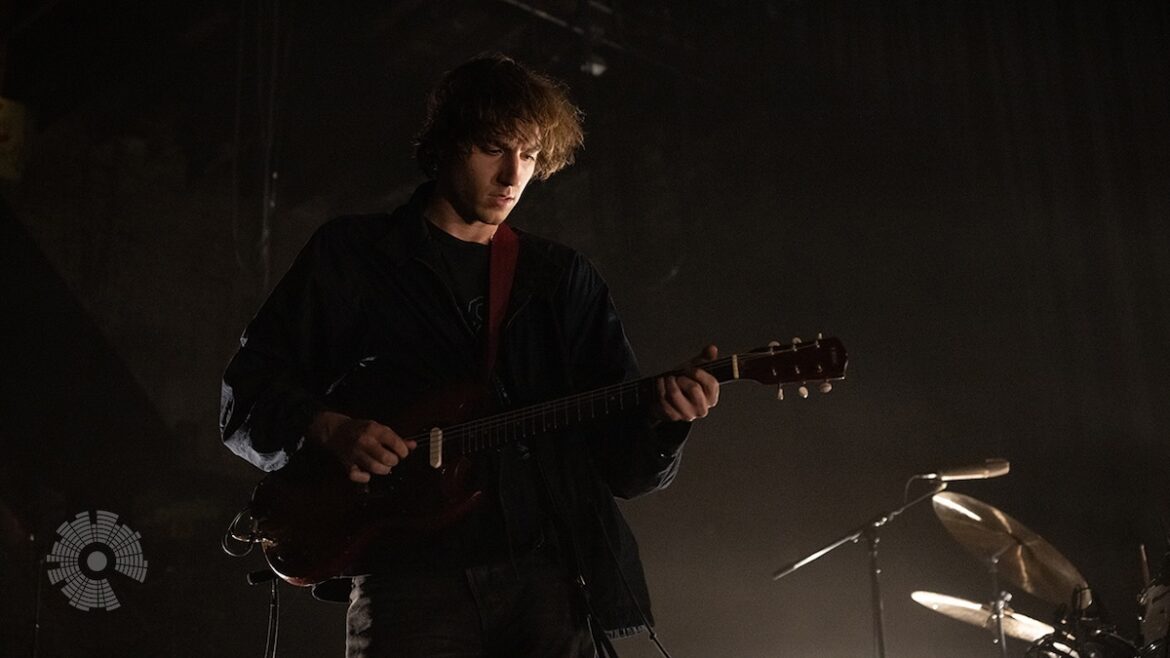
With Deadbeat, Tame Impala Gets Stuck in a Loop: Review
Music

Tame Impala Makes the Same Old Mistakes on Deadbeat: Review

by jummy84 October 17, 2025
written by jummy84

You’re at a house party and you’re not sober. The music thuds through the walls as you slip into the bathroom, lock the door, and find yourself face-to-face with your reflection. The fluorescent light is unforgiving. You stare back at this person in the mirror and think: Who the fuck is this clown? But you’re not angry. You’re not having a meltdown. The drugs keep the emotions present but manageable, like they’re happening to someone else. Instead, you just stand there, locked in this moment of clarity that isn’t quite clarity — more like a psychedelic dissociation from yourself.

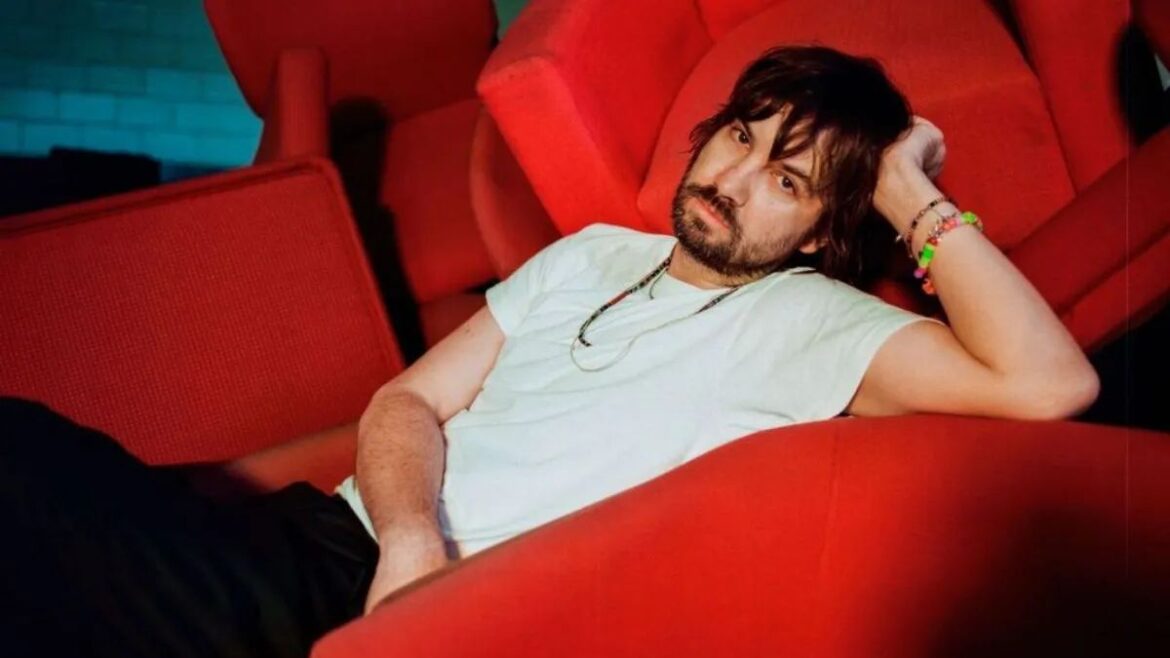
This is where Deadbeat lives, Kevin Parker’s latest album as Tame Impala. Throughout the project’s 56 minutes, Parker assumes the role of the man in the mirror multiple times, lamenting his constant fuck-ups, his deepest insecurities, and his inability to truly connect with people — before stumbling out of the bathroom and rejoining the party. Deadbeat toggles between unflinching self-awareness and euphoric avoidance, Parker attempting to rave his way toward some resolution that never quite arrives.

Get Tame Impala Tickets Here

It’s necessary to mention that this is a completely different Tame Impala than the one most fans are familiar with, and Parker almost goes out of his way to make this clear throughout Deadbeat. Such was the intention behind “End of Summer,” the throbbing, strangely inert club-psych experiment that served as the album’s lead single. Ever wanted to hear what a Tame Impala acid house song sounds like? Do you long to be in Kevin Parker’s brain at 4am, mid-dance party? This is the album for you.

Related Video

Inspired by the Western Australia rave scene and extended free parties held in the countryside, Deadbeat is a major departure from the psych rock sound that captivated leagues of Millennials and Zoomers over a decade ago and a much closer step towards whatever RÜFÜS DU SOL are currently doing. There’s some solid guitar riffage and the occasional organic drum beat here and there, but the usual instrumental staples of a Tame Impala song are ditched for smooth, metronomic electronics and the spartan toolkit of the rave: kick drums, synth bass, and just enough ornamentation to remind you this is still a Kevin Parker production.

It’s a bold sonic reinvention, and the new direction certainly adds some dynamism to Tame Impala’s sound. But Parker’s ambitions are slightly mismatched. Tackling weighty subjects like shame and self-hatred against lean, sanitized beats creates a strange friction; there’s a disconnect between the rawness of these emotions and the distance employed in their presentation. Parker approaches nearly every song drenched in some kind of reverb, bemoaning some cyclical pattern and chalking it all up to the idea that this is just who he is.

But far too often, the instrumental backdrops are rendered weightless and devoid of passion. “Not My World” is rooted in a pleasant, pulsating rhythm, but nothing about its kaleidoscopic beat drop suggests Parker is an outsider peering in. The ’80s-esque “Piece of Heaven” follows follows the same pattern, starting with genuine tenderness — strings, crooning, all the signifiers of romantic longing — but soon, a boom-bap beat straight from Timbaland’s computer flies in, almost like Parker is hitting the eject button on his own vulnerability. Far too often on Deadbeat, the songs gesture toward emotional depth without ever fully committing to the messiness required to reach it.

Deadbeat works best when Parker ditches the hypnotic sprawl of house music and fully dons his pop star hat. At first listen, “Oblivion” is a bit of a confusing detour with a dembow beat behind it — but the moment the chorus cracks open and Parker croons “I would,” with glorious harmonies enveloping him, it sounds like the faintest echo of an old Tame Impala song squeezed inside a beat originally written for Bad Bunny.

Meanwhile, “Dracula” is an outstanding cut and one that totally achieves the dichotomy he’s set out to depict on Deadbeat: its effortlessly groovy, vibrant beat captures the allure of a party in the wee hours of the night, the seductive pull of being irresponsible and making bad decisions. Parker even leans into silliness; “Now I’m Mr. Charisma, fuckin’ Pablo Escobar,” goes one line, which could’ve been eye-roll-inducing but instead adds to the song’s playful menace. It’s a track that finds Parker almost too desperate to return to the party, where numbing out feels better than being alone and facing whatever’s waiting in the mirror.

But even below the surface, Parker comparing himself to “Dracula” beyond “running from the sun” is fascinating because he’s casually positioning himself as a villain; Parker never quite goes full ‘Goblin Mode’ on Deadbeat, but he does deliver on the title’s promise by frequently referring to himself as a fucking loser and a lowly, humble, almost pathetic lover boy.

“No Reply” is a great example of this: After a handful of apologies and excuses to his crush for not texting back, Parker confesses that he just wants to “seem like a normal guy” and croons, “You’re a cinephile, I watch Family Guy/ On a Friday night, off a rogue website/ When I should be out/ With some friends of mine/ Runnin’ rеckless wild in the streets at night/ Singin’ ‘Life, oh, lifе,’ with our arms out wide.” Parker slightly overwriting this line suggests that one small comparison — she watches artistically-riveting films, he watches a cartoon show — triggers an entire mental spiral, showing how even the smallest perceived inadequacy can totally unravel his sense of self-worth. It’s no wonder he can’t text her back; just the thought of her makes him desperate to retreat.

But while some of Parker’s exercises in contrast are effective, stagnation and fatalism dominate the album’s lyrical themes. It’s fitting that a lot of the beats on Deadbeat, especially “Not My World,” “Ethereal Connection,” and “End of Summer,” are pulsing and repetitive, because much of his musings end up feeling the same way.

So many lyrics circle back to the idea that he’ll never change, he’s doomed to be a disaster, and he has no choice but to surrender to his inner dirtbag. “Obsolete” is a good example of this, with Parker so fixated on the idea that he’ll screw up a relationship that he confesses to his partner, “I’m already talkin’ like it’s done/ Sayin’ things like, ‘At lеast we had some fun’/ And things like, ‘I guеss we met too young’” At least “Loser” brings a little more drama in the mix, with Parker asking rhetorically, “Do you wanna tear my heart out?”

It’s only towards the end where Parker finally reclaims a little bit of agency. “Afterthought” finds him fed up with being treated as disposable, the quick tempo propelling his frustration forward rather than trapping it in another throbbing loop. It’s a welcome departure from the album’s fatalism, even if it arrives too late to shift the overall mood.

At its core, Deadbeat is an album about someone completely trapped in a cycle of bad habits and self sabotage — which makes its album cover all the more odd. It’s an image of Parker embracing his daughter, smiling with contentment. It’s a sweet, sentimental photo, sure, but it feels remarkably incongruous to the content of the album it advertises. Parker has discussed that the image is meant to represent a reclamation of the idea of the “Deadbeat Dad,” that perhaps he’s allowing himself to acknowledge his shortcomings while owning the reality that he has gotten older, that responsibilities are more important, that there is someone bigger than himself depending on him.

But on an album that spends 56 minutes running from itself, that realization never makes it past the cover art.

October 17, 2025 0 comments
0 FacebookTwitterPinterestEmail
Sudan Archives: The BPM Album Review
Music

Sudan Archives: The BPM Album Review

by jummy84 October 17, 2025
written by jummy84

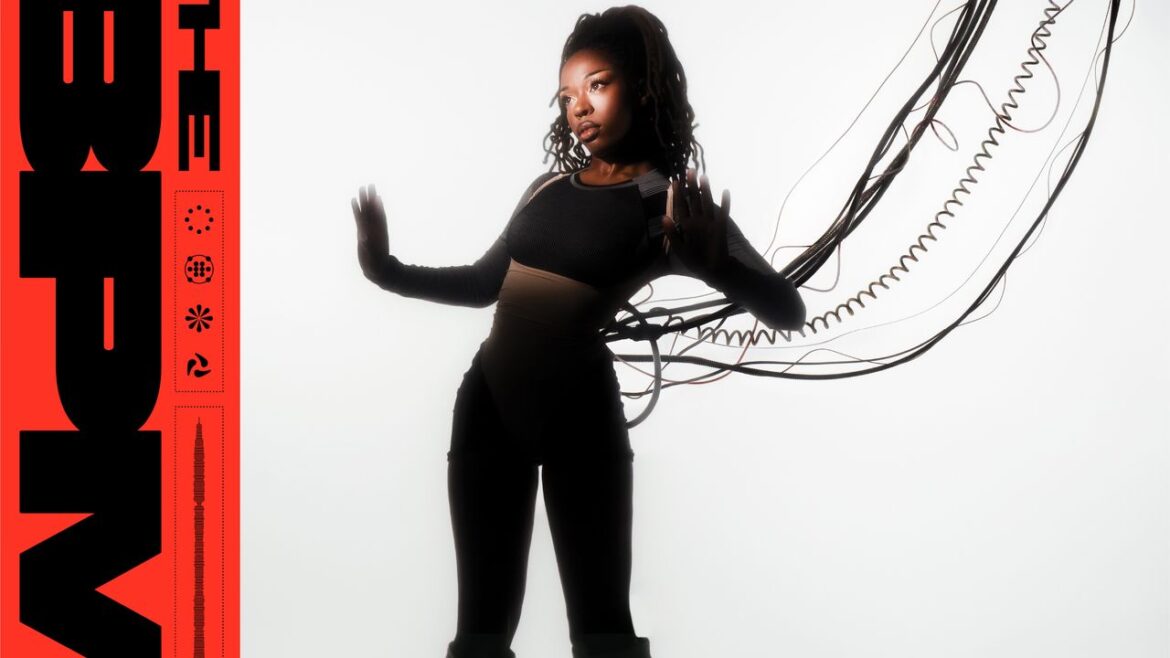
The technology Sudan uses is scrappy, not cutting-edge—she employs a vintage toolkit of a Roland SP-404 and DAWs emulating the drum machines that defined 1980s Chicago house and ’90s Detroit techno. Collaborators include her twin sister, her cousins, and several friends from the Midwest. For all of its post-human imagination—Sudan’s alter-ago this time is “Gadget Girl,” a tech-augmented avatar—The BPM reaches deep into personal and cultural histories. Every few seconds, Sudan and her intimate cadre of producers jolt us from a 3 a.m. hypnosis with some acoustic or makeshift percussion over pounding kicks, a verse sliced with a breakbeat, or wordless, chopped-up backing vocals. The result is far more in touch with its feelings than its debaucherous veneer might suggest.

In the three years since her last album, Sudan broke up with a long-time partner. Having left behind both their shared house and the incense-scented bedroom atmospheres of her earlier oeuvre, Sudan reclaims herself and dance music’s confessional potential, merging Great Lakes hominess and booming arrangements that push toward the red. With the opening “Dead” and aching closer “Heaven Knows,” this is a breakup record that bleeds into the rebound period, smuggling liminality and angst inside a collection of bangers.

If The BPM sounds like the sort of album that might actually win over the mainstream, it’s also Sudan’s grittiest release, less pristine than the widescreen Natural Brown Prom Queen. And if that opus was sun-drenched, this is a wintry mix—all the more for its lyrical fantasies of fleeing to Costa Rica and Dubai. The bass is tectonic, the juxtapositions between short-lived melodies stark. Sudan’s violin parts are as rousing as ever, given breadth and texture by members of the Chicago string quartet D-Composed.

Yet she often tucks these accompaniments into the bridges, intros, and outros of songs, meaning they don’t provide the reckless release that they did in the past. Even an unexpected Irish jig in the center of “She’s Got Pain” only fuels The BPM’s pummelling energy, and later, “Ms. Pac Man” and the showstopping “Noire,” pull us into danker terrain. This dense, claustrophobic album is discomfitingly of the moment: Sudan’s characters sprint through these songs as though movement is a survival tactic, a way to push forward as the world presses down harder than ever.

All products featured on Pitchfork are independently selected by our editors. However, when you buy something through our retail links, we may earn an affiliate commission.

October 17, 2025 0 comments
0 FacebookTwitterPinterestEmail
My Honest Review of the Nike V2K Sneakers
Fashion

My Honest Review of the Nike V2K Sneakers

by jummy84 October 17, 2025
written by jummy84

I love sneakers. I wear them more than any other type of shoe, and I’ve been what you call a “sneakerhead” for most of my formative years. I used to wake up early to wait for the next sneaker drop by a cool designer. Back then, in middle and high school, I was wearing high-top sneakers a lot, and they were usually from Nike’s Jordan Brand. Now, I’ve definitely toned it down with silhouettes meant for running (even though I’m not much of a runner).

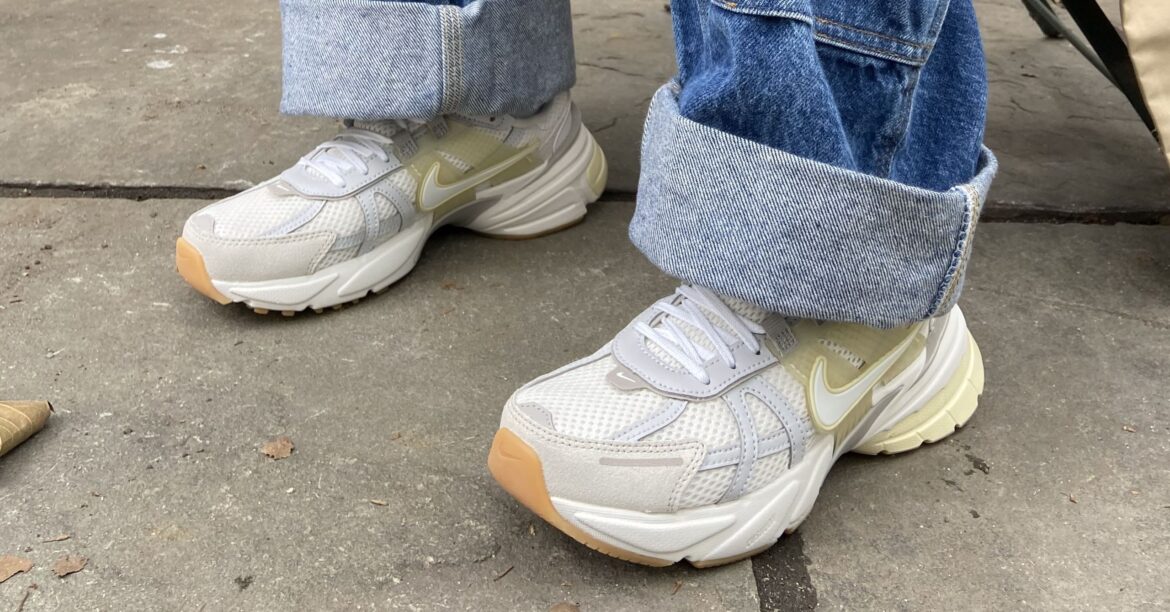
I live in NYC, where I walk everywhere, which requires reliable sneakers. I’ve been on the hunt for a new pair and saw the Nike V2K Run on the site. It looked aesthetically like the right type of shoe for me. It was stylish, not too gaudy, totally functional, and quite affordable, too—all the characteristics that work well for an everyday sneaker. So I reached out to the Nike team to ask for a pair to test for a week. Keep scrolling through to see if they’re as good as I thought they’d be.

The Stats


Best picks for you

Brand: Nike

Model: V2K Run

Materials: Mesh, suede, and rubber

Color: White/Beige