With the ‘Scrubs’ revival in production, we’re looking back at successful updates of other hit sitcoms.

With the ‘Scrubs’ revival in production, we’re looking back at successful updates of other hit sitcoms.

Let’s be frank: We’re not watching All’s Fair for the plot. We’re watching to obsess over the stunning costumes that deserve their own exhibition at The Met. From sweeping capes to statement hats, money was clearly no object for the Ryan Murphy legal drama, which has delivered Hulu Originals’ biggest scripted series premiere in three years.
Costume designer Paula Bradley, who has worked with Murphy on American Horror Story and Monster: The Ed Gein Story, oversaw the show’s wardrobe, alongside her assistant, Shannon Campbell, and together they created something so magnificent, it kind of doesn’t matter what’s playing out on screen.
“I went to school to study fashion, and not costume designing,” Bradley told The Zoë Report. “My porn is watching people sewing, or the embroidery at Chanel or Dior, Schiaparelli sketches. And so Ryan comes and says, ‘It’s going to be a really high-end fashion show, and it’s going to be contemporary fashion, and this is going to be hard.’ My little heart is like, ‘Yes, yes. Pick me. Pick me.’”
Murphy picked right, because series stars Glenn Close, Kim Kardashian, Niecy Nash-Betts, Sarah Paulson, Teyana Taylor, and Naomi Watts have never looked so incredible, which is saying something for the always-fashion forward stars.
Of course, All’s Fair doesn’t start off so fashion-forward, as the opening scene is set 10 years in the past. Kardashian’s Allura Grant, Watts’s Liberty Ronson, Nash-Bett’s Emerald Greene, Paulson’s Carrington Lane, and Close’s Dina Standish work at a male-dominated law firm, afraid to stand out. The suits are tailored, but drab, indicative of the frustrations the characters face on a daily basis. It isn’t until they open their own powerhouse practice that they’re truly free to shine.

In an ’80s pop landscape full of enormous talents and outrageous fashions, Cyndi Lauper still managed to stand out with one of the loudest voices and biggest personalities on MTV. The Queens native looked like a thrift store come to life and incorporated professional wrestlers like Captain Lou Albano into her music videos and performances. She ruled the pop charts with a string of massive hits like “Girls Just Want to Have Fun” and “True Colors,” won the Grammy for Best New Artist in 1985, had one of the most spotlight-grabbing turns on “We Are the World,” and displayed her razor-sharp wit in late-night interviews with Johnny Carson and David Letterman.
After the ‘80s, Lauper just kept pivoting and revealing new talents and dimensions with more autobiographical songwriting and ventures into film, television, and musical theater. She’s only an Oscar away from an EGOT, and her later albums have proven that she can sing just about anything she wants to, including blues, country, and house music. And with decades of activism, she’s been a prominent and articulate voice for causes like gay marriage rights, AIDS research, and youth homelessness.
Lauper turned 72 this year, but she’s winding down her performing career in typically splashy fashion. The acclaimed 2024 documentary Let the Canary Sing gave Lauper a chance to tell her story as “music’s most authentic superstar.” This year she concluded a farewell tour with two shows at the Hollywood Bowl that were filmed for a special that recently aired on CBS, though she’ll return to the stage next April for a Las Vegas residency. And on November 8, Lauper will be inducted into the Rock and Roll Hall of Fame alongside artists like OutKast and Soundgarden. Here’s a look back at Lauper’s very unusual career.
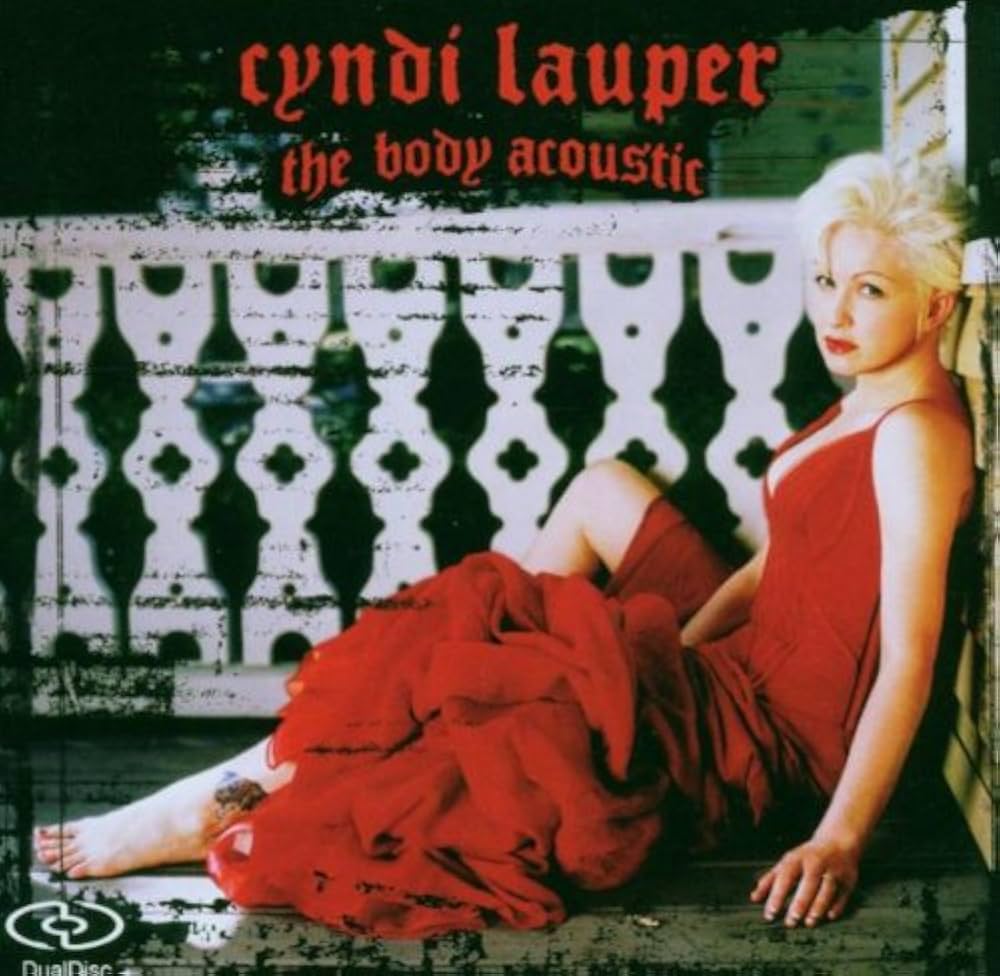
There are two lovely new songs on The Body Acoustic: Lauper co-wrote “Above the Clouds” with legendary guitarist Jeff Beck and “I’ll Be Your River” with R&B star Vivian Green. The rest of the collection, however, is a mixed bag of re-recordings of some of Lauper’s most beloved songs. The diverse guest list is a testament to Lauper’s versatility and wide reaching influence, but an album that zig zags from Taking Back Sunday’s Adam Lazzara on one track to dancehall hitmaker Shaggy on the next might be too eclectic for its own good. And nobody really needed a tasteful unplugged version of “She Bop.”
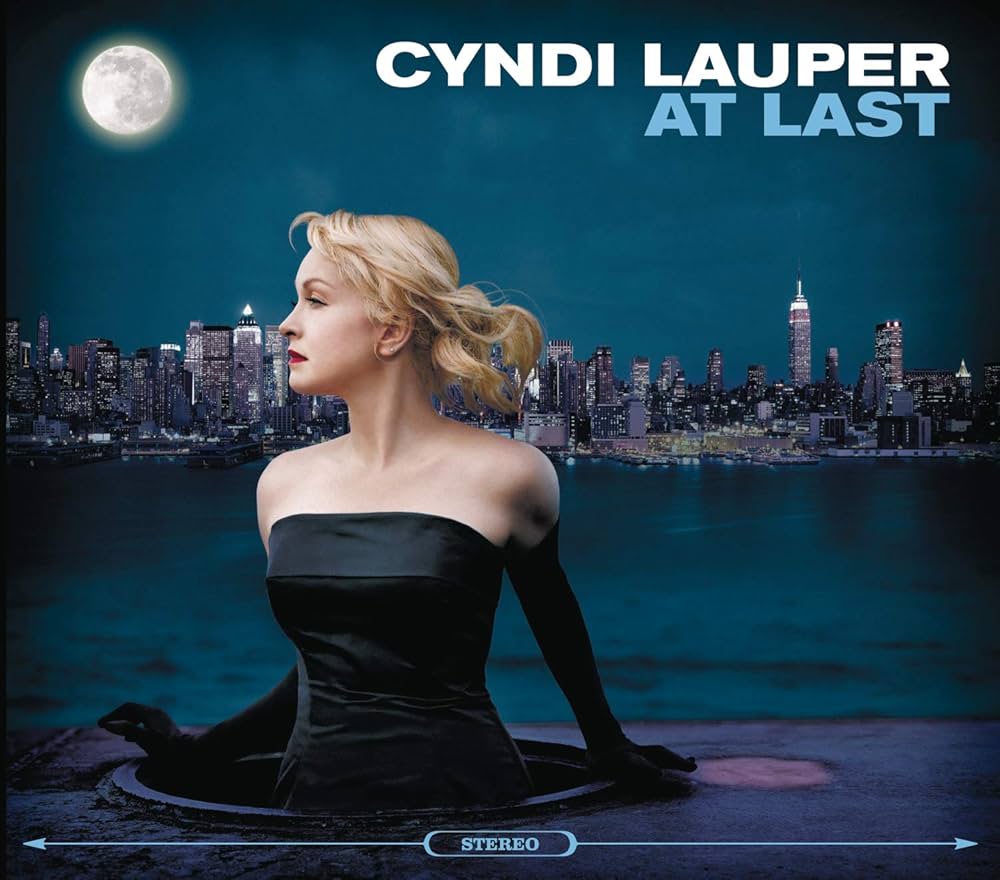
At the beginning of Lauper’s solo career, she resisted the overtures of managers and labels who thought she could be the next Barbra Streisand. Two decades later, Lauper finally relented and recorded a crowd-pleasing collection of standards and torch songs. She can play the role of a brassy jazz singer to perfection, singing “Makin’ Whoopee” as a duet with Tony Bennett. But the most impressive moments on At Last are when Lauper finds a quiet intensity and brings out the loneliness and desolation in songs like “Don’t Let Me Be Misunderstood” and “If You Go Away.” “On Smokey Robinson’s ‘You’ve Really Got a Hold on Me,’ she’s a pitch-perfect combination of anguish and poise, and on Aretha Franklin’s ‘Until You Come Back to Me,’ she delivers a smoky rendition that isn’t too shy to flirt with the original,” Jon Caramanica wrote in the Rolling Stone review of At Last.
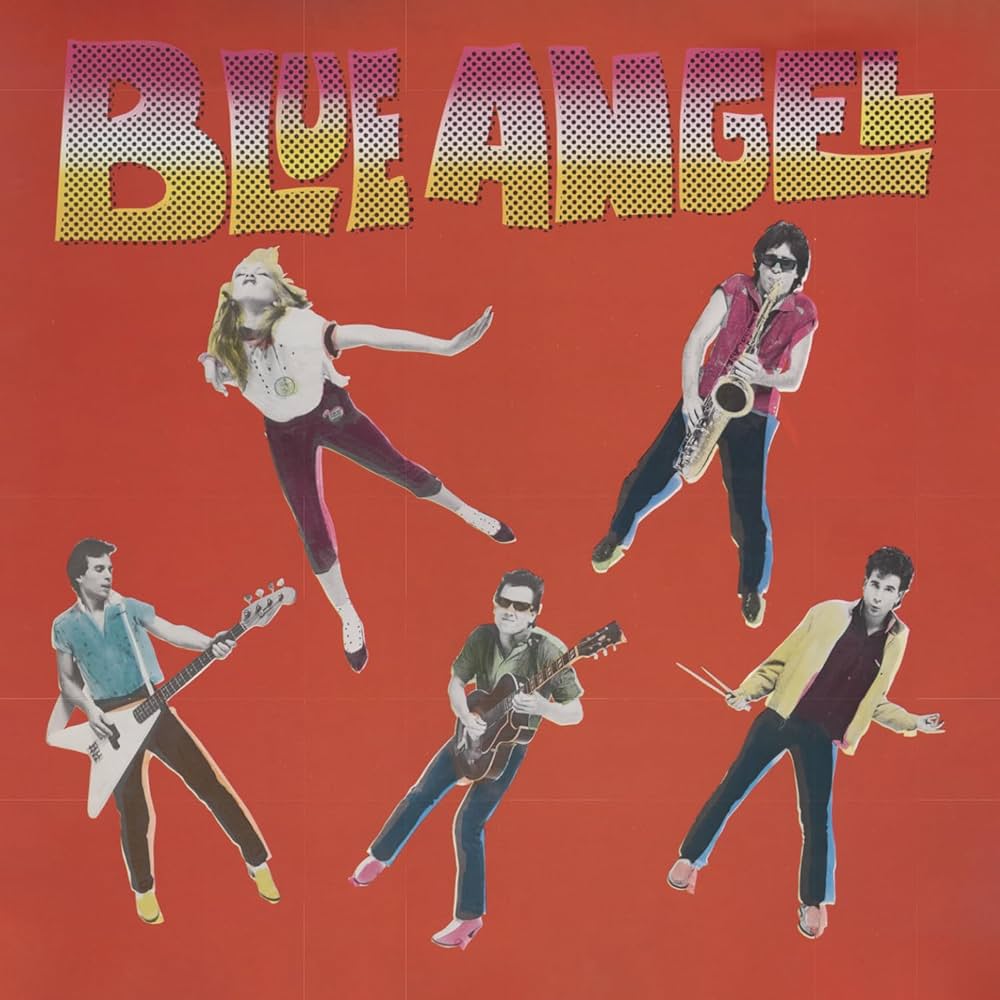
Lauper spent years honing her voice and stage presence with New York bands like Doc West and Blue Angel, the latter signing to Polydor Records and releasing one album. “I’m Gonna Be Strong,” popularized by Gene Pitney in 1964, was Lauper’s big, dazzling vocal showcase with Blue Angel, which she’d later re-record for a greatest hits compilation in 1994. The band’s original material also had a throwback vibe, and their rockabilly and doo wop pastiches lacked personality; it’s hard to picture Blue Angel ever becoming much more than an opening act for other retro-minded new wave bands like the Stray Cats or the B-52’s. The quintet were skilled musicians, though, and the unusual meter on “Anna Blue” feels like a waltz rhythm with a trap door. Lauper would sprinkle a few of the songs she wrote with Blue Angel keyboardist and saxophonist John Turi into her solo catalog, most notably She’s So Unusual’s “Witness.”
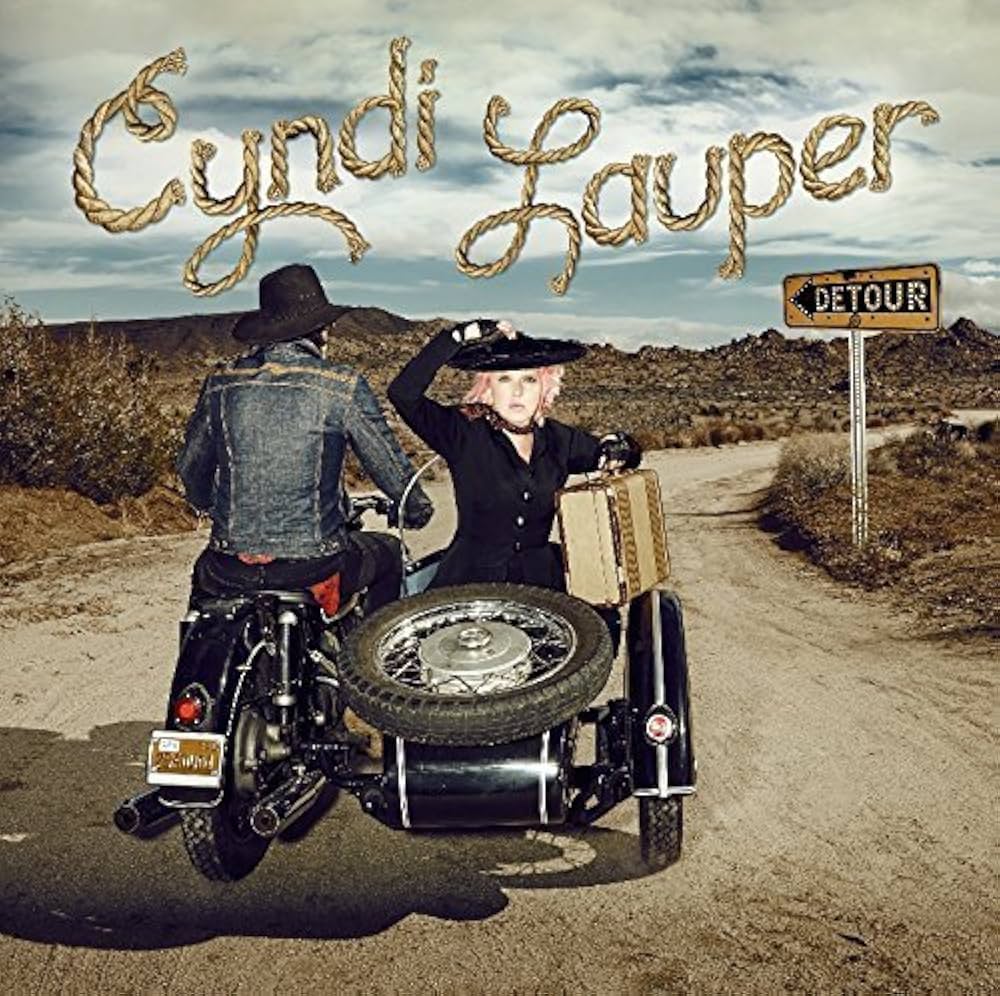
It’s easy to be cynical about artists from other genres making country albums now, but just about any talented singer has a good country album in them, and Lauper found hers on Detour. Seeing Patsy Cline sing on television was a formative moment for Lauper, and her renditions of “Walkin’ After Midnight” and “I Fall to Pieces” are sublime. If Detour could use more of anything, it’s the sillier side of country and western glimpsed in her cover of Conway Twitty and Loretta Lynn’s “You’re the Reason Our Kids are Ugly” with Vince Gill.
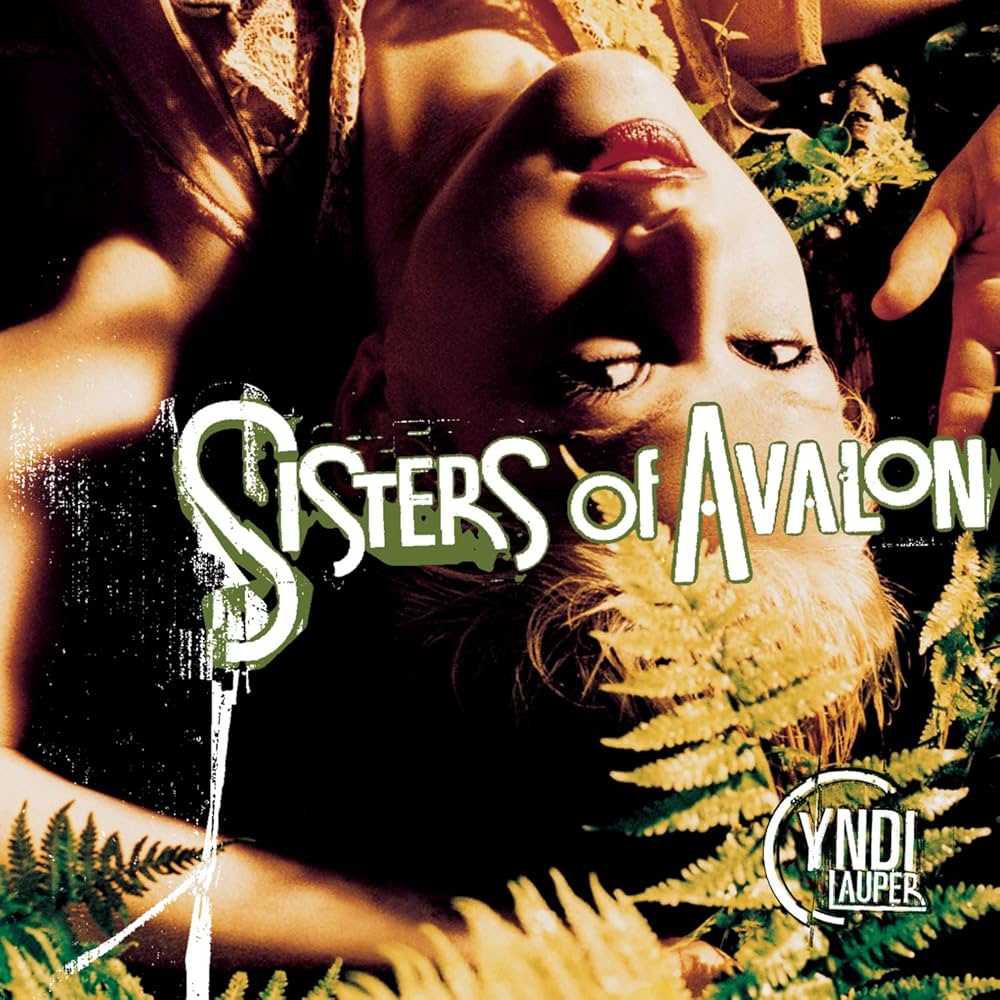
Cyndi Lauper married actor David Thornton in 1991, and their son Declyn was born in 1997, a few months after the U.S. release of her fifth album. Sisters of Avalon was the first in a string of projects where Lauper’s chief collaborator was Jan Pulsford, a British multi-instrumentalist who’d played with the Thompson Twins in the ’80s. She brought along Jan’s brother Nigel Pulsford, then riding high as a member of the band Bush, to contribute some of the album’s heavier guitar. In addition to the grunge riffs, Sisters of Avalon leans heavily on the trendy trip hop sound courtesy of co-producer Mark Saunders, who’d worked on Tricky’s trip hop landmark Maxinquaye. The album feels like the dated product of a very specific mid-’90s moment, but the sound suits the songs. “Judging from the soaring self-assurance of ‘Sisters of Avalon’ to the love-wounded quiver on ‘Unhook the Stars’ (the title track of the recent Nick Cassavetes film), Lauper remains an intoxicating pop siren,” David Grad wrote in the Entertainment Weekly review of Sisters of Avalon.

After 15 years with Epic Records, Lauper asked to be released from her contract, and her longtime label complied on the condition that she make a Christmas album on her way out. The title of Merry Christmas… Have a Nice Life may be a humorous kiss off to the label, but Lauper treated the album more like a creative opportunity than a contractual obligation. She re-recorded the Hat Full of Stars highlight “Feels Like Christmas” and penned six more originals to go with it, some heartfelt and some light and campy. Even perennial favorites like “Rockin’ Around the Christmas Tree” are given quirky new arrangements.
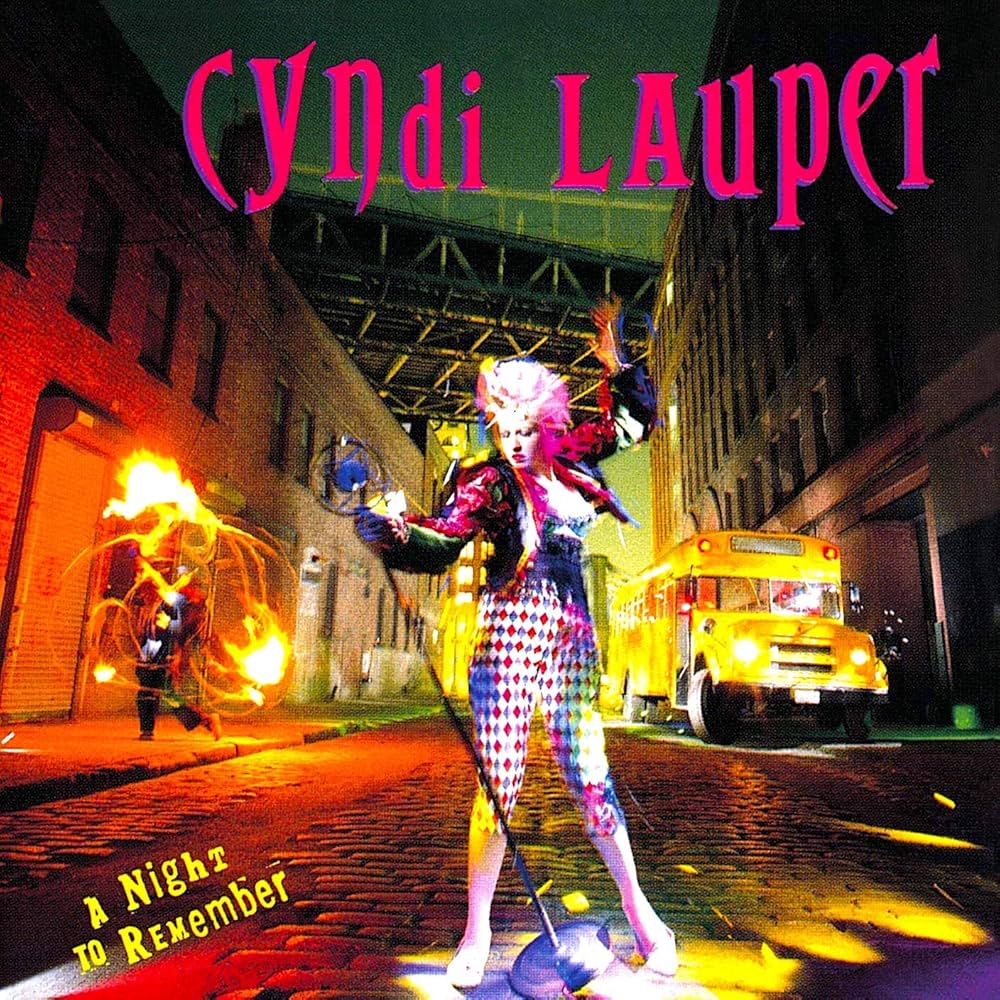
After two enormous multiplatinum albums that both spun off chart-topping singles, A Night to Remember didn’t even go gold, and Lauper’s first film vehicle Vibes was a box office bomb. Kids today would say that Lauper “entered her flop era” in the late ’80s, and Lauper herself has jokingly referred to her third album as A Night to Forget. With some time and distance though, it’s easier to appreciate as her funkiest and most lyrically conventional album, a playful collection of songs about love and sex with a supporting cast that includes Bootsy Collins and Cameo frontman Larry Blackmon.
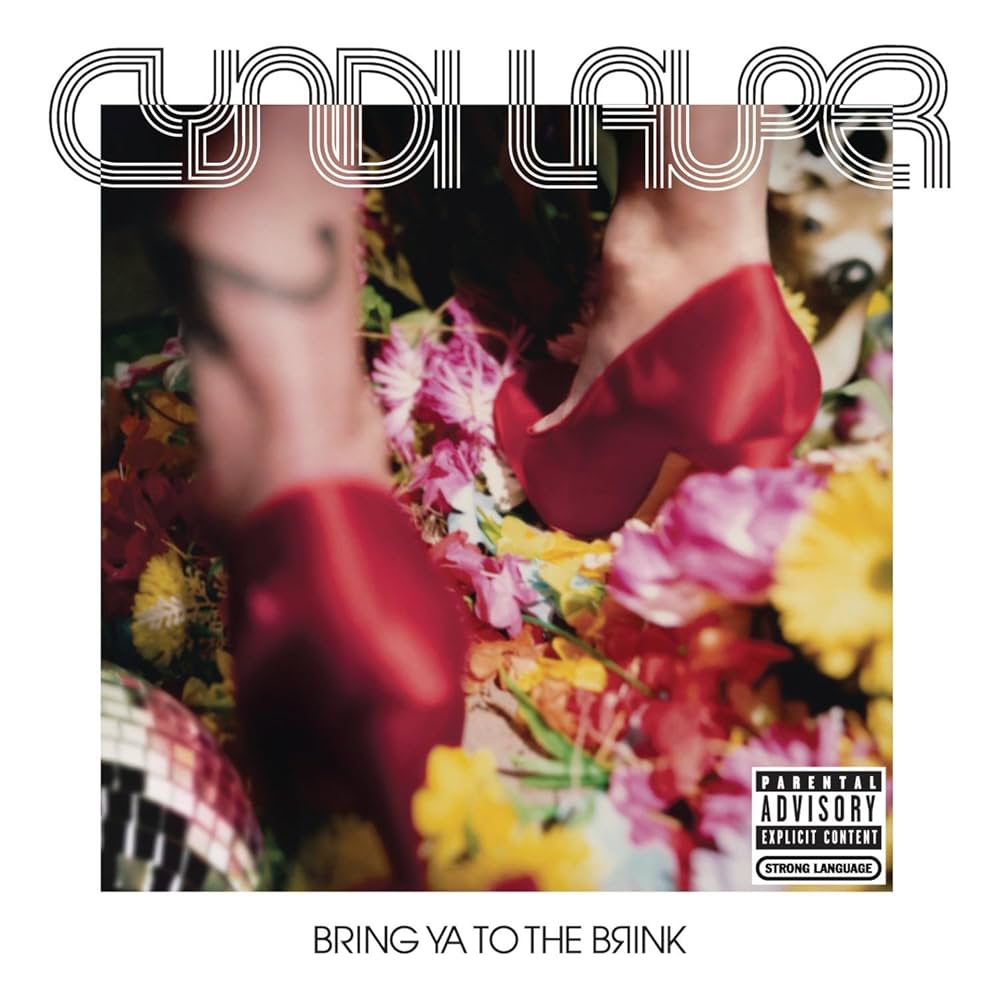
Throughout the ’80s and ’90s, Lauper rarely made straight-up dance music, but 12-inch remixes of her singles by producers like Junior Vasquez and Shep Pettibone made her a mainstay of clubs and Billboard’s dance charts. Working with an array of big names like Basement Jaxx, Max Martin, and Axwell, Lauper finally embraced her inner disco diva on what remains to date her last collection of original songs. “Bring Ya to the Brink escapes just being a club-tailored album, for underneath the glossy production is some of Lauper’s strongest writing in her 25-year solo career,” Christian John Wikane wrote in the Pop Matters review of the album.
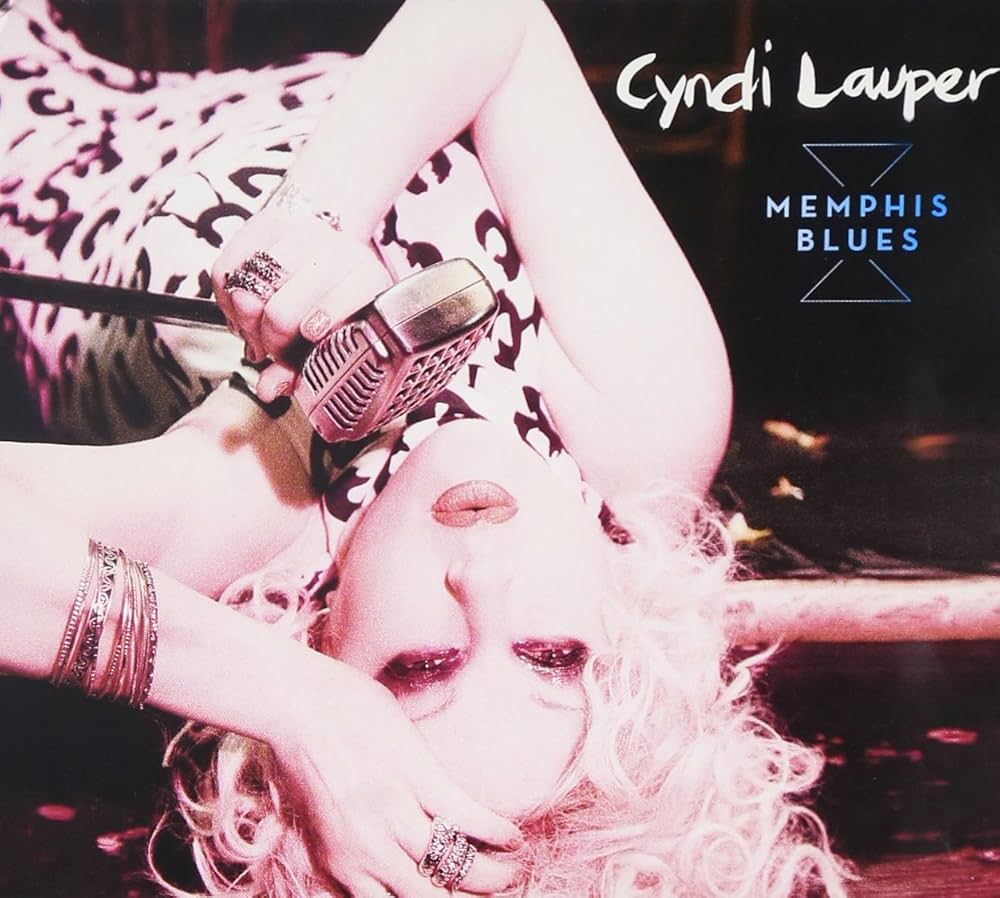
For a streetwise New Yorker, Lauper sounded surprisingly at home in a Memphis studio with B.B. King, Allen Toussaint, and Charlie Musselwhite. And the Little Walter and Muddy Waters covers on Memphis Blues feel like the ultimate test of her adaptability as a vocalist. It actually became her highest charting album since True Colors, and Lauper supported it with the longest tour of her career and released the live album To Memphis, with Love in 2011.
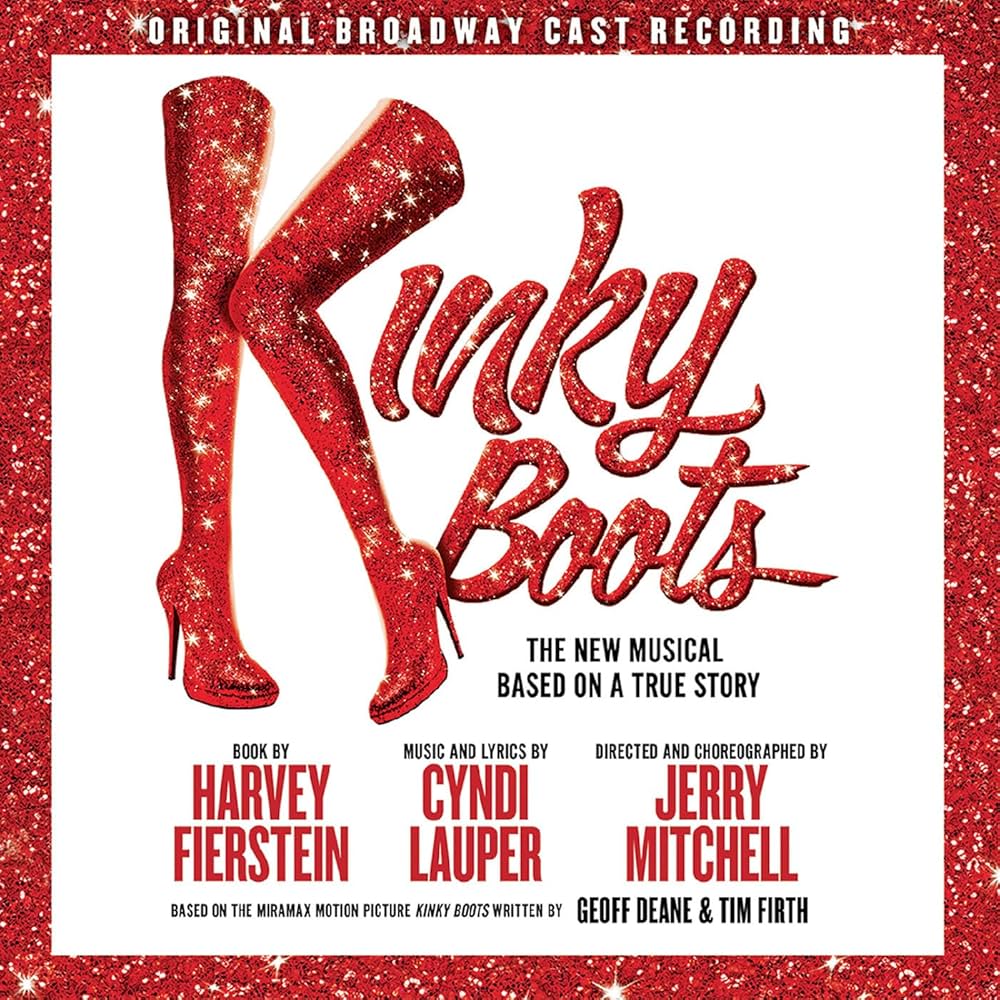
These days, Broadway is overrun with moonlighting pop stars, but Cyndi Lauper was an unlikely outsider when Harvey Fierstein asked her to write the songs for his stage adaptation of the 2005 British film Kinky Boots. The musical version of Kinky Boots was the big story at the 2013 Tony Awards with six wins, with Lauper making history as the first woman to win alone in the Best Score category. The cast recording album, released days before the award show sweep, makes it easy to hear how Lauper’s childhood of listening to her mother’s favorite show tunes paid off in Billy Porter showstoppers like “Hold Me In Your Heart” and “Land of Lola.” In 2024, Lauper revealed that there are plans to develop the musical into a feature film.

After Lauper was released from her Epic contract, she recorded Shine for a smaller label, Edel Records, which ended up going out of business before the album could be released. Shine was whittled down to a 5-track EP for an American release in 2002, and the full album only received a 2004 release in Japan, where Lauper has enjoyed chart success more consistently than anywhere else since the ’80s. It’s truly unfortunate that Shine slipped through the cracks, because it balances Lauper’s pop instincts and more adventurous impulses beautifully, particularly on “Eventually,” co-written with Ryuichi Sakamoto.
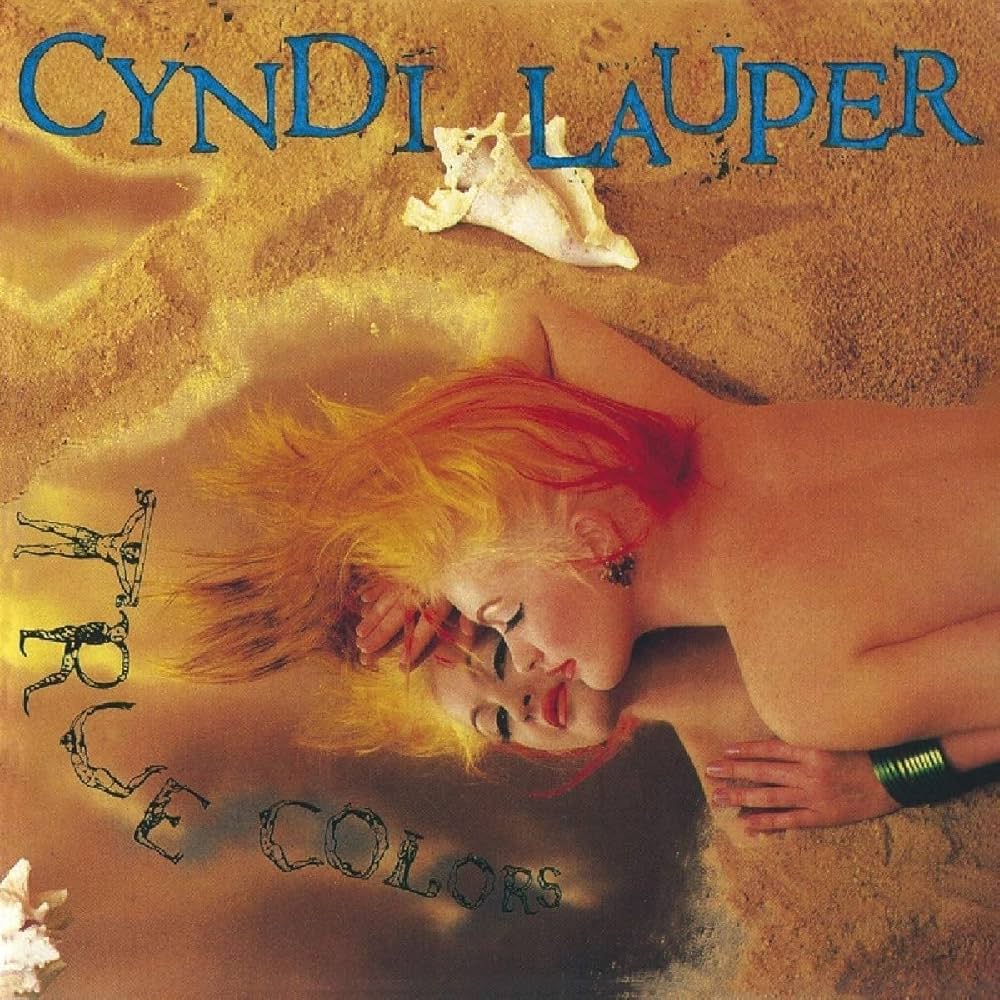
Decades before it was the norm for straight pop stars, Cyndi Lauper was an outspoken queer ally, casting several gay and trans friends including Gregory Natal in the “She Bop” video. The title track from True Colors has become an anthem for the LGBTQ+ community over the years, but it was the album’s less successful fourth single “Boy Blue,” written for Natal while he was dying of AIDS, that’s the album’s most personal statement of compassion. True Colors is often a bombastically overproduced record, and the cover of Marvin Gaye’s “What’s Going On” is more a potent gesture than a great interpretation of the song, but the album’s big-hearted humanity has an irrepressible charm.
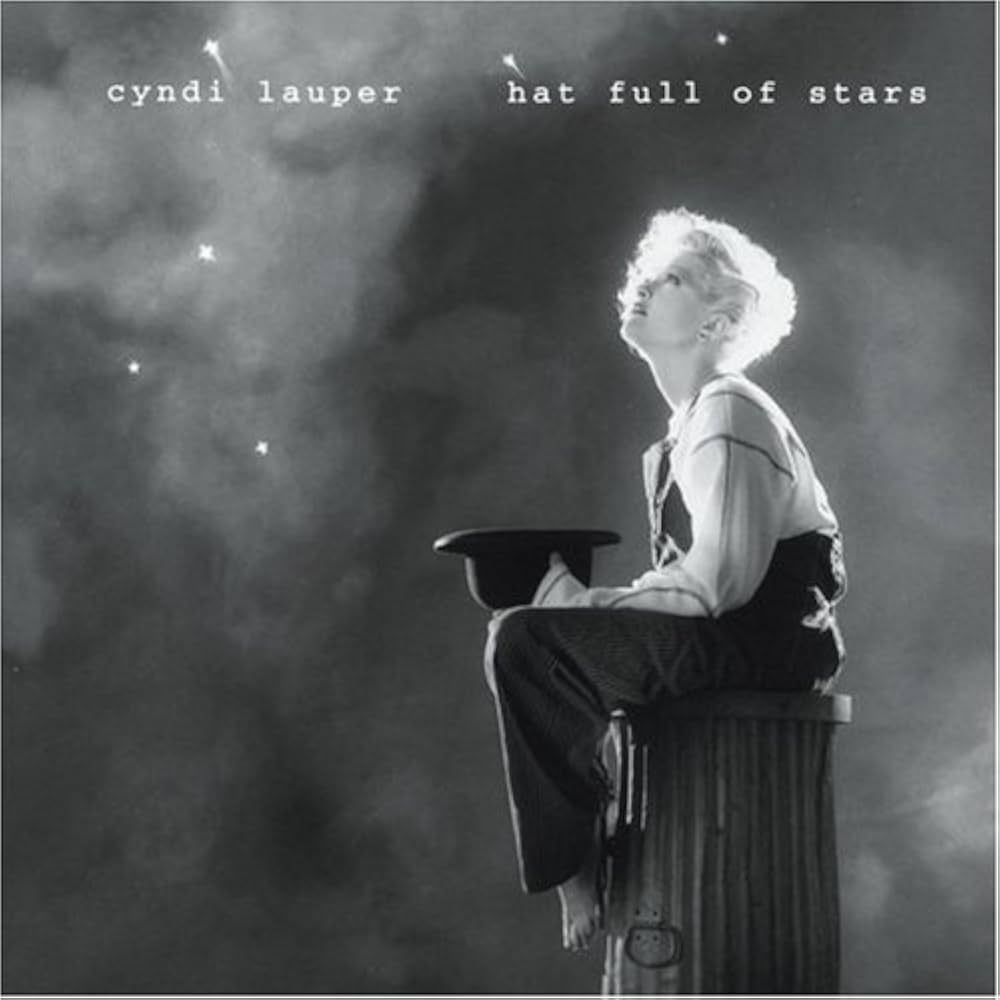
Allee Willis, who died in 2019, was inducted into the Songwriters Hall of Fame in 2018 and posthumously inducted into the Women Songwriters Hall of Fame in 2024 for penning timeless hits with Earth, Wind & Fire and the Pet Shop Boys. Willis was also a great foil for Lauper, co-writing several of the best songs on her fourth album. Hat Full of Stars touches on topics like abortion, child abuse, and racism, but Lauper imbues “Sally’s Pigeons” and “Lies” with deeply personal lyrics that feel more like short stories than protest songs. “It is her most consistently tuneful and ambitious album,” Jean Rosenbluth wrote in the Los Angeles Times review of Hat Full of Stars.
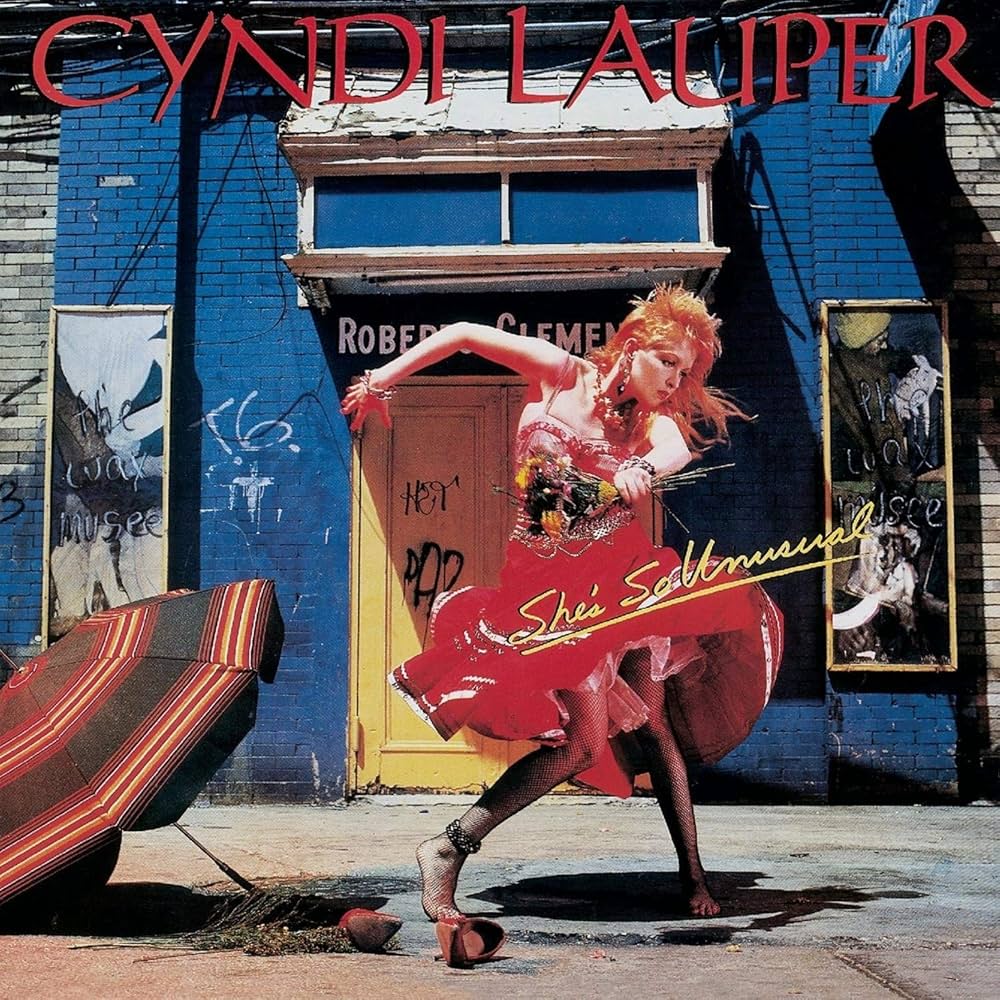
Everything about Lauper’s first solo album was unusual. She was a seasoned 30-year-old performer who could channel ’20s flapper starlet Helen Kane, but she made an audacious and youthful synth pop album for the MTV generation. She was given a somewhat sexist lyric written by a man, Robert Hazard’s “Girls Just Want to Have Fun,” and turned it into the most deceptively sunny feminist anthem of the ’80s. She covered one of the more subtly dirty songs from Prince’s Dirty Mind, “When You Were Mine,” but she also wrote an ode to the female orgasm, “She Bop,” that wound up on the Parents Music Resource Center’s “Filthy Fifteen” most objectionable pop songs. And just as the sessions for She’s So Unusual were winding down, Lauper came up with the heartbreaking ballad that became her first No. 1 single, “Time After Time,” cementing the album as an era-defining smash with emotional depth beneath its stylish hooks and infectious vocal performances.

Leonard Albert Kravitz was born in 1964, the only child of Black actress Roxie Roker and Jewish NBC news producer Sy Kravitz. Over the next few decades, he grew up to be one of his generation’s most iconic rock stars, befriending idols like Prince and Michael Jackson and dating an array of glamorous actresses and models. Transitioning into acting, he played key supporting roles in hits like Precious and the Hunger Games franchise.
Beneath all the glitz and glamor of Lenny Kravitz’s jet setting lifestyle, his talent is sometimes overlooked. Kravitz has self-produced all 12 of his albums, playing every instrument on many tracks, and often puts his spirituality and social conscience front and center in his lyrics. Kravitz famously wears his influences on his sleeve, but he’s demonstrated remarkable versatility in his ability to channel just about every style of rock and soul of the ’60s and ’70s, winning four Grammys and selling 40 million records along the way.
In September, Virgin Records released an expanded 30th anniversary reissue of 1995’s Circus. Kravitz’s fourth album was considered a disappointment at the time of its release, but is it actually one of his best?
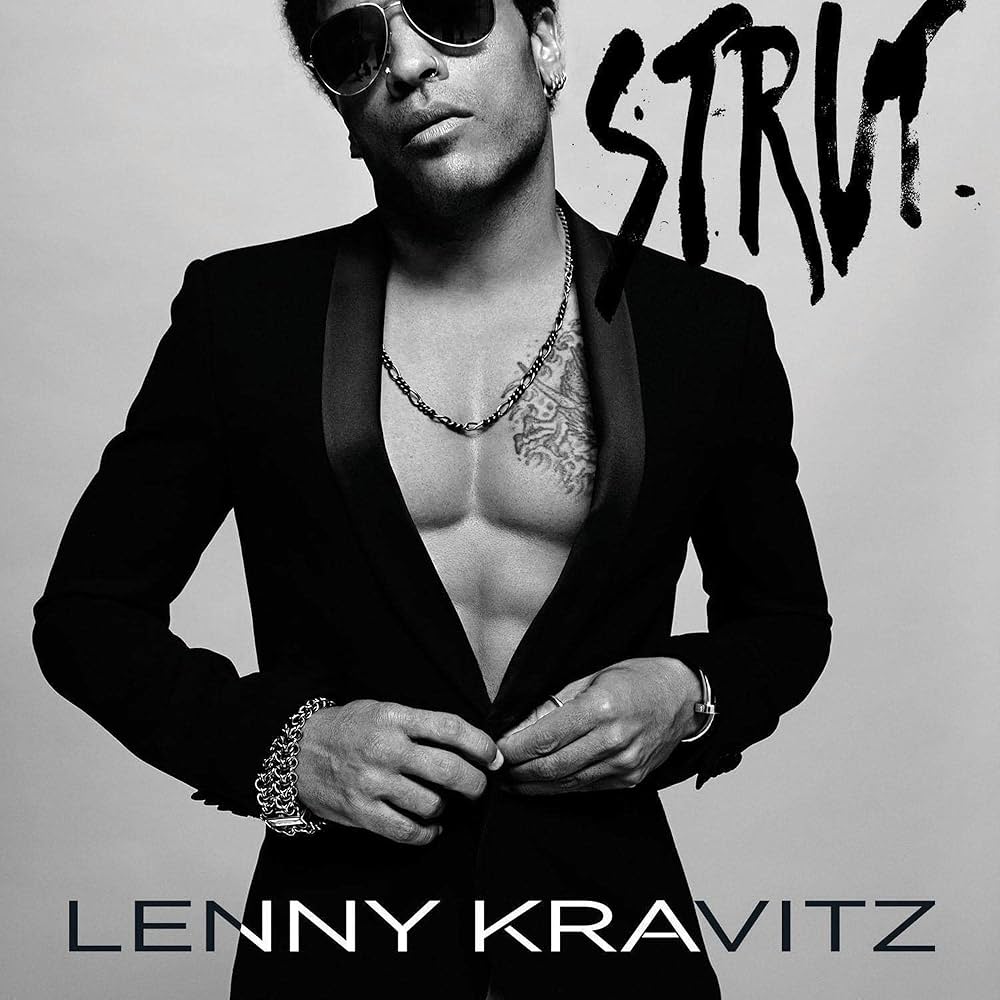
For most of the last two decades, Kravitz has been vocal about being celibate, occasionally telling interviewers he’s abstaining from sex until he remarries for religious reasons. The one period in which he wavered from that position was around the time he released Strut, which opens with a song called “Sex” (“I’m just a slave for your pleasure and I’m waiting to pop”). Strut may be more lyrically occupied with carnal desire than any other Kravitz album, but its formulaic arena rock doesn’t sound particularly seductive. The most memorable moment from Strut’s promotional cycle was X-rated but purely accidental: Kravitz went viral when his leather pants split open at the crotch during a 2015 concert in Sweden.
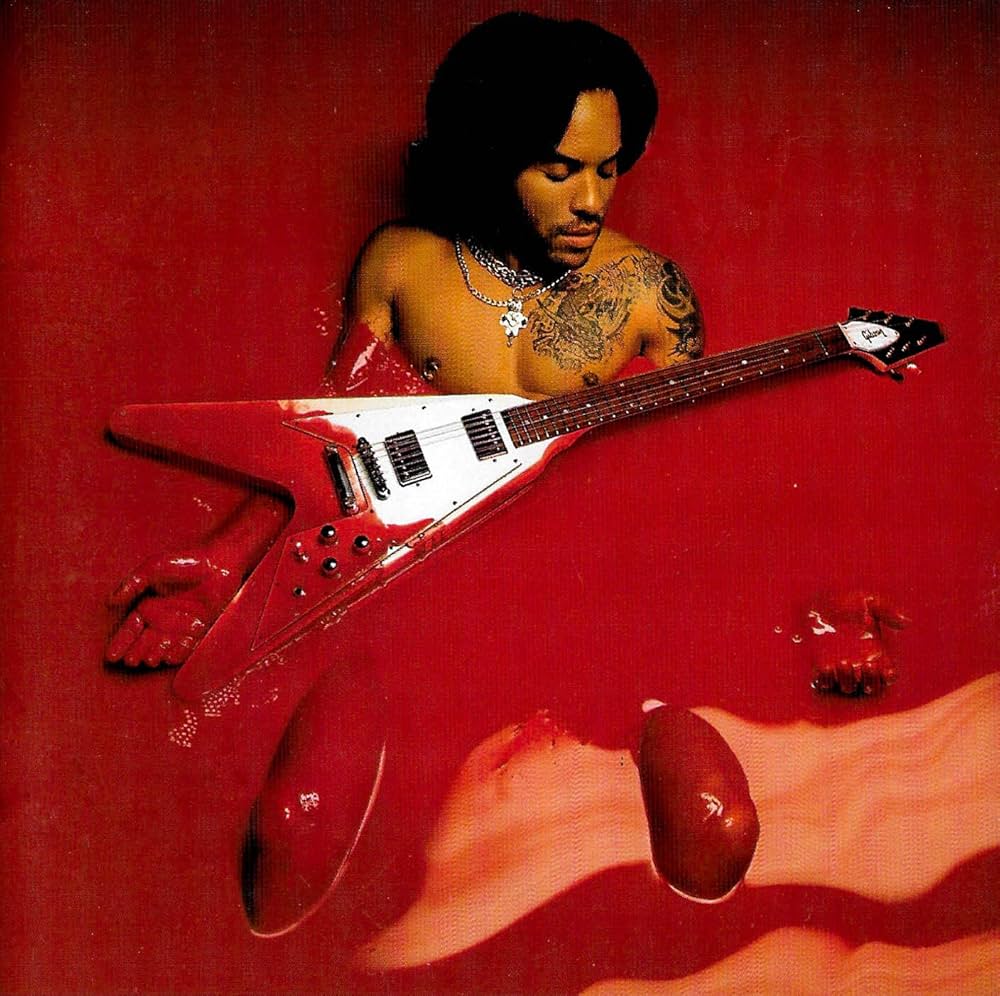
Kravitz spent some time in the studio with Michael Jackson in 1999, although the song they made together, “(I Can’t Make It) Another Day,” wouldn’t see release until 2010, after Jackson’s death. In the meantime, Kravitz retooled the song as the Baptism single “Storm” featuring Jay-Z. Kravitz was briefly engaged to actress Nicole Kidman in 2004, although the lyrics about her on “Lady,” his last Top 40 hit, are pure drivel (“I know she’s a super lady / I’m weak and I’ve gone hazy”). Instead, Baptism is at its most compelling when Kravitz sounds disillusioned with fame and show business on “I Don’t Want to be a Star,” “Flash,” and “The Other Side.” “If an element of humor or self-deprecation were evident, the results would be funny—a guilty-pleasure romp. But here’s the problem: Kravitz is completely and utterly straight-faced about every single aspect of what he does,” David Browne wrote in the Entertainment Weekly review of Baptism.
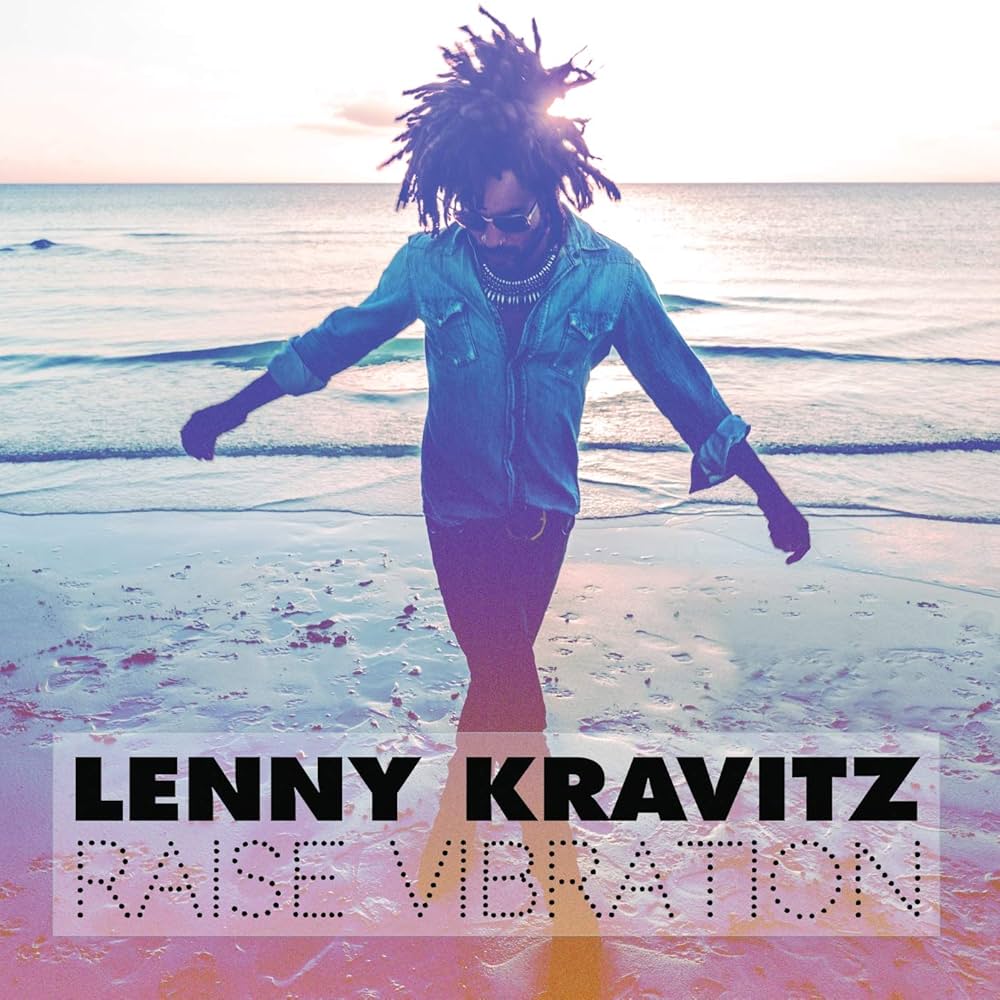
Michael Jackson makes a posthumous cameo on “Low,” the Raise Vibration single that features a sumptuous Off the Wall-style disco groove and some immediately identifiable “Hoo!” ad libs from the King of Pop. And “Gold Dust” is one of those most creative and rhythmically intricate tracks in Kravitz’s catalog. Unfortunately, the album otherwise rarely sounds that good, with irritations like a chorus of children’s voices on the vapid “5 More Days ’Til Summer” and the facile political commentary of “It’s Enough!” (“What’s that going down in the Middle East? Do you really think it’s to keep the peace?”).
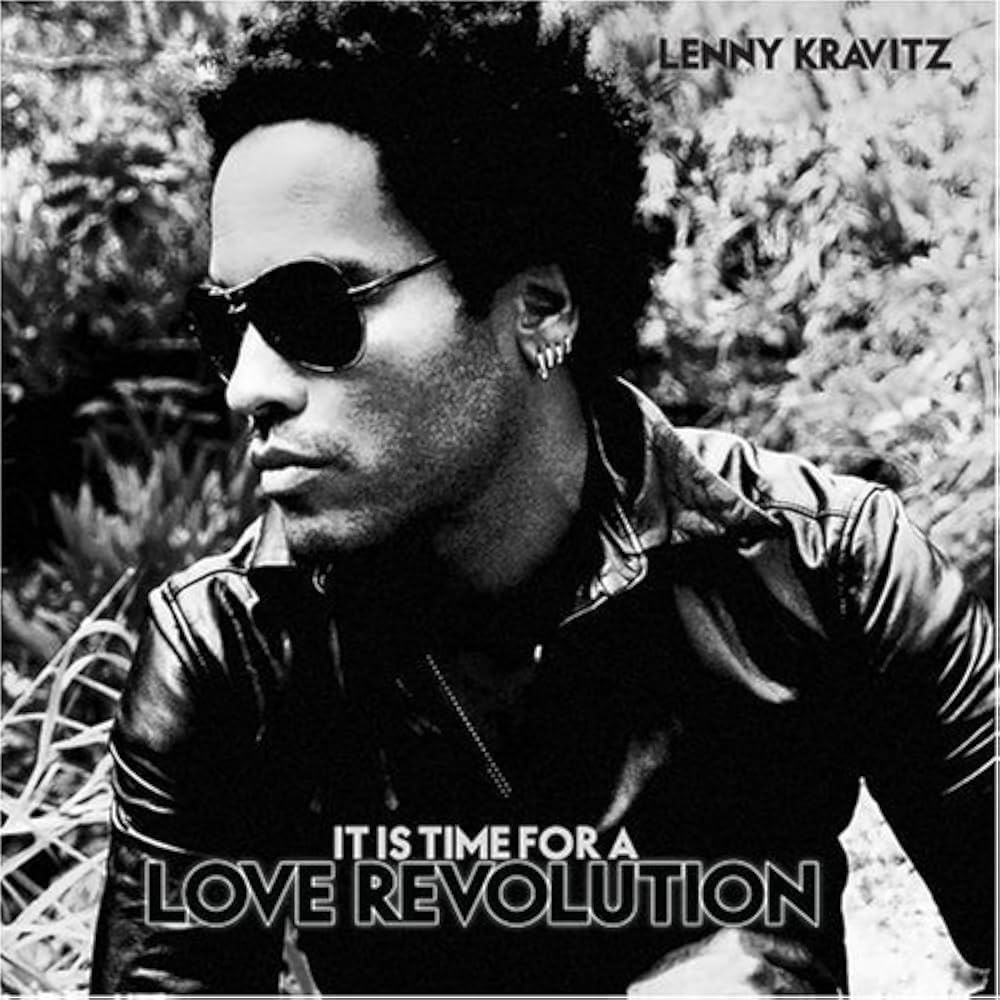
Kravitz plays most of the drums on his albums, and It Is Time For a Love Revolution is his pinnacle as a percussionist as he nails a taut James Brown groove on “Will You Marry Me” and plays behind the beat with the grace of Charlie Watts on “Dancin’ Til Dawn.” Unfortunately, the album is also a low point for Kravitz as a lyricist. “Love Love Love” is the closest he’s ever come to rapping, and it’s not pretty (“I want you to know I’m emphatic/ About your love that’s enigmatic”). And on “Good Morning,” Kravitz even seems to bore himself imagining the workaday lives of people with 9-to-5 jobs.
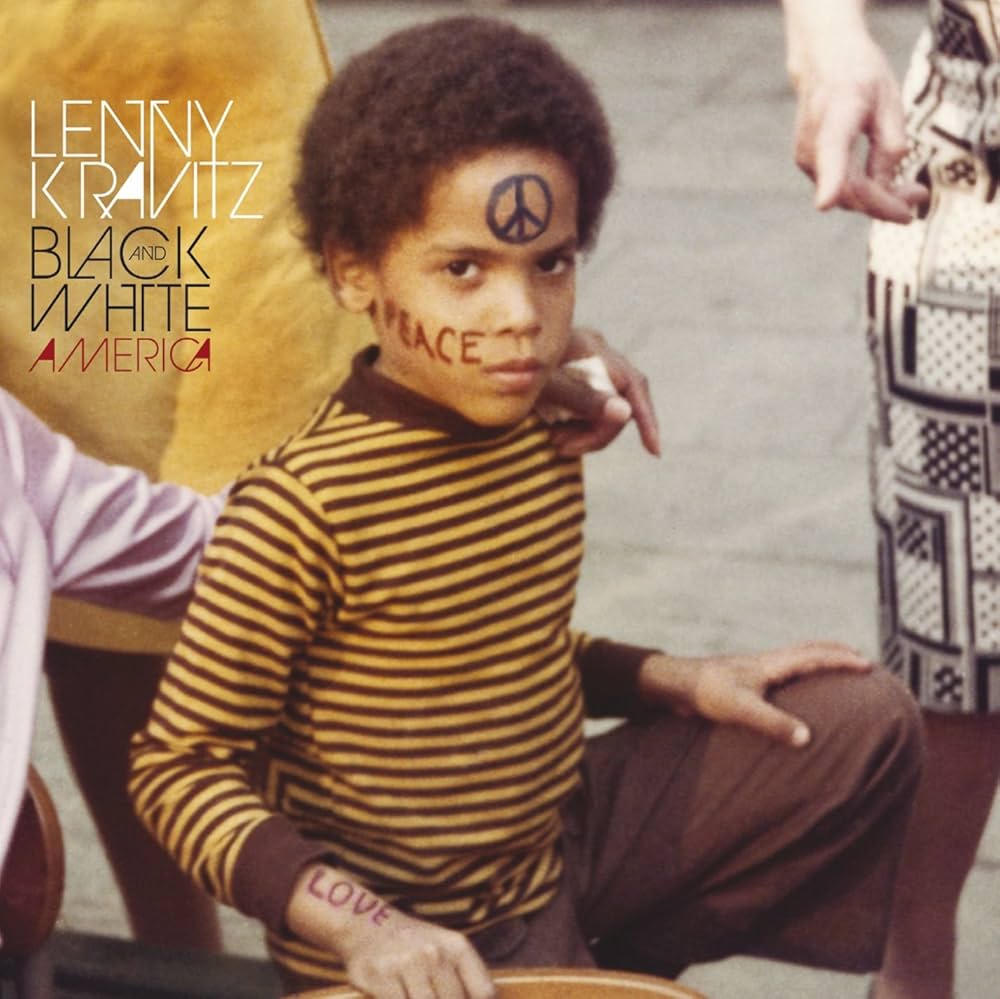
Kravitz confronted racism on one of his earliest songs, 1989’s “Mr. Cab Driver,” but he didn’t decide to explore the topic of race for an entire album until after the 2008 election of President Barack Obama. Kravitz initially recorded his ninth album under the working title Negrophilia before settling on Black and White America. On the title track, he sings about his parents’ interracial marriage in 1963, and how it wasn’t safe for them to walk down the street together at the time. “Sunflower” is one of the album’s more straightforward love songs, but it features a verse from Drake, another superstar with one Black parent and one Jewish parent. “Each of these 16 songs succeeds on its own terms, which is a vision for America beyond the black and white divide,” Anthony DeCurtis wrote in the Rolling Stone review of Black and White America.
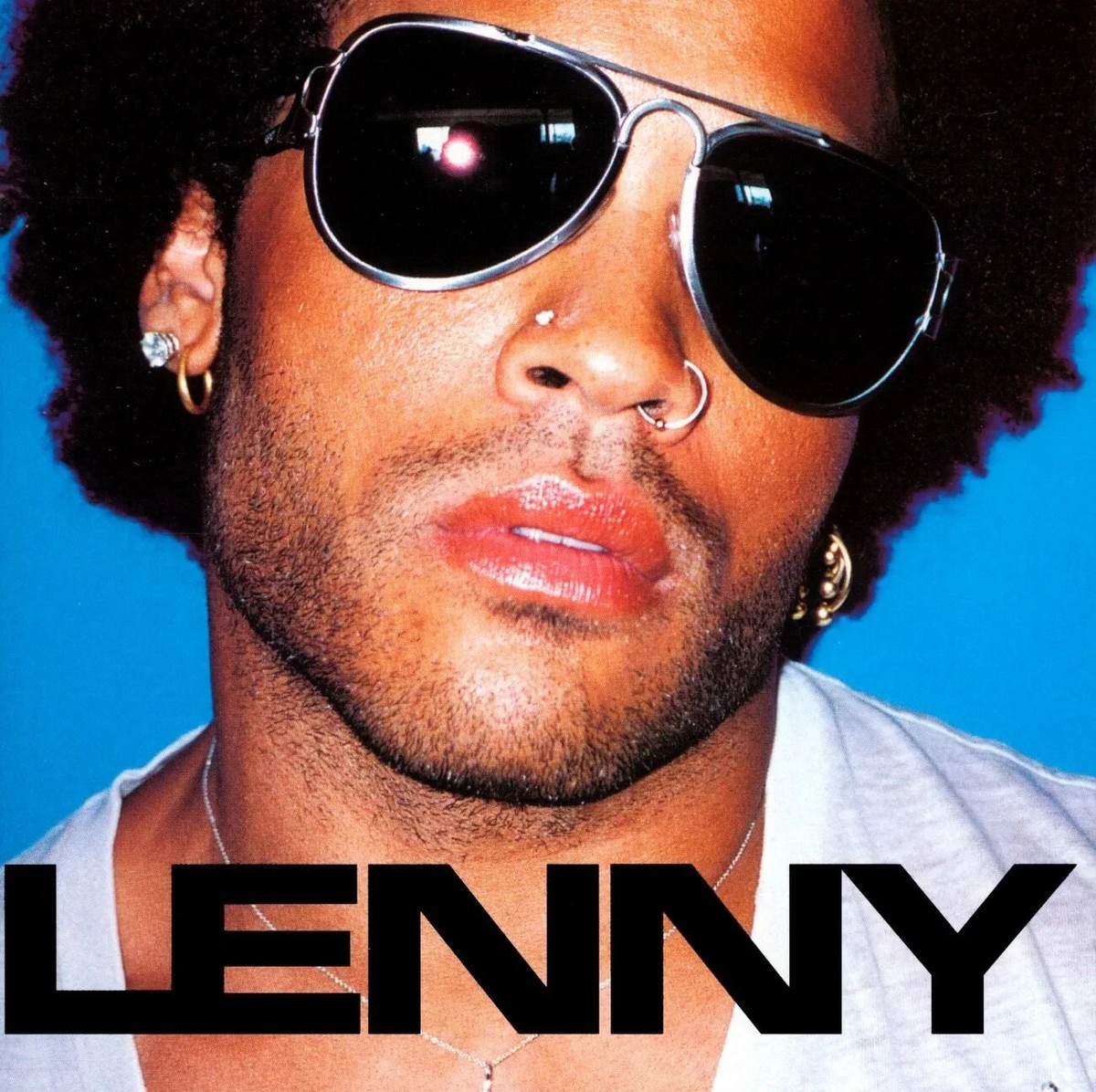
A successful best-of compilation can be a blessing or a curse, boosting an artist’s profile for future projects or putting a cap on their hitmaking days. Unfortunately for Kravitz, his triple platinum 2000 Greatest Hits package was the latter, with its new track “Again” becoming his last inescapable single. Lenny’s lead single “Dig In” earned Kravitz his fourth and final Grammy win, all in the category of Best Male Rock Vocal Performance, but its monotonous chug didn’t make much of an impact on the charts. Kravitz, who often shares lead guitar duties with longtime sideman Craig Ross, plays some of his finest guitar solos on several tracks on Lenny, including a lively talkbox section on “God Save Us All.” And “Believe in Me,” with its fidgety drum machine groove and Minimoog synth lines, actually sounds like Kravitz was taking some cues from hip-hop producers like Timbaland.
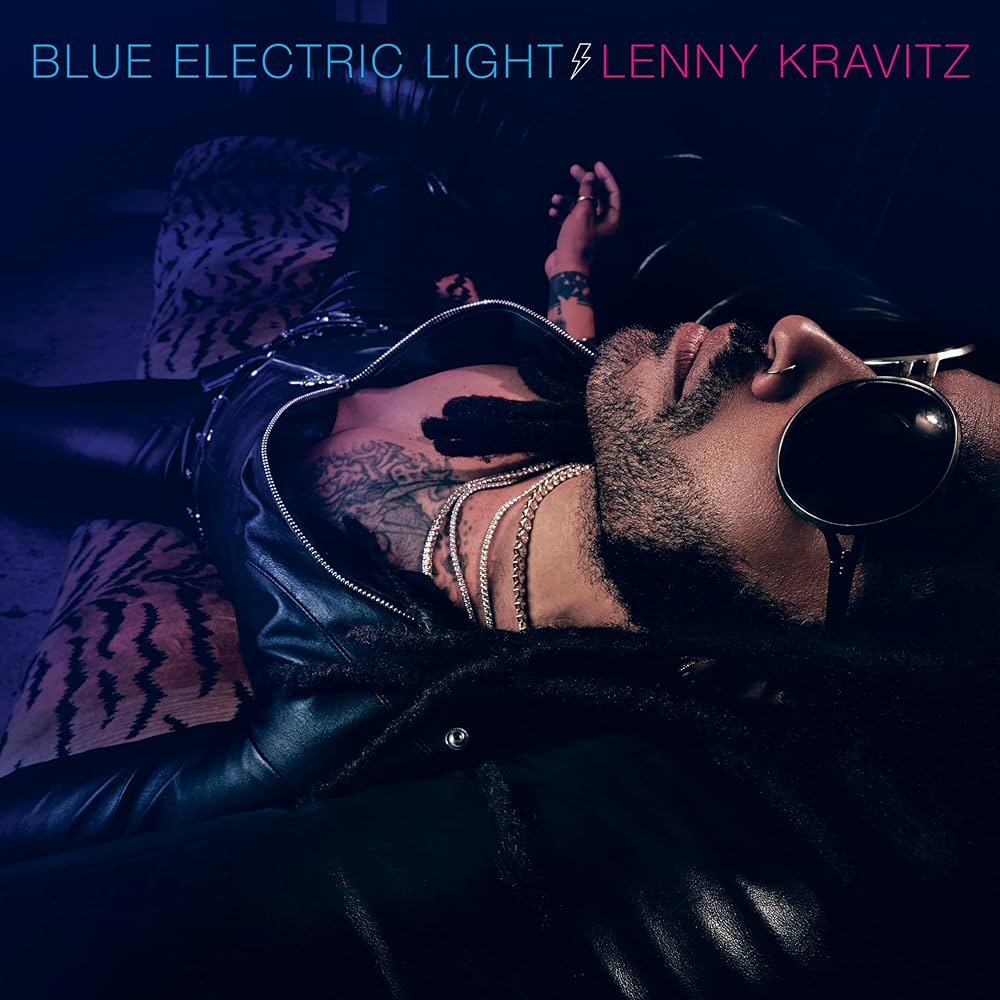
In 2024, Lenny Kravitz turned 60, began his first Las Vegas residency, and was nominated for the Rock and Roll Hall of Fame. He also, surprisingly, released one of the most creatively vital and contemporary-sounding albums of his career. Kravitz’s last few albums have been recorded at Gregory Town Sound, the studio he built on the beach in the Bahamas. And with songs like the electro funk banger “TK421” and the sinuous slow jam “Stuck in the Middle,” Blue Electric Light is the album that most sounds like Kravitz is just enjoying himself with jam sessions in a tropical paradise.
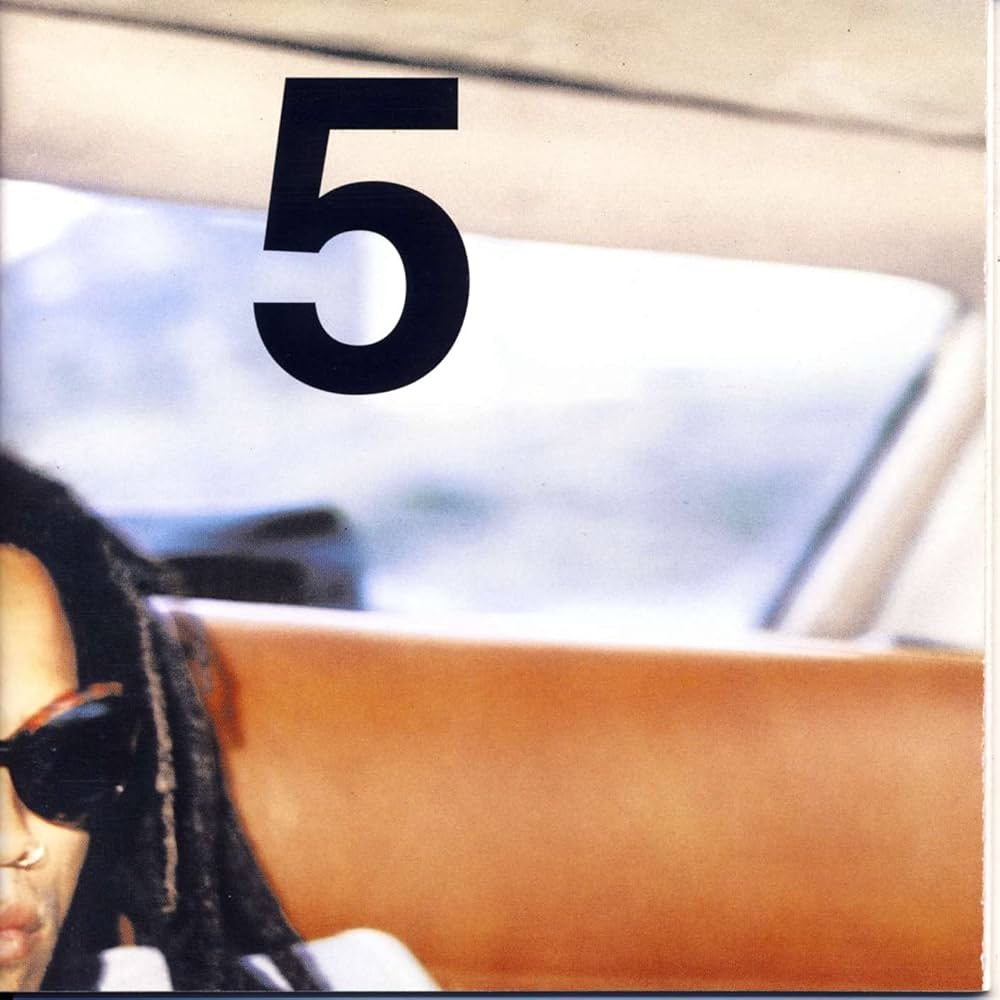
5 underperformed at first, with the initial rollout focusing on the sleek R&B of “If You Can’t Say No” and “I Belong To You.” It was only after one of the album’s only guitar-heavy rockers, “Fly Away,” was promoted as a single six months after 5’s release that the album really started to sell. A cover of the Guess Who’s “American Woman,” recorded for the Austin Powers: The Spy Who Shagged Me soundtrack, was added to later editions of 5, helping Kravitz reach a new level of ubiquity. Kravitz’s longtime drummer Cindy Blackman Santana is frequently seen in his music videos and concerts, but “Straight Cold Player” is the only time she’s actually gotten to lay down a deep groove on one of his studio tracks. “Here we are on the brink of the millennium, but nobody’s told Lenny Kravitz, who’s still cranking out pedestrian Prince-style glam funk like it’s 1978,” Paul Lukas wrote in the SPIN review of 5.
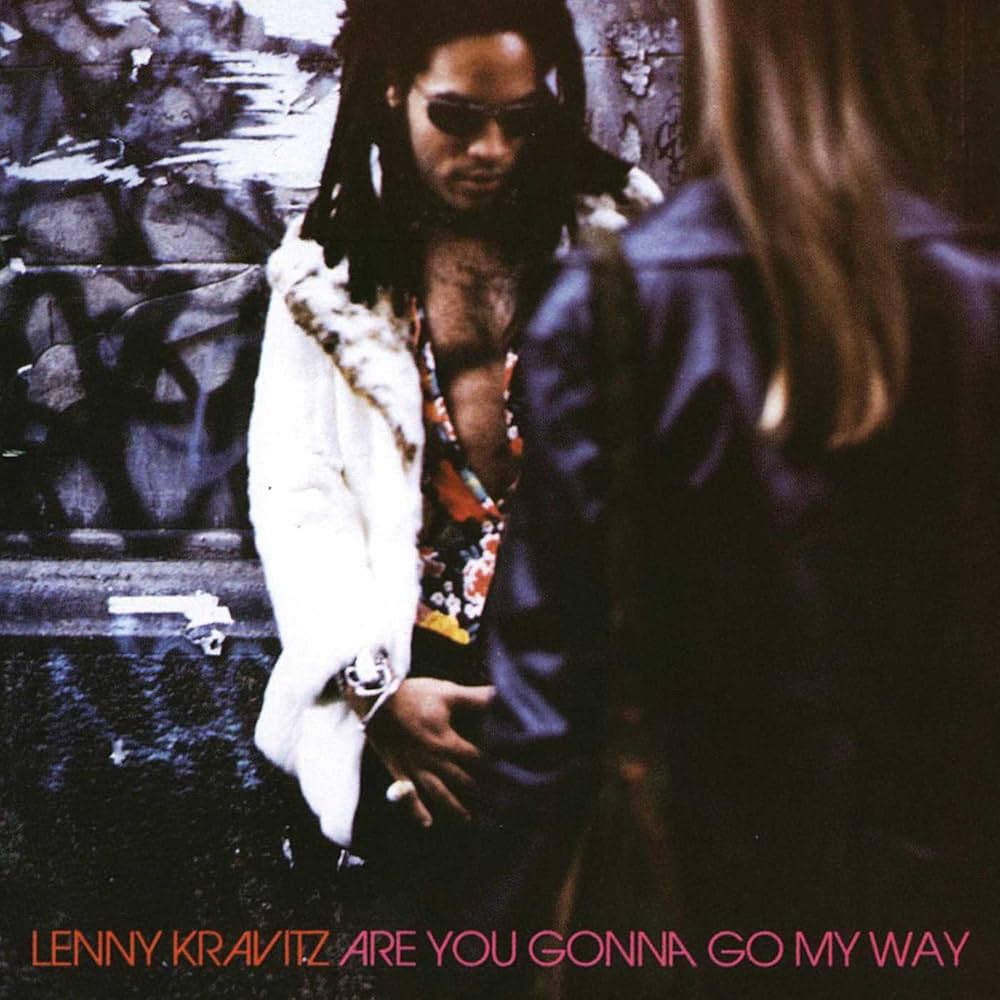
Craig Ross joined Kravitz’s band for the tour in support of Mama Said, and has become Kravitz’s most consistent collaborator on every subsequent album. Ross co-wrote Are You Gonna Go My Way’s smash hit title track and played all of the song’s dazzling interlocked guitar lines. “Is There Any Love In Your Heart” is the only other song on the album with the same kind of irresistible hard rock hooks as Kravitz chases one of his most persistent muses, the dry drums and reverbed vocals of John Lennon’s early solo albums. “Sugar,” however, is a soulful delight that probably could’ve been a crossover hit like “It Ain’t Over ’til It’s Over.”
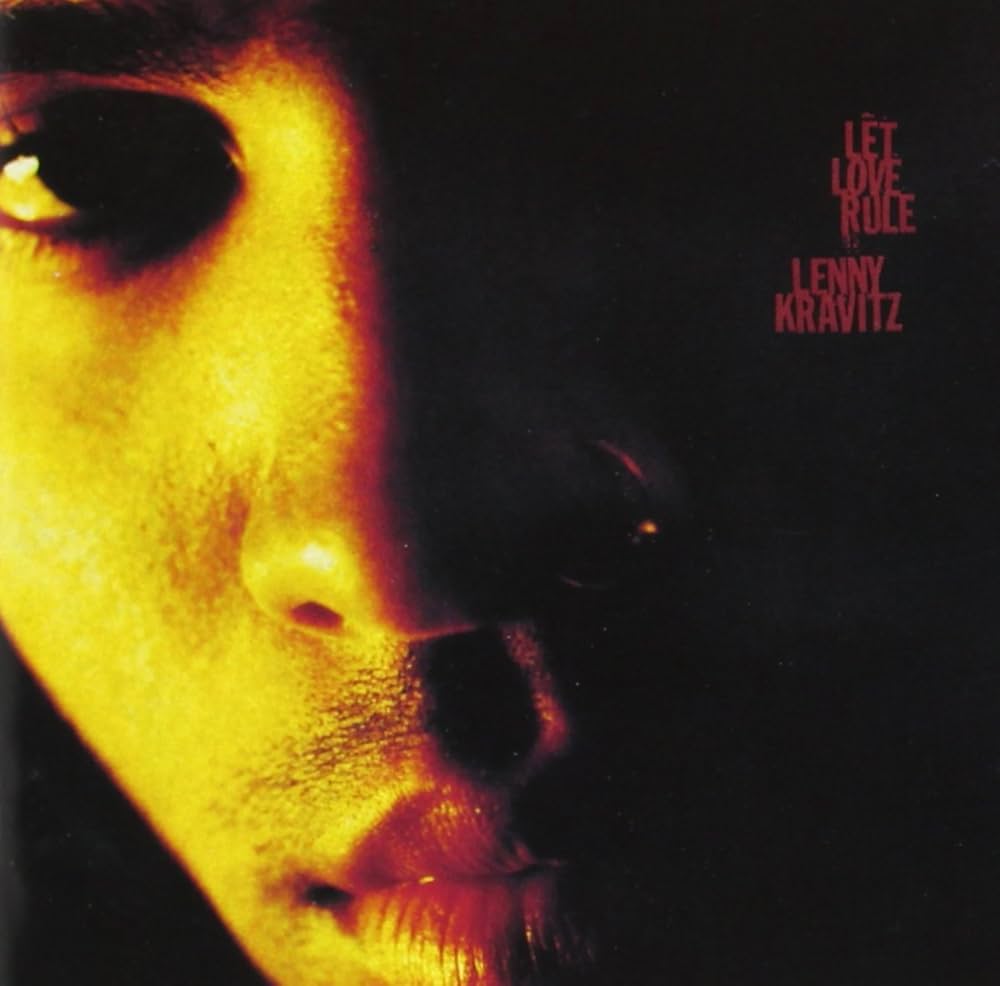
Lenny Kravitz was going by the stage name Romeo Blue in 1987 when he eloped in Las Vegas with The Cosby Show star Lisa Bonet on her 20th birthday. He became a tabloid fixture before the world had heard a note of his music, and a label bidding war ensued with Virgin Records eventually signing Kravitz, who decided to make music under his real name. Bonet wrote lyrics for two songs on Let Love Rule and appeared in the video for the title track, helping make it a modest hit. Despite all the media hoopla, Let Love Rule is an uncompromising self-produced debut that stands apart from even the other strains of neo-psychedelic ’60s nostalgia that were on the charts in the late ’80s.
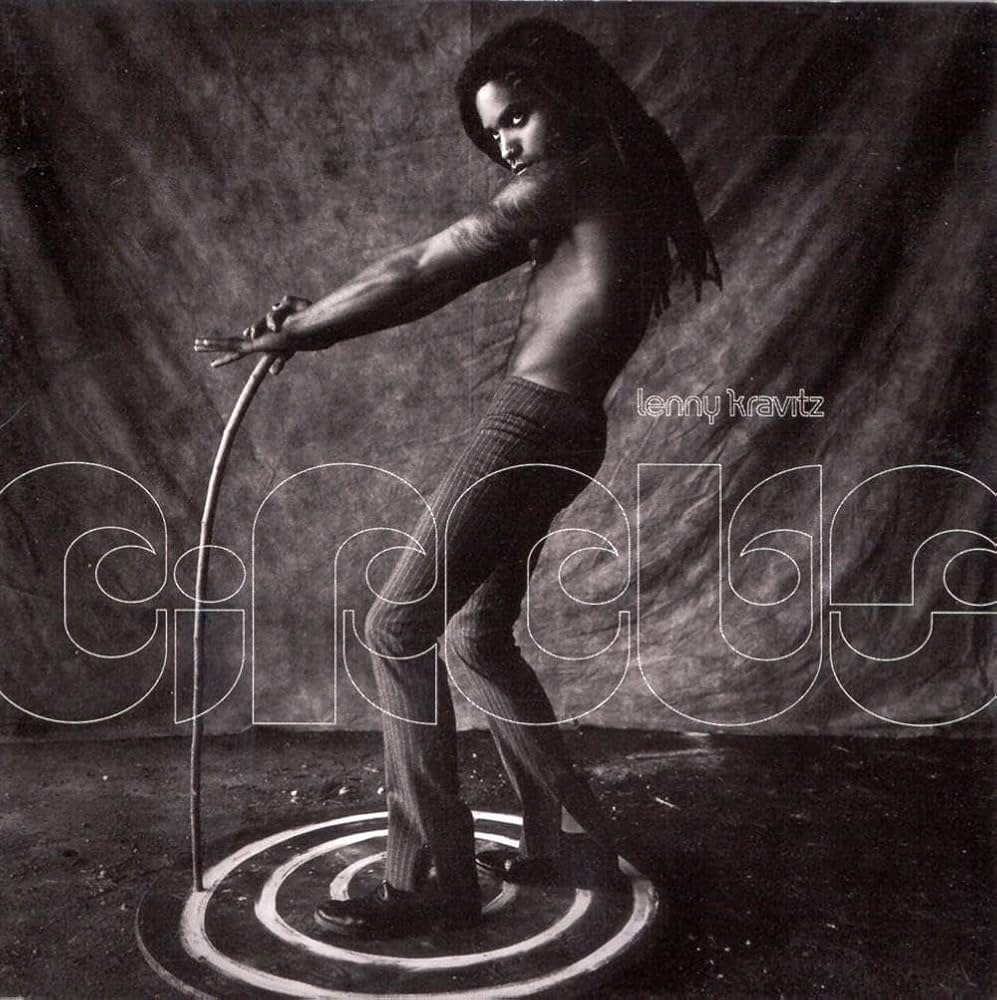
Circus is the dark horse of Kravitz’s catalog. His mother was dying of cancer during the difficult recording sessions, and it’s the only album from the first decade of his career that performed below expectations and didn’t win him a significant number of new fans. But it rocks more consistently than any other Kravitz release and has a thunderous drum sound, perhaps the best faux-Led Zeppelin album since Billy Squier’s Don’t Say No. Kravitz headlined the 1996 H.O.R.D.E. tour in support of Circus, and songs like “Tunnel Vision” and “Can’t Get You Off My Mind” sounded great the only time I’ve seen him live. “Yeah, on Circus, Lenny Kravitz proves himself to be just as much a purveyor of record collection rock as he’s ever been. But what most people fail to notice is that Len has got stone-cold impeccable taste,” Paul Moody wrote in the NME review of the album.
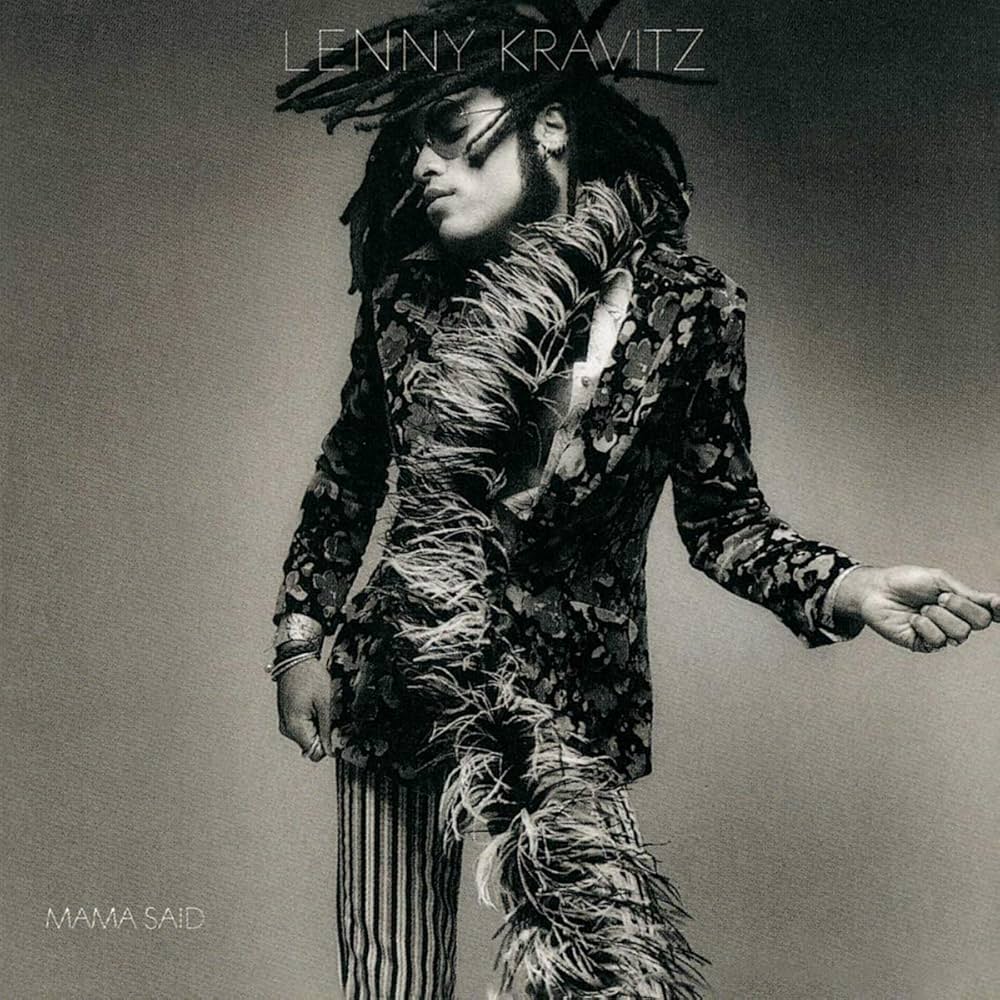
Kravitz co-wrote and co-produced Madonna’s provocative chart-topper “Justify My Love” in 1990, and followed it a few months later with his biggest solo hit. “It Ain’t Over ’til It’s Over” borrowed a quirky neologism from the baseball legend Yogi Berra, turning it into a plea to Kravitz’s estranged wife. The song didn’t save their marriage—he and Bonet divorced in 1993—but it remains his finest soul song, with a silky, expressive vocal and a lush arrangement that includes the Phenix Horns from Earth, Wind & Fire. “Flowers for Zoë” is another beautiful song on Mama Said that he wrote for their daughter, actress Zoë Kravitz. The era’s other most prominent biracial rock star was Slash of Guns N’ Roses, who went to high school with Kravitz and played on the first two tracks on Mama Said. And it’s hard not to wish that the two friends made a lot more funk rock masterpieces together after “Always on the Run.”
Here’s a breakdown of every ‘SNL’ sketch with Carpenter on Oct. 18.
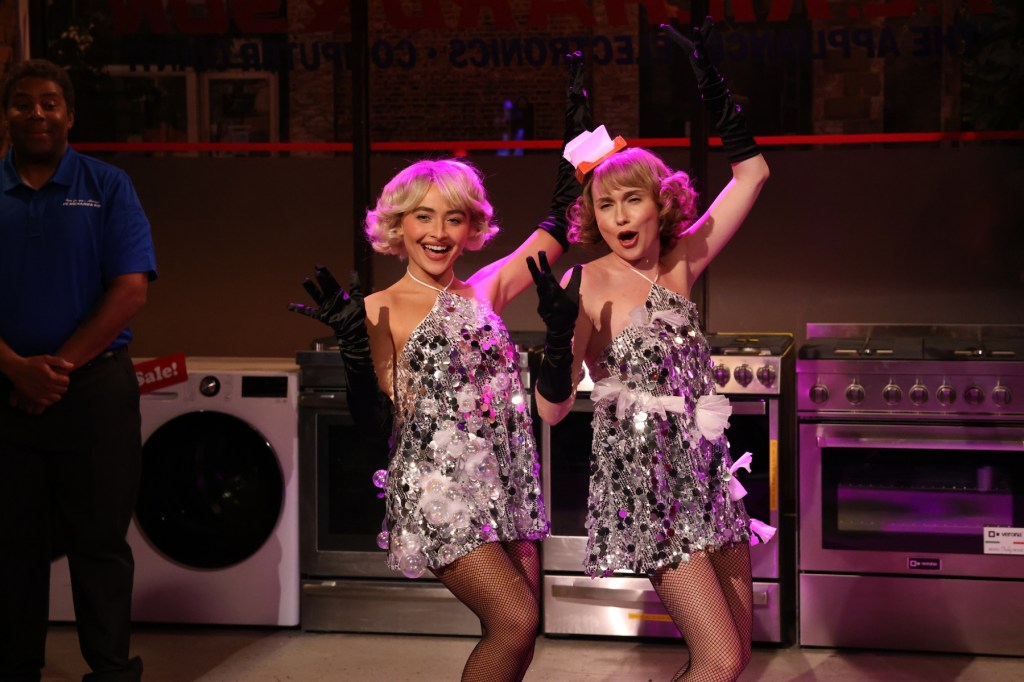
Host and musical guest Sabrina Carpenter and Veronika Slowikowska appear during the ‘Appliance Store’ sketch on ‘SNL’ on Oct. 18, 2025.
Will Heath/NBC via Getty Images
Sabrina Carpenter hosted SNL for the first time and starred in eight sketches that made it to air Saturday night (Oct. 18) in an episode that seamlessly paired with the pop star’s brand of humor.
With a background in comedy television — a decade ago, a then-teenaged Carpenter was the lead on the Boy Meets World spinoff Girl Meets World — and with some familiarity with the SNL stage (as a music performer twice, and with one “Domingo” sketch in her pocket), the singer/actress was poised for success pulling double duty as host and musical guest Saturday night.
And she delivered, from the cold opening all the way through her final sketch of the night — with two playful performances sandwiched into the schedule (a youthfully staged “Manchild,” plus an uncensored “Nobody’s Son”).
With a short and sweet monologue, Carpenter poked fun at her Man’s Best Friend album cover and her “horn-dog pop star” persona — “I’m not just horny, I’m also turned on, and I’m sexually charged, and I love to read; my favorite book is the encyclopedia… it’s so big and it’s hard” — and throughout the episode portrayed roles ranging from a singing washing machine to a tween boy podcaster to an entrepreneur peddling a pillow that looks like a vagina. (Audience reports from the dress rehearsal say there were also a couple sketches with Carpenter that didn’t make it to broadcast, including one about the “perfect man” and a Salem witch-themed bit.)
Here’s a ranking of every sketch Carpenter was in on the show that aired Saturday night. Watch all eight sketches from the Oct. 18 episode of SNL below.
if ( !window.pmc.harmony?.isEventAdScheduledTime() ) {
pmcCnx.cmd.push(function() {
pmcCnx({
settings: {
plugins: {
pmcAtlasMG: {
iabPlcmt: 2,
}
}
},
playerId: ‘4057afa6-846b-4276-bc63-a9cf3a8aa1ed’,
playlistId: ‘b7dab6e5-7a62-4df1-b1f4-3cfa99eea709’,
}).render(“connatix_contextual_player_div”);
});
} else {
// This should only be get called when page cache is not cleared and it’s event time.
window.pmc.harmony?.switchToHarmonyPlayer();
}
Previous SNL sketches about Domingo (Marcello Hernández), the suave guy ladies love, have seemingly been a hit — but with a big cast refresh, last season’s go-to was a stale opener for Carpenter’s Oct. 18 episode. Her performance in the friend group making Domingo’s reveal again (by way of bad singing) was on point. But as a cold open, the sketch felt like it was a missing a twist to reel viewers in. Still, pop fans will appreciate the song parodies set to Taylor Swift’s “The Fate of Ophelia” and Lady Gaga’s “Abracadabra.”
if ( !window.pmc.harmony?.isEventAdScheduledTime() ) {
pmcCnx.cmd.push(function() {
pmcCnx({
settings: {
plugins: {
pmcAtlasMG: {
iabPlcmt: 2,
}
}
},
playerId: ‘4057afa6-846b-4276-bc63-a9cf3a8aa1ed’,
playlistId: ‘b7dab6e5-7a62-4df1-b1f4-3cfa99eea709’,
}).render(“connatix_contextual_player_div”);
});
} else {
// This should only be get called when page cache is not cleared and it’s event time.
window.pmc.harmony?.switchToHarmonyPlayer();
}
Carpenter confidently fills the role of “girlboss” in this satirical sketch that has a motivational figure going through the motions — even through a concussion. Silly physical humor and good comedic timing make her character’s cringe funny, even through the period-themed quips.
if ( !window.pmc.harmony?.isEventAdScheduledTime() ) {
pmcCnx.cmd.push(function() {
pmcCnx({
settings: {
plugins: {
pmcAtlasMG: {
iabPlcmt: 2,
}
}
},
playerId: ‘4057afa6-846b-4276-bc63-a9cf3a8aa1ed’,
playlistId: ‘b7dab6e5-7a62-4df1-b1f4-3cfa99eea709’,
}).render(“connatix_contextual_player_div”);
});
} else {
// This should only be get called when page cache is not cleared and it’s event time.
window.pmc.harmony?.switchToHarmonyPlayer();
}
The “Surprise” sketch would rank much higher on this list, if it had been Carpenter who carried it. But she’s just a supporting player to Ashley Padilla’s scene-stealing performance as the colleague who can’t vibe with an office birthday surprise. If there’s one line to take way from the episode, it’s this one: “Farted and demoted.”
if ( !window.pmc.harmony?.isEventAdScheduledTime() ) {
pmcCnx.cmd.push(function() {
pmcCnx({
settings: {
plugins: {
pmcAtlasMG: {
iabPlcmt: 2,
}
}
},
playerId: ‘4057afa6-846b-4276-bc63-a9cf3a8aa1ed’,
playlistId: ‘b7dab6e5-7a62-4df1-b1f4-3cfa99eea709’,
}).render(“connatix_contextual_player_div”);
});
} else {
// This should only be get called when page cache is not cleared and it’s event time.
window.pmc.harmony?.switchToHarmonyPlayer();
}
Sabrina Carpenter and Bowen Yang have no qualms playing awkward 13-year-olds who’ve apparently heard about grinding somewhere. The two attempt some questionable moves on the middle school dance floor in this pre-taped musical sketch with lyrics like “We could get PG-13, if you know what I mean.” Stick around ’til the end to see what the scene really looks like from the principal’s (Kenan Thompson) POV.
if ( !window.pmc.harmony?.isEventAdScheduledTime() ) {
pmcCnx.cmd.push(function() {
pmcCnx({
settings: {
plugins: {
pmcAtlasMG: {
iabPlcmt: 2,
}
}
},
playerId: ‘4057afa6-846b-4276-bc63-a9cf3a8aa1ed’,
playlistId: ‘b7dab6e5-7a62-4df1-b1f4-3cfa99eea709’,
}).render(“connatix_contextual_player_div”);
});
} else {
// This should only be get called when page cache is not cleared and it’s event time.
window.pmc.harmony?.switchToHarmonyPlayer();
}
Carpenter’s musical talent comes in play again in this whimsical sketch set in a P.C. Richard store where washers and dryers have human heads that can carry a tune. Here, instead of a buzz or a jingle, your washer/dryer duo will perform a little ditty when the load is “almost totally dry” and a perhaps a tap number if you go for the “permanent press” cycle. SNL newcomer Veronika Slowikowska impresses, holding her own harmonizing and playing showgirl with Carpenter.
if ( !window.pmc.harmony?.isEventAdScheduledTime() ) {
pmcCnx.cmd.push(function() {
pmcCnx({
settings: {
plugins: {
pmcAtlasMG: {
iabPlcmt: 2,
}
}
},
playerId: ‘4057afa6-846b-4276-bc63-a9cf3a8aa1ed’,
playlistId: ‘b7dab6e5-7a62-4df1-b1f4-3cfa99eea709’,
}).render(“connatix_contextual_player_div”);
});
} else {
// This should only be get called when page cache is not cleared and it’s event time.
window.pmc.harmony?.switchToHarmonyPlayer();
}
The video thumbnail might tell you all you need to know about this one, but press play to catch an always-funny “Shop TV” sketch — this one’s got Carpenter perfectly portraying a naive guest seller who’s unaware the neck pillow she designed for flight comfort unmistakably resembles a particular part of the female anatomy. Especially when she adds on the faux-fur lining, available in two varieties.
if ( !window.pmc.harmony?.isEventAdScheduledTime() ) {
pmcCnx.cmd.push(function() {
pmcCnx({
settings: {
plugins: {
pmcAtlasMG: {
iabPlcmt: 2,
}
}
},
playerId: ‘4057afa6-846b-4276-bc63-a9cf3a8aa1ed’,
playlistId: ‘b7dab6e5-7a62-4df1-b1f4-3cfa99eea709’,
}).render(“connatix_contextual_player_div”);
});
} else {
// This should only be get called when page cache is not cleared and it’s event time.
window.pmc.harmony?.switchToHarmonyPlayer();
}
Introverts assemble: This is the scary movie of your nightmares. Carpenter and Ben Marshall star in a Blumhouse parody about the horror in realizing months ago you politely made plans with distant relatives that you hoped they wouldn’t follow through on — but they did. And those plans are for today. “Which cousin is it?” Marshall asks in a panic, to which Carpenter reveals — eyes wide in terror — that it’s “the one who runs marathons.” It gets more frightening. “Her husband is coming too” — the one known for making people watch 11-minute YouTube videos with him. So much for the weekend.
if ( !window.pmc.harmony?.isEventAdScheduledTime() ) {
pmcCnx.cmd.push(function() {
pmcCnx({
settings: {
plugins: {
pmcAtlasMG: {
iabPlcmt: 2,
}
}
},
playerId: ‘4057afa6-846b-4276-bc63-a9cf3a8aa1ed’,
playlistId: ‘b7dab6e5-7a62-4df1-b1f4-3cfa99eea709’,
}).render(“connatix_contextual_player_div”);
});
} else {
// This should only be get called when page cache is not cleared and it’s event time.
window.pmc.harmony?.switchToHarmonyPlayer();
}
The top moment of Carpenter’s episode of Saturday Night Live is an ensemble sketch that puts her on a podcast about snacks with three other annoying young boys (Chloe Fineman, Jane Wickline and Veronika Slowikowska). Littered with insufferable slang (“fire,” “cooked,” et al.) as they snicker over Halloween candy and “goated” vegetables, something about it sounds so accurate in the time of TikTok that it’s almost real. The four of them, led by Carpenter, pull off the uncomfortable modern tween vibe almost too well. As one of the top comments on YouTube voices, “My heartfelt sympathies to all middle and high school teachers during this difficult time.”
MarieJordan, we’re rooting for you!
This list was originally published in December 2017. It has since been updated with further films from PTA.
Paul Thomas Anderson’s characters are all defective in some way — not flawed so much as broken and incomplete. In an unpredictable filmography that spans from the waining days of the mid-’90s indie boom to the tenuous post-celluloid landscape of the modern age — a scattershot collection of stories that hops across the last 100 years as though it’s unstuck in time, resolving into a strange and feral people’s history of America in the 20th century — a fundamental sense of inherent vice might be the most consistent through-line. That feels especially true in the aftermath of “Phantom Thread,” which finds Anderson ditching his hometown of Los Angeles for London, but still retaining (or even doubling down on) his sincere affection for obsessive people with holes in their hearts.

Common wisdom suggests that Anderson’s career has been split down the middle, with 2002’s “Punch-Drunk Love” functioning as a gentle transition from the exuberant mosaics that announced PTA’s genius to the steely micro-portraits that made good on his potential. And while there’s a certain amount of truth to that superficial overview, the evolution of Anderson’s style is mostly interesting for how it illuminates the underlying things that bind his entire body of work together.
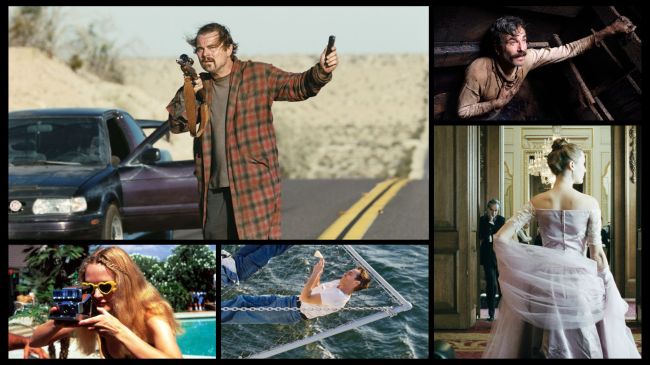
With “One Battle After Another” soon to arrive in theaters, we’ve decided to rank Paul Thomas Anderson’s films from worst to best (essentially just assigning them varying degrees of greatness), focusing on all things that have changed in his movies, and all the things that have stayed the same.

Paul Thomas Anderson was only 26 when he managed to wrangle Philip Baker Hall and a $3 million budget for his first feature, an impressive feat by any measure. However, in light of what the upstart auteur would go on to make next, “Hard Eight” is more striking for its modesty — for its lack of ambition — than anything else. The low-key story of a friendship that forms between a mysterious gambler (Hall) and the penniless burnout (John C. Reilly) he meets at a diner somewhere between L.A. and Las Vegas, PTA’s preternaturally self-assured debut feels like a collection of leftover Sundance tropes trying to wrestle themselves free from a straitjacket. Dusty southwest environs, rundown motels, neo-noir shadings, Samuel L. Jackson, coffee, and cigarettes… if not for the wounded stoicism of Hall’s performance and the expert contributions of future PTA mainstays like Robert Elswit and Jon Brion, it might be tempting to lump this in with all the other Tarantino riffs that washed ashore after “Pulp Fiction.”
Still, as easy as it is to lose sight of this film in the vast shadow of what came next, “Hard Eight” rolls with a gentle humanism that gives it some life of its own. Sydney might have ulterior motives in lending a stranger $50 and showing him the ropes for how to rig a casino, but his deepening relationship with John only enriches the question that hangs over their first encounter: How much is a friend really worth to you? This is a small movie, and an awkwardly fractured one at that, but it’s full of inscrutably compelling actors at their best, their characters helped along by a writer-director who palpably believes in their pain.

Nobody really saw this delightful curio — Anderson’s only feature-length documentary — which premiered at the New York Film Festival before bypassing a theatrical run and heading straight for the internet. But “Junun” is hardly just a B-side for the director’s hardcore fans. If anything, it’s the most accessible thing he’s ever made, a hugely enjoyable 54-minute banger about the lightning-in-a-bottle joy of good people making great music together. An uncharacteristically invisible fly on the wall, Anderson hangs around the dusty environs of India’s Mehrangarh Fort, watching with rapt attention as regular collaborator Jonny Greenwood and Israeli composer Shye Ben Tzur record a group album with the Rajasthan Express.
Seemingly made on a whim and without much of an agenda, the movie captures a once-in-a-lifetime collision of musical talent before everyone scatters to the winds. As jarring as it might be to see PTA shoot digital (the drones demand it), the music is so catchy and the vibe so full of life that you soon forget who’s behind the camera. “Junun” might be a footnote, but it’s transporting and whole and hard to forget.

So dense that it was probably destined to be the most under-appreciated of Paul Thomas Anderson’s films — there’s a certain prickliness to Thomas Pynchon’s source material, as even the most casually stoned of his novels is difficult to wrap your arms around — “Inherent Vice” is a sweet and strung-out noir odyssey through the fog of late capitalism. It’s also a movie where Jena Malone has wooden teeth, Josh Brolin fellates a frozen banana, and pixie folk goddess Joanna Newsom plays a narrator who might be a figment of Joaquin Phoenix’s imagination… so it’s not like PTA is trying to make things hard on us.
Shot like a faded postcard and full of fantastic characters, “Inherent Vice” borrows a lot from sun-dappled P.I. yarns like “The Long Goodbye,” but it’s sillier and sadder than Philip Marlowe ever was. Per genre tradition, the central mystery is actually several different mysteries all knotted together; good luck untangling what a heroin addict’s missing husband has to do with a real estate developer named Mickey Wolfmann and a drug cartel that calls themselves the Golden Fang. But while the plot may be hard to follow, PTA compensates by making the film’s emotional underpinnings as clear as Doc Sportello’s view of the California coastline.
The lost love between Sportello and his ex (Katherine Waterston) is achingly well-realized in just a few short scenes, while the pervasive sense of a country in decline is suffused into the atmosphere like so many patchouli farts (to borrow one of the best insults from a film that has dozens to spare). Forget “Boogie Nights” and the illusion of American possibility, “Inherent Vice” burrows into the feeling that we’ve already let it get away from us — that we’re all out there chasing our own tails. It gets a little bit sadder every time you watch it.

“It’s a real film, Jack.”
A dizzying epic of reinvention, Paul Thomas Anderson’s seedy and sensational second film found the 28-year-old directing with the swagger of a young man in possession of a massive amount of natural talent. But it’s not just the mind-boggling confidence behind the camera that makes “Boogie Nights” such an incredible piece of work, it’s also the sheer generosity that Anderson shows towards his characters, even the most pathetic and beautiful among them. Look at how the camera lingers on Jesse St. Vincent (the great Melora Walters) after she’s been stranded at the 1979 New Year’s Eve party, or how Anderson redeems Rollergirl (Heather Graham, in her best role) with a single push-in during the closing minutes. Anderson loves these people. When Amber Waves, played by a peak Julianne Moore as the original MILF, tells Dirk Diggler (Mark Wahlberg) that he deserves his brand new 1978 Corvette, she means it from the bottom of her heart.
More than just a breakneck look inside the porn industry as it struggled to get over the hump of home video, “Boogie Nights” is a story about a magical valley of misfit toys — action figures, to be specific. All of these horny weirdos have been cast out from their families, all of them are looking for surrogate relatives, and all of them have followed the American Dream to the same ridiculous place. There’s something very special about the Altman-esque frenzy in which these lost souls become together for having found each other, an ineffable energy that survives the young Anderson’s need to triple-underline every flourish.
This remains one of the most quotable and well-realized things that the director has ever made, even if the darker second half — in which PTA makes his feelings very clear re: the warmth of film vs. the creepiness of video — feels both overlong and undernourished. But who cares? Burt Reynolds sell the hell out of every movie, Wahlberg is operating well beyond the limits of his talent, and the hits just keep on coming as the flaws start to fade away. There’s no use getting bent out of shape about it; there are shadows in life, baby!

In 2017, before we had seen so much as a still photo from Paul Thomas Anderson’s film, it was widely rumored that “Phantom Thread” was an S&M period piece that had more in common with “Fifty Shades of Grey” than it did any of the classic British melodramas that were made around the time this story is set. Alas, the perverse romance that blossoms between a renowned dressmaker (Daniel Day-Lewis as Reynolds Woodcock) and a soft-spoken waitress Alma (Vicki Krieps) is a strictly PG affair, one far more interested in adding clothes than taking them off. Be that as it may, elements of dominance and submission persist, and the film’s deceptive chasteness is precisely what allows Anderson to sew such a compelling piece about love and control, threading the needle between haute escapism and something much closer to home.
Speaking after the film’s first New York City screening, Anderson told the crowd that “Phantom Thread” was inspired by a recent bout of the flu. The filmmaker was laid up in bed, feeling like refried death, when he noticed that his wife looking at him with a degree of pity and care that she typically reserves for their young kids. He loved it. You don’t need to be a revered film director or a tyrannical fashion designer to appreciate that powerlessness has its own pleasures, and that surrendering control to the right person can be as satisfying as hoarding it for yourself. There’s probably not a married couple in the world who doesn’t understand that dynamic or recognize the ugly strength they derive from their partner’s weakness.
“Phantom Thread” takes that ugliness and turns it into something beautiful, Anderson riffing on the likes of “Rebecca” (with a whiff of “The War of the Roses” for good measure) to create an immaculately old-fashioned portrait of obsession. Anderson has made a number of spirited duets about two strange people who need each other for balance, but the magic trick that Krieps’ terse performance allows him to do here — slowly allowing Alma to overshadow Reynolds and take control of the wheel, herself — is a new one for him. Beautiful and beguiling in equal measure, this is the most inviting movie that Anderson has made since “Punch-Drunk Love,” and the best proof yet that his collaboration with composer Jonny Greenwood might be the defining element of his recent work.

“Gary Valentine is 15 going on 30, Alana Kane is ’25’ but in air quotes that basically allow her to be whatever it might say on her eventual dream ticket out of Encino, and they first cross paths on a pale 1973 morning in the San Fernando Valley at a strange moment in history when Old Hollywood and New Hollywood have started to overlap. Bing Crosby is still alive even though Jim Morrison is already dead, and it feels like everyone is more or less the same age because no one really knows what time actually means anymore.
They meet on yearbook portrait day at the local high school, and Alana — working as an assistant for the handsy photographer — walks up to Gary with a mirror in her hands, only to find that this pimple-faced hustler is less concerned with last looks than he is with first impressions. Gary starts hitting on Alana with the unslakable thirst of a teenage boy and the empty courage of someone who doesn’t think anyone will ever take him seriously. He spits a lot of motor-mouthed game about being a child actor, but flirts as if he’s being interviewed by William F. Buckley on an episode of ‘Firing Line’ (‘There’s too much reality in pictures now’ is but one choice line in a marathon-length meet-cute throbbing with electric banter).
When Alana calls him out (‘you’re 12,’ she says, nailing the age he plays on TV), Gary responds by asking her to meet him for a drink later. Like so much of the whirlwind friendship that follows — and like almost every scene of the spectacular, intoxicating, and thoroughly hilarious film that watches along — it’s hard to tell if it’s a date or a dare.”
Read IndieWire’s Complete Review of “Licorice Pizza.”

Paul Thomas Anderson has been known to say that each of his films is a reaction to the last one, and the fact that he made the tight and constrained “Punch-Drunk Love” on the heels of the sprawling “Magnolia” is enough to prove that he’s not blowing smoke. This is the work of a prodigiously gifted artist who realized his most ambitious idea by the time he turned 30 and found that he still had room to grow — that his movies couldn’t be bigger, but they could be more suffused with feeling. What Anderson learned between “Boogie Nights” in 1998 and “Punch-Drunk Love” in 2002 is that size isn’t everything.
A frantic quasi-musical about violently isolated people who learn that they don’t have to condemn themselves to their sadness, Anderson’s fourth feature distills an epic’s worth of emotion and bottles it up in a cheap blue suit. Adam Sandler is revelatory as Barry Egan, the low-brow comedian repurposing his signature rage into something new just by denying it a place to go. He can’t just win a golf tournament and or retake second grade; he’s got a business to run, a thousand sisters to handle, and a hole in his heart the size of Hawaii. And then there’s Lena Leonard (Emily Watson), who looks at Barry and sees a harmony, her desire setting off a love story where the senses blur together like the whole film has been touched by synesthesia.
“Punch-Drunk Love” is a tiny movie, but Elswit’s camera roves around Barry’s factory with a manic curiosity that borders on Chaplin-esque, resulting in the first PTA film that doesn’t feel like it’s carving out a story so much as building one from the ground up. That spirit of creation is infused into the characters, who discover that opportunity abounds in this world (in pudding and people alike), and that they have the power to get on a plane and chase love down before it gets away. Love is out there, you just have to pick up the phone. If you’re lucky, you might find Lena Leonard in her hotel room. And if you’re really lucky, you might get patched through to Philip Seymour Hoffman, whose heavenly appearance galvanizes this strange concoction with a bunch of spittle and an arsenal of f-bombs. If this isn’t the greatest scene ever committed to celluloid, it’s damn close to it.

“Until his monumental new film, Paul Thomas Anderson had only made a single narrative feature set in the 21st century, and that movie — a love story about a plunger salesman who hoards pudding cups, gets extorted by the owner of a phone sex line, and shares an iconic kiss to the sound of a Shelley Duvall song from 1980 — was less of its time than out of it. After that came an origin story about the birth of American capitalism, two post-war fables about people trying to sow their own visions of the future, a patchouli-scented lament for the lost promise of ’60s counterculture, and a star-crossed romance set against the 1973 oil crisis.
At a certain point, Anderson’s seeming attachment to the past became conspicuous enough that it began to appear as if he might be mystified, scared, and/or bored of the modern world to some degree, and therefore arguably less relevant to it.
Enter: ‘One Battle After Another,’ the power and the mercy of which lies in how it simultaneously functions as both a backboard-shattering windmill dunk on that line of attack and an open-hearted surrender to its merits.
Vaguely abstracted from Thomas Pynchon’s 1984-set ‘Vineland’ but eager to reflect a variety of post-Reaganite advancements in ethno-fascism (the action starts in a recognizable today before jumping 16 years forward into a pointedly unchanged tomorrow), this propulsive, hilarious, and overwhelmingly tender paranoid comedy-thriller car chase blockbuster whatever doesn’t just stare a broken country in the face with its already prescient tale of immigrant detention centers, white nationalist caricatures, and bullshit pretenses for deploying the military into sanctuary cities. It’s also the first movie of its size to accurately crystallize how fucking anxious it feels to be alive right now — to capture the IMAX cartoonishness of our reality and provide a convincing roadmap as to how we might survive it.”
Read IndieWire’s complete review of “One Battle After Another.”

The most inscrutable and enigmatic of Anderson’s films, “The Master” is always mesmerizingly just out of reach, turning you inwards every time you reach out to meet it. A.O. Scott hit the nail on the head when he described it as “a movie that defies understanding even as it compels reverent, astonished belief.” But there are answers here, even if Anderson doesn’t provide any clear indication of what they might be; whatever meaning you manage to tease out of this story is yours to keep.
On its most basic level, “The Master” is a gripping two-hander about a man and his dog. Philip Seymour Hoffman is almost unfathomably brilliant as the volatile Lancaster Dodd, a new age pseudo-prophet in the mold of L. Ron Hubbard (he’s not unlike a film director, the ringleader of a traveling circus who has to string people along through sheer force of will). Joaquin Phoenix is every bit his equal as the alcoholic Freddie Quell, a man whose face is twisted into a perpetual sneer even before he’s set adrift in the wake of World War II. One barks commands and the other rolls over, but neither one of them can play fetch alone. As Dodd puts it, with no small amount of spite: “If you figure a way to live without serving a master, any master, then let the rest of us know, will you? For you’d be the first person in the history of the world.”
Dodd and Quell really aren’t so different, and Anderson’s dream-like storytelling helps swirl them together until it’s hard to tell where one ends and the other begins (Jonny Greenwood’s seasick score roots that confusion in the pit of your stomach). These are two men who are haunted by past trauma and have happened upon opposite ways of trying to outrun it; two men who are using each other as beacons to navigate the choppy waters between memory and imagination; two men who “can’t take this life straight.” But then again, who can? Just look into someone’s eyes, don’t blink, and repeat your name until you start to believe that it tells you something.

“I’ll tell you the greatest regret of my life: I let my love go.”
“Magnolia” is many, many (many) things, but first and foremost it’s a movie about people who are fighting to live above their pain — a theme that not only runs through all nine parts of this story, but also bleeds through both phases of Paul Thomas Anderson’s career. There’s John C. Reilly as Officer Jim Kurring, who’s effectively cast himself as the hero and narrator of a non-existent cop show in order to give voice to the things he can’t admit. There’s Jimmy Gator, the dying game show host who’s haunted by all the ways he’s failed his daughter (he’s played by Philip Baker Hall in one of the most affectingly human performances you’ll ever see). There’s motivational speaker Frank T.J. Mackey, who has everything under control until someone mentions his father, and trophy wife Linda Partridge, who emerges from a fog of prescription drugs just a little too late to tell her terminal husband how she really feels. And on and on and on, Anderson’s small army of characters threading together in a deliriously unsubtle modern opera about hurt people hurting people until the weather changes and they all realize that it’s not going to stop until they wise up.
Have you ever noticed that PTA is pretty good with actors? For a guy who’s almost peerlessly expressive with a camera, it’s always a surprise to watch one of his films and be reminded of how much he defers to his cast and their faces. “Magnolia” might be the most striking example of all, not just because of its raw melodrama, but also because everyone here is so aggressively playing against type that you can feel them trying to run away from something.
An 188-minute movie without a second out of place, “Magnolia” is the byproduct of bloodshot egomania, the film infused with a wild arrogance that starts from its roots and grows like a tumor until God shows up and it feels like he’s just another member of the cast. And thank heavens that someone had the confidence or the cocaine or whatever the hell it took to attempt something like this, because the bigger the movie gets, the more it seems like it couldn’t afford to be any smaller. As Anderson says towards the end of the (incredible) making-of documentary on the DVD, “it’s too fucking too,” and it is, but it’s also just enough to show how fiction can sometimes reflect the strangeness of real life. “Magnolia” is a movie that puts you through the wringer, and can pull you out of almost anything.

“There Will Be Blood” is the Great American Movie of the 21st century, which is less of a compliment than it is a taxonomic classification. It’s a genre unto itself, an outdated one forged by earlier films like “Citizen Kane” and “The Godfather” and defined by stories of self-made sociopaths — always men — who build empires atop the bodies of their enemies and hold onto the American Dream until it’s the only thing they have left. These are elemental pictures full of people who see capitalism as a bloodsport, making money with a fervor that exposes the fundamental violence of the open market.
How fitting, then, that riches and death are so inextricably linked in “There Will Be Blood,” a film that wears its intrinsic “greatness” like a genre that it grows weary of as it goes along, eventually turning against it and beating it to death with a bowling pin. There’s nothing we love to see more than a rise and fall saga about someone ruined by the same voracious ambition that we lack in ourselves, and audiences have learned that stories like this seldom have happy endings (these narratives teach us not to want too much). But “There Will Be Blood” resolves in victory, not defeat. There’s no “Rosebud” for Daniel Plainview, just a bottomless abyss.
Daniel Day-Lewis inhabits Plainview as the unwitting star of a monster movie, an apex predator who walks with the gangly hunch of a Scooby-Doo villain and crooks his head so that he can only see the worst in people. Thanks to Jonny Greenwood’s Toru Takemitsu-like string compositions, Plainview enters every scene like Jaws circling her next victim. Between Paul Dano’s opportunistic preacher and the plumes of oil and fire that shoot out from the Earth that Plainview claims for himself, the whole film begins to assume a biblical fervor, the drama’s natural gravitas twisting into something vaguely apocalyptic. “There Will Be Blood” is a perfect storm of talent at the top of their game, a movie that drills into America’s past in order to tap into the rot that we’re suffering through in its present. Not only is it the Great American Movie of the 21st century, it actually deserves to be.
Sign Up: Stay on top of the latest breaking film and TV news! Sign up for our Email Newsletters here.

The best perfumes are hard to define. What might be irresistible to one might be a hard no for another. While I love a sweet, gourmand fragrance, my best friend favours a rich, oud scent. Like I say, perfume is totally subjective.
However, there’s one somewhat under-the-radar brand that, as a beauty editor, I believe covers all bases when it comes to their scents. That brand is Malin + Goetz. These undeniably cool fragrances are both light and punchy, sweet and rich, and above all, unique. Each perfume focuses on one specific aroma, from the likes of rum or cannabis, and uses different scents to help amplify this.
The minimal branding and monochrome bottles make them the kind of perfumes that you always want in your handbag or out on display. Whenever I see someone spritzing one of these scents, I immediately know that they have good taste. If you’re thinking about investing in one, below I’ve reviewed every single Malin + Goetz perfume, including my top picks that always earn me compliments.

Malin + Goetz
Dark Rum Eau de Parfum
Key notes: Bergamot, plum, leather, rum, vanilla, patchouli, amber, milk
First up is my favourite scent from the brand. I don’t usually gravitate towards boozy fragrances, as I find that they can be a bit too overpowering, but this particular perfume balances the scent of rum with zesty bergamot to give it a lively edge. It’s sweet, syrupy, rich and refreshing all at once.
Hints of plum, leather and vanilla work together to enhance the boozy nature of the fragrance, giving it this alluring element that reminds me of nights spent enjoying many a cocktail in a dimly lit bar. As you can imagine, this is my go-to autumn perfume for date nights.

Malin + Goetz
Vetiver Eau de Parfum
Key notes: Bergamot, cardamom, grapefruit peel, celery seed, white iris, amber, vetiver
At this time of year, I often find myself gravitating towards earthy, woody scents. Case in point, Vetiver from Malin + Goetz. This is one of the coolest perfumes from the brand, with a deep, masculine aroma that feels incredibly expensive.
On one hand, this fragrance smells like walking through a forest straight after rain, and on the other hand, like a model off-duty strutting the streets of New York after dark. It’s complex, captivating and somehow calming in the best way possible.

Malin + Goetz
Strawberry Eau de Parfum
Key notes: Bergamot, strawberry, pink pepper, jasmine, cedarwood, oakmoss, musk, orris root
On the opposite end of the spectrum (I told you this brand was versatile), you have this delightfully youthful perfume. As the name suggests, it focuses on the scent of strawberries, but not in a sickly, strawberry ice cream kind of way. Instead, it’s like a strawberry picked straight from its plant, with hints of fresh, green notes throughout.
I feel like this fragrance is the perfect example of how this brand can take a single note and create something wonderfully unique and totally unexpected. It’s a beautifully delicate perfume.

Malin + Goetz
Leather Eau de Parfum
Key notes: Lotus flower, pepper, clove, leather, orchid, green violet, cedarwood, sandalwood
If you’d have told me six months ago that I’d be wearing a leather perfume on the daily, I would have laughed in your face. If it isn’t obvious by now, these are not the sort of scents I usually gravitate towards. At least that’s what I thought before I smelled this Malin + Goetz fragrance and realised that leather can actually be incredibly sexy.
Yes, this perfume does have a distinct leathery scent, but it’s also warm and spicy thanks to pepper and sandalwood. Spritzing this feels luxurious and intimate, and both my boyfriend and I are hooked. If an Acne leather jacket is the best on the market, this is the fragrance equivalent.

Malin + Goetz
Bergamot Eau de Parfum
Key notes: Bergamot, bell pepper, grapefruit, ginger, muguet, cardamom, musk, sandalwood, amberwood
Compared to the other fragrances from the brand, Bergamot offers a distinctly unique experience as a citrus scent. It feels serene and spa-like, with a herbaceous quality that is oddly addictive. Grapefruit and ginger add a revitalising element while musk and sandalwood ground the scent in a comforting embrace.
If I were to gift someone a Malin + Goetz perfume, it would be this one. In fact, I can’t think of anyone who wouldn’t fall in love with this scent.

Malin + Goetz
Cannabis Eau de Parfum
Key notes: Bergamot, black pepper, orange, cannabis accord, cedarwood, patchouli, amber, musk
Perhaps a more divisive scent, Cannabis is not at all what you might expect. Similar to the fragrance above, it has this herbaceous quality to it, but this is quickly met with notes of spicy black pepper and smoky cannabis accord.
It veers on the more masculine side of things, but smells incredibly chic and sexy no matter who is wearing it. If it were a place, it would definitely be a smoky, hazy Parisian bar.
As a beauty editor and a perfume lover, I have tried hundreds of fragrances over the years. I have tested every single Malin + Goetz scent on my own skin to give you my honest opinion on what it smells like, how it settles, and whether it lasts throughout the day. I have worn each fragrance for different occasions, from date nights to days at my desk, and even layered some of the scents to see how they wear together.
At Who What Wear UK, we know that beauty isn’t one-size-fits-all. Our editors have tested thousands of products over the years—spanning skincare, makeup, hair and nails—and work closely with trusted experts including dermatologists, makeup artists and leading industry insiders to ensure every guide is well-researched, inclusive and relevant to you.
We focus on formulas that deliver, whether they’re affordable favourites or luxury investments. Our product selection is based on tangible results, ingredient know-how and what we’d truly recommend to a friend.

‘Friends’ gets a lot of flak, and rightly so, but other TV shows from past decades are past their prime, too.

Everyone has a hot take about whether Saturday Night Live is still good and which era of the NBC sketch comedy show was best. But we can all agree that most movies with SNL characters — especially most of those in the mid- to late 1990s — have been flops.
But when SNL movies are good, they’re good, and it seems Lorne Michaels and his troupe of writers and actors have often chased that high. For your viewing pleasure, we’ve ranked all 11 SNLmovies from worst to best.