celebpeek
  • Home
  • Bollywood
  • Hollywood
  • Lifestyle
  • Fashion
celebpeek
  • Music
  • Celebrity News
  • Events
  • TV & Streaming
Home » pollution
Tag:

pollution

AIIMS Delhi neurologist warns ‘clean your air purifiers’; shares tips to protect your lungs amid rising air pollution
Lifestyle

AIIMS Delhi neurologist warns ‘clean your air purifiers’; shares tips to protect your lungs amid rising air pollution

by jummy84 November 29, 2025
written by jummy84

Published on: Nov 29, 2025 04:02 pm IST

With pollution levels rising in Delhi and Gurgaon, neurologist Dr Priyanka Sehrawat shares essential tips on air purifier care, masks, hydration, and diet.

With the winter season settling in, Delhi and Gurgaon are once again witnessing a surge in air pollution, with AQI levels frequently climbing into the “very unhealthy” range. Smoggy mornings, thick haze, and rising cases of respiratory issues have made it difficult for residents to breathe easy. Many people are turning to air purifiers at home and masks while stepping outside, but not everyone is aware of the correct precautions to take. (Also read: Longevity doctor warns ‘sleeping less than 6 hours raises heart attack risk by 200%’; shares 5 habits for heart health )

Dr Sehrawat shares tips for staying healthy amid rising air pollution. (Google Gemini)

Dr Priyanka Sehrawat, a neurologist and general physician, AIIMS Delhi, shares key advice in her November 28 Instagram post for residents relying on air purifiers and masks during this high-pollution season.

How often should you change your air purifier filter

“This video is for people in Delhi and Gurgaon. If you are using air purifiers at home, many people do, but you need to pay attention. Our lungs filter pollutants like PM 2.5, and the filter in the purifier gets blocked. So it’s necessary to change the air purifier filter once every 2–3 weeks,” Dr Sehrawat said.

She added, “If pollution levels are very high, say above 500 AQI, you might even need to change it every 10 days. Also, if you’re going outside frequently, make sure to wear an N95 mask. Cloth masks or the regular blue surgical masks will not protect you from pollutants.”

What other precautions can help protect your health

Alongside air purification, Dr Sehrawat stressed the importance of staying hydrated and maintaining a nutritious diet. “Cases of flu are also increasing, so drink enough water, eat vitamin C-rich foods, and maintain a high-protein diet. Take care of yourself,” she advised.

Following these simple yet vital precautions can help residents navigate the worsening air quality while protecting their respiratory and overall health.

Note to readers: This report is based on user-generated content from social media. HT.com has not independently verified the claims and does not endorse them.

This article is for informational purposes only and not a substitute for professional medical advice.

Catch every big hit, every wicket with Crick-it, a one stop destination for Live Scores, Match Stats, Quizzes, Polls & much more. Explore now!.

Catch your daily dose of Fashion, Taylor Swift, Health, Festivals, Travel, Relationship, Recipe and all the other Latest Lifestyle News on Hindustan Times Website and APPs.

Catch every big hit, every wicket with Crick-it, a one stop destination for Live Scores, Match Stats, Quizzes, Polls & much more. Explore now!.

Catch your daily dose of Fashion, Taylor Swift, Health, Festivals, Travel, Relationship, Recipe and all the other Latest Lifestyle News on Hindustan Times Website and APPs.

News / Lifestyle / Health / AIIMS Delhi neurologist warns ‘clean your air purifiers’; shares tips to protect your lungs amid rising air pollution

November 29, 2025 0 comments
0 FacebookTwitterPinterestEmail
Apollo cardiologist says pollution worsens health for children born with heart defects; suggests 5 ways to protect them
Lifestyle

Apollo cardiologist says pollution worsens health for children born with heart defects; suggests 5 ways to protect them

by jummy84 November 28, 2025
written by jummy84

The air quality is getting worse in Delhi-NCR, becoming a growing concern year after year. Toxic air is a major cause of many illnesses and affects more than just lung health. Recent reports show that it can also harm children with heart problems. Each year, as smog increases and air quality declines, children become more vulnerable to its effects. Their developing bodies may be at risk for heart defects. This concern worsens because air pollution can harm their health and make them more sensitive to harmful particles such as PM2.5, nitrogen dioxide, and ozone.

Keep kids healthy this season: Practical tips to guard them against air pollution and its effects.(Adobe Stock)

What are the side effects of pollution for children with heart defects?

When pollution increases, more young patients have trouble breathing or recovering from illnesses. Children with heart defects, whether they were born with holes in their hearts or had surgeries to fix these issues, already face challenges, Dr Vikas Kohli, Pediatric Cardiologist, Founder of the Child Heart Foundation (CHF), tells Health Shots. Their hearts need to work harder. When air quality gets worse, it puts even more pressure on these fragile systems.

Fine particulate matter (PM2.5) can enter the bloodstream and cause inflammation. This thickens the blood and irritates blood vessels, potentially reducing oxygen flow. “Healthy children can adapt to these environmental stressors, but this is not true for kids with heart problems”, shares the pediatric cardiologist. For them, the stress from PM2.5 builds up slowly and can worsen their health over time.

What causes heart problems in children?

What can we do to help keep our kids safe from this danger? Here are five strategies that can really help.

1. Monitor air quality regularly

One important step parents can take is to stay informed about the air quality in their area. “Checking the Air Quality Index (AQI) is easy, as many apps and websites provide real-time updates”, shares the doctor. If the AQI enters the red zone, children with heart defects should stay indoors.

Pollution levels are highest in the morning and evening when traffic is heaviest. To protect your child, consider changing your family’s schedule during these times. You can delay outdoor play or adjust school drop-off times to help reduce their exposure to harmful pollutants.

2. Make your home a sanctuary

Many parents mistakenly think their homes are free of pollution. But indoor air pollution can be just as harmful. Daily activities like cooking, burning incense, or even dust from carpets can make the air unhealthy. To keep your home safe, follow cardiologist’s advice: “ensure it’s well-ventilated and close it off during periods of high outdoor pollution.”

Simple habits can improve your home’s air quality. Use exhaust fans when cooking, dust and vacuum regularly, and avoid burning materials indoors to keep your space clean. “Consider installing HEPA-filtered air purifiers, especially if you live in a polluted area”, shares the expert. Reports show that children who sleep in cleaner rooms wake up with better oxygen levels, leading to healthier mornings.

3. Emphasise regular check-ups

In a world where pollution harms health, regular check-ups are important. Many families do not realise how crucial these visits are during months with high pollution levels. Even small drops in oxygen levels can put extra strain on a child’s heart, often without showing apparent symptoms.

The expert recommends that “parents regularly check their child’s oxygen levels, blood pressure, and heart rhythm”. Many parents now use pulse oximeters at home to monitor oxygen levels. If the readings drop, it’s important to contact a healthcare provider quickly to prevent problems. Also, scheduling check-ups during the smog season can help doctors adjust treatment plans promptly. Remember, it’s easier to prevent issues than to recover from them.

4. Boost immunity to guard against infections

Lung health and heart function are closely connected, but this link is often ignored. Children with heart defects are at a greater risk for serious problems from respiratory infections, especially when the air quality is poor. “During periods of pollution, even a slight cough can develop into a severe chest infection, which may lead to hospitalisation”, shares the expert.

Choose warm water instead of cold drinks, eat balanced meals with plenty of vitamins, especially vitamin C, and make sure to get enough rest. These simple choices can help boost your child’s immune system and provide protection against common health challenges.

5. Advocate for cleaner communities

While people should take precautions, community efforts can improve air quality. Parents of children with heart conditions can play a key role in pushing for cleaner environments. “You can help by joining or starting neighbourhood campaigns to reduce pollution”, shares Dr Kohli. Consider initiatives like tree-planting, carpooling, and lobbying against harmful practices such as burning waste. These actions can make a big difference in your community.

Schools have an important role in helping children deal with air pollution. They can adjust schedules to keep kids indoors when the air quality is poor. Schools can also hold workshops to teach everyone about pollution and its health effects.

(Note to readers: This article is for informational purposes only and not a substitute for professional medical advice. Always seek the advice of your doctor with any questions about a medical condition.)

November 28, 2025 0 comments
0 FacebookTwitterPinterestEmail
Experts weigh in on the hidden health impact of Delhi air pollution, beyond lungs: Skin, hair, bones, and even fertility
Lifestyle

Experts weigh in on the hidden health impact of Delhi air pollution, beyond lungs: Skin, hair, bones, and even fertility

by jummy84 November 8, 2025
written by jummy84

Every winter, as a dense grey haze blankets Delhi, the familiar conversations around pollution return. But the crisis today goes far beyond coughing fits and watery eyes – it’s silently disrupting deeper aspects of health, from hormonal balance and fertility to skin, hair, and even bone strength. Doctors across specialities are reporting a steady surge in pollution-related ailments among Delhiites.

Experts advise reducing exposure and wearing masks as temporary solutions to protect yourself from pollution.(Hindustan Times)

Also Read | Cancer surgeon suggests 6 food groups to protect against rising lung cancer risk due to Delhi pollution

HT Lifestyle spoke to three specialists for their insights on how Delhi’s toxic air is taking a toll not just on the lungs but also on the skin, hair, fertility, and bone health. The experts include Dr Karuna Malhotra – founder, cosmetologist, and aesthetic physician at Cosmetic Skin and Homeo Clinic, Rajouri Garden; Dr Shobha Gupta – medical director and IVF expert at Mother’s Lap IVF Centre, Pitampura; and Dr Akhilesh Rathi – director of joint replacement, orthopaedics, and sports injury at Sri Action Balaji Hospital, Paschim Vihar, and founder of Rathi Orthopaedic and Spine Clinic, Dwarka.

The impact of air pollution on skin and hair health.(Image generated via ChatGPT)

Skin and hair

As the body’s outermost barrier and first line of defence, the skin and hair bear the brunt of toxic air exposure – taking some of the harshest hits from Delhi’s rising pollution levels. Dr Malhotra explains, “Air pollution in Delhi is a cocktail of particulate matter, industrial chemicals, and toxins. These particles are so tiny that they penetrate the skin barrier, triggering inflammation, pigmentation, dullness, early wrinkles, and stubborn acne flare-ups.”

Pollution particles trigger the production of free radicals that break down collagen, causing the skin to age faster. The cosmetologist also highlights that dermatology clinics across the city are reporting a surge in cases of contact dermatitis and eczema during peak pollution months.

Hair is just as vulnerable – pollutants settle on the scalp, clog follicles, weaken the roots, and interfere with the natural hair growth cycle. Dr Malhotra points out, “Over the past few years, I’ve seen a sharp rise in brittle hair, excessive hair fall, and itchy, flaky scalp conditions every time pollution peaks.” She stresses the need for double cleansing and antioxidant-rich skincare routines during this season.

The impact of air pollution on fertility and reproductive health.(Image generated via ChatGPT)

Pregnant women and fertility

A growing yet often overlooked consequence of air pollution is its harmful impact on reproductive health – affecting fertility, hormonal balance, and even pregnancy outcomes. According to Dr Gupta, “Long-term exposure to toxic air increases oxidative stress in the body. This can disturb hormonal function in women, reduce egg quality, and in pregnant women, raise the risk of complications such as low-birth-weight babies and preterm deliveries.”

The gynaecologist explains that microscopic pollutants can enter the bloodstream and even cross the placental barrier. Expecting mothers with pre-existing respiratory conditions often experience heightened breathlessness, fatigue, and disrupted sleep during periods of severe pollution.

Men aren’t spared either – they are affected equally. Prolonged exposure to air pollution can drastically plummet sperm count and motility. Dr Gupta notes, “Among couples trying to conceive, we are increasingly seeing pollution-linked decreases in sperm health. This is now an emerging factor in infertility, especially in urban settings like Delhi.”

The impact of air pollution on bone and joint health.(Image generated via ChatGPT)

Bone health

While the effects of pollution on the skin and lungs are well recognised, its impact on bone health remains surprisingly underreported. According to Dr Rathi, “Air pollution interferes with how the body processes calcium and Vitamin D. Because people avoid going outdoors and sunlight is blocked by smog, Vitamin D deficiency becomes almost universal in winters.”

The orthopaedician points out that vitamin D deficiency weakens bones, raises the risk of fractures, and exacerbates conditions like osteoporosis. Moreover, pollutants can indirectly trigger inflammation in the body, intensifying joint pain – particularly among older adults.

Dr Rathi adds, “Many patients complain of stiffness, knee pain, and chronic fatigue during the pollution season. These are not just age-related changes; pollution is a key contributing factor.”

Experts advise following these steps to protect yourself from pollution, until a more sustainable solution is reached.(Image generated via ChatGPT)

A call for awareness and collective action

Dr Malhotra notes, “Pollution may be external, but its impact is deeply internal. Awareness and proactive care can prevent long-term damage.” While masks, air purifiers, and lifestyle tweaks can provide short-term relief, experts emphasise that meaningful change requires systemic, long-term solutions. Until then, individuals must take proactive steps to safeguard their health. Doctors recommend adopting antioxidant-rich diets, using air purifiers indoors, following regular detoxifying skincare routines, supplementing with vitamin D and omega-3s, and avoiding outdoor activities during peak smog hours.

Delhi’s pollution crisis has evolved from an environmental concern into a full-blown public health emergency. Toxic air is silently damaging everything from skin and hair to hormonal balance, fertility, and bone strength. What makes it even more alarming is its invisibility – few connect everyday issues like fatigue, joint pain, or hair fall to pollution. As the city battles its annual smog surge, experts urge citizens to protect themselves while pushing for systemic change – because clean air isn’t a privilege, it’s a fundamental right.

Note to readers: This article is for informational purposes only and not a substitute for professional medical advice. Always seek the advice of your doctor with any questions about a medical condition.

November 8, 2025 0 comments
0 FacebookTwitterPinterestEmail
Faridabad pulmonologist shares how to reverse lung damage from air pollution and smoking: ‘Brisk walking or exercise…'
Lifestyle

Faridabad pulmonologist shares how to reverse lung damage from air pollution and smoking: ‘Brisk walking or exercise…’

by jummy84 November 1, 2025
written by jummy84

Our lungs are among the most vital organs, silently working to keep us alive. But exposure to tobacco smoke, air pollution, and harmful occupational substances can cause serious, sometimes irreversible damage. In an interview with HT Lifestyle, Dr Gurmeet Singh Chabbra, Director, Pulmonology, Yatharth Super Speciality Hospital, Faridabad, explains how these factors harm our lungs and what steps can help reverse or reduce the damage. (Also read: Orthopaedic surgeon shares 8 everyday habits that put your lungs, heart and other organs at risk: ‘Loud music…’ )

Dr Chabbra shares tips to improve lung health and reduce damage from smoking and pollution. ((Shutterstock))

How smoking and pollution affect your lungs

“At birth, our lungs are pink and healthy,” says Dr Chabbra. “However, prolonged exposure to cigarette smoke and air pollutants deposits toxins in the lungs, leading to chronic respiratory diseases and increasing the risk of lung cancer.”

He adds, “Smoking damages airways and alveoli, the tiny air sacs in the lungs. This causes swelling, reduces oxygen-carbon dioxide exchange, and leads to breathlessness over time. It also affects blood vessels, contributing to heart attacks, strokes, and other systemic health problems.”

Even non-smokers aren’t safe. “Living in highly polluted areas can be equivalent to smoking 20–30 cigarettes a day,” Dr Chabbra warns. “Airborne toxins accelerate lung ageing, increase the risk of COPD, and may lead to lung cancer over time.”

Dr. Chabbra emphasises the importance of reducing exposure to tobacco smoke and air pollution for lung health.(Pixabay)

Common causes of lung damage

Dr Chabbra highlights key contributors:

  • Tobacco smoke: Contains thousands of harmful chemicals, causing DNA damage.
  • Air pollution: Vehicle emissions, industrial smoke, and cooking fuels emit particles that penetrate lung tissue.
  • Occupational exposure: Asbestos, silica, and volatile organic compounds (VOCs) increase risk in industrial workers.

“Reducing exposure to these major causes is essential for lung health,” he says.

Tips to help recover lung health

While some damage may be permanent, Dr Chabbra explains that certain lifestyle changes can help restore lung function and prevent further damage:

1. Quit smoking immediately – the first and most crucial step.

2. Exercise regularly – brisk walking or light aerobic activity helps clear mucus and boost lung capacity.

3. Improve indoor air quality – use HEPA air purifiers, proper ventilation, and avoid exposure during peak pollution hours.

4. Eat a nutritious, antioxidant-rich diet – fruits, vegetables, leafy greens, beetroot, garlic, and green tea help tissue repair.

5. Stay hydrated – adequate water intake helps thin mucus and flush toxins.

6. Practice breathing exercises or yoga – techniques like Pranayama strengthen lungs and improve efficiency.

Dr Chabbra emphasises that vaccinations and regular health checks are vital for lung health. (Google Gemini)

7. Vaccination – flu and pneumonia shots protect against infections that could further harm the lungs.

8. Regular health check-ups – especially for those over 40 or with a smoking history. Low-dose CT scans can detect early-stage lung cancer or other illnesses.

“In severe cases, a lung transplant may be the only option,” notes Dr Chabbra. “But early detection and proper care can significantly improve quality of life.”

Preventing further damage

“Air pollution and smoking cause persistent damage,” Dr Chabbra emphasises. “The only way to protect your lungs is to quit smoking and minimise exposure to harmful pollutants.”

He adds practical tips for everyday protection:

  • Wear a properly fitted N95 mask in high-pollution areas.
  • Use air purifiers with HEPA filters indoors and keep windows and doors closed.
  • Avoid biomass fuels like wood, coal, cow dung, or kerosene in poorly ventilated spaces.

The role of diet, exercise and hydration

“Eating antioxidant-rich foods, practising yoga, exercising regularly, and staying hydrated all support lung health,” says Dr Chabbra. “Hydration keeps mucus thin, making it easier to expel toxins and improving overall respiratory efficiency.”

By following these steps consistently, lung health can improve, breathlessness can be reduced, and the risk of further complications can be minimised.

Note to readers: This report is based on user-generated content from social media. HT.com has not independently verified the claims and does not endorse them.

This article is for informational purposes only and not a substitute for professional medical advice.

November 1, 2025 0 comments
0 FacebookTwitterPinterestEmail
Hair transplant surgeon explains how pollution causes hair fall and dandruff; shares tips to protect your scalp
Lifestyle

Hair transplant surgeon explains how pollution causes hair fall and dandruff; shares tips to protect your scalp

by jummy84 September 10, 2025
written by jummy84

Urbanisation is growing rapidly, and cities are bustling with energy and high-end infrastructure like never before. However, beyond the crowded roads and endless hustle of urban life exists a hidden danger that touches us all, and it is pollution.

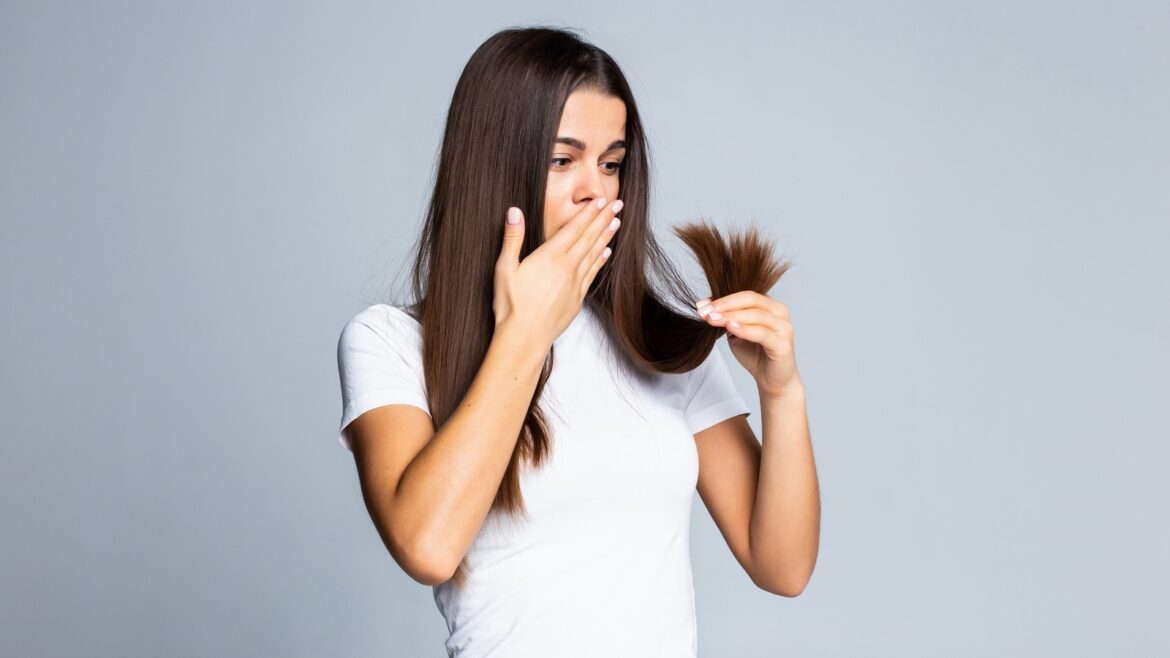
Exposure to pollution leads to scalp and hair damage, contributing to conditions like dandruff and hair fall. (Freepik)

In an interview with HT Lifestyle, Dr. Gajanan Jadhao, Founder and Chief Hair Transplant Surgeon, shares his expert insights on how pollution impacts hair health and what can be done to protect it. (Also read: Dermatologist reacts to Europe’s gel nail polish ban, explains how it can trigger ‘serious skin problems’ )

How pollution silently damages skin and hair

Urban air is filled with fine dust, toxic gases, and microscopic particles that not only damage the lungs and heart but also leave a lasting imprint on the skin and hair. The face and hair, being the most exposed parts of the body, take a visible toll by losing natural radiance, weakening roots, and accelerating ageing. Many people fail to notice this until the damage becomes advanced.

Chronic conditions like eczema and acne are on the rise due to constant exposure. Even people who follow regular skincare routines often find that pollution overrides their efforts, creating a persistent cycle of irritation and breakouts. The effects on hair are equally concerning. Research shows that pollutants can directly damage the proteins and lipids that make up hair strands, leading to breakage and thinning.

The scalp suffers first, as toxins clog follicles and disrupt healthy growth. When follicles are suffocated by layers of grime, sebum, and airborne chemicals, hair becomes brittle, lifeless, and prone to falling out. This link between urban exposure and weakened hair is increasingly acknowledged in both medical research and consumer awareness.

Pollution disrupts scalp health, leading to dandruff and hair fall.(Pexels)

The hidden dangers of indoor environments

Pollution also disrupts the balance of the scalp environment. Constant exposure to urban dust and toxins alters the scalp’s pH, causing dandruff, excess oil production, and sensitivity. This imbalance not only causes discomfort but also interferes with healthy hair growth. Many people experiencing unexplained hair fall or an itchy scalp are unaware that pollution is often the main underlying factor.

The sun further amplifies the damage. Ultraviolet (UV) radiation on its own accelerates skin aging, but when combined with pollutants such as ozone, it creates a more dangerous mix. UV rays intensify oxidative stress triggered by pollution, resulting in deeper wrinkles, pigmentation, and faster loss of elasticity.

For hair, the combined effect of UV exposure and airborne toxins strips away moisture and fades natural colour, leaving it dull and fragile. It is not only outdoor air that causes problems. Indoor environments can be equally harmful, though less often discussed. According to the World Health Organisation, as of 2020, nearly 3.2 million deaths annually were linked to household air pollution caused by cooking fuels and poor ventilation.

While the primary concerns are respiratory health, indoor toxins and poor air circulation also dry out the skin and scalp, making them more vulnerable to irritation and flaking. Offices with heavy air conditioning and little fresh air can produce similar effects, especially for those who spend most of their day indoors.

How to protect your skin and hair from pollution damage

In spite of these challenges, the effects can be minimised with regular protection. For the skin, daily cleansing removes dirt, dust, and toxins that settle on the surface, preventing clogged pores and keeping the skin fresh. Using antioxidant serums with vitamins C and E helps fight free radicals, which damage skin cells and accelerate ageing. Mineral sunscreens add another layer of protection against harmful UV rays and environmental toxins.

For the hair and scalp, clarifying shampoos help remove buildup from pollution and styling products. Antioxidant-rich conditioners repair and protect strands from oxidative stress, restoring shine and strength. Scalp serums strengthen follicles and protect them against damage, maintaining healthier, stronger hair.

In addition, lifestyle choices also play an important role. Diets rich in berries, leafy vegetables, nuts, and fish provide antioxidants and omega-3 fatty acids that help the body fight environmental stress. Proper hydration, both internal and external, keeps the skin resilient and the scalp healthy. Including foods such as spinach, flaxseeds, and green tea in daily meals can significantly improve how the body responds to pollution over time.

Technology and innovation are also joining the fight. Skincare brands are now releasing products marketed as “anti-pollution shields,” containing ingredients that form protective barriers against particulate matter. Haircare is evolving too, with scalp sprays and leave-in conditioners designed to block toxins. While these cannot completely prevent exposure, they reflect the growing recognition in the beauty industry that pollution is not just an environmental issue but also a personal health concern.

In the bigger picture of city living, pollution is an unavoidable reality. Yet, how we respond to it defines the outcome. With mindful care and conscious choices, we can safeguard not only our skin and hair but also our vitality in the demanding urban world.

Note to readers: This article is for informational purposes only and not a substitute for professional medical advice. Always seek the advice of your doctor with any questions about a medical condition.

September 10, 2025 0 comments
0 FacebookTwitterPinterestEmail
Dermatologist shares 10 tips to protect skin from sweat, pollution and pimples: ‘Sunscreen 365 days a year’ | Health
Lifestyle

Dermatologist shares 10 tips to protect skin from sweat, pollution and pimples: ‘Sunscreen 365 days a year’ | Health

by jummy84 September 1, 2025
written by jummy84

Weather changes and pollution can take a serious toll on your skin, triggering pimples, acne, and flare-ups. The good news? With the right protection strategies, you can shield your skin from pollutants, sweat, and breakouts effectively. In an interview with HT Lifestyle, Dr Ameesha Mahajan, cosmetic dermatologist and founder, Eden Skin Clinic shared a few tips to protect your skin daily. Also read | Repeating your morning skincare at night? Dermatologist explains why it is not a good idea

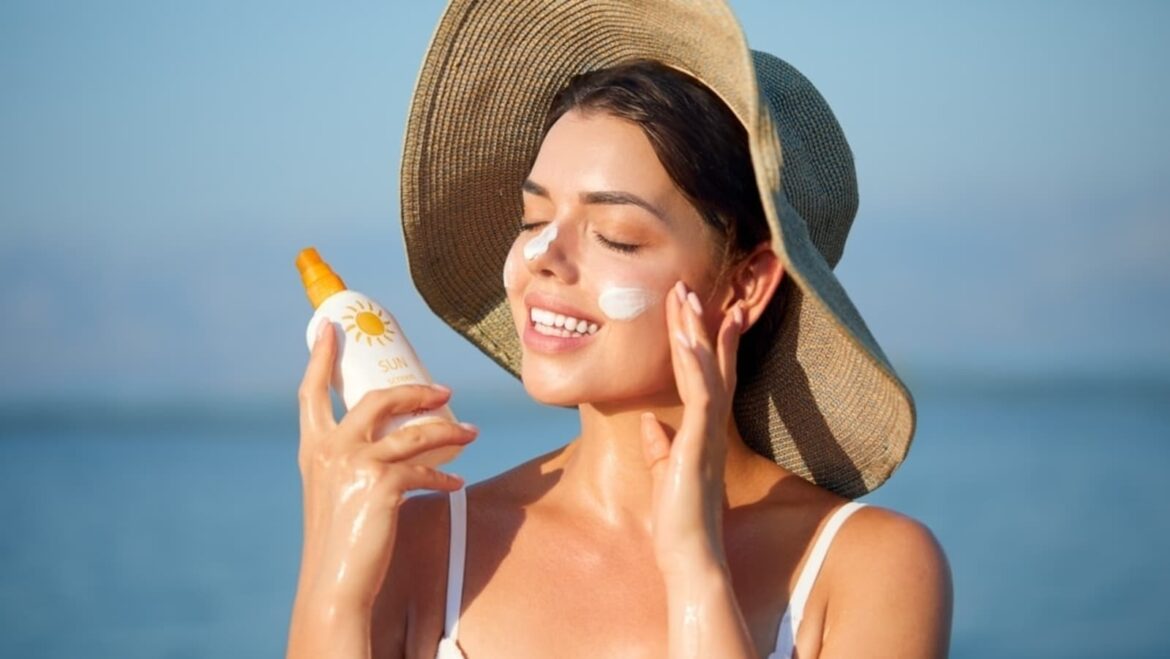
Cloudy or sunny days, sunscreen is a must.(Shutterstock)

1. Face cleansing twice a day

Cleanser used should be gentle and have a balanced pH. Use it twice a day and if you sweat profusely, such as after workouts. After sweating or exposure to environmental pollutants, cleansing must remove the bacteria.

2. Regular and gentle skin exfoliation

Skin exfoliation should be practiced with gentle exfoliants once or twice a week to unclog the skin pores. Harsh scrubs are a big no as they damage the skin’s protective barrier and cause more acne flare ups.

3. Anti-pollution care

Use an antioxidant loaded serum on your face as it helps to fight free radicals such as vitamin C and niacinamide. These ingredients are helpful to fight premature aging and dull skin.

4. Daily skin moisturisation, irrespective of skin type

Even oily skin needs hydration. Choose a lightweight, non-comedogenic moisturiser. Moisturisers protect the skin barrier, keeping dirt and pollutants from penetrating.

5. Sunscreen 365 days a year

Use a broad-spectrum SPF 30 or higher every day, even indoors. Pollution can worsen sun damage, so sunscreen acts as your first line of defense. Also read | Can’t quit screen time? Here’s the skincare routine you need to protect your skin against blue light damage

Tips to protect your skin.(Freepik)

6. Managing stress

Pat sweat off instead of rubbing to prevent irritation and clogged pores. Use breathable fabrics and avoid heavy creams that trap sweat.

7. Refrain from touching face with dirty hands

Hands carry bacteria and pollutants. Touching your face increases the risk of pimples. Keep phones, masks, and glasses clean to prevent skin transfer.

8. Lifestyle modifications

Stay hydrated to flush out toxins. Include a diet rich in antioxidants, fruits, and vegetables to support skin health. Get 7–8 hours of sleep to allow skin repair overnight.

9. Acne management

On the acne spots, consider applying salicylic acid, benzoyl peroxide or niacinamide based serums or other skincare products. Don’t pick or touch acne as it worsens inflammation and may even lead to scarring. Also read | What is ‘skin zoning’ and does it really work? Skincare experts reveal trend that treats every zone right

10. Regular skin check-ins

See the changes your skin shows with changing weather or after sweating. Shift your skincare products as per the season and consult a dermatologist in case of repeated acne flare-ups.

Note to readers: This article is for informational purposes only and not a substitute for professional medical advice. Always seek the advice of your doctor with any questions about a medical condition.

September 1, 2025 0 comments
0 FacebookTwitterPinterestEmail

Social Connect

Facebook Twitter Instagram Pinterest Youtube Snapchat

Recent Posts

  • 2009 feels like a whole other world away

  • Watch Ariana Grande and Jimmy Fallon Perform a History of Duets

  • Spotify’s Joe Hadley Talks ARIA Awards Partnership

  • Nick Offerman Announces 2026 “Big Woodchuck” Book Tour Dates

  • Snapped: Above & Beyond (A Photo Essay)

Newsletter

Subscribe my Newsletter for new blog posts, tips & new photos. Let's stay updated!

Categories

  • Bollywood (1,929)
  • Celebrity News (2,000)
  • Events (267)
  • Fashion (1,605)
  • Hollywood (1,020)
  • Lifestyle (890)
  • Music (2,002)
  • TV & Streaming (1,857)

Recent Posts

  • Shushu/Tong Shanghai Fall 2026 Collection

  • Here’s What Model Taylor Hill Is Buying Now

  • Julietta Is Hiring An Assistant Office Coordinator In Dumbo, Brooklyn, NY (In-Office)

Editors’ Picks

  • 2009 feels like a whole other world away

  • Watch Ariana Grande and Jimmy Fallon Perform a History of Duets

  • Spotify’s Joe Hadley Talks ARIA Awards Partnership

Latest Style

  • ‘Steal This Story, Please’ Review: Amy Goodman Documentary

  • Hulu Passes on La LA Anthony, Kim Kardashian Pilot ‘Group Chat’

  • Hannah Einbinder Slams AI Creators As “Losers”

  • Facebook
  • Twitter

@2020 - celebpeek. Designed and Developed by Pro


Back To Top
celebpeek
  • Home
  • Bollywood
  • Hollywood
  • Lifestyle
  • Fashion
celebpeek
  • Music
  • Celebrity News
  • Events
  • TV & Streaming