celebpeek
  • Home
  • Bollywood
  • Hollywood
  • Lifestyle
  • Fashion
celebpeek
  • Music
  • Celebrity News
  • Events
  • TV & Streaming
Home » orthopaedic
Tag:

orthopaedic

AIIMS Raipur orthopaedic surgeon warns drinking ‘too much chai or coffee’ in winter can harm your joints
Lifestyle

AIIMS Raipur orthopaedic surgeon warns drinking ‘too much chai or coffee’ in winter can harm your joints

by jummy84 November 25, 2025
written by jummy84

Published on: Nov 25, 2025 07:26 am IST

Winter hydration is vital for joint health, according to Dr Dushyant Chouhan. He advises balancing hot drinks with adequate water intake to prevent dehydration.

While sipping chai or coffee is a winter ritual for many, overindulging in these hot beverages can have hidden health consequences. Dr Dushyant Chouhan, orthopaedic and sports injury surgeon at AIIMS Raipur, shares in his November 17 Instagram post why it’s important to moderate your intake during the colder months and what effects too much caffeine can have on your body. (Also read: Vadodara surgeon says ‘10,000 steps can’t undo 10 hours of sitting’; shares best way to counter long sitting hours )

Moderate hot beverage intake for better joint health in winter. (Unsplash)

Can hot beverages really affect your joints

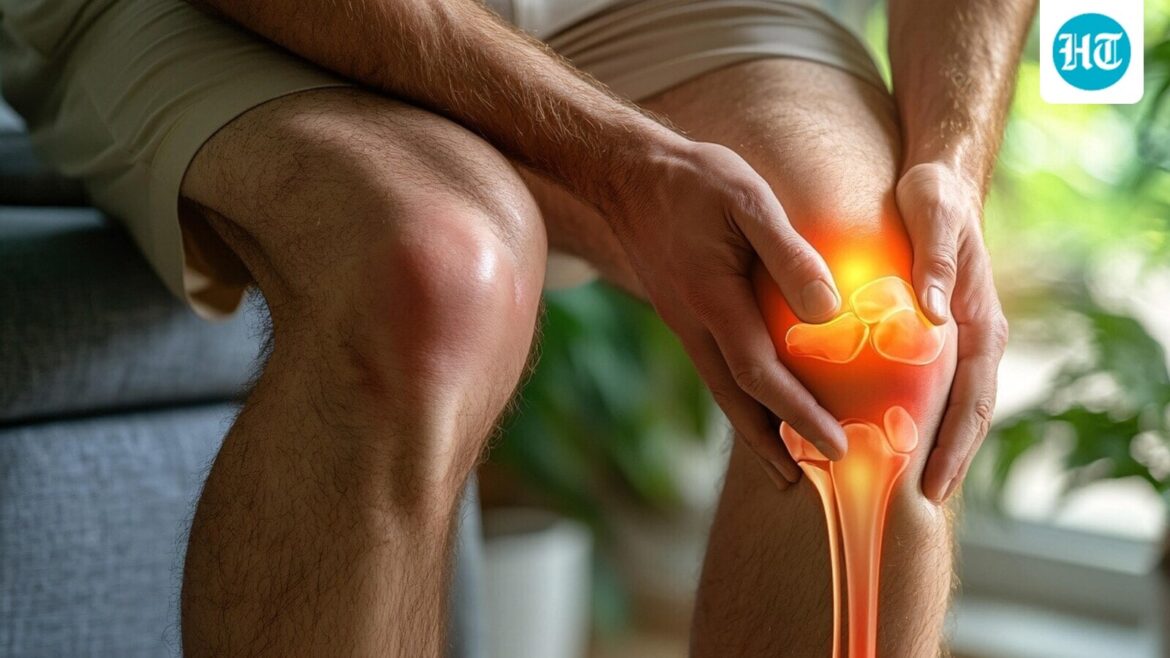
“Tea is hot, but it can ‘cool down’ your bones. It may sound a little odd, but let me explain the fact behind it,” says Dr Dushyant. “When winter comes, we tend to drink a lot more tea and coffee to keep warm. However, the cartilage inside your knees, the layer between two bones, can dry out. This increases stiffness in the joint and causes more pain when the bones rub together.”

How to enjoy tea or coffee in winter

Dr Chouhan explains that winter dehydration is often overlooked, but it plays a big role in joint health. “So yes, you can enjoy your tea, but it’s essential to drink enough water alongside it. Staying hydrated helps prevent dehydration, which is common in winter, and is vital for maintaining healthy joints,” he adds.

He further notes, “People often don’t realise that what we drink can affect our bones and joints. Simple measures like keeping water intake adequate while enjoying hot beverages can make a significant difference.”

“I hope this information helps readers take care of their joints during the colder months. Many people have shared this advice after seeing it, and it’s important to spread awareness,” Dr Chouhan concludes.

Note to readers: This report is based on user-generated content from social media. HT.com has not independently verified the claims and does not endorse them.

This article is for informational purposes only and not a substitute for professional medical advice.

Catch every big hit, every wicket with Crick-it, a one stop destination for Live Scores, Match Stats, Quizzes, Polls & much more. Explore now!.

Catch your daily dose of Fashion, Taylor Swift, Health, Festivals, Travel, Relationship, Recipe and all the other Latest Lifestyle News on Hindustan Times Website and APPs.

Catch every big hit, every wicket with Crick-it, a one stop destination for Live Scores, Match Stats, Quizzes, Polls & much more. Explore now!.

Catch your daily dose of Fashion, Taylor Swift, Health, Festivals, Travel, Relationship, Recipe and all the other Latest Lifestyle News on Hindustan Times Website and APPs.

News / Lifestyle / Health / AIIMS Raipur orthopaedic surgeon warns drinking ‘too much chai or coffee’ in winter can harm your joints

November 25, 2025 0 comments
0 FacebookTwitterPinterestEmail
Orthopaedic surgeon shares age-wise tips for strong bones: From teens, 20s to 30s
Lifestyle

Orthopaedic surgeon shares age-wise tips for strong bones: From teens, 20s to 30s

by jummy84 November 13, 2025
written by jummy84

Bone health evolves as you age. Long before bone issues begin to show up, you need to start adopting habits that help in maintaining strength, flexibility and density. Building bone strength is essential as it reduces the risks of fractures, joint issues and osteoporosis. Lifestyle habits, from exercise to diet, support bone health, keeping you resilient even in later years.

Bone health’s foundation is in your lifestyle. (Picture credit: Freepik)

ALSO READ: Are you overdoing workouts at gym? Know the risks of overtraining syndrome, bone and muscle damage

To understand what should be the bone health priorities for each age group, HT Lifestyle reached out to Dr Amyn Rajani, Mumbai-based orthopaedic surgeon specialising in arthroscopy, joint replacement and sports injuries. As per him, the foundation of bone strength is laid much earlier in life, even before you enter your 30s.

“Bones are living tissue. They continuously remodel themselves, building and breaking down throughout life,” Dr Rajani added, highlighting that habits and lifestyle choices contribute to lifelong bone health.

Tweaking the lifestyle choices is essential because Dr Ranjan asserted that the 30s mark the stage of peak bone mass, the point at which bones are at their strongest and densest. The habits formed in your teens and 20s influence the shaping of bone health later in life.

Priorities for bone care change with age. (Picture credit: Made with Gemini)

Teens (13–19 years)

As per the doctor, almost 90% of total bone mass develops during adolescence, from puberty to the late teens. Habits during this time lay the foundation for lifelong bone health.

Dr Rajani recommended focusing on nutrition.“Calcium and Vitamin D are vital for bone growth. Include milk, yoghurt, cheese, green veggies and almonds in the diet. Get 15-20 minutes of sunlight daily for Vitamin D,” he recommended.

During this time, one should also focus on physical activities and avoid certain postures. Elaborating on this, the orthopaedic surgeon added, “To develop dense and strong bones, teenagers must lead an active life, especially with weight-bearing exercises such as running, skipping, basketball, or dancing. They must also be careful not to spend long hours bent over mobile phones or routinely carry heavy loads such as bags, as these can affect the alignment of their spine. ”

Teenagers may also have the habit of indulging in junk food. But the orthopaedic surgeon cautioned, “Teens should avoid sugary soft drinks and processed foods as these can interfere with the body’s ability to absorb calcium, which would eventually lead to less strong bones.”

Twenties

Next up, for the twenties, Dr Ranjani revealed that it’s a decade of changes, juggling jobs, studies and social activities. But one shouldn’t neglect bone health.

Dr Ranjani emphasised staying active.“At this age, one must aim for at least 30–45 minutes of physical activity daily, such as walking, cycling, lifting weights, or playing a physical sport.”

The phase of the twenties also sees a lot of work pressure, stuck in front of a laptop for long hours. But it is vital to take necessary breaks and maintain posture for bone health.“Today, when most people spend too much time looking at digital screens, it is easy to forget that our body posture deserves our attention and care too. For better skeleton health, one should keep the screen at eye level, feet flat on the floor and take a short break every hour,” he added.

Lastly, nutrition should be maintained with a steady supply of calcium, protein and micronutrients, as per the surgeon. The 20s also come with a lot of stress, so it is vital to counter this with mindful practices. The doctor noted, “Practices like Yoga and breathing exercises can make a lot of difference in keeping one’s mind calm and relaxed.

Thirties

When you turn 30s, your bones reach an important milestone. The surgeon revealed, “By the time we hit our 30s, the body shifts gears from building bones to maintaining them.” So, 30 onwards, it is no longer about growth because you have reached the peak. Now it is all about prevention and preservation. In this phase, you introduce nutrients. Dr Ranjani revealed that bones 30 onwards require more than just calcium. “Bones also require protein, Vitamin K, and magnesium. A balanced diet with dairy, lean meat, lentils, fruits, and vegetables keeps this mix right.”

To maintain bone health, you have to include strength-training exercises. Dr Ranjani suggested, “Indulge in strength training, Pilates, or resistance band workouts. These also lower the risk of falls later in life.”

Work pressure may also increase, with a high likelihood of your lifestyle turning sedentary. To avoid this, the surgeon recommended that one should stand, stretch, or walk every 45 minutes to keep muscles active, especially if they have desk-bound jobs.

In the 30s, the orthopaedic surgeon highlighted that one can get a simple blood test for Vitamin D and calcium levels, and a bone density scan if needed, as a way to identify the early signs of weakening bones.

Bone health’s requirments evolve with age, as it grows and reaches the peak. While in the teens, the focus was on building a strong foundation, the 20s are about strengthening and protecting the bones. Lastly, as one reaches their 30s, the focus shifts to preservation and prevention, monitoring bone health to maintain density and preventing bone loss.

Note to readers: This article is for informational purposes only and not a substitute for professional medical advice. Always seek the advice of your doctor with any questions about a medical condition.

November 13, 2025 0 comments
0 FacebookTwitterPinterestEmail
Mumbai orthopaedic surgeon reveals how many steps it takes to burn off a samosa, gulab jamun or a plate of chole bhature
Lifestyle

Mumbai orthopaedic surgeon reveals how many steps it takes to burn off a samosa, gulab jamun or a plate of chole bhature

by jummy84 November 1, 2025
written by jummy84

Published on: Nov 01, 2025 05:35 pm IST

Mumbai orthopaedic surgeon Dr Manan Vora reveals how long you need to walk to burn off popular comfort foods like samosas, gulab jamun, pizza and chole bhature.

We all love indulging in our favourite comfort foods like samosas, gulab jamuns, or a plate of chole bhature, but have you ever wondered how much walking it actually takes to burn them off? Dr Manan Vora, orthopaedic surgeon and sports medicine specialist based in Mumbai, breaks down in his October 31 Instagram post, the calorie count of some of India’s most-loved foods and how long you’d need to walk to balance them out. (Also read: Apollo hospital orthopaedic surgeon with 28+ years of experience explains ‘why your knees hurt while climbing stairs’ )

Dr. Vora reveals calories in popular snacks and walking time to burn them off.

How much walking does it take to burn a samosa or slice of pizza

Dr Vora began his post by saying, “How much walking does it actually take to burn your favourite foods?” He then listed some of India’s most-loved comfort foods and the time it would take to burn them through walking.

“1 samosa or vada pav has about 250 calories, that’s around 50 minutes of walking,” he explained. “One slice of pizza equals roughly 285 calories, which takes close to an hour of walking.”

How to burn off chole bhature or gulab jamun

If you’re snacking on a packet of chips, Dr Vora noted that it adds up to “about 300 calories, you’d need a little over an hour of walking.” For those with a sweet tooth, “1 gulab jamun has 180 calories, which means around 35 minutes of walking,” he added. And the heaviest indulgence on the list? “One plate of chole bhature packs around 600 calories, you’d need to walk for almost 2 hours.”

However, Dr Vora made sure to emphasise that fitness isn’t about deprivation. “You don’t need to avoid these foods. Enjoy them occasionally and balance it with movement,” he wrote. “That’s how you stay fit without giving up what you love.”

Note to readers: This report is based on user-generated content from social media. HT.com has not independently verified the claims and does not endorse them.

This article is for informational purposes only and not a substitute for professional medical advice.

Catch every big hit, every wicket with Crick-it, a one stop destination for Live Scores, Match Stats, Quizzes, Polls & much more. Explore now!.

Catch your daily dose of Fashion, Taylor Swift, Health, Festivals, Travel, Relationship, Recipe and all the other Latest Lifestyle News on Hindustan Times Website and APPs.

Catch every big hit, every wicket with Crick-it, a one stop destination for Live Scores, Match Stats, Quizzes, Polls & much more. Explore now!.

Catch your daily dose of Fashion, Taylor Swift, Health, Festivals, Travel, Relationship, Recipe and all the other Latest Lifestyle News on Hindustan Times Website and APPs.

News / Lifestyle / Health / Mumbai orthopaedic surgeon reveals how many steps it takes to burn off a samosa, gulab jamun or a plate of chole bhature

November 1, 2025 0 comments
0 FacebookTwitterPinterestEmail
Fortis orthopaedic surgeon shares 4 ways older adults can protect their shoulders: ‘Do low-impact activities such as…’
Lifestyle

Fortis orthopaedic surgeon shares 4 ways older adults can protect their shoulders: ‘Do low-impact activities such as…’

by jummy84 October 31, 2025
written by jummy84

With age, the bones grow old, and movements become challenging. The joints, in particular, are responsible for all the movements, both big and small. But as one grows old, the once easy motion may feel painful. Out of all the joints, there’s one joint that doesn’t get as much attention as the knee or hip joint.

The shoulder is one of the most affected joints among older adults. (Picture credit: Freepik)

ALSO READ: Orthopaedic surgeon shares 5 tips to protect spine if you have a desk job: Don’t sit cross-legged, get up every 45 min

Dr Manit Arora, orthopaedics and sports medicine surgeon at Fortis Hospital in Mohali, shared with HT Lifestyle that the shoulder joint is one of the most vulnerable joints.“The shoulder is one of the most mobile joints in the body, which makes it prone to wear and tear”, Dr Arora explained.

Movements become severely limited, reducing one’s ability to move independently. Even small tasks start to feel overwhelming. He added, “Ignoring the shoulder joint and its associated issues can make even simple tasks, like dressing, cooking, or reaching for objects, difficult.”

That’s why your shoulder joints require as much attention as your knee or hip joints. Including simple exercises that strengthen and stretch the shoulders can help improve flexibility, prevent stiffness and keep you independent as you grow older.

Dr Arora listed these 4 things older adults need to do, from which exercises they can incorporate in their routine to what they should avoid:

Improve your shoulder joints by adhering to these. (Picture credit: Made with Chat GPT )

1. Gentle stretches

  • During your daily walks, include gentle stretches and strengthening exercises, such as arm raises or resistance band pulls.
  • They can help keep your shoulders flexible and strong.

2. Watch posture

  • Maintain good posture while sitting and standing.
  • They prevent extra strain on the shoulder joints.

3. Stay active, safely

  • Do low-impact activities such as walking, swimming, or yoga.
  • They keep overall mobility intact while being gentle on the shoulders.

4. Avoid repetitive overhead movements

  • Lifting heavy objects or repeated overhead motions can increase the risk of injury.
  • Reorganise your home so daily necessities are within reach, or ask for help with heavier tasks.

Your shoulders take care of most of the upper body movements, from lifting to pulling. As the doctor revealed earlier that it is the most mobile; stiffness can show up in the shoulders. However, with a little daily care, from limiting certain types of movements or adding gentle exercises, you can safeguard your shoulder joints and prevent long-term pain and restricted mobility.

Note to readers: This article is for informational purposes only and not a substitute for professional medical advice. Always seek the advice of your doctor with any questions about a medical condition.

October 31, 2025 0 comments
0 FacebookTwitterPinterestEmail
Mumbai orthopaedic surgeon explains the difference between heart attacks and cardiac arrest: ‘A heart attack is like a…’
Lifestyle

Mumbai orthopaedic surgeon explains the difference between heart attacks and cardiac arrest: ‘A heart attack is like a…’

by jummy84 October 27, 2025
written by jummy84

When it comes to heart-related emergencies, quick thinking and the right response can mean the difference between life and death. Yet, many people often confuse a heart attack with cardiac arrest – two conditions that sound similar but are vastly different in how they affect the body and how they should be treated. Understanding this distinction is crucial, as knowing what to do in those critical moments can help save lives.

Knowing the difference between heart attacks and cardiac arrest, and being aware of what to do can save lives.(Pinterest)

Also Read | Mumbai orthopaedician reveals a simple trick to calm your mind and body when you’re stressed. Can you guess what it is?

Mumbai-based orthopaedic surgeon, health educator, and NutriByte Wellness co-founder Dr Manan Vora is explaining the key difference between a heart attack and cardiac arrest – and sharing what steps to take during such medical emergencies.

In an Instagram video posted on October 27, the surgeon uses the metaphor of a house to explain the two conditions – “To understand the difference, imagine the heart is a house and the blood flowing is the plumbing system, the connecting pipes and the taps,” – and stresses that knowing the difference might actually save a life.

Heart attack

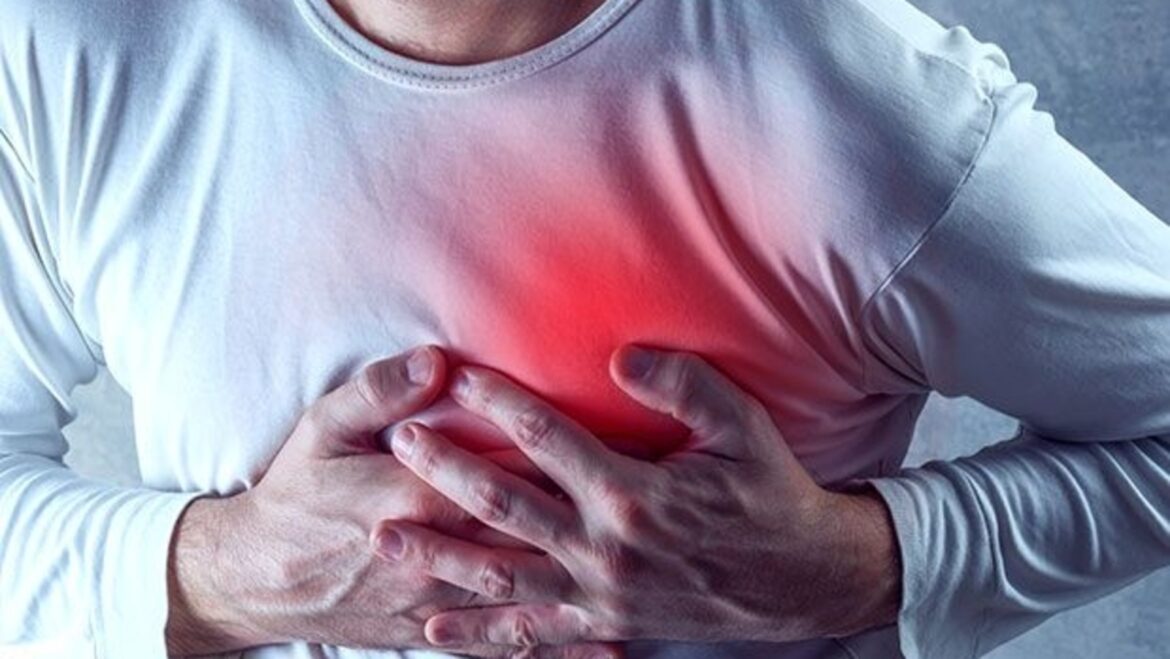
Dr Vora explains that a heart attack occurs when blood vessels become blocked, causing symptoms such as chest pain and dizziness – though the person typically remains conscious and responsive.

He elaborates, “A heart attack is like a blocked pipe. The blood cannot reach certain parts of the heart because of a blockage in the blood vessels. During a heart attack, the patient feels chest pain, dizziness and nausea. Crucially, the patient is still alive and breathing and may even be calling for help.”

Cardiac arrest

The surgeon likens cardiac arrest to a sudden electrical failure in a house – a metaphor he uses to describe how the heart abruptly stops functioning. He explains, “In a cardiac arrest, the heart suddenly stops beating. Consequently, blood stops circulating completely. This means you have no time and the patient needs CPR or a defibrillator right away.”

When blood flow stops, the person collapses almost instantly. Dr Vora highlights the gravity of the condition, stressing that cardiac arrest is a life-threatening emergency where every second matters.

What to do during emergencies?

Dr Vora emphasises, “If someone is going through a heart attack, you need to call an ambulance immediately. However, if they suddenly collapse and stop breathing, that’s a cardiac arrest, and you need to act fast with CPR.” He advises starting CPR right away and using a defibrillator if available. Prompt action is the key to handling emergencies like these because a few seconds can make the difference between life and death.

Note to readers: This article is for informational purposes only and not a substitute for professional medical advice. It is based on user-generated content from social media. HT.com has not independently verified the claims and does not endorse them.

October 27, 2025 0 comments
0 FacebookTwitterPinterestEmail
AIIMS Raipur orthopaedic surgeon shares real reason for middle-aged man's frozen shoulder: 'Sugar levels were sky high'
Lifestyle

AIIMS Raipur orthopaedic surgeon shares real reason for middle-aged man’s frozen shoulder: ‘Sugar levels were sky high’

by jummy84 October 16, 2025
written by jummy84

What does diabetes have to do with frozen shoulder – a debilitating but normally temporary condition that is characterised by an extended period of pain and stiffness in your shoulder? In an October 14 Instagram video, Dr Dushyant Chouhan, an orthopaedic surgeon from All India Institute Of Medical Sciences, (AIIMS) Raipur, discussed the connection between frozen shoulder and diabetes. Also read | Shoulder pain: Causes and treatment

Frozen shoulder can be an early indicator of diabetes, and a simple blood sugar test can reveal underlying issues.(Shutterstock)

He shared a case study to illustrate the importance of body awareness and symptom observation in detecting major illnesses – and explained how a seemingly ordinary case of shoulder stiffness turned out to be an early warning sign for diabetes.

In the video he posted, Dr Chouhan shared that the patient initially sought treatment for severe frozen shoulder symptoms, including pain that disrupted sleep and difficulty with basic tasks like combing hair. However, the doctor realised the patient also exhibited other signs, such as frequent urination, excessive thirst, blurred vision, and tingling in the extremities, which are classic symptoms of diabetes.

What were the man’s symptoms?

Upon testing, Dr Chouhan revealed the patient was found to have severely elevated blood sugar levels, confirming a diagnosis of diabetes mellitus, suggesting the shoulder problem was a secondary issue. In the video he posted, Dr Chouhan said in Hindi, “I am sharing with you a very interesting and useful piece of knowledge about how you can become aware of your body and detect serious illnesses in your body. A patient had come in with shoulder pain. The pain was so severe that it would wake them up at night. They could not lift their hands up. They had difficulty combing and buttoning. All these problems were present. Seeing this, we understood that they have the problem of frozen shoulder. Frozen shoulder means that the capsule of your shoulder gets jammed.”

He further said, “But along with this, the patient had other issues too. Such as frequent urination, frequent desire to drink water, slightly blurry vision, and tingling (numbness) in the hands and feet. So, all these symptoms are of diabetes. Meaning, people who have the disease of sugar (diabetes). When I got them tested for HbA1c and a sugar test, the levels were quite high. They had come to me for a shoulder ailment, but their main problem was diabetes mellitus, meaning the disease of sugar. The point is that retrospectively — by catching hold of a small symptom — we discovered a major illness. So, if you also have a shoulder problem, you can consider whether you might have diabetes.”

A seemingly ordinary case of shoulder stiffness can turn out to be an early warning sign for diabetes. (Freepik)

‘Body’s early whisper that diabetes had arrived’

Dr Chouhan added that 30 to 40 percent of frozen shoulder cases are associated with diabetes mellitus and advised people, especially those with pre-existing diabetes, to be proactive with shoulder exercises and diabetes management to prevent frozen shoulder.

“Furthermore, in 30 to 40 percent of cases of frozen shoulder, diabetes mellitus is certainly found. That means those who have diabetes mellitus may have the problem of a frozen shoulder, or those who have frozen shoulder may have the problem of diabetes. So, if you are already a sugar (diabetic) patient and taking medicine, you need to be extra careful that you do not develop frozen shoulder in your shoulder later. For this, you should do shoulder movements beforehand, take medicines, and control your diabetes (sugar) so that you can avoid a major problem in the coming time, which is frozen shoulder,” Dr Chouhan said.

He wrote in his caption: “A middle-aged patient walked into my clinic, complaining of shoulder stiffness and pain for months. He thought it was just ‘age catching up’. But something didn’t add up — the pain was out of proportion, and the shoulder had almost frozen. When I dug a little deeper and advised a simple blood sugar test, the results surprised him… and even him more than the pain — his sugar levels were sky high. That’s when it clicked: the frozen shoulder wasn’t just a shoulder problem — it was his body’s early whisper that diabetes had quietly arrived. Sometimes, our joints tell the story before the sugar does. If your shoulder suddenly becomes stiff and painful without injury — don’t ignore it. It might be your body’s way of warning you.”

Note to readers: This report is based on user-generated content from social media. HT.com has not independently verified the claims and does not endorse them.

This article is for informational purposes only and not a substitute for professional medical advice.

October 16, 2025 0 comments
0 FacebookTwitterPinterestEmail
Orthopaedic surgeon recommends 6 foods to reduce arthritis pain: From omega-3-rich chia seeds to low-fat tofu
Lifestyle

Orthopaedic surgeon recommends 6 foods to reduce arthritis pain: From omega-3-rich chia seeds to low-fat tofu

by jummy84 October 10, 2025
written by jummy84

Published on: Oct 10, 2025 09:19 pm IST

Arthritis is a musculoskeletal condition, impacting the joints. It causes pain, making movement difficult. Here are some dietary choices that may help. 

Arthritis affects joints significantly, causing pain during movement. This significantly affects daily functioning. It is one of the most common musculoskeletal issues people face. As per a World Health Organization report from 2023, in 2019 alone, 528 million people around the world were afflicted with osteoarthritis, and by 2025, the number’s only gone up.

Joint pain is common in arthritis.(Picture credit: Shutterstock)

ALSO READ: Living well with Arthritis: Strategies for a pain-free life

Diet is one of the ways to manage chronic pain. Dr Dheeraj Batheja, consultant – orthospine, orthopaedics and spine surgery at Artemis Hospitals, told HT Lifestyle that the diet helps to lower the inflammation.

He said, “Medications help with symptoms, but diet is very important for lowering inflammation and keeping joints healthy. Some foods have nutrients that can help lower inflammation, protect cartilage and make joints work better overall.”

In fact, one of the major benefits of improving your dietary choices is improved mobility. “ People with arthritis may have less pain, be able to move more easily and be healthier overall if they choose their food carefully,” Dr Batheja added.

The doctor identified 5 key food groups that support joint health. He categorised them based on the nutritional profile. Some are essential macronutrients like protein, while others are micronutrients like healthy fats. A well-rounded diet lowers the inflammation level and mitigates pain.

Here are the 5 groups of food Dr Batheja suggested:

1. Foods rich in Omega-3

Try adding chia seeds to your diet.(Picture credit: Freepik)
  • Chia seeds, flaxseeds, and fatty fish like salmon, mackerel and sardines are all good sources of omega-3 fatty acids.
  • These good fats help reduce swelling and inflammation in the joints, which makes it easier to move and less stiff.

2. Low-fat protein sources

Tofu is an alternative to traditional paneer. (Shutterstock)
  • Lean proteins like chicken, turkey, tofu and beans are important for repairing muscles and tissues without adding extra saturated fat, which can cause inflammation.

3. Fruits and vegetables high in antioxidants

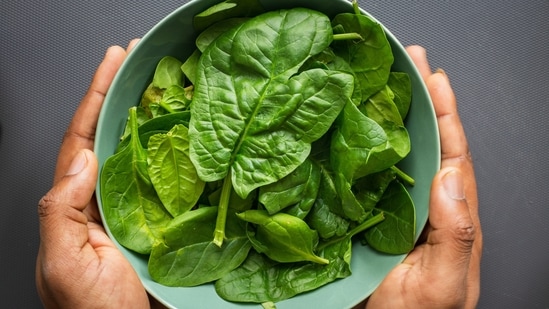
Spinach is high in antioxidants. (Freepik)
  • Vitamin C and beta-carotene are two examples of antioxidants that are found in berries, oranges, spinach and broccoli.
  • These help get rid of harmful free radicals, which cut down on joint damage and swelling.

4. Whole grains

Brown rice is a healthier alternative.(Freepik)
  • Oats, brown rice, and quinoa are all high in fibre, which can lower C-reactive protein, it is a sign of inflammation in the body.
  • They help keep your heart and joints healthy.

5. Seeds and nuts

Add almonds to your diet as they are rich in healthy fats. (Pixabay)
  • Almonds, walnuts, and sunflower seeds are all good sources of healthy fats, vitamin E, and magnesium.
  • This can help with inflammation and bone health.

Note to readers: This article is for informational purposes only and not a substitute for professional medical advice. Always seek the advice of your doctor with any questions about a medical condition.

Catch every big hit, every wicket with Crick-it, a one stop destination for Live Scores, Match Stats, Quizzes, Polls & much more. Explore now!.

Catch your daily dose of Fashion, Taylor Swift, Health, Festivals, Travel, Relationship, Recipe and all the other Latest Lifestyle News on Hindustan Times Website and APPs.
Catch every big hit, every wicket with Crick-it, a one stop destination for Live Scores, Match Stats, Quizzes, Polls & much more. Explore now!.

Catch your daily dose of Fashion, Taylor Swift, Health, Festivals, Travel, Relationship, Recipe and all the other Latest Lifestyle News on Hindustan Times Website and APPs.
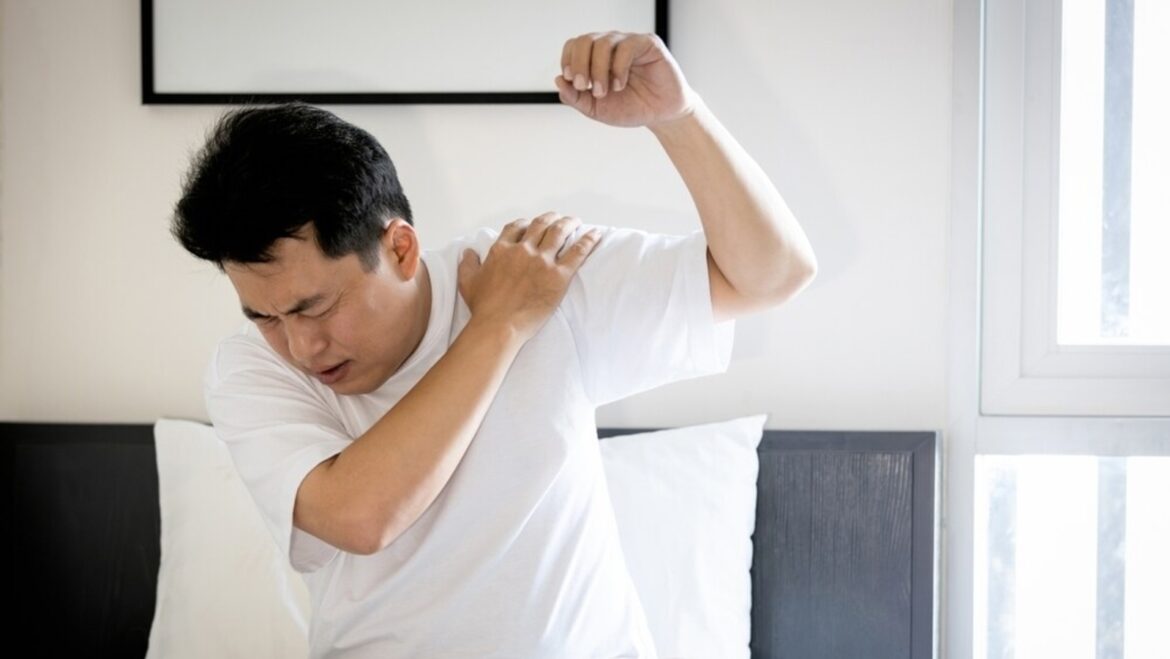
News / Lifestyle / Health / Orthopaedic surgeon recommends 6 foods to reduce arthritis pain: From omega-3-rich chia seeds to low-fat tofu

October 10, 2025 0 comments
0 FacebookTwitterPinterestEmail
AIIMS orthopaedic surgeon reveals ‘best sleeping position’ to prevent neck, back and joint pain
Lifestyle

AIIMS orthopaedic surgeon reveals ‘best sleeping position’ to prevent neck, back and joint pain

by jummy84 October 5, 2025
written by jummy84

Published on: Oct 05, 2025 07:13 am IST

Many wake up with back or neck pain due to poor sleep posture. Orthopaedic surgeon Dr Dushyant shares simple positions to ease pain and protect your spine.

We spend nearly a third of our lives sleeping, yet many of us wake up with stiff necks, sore backs, or lingering aches. Poor sleeping posture can silently damage your spine over time. Dr Dushyant Chouchan, Orthopaedic and Sports Injury Surgeon, AIIMS Raipur, shares in his Instagram post the best positions for neck and back pain relief. (Also read: Orthopaedic surgeon shares surprising benefits of ‘backward walking’ for knee health on Food Pharmer podcast )

Dr Dushyant advises incorporating specific sleeping positions to alleviate joint strain and improve comfort.(Freepik)

How can your sleeping position affect joint pain

The way you sleep can actually make your joint pain worse,” says Dr Dushyant. He explains, “If you usually sleep on your side, placing a pillow between your knees can significantly reduce discomfort in your hips and lower body. For those who sleep on their back, it’s best to place a pillow under their knees. This simple adjustment helps relieve pressure on your spine and joints, easing pain in your lower back and hips.”

Dr Dushyant adds, “By incorporating these two easy sleeping positions into your nightly routine, you can prevent unnecessary strain and experience noticeable relief in your joints. Try it out, and you may find waking up less stiff and more comfortable a daily reality.”

Tips for better spinal health

In an earlier interview with HT Lifestyle, Dr Arun Bhanot, Director of Spine Services at CK Birla Hospital, Gurugram, highlighted the importance of sleep posture for spinal health. He shared, “Your sleeping position helps minimise back strain, avoid stiffness, and maintain proper spine alignment.”

Dr Bhanot recommends a firm-to-medium mattress, a pillow that keeps your neck aligned, and advises against sleeping on your stomach or using a very high pillow. Following these tips can help reduce discomfort and support long-term spine health. Click here to read the full article.

Note to readers: This report is based on user-generated content from social media. HT.com has not independently verified the claims and does not endorse them.

This article is for informational purposes only and not a substitute for professional medical advice.

Catch every big hit, every wicket with Crick-it, a one stop destination for Live Scores, Match Stats, Quizzes, Polls & much more. Explore now!.

Catch your daily dose of Fashion, Taylor Swift, Health, Festivals, Travel, Relationship, Recipe and all the other Latest Lifestyle News on Hindustan Times Website and APPs.

Catch every big hit, every wicket with Crick-it, a one stop destination for Live Scores, Match Stats, Quizzes, Polls & much more. Explore now!.

Catch your daily dose of Fashion, Taylor Swift, Health, Festivals, Travel, Relationship, Recipe and all the other Latest Lifestyle News on Hindustan Times Website and APPs.
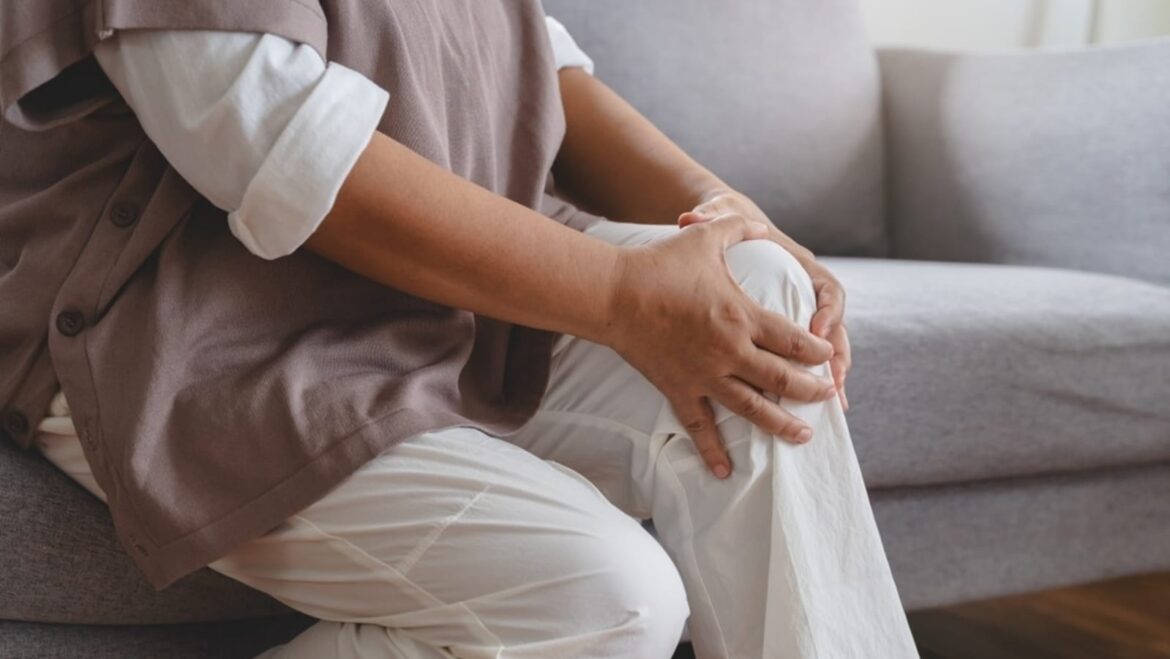
News / Lifestyle / Health / AIIMS orthopaedic surgeon reveals ‘best sleeping position’ to prevent neck, back and joint pain

October 5, 2025 0 comments
0 FacebookTwitterPinterestEmail
Orthopaedic surgeon explains hidden link between sugar and knee pain for osteoarthritis patients
Lifestyle

Orthopaedic surgeon explains hidden link between sugar and knee pain for osteoarthritis patients

by jummy84 October 4, 2025
written by jummy84

While sugar is widely known to have negative effects on overall health – from weight gain to increased risk of chronic diseases – its impact can be particularly severe for individuals with osteoarthritis. Excess sugar not only contributes to systemic inflammation but also directly worsens joint pain and stiffness, making everyday movement more difficult for patients.

Sugar consumption causes inflammation in the knees, making osteoarthritis pain even worse.(Pixabay)

Also Read | Pain and numbness in leg? Cardiologist alerts it’s not arthritis but an overlooked symptom of heart disease

Dr Mayank Daral, an orthopaedic surgeon and sports injury specialist, working as an assistant professor at Vardhman Mahavir Medical College and Safdarjung Hospital, is starting a conversation about the dangers of sugar consumption for patients of osteoarthritis and why cutting it down is essential.

In a conversation with Revant Himatsingka, popularly known as Food Pharmer on social media, in Episode 17 of Rethink India Podcast, the surgeon explains why sugar is extremely harmful, its role in aggravating pain and discomfort for individuals with osteoarthritis, and suggests healthier alternatives that can aid in joint formation.

Sugar aggravates joint pain

For individuals living with osteoarthritis, diet plays a vital role in managing symptoms and slowing the progression of the disease. Dr Mayank compares sugar consumption to pouring ghee in a fire – “sugar acts like ghee in a fire” – for osteoarthritis patients and significantly worsens the condition. He explains, “Sugar increases inflammation of the knees. And if someone eats sugar, it causes an insulin spike. So, no doubt, sugar should be avoided.” Knees are one of the most affected areas for osteoarthritis patients, and more inflammation due to sugar consumption, along with insulin spikes, further increases discomfort.

Also Read | Surgeon explains why women shouldn’t ignore leg pain at night: ‘Reflects deeper problems in the circulation…’

Alternatives for sugar

Instead of consuming sugary foods, Dr Mayank recommends switching to dry fruits. He emphasises the importance of adding dry fruits to your diet due to the presence of certain micronutrients that aid in joint formation.

He explains, “One should focus on dry fruits…because they contain many such micronutrients that help in joint formation – such as chondroitin, glucosamine, rosehip.”

These compounds have anti-inflammatory properties and provide relief from degenerative damage, and hence are used in the treatment of osteoarthritis, according to a study published on Mediators of Inflammation. The orthopaedist adds, “All these (nutrients) will really help a lot in joint health.”

Note to readers: This article is for informational purposes only and not a substitute for professional medical advice. It is based on user-generated content from social media. HT.com has not independently verified the claims and does not endorse them.

October 4, 2025 0 comments
0 FacebookTwitterPinterestEmail
Orthopaedic surgeon says these 5 things in your house are ‘dirtier than toilet seat’. How many did you touch today?
Lifestyle

Orthopaedic surgeon says these 5 things in your house are ‘dirtier than toilet seat’. How many did you touch today?

by jummy84 October 2, 2025
written by jummy84

We all worry about keeping our homes clean, but some of the dirtiest spots are the ones we least expect. From kitchen counters to remote controls, everyday items can harbour a surprising amount of germs. Dr Manan Vora, orthopaedic surgeon and sports and exercise medicine specialist, shares in his September 29 Instagram post, 5 things in your home that are actually dirtier than your toilet seat. (Also read: Orthopaedic surgeon warns ‘garba nights see most ligament injuries’; shares simple tips to avoid them this Navratri )

Is your home clean? 5 items harbouring more germs than your toilet seat revealed. (Unsplash)

“Most people think the toilet seat is the dirtiest thing in the house. But here are 5 everyday items that actually carry more germs,” says Dr Manan.

5 household items hiding most germs

Let’s take a look at his recommendations:

1. TV remote: Passed around with oily, dirty hands and almost never cleaned, the remote control can carry more germs than most expect.

2. Cutting board: Even after washing, leftover food residue can cling to the board and become a hotspot for bacterial growth. Proper drying is essential.

3. Smartphone: Our constant companion, smartphones travel everywhere, including washrooms, public transport, and restaurants, but they are rarely disinfected.

4. Pillow cover: Collecting sweat, drool, and dust night after night, pillow covers need frequent washing to prevent bacteria buildup.

5. Kitchen sponge: Always wet and trapping leftover food particles, kitchen sponges are perfect environments for germs to multiply.

Why regular cleaning matters

“These items look harmless, but can spread illness if ignored. Clean them regularly, your toilet seat might actually be safer,” Dr Manan concludes.

He reminds readers that maintaining a clean home is not just about visible dirt, germs can thrive on everyday objects we interact with constantly. By paying attention to these items, you can reduce the risk of illness and create a healthier living environment.

Note to readers: This report is based on user-generated content from social media. HT.com has not independently verified the claims and does not endorse them.

This article is for informational purposes only and not a substitute for professional medical advice.

October 2, 2025 0 comments
0 FacebookTwitterPinterestEmail
Newer Posts
Older Posts

Social Connect

Facebook Twitter Instagram Pinterest Youtube Snapchat

Recent Posts

  • 2009 feels like a whole other world away

  • Watch Ariana Grande and Jimmy Fallon Perform a History of Duets

  • Spotify’s Joe Hadley Talks ARIA Awards Partnership

  • Nick Offerman Announces 2026 “Big Woodchuck” Book Tour Dates

  • Snapped: Above & Beyond (A Photo Essay)

Newsletter

Subscribe my Newsletter for new blog posts, tips & new photos. Let's stay updated!

Categories

  • Bollywood (1,929)
  • Celebrity News (2,000)
  • Events (267)
  • Fashion (1,605)
  • Hollywood (1,020)
  • Lifestyle (890)
  • Music (2,002)
  • TV & Streaming (1,857)

Recent Posts

  • Shushu/Tong Shanghai Fall 2026 Collection

  • Here’s What Model Taylor Hill Is Buying Now

  • Julietta Is Hiring An Assistant Office Coordinator In Dumbo, Brooklyn, NY (In-Office)

Editors’ Picks

  • 2009 feels like a whole other world away

  • Watch Ariana Grande and Jimmy Fallon Perform a History of Duets

  • Spotify’s Joe Hadley Talks ARIA Awards Partnership

Latest Style

  • ‘Steal This Story, Please’ Review: Amy Goodman Documentary

  • Hulu Passes on La LA Anthony, Kim Kardashian Pilot ‘Group Chat’

  • Hannah Einbinder Slams AI Creators As “Losers”

  • Facebook
  • Twitter

@2020 - celebpeek. Designed and Developed by Pro


Back To Top
celebpeek
  • Home
  • Bollywood
  • Hollywood
  • Lifestyle
  • Fashion
celebpeek
  • Music
  • Celebrity News
  • Events
  • TV & Streaming