celebpeek
  • Home
  • Bollywood
  • Hollywood
  • Lifestyle
  • Fashion
celebpeek
  • Music
  • Celebrity News
  • Events
  • TV & Streaming
Home » Oncologist
Tag:

Oncologist

Hyderabad oncologist explains whether your daily deodorant habit could really cause cancer or if it’s just a myth
Lifestyle

Hyderabad oncologist explains whether your daily deodorant habit could really cause cancer or if it’s just a myth

by jummy84 November 5, 2025
written by jummy84

Published on: Nov 05, 2025 09:32 pm IST

Worried your deodorant could cause cancer? Hyderabad oncologist Dr Saadvik Raghuram breaks down the science and explains why the risk is largely theoretical.

We all love starting our day fresh, right? A quick shower, a swipe of deodorant, and we’re good to go. But what if that everyday habit you barely think about could actually be putting you at risk? Dr Saadvik Raghuram, an oncologist based in Hyderabad, shares in his October 28 Instagram post that your deodorant habit could be a hidden cancer risk.

Dr. Raghuram reassures that everyday deodorant use is safe and not linked to cancer risk. (Freepik)

Could your deodorant cause hormonal changes

“Regular deodorants often contain chemicals like aluminium and parabens. When applied, these ingredients temporarily block sweat ducts. Some theories suggest that this blockage could trigger hormonal changes. Since deodorants are applied near the underarm, close to breast tissue, people have worried that this might increase the risk of breast cancer,” he says.

However, Dr Raghuram emphasises that this is largely a theoretical concern. “While the idea is often discussed, research and multiple studies have not found any solid evidence linking normal deodorant use to breast cancer or any other type of cancer. The risk remains theoretical, it hasn’t been proven in real life,” he clarifies.

Is there any link between deodorant and cancer

He adds that it’s natural to be cautious about the products we use, but everyday deodorant use is considered safe. “It’s always good to stay informed and read labels,” Dr Raghuram continues, “but there’s no reason to panic or stress over your deodorant. The science simply does not support a real cancer risk from standard use.”

In short, your daily swipe of deodorant is safe, and worrying unnecessarily can just add stress. Staying clean, confident, and informed is the real key, your deodorant isn’t the hidden culprit some make it out to be.

Note to readers: This article is for informational purposes only and not a substitute for professional medical advice. Always seek the advice of your doctor with any questions about a medical condition.

This report is based on user-generated content from social media. HT.com has not independently verified the claims and does not endorse them.

Catch every big hit, every wicket with Crick-it, a one stop destination for Live Scores, Match Stats, Quizzes, Polls & much more. Explore now!.

Catch your daily dose of Fashion, Taylor Swift, Health, Festivals, Travel, Relationship, Recipe and all the other Latest Lifestyle News on Hindustan Times Website and APPs.

Catch every big hit, every wicket with Crick-it, a one stop destination for Live Scores, Match Stats, Quizzes, Polls & much more. Explore now!.

Catch your daily dose of Fashion, Taylor Swift, Health, Festivals, Travel, Relationship, Recipe and all the other Latest Lifestyle News on Hindustan Times Website and APPs.
News / Lifestyle / Health / Hyderabad oncologist explains whether your daily deodorant habit could really cause cancer or if it’s just a myth

November 5, 2025 0 comments
0 FacebookTwitterPinterestEmail
Faridabad oncologist warns women not to ignore this first sign of breast cancer: ‘Any female above 40 should take…’
Lifestyle

Faridabad oncologist warns women not to ignore this first sign of breast cancer: ‘Any female above 40 should take…’

by jummy84 October 1, 2025
written by jummy84

Breast health is something every woman should pay attention to, yet many ignore the subtle signs that could indicate a serious issue. Early detection can make all the difference in treatment and outcomes. In an interview with HT Lifestyle, Dr Sunny Jain, Sr. Consultant and HOD, Medical Oncology, Accord Super Speciality Hospital, Faridabad, shares the very first sign of breast cancer that women should never overlook, offering crucial advice to help catch it in time. (Also read: Oncologist debunks 4 common myths about early breast cancer every woman should know: ‘Recurrence is not inevitable…’ )

Breast cancer awareness is essential, especially for women over 40, says oncologist.(Freepik)

Key symptoms to watch for

“Breast cancer is rising worldwide, and increasingly affecting women at younger ages, often younger than 50. That’s why regular screening and awareness of breast changes are crucial. Not all lumps in the breast are cancerous; many are benign. However, any new lump in the breast or armpit should never be ignored,” says Dr Sunny.

He advises, “The first and foremost symptom of breast cancer is having a lump in the breast. Don’t ignore it. If you notice a new lump, swelling, thickening, or a change in the size or shape of the breast, consult your doctor immediately.”

Other warning signs include:

  • Dimpling of the skin that looks like an orange peel
  • Pain in the breast or nipples
  • Nipple retraction (turning inward)
  • Nipple discharge other than breast milk
  • Swollen lymph nodes under the arm or near the collarbone
  • Skin changes of the breast
  • Nipple changes, such as puckering, retraction, or inversion

“Women should be well aware of these changes and examine their breasts monthly, usually after the menstrual cycle,” Dr Sunny adds.

Dr Sunny emphasises the importance of regular self-exams for lumps or changes in breast tissue.(Freepik)

Understanding breast tissue and self-examination

The breast is made of glandular and fatty tissue, which affects how it feels at different ages. Younger women have denser, firmer breasts due to the predominance of glandular tissue, while older women’s breasts feel softer as fatty tissue increases, and may droop over time.

“Knowing these differences helps you determine what a lump may feel like,” Dr Sunny explains. “When examining your breasts, use the flat of your fingers, don’t pinch or prod. Start with a light touch, then press a little deeper. Never press so hard that it causes pain; that means you’re examining too forcefully.”

When to seek diagnosis

If a lump persists and stands out from normal breast tissue, it is essential to pursue a proper diagnosis, regardless of mammogram or ultrasound findings. Outpatient core biopsy is the most definitive method to determine whether the lump requires follow-up.

“Many lumps turn out to be fibroadenomas, which are benign and don’t increase future breast cancer risk. Some lesions may need resection and could have implications for future breast cancer,” Dr Sunny notes.

Family history is another important factor. Cases of breast cancer in younger women, multiple cases of bilateral breast cancer, ovarian cancer, or breast cancer in males may warrant gene testing.

What are the treatment options

Treatment depends on the cancer stage, type, receptor status, and age at diagnosis. Options include:

  • Surgery
  • Chemotherapy
  • Radiotherapy
  • Immunotherapy and targeted therapy
  • Hormonal therapy

Dr Sunny emphasises, “Any female at or above age of 40 years presenting with a breast lump should be considered to be suffering from breast cancer until proven otherwise.”

Regular self-examination, awareness of subtle changes, timely consultation, and family history assessment are crucial steps every woman should take. “Early detection saves lives. Never ignore even minor changes in your breast,” advises Dr Sunny.

Note to readers: This article is for informational purposes only and not a substitute for professional medical advice. Always seek the advice of your doctor with any questions about a medical condition.

October 1, 2025 0 comments
0 FacebookTwitterPinterestEmail
Boys vs girls: Who is more at risk of childhood cancer? Oncologist reveals prevention tips
Lifestyle

Boys vs girls: Who is more at risk of childhood cancer? Oncologist reveals prevention tips

by jummy84 September 22, 2025
written by jummy84

Updated on: Sept 22, 2025 06:41 pm IST

Dr. Sudha Sinha shared that boys are more at risk of childhood cancer than girls. Know the tips to prevent childhood cancer.

Cancer is mostly associated with adults, but there is a type of cancer that can affect children as well. Childhood cancer, although rare, is on a steep rise all over the world. In an interview with HT Lifestyle, Dr. Sudha Sinha, Clinical director and HOD, Medical Oncology, Yashoda Hospitals, Hyderabad said, “While these illnesses are rare, they can be devastating for families. Boys are slightly more at risk than girls for developing certain types of childhood cancers.” Also read | Oncologist debunks 5 myths about childhood cancer: Is it always fatal?

Boys are slightly more at risk of childhood cancer than girls.(Image by Pixabay)

Boys vs. girls: Who is more vulnerable?

“Cancers such as leukaemia, lymphoma, brain tumours, and neuroblastoma are diagnosed more frequently in boys. One exception is Wilms’ tumour (a type of kidney cancer), which is seen a little more often in girls,” the oncologist said.

Why this difference? The reasons are still being studied, but several factors may play a role:

  • Biological: Variations in immune system function and hormone regulation between boys and girls.
  • Environmental exposures: Boys may be more vulnerable to pollutants, toxins, or prenatal exposures.
  • Genetic influences: Subtle genetic variants might predispose boys to certain cancers, though evidence remains incomplete.

Can childhood cancer be prevented?

The doctor said that unlike adults, children usually don’t have lifestyle-related risk factors such as smoking or alcohol use. “However, environmental exposures, maternal health during pregnancy, and certain infections or conditions can influence risk. While not every cancer is preventable, families can take meaningful steps to lower risks,” Dr. Sudha Sinha said. Also read | Oncologist lists 5 childhood cancer red flags: Fever, fatigue, lumps and more

Know tips to prevent childhood cancer.

Tips to prevent childhood cancer:

During pregnancy:

  • Avoid more than two cups of coffee daily (linked to higher risk of childhood leukaemia).
  • Eat a rainbow of fruits and vegetables daily; at least two servings of fresh fruits a day provide antioxidant protection for the baby.
  • Avoid frequent intake of grilled, barbecued, smoked, or deep-fried foods.
  • Take prenatal vitamins with folic acid as they can reduce the risk of leukaemia and brain tumours in children.
  • Avoid excess fatty meats and seafood, and refined vegetable oils (sunflower, soy).
  • Maintain a healthy weight and active lifestyle. Fitter mothers are more likely to have healthier babies.
  • Avoid alcohol and smoking (including passive exposure from family members).
  • Breastfeed if possible. Breastfeeding lowers the risk of childhood leukaemia by about 10%, and by nearly 20% when continued for six months or longer.
  • Choose clean, balanced nutrition with whole grains, lentils, nuts, and fresh home-cooked meals are safer than highly processed or oily foods.

For young children:

  • Encourage outdoor play and physical activity; limit screen time.
  • Guard against pesticide and chemical exposure at home and workplace.
  • Protect from air pollution (dense traffic zones linked with higher leukaemia risk).
  • Avoid unnecessary X-rays and CT scans.
  • Use sunscreen for outdoor activities.
  • Ensure early screening for siblings of children with hereditary cancers like retinoblastoma.
  • Monitor children with infections or genetic conditions (HIV, Down syndrome, Epstein-Barr virus) more closely.

For teenagers:

Note to readers: This article is for informational purposes only and not a substitute for professional medical advice. Always seek the advice of your doctor with any questions about a medical condition.

Catch every big hit, every wicket with Crick-it, a one stop destination for Live Scores, Match Stats, Quizzes, Polls & much more. Explore now!.

Catch your daily dose of Fashion, Taylor Swift, Health, Festivals, Travel, Relationship, Recipe and all the other Latest Lifestyle News on Hindustan Times Website and APPs.

Catch every big hit, every wicket with Crick-it, a one stop destination for Live Scores, Match Stats, Quizzes, Polls & much more. Explore now!.

Catch your daily dose of Fashion, Taylor Swift, Health, Festivals, Travel, Relationship, Recipe and all the other Latest Lifestyle News on Hindustan Times Website and APPs.

News / Lifestyle / Health / Boys vs girls: Who is more at risk of childhood cancer? Oncologist reveals prevention tips

September 22, 2025 0 comments
0 FacebookTwitterPinterestEmail
Oncologist says 'persistent back pain' can be early warning sign of lung cancer; shares when you should worry
Lifestyle

Oncologist says ‘persistent back pain’ can be early warning sign of lung cancer; shares when you should worry

by jummy84 September 17, 2025
written by jummy84

Back pain is one of the most common health complaints and is usually linked to strain, poor posture, or lifestyle habits. However, experts caution that in some cases, it could point to something more serious. HT Lifestyle has reached out to experts to know the possible hidden causes of persistent back pain, including when it may signal underlying conditions such as lung cancer. (Also read: Oncologist says ‘men over 50’ should never ignore these early warning signs of prostate cancer )

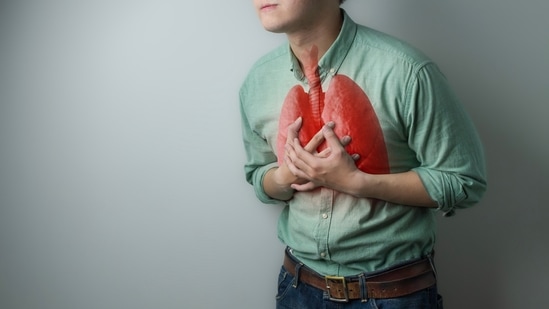
Persistent back pain? It could be a sign of lung cancer, experts warn. (Shutterstock)

Back pain and lung cancer: When to worry

“Back pain is a day-to-day complaint often invariably linked to heavy lifting, posture issues or ageing, mattress issues, which are usually relieved with OTC pain killers, muscle relaxants, but when it persists, then you need to think. It can be an early indicator of cancer. Lung cancer is a disease characterised by uncontrolled, unregulated, unchecked growth of cells in the lungs, which might spread to other parts of the body, including the axial system (spine, pelvis and other bones), causing back pain,” says Dr. Sunny Jain, Sr. Consultant and HOD, Oncology, Accord Super Speciality Hospital, Faridabad NCR.

As per a 2024 study by H. Haryati et al., in advanced non-small cell lung cancer (NSCLC), 30–40% of patients develop bone metastases, with vertebral involvement being among the most common, often leading to spinal cord compression. Research suggests that lung cancer accounts for about 15% of all cases of cancer-related cord compression. Pain is also a frequent complaint among lung cancer patients.

For instance, a Canadian study involving over 13,000 stage IV NSCLC patients reported pain in approximately 68.5% of cases. Similarly, another study that enrolled 533 lung cancer patients found that nearly 240 patients (45%) experienced pain during the course of their disease.

Persistent back pain, especially at night, can signal serious conditions like lung cancer.((Shutterstock))

Warning signs that should not be ignored

According to Dr. Sunny, here’s when you should worry:

• If you have constant, deep, and worsening pain at night or during rest that is not relieved by routine treatments like physiotherapy or painkillers.

• If the pain is accompanied by other warning signs of lung cancer, such as chronic cough, unexplained weight loss, loss of appetite, breathlessness, or coughing up blood.

Early diagnosis of lung cancer can greatly improve outcomes. As the saying goes, “Eyes cannot see what the mind doesn’t know.” So, keep your eyes and mind open, stay informed, stay fit, and don’t hesitate to see your doctor if needed.

How lung cancer can cause back pain

“When lung cancers grow, they sometimes invade nearby structures or spread to the bones, especially the spine,” explains Dr Kamran Ali, Principal Consultant, Lung Transplant and Thoracic Surgery, Max Super Speciality Hospital, Saket, New Delhi.

“Tumours can irritate nerves, compress vertebrae, or put pressure on ribs. Pancoast tumours near the lung apex may affect nerves running through the shoulder and upper back, causing pain. Once cancer reaches the bones, the pain may worsen at night, resist painkillers, and progressively increase,” Dr Kamran.

While most back pain is harmless, you should seek medical advice if you notice:

  • Pain that is persistent, lasting more than a few weeks, especially new or worsening upper back pain.
  • Pain that doesn’t improve with rest, physiotherapy, or usual care.
  • Pain with other lung cancer warning signs — chronic cough, coughing up blood, shortness of breath, unexplained weight loss, or fatigue.
  • Shoulder pain, hoarseness, arm swelling or numbness, which may indicate tumour involvement of nerves.

Unfortunately, lung cancer is often diagnosed late in India, when treatment options are limited and outcomes poorer. Early diagnosis can allow for surgery, targeted therapies, and better survival rates.

As Dr Sunny points out, “Eyes cannot see what the mind doesn’t know. Awareness about less obvious symptoms like back pain can make the difference.”

If you or someone you know has persistent back pain combined with respiratory symptoms or unexplained weight loss, don’t ignore it. Consult a doctor for:

  • A detailed history and physical examination
  • Imaging tests (X-ray, CT scan, MRI)
  • Bone scan if required

“Early evaluation helps rule out serious causes and ensures timely treatment if needed. Back pain is rarely a sign of lung cancer in its early stages. But when it follows certain patterns, persistent, unexplained, and accompanied by other warning signs, it must not be dismissed as “just ageing” or “work strain.” Staying attentive, asking the right questions, and seeking timely care can make all the difference,” concludes Dr Sunny.

Note to readers: This article is for informational purposes only and not a substitute for professional medical advice. Always seek the advice of your doctor with any questions about a medical condition.

September 17, 2025 0 comments
0 FacebookTwitterPinterestEmail
Oncologist debunks 5 myths about childhood cancer: Is it always fatal?
Lifestyle

Oncologist debunks 5 myths about childhood cancer: Is it always fatal?

by jummy84 September 15, 2025
written by jummy84

Childhood cancer is shrouded in myths and misconceptions, which delay diagnosis and treatment. In an interview with HT Lifestyle, Dr Ramana Gogi, principal consultant – medical oncology, CK Birla Hospital, Gurugram, said, “The myths surrounding childhood cancer can create unnecessary fear or, worse, delay timely diagnosis and treatment. Doctors emphasise that informed awareness is the first step toward better outcomes.” Also read | Doctor breaks down the real cause of cancer in children: 4 things every parent should know

Myths surrounding childhood cancer can create unnecessary fear .

Dr Ramana Gogi further busted several myths:

Myth 1: Childhood cancer is extremely rare, so it can’t happen to my child

Fact: While childhood cancers are less common than adult cancers, they are not as rare as many believe. In fact, cancer is one of the leading causes of disease-related deaths in children. Knowing this doesn’t mean parents should panic, but it underscores the importance of paying attention to persistent, unusual symptoms.

Myth 2: Childhood cancers are caused by lifestyle choices

Fact: Unlike many adult cancers, childhood cancers are rarely linked to diet, environment, or habits. Most cases occur due to genetic changes or factors beyond anyone’s control. This means parents should not blame themselves; nothing in routine parenting causes cancer.

Childhood cancer is not always fatal.(Photo by Tara Winstead on Pexels)

Myth 3: Symptoms are obvious and easy to spot

Fact: Many childhood cancers mimic common illnesses. Fatigue, fevers, bone pain, or bruising are often brushed off as infections, growth pains, or clumsiness. The reality is that symptoms can be subtle, which is why persistent, or unusual patterns need medical evaluation. Also read | Childhood Cancer: Early signs of cancer in kids that every parent should know

Myth 4: Cancer in children is always fatal

Fact: This is one of the most damaging misconceptions. With advances in treatment, survival rates for many childhood cancers have improved dramatically. For some types, survival exceeds 80 percent. Early detection and specialised pediatric oncology care make a significant difference.

Myth 5: Treatment for childhood cancer is the same as for adults

Fact: Children are not small adults. Their bodies, metabolism, and long-term needs are different. Pediatric oncology teams tailor therapies to minimise side effects while maximising cure rates. In many cases, children tolerate treatments better than adults.

“Childhood cancer is frightening, but knowledge empowers families. Dispelling myths helps parents focus on what truly matters: recognising persistent warning signs, seeking timely care, and trusting that today’s treatments offer children not just survival, but the chance for a healthy future,” the oncologist added. Also read | It’s not just a fever: Doctor says these 13 could be first signs of cancer in your child

Note to readers: This article is for informational purposes only and not a substitute for professional medical advice. Always seek the advice of your doctor with any questions about a medical condition.

September 15, 2025 0 comments
0 FacebookTwitterPinterestEmail
Oncologist shares top 10 Indian foods that quietly supercharge your gut: Idli, dosa, dahi, curd rice, poha, ragi, moong
Lifestyle

Oncologist shares top 10 Indian foods that quietly supercharge your gut: Idli, dosa, dahi, curd rice, poha, ragi, moong

by jummy84 September 12, 2025
written by jummy84

Gut health refers to the balance and well-being of the microbiome in your gastrointestinal tract. A healthy gut microbiome can aid in digestion, help the immune system function optimally, and even influence your mood and mental health. When this balance and diversity of gut microorganisms is disrupted, it can lead to health implications. So, how exactly can you improve gut health naturally? Also read | Nutritionist shares surprising probiotic, prebiotic foods in Indian kitchens apart from dahi

The combination of probiotics from the curd and the easy-to-digest nature of rice makes curd rice a gut-friendly dish for many people. (Unsplash)

In an interview with HT Lifestyle, Dr Arpit Bansal, a laparoscopic surgeon and oncologist at Jeevan Jyoti Hospital, Prayagraj, shared that following a gut-friendly diet can be the first step towards improving gut health and overall well-being.

“A healthy gut isn’t built by fancy powders — it’s trained daily by simple, living foods that feed good microbes, strengthen the intestinal barrier, and reduce inflammation through short-chain fatty acids (SCFAs),” he said.

Dr Bansal shared a list of 10 everyday Indian staples ‘that are silent healers that can keep your microbiome thriving’. Here they are:

Buttermilk contains probiotics, which can support gut health by promoting beneficial bacteria.

1. Dahi and chaas (Curd and buttermilk)

Dr Bansal said, “Rich in live cultures like lactobacillus, these traditional ferments improve lactose digestion, reinforce the gut lining, and balance immunity. Always try to go for plain, unsweetened versions.”

2. Idli and dosa batter (Fermented rice and lentils)

“Fermentation pre-digests carbs and proteins, improves mineral absorption, and seeds the gut with beneficial lactic acid bacteria. The microbial metabolites remain active even after you steam them,” Dr Bansal said.

3. Dal and legumes (Moong, masoor, rajma, chana)

He added, “Dals are prebiotics full of resistant starch and soluble fibre. They feed butyrate-producing bacteria, the major molecule that soothes inflammation and fortifies gut walls.”

4. Cooked-then-cooled rice (Curd rice, poha)

Dr Bansal said, “When rice cools, its starch crystallises into ‘resistant starch’, which microbes ferment to SCFAs. This reduces gut pH, regulates sugar peaks, and minimises inflammation.”

5. Raw banana (Kaccha kela)

Dr Bansal further said, “Green bananas contain a wealth of resistant starch and pectin — wonderful for feeding up helpful species, particularly after antibiotic treatment or gut upset.”

Ragi, also known as finger millet, is high in dietary fibre, which promotes digestive health, prevents constipation, and supports a healthy gut microbiome.(Shutterstock)

6. Millets (Ragi, jowar, bajra)

He added, “Apart from fibre, their polyphenols behave as ‘microbe trainers’, enhancing metabolic indicators and microbial diversity. They take time to digest, maintaining gut and glucose stability.”

7. Haldi (Turmeric)

According to the doctor, “Curcumin directly affects the microbiome, decreasing inflammation and oxidative stress while increasing microbial diversity. When taken with black pepper, it becomes more absorbable.”

8. Onion and garlic

Dr Bansal said, “Rich in inulin and fructooligosaccharides, they function as natural prebiotics that specifically support lactobacillus and bifidobacteria, two important factors in gut balance and general metabolic health.”

9. Fenugreek (methi)

“The soluble fibre galactomannan in methi seeds slows down the absorption of sugars and provides nourishment for gut microorganisms. Methi seeds can be soaked or the greens can be sautéed to increase their prebiotic activity and ease the digestive tract,” Dr Bansal said.

10. Kanji (Black carrot ferment)

He added, “A seasonal probiotic elixir, kanji teems with natural lactic acid bacteria that helps in digestion and builds resilience. It’s India’s age-old answer to kombucha.”

How to use foods from this list today

Dr Bansal suggested: “Anchor one fermented food (dahi, idli, or kanji) and one resistant starch source (dal, cooled rice, or raw banana) in every meal. Season liberally with haldi, garlic, and methi — and let your microbes do the rest.”

Note to readers: This report is based on user-generated content from social media. HT.com has not independently verified the claims and does not endorse them.

This article is for informational purposes only and not a substitute for professional medical advice.

September 12, 2025 0 comments
0 FacebookTwitterPinterestEmail
Can pap smear detect ovarian cancer? Oncologist debunks 5 common myths
Lifestyle

Can pap smear detect ovarian cancer? Oncologist debunks 5 common myths

by jummy84 September 11, 2025
written by jummy84

The myths and misconceptions attached to ovarian cancer often lead to misdiagnosis and confusion. In an interview with HT Lifestyle, Dr Pushpinder Gulia, director, surgical oncology and robotic surgery, CK Birla Hospital, Gurugram debunked some of the common myths about ovarian cancer and shared the facts. Also read | Ovarian cancer is hard to detect. Focusing on these 4 symptoms can help with diagnosis

Spot ovarian cancer early.(Image by Freepik)

Myth 1: Ovarian cancer only affects older women

Fact: While the risk does increase with age, ovarian cancer is not exclusive to women in their 50s or 60s. Younger women, even those in their 20s and 30s, can develop certain subtypes, such as germ cell or stromal tumors. Doctors emphasize that persistent symptoms in younger women should not be dismissed outright.

Myth 2: There are no symptoms until the cancer is advanced

Fact: This is one of the most dangerous misconceptions. Early signs, such as persistent bloating, abdominal pain, frequent urination, or feeling full quickly, are often mistaken for gastrointestinal or urinary issues. Awareness of these subtle but persistent changes can lead to earlier diagnosis. Also read | Abdominal bloating and ovarian cancer: What’s the link? Doctor explains symptoms to watch out for

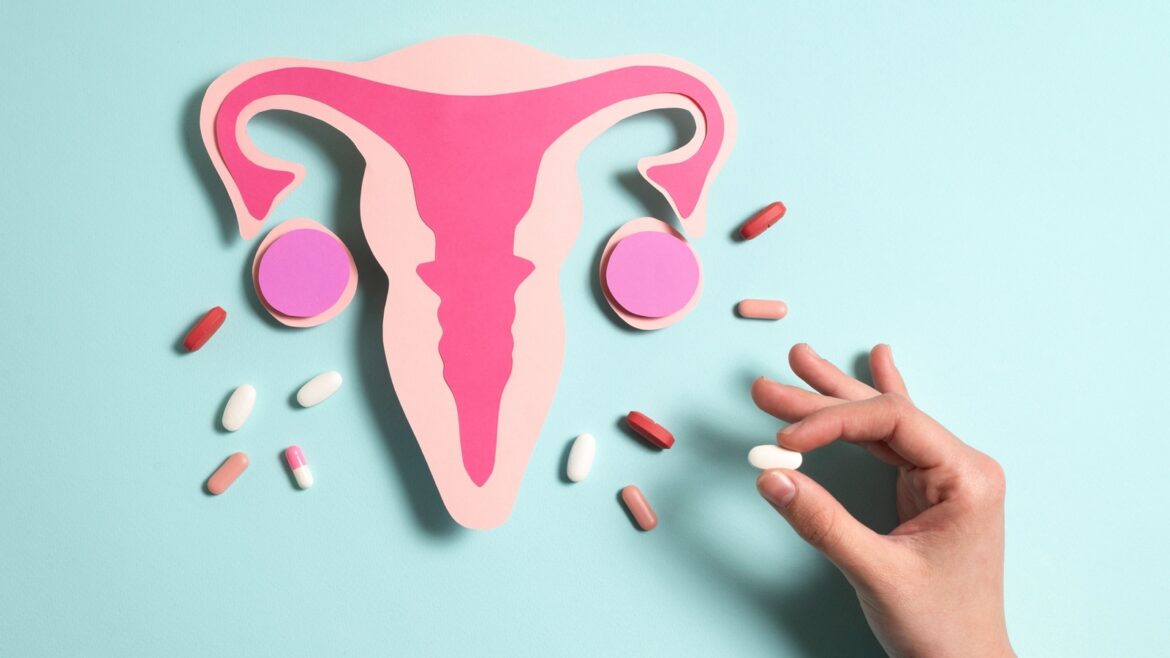
Ovarian cancer develops in the ovaries, fallopian tubes, or lining of the abdomen.(Shutterstock)

Myth 3: Pap smears detect ovarian cancer

Fact: Many women believe their annual Pap smear screens for all gynecological cancers, but this is not true. Pap tests can only detect cervical cancer. Currently, there is no reliable routine screening test for ovarian cancer, which makes recognizing symptoms and discussing risk factors with a doctor even more critical.

Myth 4: Family history is the only risk factor

Fact: While having a BRCA1 or BRCA2 gene mutation or a family history of ovarian or breast cancer does increase risk, most women diagnosed do not have such a history. Other factors, such as endometriosis, obesity, or long-term hormone replacement therapy, can also contribute.

Myth 5: Surgery or treatment always leads to infertility

Fact: With advancements in medical care, fertility-sparing surgeries are possible in early-stage disease for women who wish to have children. Doctors individualise treatment to balance cancer control with quality of life. Also read | Ovarian cancer: Symptoms and risk factors every woman should be aware of

Note to readers: This article is for informational purposes only and not a substitute for professional medical advice. Always seek the advice of your doctor with any questions about a medical condition.

September 11, 2025 0 comments
0 FacebookTwitterPinterestEmail
Oncologist says ‘don’t ignore mouth sores or patches’ as oral cancer rises in young adults; shares key prevention tips | Health
Lifestyle

Oncologist says ‘don’t ignore mouth sores or patches’ as oral cancer rises in young adults; shares key prevention tips | Health

by jummy84 August 26, 2025
written by jummy84

Oral cancer is emerging as a significant public health concern in India, with thousands of new cases diagnosed each year. Factors like tobacco chewing, smoking, alcohol consumption, and certain lifestyle habits contribute heavily to its rising prevalence.

Early detection of oral cancer can boost survival rates to 90% amid rising incidence. (Jerussa Paredes)

“Head and Neck Squamous Cell Carcinoma (HNSCC) is a major health concern in India, accounting for 26% of cancers in men and 8% in women. Among these, oral cancer is the most common type, with a particularly high incidence in the northeastern regions, where cases reach 31.8 per 100,000 males. Population-based cancer registry data further suggest that the nationwide incidence can be as high as 20 per 100,000 population,” says Dr. Minish Jain, Director of Medical Oncology at Ruby Hall Clinic. (Also read: 25 year old with stage 4 cancer shares why he never eats 3 hours before sleep: ‘Your body needs rest, not digestion’ )

Dr. Minish further shared with HT Lifestyle key symptoms to watch for, emerging trends in oral cancer, and the importance of early detection to improve survival rates and outcomes.

Changing trends in oral cancer

Traditionally, oral cancer in India has been strongly linked to tobacco and alcohol use. However, a recent study in Kochi revealed that 57% of oral cancer cases were diagnosed in individuals with no history of tobacco or alcohol use, indicating an alarming shift in disease patterns.

The age-adjusted incidence of oral cancer is highly variable across India, depending on study design, population groups, and geographic locations. Incidence rates increase with age but tend to decline after the age of 70, a trend consistent across multiple studies.

Advanced-stage diagnosis remains the norm

A major challenge in oral cancer management is late detection. Data reveal that 48% of oral cancer cases present in stages III and IV, by which time treatment outcomes are poor. When diagnosed early, oral cancer has a 5-year survival rate of above 80%. However, this drops drastically to 20–30% in advanced stages, despite multimodal therapy.

Oral cancer in India is rising, with tobacco as the main cause.(Karolina Grabowska)

Symptoms to watch for

Common signs of oral cancer include:

  • Red or white patches inside the mouth
  • Ulcers or sores persisting beyond 14 days
  • A lump in the neck
  • Pain or bleeding in the mouth
  • Difficulty swallowing
  • Persistent throat or ear pain
  • Speech problems

Awareness of these early symptoms is crucial for timely intervention.

Key risk factors

Tobacco remains the leading cause, accounting for nearly 80% of oral cancers, especially in men over 40. Worryingly, the incidence among women and younger adults has been rising, driven by smokeless tobacco products such as betel quid, khaini, gutka, zarda, mawa, and kharra. These mixtures, often commercially sold in sachets, are socially accepted and widely consumed, sometimes even kept overnight in the mouth. Alcohol use in combination with tobacco further increases the risk. National surveys estimate that 57% of men and 11% of women (15–49 years) consume some form of tobacco, making this a public health crisis.

The emerging role of HPV

In recent years, Human Papilloma Virus (HPV-16) has emerged as a significant risk factor for oral and oropharyngeal cancers, particularly among individuals without tobacco exposure. Two decades ago, fewer than 10% of oral cancers were HPV-related; today, this number is steadily rising. Interestingly, HPV-positive oral cancers tend to respond better to treatment than tobacco-related cancers.

Challenges unique to India

The biology of oral cancer in Indian patients tends to be more aggressive compared to Western populations. Additional challenges include:

  • Nutritional deficiencies
  • Delayed diagnosis due to low awareness
  • Poor oral hygiene
  • Low socioeconomic status

Why early detection matters

Early detection not only increases survival chances from 50% to 90%, but also reduces the cost of treatment significantly. Unfortunately, most patients in India seek medical attention only at advanced stages due to a lack of awareness and sociocultural acceptance of tobacco chewing.

“Oral cancer continues to be a preventable yet deadly disease in India. Stronger public awareness campaigns, stricter regulation of smokeless tobacco, HPV vaccination programs, and improved access to screening can dramatically reduce the burden. With lifestyle changes and timely medical attention, this disease can be caught early, transforming outcomes for thousands of patients each year,” concludes Dr. Minish.

Note to readers: This article is for informational purposes only and not a substitute for professional medical advice. Always seek the advice of your doctor with any questions about a medical condition.

August 26, 2025 0 comments
0 FacebookTwitterPinterestEmail

Social Connect

Facebook Twitter Instagram Pinterest Youtube Snapchat

Recent Posts

  • 2009 feels like a whole other world away

  • Watch Ariana Grande and Jimmy Fallon Perform a History of Duets

  • Spotify’s Joe Hadley Talks ARIA Awards Partnership

  • Nick Offerman Announces 2026 “Big Woodchuck” Book Tour Dates

  • Snapped: Above & Beyond (A Photo Essay)

Newsletter

Subscribe my Newsletter for new blog posts, tips & new photos. Let's stay updated!

Categories

  • Bollywood (1,929)
  • Celebrity News (2,000)
  • Events (267)
  • Fashion (1,605)
  • Hollywood (1,020)
  • Lifestyle (890)
  • Music (2,002)
  • TV & Streaming (1,857)

Recent Posts

  • Shushu/Tong Shanghai Fall 2026 Collection

  • Here’s What Model Taylor Hill Is Buying Now

  • Julietta Is Hiring An Assistant Office Coordinator In Dumbo, Brooklyn, NY (In-Office)

Editors’ Picks

  • 2009 feels like a whole other world away

  • Watch Ariana Grande and Jimmy Fallon Perform a History of Duets

  • Spotify’s Joe Hadley Talks ARIA Awards Partnership

Latest Style

  • ‘Steal This Story, Please’ Review: Amy Goodman Documentary

  • Hulu Passes on La LA Anthony, Kim Kardashian Pilot ‘Group Chat’

  • Hannah Einbinder Slams AI Creators As “Losers”

  • Facebook
  • Twitter

@2020 - celebpeek. Designed and Developed by Pro


Back To Top
celebpeek
  • Home
  • Bollywood
  • Hollywood
  • Lifestyle
  • Fashion
celebpeek
  • Music
  • Celebrity News
  • Events
  • TV & Streaming