celebpeek
  • Home
  • Bollywood
  • Hollywood
  • Lifestyle
  • Fashion
celebpeek
  • Music
  • Celebrity News
  • Events
  • TV & Streaming
Home » myths
Tag:

myths

AIIMS-trained gastroenterologist says ‘air frying does not make your food automatically healthy’; debunks 7 myths
Lifestyle

AIIMS-trained gastroenterologist says ‘air frying does not make your food automatically healthy’; debunks 7 myths

by jummy84 October 18, 2025
written by jummy84

Air fryers have become a staple in modern kitchens, often hailed as the ultimate healthy cooking alternative. Many people believe that simply switching from deep-frying to air frying automatically makes their meals guilt-free. However, it’s not the gadget but how you use it that determines how healthy your food actually is. From the choice of oil to the kind of food you put in, every detail matters when it comes to maintaining gut health.

Air fryer cooking can be a game changer for your gut.(Image generated via Google Gemini)

Also Read | Fortis Vasant Kunj gastroenterologist warns how overindulging in sweets speeds your ageing, causes wrinkles

Dr Saurabh Sethi, a gastroenterologist trained at AIIMS, Harvard, and Stanford Universities, is breaking down seven myths about using air fryers. In an Instagram post shared on October 18, the gastroenterologist debunks popular misconceptions about air fryer cooking, highlighting that air fryers can be a gut-friendly game-changer but only when used the right way.

Air frying is automatically healthy

Dr Sethi explains that simply using an air fryer doesn’t make your food automatically healthy – it’s the ingredients and cooking methods that truly matter. He explains, “Air frying cuts oil, yes. But if you’re still using ultra-processed frozen snacks or inflammatory refined seed oils, you’re not doing your gut any favours.”

You don’t need oil at all

The gastroenterologist recommends using healthy oils like avocado oil or ghee, which actually help absorb nutrients like vitamins A, D, E, and K. He suggests, “Just skip the refined seed oils, they’re high in omega-6s and can fuel inflammation if overused.”

Any veggie works great

According to Dr Sethi, leafy greens and cruciferous vegetables like broccoli burn faster. He suggests lightly greasing the air fryer with a small amount of oil and using parchment paper or silicone liners to ensure the vegetables turn crisp rather than charred – as burnt veggies can trigger inflammation.

Reusing the same oil is fine

Dr Sethi emphasises the importance of regularly cleaning your air fryer, warning that leftover oil exposed to high heat can lead to the formation of oxidised fats. This process generates harmful byproducts that can burden your liver and upset your gut health. He strongly advises thoroughly cleaning the tray and replacing the oil regularly.

Safest air fryer liner

Dr Sethi recommends using food-grade silicone liners—BPA-free and FDA-approved—as the safest choice for air fryers. They are free from PFAS and microplastics, heat-resistant up to 480 degrees Fahrenheit, contain no artificial dyes or coatings, and are perforated to allow proper airflow. Another safe option is unbleached, perforated parchment paper, which is free from wax and chlorine.

Season after air frying

According to Dr Sethi, “Spices like turmeric, garlic, cumin, and paprika release their antioxidants better during cooking.” Hence, adding the spices during cooking not only enhances flavour but also releases gut-friendly polyphenols.

All air fryers are the same

Some air fryers have Teflon (PTFE) coated baskets, which may degrade at high temperatures over time. Dr Sethi recommends choosing ceramic-coated or stainless steel interiors that not only last longer but are also better for your health.

Note to readers: This article is for informational purposes only and not a substitute for professional medical advice. It is based on user-generated content from social media. HT.com has not independently verified the claims and does not endorse them.
October 18, 2025 0 comments
0 FacebookTwitterPinterestEmail
Gynaecologist debunks 4 myths about uterine fibroids that cause unnecessary alarm: ‘Most fibroids are not cancerous…’
Lifestyle

Gynaecologist debunks 4 myths about uterine fibroids that cause unnecessary alarm: ‘Most fibroids are not cancerous…’

by jummy84 October 7, 2025
written by jummy84

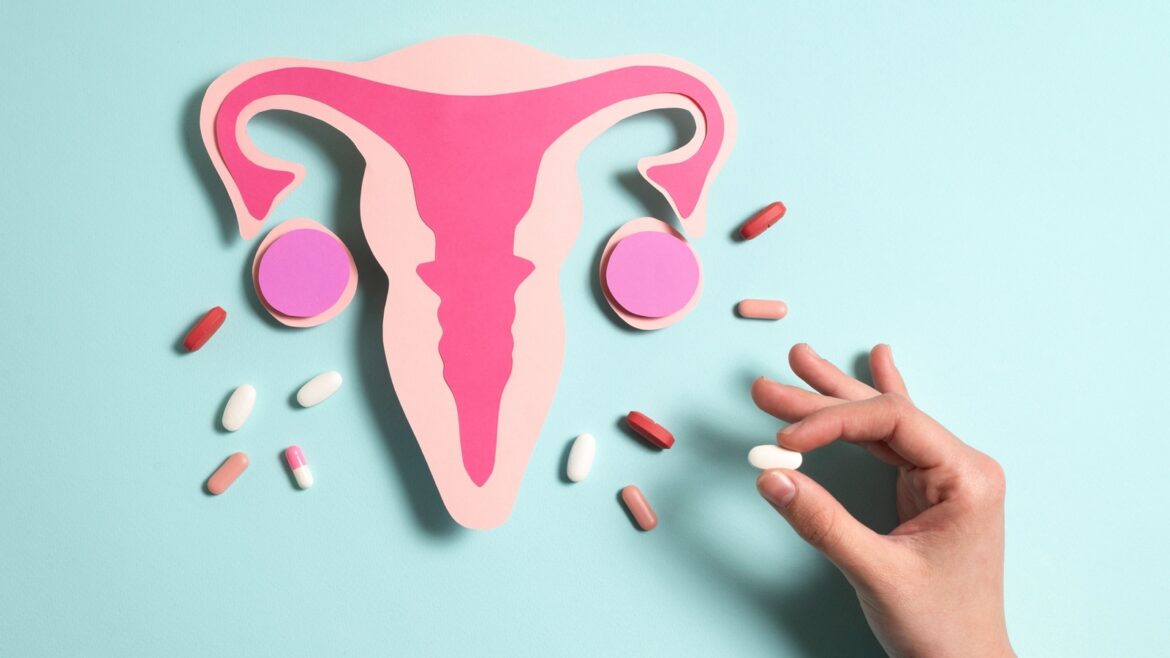
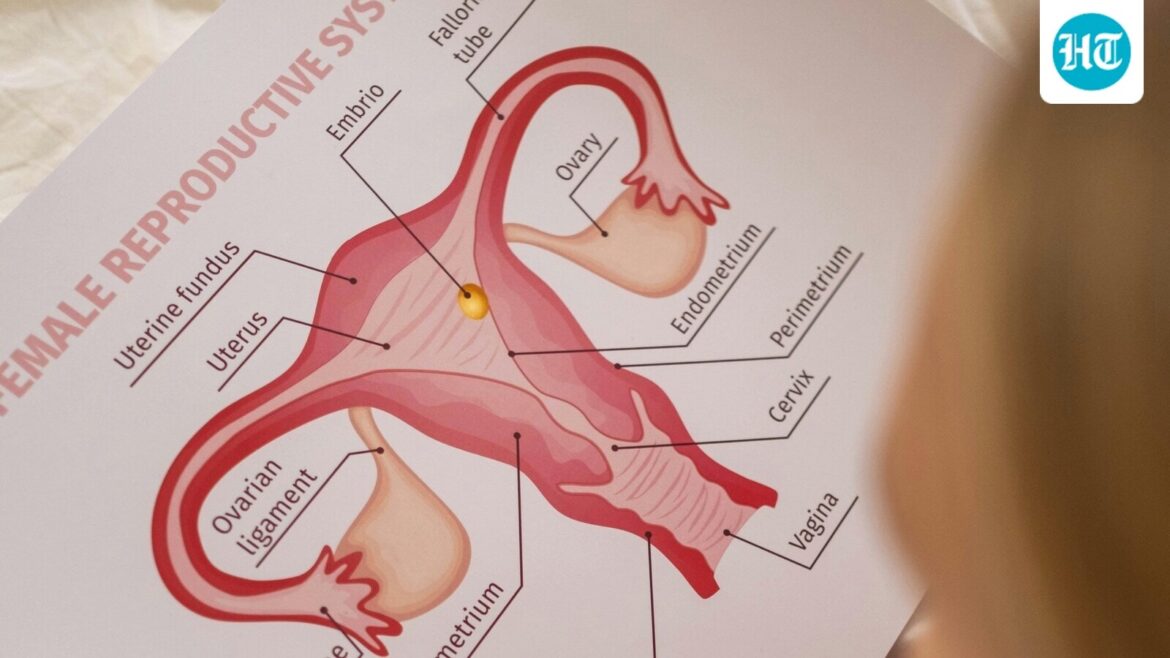
Uterine fibroids are among the most common gynaecological conditions, yet they remain clouded by myths and misconceptions. Many people mistakenly assume that fibroids are a form of cancer or always require surgery, which often leads to unnecessary anxiety. In reality, most fibroids are benign and manageable with proper medical guidance.

Uterine fibroids are hardly ever cancerous, according to Dr Neema Sharma.(Pexel)

Also Read | Gynaecologist explains how late-night work culture negatively impacts fertility: ‘For fertility, stress is as harmful…’

Addressing this widespread misinformation, Dr Neema Sharma, Director and Head of the Department of Minimal Access Gynae and Obstetrics at Fortis Hospital, Vasant Kunj, draws on her 33 years of experience to clarify the facts and debunk four prevalent myths about uterine fibroids. In an Instagram video posted on April 23, she highlights how uterine fibroids are often surrounded by misinformation and unnecessary fear. She goes on to break down four common myths and advises consulting a gynaecologist if an ultrasound detects a fibroid, rather than panicking or assuming the worst.

What are fibroids?

According to Mayo Clinic, uterine fibroids are noncancerous growths that commonly develop in the uterus, typically during a woman’s reproductive years. They rarely become cancerous and are not associated with an increased risk of other uterine cancers.

Myth 1: Fibroids are cancerous

Dr Sharma states, “Most fibroids are not cancerous.” She explains that they are growths that develop in the uterus, and in most cases, they do not lead to malignancy.

Myth 2: Every fibroid requires surgery

The gynaecologist states that again, this is a misconception. She says, “If the fibroid is not causing any problem – if not causing any symptoms – and it is small in size, we don’t have to do anything for it.”

Also Read | Can hormonal imbalances increase endometrial cancer risk? Gynaecologist explains the link between lifestyle and health

Myth 3: Medicines can shrink the fibroid

According to Dr Sharma, this is a myth. She states, “Medicines cannot shrink the fibroid. If they are causing symptoms, it has to be removed surgically.”

Myth 4: Every fibroid shows symptoms

Dr Sharma emphasises that every fibroid does not show symptoms. She further explains, “Most of the fibroids are asymptomatic, and they do not cause any symptoms.”

Note to readers: This article is for informational purposes only and not a substitute for professional medical advice. It is based on user-generated content from social media. HT.com has not independently verified the claims and does not endorse them.
October 7, 2025 0 comments
0 FacebookTwitterPinterestEmail
Dermatologist explains why simply cutting out junk food does not cure acne, busts 5 common acne myths
Lifestyle

Dermatologist explains why simply cutting out junk food does not cure acne, busts 5 common acne myths

by jummy84 October 3, 2025
written by jummy84

Acne is often thought of as a teenage problem, but the truth is more complex. Adult acne is increasingly common, and myths around what causes – or cures – it can make managing breakouts confusing.

According to Dr Waraich, acne is not just a teenage concern.(Unsplash)

Also Read | Dermatologist shares 5 harsh must-know truths about skincare and haircare: ‘Anti-ageing creams can’t lift sagging skin’

Dr Gurveen Waraich, a certified dermatologist specialising in clinical and cosmetic dermatology and skin care, is setting the record straight by debunking five common myths about acne. In an Instagram video posted on September 10, she unpacks common acne myths, highlighting its prevalence in adulthood and clarifying real triggers – such as makeup and diet – and what doesn’t cause breakouts.

Adults don’t get acne

According to Dr Waraich, acne is not just a teenage concern – many people encounter it for the first time in adulthood, even if their adolescent years were blemish-free. Many of her clients experience the onset of acne after 25, and she explains – “I am 35 years old. I never had acne in my teen years. Why am I getting it now? What you are suffering from is something called as adult onset acne which is actually seen post 25 years of age.”

Acne does not occur in dry skin

It is often believed that only people with oily skin experience acne breakouts. However, the dermatologist highlights that even though acne is more common in oily skin, it is not exclusive to it. She elaborates, “In fact, adult onset acne is seen in equal frequency for both oily and dry skin types.”

Eating clean cures acne

The dermatologist explains that cutting out junk food will not necessarily clear up your acne. She mentions that while some components in your diet like sugar or dairy might aggravate your breakouts – these are not the causative agents. Dr Waraich says, “What you eat is not the cause of your acne. Yes, it could be an aggravating factor like sugar and dairy, but not causative.”

Makeup cause acne

Makeup is often blamed as the culprit behind acne flare-ups. But Dr Waraich clarifies that makeup itself isn’t the cause – it’s failing to remove it properly that can worsen breakouts.

Also Read | Best face serums for oily skin: Top 8 must-have picks that help you glow up

Acne is normal in teenage years

The dermatologist highlights that while acne is quite common in teenage years, it should not be treated as a norm and requires appropriate treatment. She advises, “No, acne is common in teenage, not normal. You must treat it to prevent permanent scarring.”

Note to readers: This article is for informational purposes only and not a substitute for professional medical advice. It is based on user-generated content from social media. HT.com has not independently verified the claims and does not endorse them.

October 3, 2025 0 comments
0 FacebookTwitterPinterestEmail
Doctor busts 5 myths about metabolism: Do lean people have better metabolic health?
Lifestyle

Doctor busts 5 myths about metabolism: Do lean people have better metabolic health?

by jummy84 September 18, 2025
written by jummy84

Published on: Sept 18, 2025 07:17 am IST

Dr. Rohit Sharma debunked several myths about metabolic health and shared facts. Here’s what you need to know.

For overall weight management and health, metabolism is either praised or blamed. But metabolic health is often misunderstood, courtesy myths and misconceptions shrouding it. In an interview with HT Lifestyle, Dr. Rohit Sharma, consultant, internal medicine, Apollo Spectra Hospital, Jaipur said, “Between fad diets, fitness hacks, and social media advice, myths about metabolism often overshadow the science.” The doctor busted several myths. Also read | 10 foods to increase metabolism and speed up weight loss

Myths about metabolism.(Shutterstock)

Myth 1: Thin people automatically have faster metabolisms

Fact: Body size and muscle mass causes influence on the metabolic rate more than the weight alone. Larger bodies burn more calories at rest because they require more energy to function

Myth 2: Eating small, frequent meals speeds up metabolism

Fact: Eating snacks throughout the day may reduce the hunger while research shows that it does not boost the metabolism. Ultimately what matters most is the quality of food and overall calorie balance.

Metabolism myths vs facts.(Freepik)

Myth 3: Certain foods or drinks supercharge metabolism

Fact: Green tea, coffee, and spicy foods may cause a temporary calorie burn, but the effect is minimal. No single food can dramatically change metabolic rate. Long-term habits like balanced nutrition and regular activity matter most. Also read | Fitness coach shares 6 tips to avoid bloating, support faster metabolism: ‘Eat smaller portions throughout the day’

Myth 4: Metabolism slows down drastically with age

Fact: While there is natural decline most of the reduction comes from loss of muscle mass and reduced activity level. Strength training and staying active can help preserve metabolic health well into later years.

Myth 5: Sleep and stress don’t affect metabolism

Fact: Both play a critical role. Poor sleep disrupts hormones that regulate hunger and fat storage, while chronic stress raises cortisol levels, making it harder to maintain a healthy metabolism.

What actually works?

“The keys to support the metabolism are consistent exercise such as strength training, balanced meals rich in protein and fiber, good sleep hygiene, and stress management. Hydration and avoiding extreme crash diets are also important, since restrictive eating can actually slow metabolism over time,” the doctor added. Also read | Nutritionist shares 10 simple fat-burning tips to help you lose up to 10 kgs in 3 months: ‘Drink water before meals’

Note to readers: This article is for informational purposes only and not a substitute for professional medical advice. Always seek the advice of your doctor with any questions about a medical condition.

Catch every big hit, every wicket with Crick-it, a one stop destination for Live Scores, Match Stats, Quizzes, Polls & much more. Explore now!.

Catch your daily dose of Fashion, Taylor Swift, Health, Festivals, Travel, Relationship, Recipe and all the other Latest Lifestyle News on Hindustan Times Website and APPs.

Catch every big hit, every wicket with Crick-it, a one stop destination for Live Scores, Match Stats, Quizzes, Polls & much more. Explore now!.

Catch your daily dose of Fashion, Taylor Swift, Health, Festivals, Travel, Relationship, Recipe and all the other Latest Lifestyle News on Hindustan Times Website and APPs.

News / Lifestyle / Health / Doctor busts 5 myths about metabolism: Do lean people have better metabolic health?

September 18, 2025 0 comments
0 FacebookTwitterPinterestEmail
Oncologist debunks 5 myths about childhood cancer: Is it always fatal?
Lifestyle

Oncologist debunks 5 myths about childhood cancer: Is it always fatal?

by jummy84 September 15, 2025
written by jummy84

Childhood cancer is shrouded in myths and misconceptions, which delay diagnosis and treatment. In an interview with HT Lifestyle, Dr Ramana Gogi, principal consultant – medical oncology, CK Birla Hospital, Gurugram, said, “The myths surrounding childhood cancer can create unnecessary fear or, worse, delay timely diagnosis and treatment. Doctors emphasise that informed awareness is the first step toward better outcomes.” Also read | Doctor breaks down the real cause of cancer in children: 4 things every parent should know

Myths surrounding childhood cancer can create unnecessary fear .

Dr Ramana Gogi further busted several myths:

Myth 1: Childhood cancer is extremely rare, so it can’t happen to my child

Fact: While childhood cancers are less common than adult cancers, they are not as rare as many believe. In fact, cancer is one of the leading causes of disease-related deaths in children. Knowing this doesn’t mean parents should panic, but it underscores the importance of paying attention to persistent, unusual symptoms.

Myth 2: Childhood cancers are caused by lifestyle choices

Fact: Unlike many adult cancers, childhood cancers are rarely linked to diet, environment, or habits. Most cases occur due to genetic changes or factors beyond anyone’s control. This means parents should not blame themselves; nothing in routine parenting causes cancer.

Childhood cancer is not always fatal.(Photo by Tara Winstead on Pexels)

Myth 3: Symptoms are obvious and easy to spot

Fact: Many childhood cancers mimic common illnesses. Fatigue, fevers, bone pain, or bruising are often brushed off as infections, growth pains, or clumsiness. The reality is that symptoms can be subtle, which is why persistent, or unusual patterns need medical evaluation. Also read | Childhood Cancer: Early signs of cancer in kids that every parent should know

Myth 4: Cancer in children is always fatal

Fact: This is one of the most damaging misconceptions. With advances in treatment, survival rates for many childhood cancers have improved dramatically. For some types, survival exceeds 80 percent. Early detection and specialised pediatric oncology care make a significant difference.

Myth 5: Treatment for childhood cancer is the same as for adults

Fact: Children are not small adults. Their bodies, metabolism, and long-term needs are different. Pediatric oncology teams tailor therapies to minimise side effects while maximising cure rates. In many cases, children tolerate treatments better than adults.

“Childhood cancer is frightening, but knowledge empowers families. Dispelling myths helps parents focus on what truly matters: recognising persistent warning signs, seeking timely care, and trusting that today’s treatments offer children not just survival, but the chance for a healthy future,” the oncologist added. Also read | It’s not just a fever: Doctor says these 13 could be first signs of cancer in your child

Note to readers: This article is for informational purposes only and not a substitute for professional medical advice. Always seek the advice of your doctor with any questions about a medical condition.

September 15, 2025 0 comments
0 FacebookTwitterPinterestEmail
Can pap smear detect ovarian cancer? Oncologist debunks 5 common myths
Lifestyle

Can pap smear detect ovarian cancer? Oncologist debunks 5 common myths

by jummy84 September 11, 2025
written by jummy84

The myths and misconceptions attached to ovarian cancer often lead to misdiagnosis and confusion. In an interview with HT Lifestyle, Dr Pushpinder Gulia, director, surgical oncology and robotic surgery, CK Birla Hospital, Gurugram debunked some of the common myths about ovarian cancer and shared the facts. Also read | Ovarian cancer is hard to detect. Focusing on these 4 symptoms can help with diagnosis

Spot ovarian cancer early.(Image by Freepik)

Myth 1: Ovarian cancer only affects older women

Fact: While the risk does increase with age, ovarian cancer is not exclusive to women in their 50s or 60s. Younger women, even those in their 20s and 30s, can develop certain subtypes, such as germ cell or stromal tumors. Doctors emphasize that persistent symptoms in younger women should not be dismissed outright.

Myth 2: There are no symptoms until the cancer is advanced

Fact: This is one of the most dangerous misconceptions. Early signs, such as persistent bloating, abdominal pain, frequent urination, or feeling full quickly, are often mistaken for gastrointestinal or urinary issues. Awareness of these subtle but persistent changes can lead to earlier diagnosis. Also read | Abdominal bloating and ovarian cancer: What’s the link? Doctor explains symptoms to watch out for

Ovarian cancer develops in the ovaries, fallopian tubes, or lining of the abdomen.(Shutterstock)

Myth 3: Pap smears detect ovarian cancer

Fact: Many women believe their annual Pap smear screens for all gynecological cancers, but this is not true. Pap tests can only detect cervical cancer. Currently, there is no reliable routine screening test for ovarian cancer, which makes recognizing symptoms and discussing risk factors with a doctor even more critical.

Myth 4: Family history is the only risk factor

Fact: While having a BRCA1 or BRCA2 gene mutation or a family history of ovarian or breast cancer does increase risk, most women diagnosed do not have such a history. Other factors, such as endometriosis, obesity, or long-term hormone replacement therapy, can also contribute.

Myth 5: Surgery or treatment always leads to infertility

Fact: With advancements in medical care, fertility-sparing surgeries are possible in early-stage disease for women who wish to have children. Doctors individualise treatment to balance cancer control with quality of life. Also read | Ovarian cancer: Symptoms and risk factors every woman should be aware of

Note to readers: This article is for informational purposes only and not a substitute for professional medical advice. Always seek the advice of your doctor with any questions about a medical condition.

September 11, 2025 0 comments
0 FacebookTwitterPinterestEmail
Cardiovascular surgeon debunks 2 heart attack home treatment myths: Try this immediately instead of CPR, cayenne pepper
Lifestyle

Cardiovascular surgeon debunks 2 heart attack home treatment myths: Try this immediately instead of CPR, cayenne pepper

by jummy84 September 5, 2025
written by jummy84

Published on: Sept 05, 2025 10:51 am IST

Cayenne pepper is not a proven treatment for heart attacks, as per Dr Jeremy London – aspirin, on the other hand, has been shown to help, the surgeon said.

Cardiovascular surgeon, Dr Jeremy London, took to Instagram on September 3 to address common misconceptions regarding immediate home treatments for heart attacks. The cardiologist debunked the efficacy of ‘coughing CPR’, explaining that while coughing can alter heart rhythms in a monitored setting, it does not restore blood flow to a deprived heart muscle during an acute heart attack at home. Also read | Cardiologist shares real reasons even fit and sporty people suffer heart attacks, sudden cardiac arrest during workout

Causes of heart attack and sudden cardiac arrest can be unpredictable, making it crucial to maintain regular health check-ups and be aware of family history.(Freepik)

Can CPR change the course of heart attack at home?

Dr London said in the video he posted, “I want to address a couple of myths that are frequently professed on social media and occasionally even in the standard press. The first is something called coughing CPR (cardiopulmonary resuscitation), or coughing during a heart attack.”

He explained: “Coughing can change abnormal heart rhythms to normal rhythms. In a heart attack situation, you have to understand that the reason your heart is so irritable and has abnormal rhythms is a lack of blood flow to that area below the blockage. Although we use coughing in the hospital setting when the patient is fully monitored, to do that at home, it’s not going to impact the blood flow to that blood-starved heart muscle, and it’s very unlikely that it’s going to change the course of your heart attack at home.”

Can cayenne pepper or jalapenos stop heart attack?

Furthermore, Dr London dismissed the use of cayenne pepper (commonly referred to as lal mirch or red chilli) or jalapenos as a home remedy, asserting they have no impact on stopping a heart attack. Instead, he emphasised the importance of taking aspirin – which is known to affect platelets and clotting – as a more effective immediate intervention.

Dr London shared, “The second (myth) is utilising cayenne pepper or jalapenos as an at-home treatment in an acute setting like a heart attack. They have absolutely no role and do not impact stopping an acute heart attack. So in this instance, reach for the aspirin that we know affects platelets, which affects clotting, that will prevent the heart attack from extending, as opposed to coughing and cayenne pepper.”

Note to readers: This report is based on user-generated content from social media. HT.com has not independently verified the claims and does not endorse them.

This article is for informational purposes only and not a substitute for professional medical advice.

Catch every big hit, every wicket with Crick-it, a one stop destination for Live Scores, Match Stats, Quizzes, Polls & much more. Explore now!.

Catch your daily dose of Fashion, Taylor Swift, Health, Festivals, Travel, Relationship, Recipe and all the other Latest Lifestyle News on Hindustan Times Website and APPs.

Catch every big hit, every wicket with Crick-it, a one stop destination for Live Scores, Match Stats, Quizzes, Polls & much more. Explore now!.

Catch your daily dose of Fashion, Taylor Swift, Health, Festivals, Travel, Relationship, Recipe and all the other Latest Lifestyle News on Hindustan Times Website and APPs.

News / Lifestyle / Health / Cardiovascular surgeon debunks 2 heart attack home treatment myths: Try this immediately instead of CPR, cayenne pepper

September 5, 2025 0 comments
0 FacebookTwitterPinterestEmail

Social Connect

Facebook Twitter Instagram Pinterest Youtube Snapchat

Recent Posts

  • 2009 feels like a whole other world away

  • Watch Ariana Grande and Jimmy Fallon Perform a History of Duets

  • Spotify’s Joe Hadley Talks ARIA Awards Partnership

  • Nick Offerman Announces 2026 “Big Woodchuck” Book Tour Dates

  • Snapped: Above & Beyond (A Photo Essay)

Newsletter

Subscribe my Newsletter for new blog posts, tips & new photos. Let's stay updated!

Categories

  • Bollywood (1,929)
  • Celebrity News (2,000)
  • Events (267)
  • Fashion (1,605)
  • Hollywood (1,020)
  • Lifestyle (890)
  • Music (2,002)
  • TV & Streaming (1,857)

Recent Posts

  • Shushu/Tong Shanghai Fall 2026 Collection

  • Here’s What Model Taylor Hill Is Buying Now

  • Julietta Is Hiring An Assistant Office Coordinator In Dumbo, Brooklyn, NY (In-Office)

Editors’ Picks

  • 2009 feels like a whole other world away

  • Watch Ariana Grande and Jimmy Fallon Perform a History of Duets

  • Spotify’s Joe Hadley Talks ARIA Awards Partnership

Latest Style

  • ‘Steal This Story, Please’ Review: Amy Goodman Documentary

  • Hulu Passes on La LA Anthony, Kim Kardashian Pilot ‘Group Chat’

  • Hannah Einbinder Slams AI Creators As “Losers”

  • Facebook
  • Twitter

@2020 - celebpeek. Designed and Developed by Pro


Back To Top
celebpeek
  • Home
  • Bollywood
  • Hollywood
  • Lifestyle
  • Fashion
celebpeek
  • Music
  • Celebrity News
  • Events
  • TV & Streaming