celebpeek
  • Home
  • Bollywood
  • Hollywood
  • Lifestyle
  • Fashion
celebpeek
  • Music
  • Celebrity News
  • Events
  • TV & Streaming
Home » Movies » Page 3
Tag:

Movies

4 Diane Keaton Comfort Movies to Watch in Honor of the Late Actor and Style Icon
Fashion

4 Diane Keaton Comfort Movies to Watch in Honor of the Late Actor and Style Icon

by jummy84 October 12, 2025
written by jummy84

Rest in peace, Diane Keaton. On October 11, a Keaton family spokesperson confirmed to People that the legendary actor and style icon had died, withholding any further details and calling for privacy “in this moment of great sadness.”

Throughout her life, Keaton’s sharp comedic timing and grounded emotional performances made her a prolific muse for Hollywood’s most prominent filmmakers across genres, from Francis Ford Coppola and Nancy Meyers. Off-screen, she defied expectations for Hollywood’s leading ladies, cementing her position as a red carpet disruptor through her affinity for exaggerated tailoring and whimsical takes on menswear, including a vast collection of bowler hats and oversized neckties.

Since her on-screen debut in 1970’s Lovers and Other Strangers, Keaton starred in several of Hollywood’s most seminal films, from The Godfather (1972) and it’s successors to comedies like the Book Club franchise to rom-coms like Something’s Gotta Give (2003), which earned the actor one of her four Academy Award nominations. Of course, Keaton took home the Oscar for best actress in 1977 for her role in Annie Hall, one of her many collaborative efforts with controversial filmmaker Woody Allen.

It’s impossible to narrow down Keaton’s breadth of work to a handful of roles that define her impact on cinema, fashion, and American culture as a whole. Instead, here are just four of her most comforting, cozy projects to watch in her honor tonight and in perpetuity.

Something’s Gotta Give (2003)

Columbia/courtesy Everett Collection
October 12, 2025 0 comments
0 FacebookTwitterPinterestEmail
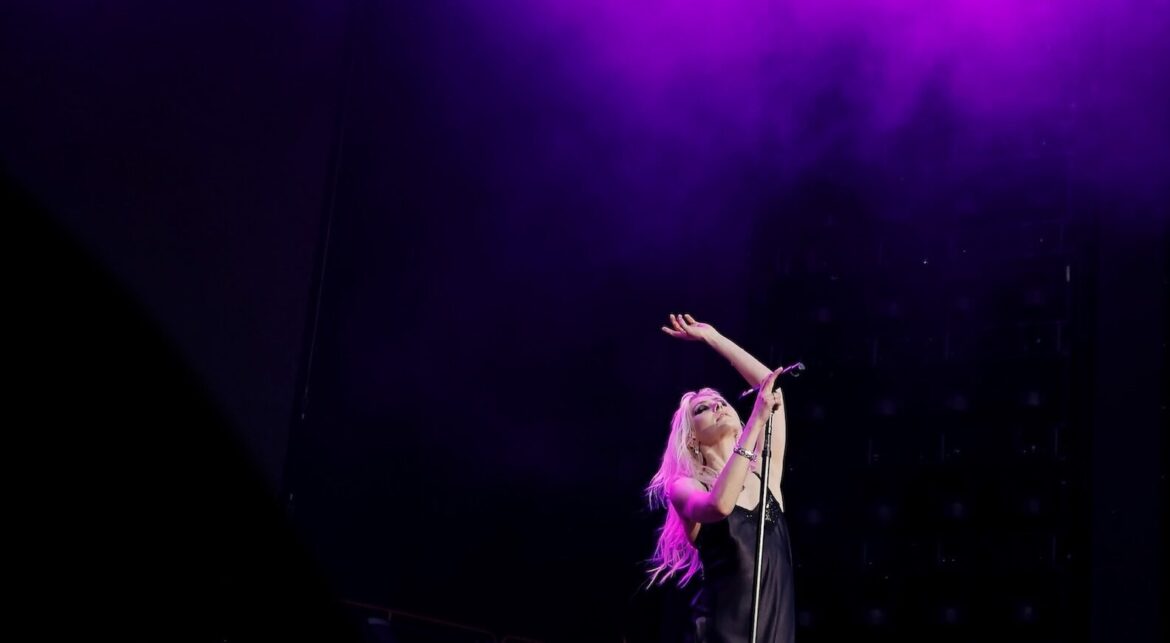
Taylor Momsen of the Pretty Reckless performs during AC/DC's Power Up Tour at Nissan Stadium on May 21, 2025 in Nashville, Tennessee. (Credit: Tibrina Hobson/Getty Images)
Music

Magic, Music, and Movies: Taylor Momsen Is Seeing Things ‘in a New Light’

by jummy84 October 11, 2025
written by jummy84

Taylor Momsen sits at a desk in her New York City apartment, the place she’s called home since she was 12, a sign hangs just beyond her right shoulder: “love” written in cursive pink neon. “Welcome to my home,” she says, fresh faced and smiling, a natural beauty in black wide-rimmed glasses. In August, her band the Pretty Reckless released their newest single “For I Am Death,” and in the video Taylor personifies death itself, morphing into a slithering Middle-earth-esque manifestation, slick in all-over black body makeup.

When Taylor and I talked last year for the 10th anniversary of Going to Hell, we discussed the original art applied to her back for the iconic album cover. “There’s something very freeing and pure about being as vulnerable and as exposed as possible,” she says, because actual nudity is often a non-option. “I use paint in different forms to cover up. I think that’s why it’s a recurring theme as we keep making music.”

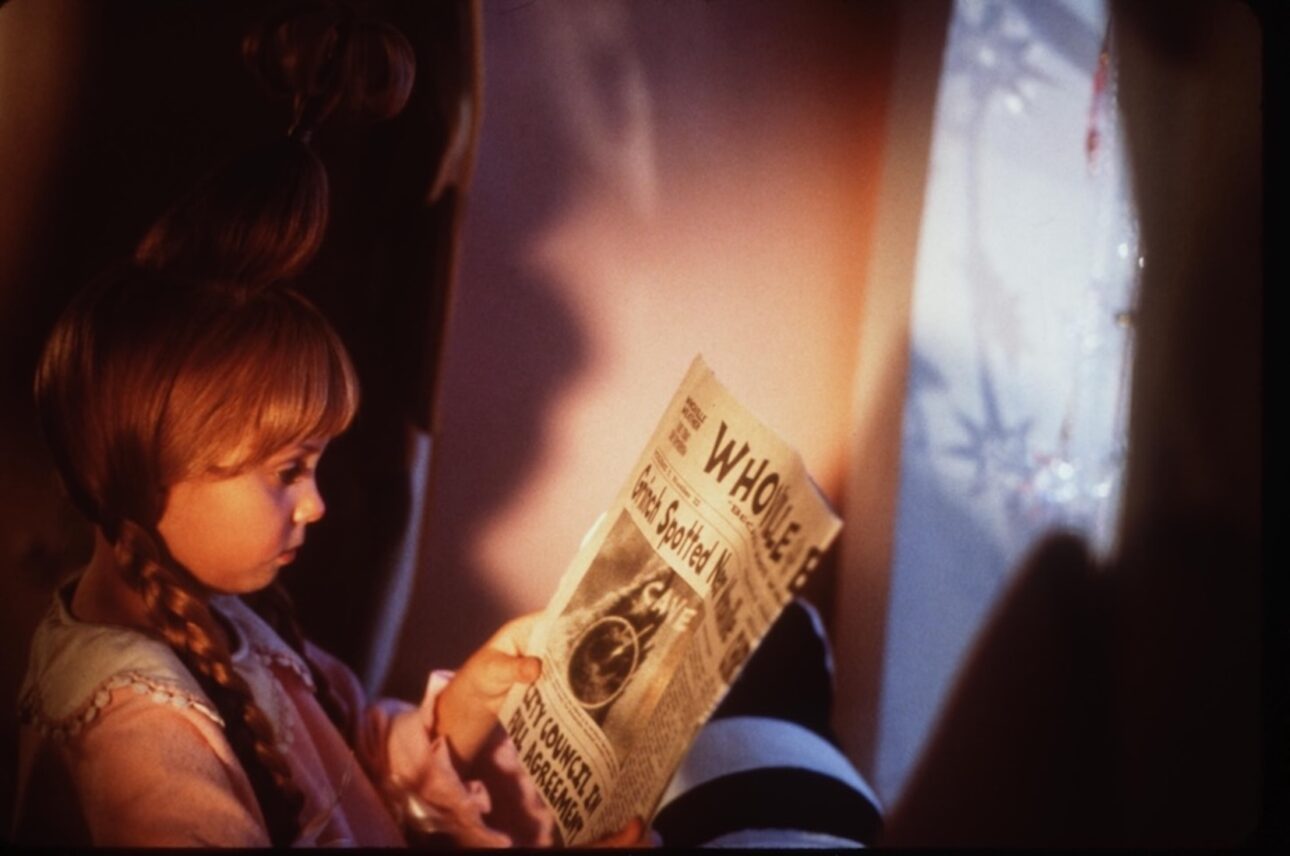
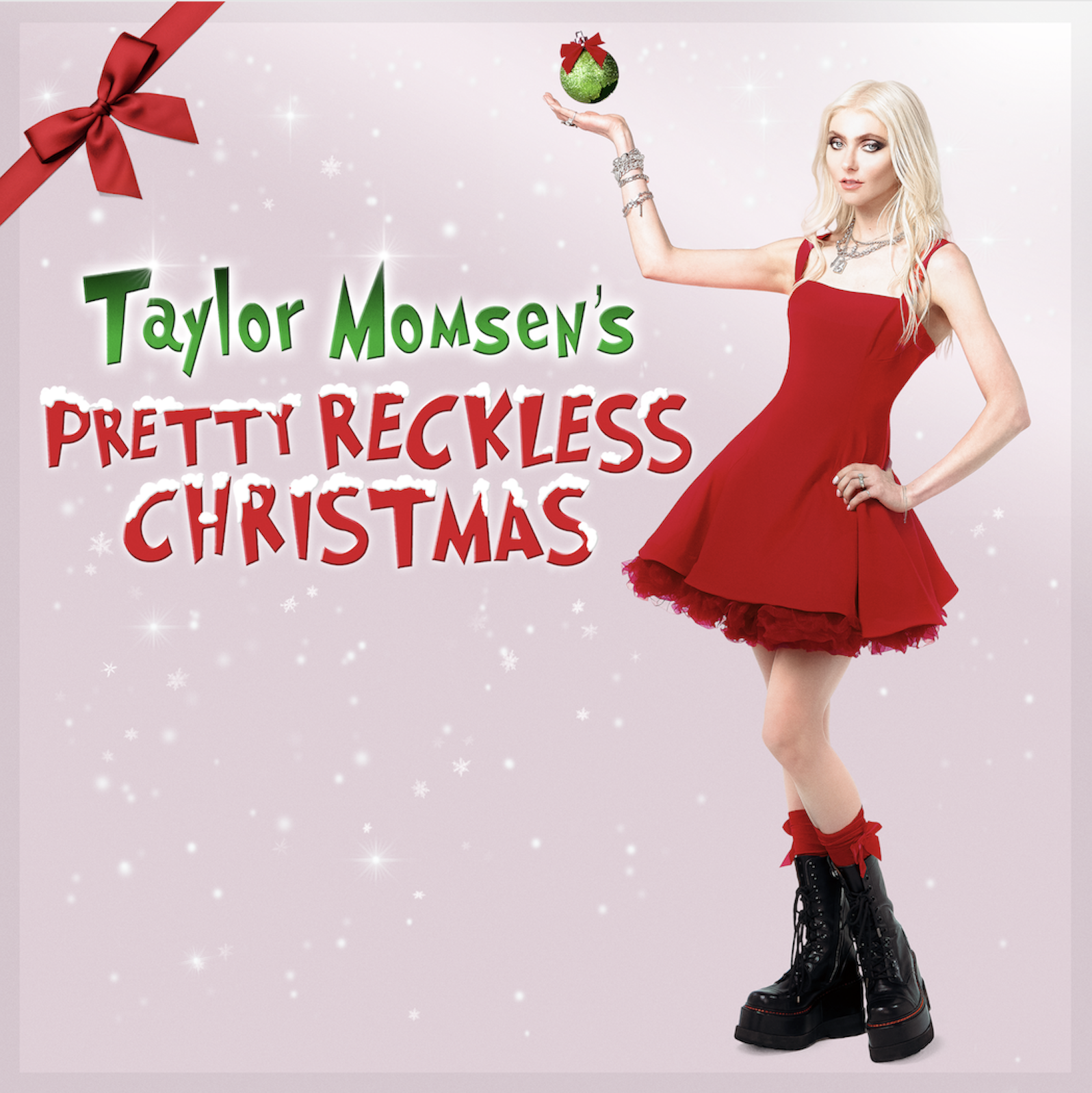
The paradox of power and vulnerability may just define Taylor in many ways. On October 10th, she’s re-releasing the sweet song she sang as Cindy Lou Who for 2000’s How the Grinch Stole Christmas, “Where Are You Christmas?.” The fact that it’s the film’s silver anniversary is a complete coincidence, but rather a result of—in addition to finally acquiescing to pleading fans—a storied journey that brought her to revisiting and embracing her past. 

Taylor with Jim Carrey in a scene from ‘How The Grinch Stole Christmas,’ 2000. (Credit: Universal/Getty Images)

While Jim Carrey played the title character, it was 6-year-old Taylor, with a wigged blonde basilica on her head, who is the beating heart of the film. The Grinch is highly stylized and vividly fantastic, but little Taylor, who’d started acting when she was 2, shines with genuine hope and fortitude, purity and joy. 

In a Grinch promo interview for WFAA, Taylor, who’d tuned 7 by the time the film was released, stated: “I love fantasy no matter what story it is.” 

“I stand by that,” Taylor says, not recalling the interview. “I stand by that statement today. It’s just proof that you never really change as a person. You’re born the way you are, and you grow and you evolve, but you’re that same person for the rest of your life. At least that’s true with me. I think you’re born with certain instincts and values. I guess values are taught, but inherently, you’re born with some kind of center. I think that’s the key to life. 

“If you can manage to not lose that as you get older, that’s everything. Especially as a musician, as an artist, I spend a lot of time trying to maintain my childlike mind to a degree, because it’s so important and so necessary for writing, and yet still be an adult with responsibilities and bills and all the things that come with being a grown-up. I think that’s the key. I think that’s the key that everyone forgets. You’ve got to remember who you were as a kid, and if you can hold on to that, you’ll always be good.”

Despite audience requests, she resisted the idea of reviving “Where Are You Christmas?” since starting the Pretty Reckless at 14; the initiative, for her, had to come with a purpose. It wasn’t until 2020, going through a time she describes as “a very difficult period…with a lot of loss. COVID had just hit. We were in lockdown, and it’s the holidays again.” And she was with her band, hanging out, and the requests for a rock version of the song she sang 20 years earlier kept coming in. So, they (probably, somewhat begrudgingly) played through the song. “By the end of [“Where Are You Christmas?], these four miserable, jaded, pissed-off, depressed people had giant grins on our faces. Just undeniable, couldn’t help it, huge smiles, laughing, having the best time. We all turned to each other and we went, ‘Was that just great? I think that was just magic. I think there was something really special about what just happened, and I think we have to do this now.’ That was the jumping-off point with COVID, of going back to my childhood and realizing, after having been through such a hard time, wanting things to be simple again and wanting things to be joyful. This song and this memory of filming this movie and being a part of this, I never had a tainted memory about it. The Grinch was something that I hold very dearly and have very fond memories of.” 

The experience inspired Taylor to write an entire Christmas record. “It’s this little coming-of-age story and this full circle moment of me accepting my past and embracing it and realizing that you never really do change, with the intent of just wanting to purely spread joy to everyone. It’s a very hard time for everyone right now if we’re being real about it, and I just wanted to bring happiness. I wanted to bring joy to the world, to quote another Christmas song.”

The new version of “Where Are You Christmas?” “morphs” childhood Taylor’s original vocals into her own now, a concept she says exemplifies the magic of one’s childhood self. “To be a part of something that is so universally loved feels surreal, now, 25 years later, and also has been very cool. I wanted to continue that joy and bring fresh life to it from my own perspective as a grown-up Cindy Lou Who.”

But music, she says, was always her everything—not acting—knowing from a very young age she wanted to write songs, something she did while filming The Grinch. (Young Taylor was clearly an avid animal lover, as one song was about her father’s dead dog, and another was called “Rescue a Pet.”) With all the fluctuation from her early childhood acting career, songwriting provided an all-important grounding. “Writing was this place where I could truly be me without any affect, without having to be this version of me, or this version of me. It was the purest form of myself because it wasn’t for anyone. It was just for myself, and it still remains that. My notebook was my best friend.”

(Credit: Steph Gomez)

The Grinch also provided Taylor with her first experience in a professional recording studio, with none other than legendary film composer James Horner (Titanic, Braveheart). The entire experience, she says, changed her life. “I left that experience going, ‘That’s what I want to do.’ That was magic. That was everything. There’s a really great photo of me, holding a stuffed animal, sitting at the console with my chin on my fist listening to the song with James Horner sitting next to me. Fast forward years later, there’s another photo of me and our producer, Kato, sitting at the console, and I’m doing the exact same thing. It’s a mirrored image, except I’m now 20-something. It just reassured me that all my crazy decisions in life of quitting a career [in acting] and pivoting and joining a rock band to go on the road and grind it out, and all those things, that was my path. That was the path that I always wanted. I fought for it and went for it, and now I’m doing that.” 

There’s a scene in The Grinch where little Cindy Lou Who is walking up a mountain to the Grinch’s nefarious lair. Director Ron Howard later told her the story. “It was a big mountain. I actually am walking up the mountain, so it was a very long shoot, but there was no dialogue or anything. I was miked. I shoot the scene. I come down, and everyone’s laughing, and I don’t understand why everyone’s laughing.

“I’m going, ‘Why is everyone laughing? What’s so funny?’ Turns out I was humming the entire time up the mountain, not knowing it because I was always singing. I was always humming. I was always writing songs. I always had music in me, which I feel very blessed about because it’s just something that came really naturally to me.” 

Taylor in a scene from ‘The Grinch.’ (Credit: Getty Images)

Today, she says she’s in a good place, well-earned after some dark and difficult years, the same that inspired the Pretty Reckless’s fourth studio album, 2021’s Death by Rock and Roll. “Living in that space, I had to make a very conscious decision at one point of I was on a very bad path, and I was going to die. I had to choose if I was going to live or die, and I made a very conscious decision to move forward.”

That was the beginning of Taylor looking back at her childhood in an attempt to rediscover her true self. “When I lost some of those people, I couldn’t listen to music anymore. It brought me so much pain I couldn’t deal. To lose an outlet like that, where this music has been such a solace for me, to not have that anymore was terrifying. I felt like I really lost myself.” She says she began almost in chronological succession identifying and reintroducing the things that brought her joy in her early years, starting with the first band she fell in love with: the Beatles. 

And part of this process included going back into her past film and TV work, “accepting them and seeing them in a new light.” 

She says she’s comfortable now, stronger. 

“I was always very me, but…you go through phases. I had my rebellious youth, where I was extra angsty. I wanted to be something and was fighting for that, and now I just kind of am, and that’s just a really nice place to be. I just feel very comfortable in my own skin and all aspects of myself, and I’m not living in a place where I’m shutting off any part of me. I’m firing on all cylinders, and it’s good.

“I’m still that little girl humming, walking up the mountain. I really am.”

October 11, 2025 0 comments
0 FacebookTwitterPinterestEmail
Is ‘Psycho’ Based on Ed Gein? Movies & Shows Inspired by Serial Killer – Hollywood Life
Hollywood

Is ‘Psycho’ Based on Ed Gein? Movies & Shows Inspired by Serial Killer – Hollywood Life

by jummy84 October 6, 2025
written by jummy84

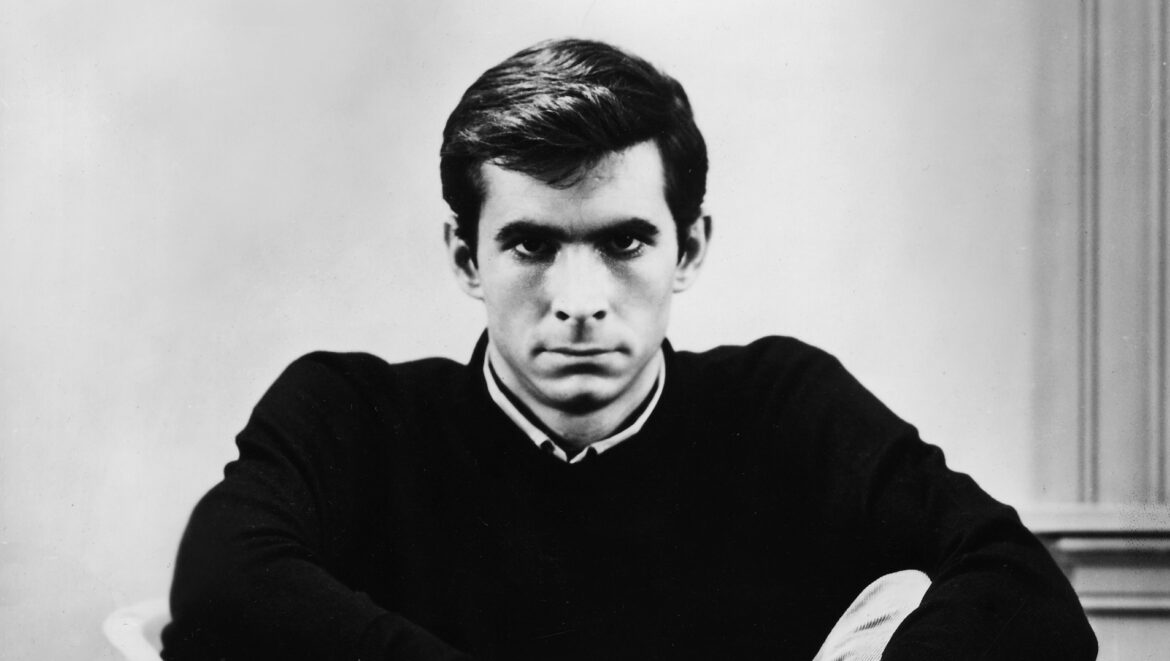
Image Credit: ullstein bild via Getty Images

Few true crime stories have cast as long a shadow over Hollywood as Ed Gein’s. The Wisconsin murderer and grave robber horrified the nation in the 1950s and went on to inspire some of the most iconic horror films ever made. Alfred Hitchcock’s Psycho (1960) famously drew from Gein’s twisted crimes, transforming real-life terror into cinematic history. But Psycho was only the beginning.

Over the years, Gein’s disturbing legacy has continued to influence filmmakers, from The Texas Chainsaw Massacre to The Silence of the Lambs and, more recently, Netflix’s Monster: The Ed Gein Story. His name remains synonymous with the blurred line between fact and fiction in horror.

Below, learn how Psycho was inspired by Ed Gein, and see which other movies and TV shows were shaped by his chilling story.

Who Is Ed Gein?

Gein was an American murderer and grave robber from Plainfield, Wisconsin, whose gruesome crimes shocked the world in the 1950s. Born on August 27, 1906, Gein lived an isolated life under the strict control of his religious and abusive mother, Augusta Gein, who instilled in him a fear of women and sin.

After her death, Gein began robbing graves, exhuming bodies, and fashioning household items and clothing out of human remains. His deeply disturbed actions would later make him one of the most infamous figures in American criminal history.

What Happened to Ed Gein?

On November 16, 1957, local hardware store owner Bernice Worden went missing in Plainfield, Wisconsin. Investigators traced her disappearance to Gein. When police searched his farmhouse, they uncovered Worden’s mutilated body, along with furniture, masks, and clothing made from human skin and bones. Gein admitted to killing two women—Worden and Mary Hogan, a tavern owner who vanished in 1954—as well as robbing graves for years.

In 1958, he was declared legally insane and committed to Central State Hospital for the Criminally Insane, later transferred to Mendota Mental Health Institute. He remained institutionalized for the rest of his life and died in 1984 at the age of 77 from respiratory failure due to cancer.

Was Psycho (1960) Inspired by Ed Gein?

Yes. Hitchcock’s Psycho was directly inspired by Gein’s real-life crimes. The film’s protagonist, Norman Bates, mirrors Gein in several unsettling ways: both were isolated men with domineering mothers whose deaths triggered psychological breakdowns.

The novel Psycho, written by Robert Bloch in 1959, was influenced by Gein’s case, as Bloch lived just 35 miles from Plainfield. Hitchcock later adapted Bloch’s story into the iconic 1960 film, making Norman Bates one of cinema’s most enduring horror figures.

Movies & Shows Based on Ed Gein

Over the decades, Gein’s story has continued to influence filmmakers and storytellers across generations. His crimes have inspired numerous films and television projects, including The Texas Chainsaw Massacre (1974), Deranged: Confessions of a Necrophile (1974), The Silence of the Lambs (1991), Ed Gein (2000), and Ed Gein: The Butcher of Plainfield (2007).

Most recently, Netflix revisited his story in Monster: The Ed Gein Story (2025), starring Charlie Hunnam as Gein and Laurie Metcalf as his mother, Augusta.

October 6, 2025 0 comments
0 FacebookTwitterPinterestEmail
The 7 Most Famous Midnight Movies Ever Made
TV & Streaming

The 7 Most Famous Midnight Movies Ever Made

by jummy84 October 4, 2025
written by jummy84

There’s probably a classier metaphor I could use to describe the feeling you get when you realize you’re watching a real midnight movie and not some cheap imitation. And yet, like the famous censorship decision passed down by the 1964 U.S. Supreme Court — a notoriously feckless group that was somehow still more fun than our current justice system — I must say, “I know it when I see it.” 

You can’t really tell someone they’re in a cult unless they’re ready to leave one, and you can’t really claim to have made a cult film until your movie behaves like that. From the ever-growing list of “genre” and “midnight” shorts competitions on the festival circuit, to the awe-inspiring grassroots campaigns that have followed feature indie triumphs like Mike Cheslik’s “Hundreds of Beavers,” bawdy counterculture has managed to stay explosive and hopeful even over the toughest times this year.

ANEMONE, from left: Daniel Day-Lewis, Sean Bean, 2025. © Focus Features / courtesy Everett Collection
Alejandro González Iñárritu at the 2025 Cannes Film Festival

More entertainers are pushing the envelope to match the extreme feel of daily life, and Hollywood’s top decision-makers are taking note of a trend IndieWire’s Dana Harris-Bridson is already reporting. In some cases, where and when filmmakers find their niche audiences is as important as how and why studios decide to distribute their art. Did you come with a party, or did you ask Hollywood to throw you one?

Think of it like an amateur open mic night, where novice comedians are required to sell tickets or buy a certain number of drinks if they want to perform. Some indie creatives say you’ve got a better shot at convincing the industry to give you multiple seats at the table for films with social scenes already attached — than they are inviting backers to dream up a culture with them on still-emerging IP. That’s easier said than done, of course, and playing a movie at midnight does not a midnight movie make. 

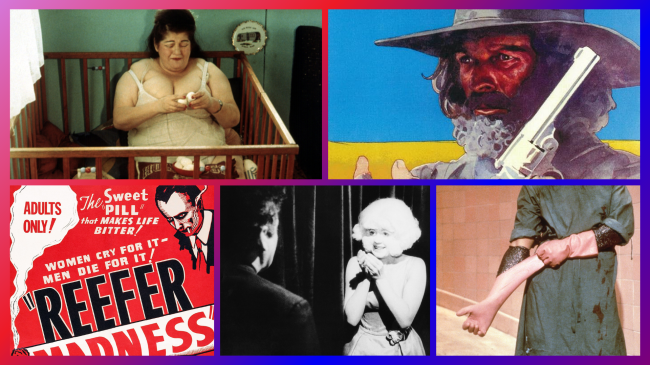
Listed in chronological order, these essential cult classics will guide you through the history of the format and teach you some of the most important lessons in theatrical buzz-building the art world has ever known. From the Pope of Trash and all that Divine goodness in 1972’s “Pink Flamingos” — to Tommy Wiseau’s melodramatic “The Room,” a so-bad-it’s-good gem that’s been tearing us apart since 2003, these are the timeless midnight masterpieces you’ve got to study if you want your film to hit after dark.

1. “Reefer Madness” (1936)

What a movie actually is  and how people experience it are two very different things. Released in 1936, this morality tale against marijuana was financed by a long-defunct church group called the Motion Picture Guild. Something like the cinematic Sinclair Broadcasting of its day, the footage from this public service announcement, originally titled “Tell Your Children,” was recut and redistributed under a slew of different names throughout the 1930s and 1940s. 

Weed wasn’t the brick-and-mortar phenomenon it is in some U.S. states today, and the drug’s popularity wouldn’t seriously grow among Americans until the 1960s. Thanks to producer Dwain Esper, the black-and-white exploitation flick was also known as “Love Madness,” “Dope Addict,” “The Burning Question,” and more self-righteous monikers that made it easy to mock during that dormant period. When versions of the film started appearing on roadside attractions and college campuses, word-of-mouth spread and the promise of seeing the footage out of context helped the eventized version of the project soar even higher. This isn’t really the first midnight movie in earnest — that’s up next — but the sideways journey it took laid essential groundwork.

REEFER MADNESS, 1936
“Reefer Madness” (1936)Courtesy Everett Collection

Legalization activist Keith Stroup eventually co-opted the public domain film and used it to rebelliously bolster his own movement. Directed by Louis J. Gasnier, “Tell Your Children” gained more popularity at charity screenings where flecks of the call-back comedy culture that would later define “The Rocky Horror Picture Show” widened the “Reefer Madness” appeal. It would come to be widely known by that name in part thanks to the musical stage adaptation from 1988. That was made into a Showtime special starring Alan Cumming and Kristen Bell in 2005, and “The Good Place” actress appeared in the live show in Los Angeles for the 25th anniversary last year.

2. “Night of the Living Dead” (1968)

George A. Romero’s “Night of the Living Dead” almost didn’t make this list. Still, there’s no denying that horror is integral to the midnight movie, and the late Father of Zombies is widely credited with giving both genres their progressive political reputations. (Plus, this thing whips in every way a movie can whip. It isn’t even a scary scene, but the line, “They’re coming to get you Barbara!” lives in my head rent free. Gimme an edit where the bass drops!) 

An unrated effort from 1968, Romero’s very first feature was a true-blue indie with a weak distro plan that he financed and shot himself. At first, it was marketed like a normal horror release. But after reports of some disastrous screenings, including one Chicago matinee attended by critic Roger Ebert and a pack of hysterical children, “Night of the Living Dead” was increasingly considered “too scary” to show during the day. That PR gold helped launch Romero as a beloved cult film director, although he rarely shared in the profits of the revolutionary works he made. Not yet bested today, the most exquisite zombie movie ever created demanded to be seen by more audiences, and using late-night slots at drive-in theaters and rep cinemas as a cheap way to build out its reputation was brilliant. 

NIGHT OF THE LIVING DEAD, Duane Jones, 1968
“Night of the Living Dead” (1968) Everett Collection / Everett Collection

Released against the backdrop of the Vietnam War, the terrifying existential statement Romero was making properly snaps into focus through the performance of Duane Jones. The Black actor was a revolutionary casting choice for Romero’s final guy, and the cutting indictment of racism in America blanketed the country only after nightfall. “Night of the Living Dead” served as a jangly prelude for the existential dread David Lynch would stir up in movie-goers with his debut, “Eraserhead,” less than a decade later.

3. “El Topo” (1970)

In light of “Reefer Madness,” it’s fun to imagine what the prudish Motion Picture Group might have said about the violent psychosexual odyssey that is “El Topo.” Maybe… “Oh, holy fuck!” 

Alejandro Jodorowsky was a Chilean-French filmmaker and the patron saint of acid cinema whose shoestring Western — shot over six harsh months in Mexico’s Chihuahuan Desert — brought unprecedented surrealism to cinema. He insisted on doing everything practically, dragging his team to remote locations and killing real animals for a “more truthful” effect on screen.  Commingling incendiary psychedelic imagery with the extreme conditions that impacted the “El Topo” cast and crew, the final viewing experience is transformative anywhere you see it. 

The poster for “El Topo” (1970)

You can almost feel the extreme heat and cold radiating off the screen as Jodorowsky, who also stars as the titular El Topo (translated to mean The Mole in English), wanders the white-hot landscape contending with the infinite paradoxes of personal philosophy. As he pursues enlightenment, the repeated clashes El Topo has with various enemies along his winding journey mount an existential lesson that caught the attention of John Lennon among others. 

Jodorowsky is frequently credited as the “father of the midnight movie,” and while he indeed made an extraordinary film, if anyone deserves that title for their work on “El Topo” it’s Ben Barenholtz. The owner of New York City’s Elgin Cinema made the historic decision to screen it when he did — establishing the very notion of midnight as a ritual worth having at the movies.

4. “Pink Flamingos” (1972)

Not only did John Waters and drag queen Divine help make midnight movies more queer, but they also bravely tested the limits of shock cinema and passed with flying, pastel, and dog shit-stained colors. Before Ben Barenholtz left the Elgin and began the next phase of his career as a producer (he’s credited on “Miller’s Crossing,” “Requiem for a Dream,” and more all-time releases throughout the years), he programmed “Pink Flamingos” and catapulted Waters’ reputation from challenging underground artist to internationally renowned provocateur. 

The best movies extract emotions from us, and watching the most objectionable material in Waters’ masterpiece from 1972 can feel like trying to hold puke back behind your eyeballs. But advertised as a transgressive “exercise in bad taste,” that’s what the Elgin was selling, and even despite themselves, audiences ate it up. If “El Topo” established the midnight format as assaulting and transformative, then “Pink Flamingos” anointed it a place of spectacle. The midnight screen became a no-holds-barred arena for freedom of expression through Waters — one that could turn trash into treasure and make filth feel at once frightening and fun. 

PINK FLAMINGOS, Divine, 1972
“Pink Flamingos” (1972) Courtesy Everett Collection

Also known as Harris Glenn Milstead, Divine should have monuments in every city. Fans could start by showing the late legend even more love in Baltimore, Maryland, where “Pink Flamingos” was made guerilla style and the notorious production gained its earliest reputation filming on the public street. The legendary porn movie “Deep Throat” came out that year too, but people loved Divine because she turned their judgment of her depravity into a source of joy. That megawatt charisma steered midnight movies deeper into the drag world. It also laid an essential foundation for the fearless Club Kids that would emerge around the time Divine died in 1988. 

In the film, the eventual “Hairspray!” star plays Babs Johnson, the “filthiest person alive.” That’s a more coveted title than you’d think living in her candy-colored trailer park, and Waters escalates the battle of depravity that follows through a list of gross-out gags including incest, cannibalism, and that oh-so-whimsical canine feces eating. “Pink Flamingos” never gained the popularity of the next major midnight movie to sweep the nation, “Rocky Horror,” but it put Divine in the running for mainstream cinema’s most impactful drag performer. That’s an accolade she’d no doubt hate, and to quote the queen herself, “The world of the heterosexual is a sick and boring life.” But the stunts got her and Waters talked about constantly — a trick that’s harder to pull off than it looks and cheap copycats fail at all the time.

5. “The Rocky Horror Picture Show” (1975)

A group of batshit musical theater kids hit Hollywood in 1975, and midnight was never the same. Having opened “The Rocky Horror Show” on the West End two years earlier, director Jim Sharman and writer Richard O’Brien dreamed a new version of their glam-rock musical — about a conservative couple with a flat tire, who ask for help from a sexy mad scientist in a castle down the road — that would dominate the silver screen for the next 50 years. Eventually. 

Up against “Jaws” and more obsession-worthy movies at the box office that summer, “The Rocky Horror Picture Show” had a hard time getting out of the gate. The story had been a smash hit on stage in London, and the cast and crew had delivered the fiendish nightmare they’d promised their backers. But finally unleashed on the mainstream American public, “The Rocky Horror Picture Show” took about a year to find its sea legs. Fox had already lost about $500,000 on the adaptation when executive Tim Deegan had the brilliant idea to “take the movie midnight,” a move that not only recouped the studio’s money but also made “Rocky Horror” the single longest-running theatrical release ever made.

ROCKY HORROR PICTURE SHOW, Tim Curry, Barry Bostwick, Susan Sarandon, 1975. TM and Copyright © 20th Century Fox Film Corp. All rights reserved. Courtesy: Everett Collection.
“The Rocky Horror Picture Show” (1975) ©20thCentFox/Courtesy Everett Collection

Known for its callbacks, prop comedy, shadow casts, and more, the result is a powerful pop culture institution that’s created a mighty network of midnight movie fans. Thousands of people have actively participated in interactive “Rocky Horror” screenings, and millions more have attended — finding solace and safety in the margins of a truly weird and wonderful community that’s still celebrated by Tim Curry, Susan Sarandon, Barry Bostwick, Nell Campbell, Patricia Quinn, and many more. The result has been called “the only good cult in the world,” and its legacy is the subject of several documentaries, including 2016’s “Rocky Horror Saved My Life” and the newly released “Strange Journey: The Story of Rocky Horror” directed by Linus O’Brien, the son of Richard who also played Riff-Raff. 

6. “Eraserhead” (1977)

Even in the warm embrace of an existentially challenged audience, “Eraserhead” was the haunting directorial debut that effectively demanded a hug from the entire midnight-loving world. Developed when he was still a student at AFI, David Lynch’s unconventional approach to filmmaking marked him an artistic talent to watch early but he had trouble distributing his soul-shaking first film.

ERASERHEAD, Jack Nance, 1976
The poster for “Eraserhead” (1977)Courtesy Everett Collection

The affection the arthouse creator had for the midnight format proved invaluable to his success. Boxed out of several locations by “The Rocky Horror Picture Show,” Lynch steadily pushed “Eraserhead” at select locations until it broke through thanks to key offerings at Cinema Village in New York City and the Landmark’s Nuart Theater in Los Angeles. As it grew, the buzz surrounding Lynch became a benchmark few could meet and midnights felt longer when he was alive with them.

Too much has been written about the late Lynch and the countless talents he had as a sensitive filmmaker and human. So, in lieu of any more serious criticism, I’ll take this time to remember him for his handsome ears. What fine lobes that man had! Bravo.

7. “The Room” (2003)

When “Reefer Madness” stopped circulating in the 1940s and 1950s, the early subculture that started to form around it went mostly dormant. The pearl-clutching folks over at the Motion Picture Guild never had a response to their film being used so brazenly, and that was true even as the footage was explicitly recontextualized for the opposite purpose it was intended.

Tommy Wiseau was not so quiet when it came to “The Room.” 

So-bad-it’s-good movies have been a thing for a long, long time. But that kind of rhetoric started to cause more of a stir among passionate genre fanbases when more of them felt empowered to argue both the outrageous art and the community experience they worshipped were extraordinary. Those debates rage on for some of the most vexing combinations of craft and camp — think “Showgirls,” “Striptease,” “Cats.” But “The Room” is a sincere and glorious work of dumb-assery that’s genius by mistake with a mystery at its center that’s still intoxicating today.  

The poster for “The Room” (2003)

How much Wiseau paid to cast himself in a bizarre melodrama about a love triangle has been debated for years, but half the fun when it came out was following the movie’s rise and witnessing the filmmaker’s strange evasiveness whenever he was asked about his background. Larger than life but fabulously incapable of acting, the leading man and self-flagellating auteur behind “The Room” became a kind of walking meme in the 2000s.

Peddling a highly quotable movie and rubbing shoulders with many of the top comedians in Los Angeles at the time, Wiseau went to significant lengths to make sure his movie was Oscars eligible before it was infamously labeled “The Citizen Kane of Bad Movies.” That’s an achievement in its own right, and the legacy of “The Room” lives on in a best-selling memoir about the production and that book’s film adaptation, each titled “The Disaster Artist.”

October 4, 2025 0 comments
0 FacebookTwitterPinterestEmail
Who Is Jane Goodall? 5 Facts About the Chimpanzee Researcher, Her Movies, Work & More
Celebrity News

Who Is Jane Goodall? 5 Facts About the Advocate, Her Movies & More – Hollywood Life

by jummy84 October 1, 2025
written by jummy84

Image Credit: Getty Images

Dr. Jane Goodall, known for her work as a chimpanzee advocate, left behind a mountain of research and scientific accomplishments when she died. Goodall was 91 when her eponymous institute announced her death in a statement on October 1, 2025.

“The Jane Goodall Institute has learned this morning, Wednesday, October 1, 2025, that Dr. Jane Goodall DBE, UN Messenger of Peace and Founder of the Jane Goodall Institute has passed away due to natural causes,” the institute announced. “She was in California as part of her speaking tour in the United States. Dr. Goodall’s discoveries as an ethologist revolutionized science, and she was a tireless advocate for the protection and restoration of our natural world.”

Below, Hollywood Life is remembering the late Dr. Goodall for her life’s work in research and more.

Who Is Jane Goodall? 5 Facts About the Chimpanzee Advocate, Her Movies, Work & More
(Photo credit should read GREG WOOD/AFP via Getty Images)

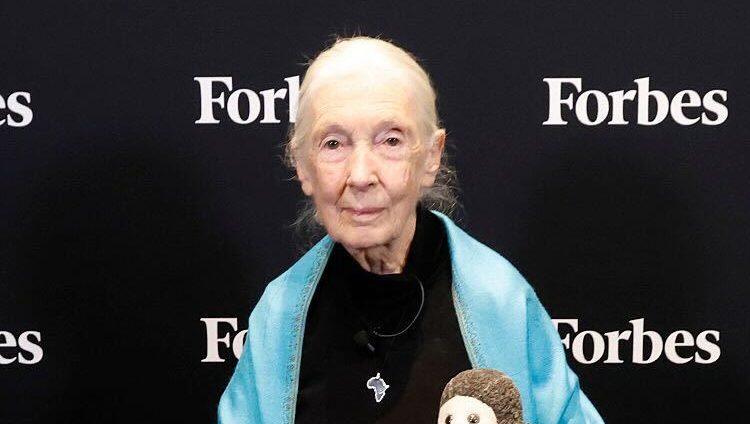
Jane Goodall’s Love for Chimpanzees Started With a Stuffed Animal

Jane carried around her iconic stuffed animal, Jubilee, almost anywhere she went. She received it from her father as a child, and Jane’s love for animals grew from there.

Jane Goodall Lived With a Condition Known as Face Blindness

Per CNN, the late zoologist lived with a condition called prosopagnosia, a.k.a “face blindness,” which is a cognitive disorder that limits one’s ability to recognize faces.

Jane Goodall Was Married Twice in Her Life

Jane was married twice, the first time to her ex-husband, Dutch wildlife photographer Baron Hugo van Lawick. The duo married in 1964, and Jane was briefly known as Baroness Jane van Lawick-Goodall. They divorced in 1974 after welcoming their son, Hugo Eric Louis.

In 1975, Jane married her late husband, Derek Bryceson, who was a member of Tanzania’s parliament and the director of the country’s national parks. He died of cancer in 1980. Jane never remarried after her husband’s death.

Jane Goodall Is the Subject of More Than 40 Movies

Dr. Goodall is the subject of dozens of movies, including 1965’s Miss Goodall and the Wild Chimpanzees, 1990’s The Life and Legend of Jane Goodall, 2017’s Jane and 2020’s Jane Goodall: The Hope, all by National Geographic.

Goodall also voiced her own character in Nickelodeon’s hit children’s series The Wild Thornberrys.

Jane Goodall’s Favorite Animals Were Dogs, Not Chimpanzees

Although Jane was a fierce advocate for chimpanzees and dedicated her life’s work to them, she stated in 2011 her favorite animal was a dog, per The Global and Mail.

October 1, 2025 0 comments
0 FacebookTwitterPinterestEmail
Movies and TV Shows Coming in October 2025
Music

Movies and TV Shows Coming in October 2025

by jummy84 October 1, 2025
written by jummy84

This October brings with it an exciting new collection of movies and TV shows on Netflix — there’s not quite as much horror as you’d expect considering it’s the month of Halloween, but there are still plenty of original titles as well as library classics to check out.

The month begins with a slew of new comedies being added, including the Austin Powers trilogy and the first three Beverly Hills Cop movies (now joining Beverly Hills Cop: Axel F on the service). Also, whether you consider them to be romance, comedy, or horror, the Fifty Shades of Grey trilogy will also be available for streaming come October 1st.

Some of the big Netflix original series premiering in October include the second season of Nobody Wants This, starring Kristen Bell and Adam Brody, and the new dramedy Boots, about a closeted soldier in the 1990s going through Marine boot camp. There’s also a new doc series look into the life of Mrs. David Beckham with the three-part series Victoria Beckham, as well as a documentary film aiming to answer the question Who Killed the Montreal Expos?.

Related Video

Plus, since it’s award season, Netflix has a number of contenders premiering on the service this month, including the Colin Farrell-starring Ballad of a Small Player, Kathryn Bigelow’s A House of Dynamite, and Steve, which stars Cillian Murphy as a schoolteacher named Steve. For more, check out the full list of what’s coming to Netflix below.


October 1st
Love Is Blind: Season 9
RIV4LRIES
About My Father
Austin Powers in Goldmember
Austin Powers: International Man of Mystery
Austin Powers: The Spy Who Shagged Me
Beverly Hills Cop
Beverly Hills Cop II
Beverly Hills Cop III
Blue Crush
The Book Club Murders
Casper
The Christmas Contract
Coach Carter
Coming to America
Daddy Day Care
Death Becomes Her
Dirty Dancing
Dr. Seuss’ The Lorax
Dracula
Eddie Murphy: Raw
Elysium
Fifty Shades Darker
Fifty Shades Freed
Fifty Shades of Grey
Friends with Benefits
The Goonies
Hacksaw Ridge
Halo: Seasons 1-2
The Hurt Locker
I Still Know What You Did Last Summer
Law Abiding Citizen
The Lincoln Lawyer
The Mask
Meet Joe Black
Molly’s Game
Mr. & Mrs. Smith
NCIS: Seasons 18-19
Pineapple Express
Point Break
Red Dragon
Scarface
Sinister 2
Sister Act
Sister Act 2: Back in the Habit
Slender Man
The Strangers
Taxi Driver
Training Day
The Way Home: Seasons 1-2
When a Stranger Calls
The Wrath of Becky

October 2nd
Dodgeball: A True Underdog Story
Dudes
The Game: You Never Play Alone
The Martian
Rockstar: DUKI from the End of the World

October 3rd
Genie, Make a Wish
Monster: The Ed Gein Story
The New Force
Old Dog, New Tricks
Rhythm + Flow France: After the Beat
Steve

October 4th
Angel Has Fallen
Night of the Living Dead
Ranma1/2: Season 2

October 5th
Despicable Me 3
Ip Man
Ip Man 2
Ip Man 3
Ip Man 4: The Finale

October 6th
Dr. Seuss’s Horton!

October 7th
Matt McCusker: A Humble Offering
Nurse Jackie: Seasons 1-7
True Haunting
We Have Always Lived in the Castle

October 8th
Caramelo
Is It Cake? Halloween
Néro the Assassin

October 9th
Boots
The Maze Runner
Maze Runner: The Scorch Trials
Maze Runner: Death Cure
The Resurrected
Victoria Beckham

October 10th
Kurukshetra: The War of Mahabharata
My Father, the BTK Killer
Old Money
Swim to Me
The Woman in Cabin 10

October 11th
Typhoon Family

October 14th
Everybody Loves Me When I’m Dead
Splinter Cell: Deathwatch

October 15th
Held Hostage in My House
Inside Furioza
No One Saw Us Leave
Six Kings Slam 2025
Taken in Plain Sight

October 16th
The A Team
Confessions of a Shopaholic
The Diplomat: Season 3
Romantics Anonymous
Starting 5: Season 2
The Time That Remains

October 17th
27 Nights
Good News
The Perfect Neighbor
She Walks in Darkness
Teenage Mutant Ninja Turtles
Teenage Mutant Ninja Turtles 2
Teenage Mutant Ninja Turtles: Mutant Mayhem
Turn of the Tide: Season 2
Turn of the Tide: The Surreal Story of Rabo de Peixe
The Twits

October 18th
Don’t Say a Word

October 21st
Michelle Wolf: The Well
The Walking Dead: Daryl Dixon: Season 2
Who Killed the Montreal Expos?

October 22nd
Mob War: Philadelphia vs. The Mafia
The Monster of Florence

October 23rd
The Elixir
Nobody Wants This: Season 2

October 24th
A HOUSE OF DYNAMITE
Parish: Season 1

October 25th
The Dream Life of Mr. Kim

October 27th
The Asset
Dark Winds: Season 3
Sliding Doors

October 28th
Babo: The Haftbefehl Story
Mo Amer: Wild World
Nightmares of Nature: Lost in the Jungle

October 29th
Ballad of a Small Player
NOS4A2: Seasons 1-2
Rulers of Fortune
Selling Sunset: Season 9

October 30th
Aileen: Queen of the Serial Killers
Amsterdam Empire
Juan Gabriel: I Must, I Can, I Will
Son of a Donkey
The Witcher: Season 4

October 31st
Bad Influencer
Breathless: Season 2
Rhythm + Flow France: Season 4

October 1, 2025 0 comments
0 FacebookTwitterPinterestEmail
Trump vows 100% tariff on foreign movies, levies on furniture - National
Celebrity News

Trump vows 100% tariff on foreign movies, levies on furniture – National

by jummy84 September 29, 2025
written by jummy84

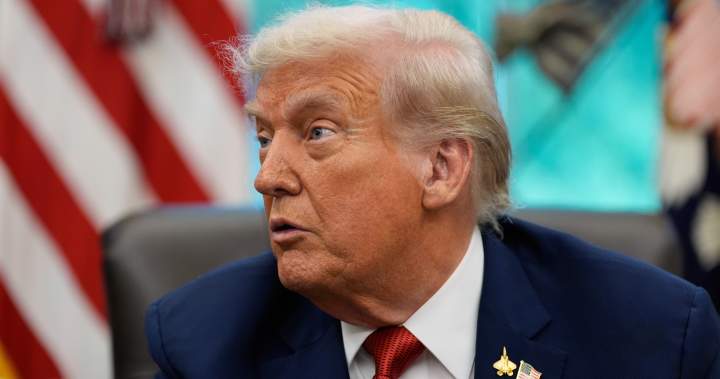
The United States will impose a 100 per cent tariff on movies made outside the country, along with foreign-made furniture, U.S. President Donald Trump said in a social media post.

However, it is not immediately clear how such tariffs, particularly those on movies, could work.

The “movie making business has been stolen from the United States of America, by other Countries,” Trump said.

For news impacting Canada and around the world, sign up for breaking news alerts delivered directly to you when they happen.

Get breaking National news

For news impacting Canada and around the world, sign up for breaking news alerts delivered directly to you when they happen.

Trump blamed California Gov. Gavin Newsom.

“California, with its weak and incompetent Governor, has been particularly hard hit!”

“Therefore, in order to solve this long time, never ending problem, I will be imposing a 100% Tariff on any and all movies that are made outside of the United States. Thank you for your attention to this matter. MAKE AMERICA GREAT AGAIN! President DJT,” Trump posted on his own social media platform Truth Social.

Trending Now

  • Trump orders U.S. troops to Portland, Oregon, authorizes ‘full force’

  • Arrest made in shooting of Canadian man killed on U.S. golf vacation

Story continues below advertisement

Trump also indicated he was going to impose tariffs on foreign-made furniture.

“In order to make North Carolina, which has completely lost its furniture business to China, and other Countries, GREAT again, I will be imposing substantial Tariffs on any Country that does not make its furniture in the United States. Details to follow!!! President DJT,” Trump said.


&copy 2025 Global News, a division of Corus Entertainment Inc.

September 29, 2025 0 comments
0 FacebookTwitterPinterestEmail
The Best Paul Thomas Anderson Movies: Every Film Ranked
TV & Streaming

The Best Paul Thomas Anderson Movies: Every Film Ranked

by jummy84 September 26, 2025
written by jummy84

This list was originally published in December 2017. It has since been updated with further films from PTA.

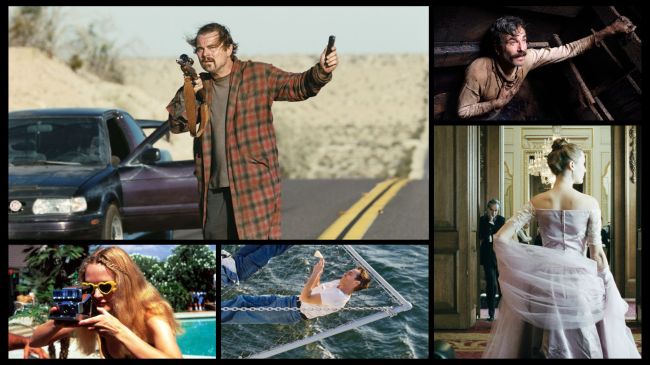
Paul Thomas Anderson’s characters are all defective in some way — not flawed so much as broken and incomplete. In an unpredictable filmography that spans from the waining days of the mid-’90s indie boom to the tenuous post-celluloid landscape of the modern age — a scattershot collection of stories that hops across the last 100 years as though it’s unstuck in time, resolving into a strange and feral people’s history of America in the 20th century — a fundamental sense of inherent vice might be the most consistent through-line. That feels especially true in the aftermath of “Phantom Thread,” which finds Anderson ditching his hometown of Los Angeles for London, but still retaining (or even doubling down on) his sincere affection for obsessive people with holes in their hearts.

MEXICO CITY, MEXICO - SEPTEMBER 18: Leonardo DiCaprio and Chase Infiniti pose during the photocall for the movie 'One Battle After Another' at the Monument to the Revolution on September 18, 2025 in Mexico City, Mexico. (Photo by Eloisa Sanchez/Getty Images)

Common wisdom suggests that Anderson’s career has been split down the middle, with 2002’s “Punch-Drunk Love” functioning as a gentle transition from the exuberant mosaics that announced PTA’s genius to the steely micro-portraits that made good on his potential. And while there’s a certain amount of truth to that superficial overview, the evolution of Anderson’s style is mostly interesting for how it illuminates the underlying things that bind his entire body of work together.

With “One Battle After Another” soon to arrive in theaters, we’ve decided to rank Paul Thomas Anderson’s films from worst to best (essentially just assigning them varying degrees of greatness), focusing on all things that have changed in his movies, and all the things that have stayed the same.

11. “Hard Eight” aka “Sydney” (1996)

HARD EIGHT, (aka SYDNEY), from left: Gwyneth Paltrow, John C. Reilly, 1996. ph: Mark Tillie / © Rysher Entertainment / Courtesy Everett Collection
“Hard Eight”©Rysher Entertainment/Courtesy Everett Collection

Paul Thomas Anderson was only 26 when he managed to wrangle Philip Baker Hall and a $3 million budget for his first feature, an impressive feat by any measure. However, in light of what the upstart auteur would go on to make next, “Hard Eight” is more striking for its modesty — for its lack of ambition — than anything else. The low-key story of a friendship that forms between a mysterious gambler (Hall) and the penniless burnout (John C. Reilly) he meets at a diner somewhere between L.A. and Las Vegas, PTA’s preternaturally self-assured debut feels like a collection of leftover Sundance tropes trying to wrestle themselves free from a straitjacket. Dusty southwest environs, rundown motels, neo-noir shadings, Samuel L. Jackson, coffee, and cigarettes… if not for the wounded stoicism of Hall’s performance and the expert contributions of future PTA mainstays like Robert Elswit and Jon Brion, it might be tempting to lump this in with all the other Tarantino riffs that washed ashore after “Pulp Fiction.”

Still, as easy as it is to lose sight of this film in the vast shadow of what came next, “Hard Eight” rolls with a gentle humanism that gives it some life of its own. Sydney might have ulterior motives in lending a stranger $50 and showing him the ropes for how to rig a casino, but his deepening relationship with John only enriches the question that hangs over their first encounter: How much is a friend really worth to you? This is a small movie, and an awkwardly fractured one at that, but it’s full of inscrutably compelling actors at their best, their characters helped along by a writer-director who palpably believes in their pain.

10. “Junun” (2015)

Nobody really saw this delightful curio — Anderson’s only feature-length documentary — which premiered at the New York Film Festival before bypassing a theatrical run and heading straight for the internet. But “Junun” is hardly just a B-side for the director’s hardcore fans. If anything, it’s the most accessible thing he’s ever made, a hugely enjoyable 54-minute banger about the lightning-in-a-bottle joy of good people making great music together. An uncharacteristically invisible fly on the wall, Anderson hangs around the dusty environs of India’s Mehrangarh Fort, watching with rapt attention as regular collaborator Jonny Greenwood and Israeli composer Shye Ben Tzur record a group album with the Rajasthan Express.

Seemingly made on a whim and without much of an agenda, the movie captures a once-in-a-lifetime collision of musical talent before everyone scatters to the winds. As jarring as it might be to see PTA shoot digital (the drones demand it), the music is so catchy and the vibe so full of life that you soon forget who’s behind the camera. “Junun” might be a footnote, but it’s transporting and whole and hard to forget.

9. “Inherent Vice” (2014)

INHERENT VICE, from left: Hong Chau, Joaquin Phoenix, 2014. ph: Wilson Webb/©Warner Bros./courtesy Everett Collection
“Inherent Vice”©Warner Bros/Courtesy Everett Collection

So dense that it was probably destined to be the most under-appreciated of Paul Thomas Anderson’s films — there’s a certain prickliness to Thomas Pynchon’s source material, as even the most casually stoned of his novels is difficult to wrap your arms around — “Inherent Vice” is a sweet and strung-out noir odyssey through the fog of late capitalism. It’s also a movie where Jena Malone has wooden teeth, Josh Brolin fellates a frozen banana, and pixie folk goddess Joanna Newsom plays a narrator who might be a figment of Joaquin Phoenix’s imagination… so it’s not like PTA is trying to make things hard on us.

Shot like a faded postcard and full of fantastic characters, “Inherent Vice” borrows a lot from sun-dappled P.I. yarns like “The Long Goodbye,” but it’s sillier and sadder than Philip Marlowe ever was. Per genre tradition, the central mystery is actually several different mysteries all knotted together; good luck untangling what a heroin addict’s missing husband has to do with a real estate developer named Mickey Wolfmann and a drug cartel that calls themselves the Golden Fang. But while the plot may be hard to follow, PTA compensates by making the film’s emotional underpinnings as clear as Doc Sportello’s view of the California coastline.

The lost love between Sportello and his ex (Katherine Waterston) is achingly well-realized in just a few short scenes, while the pervasive sense of a country in decline is suffused into the atmosphere like so many patchouli farts (to borrow one of the best insults from a film that has dozens to spare). Forget “Boogie Nights” and the illusion of American possibility, “Inherent Vice” burrows into the feeling that we’ve already let it get away from us — that we’re all out there chasing our own tails. It gets a little bit sadder every time you watch it.

8. “Boogie Nights” (1997)

BOOGIE NIGHTS, Heather Graham, 1997
“Boogie Nights”©New Line Cinema/Courtesy Everett Collection

“It’s a real film, Jack.”

A dizzying epic of reinvention, Paul Thomas Anderson’s seedy and sensational second film found the 28-year-old directing with the swagger of a young man in possession of a massive amount of natural talent. But it’s not just the mind-boggling confidence behind the camera that makes “Boogie Nights” such an incredible piece of work, it’s also the sheer generosity that Anderson shows towards his characters, even the most pathetic and beautiful among them. Look at how the camera lingers on Jesse St. Vincent (the great Melora Walters) after she’s been stranded at the 1979 New Year’s Eve party, or how Anderson redeems Rollergirl (Heather Graham, in her best role) with a single push-in during the closing minutes. Anderson loves these people. When Amber Waves, played by a peak Julianne Moore as the original MILF, tells Dirk Diggler (Mark Wahlberg) that he deserves his brand new 1978 Corvette, she means it from the bottom of her heart.

More than just a breakneck look inside the porn industry as it struggled to get over the hump of home video, “Boogie Nights” is a story about a magical valley of misfit toys — action figures, to be specific. All of these horny weirdos have been cast out from their families, all of them are looking for surrogate relatives, and all of them have followed the American Dream to the same ridiculous place. There’s something very special about the Altman-esque frenzy in which these lost souls become together for having found each other, an ineffable energy that survives the young Anderson’s need to triple-underline every flourish.

This remains one of the most quotable and well-realized things that the director has ever made, even if the darker second half — in which PTA makes his feelings very clear re: the warmth of film vs. the creepiness of video — feels both overlong and undernourished. But who cares? Burt Reynolds sell the hell out of every movie, Wahlberg is operating well beyond the limits of his talent, and the hits just keep on coming as the flaws start to fade away. There’s no use getting bent out of shape about it; there are shadows in life, baby!

7. “Phantom Thread” (2017)

PHANTOM THREAD, from left: Daniel Day-Lewis, Vicky Krieps, 2017. ph: Laurie Sparham /© Focus Features /Courtesy Everett Collection
“Phantom Thread”©Focus Features/Courtesy Everett Collection

In 2017, before we had seen so much as a still photo from Paul Thomas Anderson’s film, it was widely rumored that “Phantom Thread” was an S&M period piece that had more in common with “Fifty Shades of Grey” than it did any of the classic British melodramas that were made around the time this story is set. Alas, the perverse romance that blossoms between a renowned dressmaker (Daniel Day-Lewis as Reynolds Woodcock) and a soft-spoken waitress Alma (Vicki Krieps) is a strictly PG affair, one far more interested in adding clothes than taking them off. Be that as it may, elements of dominance and submission persist, and the film’s deceptive chasteness is precisely what allows Anderson to sew such a compelling piece about love and control, threading the needle between haute escapism and something much closer to home.

Speaking after the film’s first New York City screening, Anderson told the crowd that “Phantom Thread” was inspired by a recent bout of the flu. The filmmaker was laid up in bed, feeling like refried death, when he noticed that his wife looking at him with a degree of pity and care that she typically reserves for their young kids. He loved it. You don’t need to be a revered film director or a tyrannical fashion designer to appreciate that powerlessness has its own pleasures, and that surrendering control to the right person can be as satisfying as hoarding it for yourself. There’s probably not a married couple in the world who doesn’t understand that dynamic or recognize the ugly strength they derive from their partner’s weakness.

“Phantom Thread” takes that ugliness and turns it into something beautiful, Anderson riffing on the likes of “Rebecca” (with a whiff of “The War of the Roses” for good measure) to create an immaculately old-fashioned portrait of obsession. Anderson has made a number of spirited duets about two strange people who need each other for balance, but the magic trick that Krieps’ terse performance allows him to do here — slowly allowing Alma to overshadow Reynolds and take control of the wheel, herself — is a new one for him. Beautiful and beguiling in equal measure, this is the most inviting movie that Anderson has made since “Punch-Drunk Love,” and the best proof yet that his collaboration with composer Jonny Greenwood might be the defining element of his recent work.

6. “Licorice Pizza” (2021)

LICORICE PIZZA, Cooper Hoffman (left), Alana Haim (front), 2021.  ph: Melinda Sue Gordon /© MGM / Courtesy Everett Collection
“Licorice Pizza”©MGM/Courtesy Everett Collection

“Gary Valentine is 15 going on 30, Alana Kane is ’25’ but in air quotes that basically allow her to be whatever it might say on her eventual dream ticket out of Encino, and they first cross paths on a pale 1973 morning in the San Fernando Valley at a strange moment in history when Old Hollywood and New Hollywood have started to overlap. Bing Crosby is still alive even though Jim Morrison is already dead, and it feels like everyone is more or less the same age because no one really knows what time actually means anymore.

They meet on yearbook portrait day at the local high school, and Alana — working as an assistant for the handsy photographer — walks up to Gary with a mirror in her hands, only to find that this pimple-faced hustler is less concerned with last looks than he is with first impressions. Gary starts hitting on Alana with the unslakable thirst of a teenage boy and the empty courage of someone who doesn’t think anyone will ever take him seriously. He spits a lot of motor-mouthed game about being a child actor, but flirts as if he’s being interviewed by William F. Buckley on an episode of ‘Firing Line’ (‘There’s too much reality in pictures now’ is but one choice line in a marathon-length meet-cute throbbing with electric banter).

When Alana calls him out (‘you’re 12,’ she says, nailing the age he plays on TV), Gary responds by asking her to meet him for a drink later. Like so much of the whirlwind friendship that follows — and like almost every scene of the spectacular, intoxicating, and thoroughly hilarious film that watches along — it’s hard to tell if it’s a date or a dare.”

Read IndieWire’s Complete Review of “Licorice Pizza.”

5. “Punch-Drunk Love” (2002)

PUNCH-DRUNK LOVE, Emily Watson, Adam Sandler, 2002, (c) Columbia/courtesy Everett Collection
“Punch-Drunk Love”©Columbia Pictures/Courtesy Everett Collection

Paul Thomas Anderson has been known to say that each of his films is a reaction to the last one, and the fact that he made the tight and constrained “Punch-Drunk Love” on the heels of the sprawling “Magnolia” is enough to prove that he’s not blowing smoke. This is the work of a prodigiously gifted artist who realized his most ambitious idea by the time he turned 30 and found that he still had room to grow — that his movies couldn’t be bigger, but they could be more suffused with feeling. What Anderson learned between “Boogie Nights” in 1998 and “Punch-Drunk Love” in 2002 is that size isn’t everything.

A frantic quasi-musical about violently isolated people who learn that they don’t have to condemn themselves to their sadness, Anderson’s fourth feature distills an epic’s worth of emotion and bottles it up in a cheap blue suit. Adam Sandler is revelatory as Barry Egan, the low-brow comedian repurposing his signature rage into something new just by denying it a place to go. He can’t just win a golf tournament and or retake second grade; he’s got a business to run, a thousand sisters to handle, and a hole in his heart the size of Hawaii. And then there’s Lena Leonard (Emily Watson), who looks at Barry and sees a harmony, her desire setting off a love story where the senses blur together like the whole film has been touched by synesthesia.

“Punch-Drunk Love” is a tiny movie, but Elswit’s camera roves around Barry’s factory with a manic curiosity that borders on Chaplin-esque, resulting in the first PTA film that doesn’t feel like it’s carving out a story so much as building one from the ground up. That spirit of creation is infused into the characters, who discover that opportunity abounds in this world (in pudding and people alike), and that they have the power to get on a plane and chase love down before it gets away. Love is out there, you just have to pick up the phone. If you’re lucky, you might find Lena Leonard in her hotel room. And if you’re really lucky, you might get patched through to Philip Seymour Hoffman, whose heavenly appearance galvanizes this strange concoction with a bunch of spittle and an arsenal of f-bombs. If this isn’t the greatest scene ever committed to celluloid, it’s damn close to it.

4. “One Battle After Another” (2025)

ONE BATTLE AFTER ANOTHER, Chase Infiniti, 2025. © Warner Bros. / Courtesy Everett Collection
“One Battle After Another”©Warner Bros/Courtesy Everett Collection

“Until his monumental new film, Paul Thomas Anderson had only made a single narrative feature set in the 21st century, and that movie — a love story about a plunger salesman who hoards pudding cups, gets extorted by the owner of a phone sex line, and shares an iconic kiss to the sound of a Shelley Duvall song from 1980 — was less of its time than out of it. After that came an origin story about the birth of American capitalism, two post-war fables about people trying to sow their own visions of the future, a patchouli-scented lament for the lost promise of ’60s counterculture, and a star-crossed romance set against the 1973 oil crisis.

At a certain point, Anderson’s seeming attachment to the past became conspicuous enough that it began to appear as if he might be mystified, scared, and/or bored of the modern world to some degree, and therefore arguably less relevant to it.

Enter: ‘One Battle After Another,’ the power and the mercy of which lies in how it simultaneously functions as both a backboard-shattering windmill dunk on that line of attack and an open-hearted surrender to its merits.

Vaguely abstracted from Thomas Pynchon’s 1984-set ‘Vineland’ but eager to reflect a variety of post-Reaganite advancements in ethno-fascism (the action starts in a recognizable today before jumping 16 years forward into a pointedly unchanged tomorrow), this propulsive, hilarious, and overwhelmingly tender paranoid comedy-thriller car chase blockbuster whatever doesn’t just stare a broken country in the face with its already prescient tale of immigrant detention centers, white nationalist caricatures, and bullshit pretenses for deploying the military into sanctuary cities. It’s also the first movie of its size to accurately crystallize how fucking anxious it feels to be alive right now — to capture the IMAX cartoonishness of our reality and provide a convincing roadmap as to how we might survive it.”

Read IndieWire’s complete review of “One Battle After Another.”

3. “The Master” (2012)

THE MASTER, l-r: Joaquin Phoenix, Philip Seymour Hoffman, 2012, ph: Phil Bray/©The Weinstein Company/courtesy Everett Collection
“The Master”©Weinstein Company/Courtesy Everett Collection

The most inscrutable and enigmatic of Anderson’s films, “The Master” is always mesmerizingly just out of reach, turning you inwards every time you reach out to meet it. A.O. Scott hit the nail on the head when he described it as “a movie that defies understanding even as it compels reverent, astonished belief.” But there are answers here, even if Anderson doesn’t provide any clear indication of what they might be; whatever meaning you manage to tease out of this story is yours to keep.

On its most basic level, “The Master” is a gripping two-hander about a man and his dog. Philip Seymour Hoffman is almost unfathomably brilliant as the volatile Lancaster Dodd, a new age pseudo-prophet in the mold of L. Ron Hubbard (he’s not unlike a film director, the ringleader of a traveling circus who has to string people along through sheer force of will). Joaquin Phoenix is every bit his equal as the alcoholic Freddie Quell, a man whose face is twisted into a perpetual sneer even before he’s set adrift in the wake of World War II. One barks commands and the other rolls over, but neither one of them can play fetch alone. As Dodd puts it, with no small amount of spite: “If you figure a way to live without serving a master, any master, then let the rest of us know, will you? For you’d be the first person in the history of the world.”

Dodd and Quell really aren’t so different, and Anderson’s dream-like storytelling helps swirl them together until it’s hard to tell where one ends and the other begins (Jonny Greenwood’s seasick score roots that confusion in the pit of your stomach). These are two men who are haunted by past trauma and have happened upon opposite ways of trying to outrun it; two men who are using each other as beacons to navigate the choppy waters between memory and imagination; two men who “can’t take this life straight.” But then again, who can? Just look into someone’s eyes, don’t blink, and repeat your name until you start to believe that it tells you something.

2. “Magnolia” (1999)

MAGNOLIA, Julianne Moore, 1999, © New Line/courtesy Everett Collection
“Magnolia”©New Line Cinema/Courtesy Everett Collection

“I’ll tell you the greatest regret of my life: I let my love go.”

“Magnolia” is many, many (many) things, but first and foremost it’s a movie about people who are fighting to live above their pain — a theme that not only runs through all nine parts of this story, but also bleeds through both phases of Paul Thomas Anderson’s career. There’s John C. Reilly as Officer Jim Kurring, who’s effectively cast himself as the hero and narrator of a non-existent cop show in order to give voice to the things he can’t admit. There’s Jimmy Gator, the dying game show host who’s haunted by all the ways he’s failed his daughter (he’s played by Philip Baker Hall in one of the most affectingly human performances you’ll ever see). There’s motivational speaker Frank T.J. Mackey, who has everything under control until someone mentions his father, and trophy wife Linda Partridge, who emerges from a fog of prescription drugs just a little too late to tell her terminal husband how she really feels. And on and on and on, Anderson’s small army of characters threading together in a deliriously unsubtle modern opera about hurt people hurting people until the weather changes and they all realize that it’s not going to stop until they wise up.

Have you ever noticed that PTA is pretty good with actors? For a guy who’s almost peerlessly expressive with a camera, it’s always a surprise to watch one of his films and be reminded of how much he defers to his cast and their faces. “Magnolia” might be the most striking example of all, not just because of its raw melodrama, but also because everyone here is so aggressively playing against type that you can feel them trying to run away from something.

An 188-minute movie without a second out of place, “Magnolia” is the byproduct of bloodshot egomania, the film infused with a wild arrogance that starts from its roots and grows like a tumor until God shows up and it feels like he’s just another member of the cast. And thank heavens that someone had the confidence or the cocaine or whatever the hell it took to attempt something like this, because the bigger the movie gets, the more it seems like it couldn’t afford to be any smaller. As Anderson says towards the end of the (incredible) making-of documentary on the DVD, “it’s too fucking too,” and it is, but it’s also just enough to show how fiction can sometimes reflect the strangeness of real life. “Magnolia” is a movie that puts you through the wringer, and can pull you out of almost anything.

1. “There Will Be Blood” (2007)

THERE WILL BE BLOOD, Daniel Day-Lewis, 2007. ©Paramount Vantage/courtesy Everett Collection
“There Will Be Blood”©Paramount/Courtesy Everett Collection
“There Will Be Blood” is the Great American Movie of the 21st century, which is less of a compliment than it is a taxonomic classification. It’s a genre unto itself, an outdated one forged by earlier films like “Citizen Kane” and “The Godfather” and defined by stories of self-made sociopaths — always men — who build empires atop the bodies of their enemies and hold onto the American Dream until it’s the only thing they have left. These are elemental pictures full of people who see capitalism as a bloodsport, making money with a fervor that exposes the fundamental violence of the open market.

How fitting, then, that riches and death are so inextricably linked in “There Will Be Blood,” a film that wears its intrinsic “greatness” like a genre that it grows weary of as it goes along, eventually turning against it and beating it to death with a bowling pin. There’s nothing we love to see more than a rise and fall saga about someone ruined by the same voracious ambition that we lack in ourselves, and audiences have learned that stories like this seldom have happy endings (these narratives teach us not to want too much). But “There Will Be Blood” resolves in victory, not defeat. There’s no “Rosebud” for Daniel Plainview, just a bottomless abyss.

Daniel Day-Lewis inhabits Plainview as the unwitting star of a monster movie, an apex predator who walks with the gangly hunch of a Scooby-Doo villain and crooks his head so that he can only see the worst in people. Thanks to Jonny Greenwood’s Toru Takemitsu-like string compositions, Plainview enters every scene like Jaws circling her next victim. Between Paul Dano’s opportunistic preacher and the plumes of oil and fire that shoot out from the Earth that Plainview claims for himself, the whole film begins to assume a biblical fervor, the drama’s natural gravitas twisting into something vaguely apocalyptic. “There Will Be Blood” is a perfect storm of talent at the top of their game, a movie that drills into America’s past in order to tap into the rot that we’re suffering through in its present. Not only is it the Great American Movie of the 21st century, it actually deserves to be.

Sign Up: Stay on top of the latest breaking film and TV news! Sign up for our Email Newsletters here.

September 26, 2025 0 comments
0 FacebookTwitterPinterestEmail
Lisa Lisa Lisa
Bollywood

Upcoming Marvel Movies and Series: What’s Next in The MCU

by jummy84 September 20, 2025
written by jummy84

The Marvel Cinematic Universe is heading into one of its most exciting phases, with a mix of stories that feel bigger, darker, and more personal than ever before. From supernatural battles that bring in new shades of horror, to cosmic adventures that open fresh corners of the universe, to massive multiverse events that promise to change everything we know, Marvel is lining up projects that balance spectacle with heart. Each film and series has its own identity, but together they’re building toward a future that looks both unpredictable and thrilling.
Marvel Zombies

Release Date: 24 September 2025
Platform: Disney+

About: An animated series that takes viewers to a world where the heroes once seen as saviours have turned into flesh-eating monsters. Expanding on the What If…? storyline, this miniseries dives deeper into survival horror, showing how a few uninfected heroes battle impossible odds. With darker themes and shocking turns, it offers a unique angle on Marvel’s multiverse.

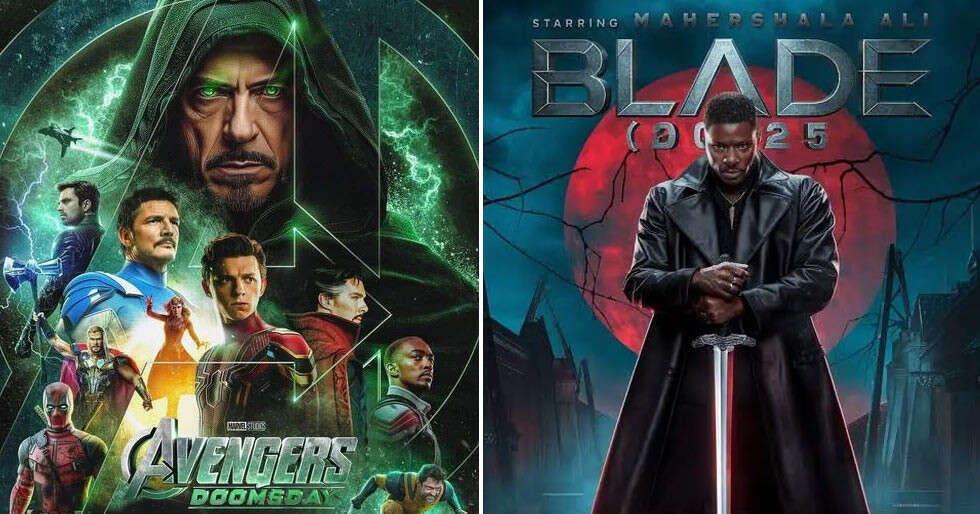
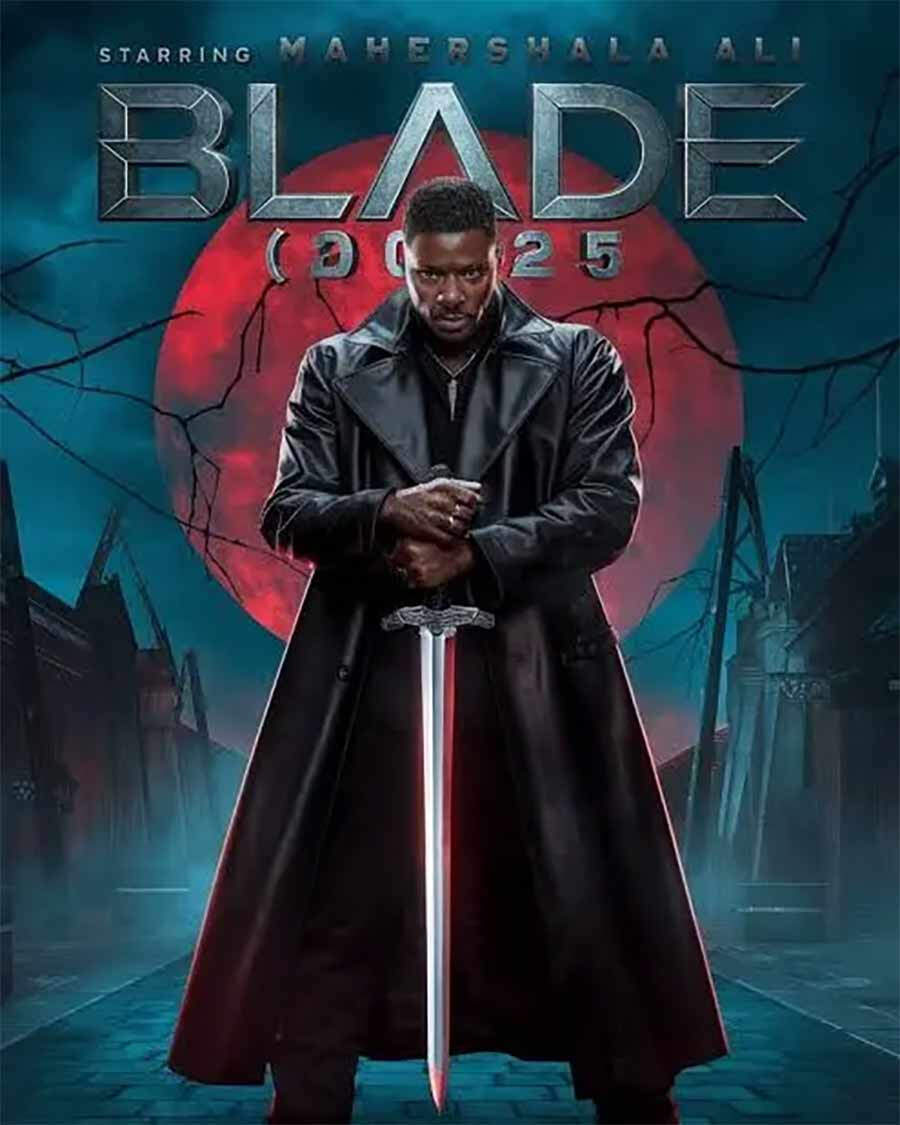
Blade

Marvel

Release Date: 7 November 2025 (tentative after past delays)
Platform: Theatrical release, later on Disney+

About: Mahershala Ali steps into the role of the half-human, half-vampire warrior. The story is expected to lean into gothic horror and supernatural battles, with Blade confronting ancient creatures, bloodthirsty cults, and his own dual nature. Positioned as one of Marvel’s darkest projects yet, it could open the door to more mystical and horror-driven stories in the MCU.

Wonder Man

Marvel

Release Date: December 2025
Platform: Disney+

About: A satirical series starring Simon Williams, a Hollywood actor turned reluctant superhero. The show will mix action with sharp commentary on celebrity culture, exploring how fame and responsibility collide. With ties to WandaVision and the West Coast Avengers from the comics, it may add a quirky yet meaningful layer to Marvel’s expanding lineup.


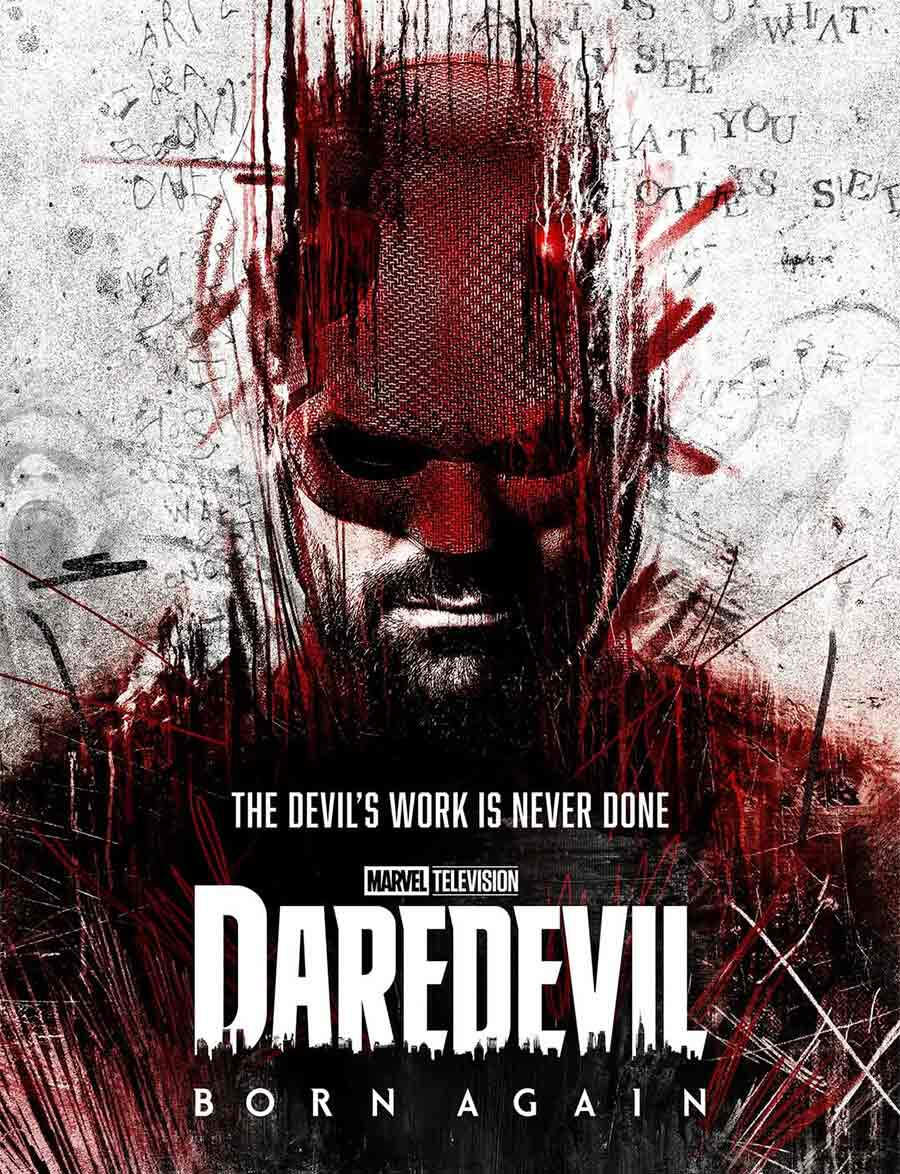
Daredevil: Born Again (Season 2)

Marvel

Release Date:
 March 2026
Platform: Disney+

About: Matt Murdock returns to defend New York as Kingpin’s power continues to grow. This season will test Daredevil like never before, forcing him to confront both courtroom battles and brutal street wars. Expect a grounded and intense tone, with emotional weight carried by Matt’s struggle to balance his faith, his profession, and his role as a vigilante.

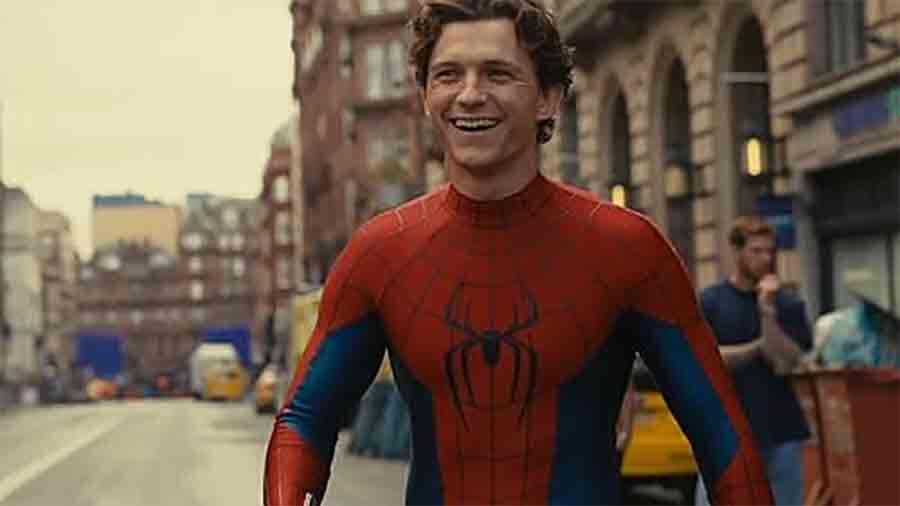
Spider-Man: Brand New Day


Marvel

Release Date: 31 July 2026
Platform: Theatrical release, later on Disney+

About: Tom Holland’s Peter Parker faces a new chapter after losing everything that once defined him. With the world forgetting who he is, Peter must navigate life in isolation while still fighting crime as Spider-Man. The film promises a heartfelt story that combines intimate character moments with thrilling action sequences, as Peter takes on new adversaries without the support system he once had.

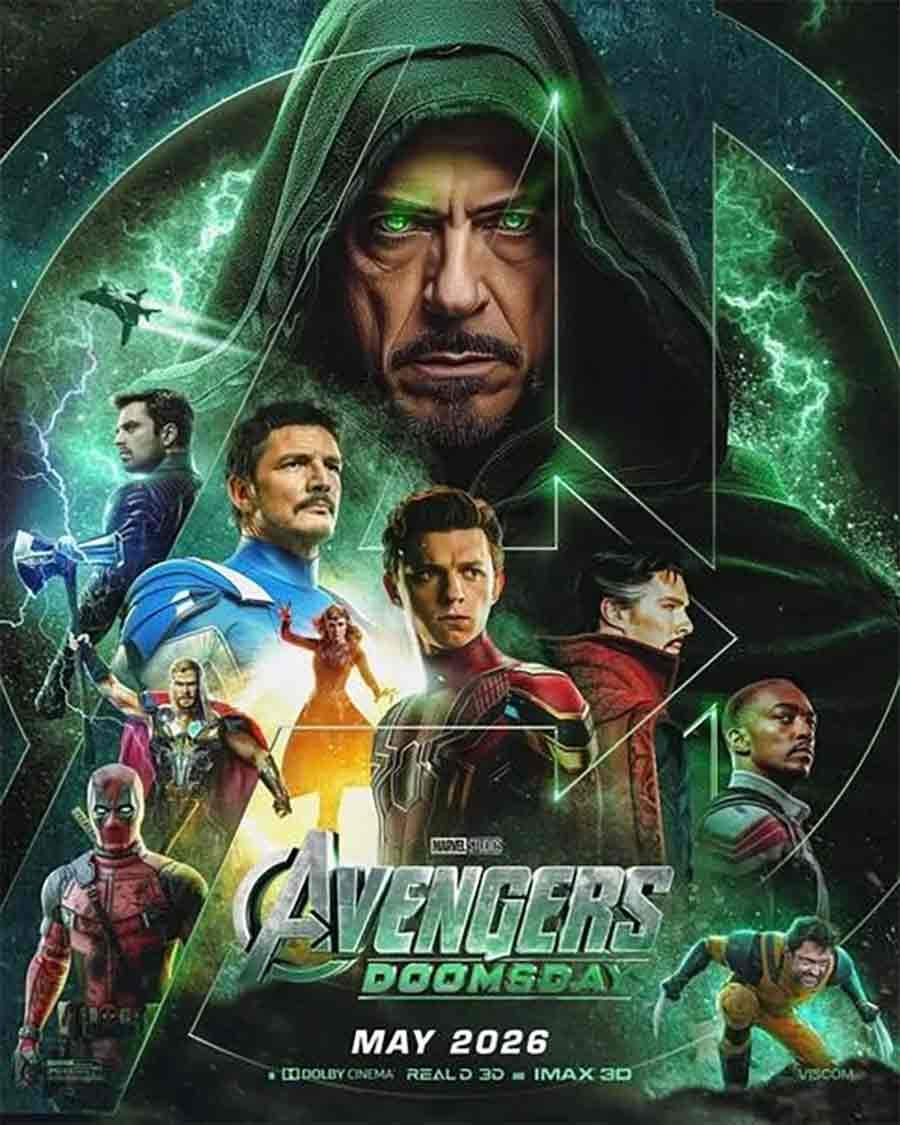
Avengers: Doomsday

Marvel

Release Date: 18 December 2026
Platform: Theatrical release, later streaming on Disney+

About: A colossal crossover that unites Earth’s heroes against the overwhelming threat of Kang the Conqueror and possibly Doctor Doom. With timelines collapsing and universes converging, this movie will test every hero to their limits. Surprise appearances and legacy characters are expected, making it one of the most ambitious ensemble projects in Marvel’s history.

Avengers: Secret Wars

Marvel

Release Date: 17 December 2027
Platform: Theatrical release, later on Disney+

About: The culmination of the Multiverse Saga, this film adapts the legendary Secret Wars storyline from the comics. Universes collide into one chaotic Battleworld, where heroes and villains from across Marvel’s cinematic history will be forced to fight for survival. With rumours of X-Men, Fantastic Four, and past Spider-Man actors joining the MCU roster, this is set to be the grandest event Marvel has ever attempted.

Speculated / In Development Projects

Alongside these confirmed titles, Marvel is quietly developing several projects that could arrive after Secret Wars, including Shang-Chi 2 with more on the Ten Rings, Doctor Strange 3 exploring multiversal incursions, Black Panther 3 expanding Wakanda’s future, Thor 5 potentially continuing the God of Thunder’s journey, and Armor Wars focusing on War Machine facing the consequences of Stark tech falling into the wrong hands.

Also Read: AR Rahman Talks About His Love for Marvel Movies

September 20, 2025 0 comments
0 FacebookTwitterPinterestEmail
Salman Khan
Bollywood

Birthday Special: Top movies of Shabana Azmi 

by jummy84 September 18, 2025
written by jummy84

As Shabana Azmi celebrates her 75th birthday today, it is the perfect moment to look back at a career that has shaped the very fabric of Indian cinema. Known as the face of parallel cinema, she balanced meaningful art-house roles with memorable mainstream performances, carving a niche that very few actors could achieve. With five National Awards and countless accolades to her name, Shabana Azmi has always been more than just an actor. She is a storyteller, a trailblazer and a voice of social change. On this special day, we revisit some of her most powerful films that continue to inspire generations.

Arth (1982)

 One of her most iconic roles, Arth saw Shabana Azmi deliver a deeply emotional performance as a woman who discovers her strength after betrayal. Her raw and layered portrayal touched countless hearts and won her a National Award, cementing her place as one of the finest actors in Indian cinema.

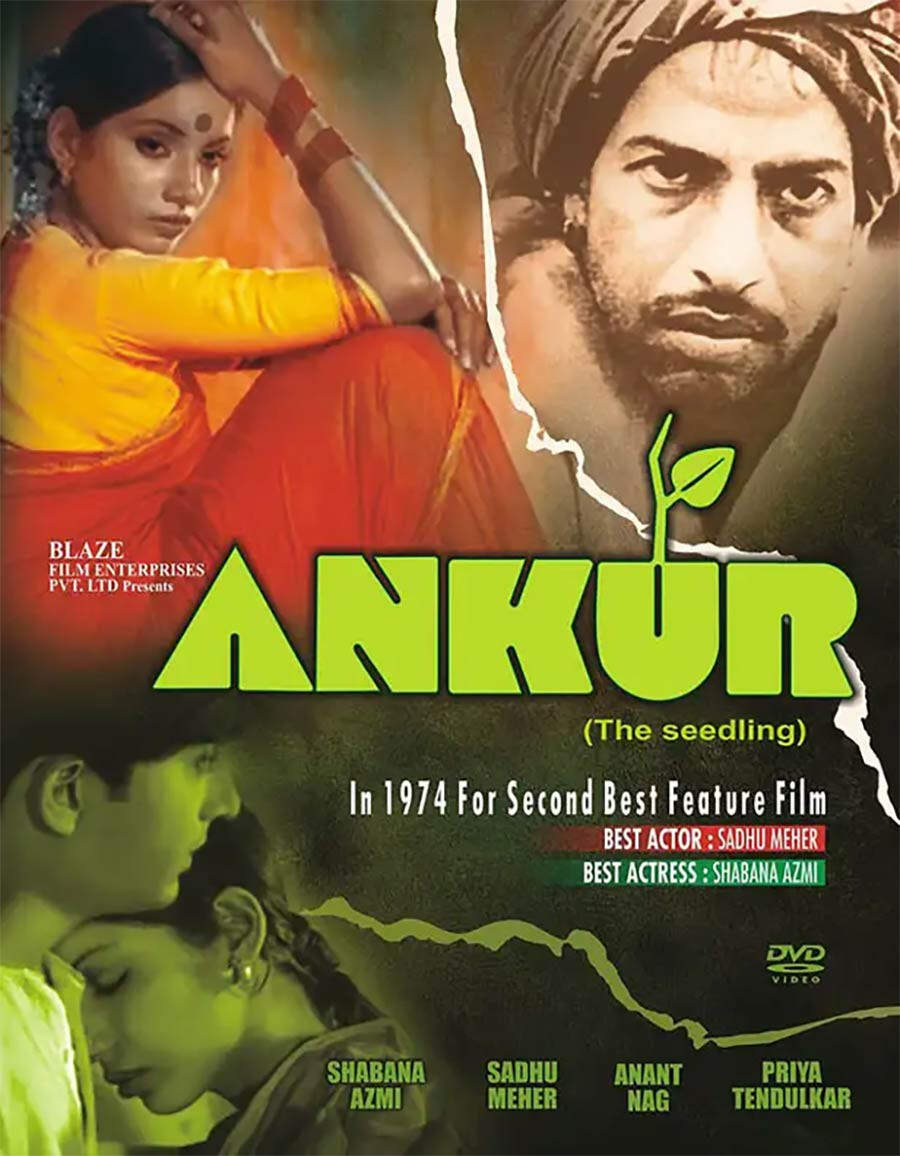
Ankur (1974)

Shabana Azmi

 Her debut film directed by Shyam Benegal was a turning point not just for her career but for Indian cinema itself. Playing Lakshmi, a poor woman trapped in the chains of poverty and social injustice, Shabana brought unmatched realism to the screen and immediately stood out as a powerful performer.

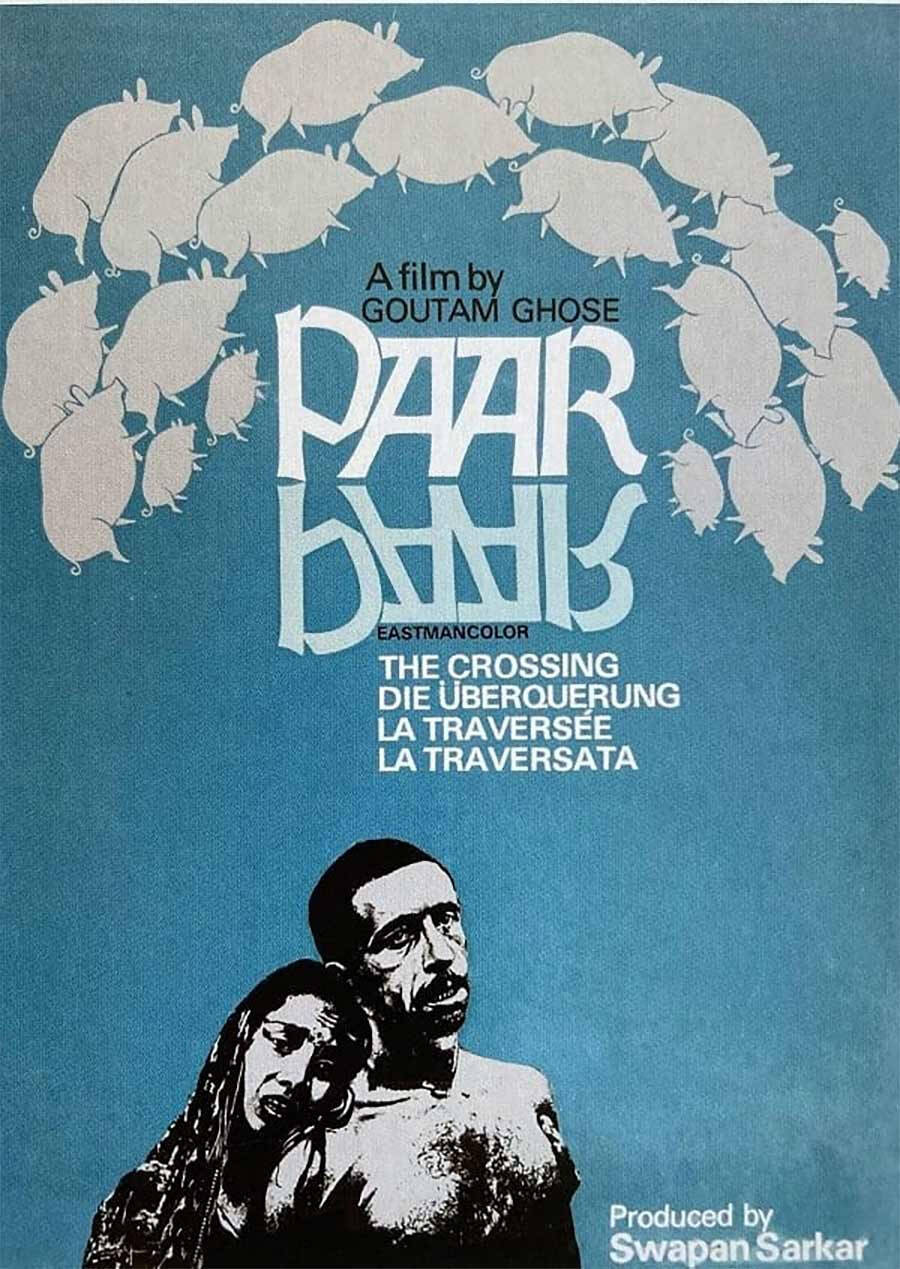
Paar (1984)

Shabana Azmi

 This gut-wrenching film told the story of a couple facing unimaginable struggles, and Shabana’s performance alongside Naseeruddin Shah was filled with pain, resilience and truth. It earned her yet another National Award and remains one of the most haunting portrayals of human survival on screen.

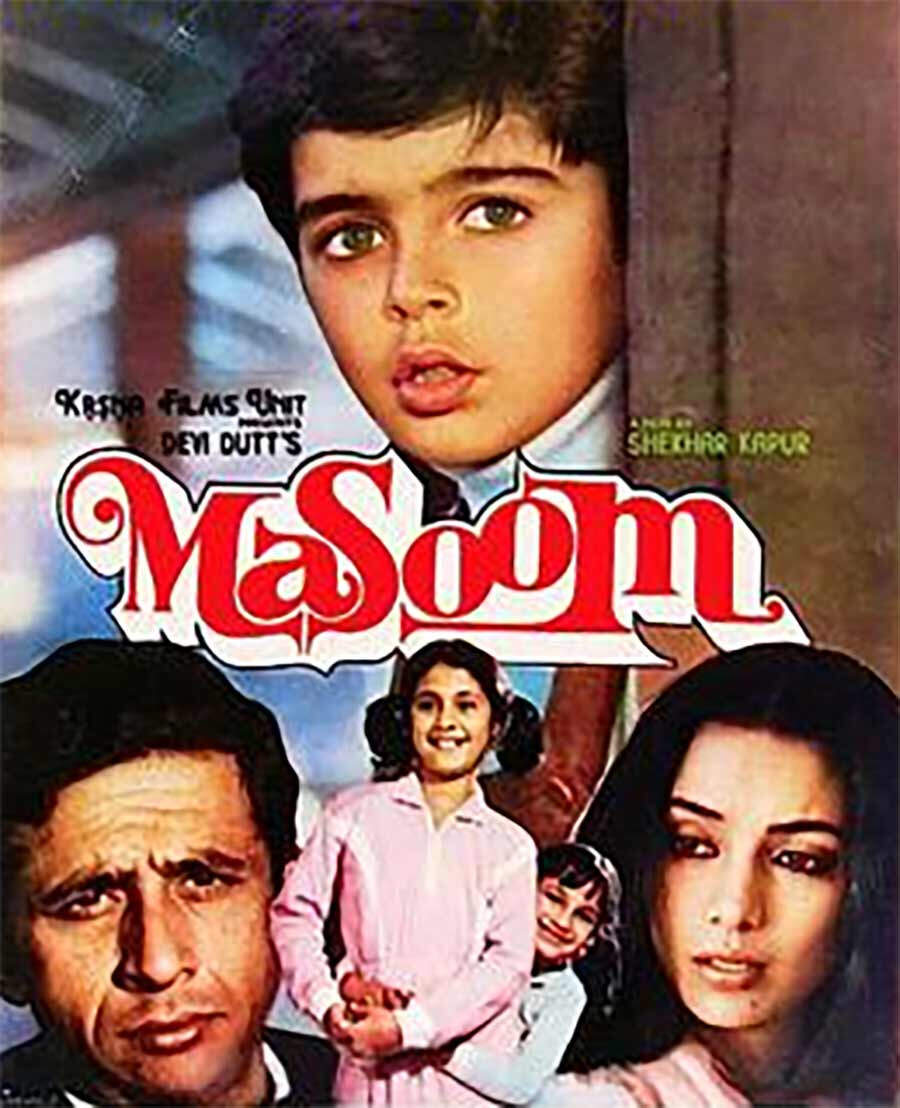
Masoom (1983)

Shabana Azmi

 In this tender family drama, Shabana played a mother grappling with her husband’s betrayal while still trying to hold her family together. Her balance of strength and vulnerability gave the film its soul, making Masoom one of the most cherished films of the 80s.

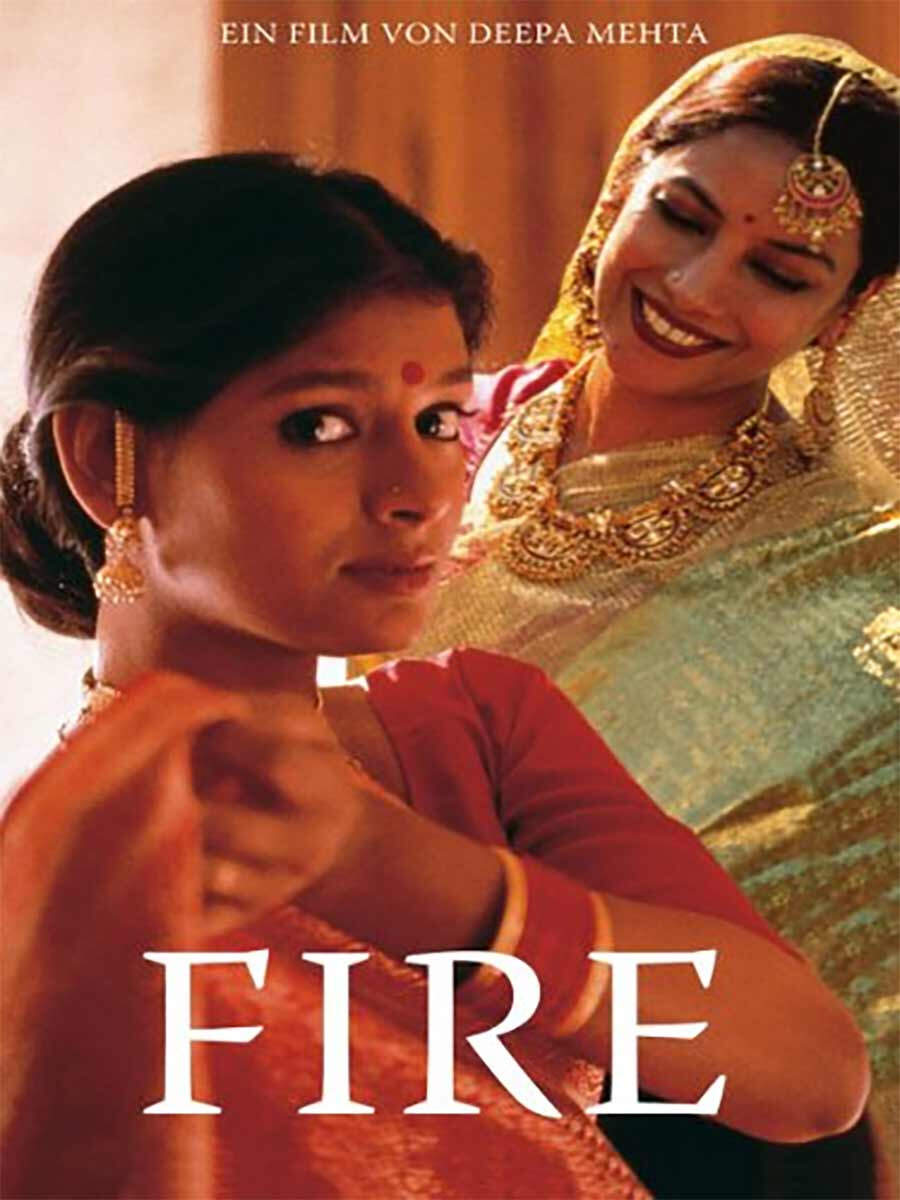
Fire (1996)

Shabana Azmi

A bold and path-breaking film for its time, Fire saw Shabana Azmi play Radha, a woman who finds unexpected love and companionship in another woman. Her sensitive yet courageous performance was ahead of its time and earned international acclaim for breaking stereotypes.

Also Read: Shabana Azmi turns 75: When she won the Filmfare Lifetime Achievement Award

September 18, 2025 0 comments
0 FacebookTwitterPinterestEmail
Newer Posts
Older Posts

Social Connect

Facebook Twitter Instagram Pinterest Youtube Snapchat

Recent Posts

  • 2009 feels like a whole other world away

  • Watch Ariana Grande and Jimmy Fallon Perform a History of Duets

  • Spotify’s Joe Hadley Talks ARIA Awards Partnership

  • Nick Offerman Announces 2026 “Big Woodchuck” Book Tour Dates

  • Snapped: Above & Beyond (A Photo Essay)

Newsletter

Subscribe my Newsletter for new blog posts, tips & new photos. Let's stay updated!

Categories

  • Bollywood (1,929)
  • Celebrity News (2,000)
  • Events (267)
  • Fashion (1,605)
  • Hollywood (1,020)
  • Lifestyle (890)
  • Music (2,002)
  • TV & Streaming (1,857)

Recent Posts

  • Shushu/Tong Shanghai Fall 2026 Collection

  • Here’s What Model Taylor Hill Is Buying Now

  • Julietta Is Hiring An Assistant Office Coordinator In Dumbo, Brooklyn, NY (In-Office)

Editors’ Picks

  • 2009 feels like a whole other world away

  • Watch Ariana Grande and Jimmy Fallon Perform a History of Duets

  • Spotify’s Joe Hadley Talks ARIA Awards Partnership

Latest Style

  • ‘Steal This Story, Please’ Review: Amy Goodman Documentary

  • Hulu Passes on La LA Anthony, Kim Kardashian Pilot ‘Group Chat’

  • Hannah Einbinder Slams AI Creators As “Losers”

  • Facebook
  • Twitter

@2020 - celebpeek. Designed and Developed by Pro


Back To Top
celebpeek
  • Home
  • Bollywood
  • Hollywood
  • Lifestyle
  • Fashion
celebpeek
  • Music
  • Celebrity News
  • Events
  • TV & Streaming