celebpeek
  • Home
  • Bollywood
  • Hollywood
  • Lifestyle
  • Fashion
celebpeek
  • Music
  • Celebrity News
  • Events
  • TV & Streaming
Home » Icons
Tag:

Icons

Hollywood’s New Obsession: The Rise of the “Quiet Icons” Changing the Fame Game
Hollywood

Hollywood’s New Obsession: The Rise of the “Quiet Icons” Changing the Fame Game

by jummy84 December 8, 2025
written by jummy84

There’s a new wave sweeping through Hollywood, and it’s not about blockbuster franchises, scandal-driven headlines, or overnight viral fame. This season, the industry’s coolest energy is coming from what fans are calling the “Quiet Icons”  celebrities who don’t need chaos, controversy, or clickbait to dominate the conversation.

From red carpets to social media feeds, these stars are redefining what it means to shine in Hollywood. Instead of loud drama, they bring authenticity, intention, and a vibe that feels refreshingly human in an industry built on noise.

Leading the trend are multi-hyphenates like Lily Collins, who continues to blend classic elegance with modern cool; Barry Keoghan, whose mysterious charm has turned him into the internet’s favorite unpredictable actor; and rising artists like Maya Hawke, who has quietly become the muse of a generation craving softness and originality.

What makes these stars magnetic is simple:
realness is their brand.
They show up to premieres with effortless fashion, post unfiltered behind-the-scenes content, and speak with honesty about their process instead of perfection. No over-curated personas, no performative drama, just vibes, talent, and a sense of grounded confidence.

Even in fashion, the Quiet Icon movement is booming. Stylist-favorite brands like The Row, Khaite, and Tove are leaning into minimal silhouettes and luxe textures that whisper instead of shout. The red carpet has officially entered its “silent luxury with personality” era, and fans can’t get enough.

What’s fascinating is that this shift isn’t accidental, it’s cultural. Audiences are exhausted by spectacle. They want stars who feel real, who make fame look sustainable instead of chaotic, and who bring emotional intelligence to an industry that sometimes forgets what emotion even means.

This new Hollywood energy proves one thing:
You don’t have to be the loudest person in the room to be the most iconic.
Sometimes, the ones who speak softly make the biggest impact.

Photo Credit:
Montclair Film, CC BY 2.0, via Wikimedia Commons
Senior Airman Austin Pate, Public Domain, via Wikimedia Commons
Toglenn, CC BY-SA 4.0, via Wikimedia Commons


December 8, 2025 0 comments
0 FacebookTwitterPinterestEmail
Ahaan Panday And Aneet Padda Became The New Gen Z Icons of Indian Cinema With Their Chemistry In Saiyaara
Bollywood

Ahaan Panday And Aneet Padda Became The New Gen Z Icons of Indian Cinema With Their Chemistry In Saiyaara

by jummy84 November 29, 2025
written by jummy84

Ahaan Panday and Aneet Padda have become an iconic pair in Bollywood, winning hearts across the nation with their performances in the romantic drama Saiyaara. Directed by Mohit Suri, the film, which released on July 18, 2025, has taken the box office by storm, grossing over ₹570.33 crore worldwide, and has solidified the duo’s status as the new Gen Z icons of Indian cinema. Their chemistry, both on and off-screen, has made them a favorite among fans, especially those who ship the pair as a real-life couple.

Aneet Padda & Ahaan Panday

Aneet Padda & Ahaan Panday Won Award

The film’s success is not just limited to its box-office earnings; Saiyaara resonated deeply with audiences for its raw emotion, captivating romance, and memorable performances. Ahaan Panday made his big-screen debut with this film, while Aneet Padda, who had already made a mark with her role as Roohi in Amazon Prime’s Big Girls Don’t Cry, earned widespread acclaim for her portrayal of the strong yet vulnerable character.

Aneet Padda & Ahaan Panday

Also Read: Deepika Padukone’s Sister Anisha Padukone Set to Marry Rohan Acharya, Brother of Karan Deol’s Wife Drisha 

The film’s success led to Ahaan and Aneet receiving the Gen Z Icon Award at the prestigious CNN-News18 Indian of the Year 2025. Their portrayal of Zain Ji and Sana became iconic, with Zain’s emotional moments, particularly his crying and frustration, becoming memorable scenes that connected with fans on a personal level. Their undeniable chemistry on-screen has translated into real-life affection from their fans.

Aneet Padda & Ahaan Panday

Several behind-the-scenes videos have surfaced showing Ahaan and Aneet reenacting their Saiyaara roles, leaving fans swooning. One video even shows them romancing on stage to a song from the film, bringing back the magic that audiences fell in love with. Another video captures a sweet moment between the two as they sit together in the audience, with Ahaan whispering something in Aneet’s ear. Their closeness off-screen has sparked speculation about their bond, with fans commenting that their relationship mirrors their characters’ on-screen romance.

November 29, 2025 0 comments
0 FacebookTwitterPinterestEmail
Post-Rock Icons Tortoise Return with Transportive LP » PopMatters
Music

Post-Rock Icons Tortoise Return with Transportive LP » PopMatters

by jummy84 November 11, 2025
written by jummy84

The best albums become places. They transport you instantly. Stevie Wonder’s Songs in the Key of Life is a joyful kitchen on a Sunday morning. Patti Smith’s Horses is a slammed New York club on a Saturday night. Bruce Springsteen’s Nebraska is, well, Nebraska. Touch, the eighth studio LP from Tortoise and their first in nine years, also creates a place, but that place is nowhere at all. Recorded in Los Angeles, Portland, and Chicago, Tortoise‘s Touch feels like the space between places; it is an alien, nighttime world. The record, like a Tolkien novel, conjures a universe and makes you feel like you’ve been there. It is, in a word, miraculous.

Humble in its concepts, minimalist in its execution, and pristinely recorded by drummer and producer John McEntire, Touch eschews the ambition and grandiosity of many post-rock LPs and focuses on simple structures. Each song tries to do only one thing; the result is ten fully coherent ideas that urge you to listen closely for each small detail. Each track is immediately distinct from the one that came before, creating a sense of unfamiliarity in the first few bars. The sounds are otherworldly but become comfortable quickly, so the slow changes feel monumental.

Take “Axial Surmount”, which chugs anxiously in C major for two full minutes, the bass and drums in lockstep. At the midway point, the track shifts suddenly, without a signal, to D minor. The same groove becomes sinister, justifying the nervousness of the opening segment. When returning to C for the track’s conclusion, the groove feels like home, but quickly fades out in favor of thirty seconds of spectral synthesizer that is sharply cut off. In four minutes, Tortoise establishes a sense of home, rips it away, restores it, and ends with a riddle. It is confounding and delightful.

These minimalist shifts are not only in service of mystique; while Touch is dark, it is still playful. The album opener, “Vexations”, concludes when the drums abandon a straightforward groove in favor of something more syncopated. The synthesizer matches it. The guitar complements the synth, and then the bass matches them all, forming a deliriously joyful, off-kilter lockstep, much like “Axial Surmount”, before deteriorating into a question.

Touch‘s finest moment comes in its closing track, “Night Gang”, a stately march. It sits in one groove for several minutes and then changes keys just a half step. The band takes this change nonchalantly; the drums don’t add a fill to signal the transition, and there’s no excited guitar run. All we get is a fuzzy synthesizer, emerging from the darkness and gently warming up, to push us into the new key. The track, now slightly brighter, bears an air of triumph. Barely anything has changed, but the song is completely reborn. When the song deteriorates and the album walks away from us, we are transformed.

Tortoise haven’t made an album in nine years. If you’re going to wait this long, you should make something like Touch: A cinematic record that is profoundly human and entirely spectral. It is a world unto itself, filled with beautiful landmarks and perplexing questions. Our own world is more interesting because it is finally here.

November 11, 2025 0 comments
0 FacebookTwitterPinterestEmail
The Star-Studded Women in Film Honors Celebrated Icons and Faces of the Future
Fashion

The Star-Studded Women in Film Honors Celebrated Icons and Faces of the Future

by jummy84 November 8, 2025
written by jummy84

Accepting the Jane Fonda Humanitarian Award, Curtis opened with a tribute to her fellow screen star, paraphrasing Fonda’s famous line from last year’s SAG Award acceptance speech: “By the way, ‘woke’ just means you give a damn about other people.” Curtis also paid homage to her late mother whose big-hearted efforts inspired her own. “This award is about caring for other people,” Curtis told Vogue. “I grew up watching my friend Dolores [Narr Nemiro], along with my mother and the other ladies of S.H.A.R.E., an organization that raises money for children, perform this big show every year. I wanted to bring Dolores as my date tonight and say thank you to her and the ladies of S.H.A.R.E. My mother would be so happy that Dolores and I are standing here together.”

At the front of the room, comedy tag team Judd Apatow and Leslie Mann were proudly in situ. Their daughter Maude Apatow, fresh from the premiere of her directorial debut Poetic License, was honored with the Max Mara Face of the Future award at the ceremony. “I’m just very grateful to be here,” Apatow told Vogue, in the middle of fan-girling over Jamie Lee Curtis. “I love making movies, I love women, and I love the women that I’ve worked with throughout my career—so I’m happy to be in any room full of women.”

Following dinner, the ceremony incorporated two panels. Crystal Award for Advocacy in TV honorees Mara Brock Akil and Regina King discussed receiving Judy Blume’s blessing to reimagine her young adult novel Forever and retell it as a coming-of-age story of two Black teens.

Crystal Award for Advocacy in Film honorees Tessa Thompson, Dede Gardner, and Gabrielle Nadig also explored the creation of Hedda. “I think what’s most important is for women to communicate, and to be in communal spaces,” Thompson had mused earlier in the night. “But I also think it’s important to make those experiences outside of beautiful honors like this—to be talking to each other, to be advocating for each other. All of the silent work people don’t see photographed, things you don’t dress up for.”

The night didn’t conclude without a suitably hilarious acceptance speech from funnywoman Kristen Wiig. Kaia Gerber, Wiig’s Palm Royale co-star, was on hand to present her with WIF’s inaugural Icon Award. “What a gift to have someone like Kristen show us that devastation and laughter are so closely woven together,” Gerber told the audience.

As guests made their final rounds at the end of the night, the feeling of possibility and positivity permeated the air. In particular, a note from Curtis about her upcoming film, Ella McCay. “The last line of the narration of the movie is telling. ‘There is no opposite word for trauma, but hope comes close.’ And today, I feel hope. I think we all do.”

November 8, 2025 0 comments
0 FacebookTwitterPinterestEmail
Ryan Reynolds
Bollywood

Monsters That Made Us: How Universal’s Icons Still Define What We Fear

by jummy84 October 31, 2025
written by jummy84

Before the word “franchise” meant superheroes and crossovers, Universal Pictures built an empire of the undead. The studio’s 1930s run of horror classics did not just change cinema. It redefined how we see fear, beauty, and even ourselves.

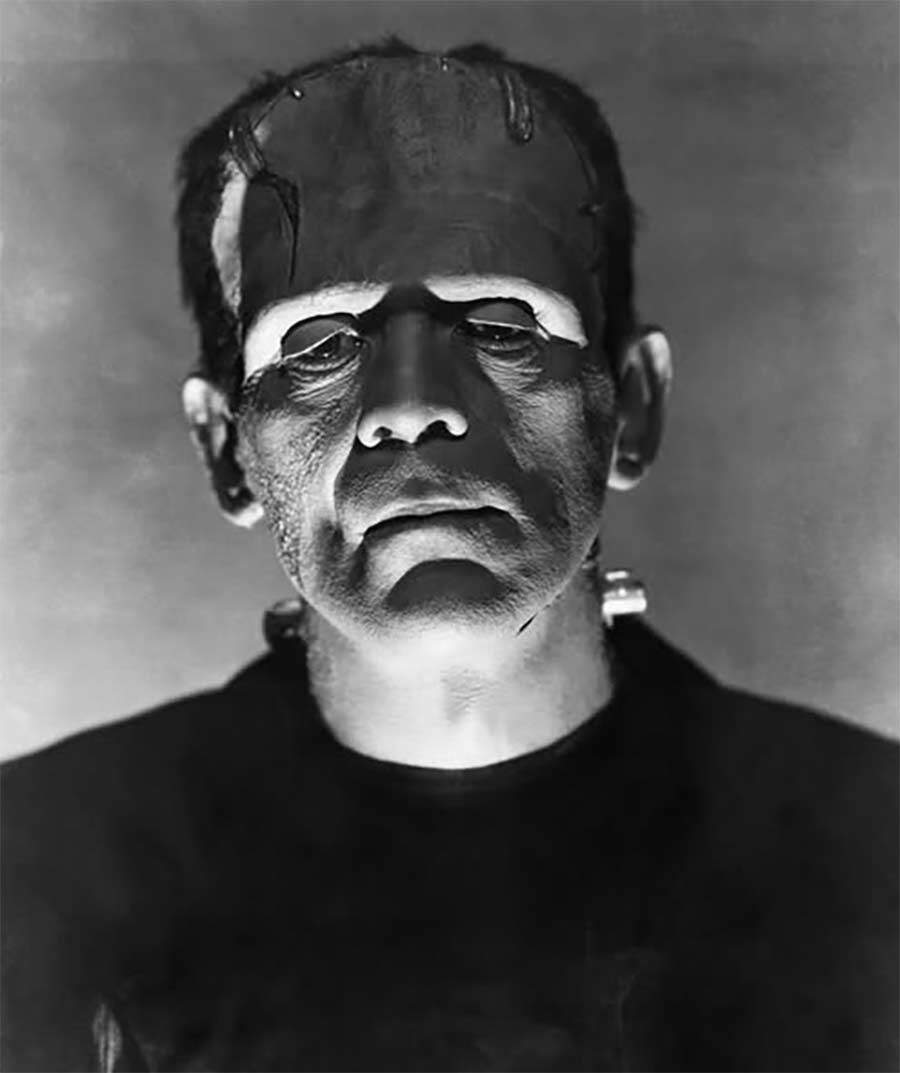
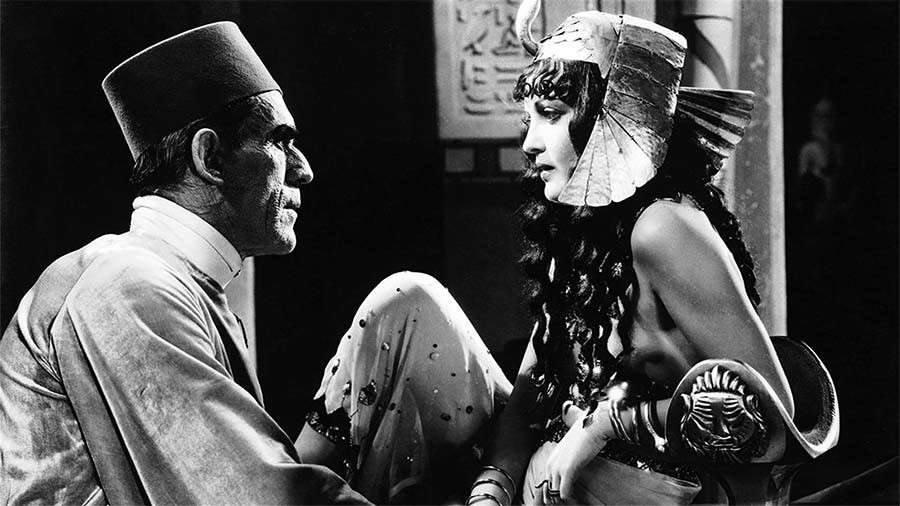
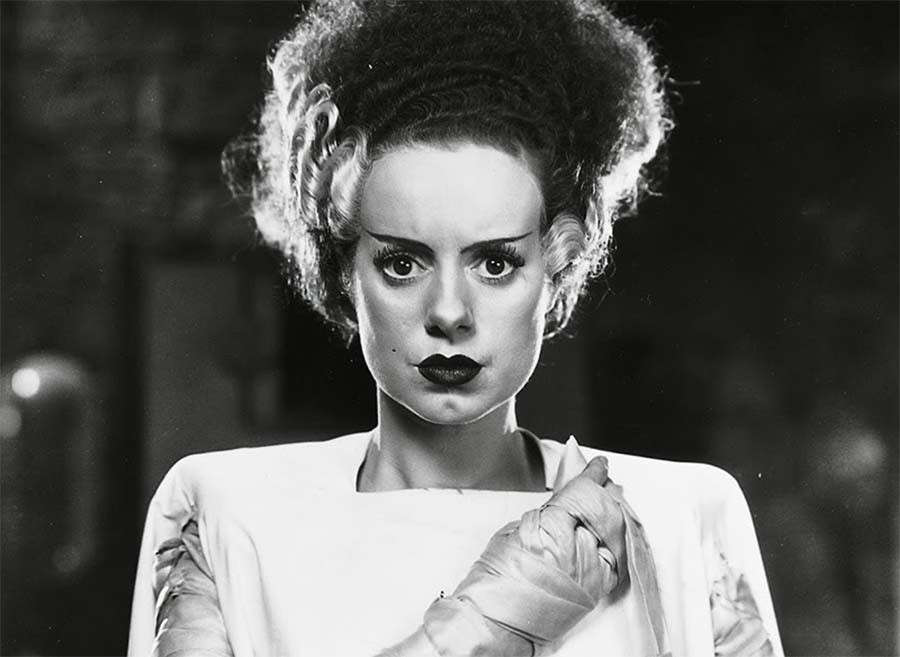
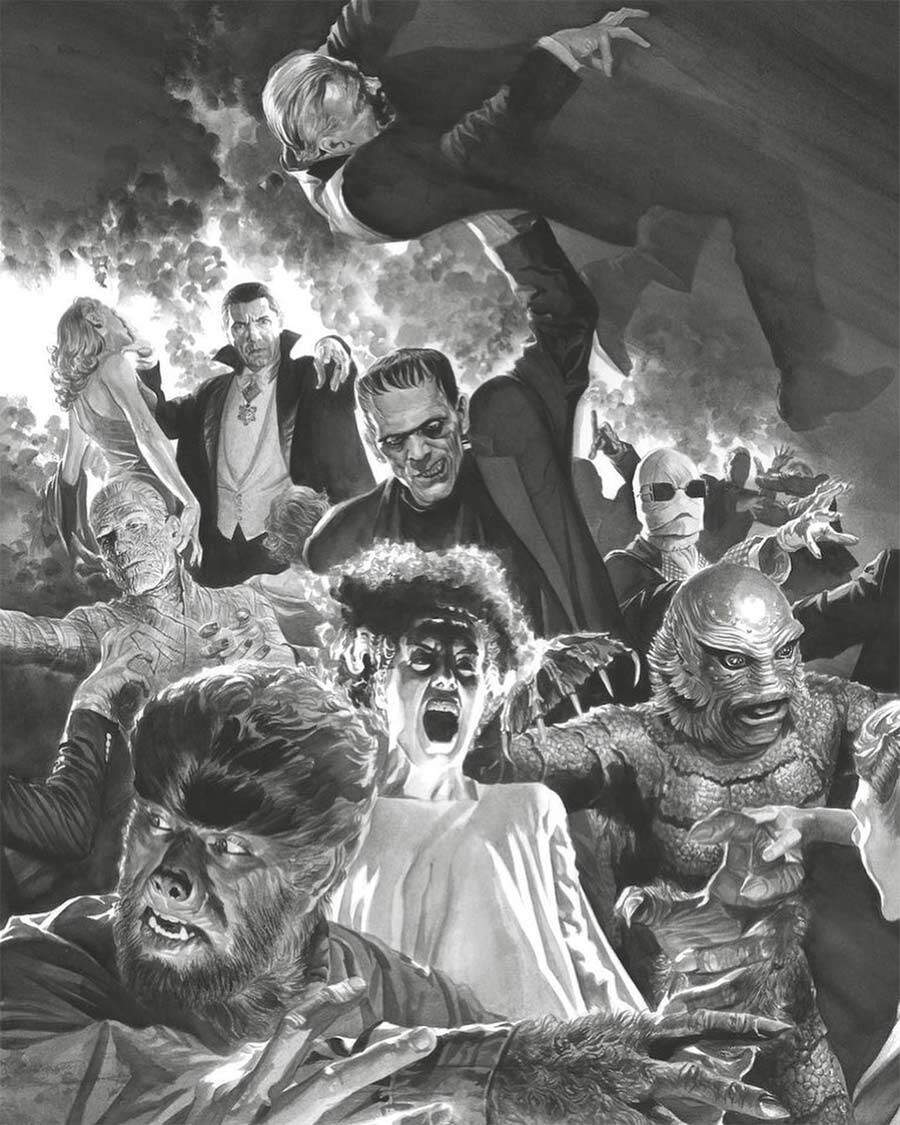
When Dracula arrived in 1931, followed by Frankenstein, The Mummy, The Invisible Man, Bride of Frankenstein, and The Wolf Man, the world was only beginning to crawl out of the Great Depression. These were not escapist fantasies. They were reflections of unease, uncertainty, and guilt. Directors like Tod Browning, James Whale, and Karl Freund turned flickering shadows into psychological mirrors. They borrowed the visual grammar of German Expressionism, full of crooked lines, tilted worlds, and faces half-swallowed by light, and gave audiences a language for their fears.

It was never just about the monsters on screen. It was about what they said about us.

When Horror Learned to Feel

Boris Karloff’s Frankenstein’s Creature changed everything. Under thick makeup and silent agony, he brought a soul to horror. In one unforgettable scene, the creature kneels by a lake beside a little girl. She hands him a flower, he smiles, and then, not understanding his own strength, he throws her into the water. The moment is heartbreaking because it is human.

James Whale’s direction turned what could have been grotesque into something strangely poetic. The monster was never evil. The cruelty came from the villagers, from science without conscience, from a creator who abandoned his creation. That tragedy made audiences weep even as they recoiled. You can trace that same empathy in Edward Scissorhands, The Shape of Water, and King Kong. Horror became a place where compassion and terror could exist together.

If Karloff gave the genre its heart, Bela Lugosi gave it its swagger. His Dracula was not a beast hiding in shadows. He was the shadow. Every movement was measured, every syllable a seduction. Fear became something elegant. Since then, every vampire, from Anne Rice’s tormented Louis to Robert Pattinson’s glittering Edward, has borrowed a little from Lugosi’s cape.

Monsters That Made Us: How Universal’s Icons Still Define What We Fear

The Birth of the Modern Monster

What Universal created was not just a set of films. It was the genetic code for horror as a genre. The misunderstood outsider in Frankenstein became the foundation for a thousand sympathetic monsters. The cursed soul of The Wolf Man showed that true horror often comes from within. The Invisible Man captured the madness of power. The Mummy turned the ancient past into an eternal haunting.

Even today, when Jordan Peele examines the dark reflection of self in Us or when The Babadook explores grief made manifest, they are still walking the same haunted corridors Universal built nearly a century ago. Those films taught us that monsters are not alien. They are metaphors made flesh.

From Page to Shadow

The Universal cycle was built on some of literature’s deepest nightmares. Mary Shelley’s Frankenstein, Bram Stoker’s Dracula, and H. G. Wells’s The Invisible Man were born from a world wrestling with science, morality, and faith. Shelley questioned creation long before bioethics was a word. Stoker’s Dracula was a vessel for Victorian terror about disease and sexuality. Wells’s invisible man embodied the dangers of ego without empathy.

Universal did not simply adapt these stories. It transformed them. The gothic prose became chiaroscuro. The philosophy turned into performance. In that translation, these creatures stopped belonging to books and began to belong to everyone.

When you picture Frankenstein today, you do not see Shelley’s articulate and tragic creature. You see Karloff’s green skin, square head, and sadness in the eyes. The films rewrote the mythology so completely that they replaced the originals in the public imagination.

Monsters That Made Us: How Universal’s Icons Still Define What We Fear

Why We Cannot Stop Looking at Monsters

Every October, the same faces return. Dracula, Frankenstein, the Wolf Man, the Mummy, or the Gill-man from Creature from the Black Lagoon. They have outlived the stars who played them, the studios that made them, and the wars that raged outside the theatres. The reason is simple. Monsters let us meet ourselves.

Psychologically, horror is a rehearsal for danger. We confront what we fear in a safe space and leave feeling alive. But there is something deeper. Carl Jung called it the “shadow self,” the part of us we hide. The Universal Monsters gave that shadow a face. Watching Karloff or Lugosi was never just entertainment. It was catharsis. They showed the pain of rejection, the hunger for belonging, and the fear of desire. Horror made those emotions visible, forgivable, even noble.

Larry Talbot in The Wolf Man says, “Even a man who is pure in heart,” and it still cuts to the bone. Every man and woman carries a beast. The movies simply had the courage to show it.

Monsters That Made Us: How Universal’s Icons Still Define What We Fear

The Fear That Built the Century

The Universal Monsters were not born in a vacuum. They emerged from a world changing too fast for comfort. The 1930s brought industrial innovation, social upheaval, and the first stirrings of modern war. Frankenstein warned of science outrunning its soul. Dracula personified fear of the foreign and the forbidden. The Mummy reflected guilt over colonial plunder. The Wolf Man captured the trauma of losing control in a violent world.

Their relevance has not faded because the same anxieties keep evolving. Today’s fears are digital, viral, and artificial. But the emotional core remains. Every panic about AI, every film about contagion or isolation, still carries the fingerprints of those black-and-white classics. The faces have changed, but the psychology has not.

Monsters That Made Us: How Universal’s Icons Still Define What We Fear

The Curse of Living Forever

Universal has tried to bring them back many times. The 2017 Mummy reboot, meant to launch a shared “Dark Universe”, collapsed under its own ambition. What it proved was that you cannot manufacture myth. The originals endure not because they were franchises, but because they were sincere.

There was honesty in their terror. The sets were handmade, the lighting theatrical, and the effects charmingly crude. But the emotions were raw. They were not trying to sell sequels. They were trying to understand what it means to be human. Modern filmmakers like Guillermo del Toro, Mike Flanagan, and Robert Eggers carry that spirit forward. They use monsters the way James Whale did, as lenses to study loneliness, faith, and decay. Del Toro once said, “Monsters are the patron saints of imperfection.” That could easily be the motto of the entire Universal canon.

Monsters That Made Us: How Universal’s Icons Still Define What We Fear

Why They Still Matter

As Halloween rolls around again, the streaming shelves fill with jump scares and gore fests. But the Universal Monsters endure because they offer something rarer: empathy. They remind us that horror is not about the thing in the dark. It is about the heart that beats inside it.

Dracula’s hunger, Frankenstein’s confusion, and the Wolf Man’s guilt are all fragments of the same truth. Fear is never just about death. It is about being seen, being judged, being alone. A century later, the old monsters still walk. And maybe they always will, because they are us.

Also Read: Ram Charan, Allu Arjun to Attend Allu Sirish and Nayanika’s Engagement Tomorrow

October 31, 2025 0 comments
0 FacebookTwitterPinterestEmail
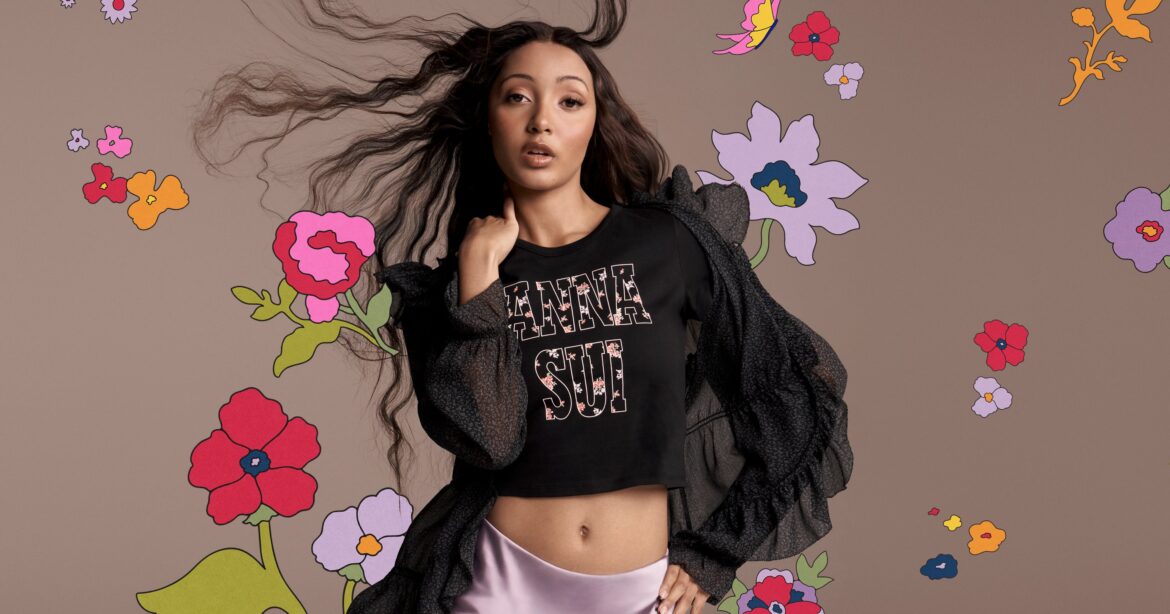
Old Navy x Anna Sui Collab Blends Two 90s Fashion Icons
Fashion

Old Navy x Anna Sui Collab Blends Two 90s Fashion Icons

by jummy84 October 28, 2025
written by jummy84

Calling all fashion lovers because the nineties… and seventies… and sixties called, and they want to be back inside your closets. Luckily, New York-based fashion designer Anna Sui was tapped by Old Navy for its first-ever designer collaboration — fronted by Y2K-coded singer-songwriter PinkPantheress.

“Anna really understands who our customer is, what she wants, how she lives, and we knew this was an amazing moment to bring that,” Zac Posen, creative director of Gap Inc. and chief creative officer of Old Navy, tells Refinery29. “Anna is a design and style icon, and I thought to bring that to another nineties icon, Old Navy, made perfect sense to launch this.” 

Known for “her whimsy, her magic, her cool, and her rock ‘n’ roll energy,” in the words of Posen, Sui’s Almost Famous Penny Lane-meets-witchy Stevie Nicks aesthetic is on full display with this “Bohemian collection.” Think: faux fur Afghan coats (aka Penny Lane coats), lace cardigans, floral dusters, and satin slip skirts (one of Sui’s favorite styles),

But we’re not just swooning over the styles… we’re also thrilled about the prices. “There’s a lot of Anna Sui DNA incorporated into this collection, but made with the expertise of Old Navy, and into very accessible, affordable pieces,” Sui tells Refinery29 about the collection, which ranges between a $10 floral headscarf and $120 vegan suede coat.

October 28, 2025 0 comments
0 FacebookTwitterPinterestEmail
Taylor Swift The Life of a Showgirl
Music

Taylor Swift Between Idols and Icons » PopMatters

by jummy84 October 16, 2025
written by jummy84

As modern hermeneutics teaches, interpretations are about the construction of meaning. To interpret a text, in other words, is to find meaning in a text. Meaning is created in communities and in discourses. When Taylor Swift drops a new album, bedrooms, cafes, and social media sites across the world become hubs of interpretation and nodes of meaning-making.

Philosophical hermeneutics emphasizes that we are fundamentally interpretive beings (Grondin). We are not homo sapiens, beings gifted with wisdom; instead, we are homo interpretans (Michel). That is, we are not inherently wise; rather, we are destined and fated to interpret the world, which is to say, we are beings who continually seek meaning. To be is to interpret.

For millions of fans worldwide, Taylor Swift holds significant meaning. Therefore, her every new release becomes an occasion for interpretations to emerge, circulate, and proliferate throughout the digital mediascape. Let’s delineate several strands of meaning that bind and unify Swift’s latest album, The Life of a Showgirl (2025). More specifically, let’s consider two prominent concepts that weave throughout the album: icons and idols.

Taylor Swift Between Idols and Icons

A cursory glance at the song titles comprising The Life of a Showgirl makes clear that the album is about cultural icons. From the opening songs “The Fate of Ophelia” and “Elizabeth Taylor” to the closing song “The Life of a Showgirl”, cultural icons are conspicuous, replete, and resonant.

“The Life of a Showgirl”, the song that also closes the album, departs from the familiar mode of Taylor Swift singing in a confessional voice. Instead, Swift assumes the persona of a young, adoring fan who watches a veteran showgirl perform and who desires, more than anything, to become a showgirl.

As the song makes explicit, a “showgirl” is a commodified form of identity that renders female bodies replaceable and fungible. Just like any other commodity, showgirls can and will, eventually, be replaced.

Tellingly, Taylor Swift sings the song with Sabrina Carpenter, a rising star who occasionally opened for Swift on the Eras tour in 2023 and 2024, and who many critics and fans have labeled as the next it girl, the next showgirl. As the closing song, “The Life of the Showgirl” can be read as Swift giving way to Carpenter, as one rising showgirl (Carpenter) assumes the place of an established, veteran showgirl (Swift).

This is not a choice. Rather, as the song and album dramatize, the substitution of one showgirl for another is central to the logic of the dominant patriarchal system that figures women as replaceable, fungible icons.

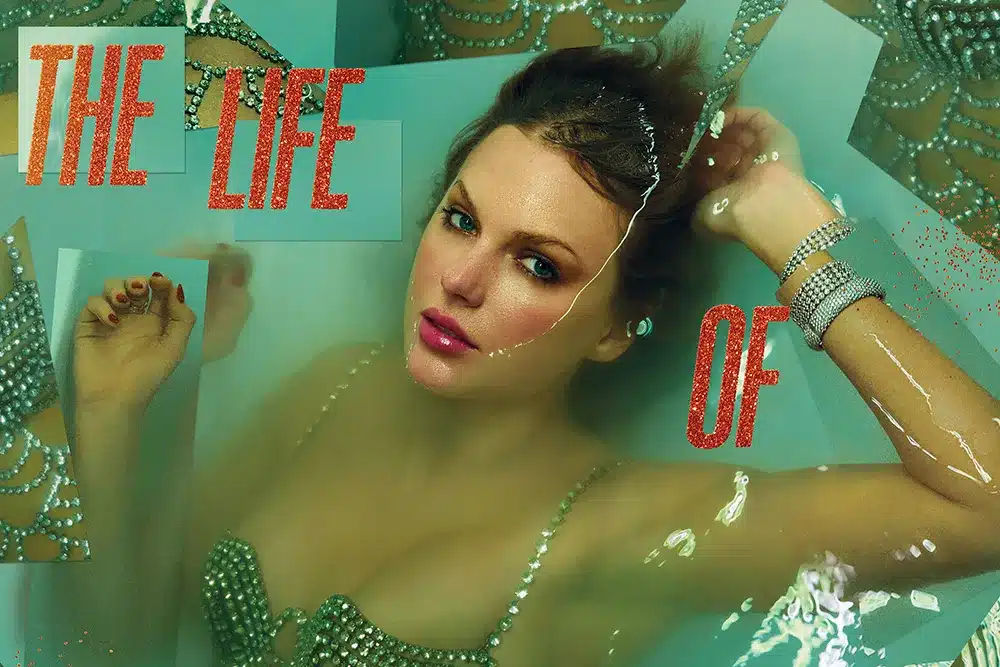
Although The Life of a Show Girl cover features Taylor Swift fashioning herself as a showgirl, on the closing song, the titular showgirl is not Swift, but rather, a fictional character named “Kitty”. Kitty is a conspicuous stage name, signifying the gulf that separates showgirls as performers from the human being behind the stage name.

A showgirl is an icon that signifies a divided, alienated self. A showgirl is a performer who masters the art of artifice, performing a persona for public consumption. In contrast to this scripted performance of artifice, the showgirl’s nonperformative self has layers, meanings, memories, and mysteries that are hidden from the consuming public.

As the titular and closing song foregrounds, Kitty becomes a famous showgirl, first and foremost, because of her aesthetic appearance. Tellingly, the first adjective used to describe Kitty is “pretty”. Despite her creative talents and work ethic—Kitty is described as a performer who sings and dances with “zero mistakes”—in the dominant patriarchal culture industry, Kitty’s value and worth become reduced to her looks.

Kitty and pretty rhyme, a conjoining that implies how Kitty’s value is inextricably linked to her aesthetic value. Put differently, when Kitty’s looks fade from the impossible patriarchal standards—when the young starlet can no longer pass as a kitten—then Kitty will be discarded and a new showgirl will take her place.

“The Life of a Showgirl”, both the song and album, serves as a stern and ominous warning about both the life of showgirls (and the beauty industry in general) and the patriarchal system that manufactures them. In the song’s chorus, the perspective shifts from the young fan fueled by the burning desire to become the next showgirl to the showgirl of the moment. The established showgirl cryptically and hauntingly warns the young wannabe starlet that no one should ever want to be or even know the life of a showgirl.

As the chorus repeats, those on the outside will never understand what a showgirl experiences and endures. This epistemic gap suggests a world of hurt, pain, and trauma that the song only intimates.

Yet, despite the seasoned showgirl’s foreboding warnings, the young fan still desires, more than anything, to become a showgirl. In the closing verses, the young woman who desired to become a showgirl has fulfilled her dream. She is now a showgirl, “married to the hustle” even though the system has “ripped” her “off like false lashes and threw” her “away”. This is the cycle that the song and the album dramatize, repeating again and again.

As presented by Taylor Swift, the showgirl is a tragic icon—an icon that repeats and recycles in a patriarchal culture that feeds on women-turned-icons. The album’s closing song links and loops back to the album’s opening. Just as the album closes with a tragic icon, so too does it open with an analogous figure.

The Life of a Showgirl‘s opening track, “The Fate of Ophelia”, alludes to the Shakespeare character who is rendered marginal in this patriarchal world and who, eventually, commits suicide. Ophelia, like future showgirls, is a tragic figure whose life is dictated and determined by the men in power surrounding her. Most prominently, Ophelia believes she is in an intimate relationship with Hamlet.

However, in Act 3, Hamlet famously and cruelly negates their relationship, ordering Ophelia, “get thee to a nunnery”. In Shakespeare’s age, “nunnery” was sometimes used ironically to mean a “brothel”. In today’s parlance, Hamlet may be slut-shaming a woman who believes she is in a love story.

In “The Fate of Ophelia”, Taylor Swift confesses that if her beloved hadn’t entered her life, she would have suffered a similar fate to Ophelia. Just as the showgirl is a type, so too, Swift posits, is Ophelia. Put differently, Ophelia isn’t simply a tragic character in a play, but a prominent role for women to occupy; a role in which women believe they are in a love story when, in fact, they are in a patriarchal narrative in which women are tools and objects that can be disposed of and discarded.

After the opening song, Taylor Swift names one of the most prominent showgirls of the 20th century, Elizabeth Taylor. For all of Swift’s material success, she presents the titular icon as a tragic one.

The song presents the showgirl’s fame as perpetually precarious. Such success, such recognition, is predicated on staying atop a mountain created and maintained by patriarchal capitalism, an impossible task, one from which all must eventually fail and fall. A showgirl is perhaps the most tragic icon because, as the final song makes explicit, young women strongly identify with and aspire to become such icons. “Elizabeth Taylor” is an icon with whom Taylor Swift both identifies and communes.

The Life of a Showgirl explores multiple icons, and in “Father Figure”, Taylor Swift assumes the role of a patriarchal icon. In the song, Swift assumes the persona of a producer who can manufacture showgirls. The song details how such patriarchal producers— such “father figures”—manipulate and ultimately destroy the desiring stars they promise to protect and nurture.

As the producer promises the young woman who desires to become a showgirl, they “can make deals with the devil because” their “dick’s bigger”. The producers who manufacture the dominant culture industry, one in which young women are paraded and celebrated for their hyper-sexualized appearance, are male figures who feign the role of paternal, protective “father figures”. Such father figures promise to be icons of love, but they are icons of destruction.

Thus far, we’ve explored how The Life of a Showgirl is about cultural icons. To be more precise, however, it’s about cultural idols. The French phenomenologist Jean-Luc Marion makes an important distinction between idols and icons. Whereas idols are false gods, icons are signifiers of the sacred and of love. As Marion elaborates, icons and idols are not fixed features of the world, but rather, modes of seeing.

Marion writes, “The gaze makes the idol, not the idol the gaze” (God without Being). Our gaze creates idols. Put differently, people become idols when we project our desires upon them and reduce them to means. The dominant culture that sees and sorts young women into showgirls is a form of idol-making. In this economy, such women become idols in a culture of patriarchy.

Conversely, to see someone as an icon is to recognize and honor their inherent dignity and intrinsic value. Icons help us recognize an ontology of love (Marion, The Erotic Phenomenon). That is, icons help us recognize that love is what binds us and makes life meaningful.

The Life of a Showgirl is replete with idols. What makes the album even more meaningful and important, though, is Taylor Swift’s turn towards icons. She conspicuously identifies and critiques a range of patriarchal idols, but the album’s intent becomes even more apparent if we recognize how it is also replete with icons, signifiers of love and sanctity.

Consider, for example, the song “Eternal Daughter” in which Swift critiques the dominant digital culture that encourages subjects to troll, gossip, tease, bully, humiliate, and harm others. The dominant digital culture, we can say, encourages subjects to participate in a violent idol culture, one in which we emulate other subjects who gain fame by hurting others through memes, tweets, and posts.

In contrast to this culture of idols, Taylor Swift vows to love her beloved forever. In this relationship, love does not end when looks fade, and love is not a pawn for patriarchal power to profit from and abuse. Rather, love is figured as eternal and sacred.

This is a different mode of being and becoming. This is the opening to a culture of icons, which can include intimate partners, friends, and even unexpected connections, such as the one in the closing song when the veteran showgirl reveals her pain to a fan, dropping the facade of glitz and glamour.

The power of The Life of a Showgirl is how the album dialectically explores the relationship between idols and icons. In the album’s explored world, idols are conspicuous and pervasive. It will be the work of Taylor Swift’s millions of fans to think more about the implied icons and how such icons gesture towards a world beyond the one that manufactures showgirls for public consumption.


Works Cited

 Grondin, Jean. Introduction to Philosophical Hermeneutics. Translated by Joel Weinsheimer. Yale University Press. February 1977.

Marion, Jean-Luc. The Erotic Phenomenon. Translated by Stephen E. Lewis. The University of Chicago Press. November 2006.

– God without Being. Translated by Thomas A. Carlson. The University of Chicago Press. July 2012.

Michel, Johann. Homo Interpretans: Towards a Transformation of Hermeneutics. Translated by David Pellauer. Rowman and Littlefield. April 2019.

October 16, 2025 0 comments
0 FacebookTwitterPinterestEmail
Diane Keaton: Revisiting a Style Icon’s Best Beauty Moments
Fashion

Diane Keaton: Revisiting a Style Icon’s Best Beauty Moments

by jummy84 October 13, 2025
written by jummy84

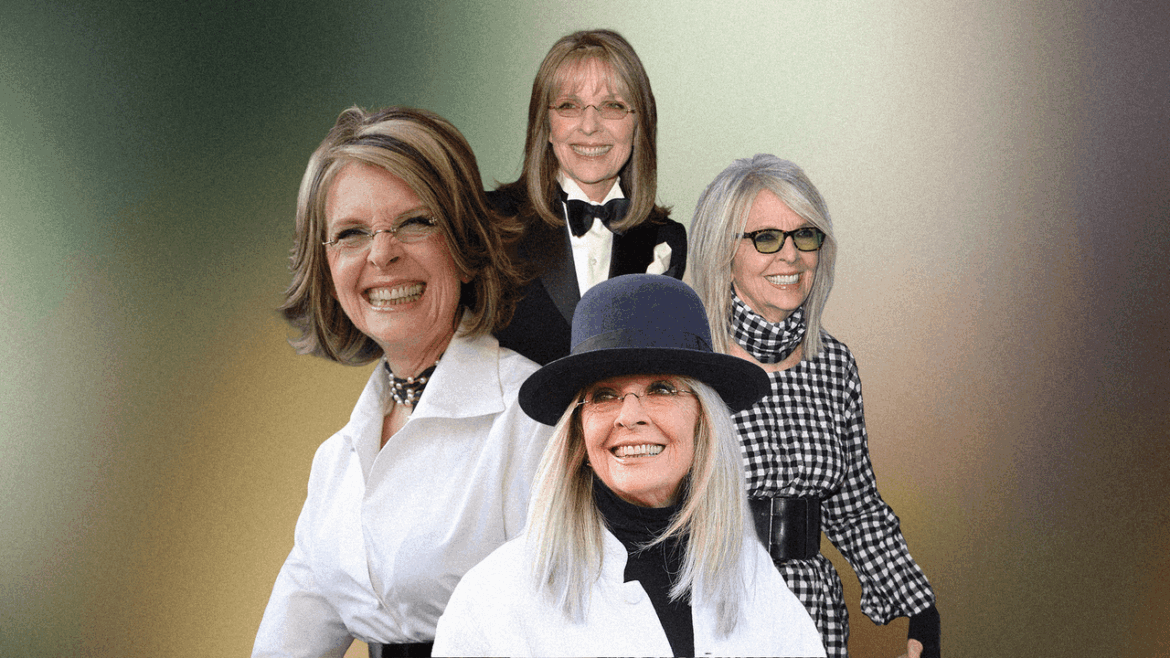
Diane Keaton once described herself as “hardly iconic.” But that exact outlook is what made her one to begin with.

Since Keaton passed away on October 11, countless tributes have been dedicated to her life, body of work, and unique personal style. Snapshots from Keaton’s early career align with the aesthetic she was known and admired for. And while the focus is usually on her fashion, her approach to beauty also encapsulates her powerful sense of self.

Diane Keaton during the 48th-annual Academy Awards, 1976

Fotos International/Getty Images

When picturing Diane Keaton over the years, a few emblematic elements come to mind: slouchy blazers, pleated trousers, statement hats. Gray hair, confidently embraced. A tooth-bearing, eye-crinkling grin. A short manicure on animated hands. As she aged in the public eye, Keaton’s sense of joy was unaffected by the standards and stereotypes pushed on women in Hollywood. She refused to be told that she was “too old” for anything, but she also never tried to look younger.

Keaton’s beauty formula was always relatively simple. The dark, tight eyeliner and a swipe of glossy lipstick she wore while promoting Annie Hall and The Godfather stayed with her through Something’s Gotta Give and Book Club. Her skin went seemingly untouched. And while there’s nothing wrong using injectables and surgeries to hide the natural effects of aging, it’s arguable that doing so has become an expectation for women in Keaton’s position. She became an outlier by remaining loud with her facial expressions—without trying to hide the fact that she was getting older.

October 13, 2025 0 comments
0 FacebookTwitterPinterestEmail
Jaya Bachchan
Bollywood

Cine Icons honoured at The 70th Hyundai Filmfare Awards 2025 with Gujarat Tourism

by jummy84 October 12, 2025
written by jummy84

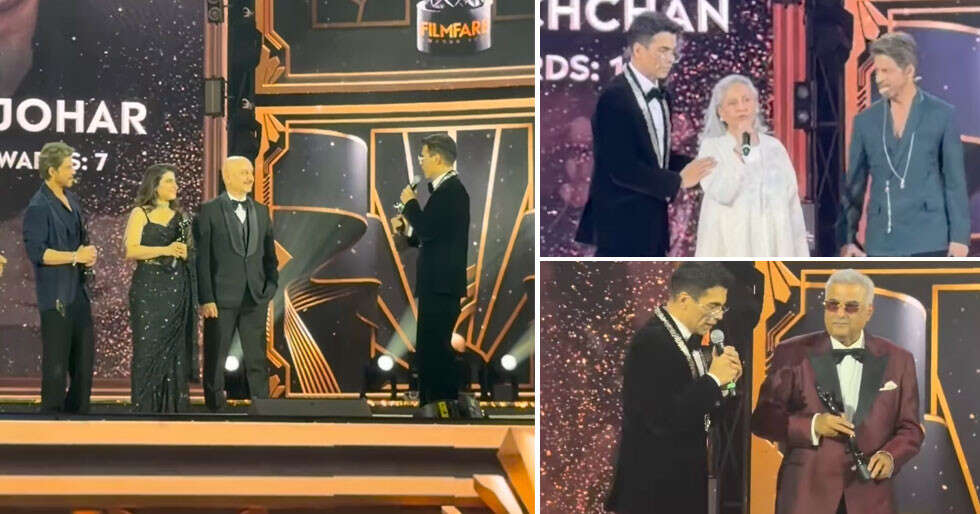
The 70th Hyundai Filmfare Awards 2025 with Gujarat Tourism took place tonight, October 11, at the grand EKA Arena in Ahmedabad. It was an evening filled with heartfelt moments, power-packed performances, and dazzling red-carpet looks. But the true magic of the night lay in a beautiful tribute, Filmfare honoured legendary artists from 5 decades, celebrating their everlasting impact on Indian cinema.


For the 1950s, Meena Kumari’s son, Bimal Roy’s son, and Shah Rukh Khan received the trophy on behalf of Dilip Kumar. The 1960s saw Pranutan and Mohnish Bahl receive the award for her grandmother Nutan.

The 1970s belonged to Jaya Bachchan, who was honoured as Abhishek Bachchan paid tribute to his father’s songs on Amitabh Bachchan’s birthday. In the 1980s, Boney Kapoor accepted the award on behalf of his late wife Sridevi.

The 1990s were celebrated with Shah Rukh Khan, Kajol, and Karan Johar being honoured together. 

This was a walk down memory lane, a celebration of cinema’s evolution, and a heartfelt thank you to the legends who made Indian cinema what it is today.

October 12, 2025 0 comments
0 FacebookTwitterPinterestEmail
Actively Black Turns Runway Into Living Tribute Of Civil Rights Icons
Music

Actively Black Turns Runway Into Living Tribute Of Civil Rights Icons

by jummy84 September 17, 2025
written by jummy84

“This is not a fashion show” became the perfect mantra as Actively Black founder Lanny Smith closed out New York Fashion Week with a cultural statement that stretched far beyond couture.

On Friday (Sept. 12), the brand — in partnership with Mielle Organics — transformed Sony Hall into a living archive of Black history and creativity. What unfolded was part runway, part history lesson and a night filled with emotions, standing ovations, and rare sightings from those who made history and continue the lineage of Civil Rights greats.

The red carpet alone set the tone as Lauryn Hill, Dapper Dan, Tyrese, Ghostface Killah, Naturi Naughton, Dascha Polanco and more attended, adding to the cultural gravity of the evening. Aside from the models rocking athleisure and swim suits that captivated streetwear lovers, it was the Civil rights moment that was the highlight of the night.

Sharing the runway were Dr. Bernice A. King and Ilyasah Shabazz — daughters of Dr. Martin Luther King Jr. and Malcolm X — alongside activists Fred Hampton Jr. and Fredricka Newton, each wearing pieces that paid tribute to their family legacies.

Civil rights photographer Cecil J. Williams followed, striding in a hoodie emblazoned with the historic image of him drinking from a “Whites Only” fountain. Ruby Bridges, the first Black child to desegregate an all-white elementary school, drew a standing ovation with her walk, while Olympic legends Tommie Smith and John Carlos — whose raised fists in 1968 in an enduring symbol of protest — were also honored. Rounding out the moment, Ben Haith, designer of the Juneteenth flag, brought the banner of freedom to the runway.

Other standout moments included appearances by Bob Marley’s grandchildren and Lisane Basquiat, sister of the late Jean-Michel Basquiat, alongside a heartfelt tribute to Michael Jackson. The evening also celebrated Black women through the “Black Women Are Superheroes” collection, featuring trailblazers like Valeisha Butterfield Jones and Bozoma Saint John. Terrence J also took the stage to introduce the HBCU-inspired collection, while fellow 106 & Park alums AJ and Free engaged the crowd. Adding to the energy, the iconic Harlem Globetrotters delivered an electrifying performance, joined by dynamic dancers from both New York City and Los Angeles.

Oh, and Fast Life Yungstaz also gave a special performance of the cultural anthem, “Swag Surf.”

Founder Lanny Smith summed the evening up perfectly: “Me being pro-Black doesn’t mean I’m anti-anything else. Tonight was about honoring our ancestors, uplifting our communities, and reminding the world that our stories, our innovation, and our style are indispensable to the global culture.”

The finale brought it all back to the show’s purpose of love and admiration as Smith and his partner Bianca Winslow revealed they’re expecting a baby boy this December.

Take a look below at photos from Actively Black’s NYFW runway show.

September 17, 2025 0 comments
0 FacebookTwitterPinterestEmail
Newer Posts
Older Posts

Social Connect

Facebook Twitter Instagram Pinterest Youtube Snapchat

Recent Posts

  • 2009 feels like a whole other world away

  • Watch Ariana Grande and Jimmy Fallon Perform a History of Duets

  • Spotify’s Joe Hadley Talks ARIA Awards Partnership

  • Nick Offerman Announces 2026 “Big Woodchuck” Book Tour Dates

  • Snapped: Above & Beyond (A Photo Essay)

Newsletter

Subscribe my Newsletter for new blog posts, tips & new photos. Let's stay updated!

Categories

  • Bollywood (1,929)
  • Celebrity News (2,000)
  • Events (267)
  • Fashion (1,605)
  • Hollywood (1,020)
  • Lifestyle (890)
  • Music (2,002)
  • TV & Streaming (1,857)

Recent Posts

  • Shushu/Tong Shanghai Fall 2026 Collection

  • Here’s What Model Taylor Hill Is Buying Now

  • Julietta Is Hiring An Assistant Office Coordinator In Dumbo, Brooklyn, NY (In-Office)

Editors’ Picks

  • 2009 feels like a whole other world away

  • Watch Ariana Grande and Jimmy Fallon Perform a History of Duets

  • Spotify’s Joe Hadley Talks ARIA Awards Partnership

Latest Style

  • ‘Steal This Story, Please’ Review: Amy Goodman Documentary

  • Hulu Passes on La LA Anthony, Kim Kardashian Pilot ‘Group Chat’

  • Hannah Einbinder Slams AI Creators As “Losers”

  • Facebook
  • Twitter

@2020 - celebpeek. Designed and Developed by Pro


Back To Top
celebpeek
  • Home
  • Bollywood
  • Hollywood
  • Lifestyle
  • Fashion
celebpeek
  • Music
  • Celebrity News
  • Events
  • TV & Streaming