celebpeek
  • Home
  • Bollywood
  • Hollywood
  • Lifestyle
  • Fashion
celebpeek
  • Music
  • Celebrity News
  • Events
  • TV & Streaming
Home » gut
Tag:

gut

A1 vs A2 milk? Expert explains which milk variant may benefit gut and skin health more
Lifestyle

A1 vs A2 milk? Expert explains which milk variant may benefit gut and skin health more

by jummy84 December 13, 2025
written by jummy84

Published on: Dec 13, 2025 04:00 pm IST

All milk isn’t the same. Two versions of the same protein, A1 and A2 β-casein, have sparked debate over which one is more beneficial for gut health and skin.

Milk is widely known for its nutritional benefits, which range from helping to build strong bones with calcium to supporting muscle repair with protein and providing essential vitamins like B12 and D for energy. In recent years, there’s more awareness around the distinction between the two types of milk, A1 and A2. While both are consumed just like regular milk, they differ in their protein structure and animal source. A2 milk comes from Indian cow breeds such as Gir and Sahiwal and is often considered easier to digest for some individuals. On the other hand, A1 milk typically comes from Western cow breeds like Holstein and Jersey and is commonly available in the market.

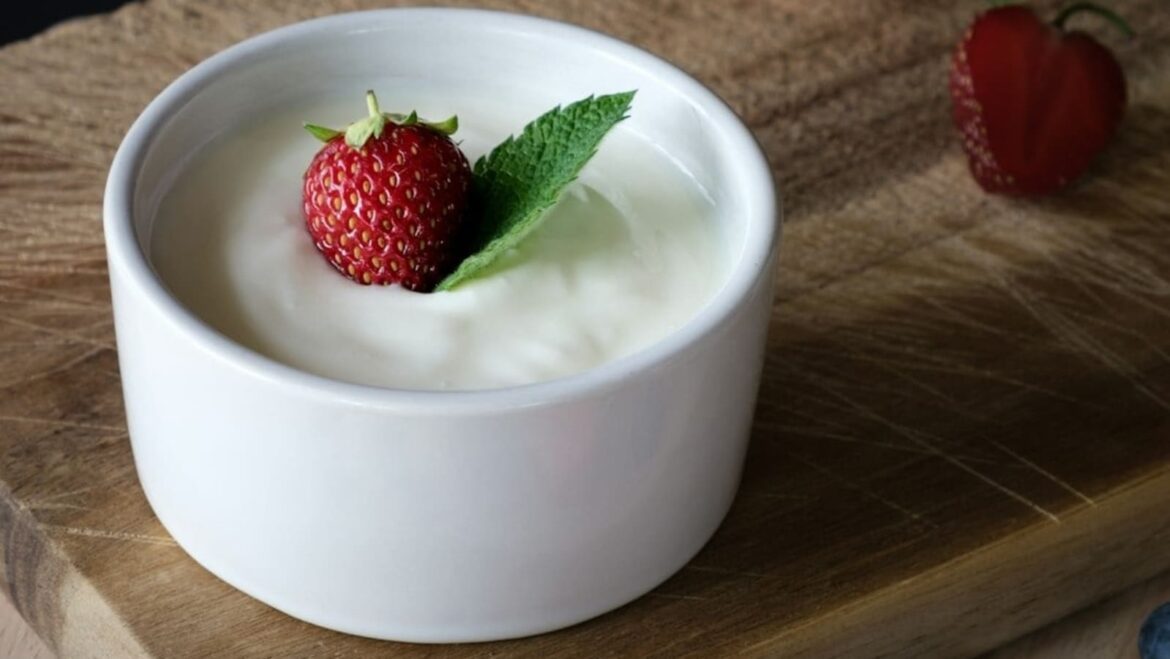
Which is good—A1 or A2 milk?(Freepik)

To understand these differences better, Health Shots spoke to Vidhi Chawla, Dietician and Founder of FISICO Diet and Aesthetic Clinic, who explains how each type of milk may impact gut and skin health differently.

“Milk has long been considered a nutritional staple, but in recent years, the debate between A1 and A2 milk has gained attention, particularly for its impact on gut health and skin. Understanding the difference between the two can help individuals make an informed choice based on how their body responds,” says Chawla.

What’s the difference between A1 milk and A2 milk?

A1 and A2 are the kinds of milk with a similar method of consumption, but the compounds and sources are what make them different from each other. The dietitian says their key distinction lies in the type of beta-casein protein present in the milk. Regular milk is a mix of both the A1 and A2.

  • When A1 β-casein is digested, it can release a small peptide called beta-casomorphin-7 (BCM-7). A2 β-casein is much less likely to release BCM-7.
  • BCM-7 can act on opioid receptors and may affect gut physiology and immune responses, says PMC.
  • It means that A2 milk breaks down smoothly and does not form a certain peptide. Whereas A1 milk forms a peptide called BCM-7.

What is the role of BCM-7 in gut health?

  • This peptide can shift gut microbial fermentation patterns and short-chain fatty acid profiles, which could indirectly influence systemic inflammation and skin. Evidence is emerging and not yet definitive in this regarding, according to PubMed Central.
  • Whereas, as per the MDPI journal, it can trigger digestive symptoms, such as abdominal discomfort. However, it is also suggested that the possibility exists that these adverse effects are restricted to only a portion of the population.

A study cited in Research Gate also suggests that A1 milk and the peptide BCM-7 may be linked to heart disease, diabetes, autism, sudden death of infants, and inflammation in the digestive system. The results are mixed, and further studies are needed.

Impact on Skin Health

The dietician says that gut health and skin health are closely linked through the gut–skin axis.

  • Digestive inflammation caused by A1 milk in sensitive individuals may indirectly reflect on the skin as acne, dullness, or flare-ups of eczema.
  • A2 milk, being easier to digest, may help reduce internal inflammation, which can support clearer skin, better hydration, and an improved skin barrier over time.
  • It is important to note that milk affects skin differently across individuals. Total diet quality, hormonal health, and overall gut balance also play a role.

What does the clinical evidence show?

  • In a double-blind, randomized crossover trial of 41 adults, consumption of A1 β-casein milk (vs. A2) led to significantly higher stool consistency (softer stools), and abdominal pain correlated with stool softness only during the A1 phase, not during the A2 phase, according to PubMed.
  • A 2016 randomized crossover study (on individuals with self-reported dairy intolerance) found that switching to milk containing only A2 β-casein was associated with fewer gastrointestinal symptoms, lower markers of inflammation, longer colonic SCFA (short-chain fatty acid) production, and shorter transit times compared with regular milk containing A1/A2 β-casein, says MDPI.
  • PubMed says A2 may be better tolerated and more “microbiome-friendly” to some people.

What to try and what to expect?

For those experiencing digestive discomfort or recurring skin issues, Vidhi Chawla suggests:

  • Try switching to A2 milk consistently for 2–3 weeks.
  • Observe changes in digestion, bloating, bowel regularity, and skin texture.
  • Choose plain, unsweetened, minimally processed A2 milk without additives.
  • If symptoms persist, it may be worth exploring overall dairy intake or alternative calcium sources under professional guidance.

(Note to readers: This article is for informational purposes only and not a substitute for professional medical advice. Always seek the advice of your doctor with any questions about a medical condition.)

Catch every big hit, every wicket with Crick-it, a one stop destination for Live Scores, Match Stats, Quizzes, Polls & much more. Explore now!.

Catch your daily dose of Fashion, Taylor Swift, Health, Festivals, Travel, Relationship, Recipe and all the other Latest Lifestyle News on Hindustan Times Website and APPs.

Catch every big hit, every wicket with Crick-it, a one stop destination for Live Scores, Match Stats, Quizzes, Polls & much more. Explore now!.

Catch your daily dose of Fashion, Taylor Swift, Health, Festivals, Travel, Relationship, Recipe and all the other Latest Lifestyle News on Hindustan Times Website and APPs.

News / Lifestyle / Health / A1 vs A2 milk? Expert explains which milk variant may benefit gut and skin health more

December 13, 2025 0 comments
0 FacebookTwitterPinterestEmail
Do you have constipation? Study says eat kiwis and drink mineral water to improve your gut health
Lifestyle

Do you have constipation? Study says eat kiwis and drink mineral water to improve your gut health

by jummy84 November 16, 2025
written by jummy84

A study by King’s College London has found that kiwi fruits can help relieve constipation. The research stated that magnesium oxide supplements may help reduce constipation symptoms, as per aBBC report. The report claimed that drinking water rich in minerals is preferable to tap water.

Kiwis can improve immunity as well.(Representative image/Unsplash)

Also read: Nutritionist warns these ‘healthy’ raw foods may be dangerous for your gut: ‘Stop adding leafy veggies to smoothies’

Consume Kiwis to fight constipation

One in ten people experiences persistent constipation, which can significantly lower a person’s quality of life. According to theNational Health Service (NHS), if you have not had a bowel motion at least three times in the past week, or if you are going less frequently than normal, you are constipated.

Dr Eirini Dimidi from King’s College London told the BBC: “People can report up to 30 different symptoms of constipation.” According to the latest guidelines, one should focus on fruits and drinks to fight constipation.

On that note, Dr Dimidi explained that people must eat two or three kiwis every day to improve constipation. “Even without the skin, it’s good and contains fibre,” Dimidi added.

The fibre in kiwi fruit has an effect on the gut that can cause bowel contractions and increase the volume of faeces. “Kiwi also increases water content in the gut, which may soften stools,” Dr Dimidi revealed. On the other hand, the fruits can improve immunity since they are rich in vitamin C. Additionally, kiwis can help manage blood pressure as they contain potassium.

Eating eight to ten prunes and some rye bread as a daily snack can also have a comparable impact.

Also read: Maryland doctor explains how ‘dementia risk rises with every increase in alcohol intake’

The benefits of drinking mineral water

Dr Dimidi also claims that mineral water “is better than tap water”. Magnesium is an essential mineral that acts as a laxative. The study indicates that consuming magnesium oxide supplements has many advantages.

Magnesium oxide supplements can lessen lower abdominal pain, bloating, and straining as well as facilitate bowel movements.

According to Professor Kevin Whelan, the new guidance “marks a promising step towards empowering health professionals and their patients to manage constipation through diet”.

The British Dietetic Association also lauded the research by King’s College London. It said the latest guidance was “a more diet-focused and evidence-based approach to the management of chronic constipation”.

Note to readers: This article is for informational purposes only and not a substitute for professional medical advice. Always seek the advice of your doctor with any questions about a medical condition.

November 16, 2025 0 comments
0 FacebookTwitterPinterestEmail
Drinking coffee on empty stomach? AIIMS-trained gastroenterologist shares 7 coffee mistakes wrecking your gut and liver
Lifestyle

Drinking coffee on empty stomach? AIIMS-trained gastroenterologist shares 7 coffee mistakes wrecking your gut and liver

by jummy84 November 13, 2025
written by jummy84

Love your daily cup of coffee? It can actually be great for your liver – but only if you’re not making some common mistakes. From drinking it on an empty stomach or late at night to overdoing your caffeine intake in order to fight off tiredness, certain habits can quietly harm your gut and liver health over time.

Dr Sethi recommends avoiding coffee on an empty stomach.(Unsplash)

Also Read | Hepatologist shares which foods and drinks you should restrict, completely avoid or consume to reduce fatty liver risk

Dr Saurabh Sethi, a California-based gastroenterologist trained at AIIMS, Harvard, and Stanford Universities, has revealed seven common coffee mistakes that could be harming your gut and liver health. In an Instagram video posted on November 12, the gastroenterologist explains how daily habits – such as drinking coffee on an empty stomach or consuming more than four cups a day – can negatively impact your health.

Coffee on an empty stomach

According to Dr Sethi, drinking coffee on an empty stomach increases stomach acid levels, which can lead to acid reflux, nausea, and even gastritis if done regularly.

Sugar, creamers and syrups

The gastroenterologist explains that flavoured coffees are loaded with unhealthy calories, containing around 30 to 50 grams of sugar. These empty calories fuel fatty liver disease and even diabetes.

More than 4 cups of coffee per day

Dr Sethi highlights, “Over 400 milligrams of caffeine or approximately four cups leads to cortisol spikes, gut irritation, palpitations, and anxiety.”

Late-night coffee

Caffeine’s half-life – the time it takes for half of the consumed amount to leave your system – is approximately five to six hours. Dr Sethi stresses, “An evening cup can delay sleep, impairing liver repair.”

Coffee is great for your liver but only when consumed the right way!(Image generated via ChatGPT)

Masking fatigue with coffee

We often use coffee as a way to boost energy and beat tiredness due to lack of sleep but the gastroenterologist emphasises, “Using caffeine instead of fixing sleep worsens burnout, brain fog, and gut stress over time.”

Artificial sweeteners

Artificial sweeteners like sucralose and aspartame are often touted as ‘zero calories’ but Dr Sethi warns that this does not mean they are harmless. In fact, these artificial sweeteners can disrupt your gut microbiome.

Light roast is not gentler

The gastroenterologist debunks the common belief that light roast coffee is gentler on the stomach, clarifying instead, “dark roast is actually less acidic and may be better tolerated in reflux or GERD.”

Note to readers: This article is for informational purposes only and not a substitute for professional medical advice. It is based on user-generated content from social media. HT.com has not independently verified the claims and does not endorse them.

November 13, 2025 0 comments
0 FacebookTwitterPinterestEmail
Kokilaben Hospital gastroenterologist explains when ‘acidity or heartburn’ could signal serious gut problems
Lifestyle

Kokilaben Hospital gastroenterologist explains when ‘acidity or heartburn’ could signal serious gut problems

by jummy84 November 5, 2025
written by jummy84

Feeling bloated, gassy, or dealing with constant stomach discomfort? Maybe you’ve brushed it off as stress, late-night snacking, or just “normal digestion issues.” But your gut could be trying to tell you something important. From sudden changes in bowel habits to recurring heartburn, some symptoms are warning signs you shouldn’t ignore.

Daily heartburn could signal serious issues, warns gastroenterologist Dr Bhangale. (Shutterstock)

To help decode what your stomach might be signalling, Dr Dipak Bhangale, gastroenterologist, hepatologist and interventional Endoscopist at Kokilaben Dhirubhai Ambani Hospital, Navi Mumbai, shares in his September 17 Instagram post the common gut problems that need your attention before they turn serious. (Also read: Fortis Delhi gastroenterologist says ‘eat 1–2 whole eggs every day’, explains why yolks are good for your heart health )

Gut symptoms you should never ignore

“One patient came to me with daily heartburn for over a year. Initially, they thought it was just acidity and took some antacids, but the symptoms kept worsening. Gradually, their weight started dropping, and even swallowing food became difficult. When we performed an endoscopy, it revealed oesophageal cancer,” Dr Bhangale recounts.

He explains, “Occasional acidity is normal, but if you experience daily heartburn for months, or notice symptoms like unexplained weight loss, vomiting, difficulty swallowing, or persistent discomfort, it may not be ‘just acidity.’ Early detection is crucial. At an early stage, treatment is far more effective. If ignored, complications increase and managing the condition becomes much harder.”

How serious can recurring acid reflux be

Dr Bhangale stresses, “Many people try to ignore recurring heartburn or acid reflux, thinking it’s minor, but these could be warning signs of serious gastrointestinal issues. If you repeatedly experience these symptoms, especially difficulty swallowing, don’t hesitate, consult a gastroenterologist. Your gut health deserves attention before it escalates.”

Note to readers: This report is based on user-generated content from social media. HT.com has not independently verified the claims and does not endorse them.

This article is for informational purposes only and not a substitute for professional medical advice.

November 5, 2025 0 comments
0 FacebookTwitterPinterestEmail
Gut health expert reveals 3 supplements that support his fitness routine: From prebiotics to protein powder
Lifestyle

Gut health expert reveals 3 supplements that support his fitness routine: From prebiotics to protein powder

by jummy84 October 24, 2025
written by jummy84

Maintaining good gut health is important for fitness as it affects how well we perform and recover from workouts. Recent research published in the journal Medicine in Microecology shows how a balanced gut microbiome plays a key role in our health. What we eat greatly influences our fitness results. Gut health expert Dr Arpit Bansal recommends adding prebiotics, probiotics, and protein shakes to diets to boost physical endurance and overall well-being. He says focusing on gut health can help to reach peak performance and support long-term vitality in our fitness journeys.

Which is better for gut health, prebiotics or probiotics?(Adobe Stock)

Prebiotics vs probiotics vs protein shakes

“As a gut health specialist and surgeon who lives the fitness journey every day, I often get questions about what helps with performance and longevity: prebiotics, probiotics, or protein shakes. The answer is that it’s not about choosing one over the others. It is about finding a good balance among them,” Dr Arpit Bansal, Gut Health and Longevity Specialist, tells Health Shots. He explains some common misunderstandings about these supplements:

Protein shakes

Protein shakes are made of protein powder. When you choose shakes without added sugars or preservatives, they can be a great source of amino acids. These amino acids help with muscle repair, recovery, and stamina, which is important for someone like me who works out, runs, and stays active. “I use protein shakes to help my nutrition, but they are not a substitute for whole foods”, he explains.

Prebiotics and probiotics

“Fitness is often linked to muscle health, but gut health is just as important. I like to think of the gut as a thriving internal rainforest that needs a variety of plants to stay healthy,” says Dr Bansal.

  • Probiotics are good live bacteria found in foods like yoghurt, kefir, and other fermented foods. They add helpful strains to your gut microbiome and support a healthy digestive system.
  • Prebiotics are foods that help good bacteria in your gut grow. They are found in fibre-rich foods like garlic, onions, bananas, asparagus, and oats. Eating these foods ensures that beneficial bacteria in your gut thrive.

When your gut microbiome is balanced and diverse, it helps you in many ways beyond just better digestion. A healthy microbiome improves how you absorb nutrients, speeds up recovery, reduces inflammation, and even boosts brain function. This balance distinguishes between just training hard and actually feeling energised and strong.

Doctor shares his daily habits for gut health

  • Post-workout nutrition: “After my workouts, I usually have a protein shake, sometimes adding fibre or seeds. This helps my muscles recover and gives extra nutrition to my gut,” shares Dr Bansal.
  • Fermented foods: “Every day, I make an effort to include different fermented foods in my meals. Foods like yoghurt, kimchi, and sauerkraut are important staples that add helpful probiotics to my diet”, he notes.
  • Fruits and vegetable: “I eat a variety of colourful fruits and vegetables that are high in prebiotic fibres. This variety gives my gut different types of nourishment, which helps keep my gut bacteria healthy and diverse,” he explains.

Besides this, he underlines the importance of listening to one’s body. Symptoms like bloating, fatigue, or discomfort are signs that I need to pay attention to my health. I often adjust my diet or routine based on these signals,” he adds.

Dr Bansal also does not ignore the connection between muscles, microbes, and mind. He sums up: “Protein shakes help me recover after workouts. They replace what I lose and give me the energy I need for intense exercise. Probiotics and prebiotics are important for my gut health. They help improve my overall well-being and support my mental clarity.”

Benefits of balancing prebiotics, probiotics, and protein

Let’s look at the main benefits of adding prebiotics, probiotics, and protein shakes to your daily routine:

  • Enhanced recovery: Protein shakes help repair muscles and speed up recovery after exercise. This allows you to train consistently.
  • Improved digestion: A healthy gut helps you digest food better and absorb nutrients more effectively. When you support your gut with prebiotics and probiotics, you can feel more energetic and more nutritious.
  • Decreased inflammation: Both probiotics and healthy food choices can help lower inflammation in the body. This is important for living a long and healthy life.
  • Mental clarity: A healthy gut can improve your mood and enhance your cognitive function. This helps you focus better and feel more positive about life.
  • Overall well-being: When balanced, this combination of nutrients helps your immune system stay healthy, keeps your hormones in balance, and makes it easier for you to handle stress.

(Note to readers: This article is for informational purposes only and not a substitute for professional medical advice. Always seek the advice of your doctor with any questions about a medical condition.)

October 24, 2025 0 comments
0 FacebookTwitterPinterestEmail
What to eat to boost both your gut and mind? Try yoghurt, idli, chaas and more
Lifestyle

What to eat to boost both your gut and mind? Try yoghurt, idli, chaas and more

by jummy84 October 14, 2025
written by jummy84

The gut and brain are interconnected through an axis called the gut-brain axis. It is a two-way network that influences each other. According to Harvard Health Publishing, this connection is the reason why emotional stress can trigger digestive issues, and further, in turn, gut imbalances can impact mental health. In fact, the gut communicates with the brain through various pathways, from nerves to the immune system. This means to keep your mental wellbeing healthy, you need to eat foods that also benefit your gut health.

Add yoghurt to your diet as it is a rich source of probiotics. (Picture credit: Unsplash)

Prakriti Poddar, mental health expert and global head of mental health and wellbeing at Roundglass Living, shared with HT Lifestyle that the gut is the ‘second brain’ and it is very vital in regulating the emotional state, moods and emotions. So what you eat is not only crucial for nutrient absorption but also impacts emotions and cognitive functions.

What happens when your gut is well-balanced?

Gut balance begins by nourishing your gut microbiome first. “Gut is home to trillions of microbes, and it communicates directly with your central nervous system through the gut-brain axis,” Prakriti added.

A balanced gut health enhances your mental well-being. Prakriti revealed how gut bacteria help in reducing your stress and anxiety. She said, “When the gut is balanced, it supports calm, focus, and resilience. About 95% of the body’s serotonin, known as the ‘happiness chemical,’ is produced in the gut, which helps regulate mood and sleep. Beneficial bacteria in the gut also create gamma-aminobutyric acid (GABA), a neurotransmitter that helps reduce stress and anxiety while improving rest.”

It puts things in perspective to realise that these gut microbes are actively influencing brain chemistry, helping regulate key neurotransmitters which are crucial for determining mood.

Foods you need to add to your diet

Idli is a popular Indian breakfast which is good for gut health because of the fermentation process. (Picture credit: Shutterstock)

Fermented foods are one of the top picks for good gut health. And since good gut health influences the mind positively, you need to eat fermented foods, fibre-rich sources for mental wellbeing too.

“To support both gut and mind, choose foods that nourish this ecosystem. Fermented foods, such as yoghurt, idlis, kimchi, and chaas, aid digestion and are excellent additions. Whole grains provide fibre, nuts such as walnuts, almonds, and pistachios, along with seeds like chia or flax seeds, supply healthy fats, while colourful fruits and vegetables offer antioxidants,” Prakriti recommended.

So if you fix your diet and make it multitask for you by including gut-friendly foods, you can both nourish your mind and improve gut health. A healthy gut is one of the pillars of a happy mind.

Note to readers: This article is for informational purposes only and not a substitute for professional medical advice. Always seek the advice of your doctor with any questions about a medical condition.

October 14, 2025 0 comments
0 FacebookTwitterPinterestEmail
AIIMS, Harvard-trained gastroenterologist shares 5 early signs of unhealthy gut: Weak immunity to bloating after meal
Lifestyle

AIIMS, Harvard-trained gastroenterologist shares 5 early signs of unhealthy gut: Weak immunity to bloating after meal

by jummy84 October 12, 2025
written by jummy84

A compromised gut often becomes the cause of many underlying issues in our body. Therefore, it is often recommended to include probiotic and prebiotic foods in your diet, exercise regularly, stay hydrated, and eat more fibre-rich foods to maintain overall health.

According to the gastroenterologist, if you consistently feel gassy or bloated after meals, it may indicate that your gut bacteria are imbalanced. (Freepik)

Also Read | Cardiologist with 20 years of experience reveals the 1 anti-ageing tool to lower heart disease, diabetes risk by 50%

But what if you still feel that you have an unhealthy gut? Dr Saurabh Sethi, MD, MPH, a gastroenterologist and hepatologist trained at AIIMS, Stanford and Harvard Universities, highlighted the 5 early signs that indicate an unhealthy gut.

5 early signs of an unhealthy gut

In an Instagram post dated October 12, Dr Sethi shared the 5 signs of having an unhealthy gut, with the caption, “Board-certified gastroenterologist shares 5 Early Signs of an Unhealthy Gut. Which of these signs have you noticed in yourself?” Let’s find out:

1. Funhealthy gut

According to the gastroenterologist trained at AIIMS, if you’re always feeling gassy or bloated after meals, it could mean your gut bacteria are imbalanced.

2. Irregular bowel movements

Stating irregular bowel movements as a sign of an unhealthy gut, the gastroenterologist said, “Chronic constipation or diarrhoea is often your gut’s way of signalling trouble.”

3. Unexplained fatigue

“Poor gut health affects nutrient absorption, leaving you tired even after proper rest,” Dr Saurabh Sethi pointed out.

4. Food intolerances

If certain foods trigger discomfort, according to the gastroenterologist, your gut microbiome may be struggling to process them properly, which can be an early sign of compromised gut health.

5. Weakened immunity

Lastly, a weakened immunity is also an early sign of an unhealthy gut. Dr Sethi noted, “70 percent of your immune system lives in your gut. Frequent colds or infections can mean your gut needs attention.”

Note to readers: This article is for informational purposes only and not a substitute for professional medical advice. Always seek the advice of your doctor with any questions about a medical condition.

This report is based on user-generated content from social media. HT.com has not independently verified the claims and does not endorse them.

October 12, 2025 0 comments
0 FacebookTwitterPinterestEmail
AIIMS gastroenterologist suggests low-FODMAP swaps for fruits and veggies that trigger gut issues
Lifestyle

AIIMS gastroenterologist suggests low-FODMAP swaps for fruits and veggies that trigger gut issues

by jummy84 October 3, 2025
written by jummy84

Fruits and vegetables are often considered the cornerstone of a healthy diet, but for people with sensitive guts, certain produce can trigger bloating, gas, and digestive distress. While avoiding them altogether may seem like the only solution, the good news is that you don’t always have to give up your favourites – you can simply switch to gentler, low-FODMAP alternatives that are kinder to your stomach.

Some fruits and vegetables can be harsh for people with a sensitive gut – Dr Sethi suggests alternatives that are gentler.(Unsplash)

Also Read | AIIMS-trained doctor shares ‘8 snacks to have instead of Coke and Pepsi to avoid liver damage’

Dr Saurabh Sethi, a gastroenterologist trained at AIIMS, Harvard, and Stanford, shares low-FODMAP alternatives to common fruits and vegetables that often trigger digestive discomfort in people with sensitive guts. In an Instagram video posted on October 3, he suggests simple food swaps that are easier to digest and gentler on the stomach.

What is FODMAP?

According to Johns Hopkins Medicine, FODMAP is an acronym for fermentable oligosaccharides, disaccharides, monosaccharides, and polyols – types of short-chain carbohydrates that are poorly absorbed in the small intestine. For some people, consuming foods high in FODMAPs can trigger digestive discomfort, leading to symptoms such as cramping, bloating, gas, constipation, or diarrhea.

Swap apples for kiwis

Dr Sethi recommends switching to kiwi fruit, in case apples cause bloating or gas. Kiwis are lower in FODMAP content, and good for gut and digestive health.

Swap cherries for strawberries

According to Dr Sethi, “If you eat cherries and they trigger gut issues, swap them for strawberries, a gentler, low FODMAP fruit.”

Swap ripe bananas for green bananas

Ripe bananas might cause bloating, so the gastroenterologist suggests switching to slightly green bananas, which is the low FODMAP version.

Also Read | Cardiologist shares 8 heart-healthy foods to include in your daily diet: Quinoa, chickpeas, and more

Swap cauliflower for zucchini

According to Dr Sethi, “If you eat cauliflower and it leads to bloating, swap it for zucchini, which is a low FODMAP veggie.”

Swap asparagus for okra

The gastroenterologist suggests swapping asparagus for okra, which is easier to digest, in case the former leaves you bloated.

Note to readers: This article is for informational purposes only and not a substitute for professional medical advice. It is based on user-generated content from social media. HT.com has not independently verified the claims and does not endorse them.

October 3, 2025 0 comments
0 FacebookTwitterPinterestEmail
Study says introducing this fruit to your baby as one of the first solid foods will boost gut health and immunity
Lifestyle

Study says introducing this fruit to your baby as one of the first solid foods will boost gut health and immunity

by jummy84 September 30, 2025
written by jummy84

Published on: Sept 30, 2025 08:19 pm IST

A fruit rich in antioxidants builds up their gut, immunity health. Study says babies also develop fewer allergy symptoms. 

It’s an exciting period for parents as they introduce solid foods to their babies. But did you know that this early stage of solid food can also help your baby develop a healthy gut and immune system? A study published in Frontiers in Nutrition on September 4 highlighted the value of a fruit when introduced as one of the first solid foods. The researchers named it blueberry.

Introduce healthy foods to your baby during the solid food stage. (Picture credits: Freepik)

ALSO READ: Paediatrician shares 6 foods children should eat to sharpen brain, improve focus: Blueberries to pumpkin seeds

Blueberries support gut bacteria

The researchers, in an experiment, gave infants freeze-dried blueberry powder daily, which is around 2 ounces of fresh blueberries. This powder was either mixed into purees or breast milk. The results revealed that babies who consumed blueberry powder developed a much more diverse range of gut bacteria. It suggests that babies develop a healthier gut environment when they are given blueberries, which are rich in antioxidants. Their gut microbiota became far healthier.

This finding is significant as it shows that adding bacteria to infants’ early diets may establish a healthier gut environment. The early solid food stage is a critical period of development, making it act as a base for future gut health.

Blueberries boost immunity

Besides gut health, blueberries also positively influence the immune system. The babies developed fewer allergy symptoms. The researchers looked at immune markers, which are signals in the body that depict how the immune system is working. So after consuming the babies, their bodies showed some changes, like lower inflammation, which in turn makes the body less likely to develop allergies.

So parents need to be mindful of which foods they introduce during the solid food stage, as it is a critical period of development for the babies. The food they eat can influence their gut and immune system, and even affect allergy risks later in life.

Note to readers: This article is for informational purposes only and not a substitute for professional medical advice. Always seek the advice of your doctor with any questions about a medical condition.

Catch every big hit, every wicket with Crick-it, a one stop destination for Live Scores, Match Stats, Quizzes, Polls & much more. Explore now!.

Catch your daily dose of Fashion, Taylor Swift, Health, Festivals, Travel, Relationship, Recipe and all the other Latest Lifestyle News on Hindustan Times Website and APPs.

Catch every big hit, every wicket with Crick-it, a one stop destination for Live Scores, Match Stats, Quizzes, Polls & much more. Explore now!.

Catch your daily dose of Fashion, Taylor Swift, Health, Festivals, Travel, Relationship, Recipe and all the other Latest Lifestyle News on Hindustan Times Website and APPs.

News / Lifestyle / Health / Study says introducing this fruit to your baby as one of the first solid foods will boost gut health and immunity

September 30, 2025 0 comments
0 FacebookTwitterPinterestEmail
AIIMS gastroenterologist warns against ‘having coffee on empty stomach’, shares 7 worst coffee habits to avoid for gut
Lifestyle

AIIMS gastroenterologist warns against ‘having coffee on empty stomach’, shares 7 worst coffee habits to avoid for gut

by jummy84 September 28, 2025
written by jummy84

Coffee is one of the most loved beverages worldwide, with millions relying on it to kick-start their mornings or power through long days. But while that cup of coffee may feel like a saviour, certain everyday habits around it can quietly harm your health in the long run.

Avoid these coffee mistakes to protect your gut health and sleep quality. (Pixabay)

Dr Saurabh Sethi, a gastroenterologist trained at AIIMS, Harvard, and Stanford Universities, in his September 28 Instagram post, breaks down the 7 worst coffee habits you need to avoid. Here is what he said:

1. Coffee on an empty stomach

Starting your day with coffee instead of food can increase stomach acid production, leading to reflux, nausea, bloating, and even gastritis if it becomes a daily routine.

2. Sugar, creamers and syrups

That flavoured latte may taste indulgent, but it often carries 30–50 grams of hidden sugar. Regular intake adds excess calories, promotes fatty liver, and raises the risk of diabetes.

3. More than four cups a day

Crossing 400 mg of caffeine daily (about four cups) can spike cortisol levels, irritate the gut lining, and cause palpitations, jitteriness, and anxiety.

4. Late-night coffee

Since caffeine has a half-life of 5–6 hours, an evening cup can interfere with deep sleep cycles. Poor sleep hampers the liver’s natural detox and repair processes.

5. Using coffee to mask fatigue

Relying on caffeine to power through exhaustion instead of addressing poor sleep worsens burnout. Over time, it contributes to brain fog, hormonal imbalance, and digestive stress.

6. Artificial sweeteners

“Zero calories” doesn’t mean safe. Sweeteners like sucralose and aspartame may disturb gut microbes, disrupt digestion, and impact long-term gut health.

7. Light roast doesn’t mean gentler

It’s a common myth that lighter roasts are easier on the stomach. In reality, dark roasts tend to be less acidic and may be better tolerated by those prone to reflux or GERD.

Note to readers: This report is based on user-generated content from social media. HT.com has not independently verified the claims and does not endorse them.

This article is for informational purposes only and not a substitute for professional medical advice.

September 28, 2025 0 comments
0 FacebookTwitterPinterestEmail
Newer Posts
Older Posts

Social Connect

Facebook Twitter Instagram Pinterest Youtube Snapchat

Recent Posts

  • 2009 feels like a whole other world away

  • Watch Ariana Grande and Jimmy Fallon Perform a History of Duets

  • Spotify’s Joe Hadley Talks ARIA Awards Partnership

  • Nick Offerman Announces 2026 “Big Woodchuck” Book Tour Dates

  • Snapped: Above & Beyond (A Photo Essay)

Newsletter

Subscribe my Newsletter for new blog posts, tips & new photos. Let's stay updated!

Categories

  • Bollywood (1,929)
  • Celebrity News (2,000)
  • Events (267)
  • Fashion (1,605)
  • Hollywood (1,020)
  • Lifestyle (890)
  • Music (2,002)
  • TV & Streaming (1,857)

Recent Posts

  • Shushu/Tong Shanghai Fall 2026 Collection

  • Here’s What Model Taylor Hill Is Buying Now

  • Julietta Is Hiring An Assistant Office Coordinator In Dumbo, Brooklyn, NY (In-Office)

Editors’ Picks

  • 2009 feels like a whole other world away

  • Watch Ariana Grande and Jimmy Fallon Perform a History of Duets

  • Spotify’s Joe Hadley Talks ARIA Awards Partnership

Latest Style

  • ‘Steal This Story, Please’ Review: Amy Goodman Documentary

  • Hulu Passes on La LA Anthony, Kim Kardashian Pilot ‘Group Chat’

  • Hannah Einbinder Slams AI Creators As “Losers”

  • Facebook
  • Twitter

@2020 - celebpeek. Designed and Developed by Pro


Back To Top
celebpeek
  • Home
  • Bollywood
  • Hollywood
  • Lifestyle
  • Fashion
celebpeek
  • Music
  • Celebrity News
  • Events
  • TV & Streaming