celebpeek
  • Home
  • Bollywood
  • Hollywood
  • Lifestyle
  • Fashion
celebpeek
  • Music
  • Celebrity News
  • Events
  • TV & Streaming
Home » Deep
Tag:

Deep

Tracy Chapman in 1988. (Credit: Goedefroit Music/Getty Images)
Music

Deep Cut Friday: ‘3,000 Miles’ by Tracy Chapman

by jummy84 November 14, 2025
written by jummy84

Each week, SPIN digs into the catalogs of great artists and highlights songs you might not know for our Deep Cut Friday series.

Tracy Chapman’s most famous singles appear on her 1988 self-titled debut and 1995’s New Beginning, but all of the veteran singer-songwriter’s eight albums contain great songs. 2005’s Where You Live is an unheralded gem of her catalog, her only album produced by Tchad Blake. Blake’s productions for artists like Los Lobos, Soul Coughing, and Cibo Matto often feature eclectic instrumentation and thumping percussion. And his work on Where You Live is subtle and sensitive, furnishing Chapman’s songs with lush, inventive arrangements.

The longest and quietest song on Where You Live, “3,000 Miles,” is subtle but gripping. Over nearly six minutes, Chapman describes a dangerous world in ominous terms: “Good girls walk in groups of three, fast girls walk slow on side streets / Sometimes the girls who walk alone aren’t found for days or weeks.” Textures swirl around her voice, including lap steel guitar by Joe Gore, upright bass by David Pilch, organ by Blake’s frequent collaborator Mitchell Froom, and Chapman herself on guitar, clarinet, and glockenspiel. The imagery in the lyrics gets progressively more violent, bullets flying and apples filled with razor blades, but outside of a gentle handclap rhythm by Chapman and drummer Quinn Smith, there’s no percussion on the song, and the volume never rises. The refrain “I’m 3,000 miles away” feels like a mantra or a prayer, whether the narrator has physically left her volatile surroundings or is still there, dreaming of a distant sanctuary.

The fan newsletter Tracy Chapman in Depth is going through Chapman’s catalog one track at a time, and in July a thoughtful post examined “3,000 Miles,” noting that the song was nearly the title track of Chapman’s 2005 album. That piece includes excerpts from an interview where Chapman explained that the song was inspired by growing up in Ohio, in the tense period after the state’s schools were desegregated in 1976. “It’s a part of my story and partly the story of little girls who in some way are endangered in an environment that’s not supportive. They manage to escape, maybe just in their state of minds. As a little girl, I often had to walk home from school. It was like going through a minefield,” Chapman told the U.K. newspaper The Sun in 2005.

Three more essential Tracy Chapman deep cuts:

“Behind the Wall”

Chapman sings “Behind the Wall” with no instrumental accompaniment, forcing you to focus on her lyrics, which detail law enforcement’s failure to prevent domestic violence. Chapman’s self-titled album was a major influence on Tori Amos, whose own solo debut included “Me and a Gun,” a similarly chilling a cappella song telling her story of being raped in her early 20s.

“Open Arms”

Soul music great Bobby Womack played guitar on “Open Arms,” a tender love song from 1992’s Matters of the Heart. The song was never released as a single, but Chapman performed it on The Tonight Show and featured it on her 2015 Greatest Hits collection.

“Nothing Yet”

Chapman achieves a rare feat on “Nothing Yet” from her 2000 album Telling Stories, building the song’s electric guitar and hand drum arrangement around a 5/4 time signature without calling attention to the track’s unusual rhythm, making it feel more like a simple waltz.

November 14, 2025 0 comments
0 FacebookTwitterPinterestEmail
Chuck D, Flavor Flav, and Terminator X of Public Enemy in 1987. (Credit: Jack Mitchell/Getty Images)
Music

Deep Cut Friday: ‘B Side Wins Again’ by Public Enemy

by jummy84 November 8, 2025
written by jummy84

Each week, SPIN digs into the catalogs of great artists and highlights songs you might not know for our Deep Cut Friday series.

Vinyl singles have historically featured the most accessible and radio-friendly song on the A side, but every now and again, DJs and music fans have flipped the record over and decided they preferred the B side, elevating classics like the Smiths’ “How Soon Is Now?” and Gloria Gaynor’s “I Will Survive.” Chuck D, who played records for groundbreaking hip-hop shows on the Adelphi University radio station WBAU and on WLIR, made that dynamic the basis of the Public Enemy track “B Side Wins Again.” In the song’s central metaphor, Black America is the overlooked flipside of the country’s white mainstream culture.

Appropriately, “B Side Wins Again” made its debut on the B side of Public Enemy’s 1989 single “Black Steel in the Hour of Chaos.” As with many of Public Enemy’s songs of the era, “B Side Wins Again” is a dense collage of samples, with the Bomb Squad assembling shards of songs by the Commodores, Kool & the Gang, and the Jazz Crusaders. A year later, a slightly remixed version of “B Side Wins Again” gained greater renown on Public Enemy’s third album Fear of a Black Planet, where it appropriately follows an instrumental titled “Leave This Off Your Fuckin’ Charts.”

Public Enemy revisited the song with “B Side Wins Again (Scattershot Remix)” on the 2002 album Revolverlution. Three years later, Chuck D guested on DJ Spooky and Slayer drummer Dave Lombardo’s version of “B Side Wins Again” for their album Drums of Death. In June 2025, Public Enemy began working the song into their concert setlists for the first time in over a decade, with Chuck D rapping just the fourth verse of “B Side Wins Again” during a show in Florence, Italy. 

Three more essential Public Enemy deep cuts:

“Timebomb”

By the time Public Enemy’s debut album Yo! Bum Rush the Show was released in 1987, most hip-hop songs had adopted a structure of 16-bar verses in between choruses. “Timebomb,” however, was Chuck D’s old school tour de force, with 66 consecutive bars and no hook.

“Security of the First World”

Public Enemy never scored a Top Ten single, but they influenced a lot of popular music. “Security of the First World,” a brief instrumental from 1988’s It Takes a Nation of Millions to Hold Us Back, became the basis of a No. 1 pop hit when Lenny Kravitz sampled it for Madonna’s 1990 single “Justify My Love.”

“Move!”

Bronx rapper Sister Souljah replaced Professor Griff as Public Enemy’s ‘Minister of Information’ and made her on-record debut on “Move!” from Apocalypse 91… The Enemy Strikes Black. A year later, Sister Souljah released a solo album, and her comments to the Washington Post about the L.A. riots became a flashpoint of controversy during Bill Clinton’s presidential campaign.

November 8, 2025 0 comments
0 FacebookTwitterPinterestEmail
Bangladesh Gives A Deep Dive Into His Catalog
Music

Bangladesh Gives A Deep Dive Into His Catalog

by jummy84 November 7, 2025
written by jummy84

Hailing from Atlanta, Bangladesh stands as one of the most accomplished yet criminally unsung producers in Hip-Hop and R&B of the new millennium. Known for his explosive, bass-heavy sound and infectious rhythmic style,

Bangladesh’s fingerprints are embedded across some of the genre’s most defining records. But long before his beats became staples of club speakers and car stereos worldwide, he was a barber—steady-handed behind a chair, but with his heart firmly set on music. Eventually, he decided to go all in on his passion, a move that would not only change his life, but save it.

Reflecting on how producing became a guiding force, Bangladesh once explained, “So, say I might be thinking negatively. I might be thinking, ‘Man, I’m going to go do something negative,’ which it’s not like I am but every night when you’re around whatever you’re around at the time, you can fall victim to it.

“Just growing up in the in the in the hood, you can start going down the wrong path, thinking negatively [due to] what you’re seeing and sh*t.

“So, when I would think like that, I would get these feelings [from producing] kind of showing me what I’m going to be doing or where I’m going. Giving me the example of the feeling just so I don’t go do the sh*t that I’m thinking about.”

Courtesy Of Bangladesh

His path took a pivotal turn after a chance encounter with Ludacris—then a radio personality hungry to prove himself as a rapper. The two hit it off creatively, and Bangladesh went on to produce a major portion of Luda’s independent debut Incognegro and his breakout major label release Back for the First Time.

Those early records didn’t just help launch Ludacris into superstardom—they introduced Bangladesh’s rambunctious, high-energy production style to the world.

From there, his sound became one of the most sought-after in the industry, shaping hits that blurred the lines between grit and groove.

Yet, despite his undeniable impact, Bangladesh remains a figure who often chooses substance over spotlight—a quiet architect of modern rap and R&B’s evolution.

In this wide-ranging conversation for VIBE‘s Views From The Studio series, we explore his journey from the barbershop to the boards, the stories behind his signature hits, his candid views on today’s musical landscape, and the collaborations that lie ahead for one of music’s most brilliant, if underappreciated, sonic innovators

VIBE: You’ve had an illustrious run. created many hits, and worked with many artists. How did you first get into music production?

Bangladesh: I would say I was kind of called to it. It was just calling me to do it through the spirit. I guess that’s how I first started, I just bought me a beat machine one day. I was cutting hair, I was a barber [at the time].

So, I saved my money up to get this beat machine that I seen all the producers, all the relevant producers at that time was using, it was called a MPC 2000. I bought that and I invested in myself so I took it seriously.

It’s like something that I really saved my money up to buy so I was really into it. I think anything that you actually invest in or buy with your own money that you work hard for, I think you’re going to take it seriously ’cause you could do anything with your money.

Things like that as a teenager, kids are typically going to purchase something that they could show off in the neighborhood or go outside with, whether it’s a car, clothes, or something that you can get instant validation for. Buying a beat machine, nobody’s around you to see what you bought with your money.

So it was a big deal as far as progressing and and maturity to say, “Save $2,500 up, just buy it”. This is before people understood the music business. Back then, it was more like ‘You can’t do that. You’ll never make it.’ It was more that attitude. You didn’t really see examples of [people] making it into the music business back then, it wasn’t around you like that. You were lucky to to be a part of something like that. Nowadays, there’s more avenues to independently get into it.

And there’s more technology that’s accessible and easy to learn to do it. So yeah, I just was called to it and I just invested in myself.

Who were some of your early influences?

I would have to say Timbaland, definitely. I would definitely have to say Organized Noize. You know, Outkast had just came out, so I was drawn to their production. I think Organized Noise was the first Southern Hip-Hop production crew.

They created Southern Hip-Hop. They were the first ones to make Southern Hip-Hop records with sample loops. And not just sample loops, but like samples that they actually dug through the crates to find, certain loops and sh*t.

The first Hip-Hop production crew to bring a rap group that had substance. At the time, music in Atlanta was more booty shake and uptempo dance music. We didn’t have rappers or rap groups that was Hip-Hop, had the relevancy, had the the song titles, the substance, the lyrical ability.

We didn’t have that before then, so definitely Organized Noize. I would say go back to Teddy Riley, Rodney Jerkins, [R.] Kelly, DeVante [Swing], but Timbaland and Organized Noize were making the production that I was inspired by at the time the most.

What’s the backstory behind your production tag?

My company was called Bangladesh Records and that’s why I first established my company with that name. That was a time that I didn’t have a producer name, I was just going by my government name.

I was just going by my government name ’cause I didn’t want to come up with nothing that I wouldn’t like in a year. My production took off so quick, I wasn’t big, I didn’t have a stage name, I had the company name. I was working on a personal project and on one of the songs I just would shout out, ‘Bangladesh.’

I was doing that a whole bunch of times. I just took a sample of one of them and ran it through this filter. I just started putting it in front of my beats and people just started calling me Bangladesh.

It really wasn’t no science to it, I was just doing something. I wasn’t thinking like, ‘Oh, I’m going to tag my beats.’ It wasn’t really like that. It was just something unconsciously being done that actually was a tag that created the familiarity of who I am and my sound and that’s really where it came from.

I think prior to that, listening to Rodney Jerkins production with his Darkchild tag. I heard Just Blaze shoutout [his tag].

I just looked at they was like shouting out their production on their beat. But yeah, Rodney Jerkins, I think with the Darkchild tag kind of unconsciously birthed that type thing.

What was the production gear that you were using?

As far as the production, my first piece of equipment was a MPC 2000. That was just something that I would see everybody using. That was like the standard thing. Either you had a MPC 2000 or MPC 3000 at that time. Then I went to a MPC 2000XL. That’s the heart and the brains of the operation.

I just wanted to learn how to sample inside the machine and put the sounds in the pads and sequence. Everything else, I don’t know nothing about that sh*t, I just want to know how to make a beat and chop up sounds. So, then I had a Casio keyboard.

It was my cousin’s keyboard, but I would sample sounds out of there. For example, “What’s Your Fantasy,” I took one note of it, sampled it into the MP, put it on all the pads and I’m not playing that on a keyboard, I tapped that on the pads. So yeah, that’s what I was using.

See, “What’s Your Fantasy” was actually like a three-part beat. It was like three beats in one beat. The “What’s Your Fantasy” beat was the intro to another beat. So, it will come on, you hear it without the hi-hat. It would It would come on like that, play for like eight bars, then it’ll switch into another beat. Then, that main beat will go into the outro. I used to do that sh*t all the time.

It’s kind of doing too much, but I was really just mad creative. So, when I gave Ludacris the beat, he was loving the intro. So, he was like, “Man, make this a beat.” So, I just extended the beat and put a hi-hat on it. And, sh*t, probably a week later when I seen him, he was like, ‘Yeah I got a hook to that song.’

Then he he told me the hook. So, when he’s telling me the hook, I’m new to this, I wasn’t really thinking about that part. The songwriting part.

It was new to me, so I didn’t have much of an opinion when he’d tell me his ideas. I’d just be listening. I wouldn’t be having an opinion about that. When I heard that [hook] ,I really didn’t think nothing.

I wouldn’t think, “Oh that’s hard,” or, “Oh that’s weak,” I didn’t think nothing. I just thought it was different, but to know what it was going to be, I didn’t really. I wasn’t really focused on that part of it. But that’s how “What’s Your Fantasy” came about.

You helped Too $hort score his first Top 40 hit with Kelis‘ “Bossy” record. What was it like working with those two?

Yeah, that was dope. That beat actually went through a couple of people’s hands. I played that beat in sessions for a lot of different people. Everybody gravitated to that beat when I played it. I can’t remember who I sent it to, but it might have been Mark Pitts. He was A&R of Kelis’ album at the time. But I didn’t make that for Kelis. Somehow she heard it then Sean Garrett wrote the hook.

Then a couple of people wrote the verses, Jasper being one of those people. He wrote a lot for Lloyd. He’s the reason how I knew what was going on with it ’cause he called me. He was excited. He’s like, “Man, we got some dope. We got something dope to that beat you made. It’s hard, man.” I ain’t know nothing about it till he told me.

So there was creative process going on with the production already that I didn’t even know until he called me about it. But it was dope for me, it was a monumental time for my career due to the fact that Kelis just was on a run with the Neptunes. They produced the whole first joint then she’s doing something else [sonically] on her sophomore album.

It’s hard to outdo the first time, you know what I’m saying? I stepped up to the plate so it’s like I felt like I belonged again ’cause she’s coming off of Pharrell and Neptunes and now she got the Bangladesh joint.

It’s different, she came back with 808s and and little bells and sh*t. So that was a dope experience and dope time and it was an R&B song.

I really wasn’t thinking R&B when I made the beat, so that was different. Too $hort getting on it was just like the icing on the cake. We all grew up Too $hort fans so yeah. It was different for him too to get on something like that and just those two together, Kelis and Too $hort, was like a different look. So that was a dope time, man. It’s a classic song that still be rocking till this day.

In 2004, you produced 8Ball & MJG’s track, “You Don’t Want Drama,” which is one of their biggest crossover hits and help introduce them to a new generation. What’s the backstory behind that track?

That was probably the first production I did outside of Ludacris in the beginning. It was the first time I’ve got outside and connected with or pursued to connect with artists in the music business. I was backstage at [Atlanta] Birthday Bash, I think, when I met 8Ball.

And I kind of just introduced myself. I just would use whatever [beat] was relevant at the time, which I had “What’s Your Fantasy.”

“What’s Your Fantasy” being a song that actually broke an artist kind of was a little more than actually just making a hit record ’cause breaking artists or introducing a new artist to the world was looked at way different than just making a hit song.

So, that’s how I would introduce myself, as Shondrae, Bangladesh, I did “What’s Your Fantasy,” Ludacris. So, that will get the conversation going, but that’s how I met him. I was in New York. I had been calling him already, but I was in New York. It was probably two weeks after I got his number.

He had me answering the phone every time I called him. I just happened to be in New York for some other business. I had a Bad Boy meeting on Friday with an A&R. This is a Monday. So I called 8Ball, he answers. He at the hotel, he told me to pull up.

I pulled up, played him some beats. He picked “Don’t Make.” I actually did three songs on that project. He picked a a song called “Don’t Make” that Friday. I was going to the meeting and the A&R was already raving about the beats that I gave him on that Monday. I guess they had recorded some ideas between those days.

So he took me into the studio and started playing me the ideas and that’s what 8Ball came in. That’s when Puff came in, kind of going over the songs and trying to complete them and stuff like that. That’s really how that came about.

You also worked with Beyoncé on “Diva,” one of her most empowering records. What was that experience like?

“Diva,” that was a blessing. That was a record that “A Milli” created. You know, it was like whatever your relevant song is at the time is what people kind of be after. ‘A Milli’ was a smash.’

So I think it was dope for Beyoncé to just be open to what I’m doing. “Diva” is something that I had made already. I had made this beat already. That’s me actually saying “Diva” on the beat. So when I was working with Sean Garrett, he was going in [to work] on Beyoncé.

He’s a fan of “A Milli.” He’d always tell me how much we love “A Milli” and if he had “A Milli,” what he would have did to it. So, I had this “Diva” beat, which I felt like if we’re working on Beyonce, there’s really nobody else that could do this beat but Beyoncé, so it just worked out. I feel like “Diva” is Beyoncé’s “A Milli.”

Another record from that time period that I think may have been spawned from “A Milli” was “Did It On’em” by Nicki Minaj. What was it like working with Nicki?

Working with Nicki, it was fun. Again, she was a new artist, too. That was the first album. “Did It On’em” went through several hands, it actually was Lil Wayne‘s beat first. He recorded that song first, not “Did It On’em” song but he recorded the song to that beat. He was in love with this beat. Well, he was in love with this song that he recorded.

I never heard the song, but the source that I got the beat to him through called me. I gave him this beat. I gave him some beats and it probably two months later he called me about this, but at that point I had already recorded the song on somebody else. The Game had recorded the song, too, within those two months.

I was kind of geeked about The Game song. I feel like at at that time, the game hadn’t had a song like that. It was dope. Best The Game song I’ve ever heard at the time.

So I was feeling like that was the move. Like I said, I had gave Lil Wayne his beat like too two months prior. I didn’t hear from him so I didn’t know if he was doing his beat. So nothing happened from The Game sh*t. I was still shopping the beat.

Lil Wayne had got locked up at that time. That was the time he had did a year. Puff was managing Nicki Minaj. Puff wanted me to play him beats for his project, so I played him some beats.

That “Did It On’em” beat was one of the beats that I left for him. Sh*t, some weeks went by and I think he called me. I think Puff called me telling me that Nicki Minaj liked the “Did It On’em” beat and he was apologizing because he didn’t know that I had issues with Cash Money.

So he was kind of calling me to apologize because he didn’t know that I had these issues prior to him playing her my beats. So, I just linked up with her. I already had a relationship with her prior to this, she had did something for me.

We had been meaning to work already so it worked out. She played me the song over the phone. I told her that was Wayne’s beat. So I was just making sure that she knew that and she got his okay to to use the beat.

‘Cause last I knew, they was part of the same team, so I know he had did something to the record. I asked her about my royalties, you know, it was like little issues that I had over there, making sure like these things were were being handled at this point to move on. And she said that she asked Wayne for the beat.

He said, “Yeah.” And my royalties will be paid out, so, I moved forward with it. Come to find out when Wayne got out of prison that he didn’t know how she got the beat. Like using interview telling this story how when he was locked up how one of his artists fucked this girl and and Nicki stole his beat. Damn.

What would you say are your most underrated beats?

I would have to say “Jefe” by T.I. and Meek Mill. I feel like the production on that is outstanding. I did another one called “Classic” for Meek Mill. If you hear it, I don’t know if people would know it’s me, but if you know my style, it’s not like outside of [that].

It’s not like I’m reaching for something else, but it’s definitely more Hip-Hop, more real Hip-Hop type driven. There’s a whole bunch, man, ’cause I remember songs that come out and they weren’t doing nothing [commercially]. I’m like, “Man, that sh*t hard as hell, why it ain’t catching fire?”

I did this sh*t for Dem Franchize Boyz called “Talking Out the Side of Your Neck,” I ain’t like that hook though. I think the hook kind of prevented that record from going somewhere, but that beat hard. I did a whole bunch on Brandy‘s Two Eleven album. She put out the video to “Put It Down” featuring Chris Brown. I did that but I did like four more (“Let Me Go,” “So Sick”) that’s incredible.

All [of] them jamming. I did this group called One Chance. It was Usher’s group back in the day. A song called “Emotional,” an R&B joint. People don’t know my range .And I did that early, like 2001. So, that beat’s dope. It’s like one of them underground classics, it’s one of them. There’s a few of them though, but those those are the ones that stuck out.

Do you prefer for analog or digital?

Analog. Analog all day. Digital is too digital. It’s too futuristic, it’s too clean, it’s too perfect. Analog is dirty, it’s more like street, it’s more like it touches the spirit a little different. There’s imperfections there that create the balance, gives it character.

Digital, it’s not too much character there. Then, anything digital kind of sounds the same even if it’s different, you know what I’m saying? It just sounds the same. And if you’re using analog and you got your your own style, it don’t sound the same. You got more room to just give off your personality and character in. Digital is too much like A.I.

What are your thoughts on A.I. and music production?

I’m not rocking with it. I ain’t. Not to you know be an old ni**a type, but there’s it’s like science trying to be you. It’s like technology that’s trying to emulate you.

I mean, who’s going to rock with that? As a creative, you’re not. I don’t want nobody to be like me. So yeah, I don’t really rock with it. I think it could be useful for certain things if you utilize it in certain ways.

But for the inexperienced people that are just trying to do music that didn’t go through the process to get to where they’re going. The ones that ain’t practicing and exercising to perfect their craft, you can just learn A.I. and do what you can do or try to do what you can do. No, I ain’t cool with that.

What would be your advice to producers trying to get in the game?

My advice, it’s cliche but just believe in yourself and always try to create your own style. A lot of creatives emulate things, and that’s cool in the beginning. There’s something that inspires you to do what you’re doing and you tend to emulate what you’re in love with, but you have to get to a place where you create your own style so, can’t nobody really do what you do.

And you want people to come to you for what you do, you know what I’m saying? If you sound like everybody else, there’s nothing that makes you unique and stand out. Just a lot of crabs in the barrel. It’s not unique or nothing.

So, for me, I stand out because like I have a sound and a style. All the greats have sounds and styles. If you want to be great, then that’s what you need to do.

Are there any producers that’s on the rise that you check for?

I think Cash Cobain is having his run. He got a little sonic style that he’s sticking with, I like that. I like the fact that people come to you for what you do. And he’s owning it and and running with it and having success with it.

I mean, there’s production that I hear but I might not know who it is. Or stuff that I hear that I might like but I don’t really know who it is. But he sticks out, for the most part, Cash Cobain.

Yeah. That goes back to what you were saying about having your own sound. What do you have coming up that the people can look out for moving forward?

Recently, I’ve been in the studio with Young Dro, LaRussell, Fredo Bang. Rick Ross. Yeah, that’s about it. I’ve been in there with a lot of new artists but that’s about it.

I’m in my creative bag right now. I’m making clothes. I got a clothing line. It’s a lot of leathers, it’s some fly sh*t. It’s like lifestyle sh*t, I got the music to to match with it. I’m just in my designer lifestyle mode, things that I’m into, that’s what I’m trying to give off.

That’s really it, you know. You can go to my website superproducerbangladesh.com, I got some merch pieces on there.

I haven’t put the clothing line up there yet, but I just got the boxes here so you know it’ll be up on the internet. But yeah, just check me out. I just want to get into that world.

November 7, 2025 0 comments
0 FacebookTwitterPinterestEmail
David J, Peter Murphy, Kevin Haskins, and Daniel Ash of BAUHAUS. (Credit: Fin Costello/Redferns)
Music

Deep Cut Friday: ‘All We Ever Wanted Was Everything’ by Bauhaus

by jummy84 November 2, 2025
written by jummy84

Each week, SPIN digs into the catalogs of great artists and highlights songs you might not know for our Deep Cut Friday series.

Many artists have made songs popularly associated with Halloween, from Michael Jackson to Oingo Boingo. But there’s perhaps no band whose entire catalog suits spooky season better than British goth rock trailblazers Bauhaus, whose founding guitarist Daniel Ash is releasing a new project today. The band’s 1979 debut single “Bela Lugosi’s Dead” remains their signature song, but over the years, the more subdued “All We Ever Wanted Was Everything” has emerged as one of their most popular tracks.

The third Bauhaus album, 1982’s The Sky’s Gone Out, was the band’s highest charting release, reaching No. 4 in the U.K. The band largely wrote the album in the studio, ending up with a more diverse and eclectic set of songs including “All We Ever Wanted Was Everything.” The track’s lyrics are as cryptic as any Bauhaus song (“The sound of the drum has called / Flash of youth shoot out of darkness”), but the acoustic arrangement is lush and moving. Bassist David J wrote in his 2014 memoir Who Killed Mr. Moonlight?: Bauhaus, Black Magic and Benediction that the song “evokes nostalgic memories of a time of innocence and naïve yearning.”

“Spirit” was the only single released from The Sky’s Gone Out, but with time, “All We Ever Wanted Was Everything” has become by far the album’s most famous track. It’s been featured in a 2018 episode of The Walking Dead and the 2011 film I Melt with You, and covered by MGMT, John Frusciante, and Xiu Xiu. The first time Bauhaus reunited in 1998, Billy Corgan of Smashing Pumpkins joined the band onstage in Chicago to perform “All We Ever Wanted Was Everything.”  

Three more essential Bauhaus deep cuts:

“Double Dare”

The members of Bauhaus struggled to record a studio version of “Double Dare” that measured up to a live performance they’d done for John Peel’s BBC 1 Radio program. So the band opted to simply open its debut album, 1980’s In the Flat Field, with the Peel Session version of “Double Dare,” which remains perhaps the most powerful drumming by Kevin Haskins in the Bauhaus catalog.

“In Fear of Fear”

Bauhaus aren’t always remembered as one of the great dance punk bands. But they could whip up a frenzied disco beat on songs like the live staple “In Fear of Fear” from 1981’s Mask, which features squealing synths and Daniel Ash on saxophone.

“Slice of Life”

Bauhaus had broken up by the time 1983’s Burning from the Inside was released, and frontman Peter Murphy’s estrangement from the rest of the group resulted in his bandmates taking on more vocal duties. “Slice of Life,” sung by Ash, feels a little like a preview of Love and Rockets, the band he’d form a few years later with David J and Haskins.

November 2, 2025 0 comments
0 FacebookTwitterPinterestEmail
Nobody Wants This Season 2: A deep dive into every character’s wardrobe and how to steal the look
Lifestyle

Nobody Wants This Season 2: A deep dive into every character’s wardrobe and how to steal the look

by jummy84 October 29, 2025
written by jummy84

If there’s one thing Nobody Wants This Season 2 gets right, apart from the chaos of love, life, and late-night oversharing, it’s the fashion. Every character’s wardrobe feels like an extension of their personality: it is raw, witty, sometimes confused, but always interesting.

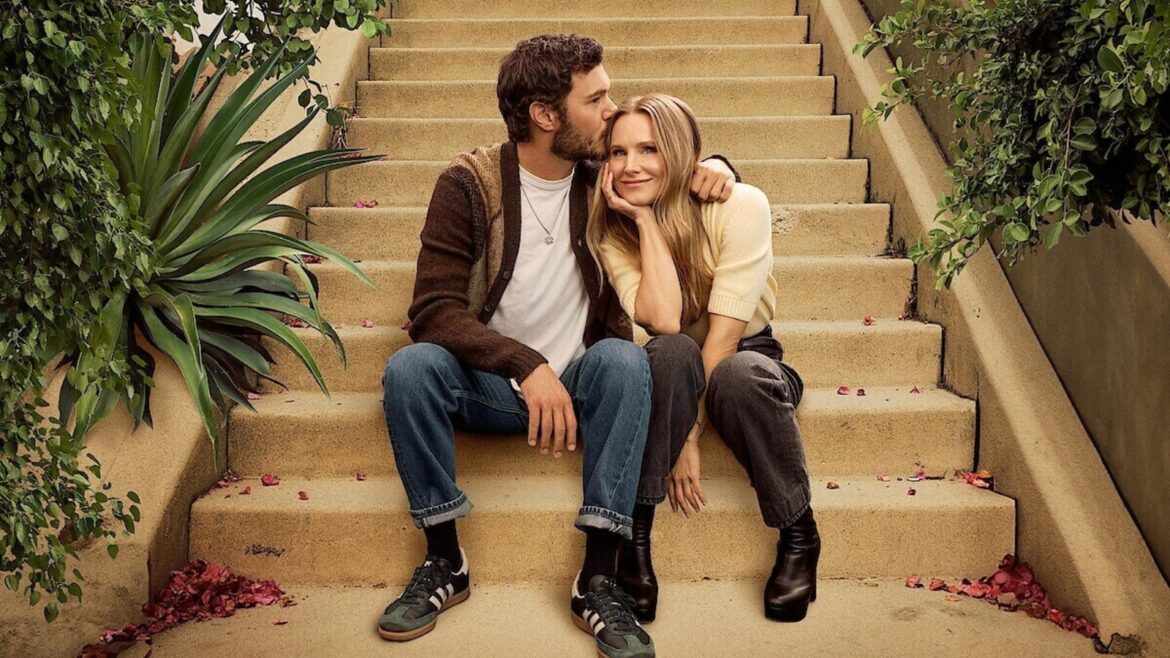
Adam Brody and Kristen Bell in the second season of Nobody Wants This.(HT)

From Joanne’s crisp essentials to Morgan’s Gen Z cool and Esther’s unapologetic prints, the show’s outfits mirror its messy, modern, and occasionally existential charm. Let’s decode every character’s style and how you can recreate their vibe without needing a Netflix-level budget.

1. Joanne Williams: The effortlessly put-together minimalist

Nobody Wants This Season 2: A deep dive into every character’s wardrobe(Instagram)

Joanne’s wardrobe is basically what you’d get if French-girl chic moved to L.A. and discovered emotional depth. These can include crisp white shirts, structured trousers, neutral turtlenecks, and perfectly worn-in jeans. Everything looks intentional, but never fussy.

Her palette sticks to soft neutrals including beige, black, off-white, with the occasional pop of mustard or butter yellow. It’s quiet confidence, bottled into clothes.

Recreate her look:

Start with tailored basics: clean button-down, high-waist trousers, and a fitted tee. Layer with a cropped leather jacket or a wool blazer. Keep accessories minimal, a chunky watch, small gold hoops, and sneakers.

Style tip:

Joanne’s secret is balance. If the outfit is structured, keep the hair soft. If you’re doing sharp tailoring, add a casual accessory. She’s proof that less really can look like more.

2. Morgan Williams: The cool girl in controlled chaos

Nobody Wants This Season 2: A deep dive into every character’s wardrobe(Instagram)

Morgan’s style is equal parts rebellion and trend forecasting. She’s the younger sister who shops vintage, mixes textures fearlessly, and somehow makes a suede co-ord work with chunky sneakers.

Her wardrobe thrives on contrast, a cropped argyle vest with wide-leg pants, leather shorts with an oversized shearling jacket, or a slinky top paired with track pants. She’s living proof that comfort and confidence can coexist.

Recreate her look:

Raid your wardrobe for something unexpected, that sequin top you never wear? Pair it with slouchy jeans. Try a cropped sweater over a flowy dress. Morgan’s looks are about intuition, not perfection.

Style tip:

Keep one piece bold and the rest chill. The magic lies in mismatching, suede with denim, shimmer with sneakers, leather with fleece. Controlled chaos never looked so cool.

3. Esther Williams: The bold-print mom redefining comfort

Nobody Wants This Season 2: A deep dive into every character’s wardrobe(Instagram)

Esther’s style evolution this season deserves applause. She’s ditched safe neutrals for playful prints, cosy knits, and denim that means business. Picture leopard-print cardigans, patterned scarves, and those easy slide-on shoes that somehow still look chic.

Her clothes reflect a woman rediscovering herself, comfortable, expressive, and quietly rebellious.

Recreate her look:

Mix a bold print with your most lived-in jeans or linen trousers. Add gold hoops or a bold lip to make it feel deliberate. Esther’s style is proof that “comfortable” doesn’t have to mean “boring.”

Style tip:

Balance boldness with basics. If your cardigan is loud, keep the rest muted. And don’t be afraid to experiment because the best looks often come from not overthinking it.

4. Sasha Williams: The laid-back hubby

Nobody Wants This Season 2: A deep dive into every character’s wardrobe(Instagram)

Sasha’s style is what happens when a tech nerd discovers good tailoring. It is quietly impressive, unintentionally cool, and endearingly awkward in the best way. His wardrobe this season leans into warm layers, knitted vests, soft shirts, and corduroy trousers, the kind that make you want to discuss documentaries over coffee. It is old-school academic meets modern-day understated chic.

Recreate his look:

Start with earthy tones such as rust, oatmeal, olive, navy. Go for textured fabrics: wool vests, cord pants, or flannel shirts layered under a casual blazer. Add clear-frame glasses or a knitted beanie for that signature Sasha sincerity.

Style tip:

It’s all about proportions. Since Sasha’s tall, his style balances length with softness, these include loose cardigans instead of stiff jackets, or wide-leg trousers instead of skinny fits.

5. Noah Roklov: The modern traditionalist

Nobody Wants This Season 2: A deep dive into every character’s wardrobe(Pinterest)

Noah’s wardrobe is all about quiet restraint, an understated blend of modern tailoring and modest classics. Expect well-fitted sweaters, clean shirts, and structured jackets that lean more intellectual than influencer.

He’s the guy who makes minimalism feel soulful; his outfits don’t need flash because the fit and simplicity do the talking.

Recreate his look:

Stick to classic shades such as navy, grey, camel and invest in high-quality basics like a merino wool sweater or a good overcoat. Keep it simple but intentional.

Style tip:

If you’re wearing muted tones, play with layering, a shirt under a sweater, a structured coat over a casual top. It adds depth without needing colour.

6. Andy: The polished professional with a soft edge

Nobody Wants This Season 2: A deep dive into every character’s wardrobe(Instagram)

Andy’s look blends crisp tailoring with warmth, literally and emotionally. His wardrobe revolves around well-cut shirts, muted suits, and subtle details that soften the sharpness, like rolled sleeves or a relaxed collar.

He’s practical but not plain, professional but approachable, a reminder that personal style doesn’t have to mean loud dressing.

Recreate his look:

Pair neutral shirts (white, sand, grey) with tailored trousers or chinos. Add texture through accessories such as a wool scarf, leather loafers, or even a knit tie.

Style tip:

Andy’s formula? Keep it simple, then break it slightly. Button-down, yes but maybe with sleeves rolled and the top button open. Effortless sophistication.

The wardrobes in Nobody Wants This Season 2 tell stories. Each outfit is a mood board of emotion, evolution, and identity. So, the next time you’re stuck in a style rut, take a cue from this cast. Dress like Joanne when you need structure, Morgan when you want fun, Esther when you crave boldness, Sasha when you want laidback confidence, Noah for quiet power, and Andy for easy charm.

Similar stories for you:

Halloween 2025: 7 Pop culture icons to channel for a killer costume look

Tired of loud wedding looks? Here’s why pastels are the classiest choice

Gilmore Girls style diaries: Cosy outfits to steal for your fall season wardrobe

Disclaimer: At Hindustan Times, we help you stay up-to-date with the latest trends and products. Hindustan Times has an affiliate partnership, so we may get a part of the revenue when you make a purchase. We shall not be liable for any claim under applicable laws, including but not limited to the Consumer Protection Act, 2019, concerning the products. The products listed in this article are in no particular order of priority.

October 29, 2025 0 comments
0 FacebookTwitterPinterestEmail
Demi Lovato Announces 'It's Not That Deep' North American Tour
TV & Streaming

Demi Lovato Announces ‘It’s Not That Deep’ North American Tour

by jummy84 October 27, 2025
written by jummy84

Demi Lovato has announced her “It’s Not That Deep” North American tour, slated for spring 2026.

The singer revealed dates for the 23-city tour on the heels of releasing her ninth album of the same name. The tour, which marks her first major headlining run in three years, kicks off on April 8 at Charlotte, NC’s Spectrum Center. She’s set to make stops at New York City’s Madison Square Garden, Las Vegas’ MGM Grand Garden Arena and Los Angeles’ Kia Forum before wrapping at Houston’s Toyota Center on May 25.

Lovato warmed up for the tour with an intimate performance on Saturday at Los Angeles’ Hollywood Palladium, treating attendees to cuts from her latest dance-pop record as well as hits from her catalog. She plans to bring along special guest Adéla as support for the “It’s Not That Deep” tour.

Presale for the tour begins on Oct. 30 at 10 a.m. local time, and fans can sign up for access on Ticketmaster. General sale starts on Oct. 31 at 10 a.m. local time.

Check out the full tour dates below:

Wed Apr 8 – Charlotte, NC – Spectrum Center
Fri Apr 10 – Orlando, FL – Kia Center
Sun Apr 12 – Atlanta, GA – State Farm Arena
Tue Apr 14 – Nashville, TN – Bridgestone Arena
Thu Apr 16 – Washington, DC – Capital One Arena
Sat Apr 18 – Philadelphia, PA – Xfinity Mobile Arena
Mon Apr 20 – Toronto, ON – Scotiabank Arena
Wed Apr 22 – Boston, MA – TD Garden
Fri Apr 24 – New York, NY – Madison Square Garden Arena
Mon Apr 27 – Columbus, OH – Nationwide Arena
Wed Apr 29 – Detroit, MI – Little Caesars Arena
Fri May 1 – Chicago, IL – United Center
Sat May 2 – Minneapolis, MN – Target Center
Tue May 5 – Denver, CO – Ball Arena
Fri May 8 – Las Vegas, NV – MGM Grand Garden Arena
Sat May 9 – Anaheim, CA – Honda Center
Mon May 11 – San Francisco, CA – Chase Center
Wed May 13 – Seattle, WA – Climate Pledge Arena
Sat May 16 – Los Angeles, CA – The Kia Forum
Tue May 19 – Glendale, AZ – Desert Diamond Arena
Fri May 22 – Dallas, TX – American Airlines Center
Sun May 24 – Austin, TX – Moody Center
Mon May 25 – Houston, TX – Toyota Center

October 27, 2025 0 comments
0 FacebookTwitterPinterestEmail
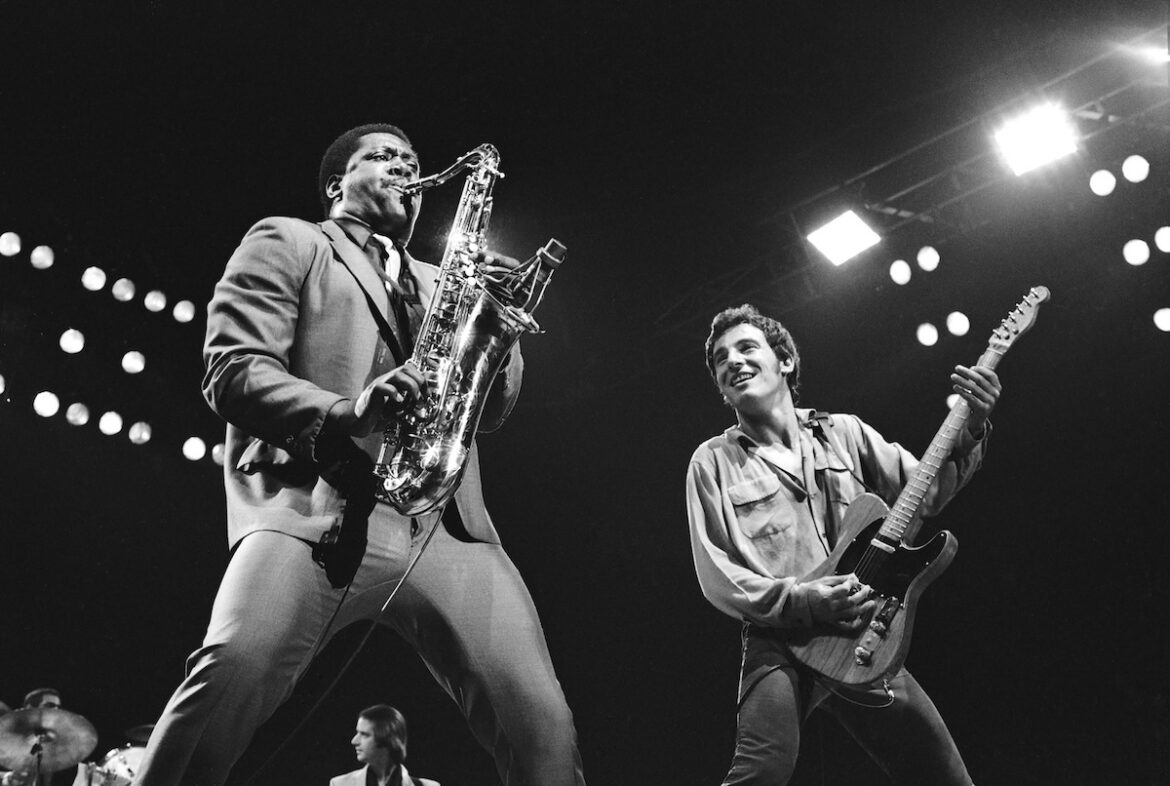
Clarence Clemons and Bruce Springsteen in 1981. (Chris Walter)
Music

Deep Cut Friday: ‘State Trooper’ by Bruce Springsteen

by jummy84 October 26, 2025
written by jummy84

Each week, SPIN digs into the catalogs of great artists and highlights songs you might not know for our Deep Cut Friday series.

Bruce Springsteen’s sixth album Nebraska was a pivot away from the spotlight, released in between two hit-filled blockbuster albums, 1980’s The River and 1984’s Born in the U.S.A. Living in relative seclusion in Colts Neck, New Jersey, in 1981, Springsteen documented his new songs with a four-track recorder, making stark acoustic demos that he decided could be an album unto itself. Nebraska was critically acclaimed and modestly successful, eventually going platinum, and became a cornerstone of Springsteen’s artistic legacy. In the last few weeks, Springsteen: Deliver Me From Nowhere hit theaters, with Jeremy Allen White playing the Boss during the creation of Nebraska, and Springsteen released an expanded reissue of the album.

Bruce Springsteen’s affinity for the New York punk scene may have surprised a few people at the time. The Phil Spector-inspired maximalism and romance of Born to Run was a far cry from the grit of the CBGBs bands, but he did take note of what was happening across the Hudson River. In 1978, Patti Smith and Springsteen co-wrote her biggest hit “Because the Night,” and two years later Springsteen nearly gave away one of his signature songs, “Hungry Heart,” to the Ramones. The CBGBs band that inspired Springsteen the most, though, was Suicide, the duo of Martin Rev and Alan Vega. One of Nebraska’s darkest tracks, “State Trooper,” was directly influenced by “Frankie Teardrop,” the 10-minute centerpiece of Suicide’s 1977 self-titled debut.

“Frankie Teardrop,” built on Rev’s eerie synthesizers and ticking drum machine, is about a suicidal factory worker. “State Trooper,” with a simple guitar-and-vocal arrangement, is about a man driving a stolen car and hoping not to get pulled over. Despite the very different instrumentation, the two songs share an eerie, paranoid atmosphere and intense, heavily reverbed vocal performances. “Deliver me from nowhere,” Springsteen softly sings before “State Trooper” ends with a startling howl reminiscent of Alan Vega’s vocal on the climax of “Frankie Teardrop.”

In 2005, Springsteen began covering Suicide’s 1979 single “Dream Baby Dream” in concert, eventually recording it for his 2014 album High Hopes. Vega died in 2016, and last year, Springsteen wrote the foreword for Laura Davis-Chanin and Liz Lamere’s biography Infinite Dreams: The Life of Alan Vega. “‘Frankie Teardrop’ – that was incredible. That might be his greatest piece of work right there,” Springsteen wrote. “It was something I really related to. And definitely inspired the way I wrote ‘State Trooper.’”

Three more essential Bruce Springsteen deep cuts:

“It’s Hard to Be a Saint in the City”

The closing track on Springsteen’s 1973 debut Greetings from Asbury Park, N.J. was the song that convinced Mike Appel to be the young singer’s manager and was part of the audition that got him signed to Columbia Records. One of Springsteen’s earliest famous fans was David Bowie, who recorded a cover of “It’s Hard to Be a Saint in the City” in 1973, though it wouldn’t be released until 1989.

“Candy’s Room”

The fourth track on Darkness of the Edge of Town is the E Street Band at its most cinematic, Max Weinberg’s 16th note hi-hats and Roy Bittan’s surging piano constantly driving the song’s energy further and further upward.

“Bobby Jean”

One of Springsteen’s oldest friends, Steven Van Zandt, left the E Street Band shortly before the release of Born in the U.S.A. to focus on his solo career. The album featured “Bobby Jean,” a bittersweet song about friendship that’s been widely interpreted as a tribute to Van Zandt.

October 26, 2025 0 comments
0 FacebookTwitterPinterestEmail
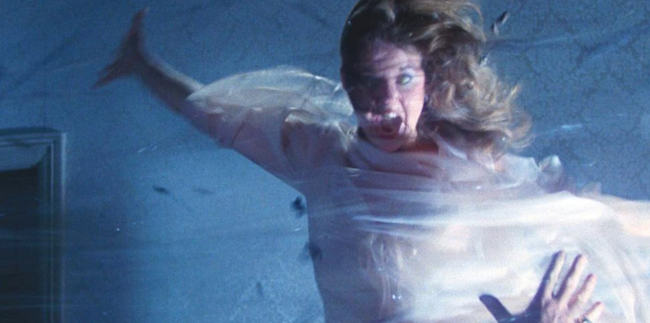
‘Boorman and the Devil’ Review: This Deep Dive Into How ‘Exorcist II: The Heretic’ Spiraled Out of Control Deserves a Wide Release
TV & Streaming

‘Boorman and the Devil’ Review: This Deep Dive Into How ‘Exorcist II: The Heretic’ Spiraled Out of Control Deserves a Wide Release

by jummy84 October 25, 2025
written by jummy84

David Kittredge conjures a true film lover’s retrospective in this magical John Boorman documentary.

October 25, 2025 0 comments
0 FacebookTwitterPinterestEmail
Adam Pally’s First Comedy Special Goes Deep About Truth: Interview
TV & Streaming

Adam Pally’s First Comedy Special Goes Deep About Truth: Interview

by jummy84 October 17, 2025
written by jummy84

I don’t know if Adam Pally liked this interview. I think he did, but I can’t say for sure. At one point — maybe two — I inadvertently insulted him, but I think we’re cool. Adam Pally is everybody’s best friend.

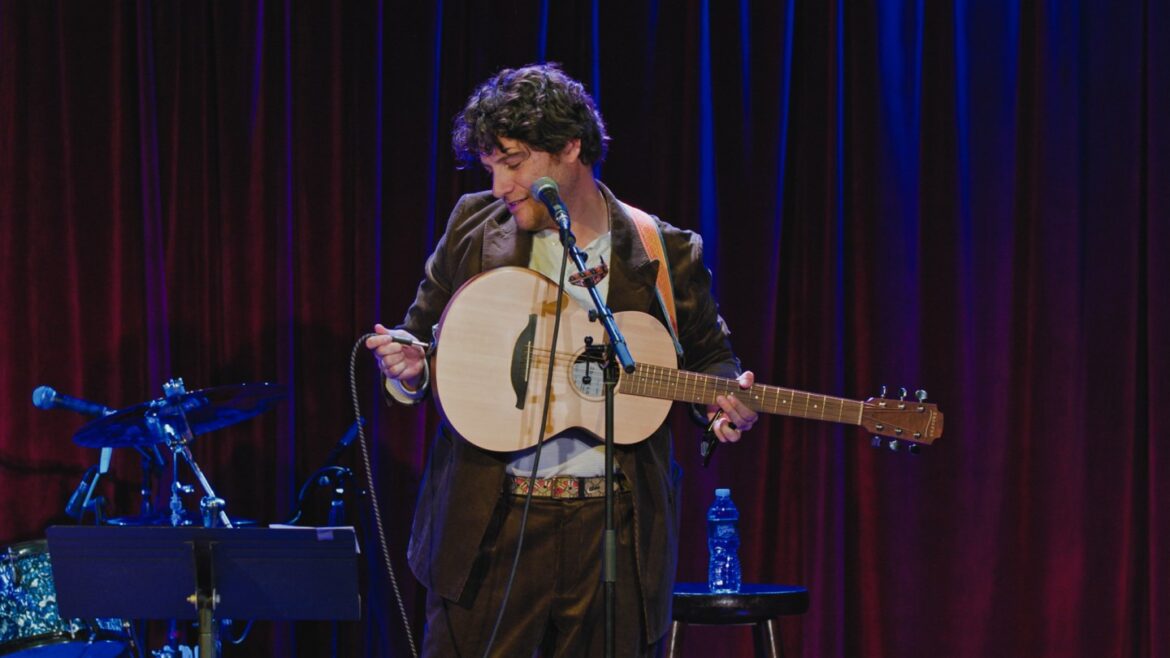
On Friday, Pally’s (The Mindy Project, Happy Endings, Sonic the Hedgehog) first-ever comedy special, An Intimate Evening with Adam Pally, premieres at 9 p.m. on HBO and HBO Max. “Equal parts stand-up, documentary and rock concert, Adam Pally plays with the truth — and his guitar — in a one-time-only performance,” the logline reads.

Pally’s schtick is not quite stand-up, and though he dons a guitar for most of the live performance, it’s not what you think. There are no silly songs, just earnest covers strategically placed throughout the set to move along its storytelling. And it probably accomplished that for the 200 audience members at the live taping at the Bell House in Brooklyn. For the vast majority of people who will ultimately consume the Pally performance at home, it won’t be the same experience.

Pally and the documentary’s director Brent Hodge failed to get the rights to, well, any of the cover songs Pally plays. (Pally, the son of lounge singers, is a legitimate musician; when we spoke via Zoom, no fewer than six guitars were visible. So that’s where the Mindy money went!) Their legal failure doesn’t mean viewers won’t find enjoyment in those muted moments, however, as the inability to gain clearances becomes part of a running joke that serves the documentary.

That’s kind of the special in a nutshell. Pally goes with the flow as well as anyone, which puts an interviewer at ease — as that’s when inadvertent insults can happen. It’s chill: Adam Pally is my friend. I think. You decide; read our Q&A below.

***

I didn’t know what to expect from this special, which seems like partially the point. The trailer suggests the performance may have been a shitshow — but it was, in fact, a good show.

I guess then I’ve done it. I’ve set the expectations for something I’ve made so low that people are surprised that it even exists. In some ways, I take that as a huge compliment. I don’t know if I have a brand — a comedic brand — or anything like that. But I think a lot of the times I’ve gotten the chance to do something like this, I tend to do something self-effacing or meta or talk about the actual thing I’m doing, which some people like or some don’t. So this felt kind of on brand, I guess for me.

The special has a bigger point, this theme of truth. I wonder, though, because of your casual, affable style, if you don’t get credit for the depth.

I feel seen in this interview — I feel like you get me. I think I’m always grappling with how much someone’s attention is worth, and whether I’m worthy of that attention. I don’t take it lightly that people would be paying attention to it. I think that leads to a lot of thought, and if you’re not thinking about that then you’re truly an A-grade narcissist. But you have to sometimes be like, “Is my voice worth it? Is my opinion worth it?” It’s OK to have an opinion, but to put it out there, to do your work in public, is there a reason for it? I struggle with that a lot, because making people laugh is sometimes viewed as a less-than-honorable pursuit. Like the idea that a joke is cheap. To me, a joke is high art. A great joke is something like a great album, and a great comedian is like a great musician or great artist. You can hang “Who’s on First?” in a museum, right next to the Mona Lisa. To me, they’re equal parts cerebral and artistic and genius.

Is [this special] worth something to someone? I don’t know. Or is it just what I do? This is something that I felt compelled to do. I think all those thoughts went into making this, and all those thoughts go into a lot of my comedy. They tend to kind of run the gamut of, “Why?”

It can be a lot of work to look like you’re not working hard.

Sometimes people say good style is when you’re wearing something that looks like you’ve worn it for 30 years. I do try to do that. I try to make everything feel lived in. I toured this concept in this show for a long time, and really perfected it. I was all over in small places, really small venues. Not purposely, it just felt like that’s where I could book. That led to every night being different. I’m a child of jam bands. I love the Grateful Dead and Phish and and Dave Matthews Band and Pearl Jam — I love a new set every night.

I came up through improv. Stand-up comics have to do the same set every night, which would frustrate me. What I love about improv is that it’s different. But straight improv can sometimes be really tough to watch, and it doesn’t translate to movies and television, which is ultimately something else I wanted to do. I was thinking there has to be a way to make it feel special and different every night, while having it be the same and well-rehearsed and well-timed. I know where the jokes are, and I know how to take the audience for a ride with me — like a concert.

With the central theme of truth, were all of the recorded voicemails and phone calls between you and director Brent Hodge authentic, or were some of those moments planned out?

I can’t answer that because I truly don’t know the answer. Brett never told me when we were recording when he was recording. So whether that makes it authentic or not — after I saw the first cut, I knew that every time I talked to Brett on the phone, he was recording me. So you could take that answer however you want.

The time you got upset with him over music rights, were you legitimately angry?

At that point, I knew I was being recorded — but I was also legitimately upset.

Adam Pally (left) and Stephen Curry in Peacock’s Mr. Throwback.

David Moir/Peacock

At what point did you decide — or realize — the show was about truth?

About five years ago, I was doing short guest spots on my friends’ shows. I started to bring my guitar because it was all I had, and the spots started to evolve. Around that time, there was a big question about stand-ups and authenticity. How authentic you had to be or how authentic you are, or if these stories happen to me or someone like me, or if I’m confusing it in my mind. It was a hot time. So I started telling these long stories and forming punchlines for them. Then the music kind of supported them. In a lot of ways, to me, it doesn’t matter [if it’s true] unless you want it to matter. I know that sounds strange, but if someone’s telling me a story and it’s funny, they put themselves in the protagonist position for a reason, then I’m judgmental of it. But if they’re just getting a laugh on it, like this is the way to get the point across, or this is the story — that’s how people write movies.

I was trying to exonerate that, and saying, “You know what, none of it matters because we’re all struggling, we’re all the same.” Really the only truth — the only real honest truth for any performer — is that they just want people to look at them and be seen. If someone tells you otherwise, they’re lying. So that was the truth I came to and I was trying to explore as many avenues into that answer as I could — to pull as many cars into that garage as I could.

You said earlier you don’t know if you have a comedic brand. I think you do. I think your brand is “Everybody’s Best Friend.”

My agent would hate to hear that. My publicist is literally like, “[Groans] There goes leading man!” Actually, when I say “agent” and “manager,” it’s actually my own brain. I’m way too fat to be a leading man.

(Laughs.) That’s actually not the way I meant it. You can play a lead, like on Mr. Throwback, which as you know I really liked. But you have an aura of being everyone’s pal — meaning everyone in the audience. Like Ike Barinholtz, whom of course you worked with on The Mindy Project.

No, no. I was kidding. That’s very nice of you, again. To be compared to Ike is a huge, huge, huge— well, he’s big in stature. [Note: Barinholtz is about 6-foot-2 to Pally’s 5-foot-10.] It’s a huge compliment. He’s the greatest. I was just telling someone today, one of the things I loved the most about working on Mindy was watching Ike and Dave Stassen and Mindy [Kaling] work. Truly, I learned from watching them — “Oh, you can run a show and be funny and be on it and get your voice [on it]?” So to have my name brought up in any sense with Ike is a true compliment.

I’m surprised to hear you say [I’m so likable] because I feel like — I don’t know if I have a brand, but I guess it would be maybe chaos? Mindy Kaling once called me a Loki, like a bit of a troublemaker. But I’m trying, especially as I get older, to channel those powers for good.

I just can’t picture you in an argument with somebody.

I do hate confrontation, so that’s fair.

Mr. Throwback is a good example. Your character isn’t a good guy — not at first — but he’s still lovable, and not in an antihero-type way…

Yeah, yeah.

Do you want to play a real villain?

You want to talk about chewing scenery? I mean, I would dig in. I would hope to one day be afforded those opportunities to really stretch and grow. But I’ve been so lucky. I’ve been banging around for almost 20 years. I would love to play a real villain and be given that opportunity, and I know I would do a good job with it. But at the same time, I don’t turn my nose up at any work, really. I need to work. I like to work and I need to work. So I’m so thankful. If someone sees me as the best friend, that’s great, because hopefully I’ll do something different in that best friend role that you can’t imagine anyone else doing. That’s the goal of everything I play — every thing I put out, and every comedic thing I do, or anything I do in general. I would hope that you would say, “No one else could do that.”

Were you crushed by the Mr. Throwback cancellation? It was bizarre how quick Peacock was to pull that trigger after all of the marketing behind it.

You know what? It did what it did — and it’ll do what it’ll do. And you know what it really did? Everybody that worked on it is now working on something else. I’m the only one that’s not. And that happens on almost every job that I’ve been lucky enough to have. I think I’m proud of that the most. Usually people after working with me go on to do really great things — and whether that’s because they (laughs) saw the way I did it and didn’t like it, or because they took a little bit of me with them, I think it’s a nice pattern in my career that I would hope to continue. Everybody on Throwback from the writing staff to the cast is thriving.

Steph [Curry] landed on his feet.

Look, he does Throwback and Jimmy Butler shows up. [Note: Butler was traded from the Miami Heat to Curry’s Golden State Warriors in February.]

Adam Pally as Wade Whipple and Knuckles (voiced by Idris Elba) in Paramount+ Knuckles.

Paramount Pictures/Sega/Paramount+

My daughters and I enjoy the Sonic movies and Knuckles spinoff, which gives you a bit more to do than the films. I understand Idris Elba has had a stellar dramatic acting career, but I cannot be convinced that Knuckles is not his finest role.

I honestly don’t know what the plans are for the franchise. It’s the greatest gig. Truly the best job. Idris is funny. In person, he is very funny. He makes me laugh all the time. To the premiere I invited my aunt and uncle, and they were a little nervous; they didn’t know where to go. I was trying to tell them on the phone where to go. But I was doing interviews — it’s kind of hectic, so was like, “Just go to the theater.” I show up, do the red carpet and then I bump into Idris and he goes, [doing an excellent Idris impression] “Adam, this is your uncle.” He had already been hanging out with my uncle. He’s like, [back to Idris impression] “Your Uncle Robert is very funny!”

That’s a very good Idris impression)

Well, I spent enough time with him. He’s a funny guy. His his tone is perfect — he nails it. I hope he does more comedy. He makes me laugh in real life. I feel like there’s a comedy out there for him, and it’ll be a huge hit.

For Knuckles, are you mostly acting opposite a tennis ball or like a stuffy of Knuckles?

It depends on what the scene is. It runs the gamut from a child in a green suit to a tennis ball, to a live puppet with, like, full animatronic features.

No real echidna?

Haven’t thrown in a real echidna. They know not to. I remember doing a scene with a snake once in Champaign, ILL. I am really good on set. Like, really good. You can beat me up, put me in a cage, feed me through a tube, whatever. I’m an actor’s-actor. I’ve worked with David Caspe, who directed and created that show, a million times. And I remember after we did the snake scene, he came over to me and was like, “Wow, you really hated that snake.” There’s some things I can’t act through.

***

An Intimate Evening with Adam Pally premieres on HBO and streams on HBO Max at 9 p.m. Friday.

October 17, 2025 0 comments
0 FacebookTwitterPinterestEmail
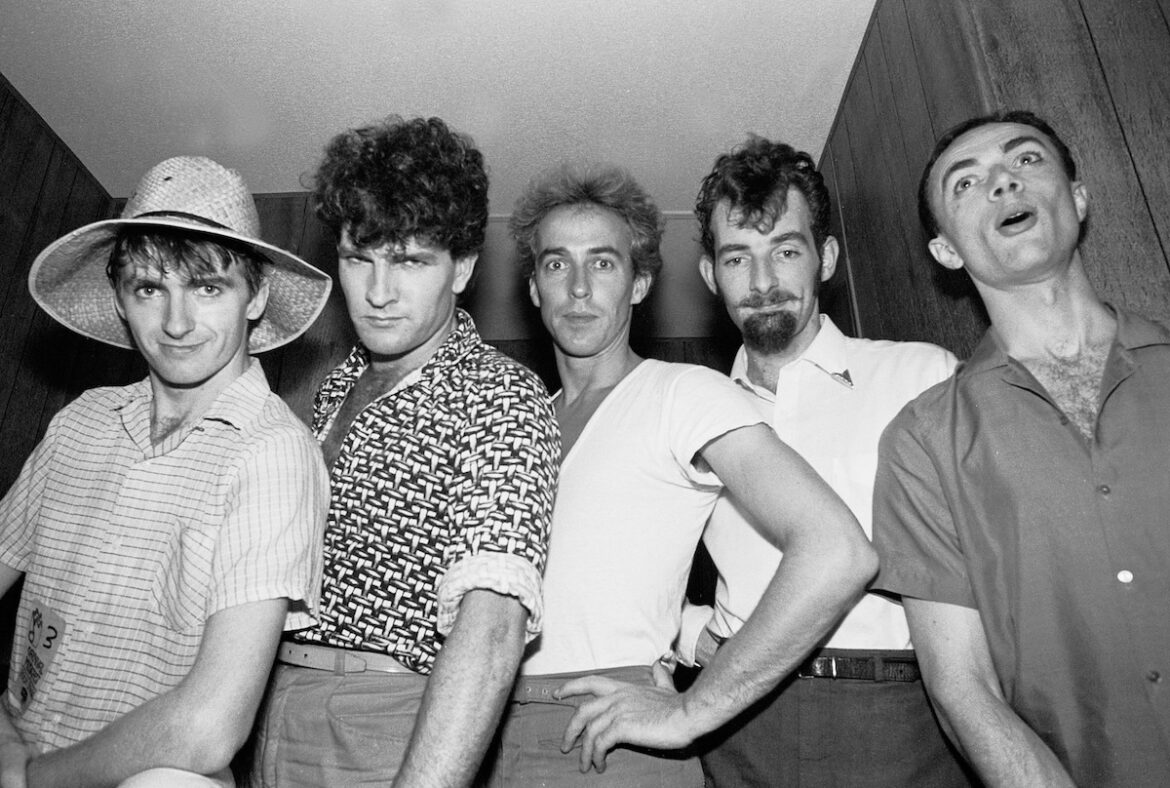
Split Enz at Memphis in May in 1981. (Credit: Paul Natkin/Getty Images)
Music

Deep Cut Friday: ‘Sweet Dreams’ by Split Enz

by jummy84 October 17, 2025
written by jummy84

Each week, SPIN digs into the catalogs of great artists and highlights songs you might not know for our Deep Cut Friday series.

MTV premiered on August 1, 1981, and four different videos by Split Enz aired on the channel in its first 24 hours. The New Zealand band had only made its Hot 100 debut less than a year earlier with 1980’s “I Got You,” but at the dawn of music television, they were briefly as ubiquitous as rock titans like the Who and David Bowie. That’s because Split Enz were one of the most visually oriented bands in the world before the advent of MTV, with outrageously imaginative makeup and costumes. And by 1981, they’d already produced music videos for more than a dozen of their songs that had aired on television in New Zealand and Australia.

One of the earliest and most striking Split Enz videos was for “Sweet Dreams,” a track from 1976’s Second Thoughts that was never released as a single. Musically, the song showcases the distinctive voice and emotive, erudite lyrics of guitarist Phil Judd, who co-founded Split Enz and split frontman duties with Tim Finn on the band’s early albums. Visually, the clip showcases the work of Split Enz percussionist Noel Crombie, who directed most of the Split Enz videos and designed the surreal hairstyles and outfits sported by the band in “Sweet Dreams.”

On November 14, Chrysalis Records is releasing ENZyclopedia Volumes One & Two, a 5 CD set of early Split Enz work including two versions of Second Thoughts, one of them a new 2025 remix of the album by keyboardist Eddie Rayner. Rayner’s remix of “Sweet Dreams,” premiered here exclusively by SPIN, brings out more vivid sonic detail in the instrumental bridge of the original 1976 track, which was produced by Roxy Music’s Phil Manzanera.

Phil Judd left Split Enz in 1977 and briefly rejoined the band in 1978 before leaving a final time. Split Enz disbanded in 1984 and have reunited many times since then, including a planned appearance at the Electric Avenue Festival in New Zealand in February 2026. Judd hasn’t participated in any of the various Split Enz reunions over the years, but ENZyclopedia Volumes One & Two presents a loving portrait of the great songs he wrote for the band in the mid-’70s.

Three more essential Split deep cuts:

“Under the Wheel”

At nearly eight minutes long, “Under the Wheel” from 1975’s Mental Notes is an example of the kind of proggy, expansive songs Phil Judd and Tim Finn were writing together before Split Enz’s best known work in the new wave era.

“Missing Person”

Tim Finn’s little brother Neil joined Split Enz in 1977. And by 1980’s True Colours, the younger Finn was writing some of the band’s most memorable tracks, including “I Got You” and the Beatlesque “Missing Person.” After the breakup of Split Enz, Neil Finn would go on to greater international fame with his next band, Crowded House.

“Small World”

Tim Finn’s piano-driven Split Enz songs became a little more direct and concise after his brother’s success with the band, and 1982’s Time and Tide featured some of the elder Finn’s finest work before he began to turn his focus towards a solo career. 

October 17, 2025 0 comments
0 FacebookTwitterPinterestEmail
Newer Posts
Older Posts

Social Connect

Facebook Twitter Instagram Pinterest Youtube Snapchat

Recent Posts

  • 2009 feels like a whole other world away

  • Watch Ariana Grande and Jimmy Fallon Perform a History of Duets

  • Spotify’s Joe Hadley Talks ARIA Awards Partnership

  • Nick Offerman Announces 2026 “Big Woodchuck” Book Tour Dates

  • Snapped: Above & Beyond (A Photo Essay)

Newsletter

Subscribe my Newsletter for new blog posts, tips & new photos. Let's stay updated!

Categories

  • Bollywood (1,929)
  • Celebrity News (2,000)
  • Events (267)
  • Fashion (1,605)
  • Hollywood (1,020)
  • Lifestyle (890)
  • Music (2,002)
  • TV & Streaming (1,857)

Recent Posts

  • Shushu/Tong Shanghai Fall 2026 Collection

  • Here’s What Model Taylor Hill Is Buying Now

  • Julietta Is Hiring An Assistant Office Coordinator In Dumbo, Brooklyn, NY (In-Office)

Editors’ Picks

  • 2009 feels like a whole other world away

  • Watch Ariana Grande and Jimmy Fallon Perform a History of Duets

  • Spotify’s Joe Hadley Talks ARIA Awards Partnership

Latest Style

  • ‘Steal This Story, Please’ Review: Amy Goodman Documentary

  • Hulu Passes on La LA Anthony, Kim Kardashian Pilot ‘Group Chat’

  • Hannah Einbinder Slams AI Creators As “Losers”

  • Facebook
  • Twitter

@2020 - celebpeek. Designed and Developed by Pro


Back To Top
celebpeek
  • Home
  • Bollywood
  • Hollywood
  • Lifestyle
  • Fashion
celebpeek
  • Music
  • Celebrity News
  • Events
  • TV & Streaming